Loading subject page…

- Anatomy and Physiology
- Absorption of Nutrients
- Metabolic Rate
Micro-course: Absorption of Nutrients
34,747 views
Learn key concepts and earn your certificate.




















Metabolic Rate


00:00
01:25
Video Summary: What Is Metabolic Rate
Did you know that your body burns approximately 2,000 calories daily just to keep you alive, even while sleeping? Metabolic rate biology explained reveals how your cells constantly consume energy through biochemical reactions. Consider an NCAA athlete like a University of Michigan swimmer who burns 4,000+ calories daily compared to a sedentary office worker's 1,800 calories. What is metabolic rate encompasses both your resting energy needs and activity-related expenditure. Watch the full video on JoVE Coach to master this concept with expert-led visuals and step-by-step explanations.
- Understand what is metabolic rate and distinguish between total metabolic rate (TMR) and basal metabolic rate (BMR)
- Identify the key factors that influence BMR including age, gender, body temperature, stress levels, and thyroid hormone activity
- Analyze how body metabolism rate explained differs between demographic groups, particularly age and gender variations
- Compare energy expenditure during rest versus active states in various physiological conditions
- Evaluate the role of thyroxine and sympathetic nervous system activation in metabolic rate regulation
- Apply metabolic rate concepts to real-world scenarios like fever response and athletic performance
- Recognize clinical implications of altered metabolic rates in health and disease states
- Explore measurement techniques for determining individual metabolic rates in laboratory and clinical settings
Understanding What is Metabolic Rate in Cellular Terms
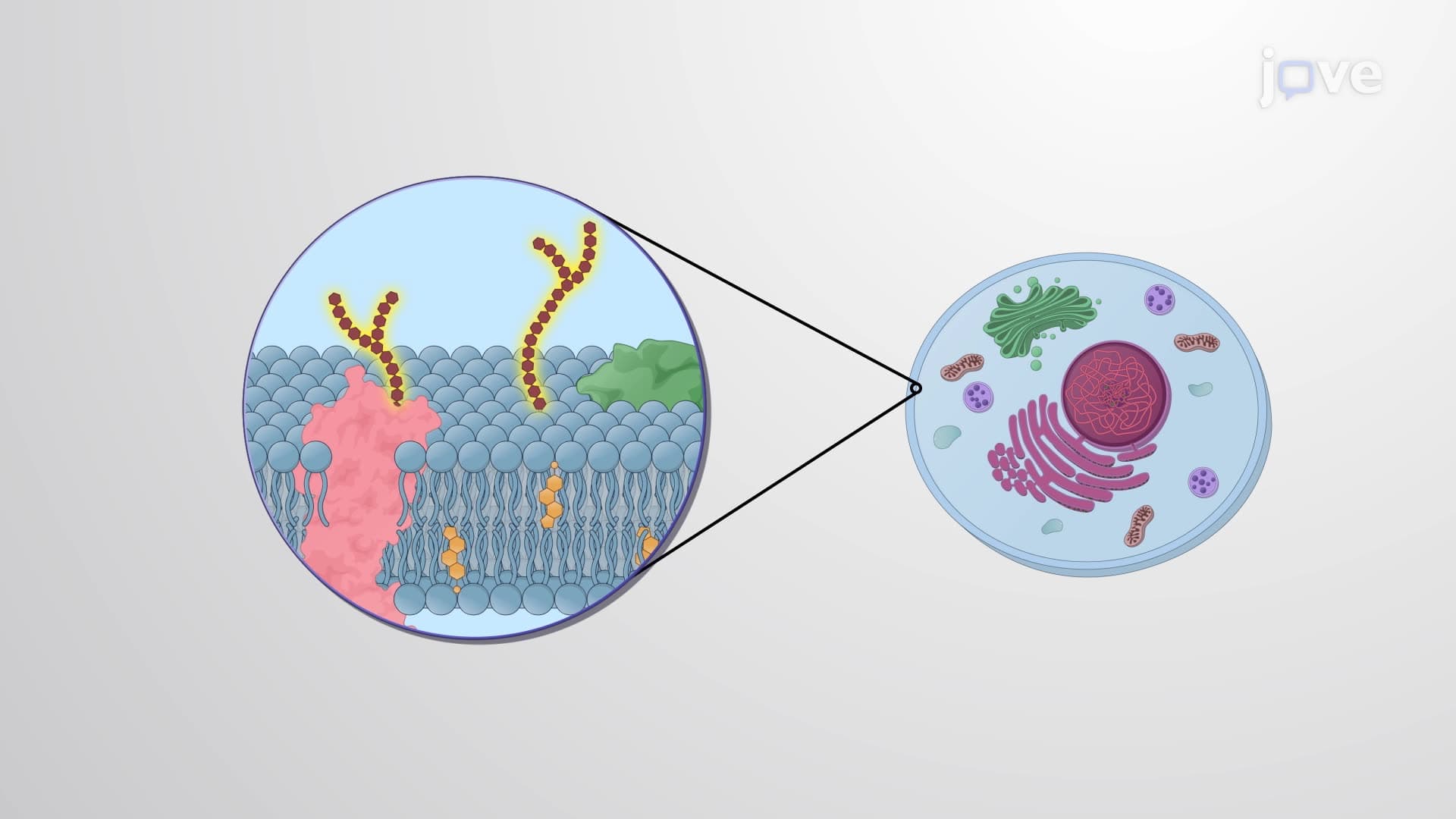
What is metabolic rate fundamentally describes how rapidly your cells convert nutrients into usable energy through ATP production. This process involves complex biochemical pathways including glycolysis, the citric acid cycle, and oxidative phosphorylation occurring in cellular mitochondria. Your body metabolism rate explained encompasses every energy-requiring process from DNA replication to muscle contraction.
Distinguishing Total vs. Basal Metabolic Measurements
Total daily energy expenditure represents your complete energy consumption including voluntary activities like exercise, involuntary functions like digestion, and baseline cellular maintenance. Conversely, basal metabolic rate BMR specifically measures energy requirements during complete rest-typically assessed after 12-hour fasting while lying motionless in a thermoneutral environment. Clinical facilities like Johns Hopkins Hospital use indirect calorimetry to measure oxygen consumption and carbon dioxide production for precise BMR calculations.
Critical Factors Influencing Metabolic Rate Biology Explained
Age dramatically affects metabolic patterns. Pediatric patients at Children's Hospital of Philadelphia demonstrate higher BMR per kilogram because growing tissues require substantial energy for protein synthesis and cellular division. Elderly adults experience declining BMR as sarcopenia reduces metabolically active muscle tissue.
Gender differences reflect body composition variations. Males typically possess greater muscle mass and lower body fat percentages, resulting in elevated BMR. A 180-pound male college football player at Ohio State University maintains significantly higher baseline energy needs than a similarly-weighted female due to increased lean muscle tissue.
Metabolic rate factors thyroid hormones, particularly thyroxine (T4) and triiodothyronine (T3), powerfully regulate cellular respiration rates. Hyperthyroid patients at Mayo Clinic demonstrate elevated BMR up to 50% above normal, while hypothyroid individuals show substantially reduced energy expenditure.
Clinical Applications and Exam Relevance
Understanding metabolic rate proves essential for AP Biology exams, particularly cellular respiration and endocrine system topics. Medical school applicants encounter these concepts on MCAT Biological Sciences sections. BMR measurement estimation appears frequently in nursing programs (NCLEX) and physician assistant studies.
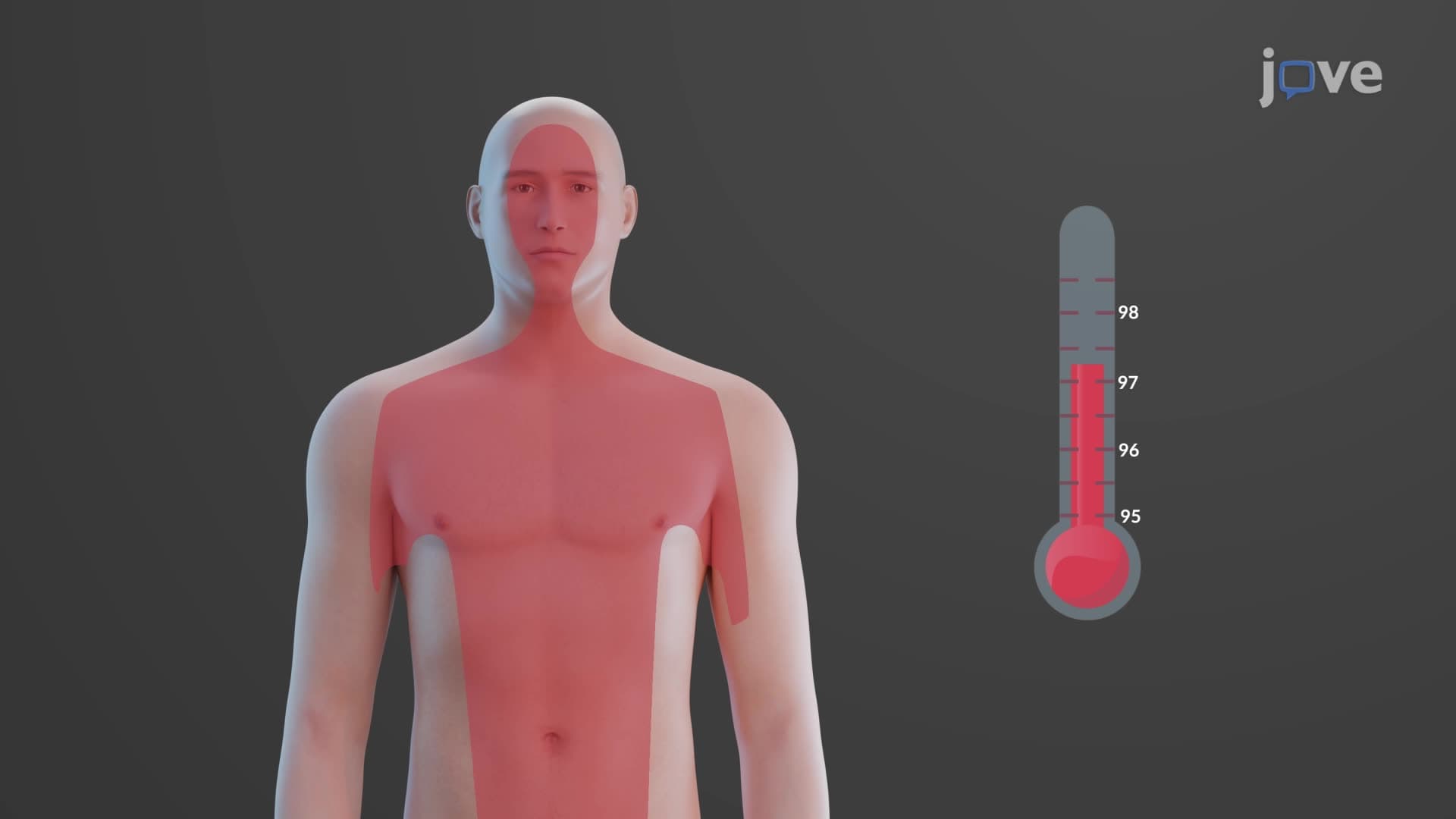
Healthcare professionals at institutions like Cleveland Clinic utilize metabolic rate calculations for nutritional planning, medication dosing, and treatment protocols. Emergency department physicians recognize fever's impact-each degree Celsius elevation increases BMR approximately 13%, explaining increased caloric needs during illness.
Frequently Asked Questions
Metabolic rate determines how many calories your body burns to maintain basic functions and fuel activities. It directly impacts weight management, energy levels, and nutritional requirements, explaining why some people seemingly eat more without weight gain.
In physiological terms, metabolic rate quantifies the speed of chemical reactions that release energy from nutrients in your cells. It's measured as energy expenditure per unit time, typically expressed in calories per hour or kilocalories per day.
MCAT questions often integrate metabolic rate with cellular respiration, hormonal regulation, and comparative physiology. AP Biology exams focus on factors affecting BMR, energy flow through organisms, and connections between metabolism and homeostasis.
Nursing exams emphasize clinical applications including fever's effect on metabolic demands, age-related metabolic changes, and nutritional assessment using BMR calculations. Understanding thyroid hormone effects on metabolism frequently appears in pathophysiology sections.
Clinical facilities use indirect calorimetry equipment that measures oxygen consumption and carbon dioxide production to calculate energy expenditure. Patients breathe through specialized masks or chambers while computerized systems analyze gas exchange patterns.
Basic high school chemistry suffices for fundamental metabolic rate concepts. Understanding involves recognizing energy transformations and chemical reaction principles rather than memorizing complex molecular structures or reaction mechanisms.
Create concept maps linking BMR factors (age, gender, hormones, temperature) with specific examples and numerical changes. Practice calculating energy expenditure problems and connecting metabolic concepts to real clinical scenarios you might encounter.
Consider studying metabolic disorders like diabetes and thyroid diseases, exercise physiology and training adaptations, or nutritional biochemistry and macronutrient metabolism to deepen your understanding of energy regulation.
Healthcare professionals use metabolic rate knowledge for patient nutrition planning, medication dosing calculations, and recognizing metabolic disorders. It's fundamental for dietitians, nurses, physicians, and physical therapists working with diverse patient populations.
Related Micro-courses

25 Concepts

20 Concepts

37 Concepts