Loading video…


 25 Concepts
 34.8K views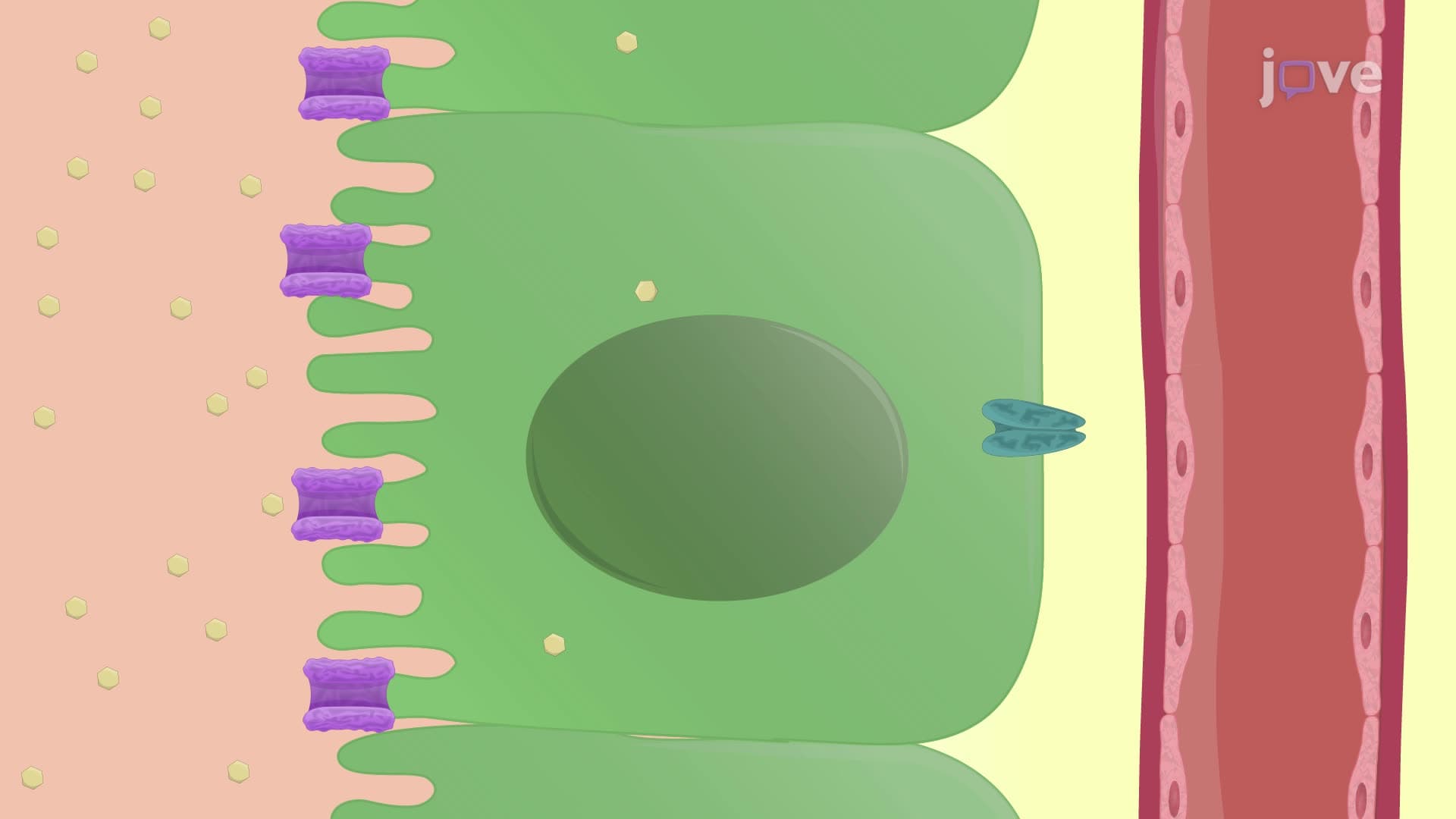

Video Summary: What Is Overview of Carbohydrate Metabolism
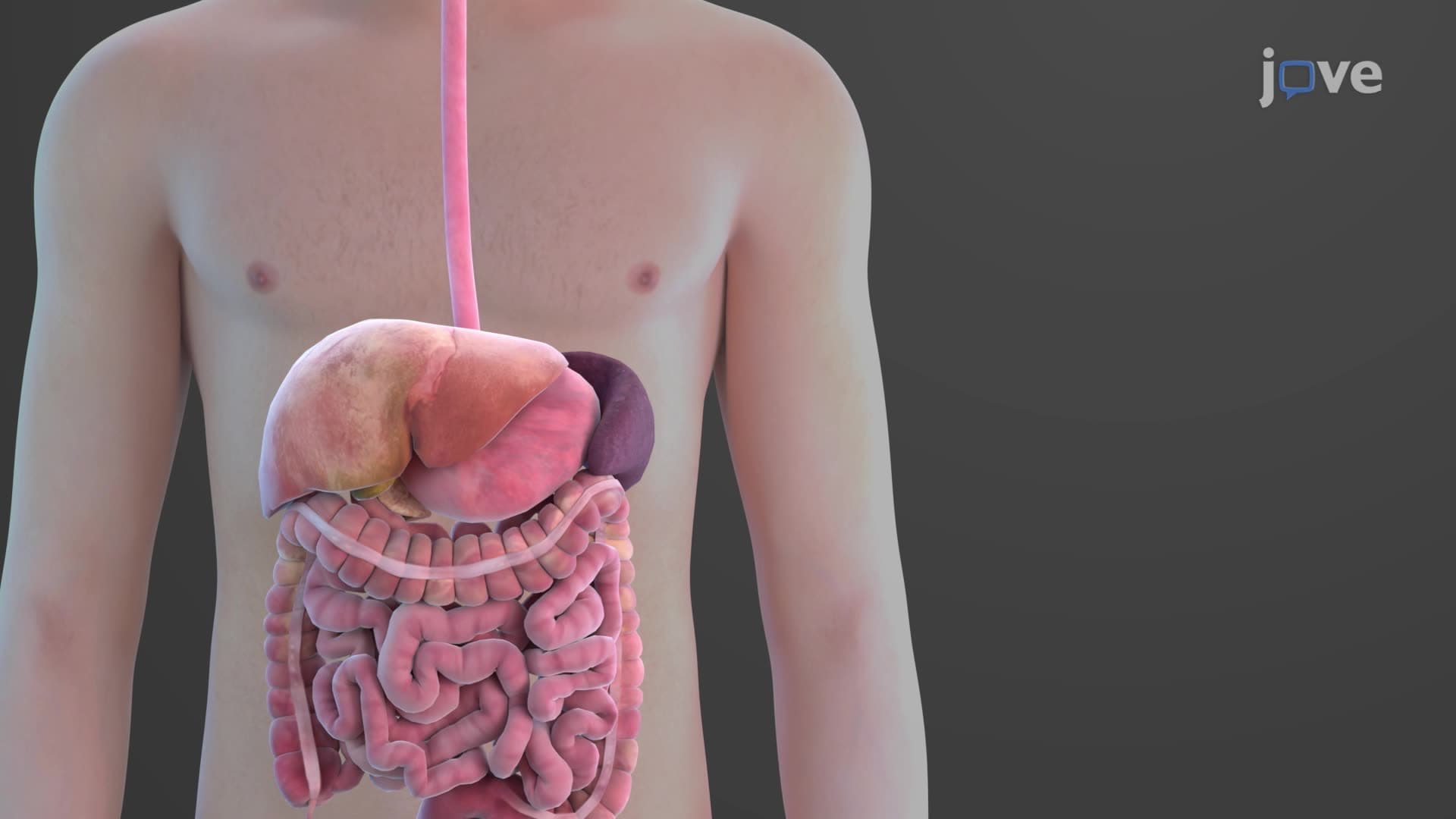
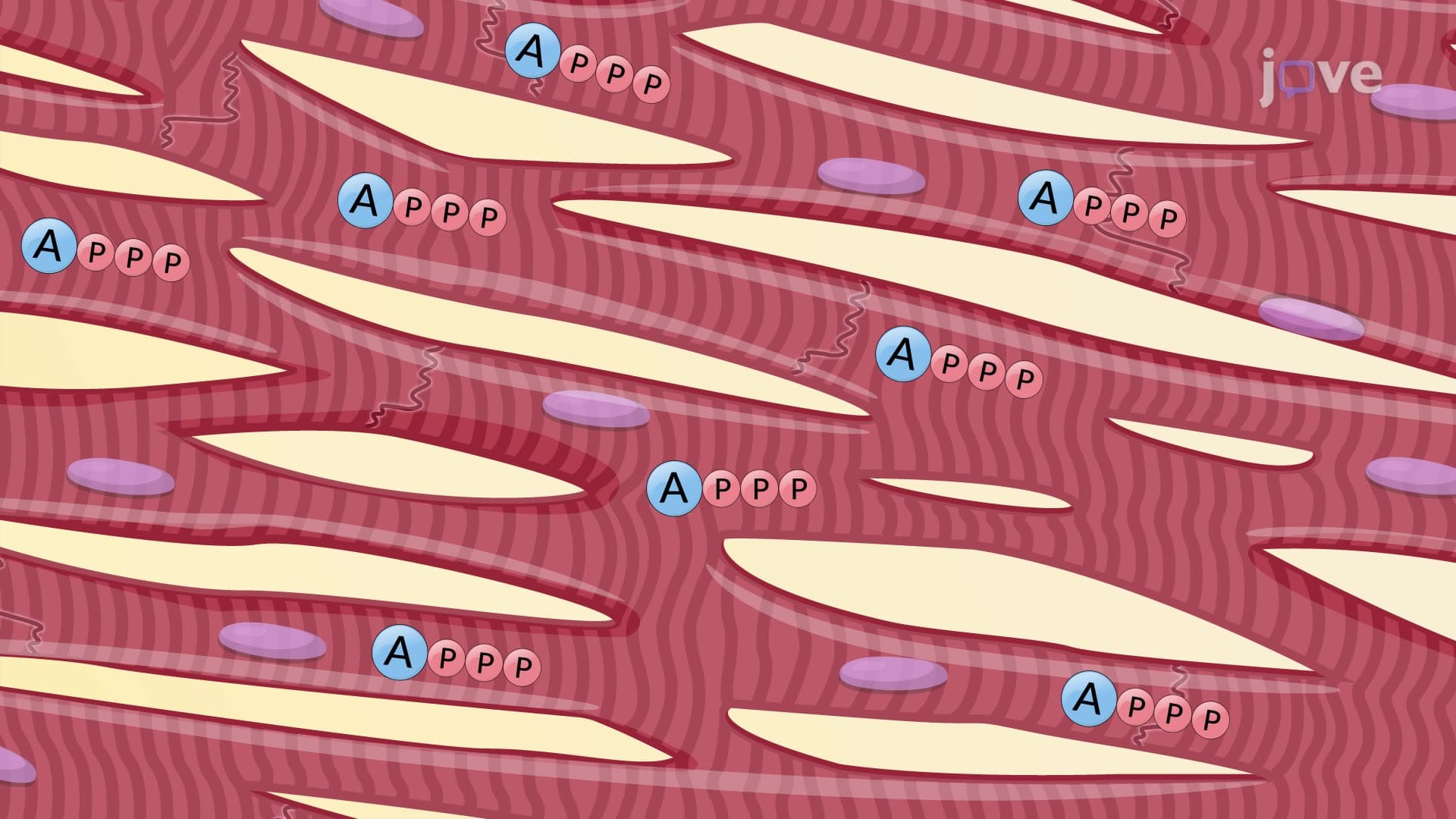
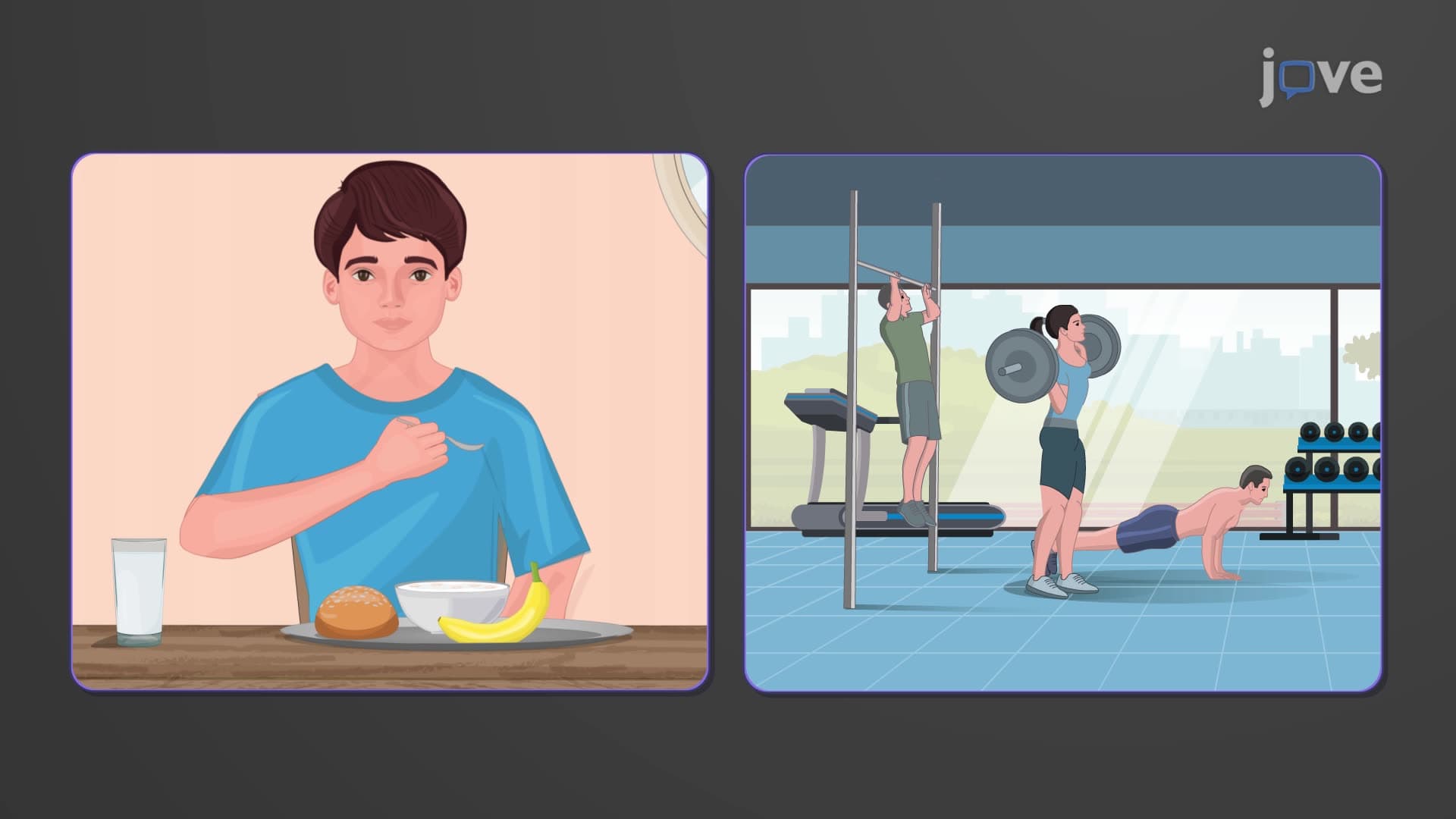
Did you know that a single glucose molecule can produce up to 38 ATP molecules-the energy currency your body needs to function? This carbohydrate metabolism overview reveals how your body transforms the sugar from your morning cereal into usable energy through complex biochemical pathways. From the moment carbohydrates enter your digestive system to their conversion into ATP in your muscle cells during a basketball game, understanding what is an overview of carbohydrate metabolism helps explain how your body fuels everything from brain function to physical activity. Watch the full video on JoVE Coach to master this concept with expert-led visuals and step-by-step explanations.
Carbohydrate metabolism overview encompasses the complex network of biochemical pathways that convert dietary carbohydrates into cellular energy. This process begins in your digestive tract and continues in every cell of your body, making it fundamental to human physiology and a critical topic for AP Biology, college biochemistry courses, and pre-med studies.
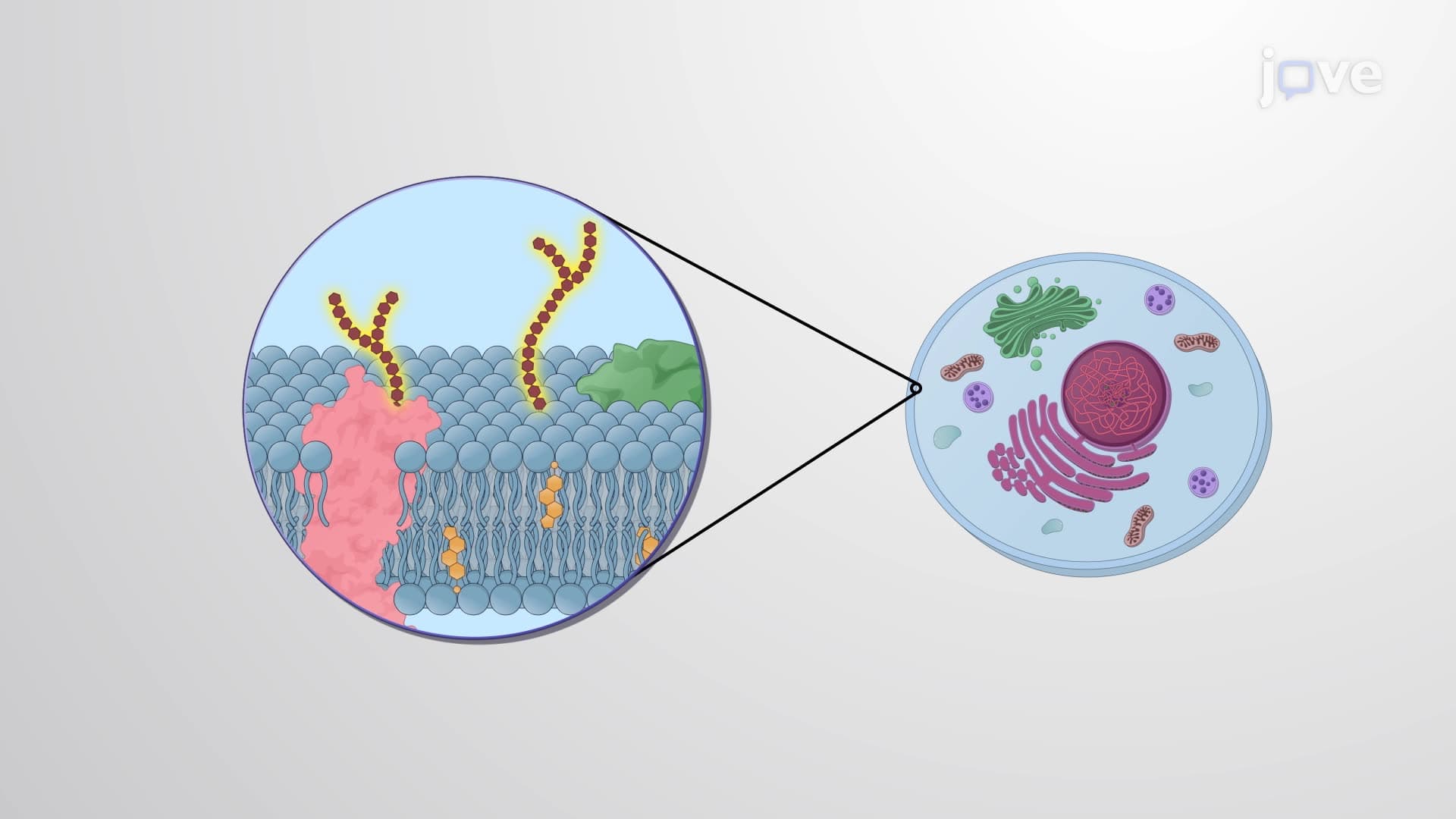
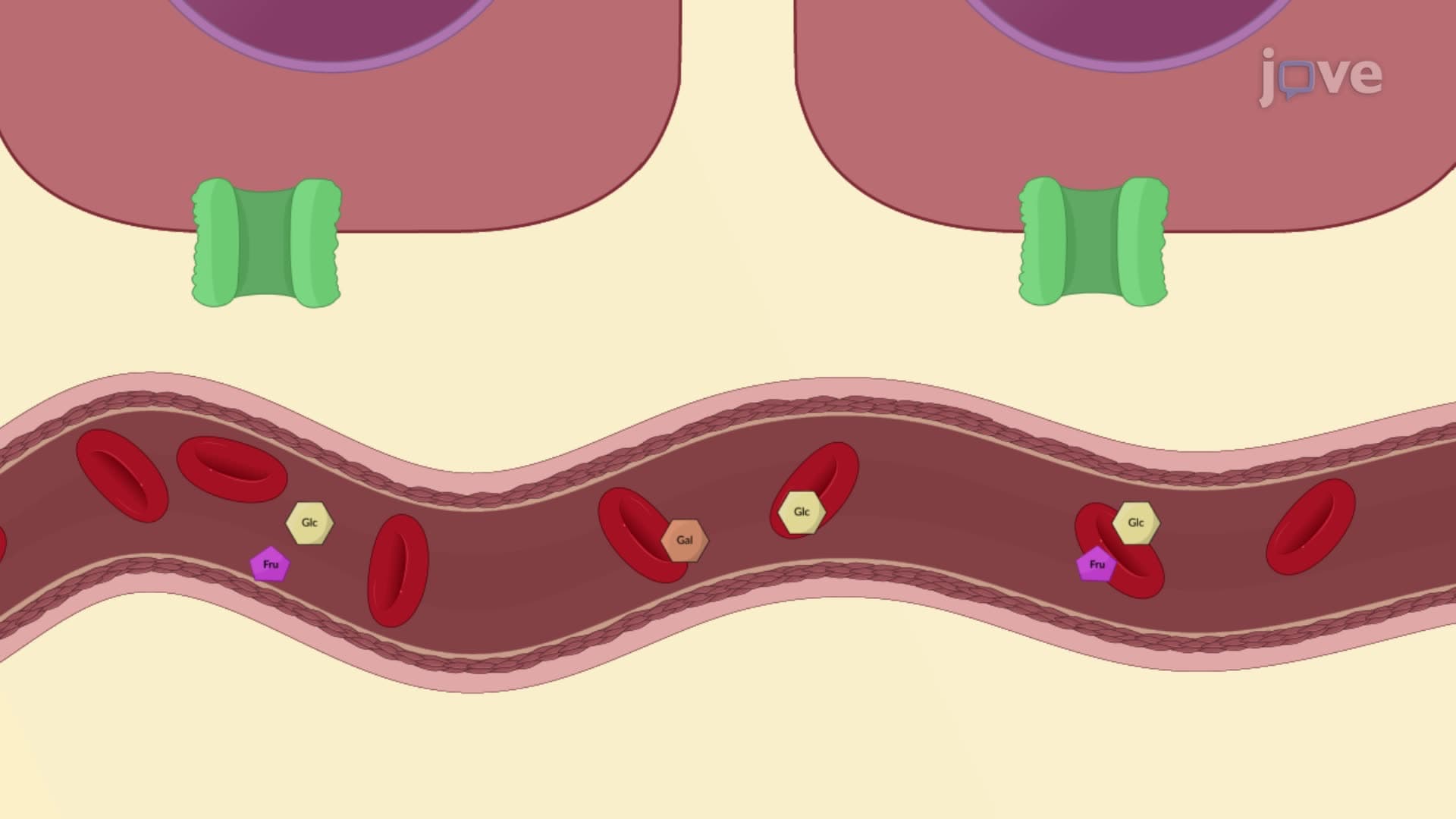
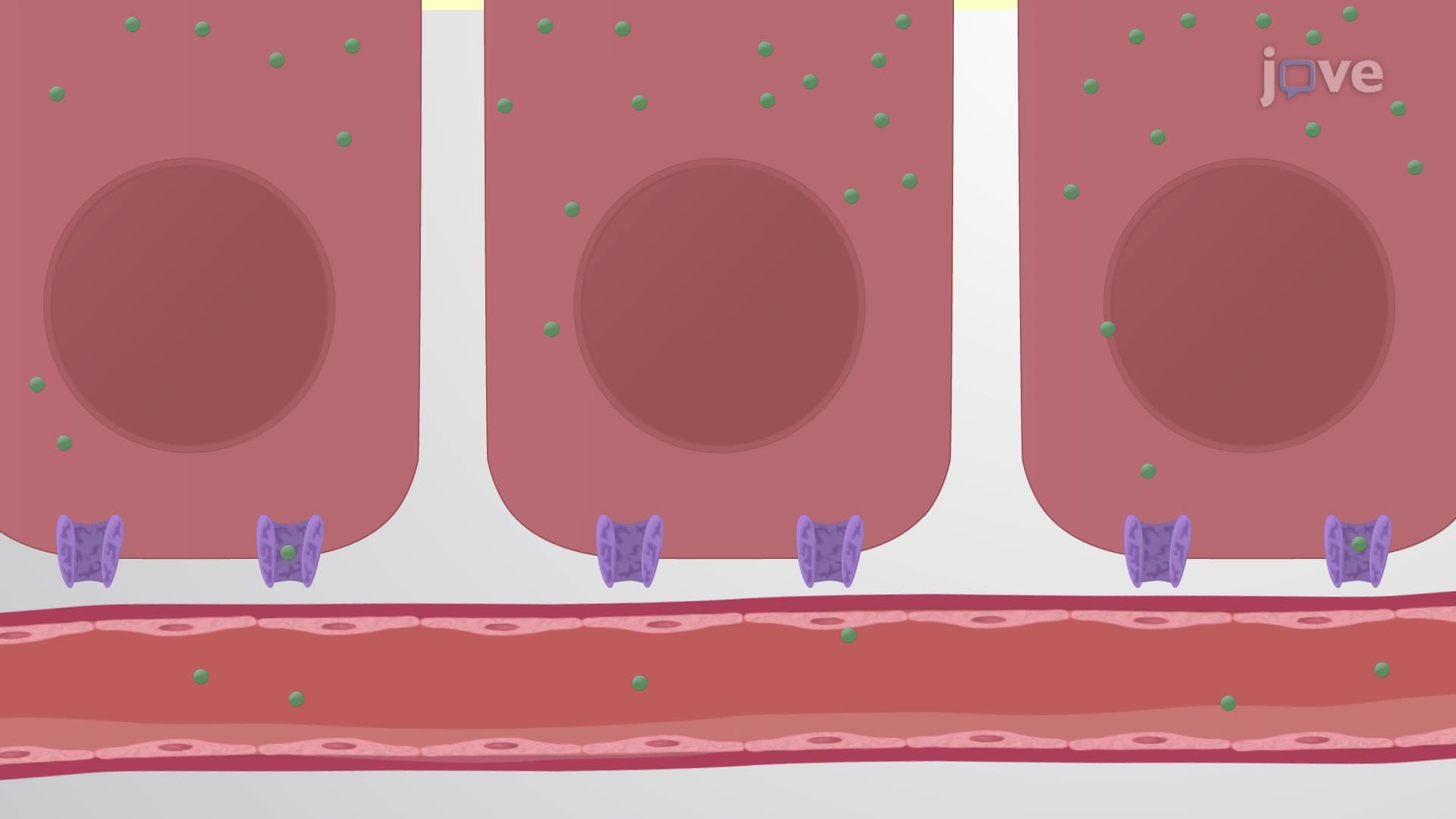
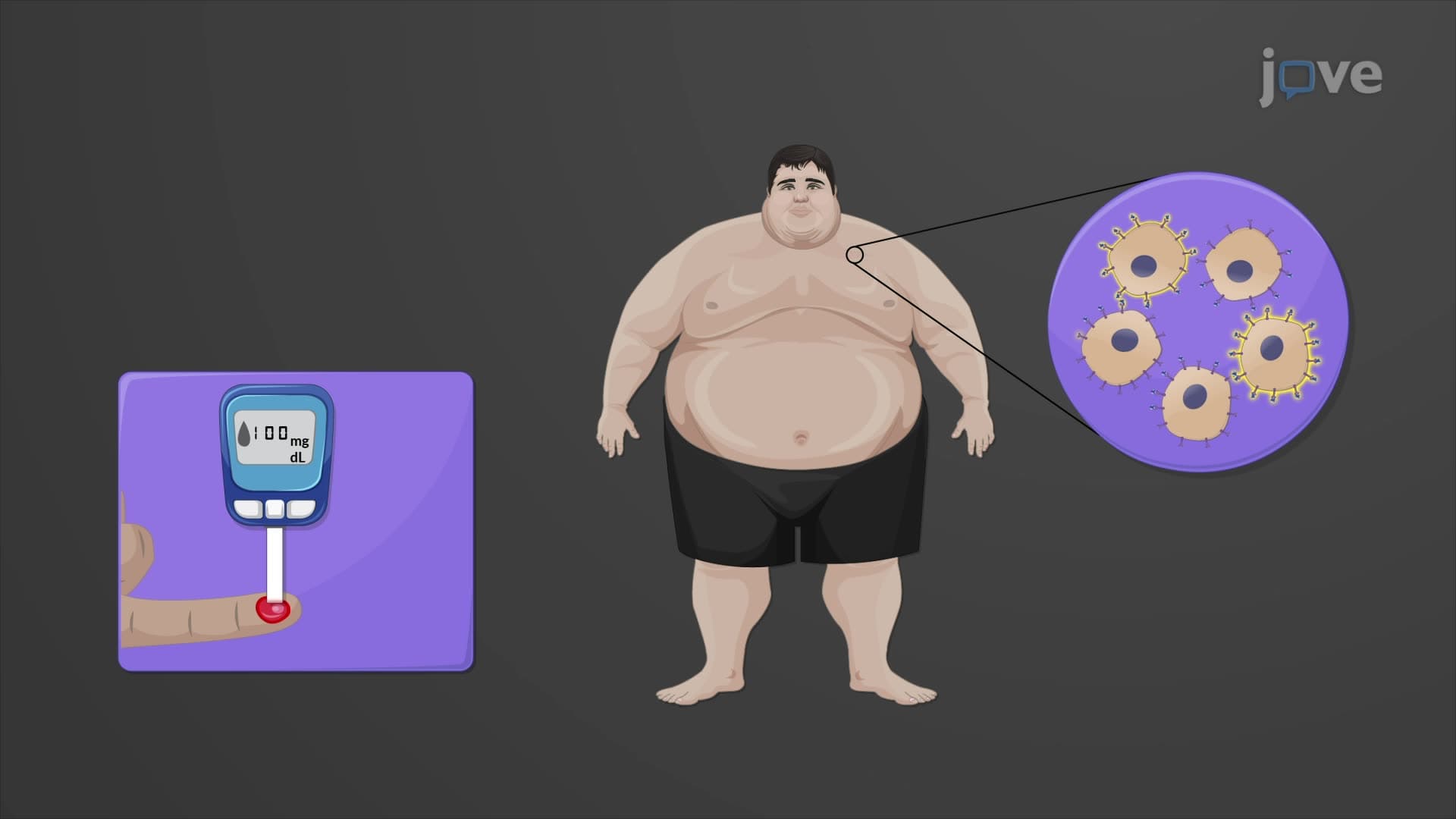
After digestion breaks down complex carbohydrates into simple sugars, glucose metabolism explained overview starts with transport across cell membranes. GLUT transporters facilitate this process, with different types serving specific tissues. GLUT4 transporters in muscle and fat cells respond to insulin, explaining why diabetes affects these tissues dramatically. The liver's GLUT2 transporters work independently of insulin, allowing hepatocytes to rapidly uptake glucose when blood sugar rises after meals-a concept frequently tested on the MCAT.
Glycolysis glucose breakdown represents the universal pathway for extracting energy from glucose. This ten-step process occurs in the cytoplasm and yields two ATP molecules plus two pyruvate molecules. Understanding glycolysis is essential for USMLE Step 1 success, as it connects to numerous disease states. Pyruvate's fate depends on oxygen availability: aerobic conditions direct it toward the mitochondrial Krebs cycle for maximum ATP production (up to 36 additional ATP), while anaerobic conditions convert it to lactate-explaining the burning sensation in your muscles during intense exercise.
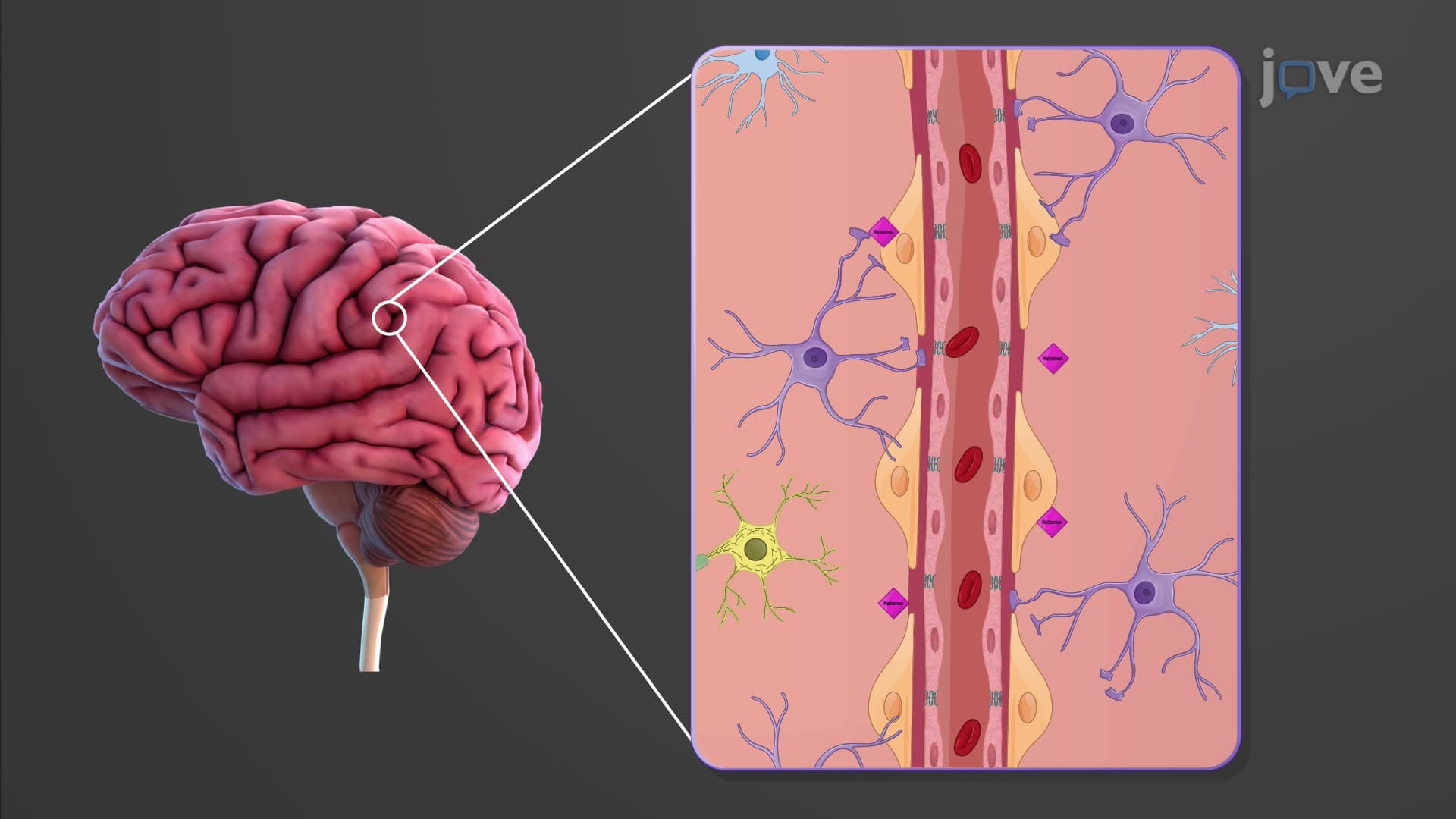
Glycogen metabolism storage serves as your body's glucose bank account. Liver glycogen maintains blood sugar between meals, while muscle glycogen provides immediate energy during exercise. Gluconeogenesis glucose synthesis becomes crucial during fasting states or prolonged exercise, when your liver creates new glucose from amino acids and other precursors. These concepts appear regularly on nursing exams like NCLEX and HESI A2, particularly in questions about diabetic ketoacidosis and hypoglycemia management.
Related Micro-courses