Loading video…


 25 Concepts
 34.8K views

Video Summary: What Is Overview of Lipid Metabolism
Did you know that during a typical marathon, runners burn through approximately 100 grams of fat to fuel their muscles? This incredible energy conversion showcases lipid metabolism overview biology in action. When elite athletes like those training at the U.S. Olympic Training Center in Colorado Springs push their bodies to the limit, their cells masterfully orchestrate fat breakdown and synthesis to meet demanding energy needs. Understanding what is an overview of lipid metabolism reveals how our bodies efficiently manage these essential energy-storing molecules. Watch the full video on JoVE Coach to master this concept with expert-led visuals and step-by-step explanations.
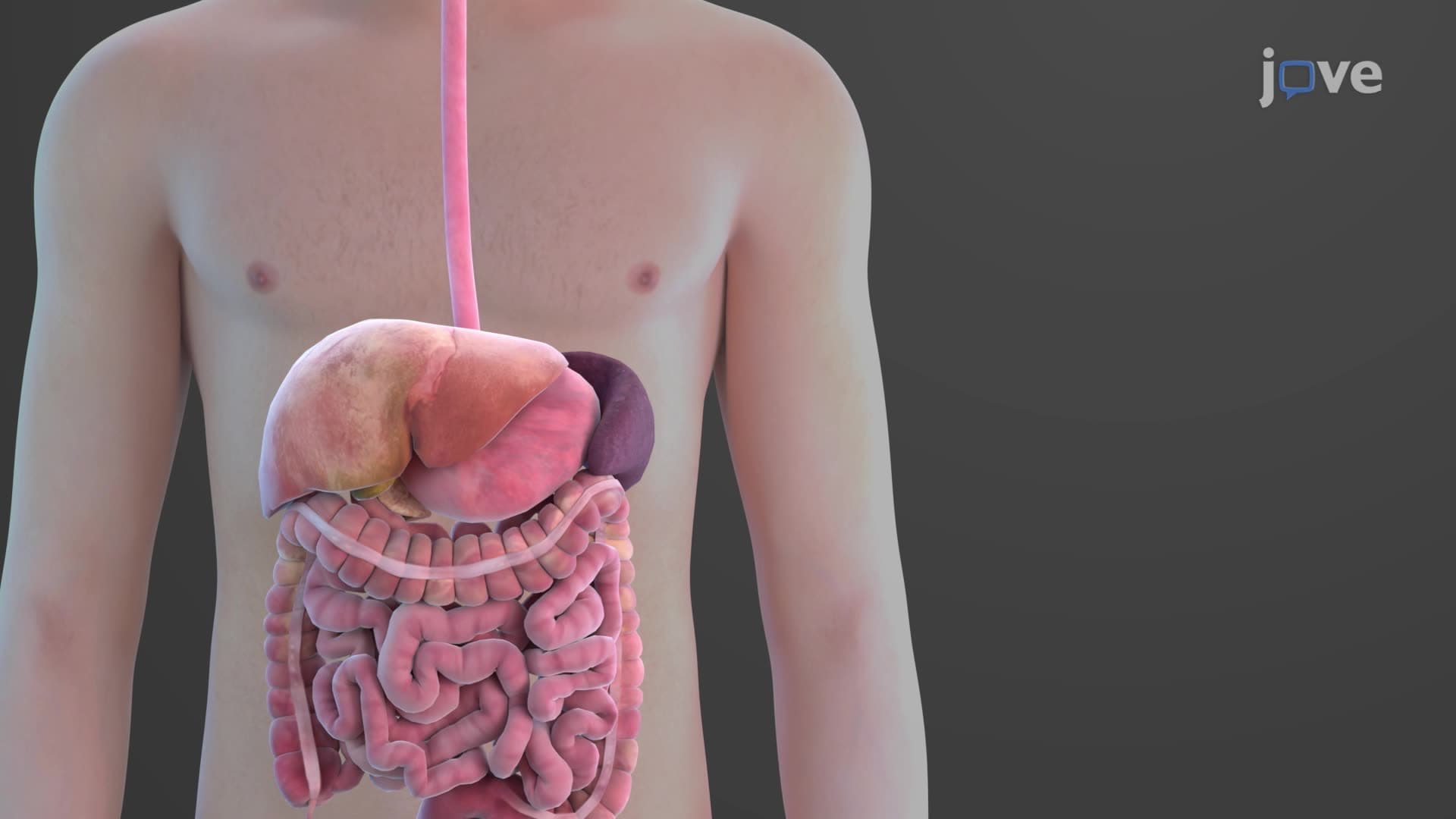
Lipid metabolism overview biology encompasses the intricate network of biochemical processes that manage fat molecules within our cells. This fundamental concept appears extensively on the AP Biology exam and forms a cornerstone of college-level biochemistry courses. At its core, lipid metabolism balances two opposing processes: the breakdown of fats for energy (lipolysis) and the synthesis of new fat molecules for storage (lipogenesis).
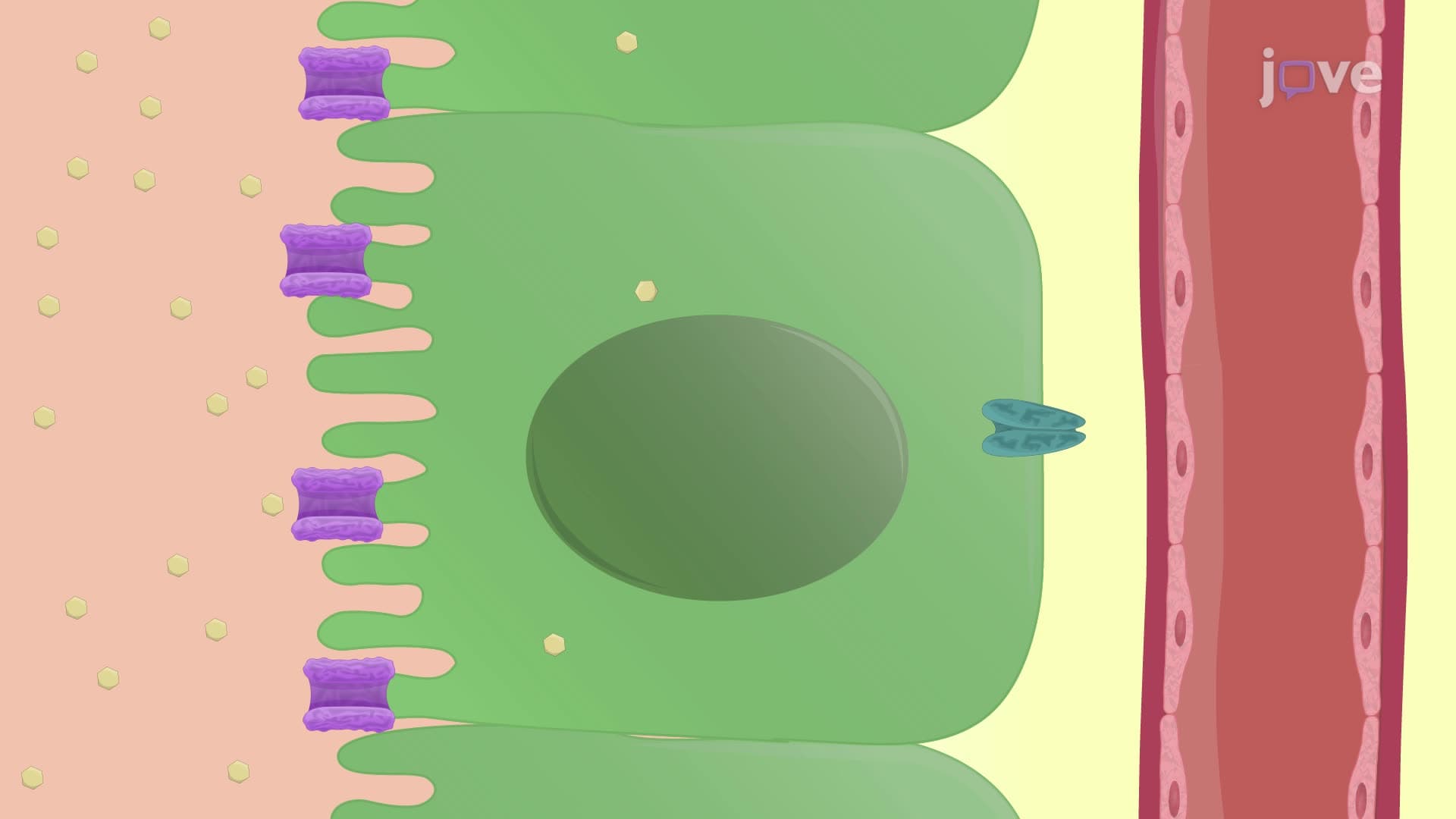
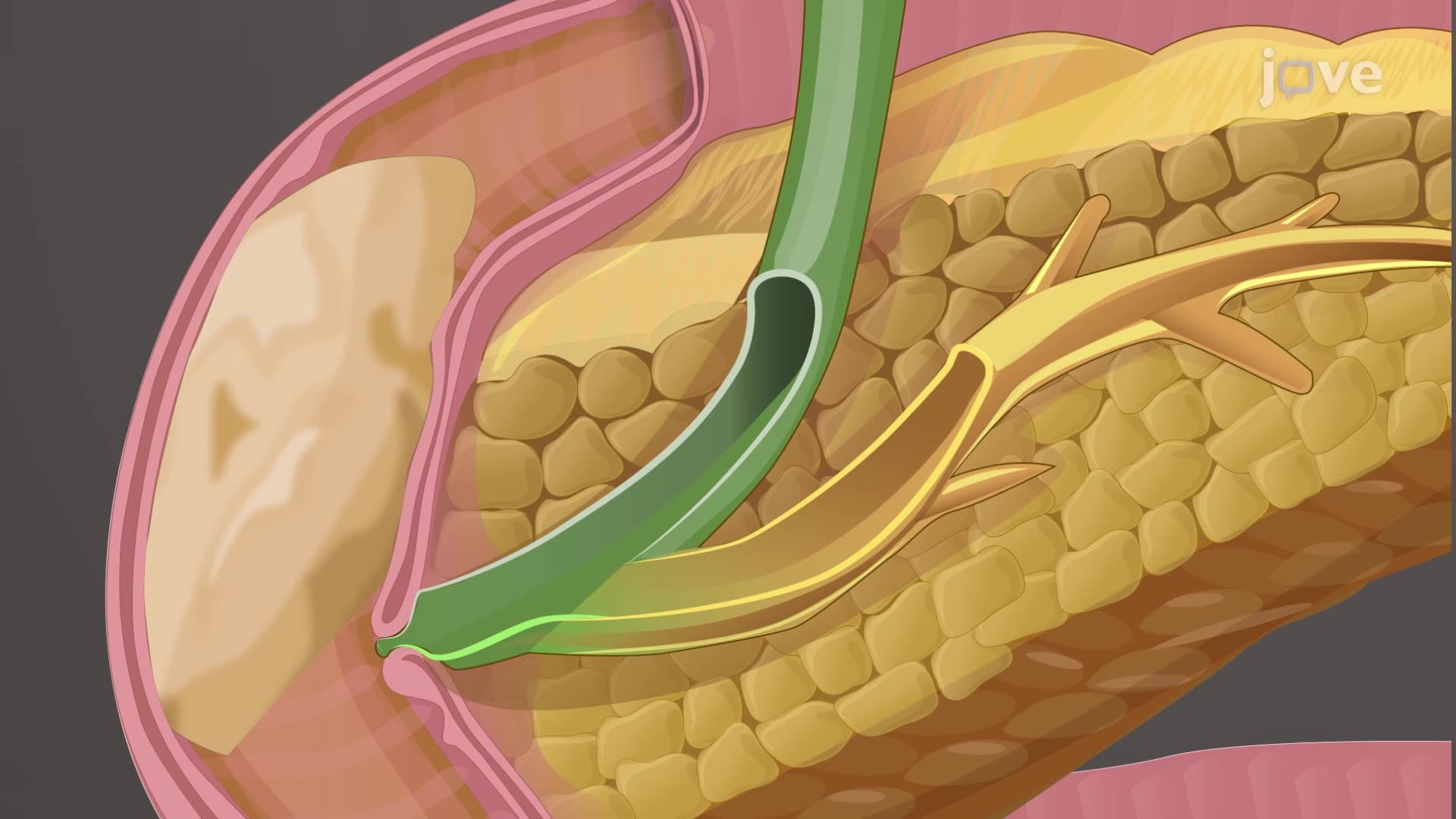
Lipolysis fat breakdown begins when dietary triglycerides encounter digestive enzymes in the small intestine. This process yields two distinct products: glycerol and fatty acids, each following separate metabolic routes. Glycerol enters gluconeogenesis pathways, particularly during fasting states when blood glucose levels drop. In contrast, fatty acids undergo beta oxidation fatty acid processing within mitochondrial matrices.
The beta-oxidation pathway systematically removes two-carbon units from fatty acid chains, generating acetyl-CoA molecules that fuel the citric acid cycle. For college students preparing for the MCAT, understanding this process proves crucial since questions frequently test the ATP yield calculations from palmitic acid oxidation. A single 16-carbon palmitic acid molecule produces approximately 129 ATP molecules, demonstrating fat's superior energy density compared to carbohydrates.
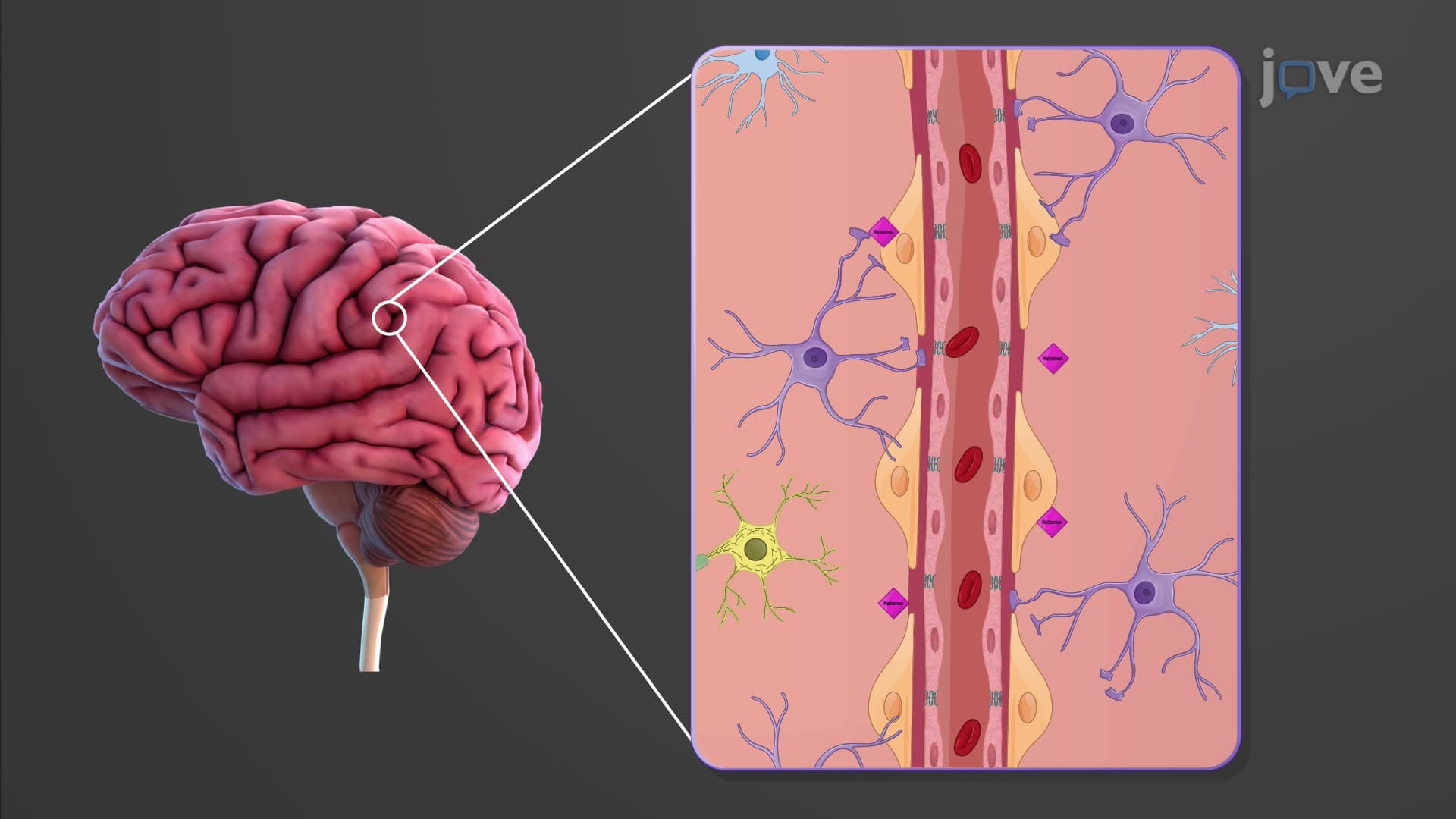
During prolonged fasting or carbohydrate restriction-conditions studied extensively at research institutions like Johns Hopkins University-hepatocytes redirect acetyl-CoA toward ketogenesis. This lipid metabolic pathway produces ketone bodies (acetoacetate, beta-hydroxybutyrate, and acetone) that serve as glucose alternatives for brain and cardiac muscle tissues. Medical students preparing for the USMLE Step 1 exam must understand how diabetic ketoacidosis represents a pathological extreme of this normally beneficial process.
Lipogenesis fat synthesis occurs primarily in liver and adipose tissues when energy intake exceeds immediate cellular needs. This anabolic process converts excess glucose, amino acids, and dietary fats into fatty acids and glycerol, which subsequently combine to form triglycerides. The pathway involves acetyl-CoA carboxylase, the rate-limiting enzyme that nursing students studying for the NCLEX-RN exam often encounter in metabolism questions.
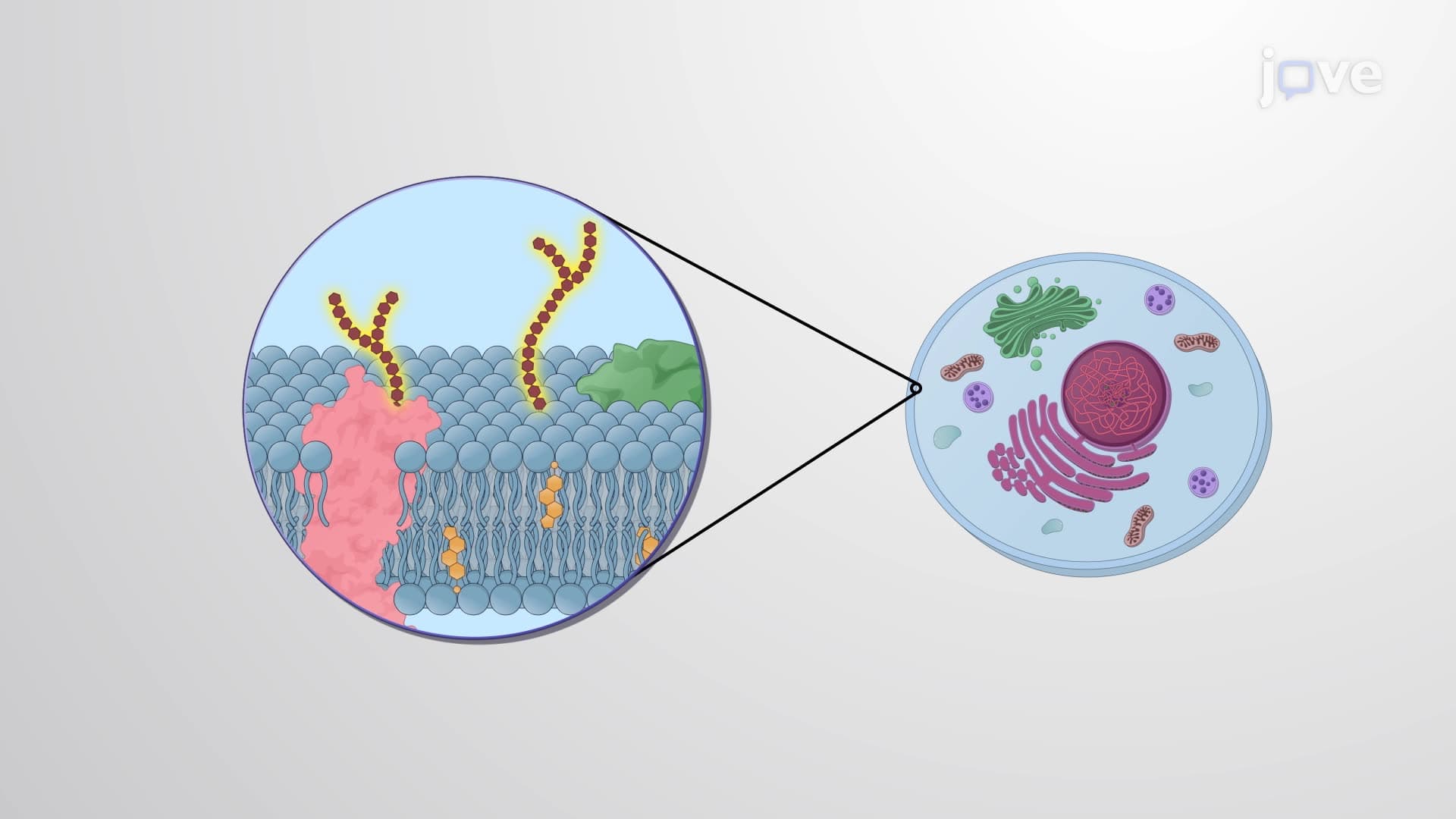
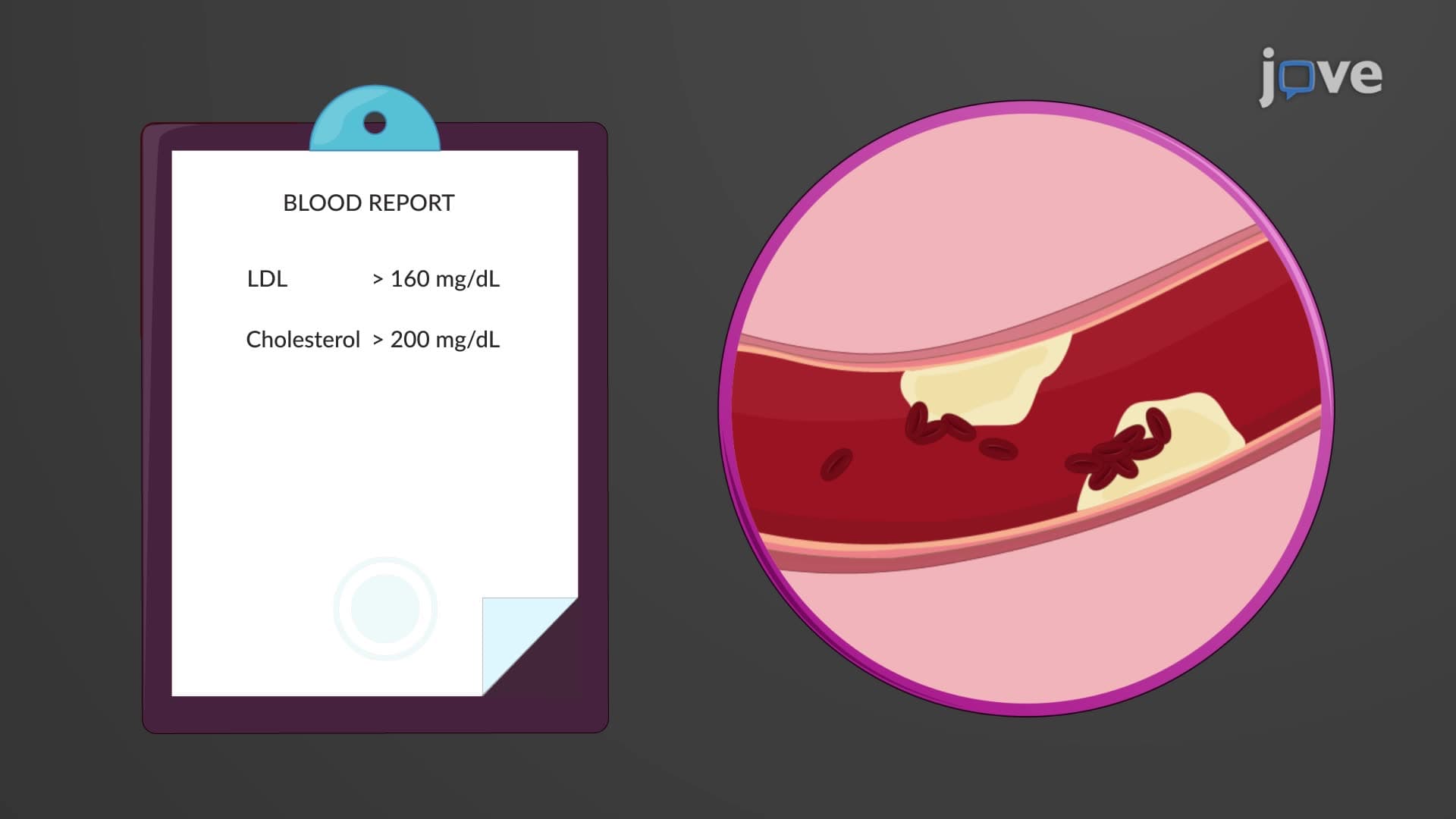
Triglyceride cholesterol metabolism extends beyond simple energy storage, encompassing the synthesis of complex lipids like phospholipids for cell membranes and cholesterol for steroid hormone production. These processes interconnect with protein metabolism through lipoprotein formation, creating the VLDL and LDL particles that transport lipids through the bloodstream.
Related Micro-courses