Loading subject page…


34,753 views


Video Summary: What Is Overview of Protein Metabolism
Every time you eat a grilled chicken sandwich or drink a protein shake, your body initiates a complex protein metabolism overview biology process that determines whether those amino acids fuel your muscles or get converted to fat. Unlike carbohydrates and fats, amino acids cannot be stored for later use-they must be immediately processed through intricate pathways. In the United States, protein metabolism disorders like phenylketonuria affect 1 in 10,000 newborns, highlighting the critical importance of understanding what is an overview of protein metabolism. Watch the full video on JoVE Coach to master this concept with expert-led visuals and step-by-step explanations.
Protein metabolism encompasses all biochemical processes involving proteins and amino acids within living organisms. Unlike glucose or fatty acids that can be stored in specialized tissues, amino acids exist in a constant state of flux-they're either being used immediately for energy production, converted into other molecules, or assembled into new proteins. This dynamic nature makes protein metabolism overview biology one of the most complex yet essential metabolic pathways students encounter in advanced biology courses.
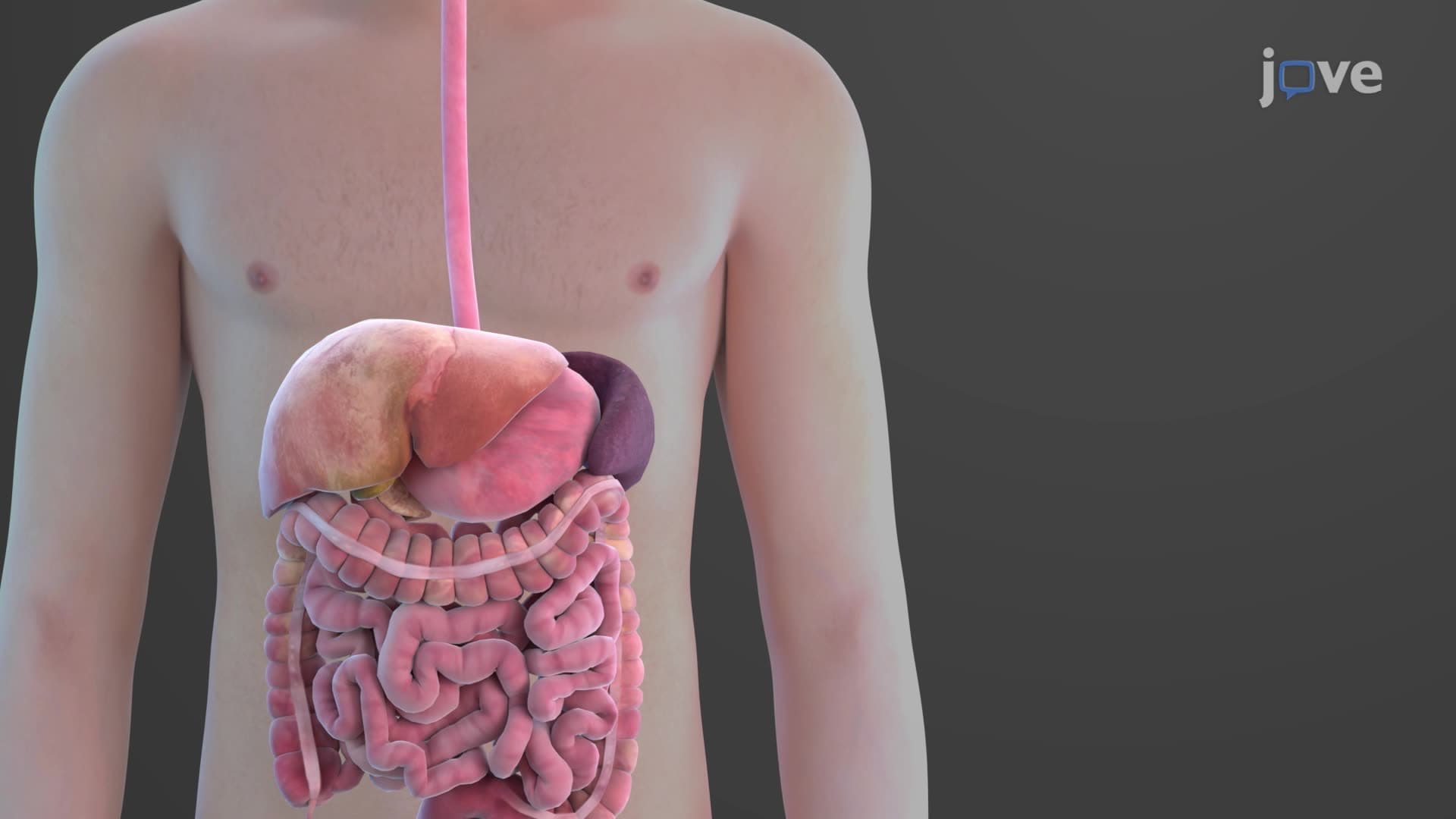
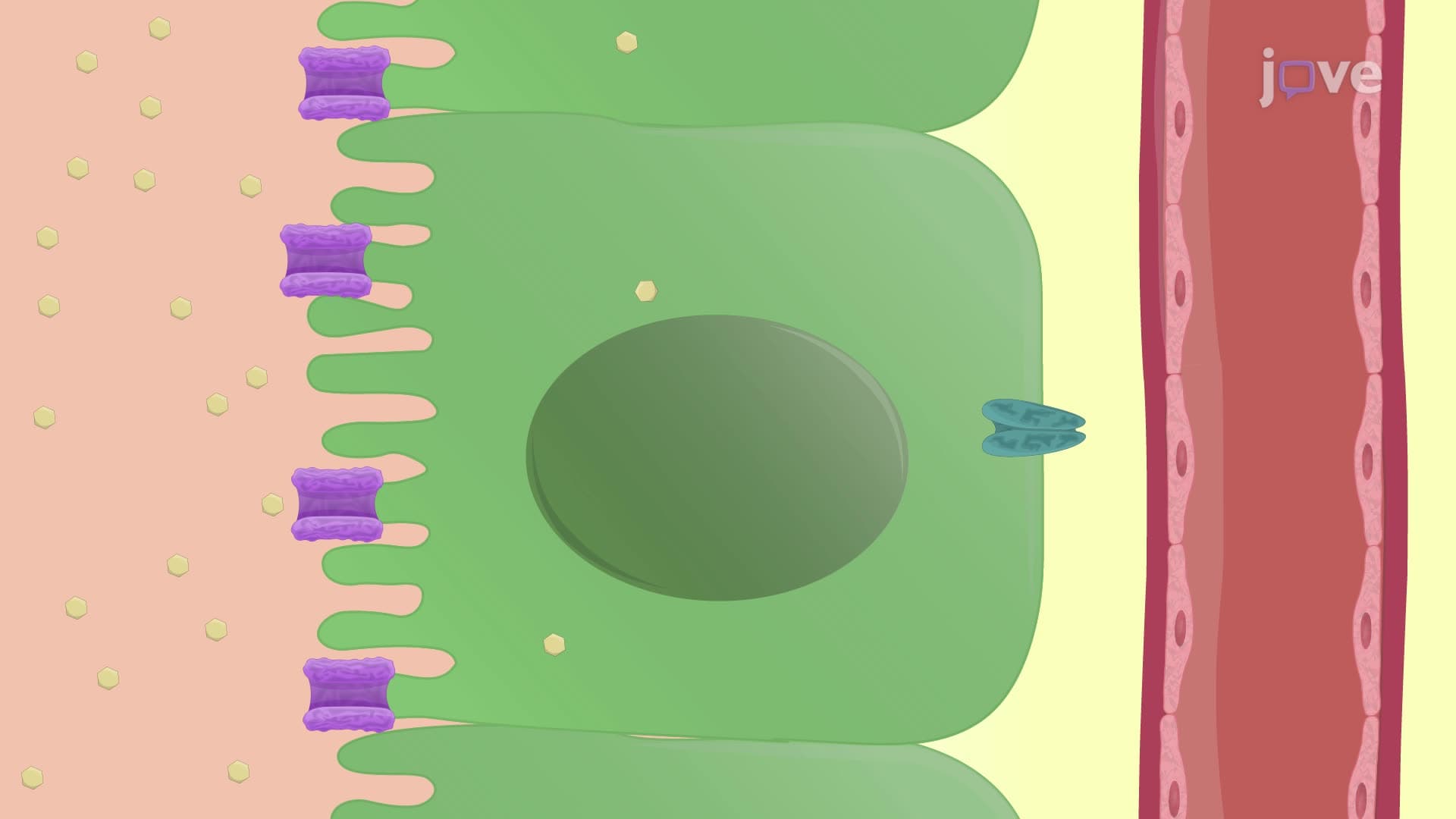
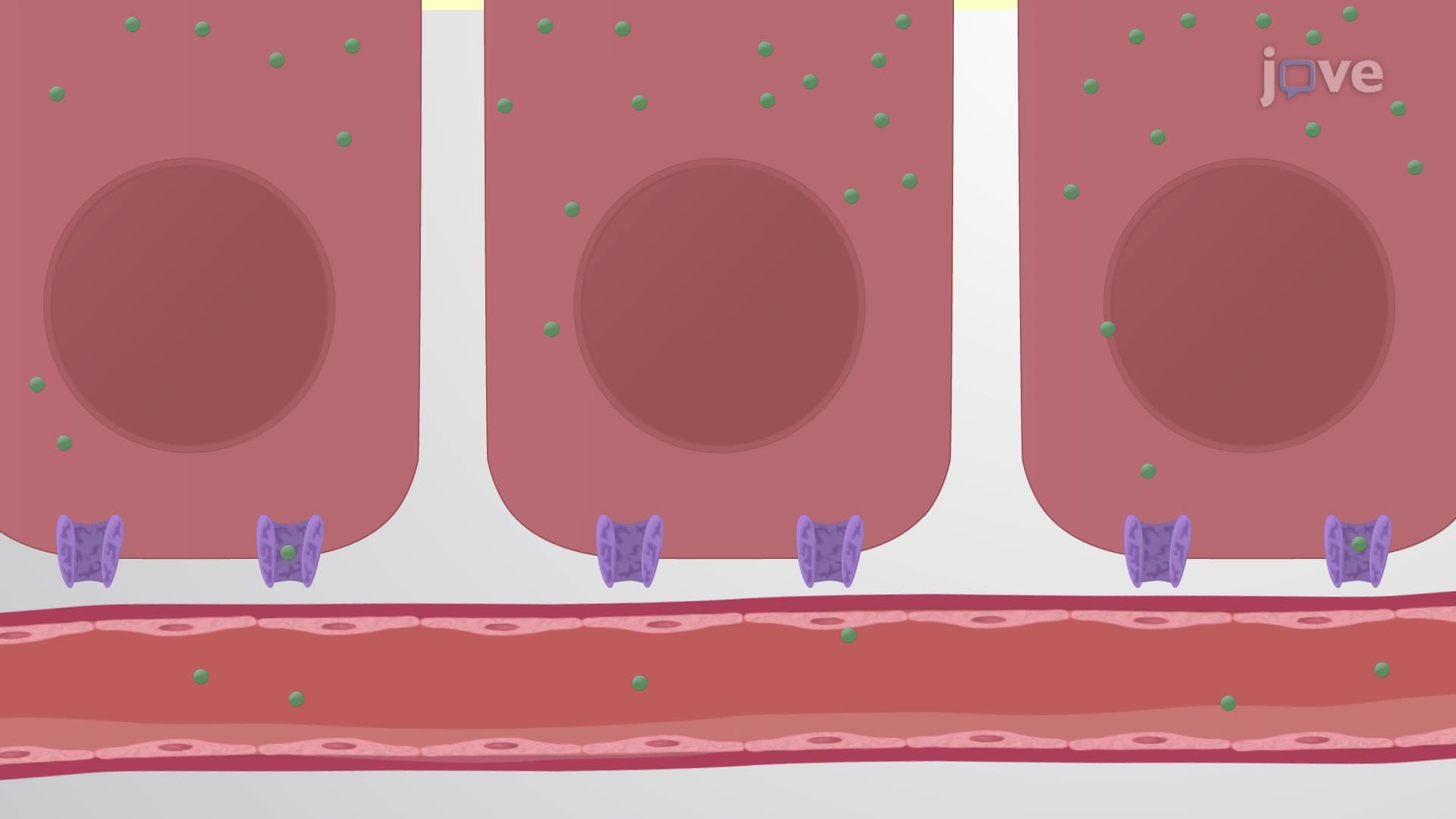
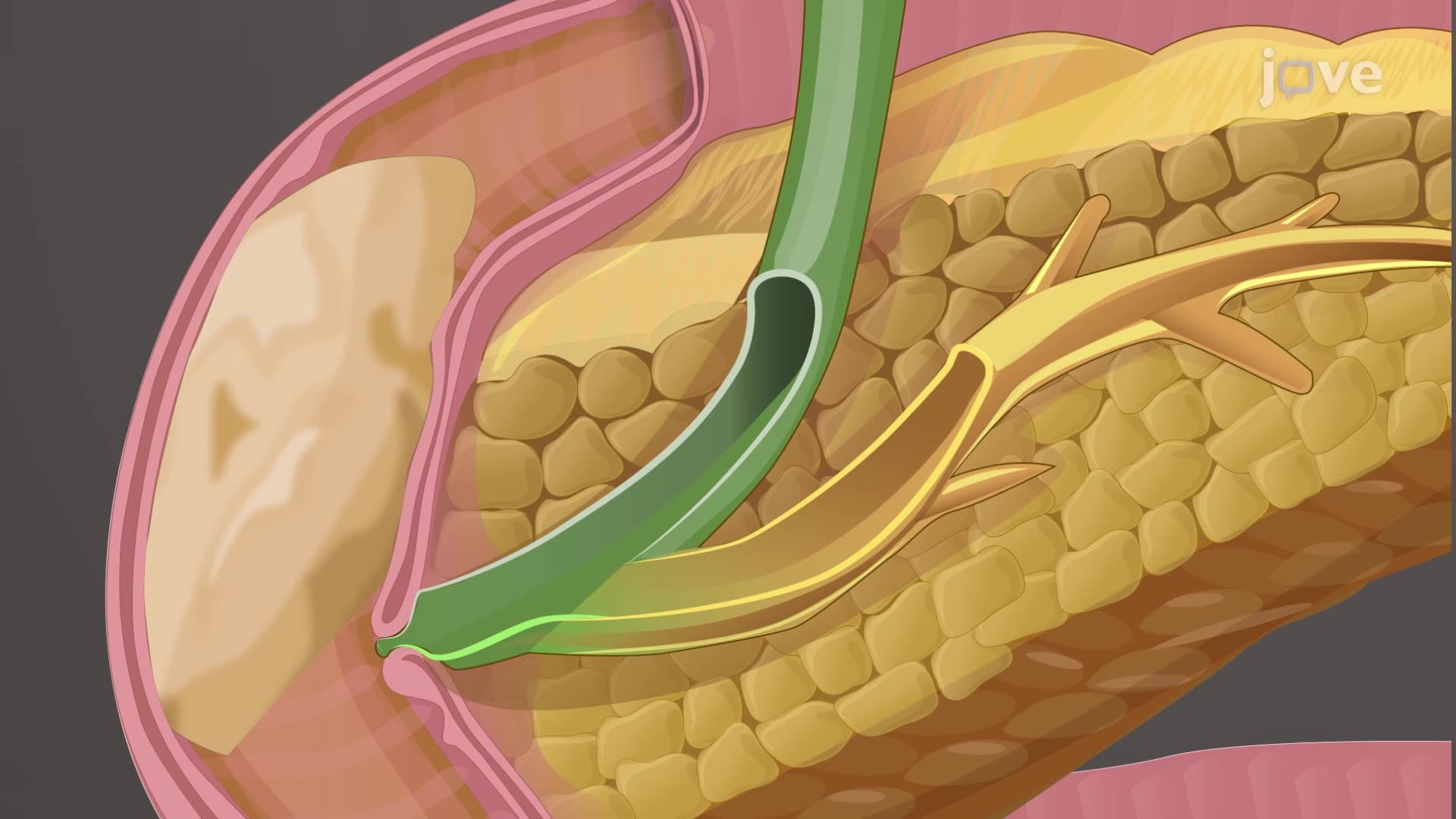
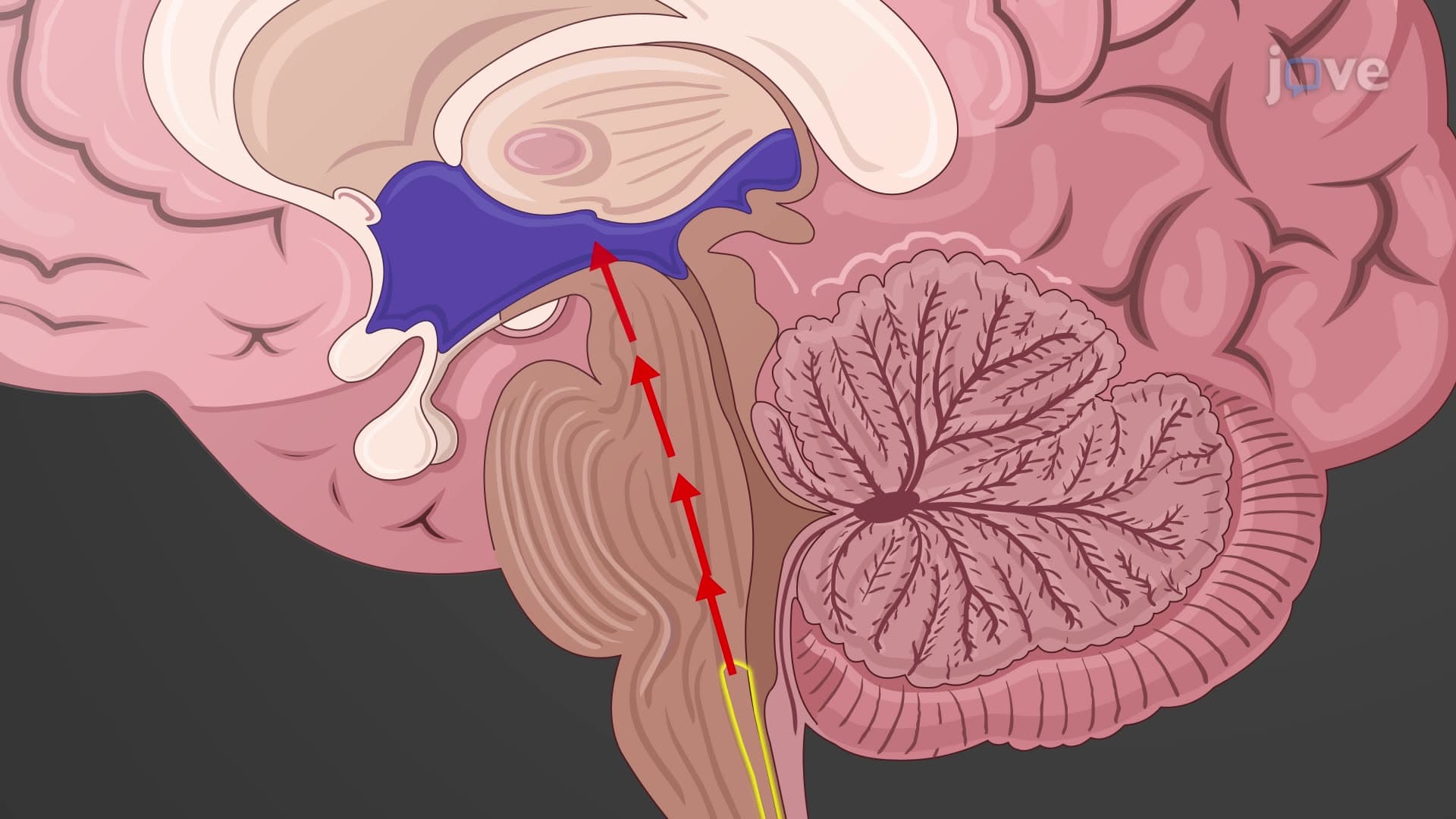
The catabolic phase begins during digestion when proteases break dietary proteins into smaller peptides and individual amino acids. Once absorbed, these amino acids enter the hepatic portal circulation and reach the liver, where critical decisions determine their metabolic fate. Through transamination deamination protein reactions, amino acids can lose their nitrogen groups, with the resulting carbon skeletons entering various metabolic pathways.
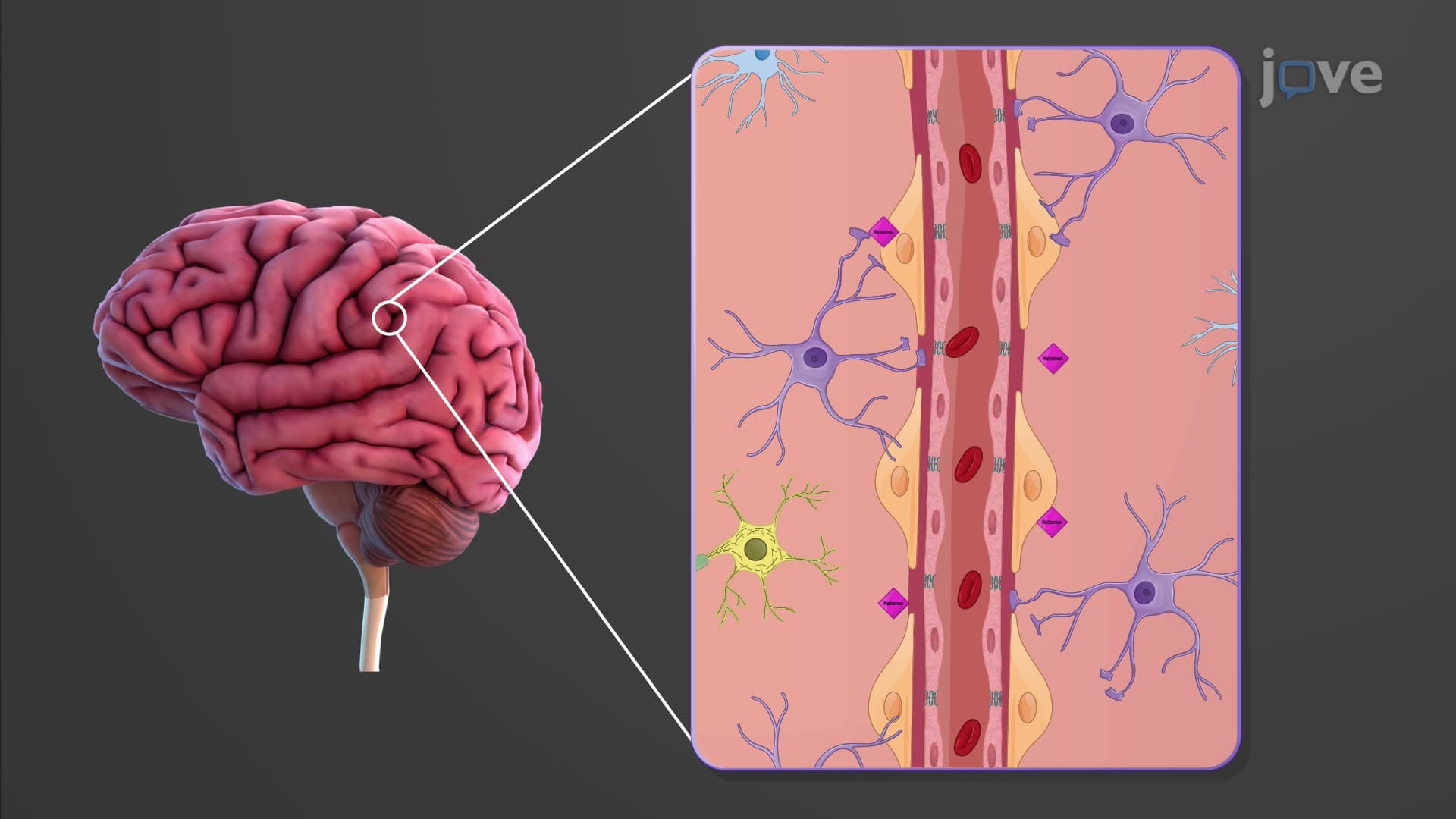
Some amino acids undergo gluconeogenesis, particularly during fasting states when the University of California medical students studying for the MCAT learn occurs during prolonged exercise or starvation. Others are converted to fatty acids through lipogenesis or to ketone bodies via ketogenesis. The nitrogen removal process produces ammonia, which hepatocytes convert to less toxic urea through the urea cycle-a process frequently tested on AP Biology exams and college biochemistry midterms.
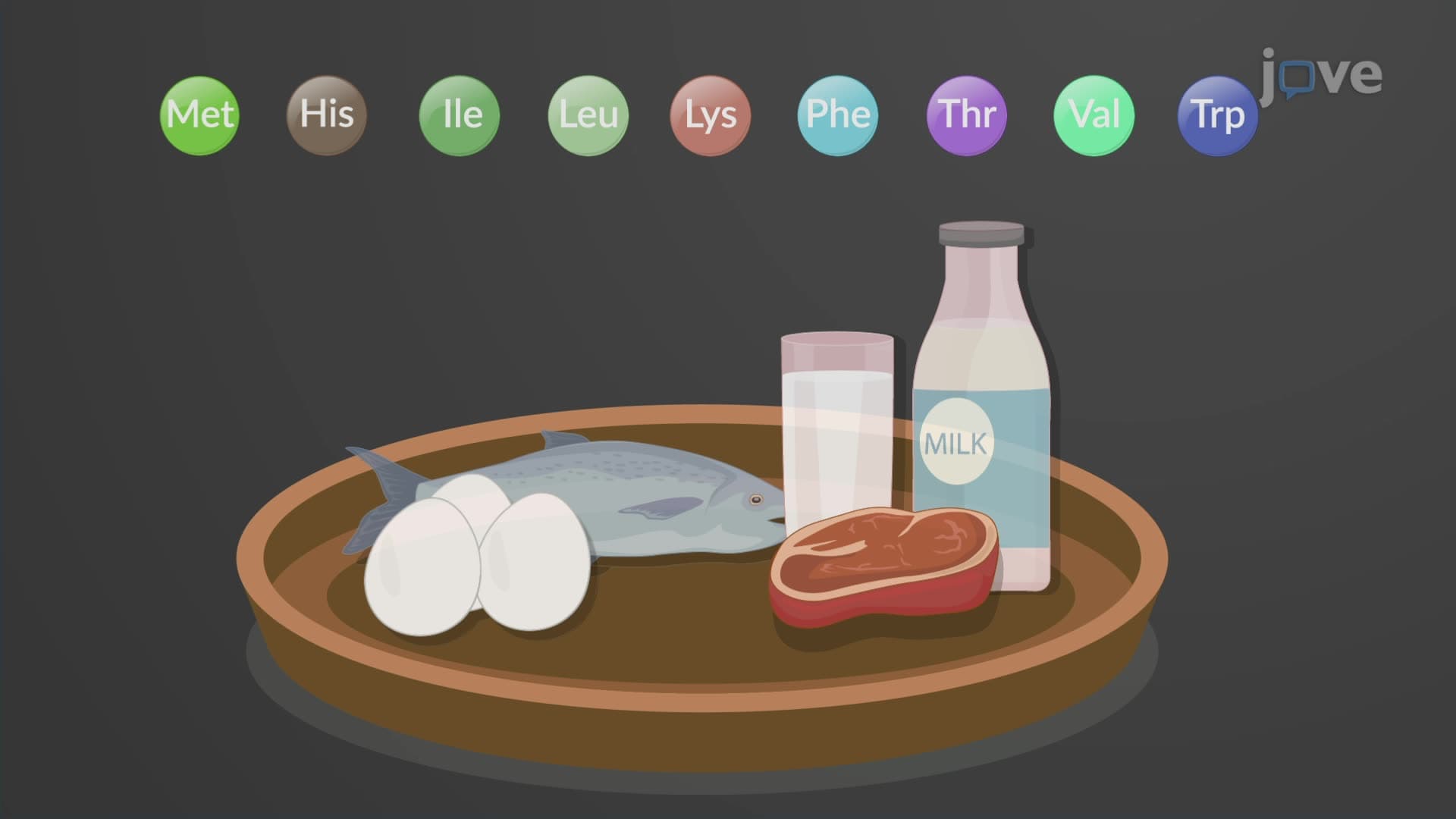
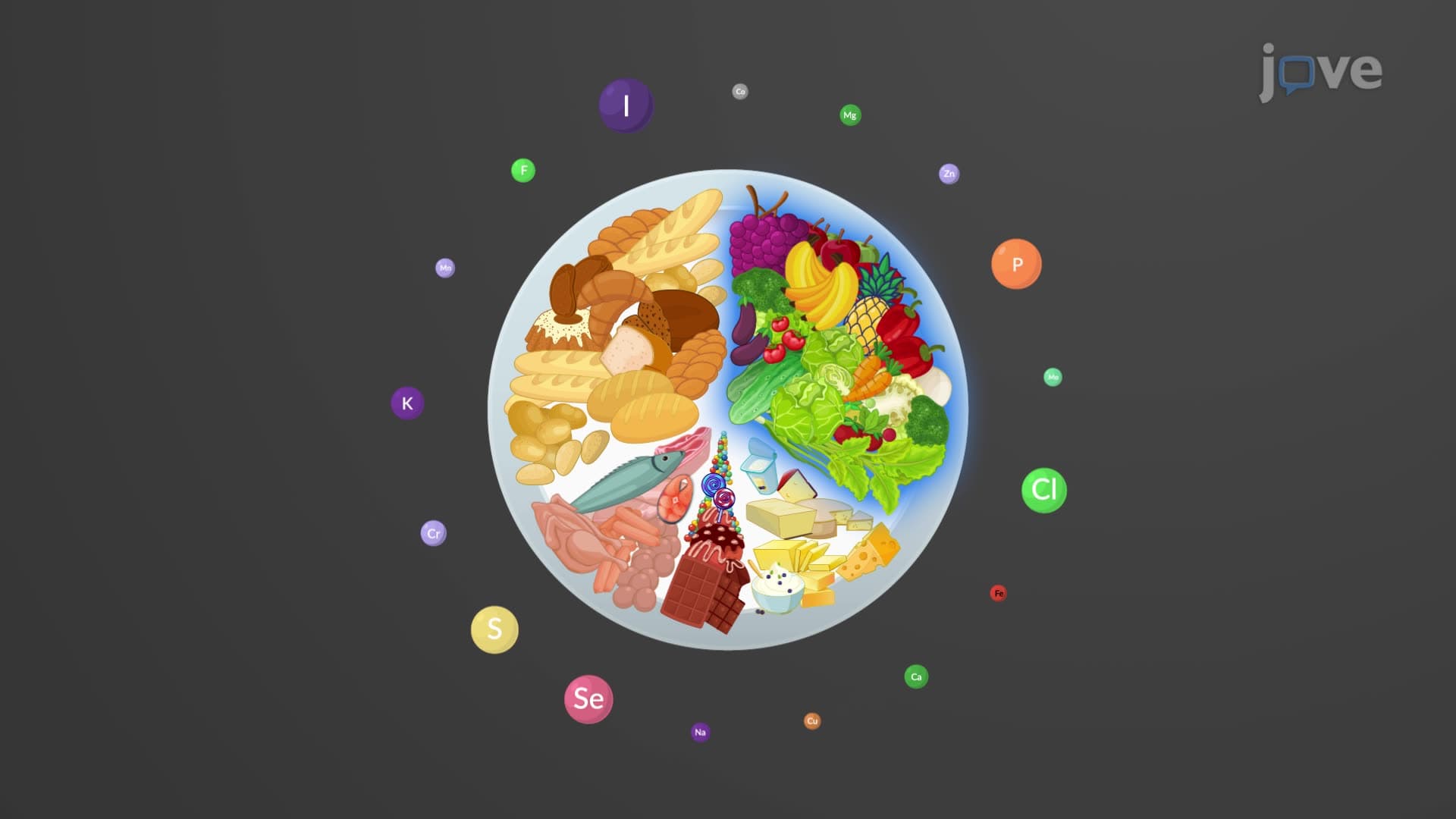
Protein synthesis breakdown and rebuilding represents the anabolic aspect of amino acid metabolism explained through ribosomal translation. This process requires all twenty amino acids to be available simultaneously, making protein quality crucial for optimal nitrogen metabolism protein balance. Essential amino acids must come from dietary sources, while non-essential amino acids can be synthesized through transamination reactions using existing amino acid pools.
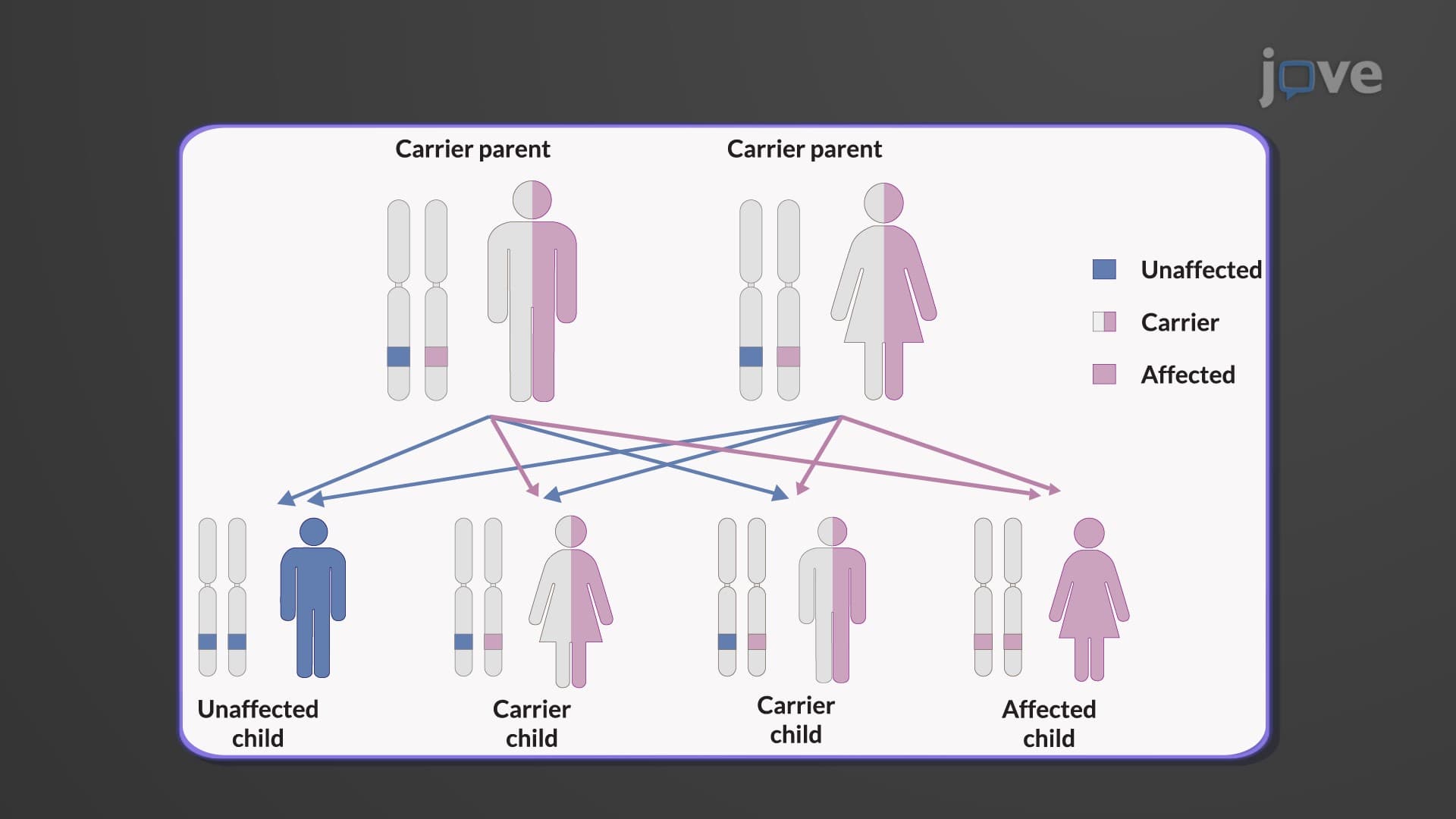
Understanding amino acid catabolism anabolism becomes particularly important when examining genetic metabolic disorders common in US populations. Phenylketonuria (PKU), affecting approximately 1 in 10,000 American newborns, results from deficient phenylalanine hydroxylase enzyme activity. Without proper treatment through dietary phenylalanine restriction, affected individuals develop intellectual disabilities-demonstrating why newborn screening programs test all US births for this condition.
Similarly, maple syrup urine disease involves defective branched-chain amino acid metabolism, while lysinuric protein intolerance affects amino acid transport mechanisms. These examples illustrate how disrupted protein metabolism overview biology can have profound physiological consequences, making this topic essential for pre-health students preparing for medical school entrance exams.
Related Micro-courses