Loading video…


 25 Concepts
 34.8K views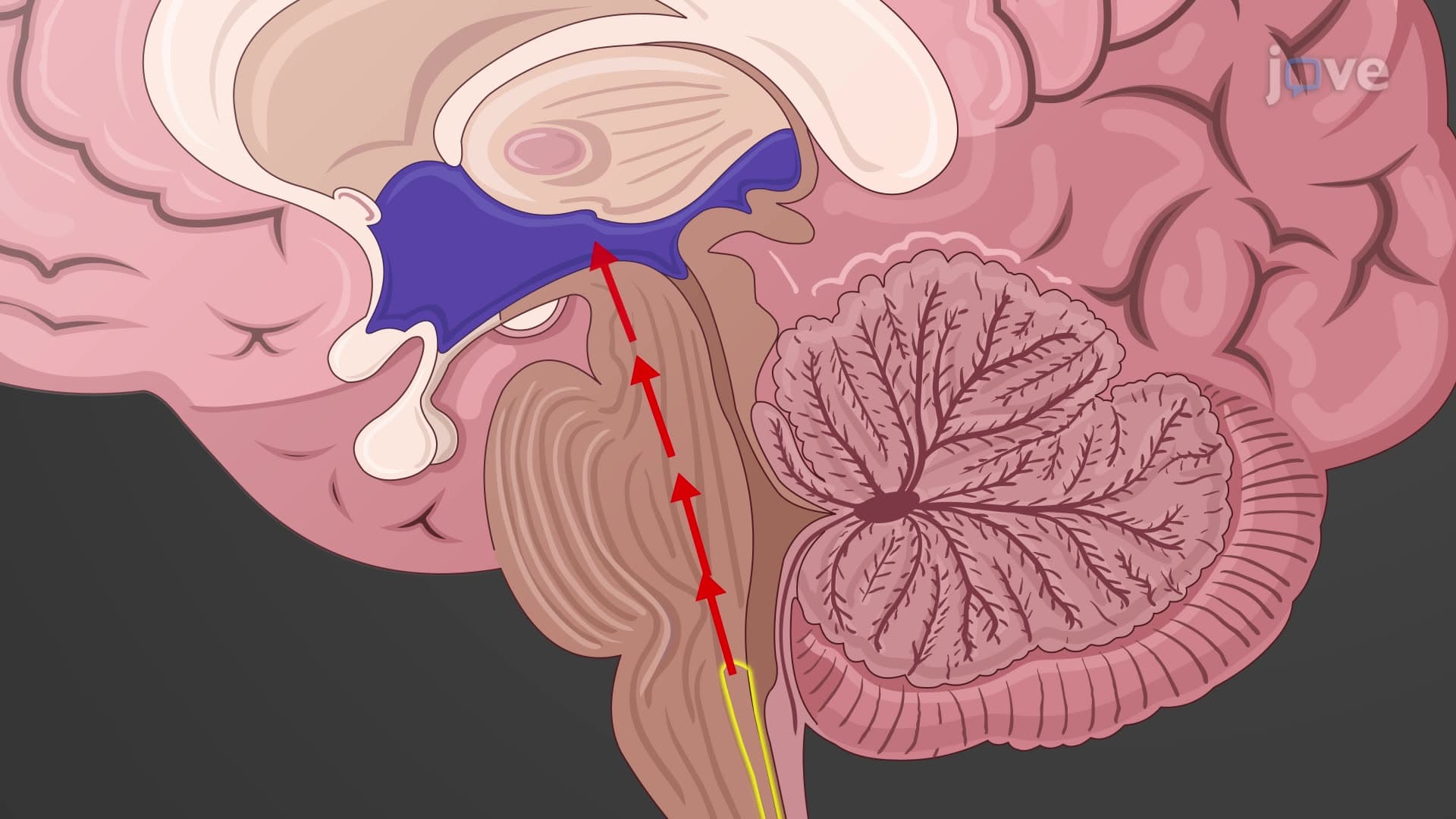

Video Summary: What Is Regulation of Food Intake
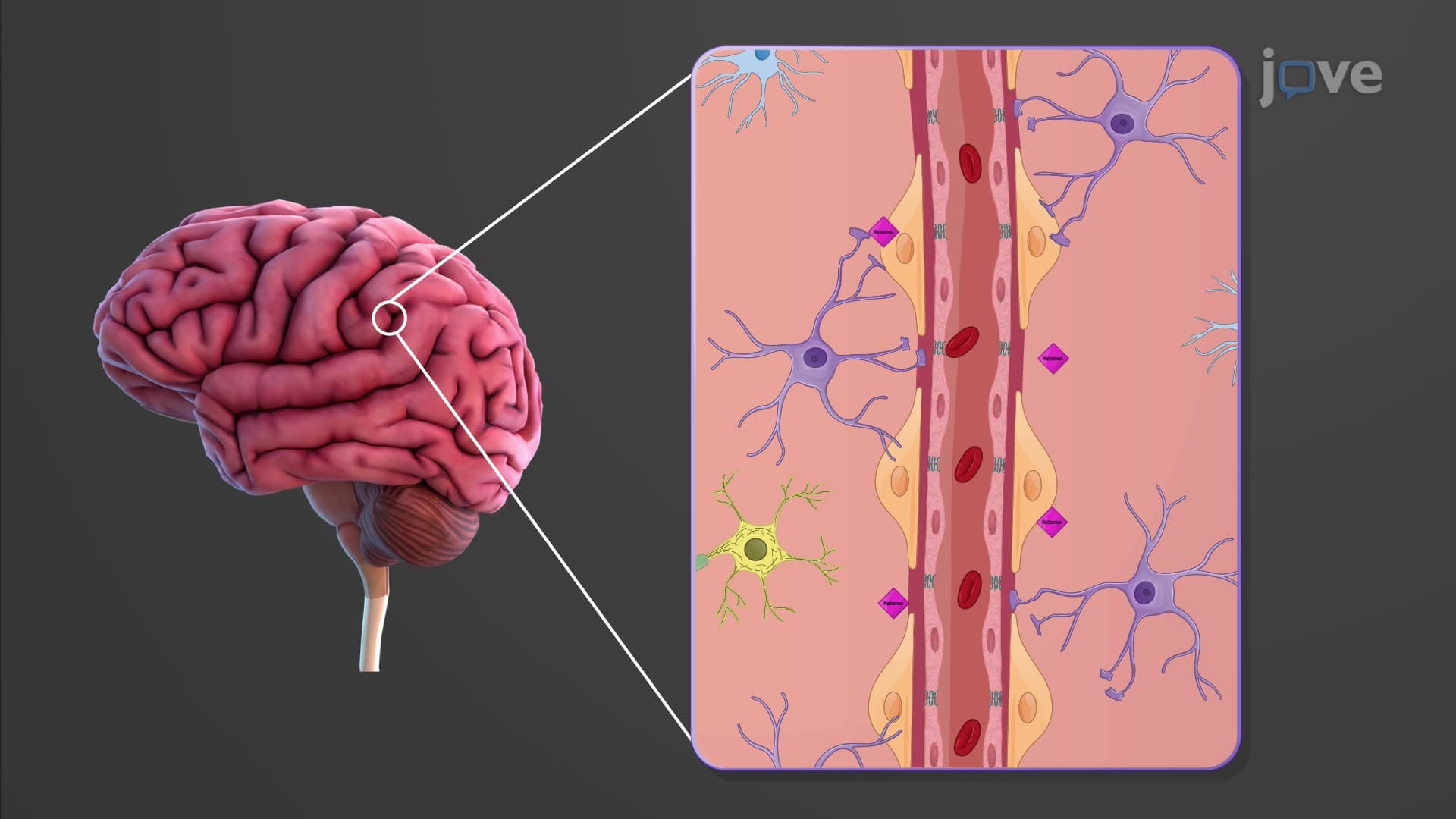
Ever wonder why you feel hungry before your usual lunch time at 12 PM, even without checking the clock? Food intake regulation biology involves complex brain circuits that control when, what, and how much we eat. The hypothalamus acts like your body's master appetite thermostat, using hormones like leptin and ghrelin to balance hunger and satiety-similar to how students at Stanford University's dining halls report feeling full after balanced meals versus still hungry after processed snacks. Understanding what is the regulation of food intake in physiology reveals how your brain orchestrates this remarkable biological symphony. Watch the full video on JoVE Coach to master this concept with expert-led visuals and step-by-step explanations.
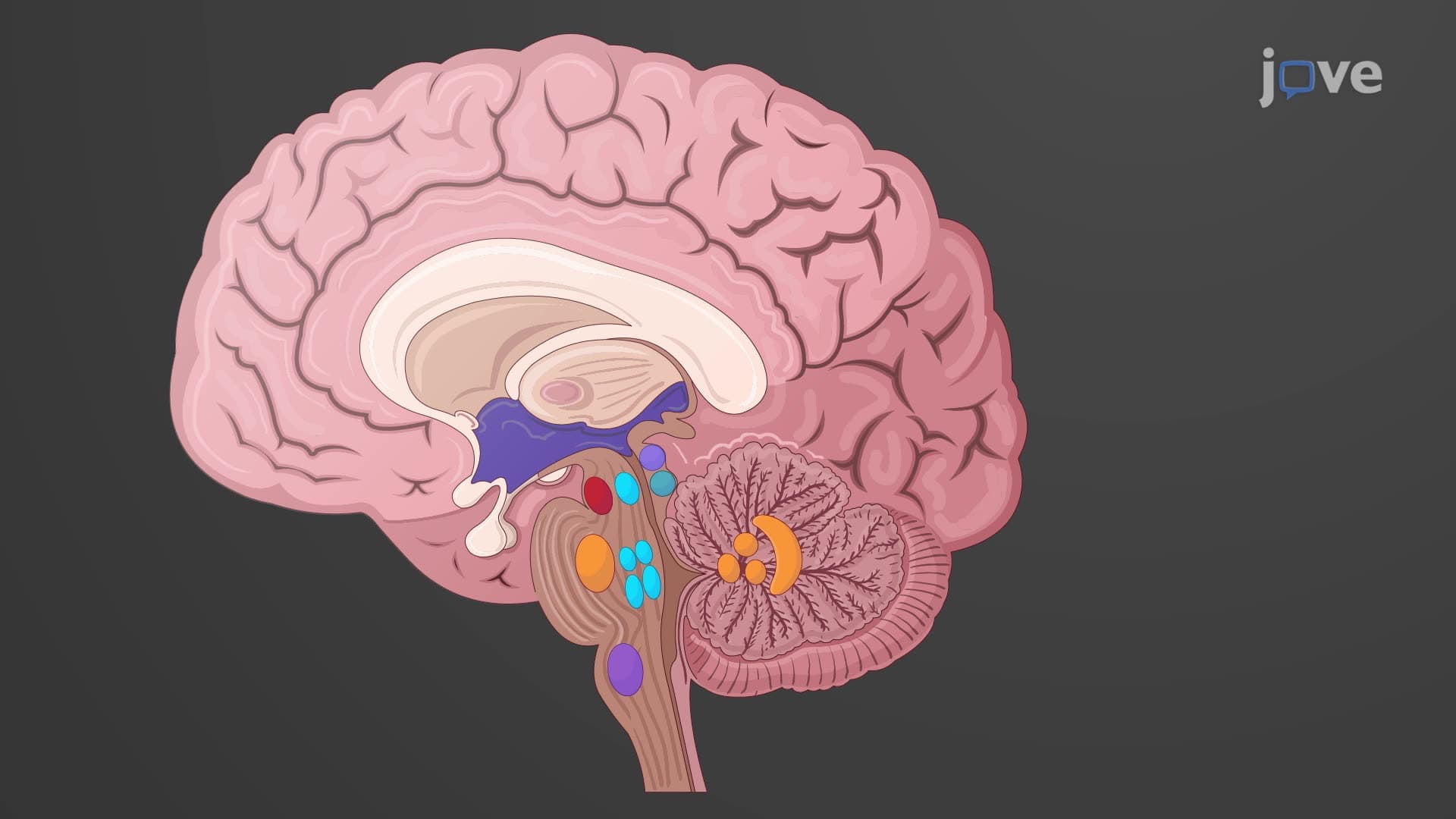
Food intake regulation biology represents one of the most sophisticated control systems in human physiology. The hypothalamus, a walnut-sized brain region weighing just 4 grams, orchestrates when you feel hungry, satisfied, or completely full. This tiny but mighty structure receives and processes dozens of signals every minute to maintain your body's energy balance-a process as precisely calibrated as the flight control systems used by NASA.
Within the hypothalamus, two competing neuronal populations wage a constant battle for control. NPY (Neuropeptide Y) and AgRP (Agouti-related peptide) neurons act as your body's "hunger advocates," releasing chemical messengers that drive food-seeking behavior. When these neurons fire, they create the overwhelming urge to raid your refrigerator at midnight.
Opposing them are POMC (Pro-opiomelanocortin) and CART (Cocaine- and Amphetamine-Regulated Transcript) neurons-your internal "satiety squad." These neurons release alpha-melanocyte-stimulating hormone and CART peptide, creating feelings of fullness and satisfaction. Students often remember this by thinking "POMC makes you put down your fork."
Appetite control explained physiology involves multiple hormones working like a sophisticated messaging system. Ghrelin, produced in your stomach, acts as your body's dinner bell-its levels spike before meals and plummet afterward. Research at UCLA shows ghrelin levels increase 30% before typical meal times, explaining why college students feel hungry around noon even during finals week stress.
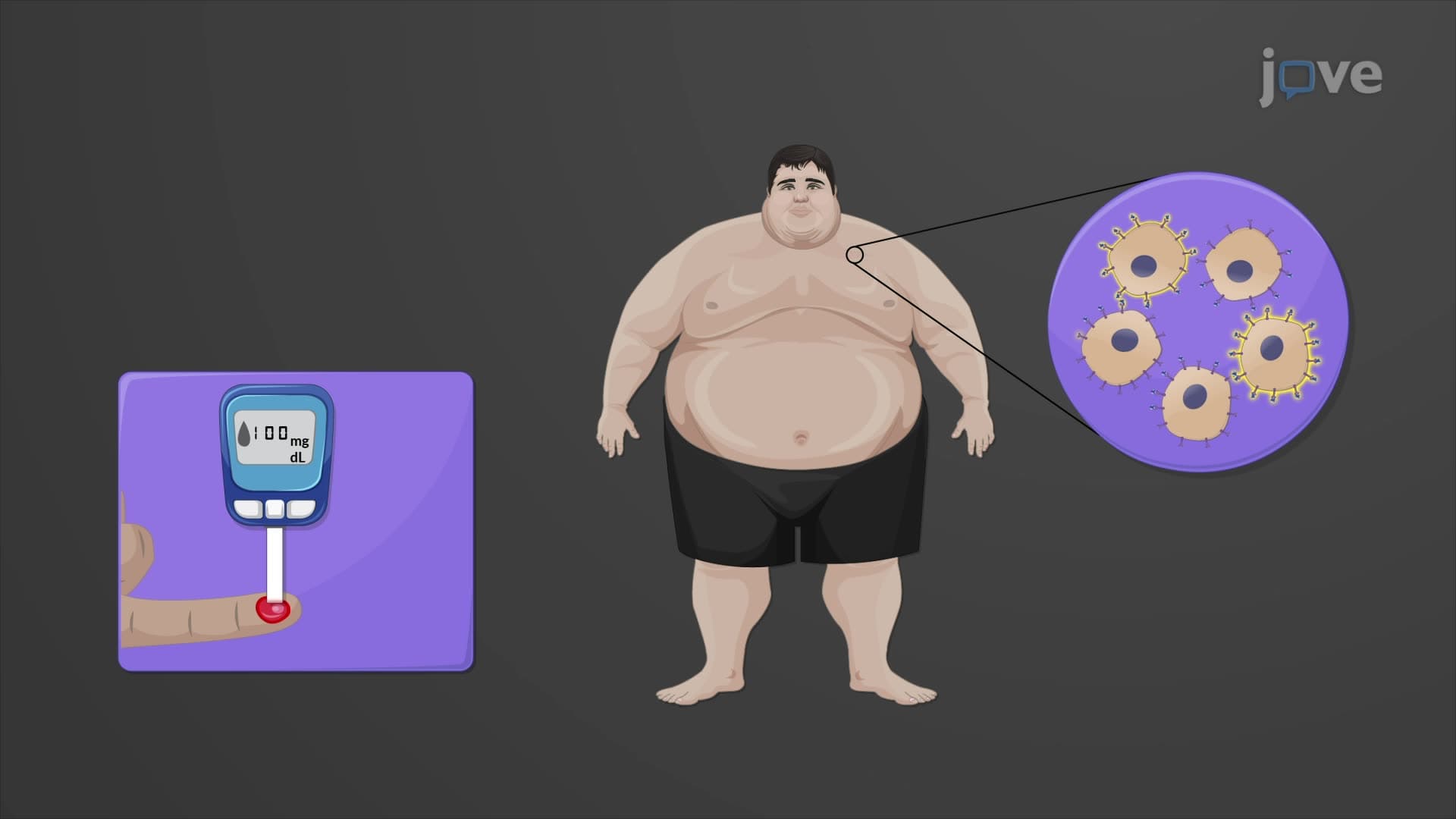
Leptin, the "satiety hormone" produced by fat cells, tells your brain about long-term energy stores. Think of leptin as your body's fuel gauge-more fat cells mean higher leptin levels and reduced appetite. However, in obesity, leptin resistance develops, similar to type 2 diabetes insulin resistance, leaving individuals unable to detect their body's "full" signals effectively.
Understanding hunger satiety hypothalamus mechanisms appears frequently on AP Biology exams, MCAT questions, and college physiology tests. Students should focus on the integration aspect-how neural, hormonal, and nutrient signals converge at the brainstem's solitary nucleus before reaching hypothalamic centers. This integration concept commonly appears in multiple-choice questions asking about signal processing pathways.
Healthcare applications include treating eating disorders, developing obesity medications, and understanding metabolic syndrome. Major US medical centers like Johns Hopkins and Mayo Clinic use this knowledge to develop targeted therapies for patients with disrupted appetite regulation.
Related Micro-courses