Loading subject page…


735,405 views

Video Summary: What are Intracellular Hormone Receptors
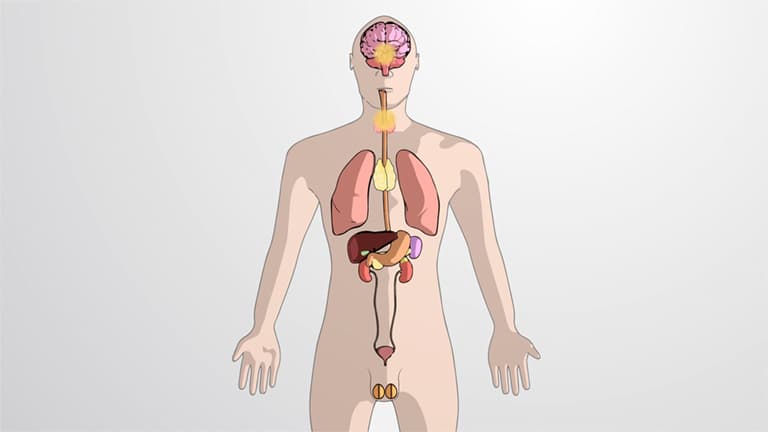
Ever wonder how testosterone transforms a teenager's voice during puberty? Intracellular hormone receptors are specialized proteins inside target cells that allow lipid-soluble hormones like testosterone to directly control gene expression. Unlike water-soluble hormones that work at the cell surface, these receptors enable hormones to enter cells and modify DNA transcription. For example, when testosterone from the testes reaches muscle cells, it binds to androgen receptors inside the cell nucleus, triggering the production of proteins that build muscle mass. Watch the full video on JoVE Coach to master this concept with expert-led visuals and step-by-step explanations.
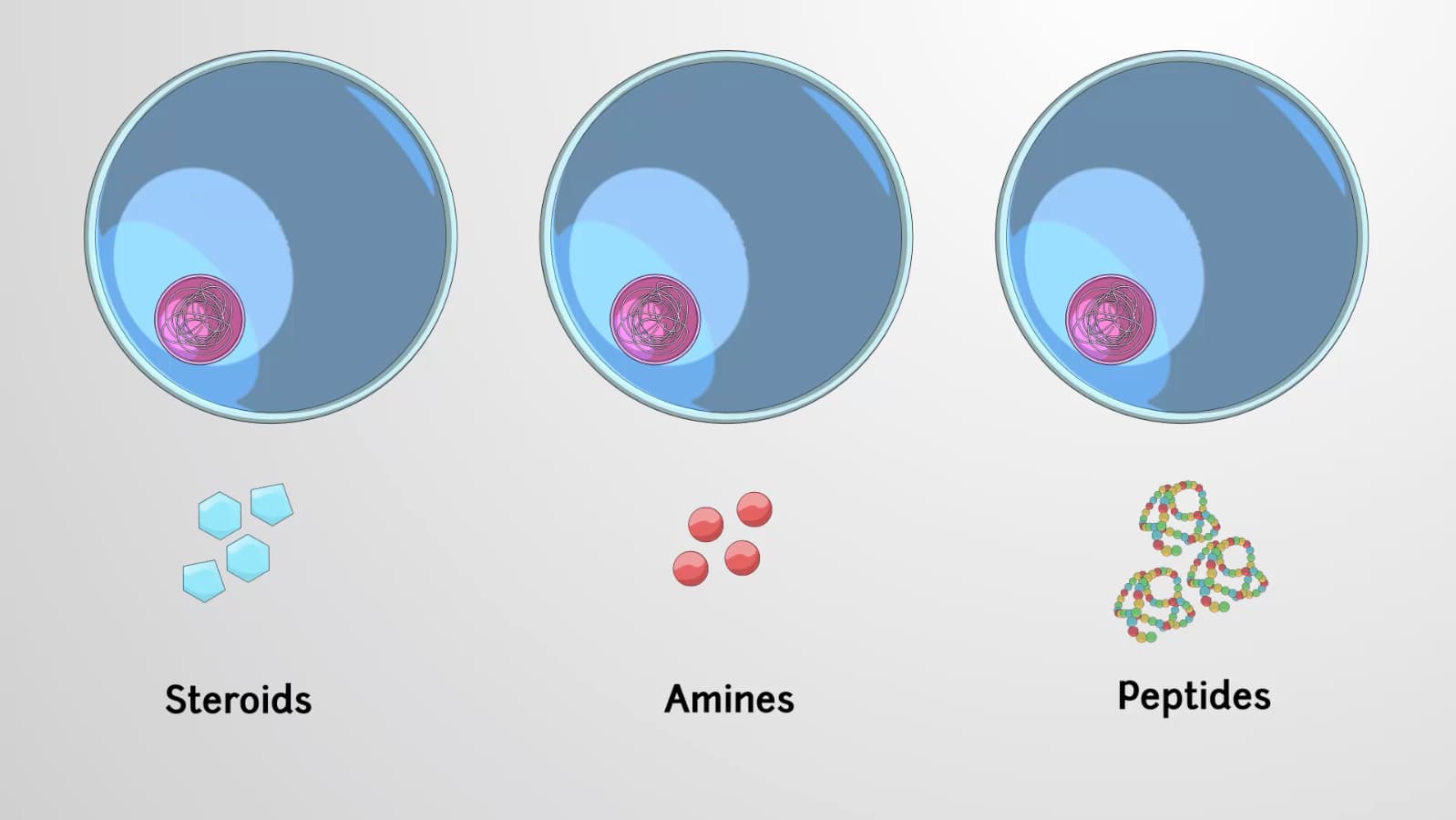
Intracellular hormone receptors represent a sophisticated cellular communication system that allows lipid-soluble hormones to directly influence gene expression within target cells. Unlike their membrane-bound counterparts, these receptors reside inside cells-either in the cytoplasm or nucleus-where they await specific hormonal signals that can penetrate the cell membrane.
These receptors are large protein molecules with distinct functional domains. The ligand-binding domain recognizes and binds specific hormones, while the DNA-binding domain contains zinc finger motifs that interact with chromosome sequences. Most intracellular receptors exist in an inactive state, often bound to heat shock proteins that prevent premature activation. When students encounter this topic on the MCAT or in AP Biology, they should remember that receptor location varies-some float freely in cytoplasm (like glucocorticoid receptors), while others remain anchored in the nucleus (such as thyroid hormone receptors).
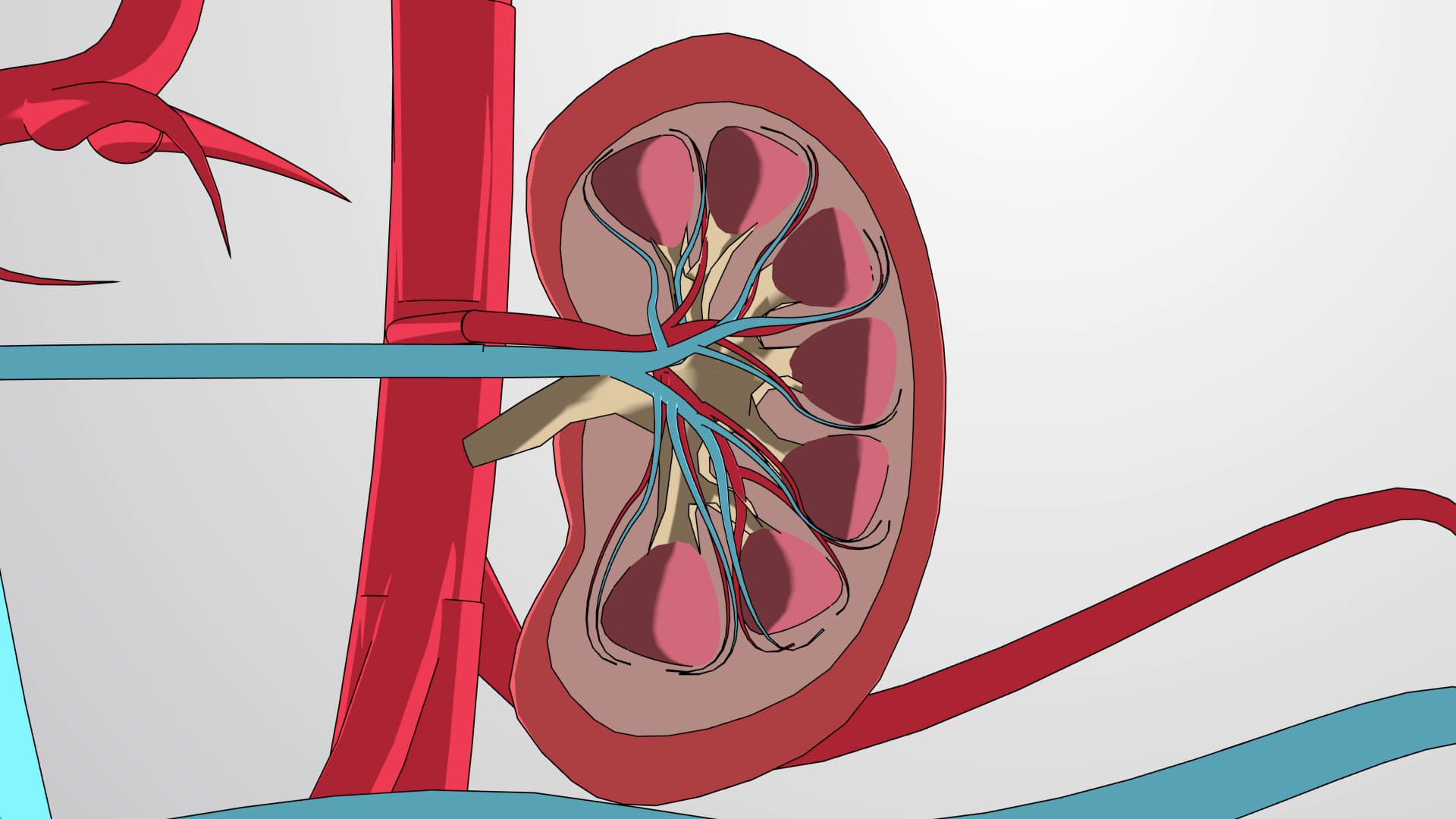
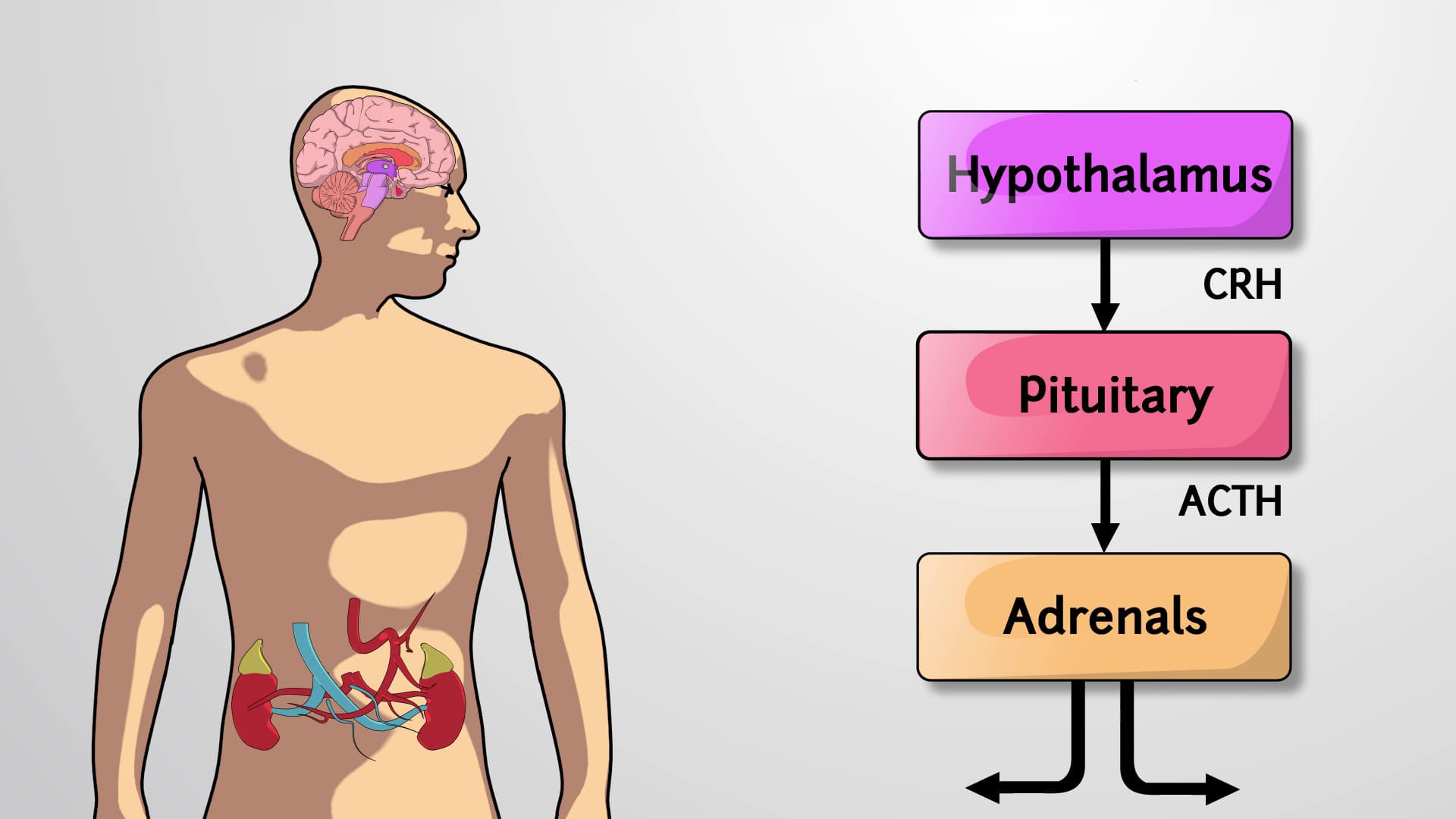
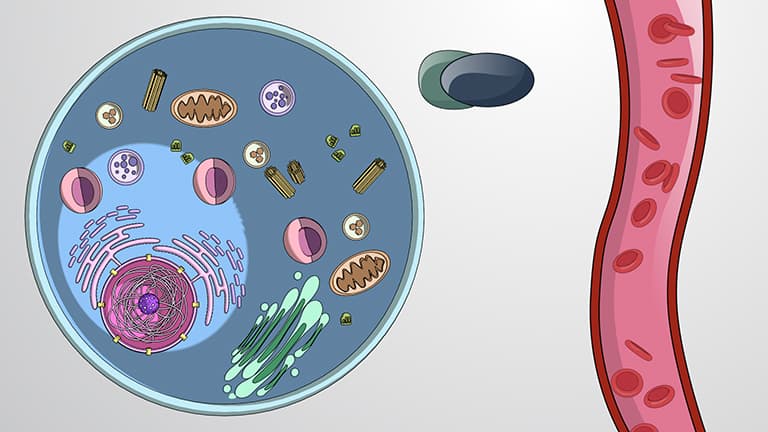
The process begins when endocrine glands release lipid-soluble hormones like cortisol, estrogen, or testosterone into the bloodstream. These hormones immediately bind to transport proteins-a crucial step that prevents them from being filtered out by the kidneys and ensures they remain dissolved in blood plasma. At target tissues, hormones detach from transport proteins and diffuse through cell membranes due to their lipophilic nature.
Once inside, the hormone-receptor complex undergoes conformational changes that expose the DNA-binding domain. This activated complex migrates to the nucleus and binds to specific DNA sequences called hormone response elements (HREs). College students studying biochemistry should note that this binding acts as a transcriptional switch, either enhancing or suppressing the production of specific mRNAs.
Understanding intracellular hormone receptors proves essential for comprehending various medical conditions. Breast cancer treatment often targets estrogen receptors, while cortisol resistance syndrome results from defective glucocorticoid receptors. Students preparing for the USMLE will encounter questions about how synthetic hormones like prednisone (a cortisol analog) treat inflammatory conditions by binding to intracellular glucocorticoid receptors and suppressing immune responses.
Related Micro-courses