Loading subject page…


735,405 views

Video Summary: What are Types of Hormones
Did you know that the adrenaline rush you feel during a basketball game involves the same hormone classification system that regulates your sleep cycle? Hormone types biology classification reveals three distinct chemical categories that control everything from metabolism to reproduction. Consider how insulin helps diabetic patients in the US manage blood sugar-this peptide hormone represents just one of the major hormone classes that orchestrate bodily functions. Watch the full video on JoVE Coach to master this concept with expert-led visuals and step-by-step explanations.
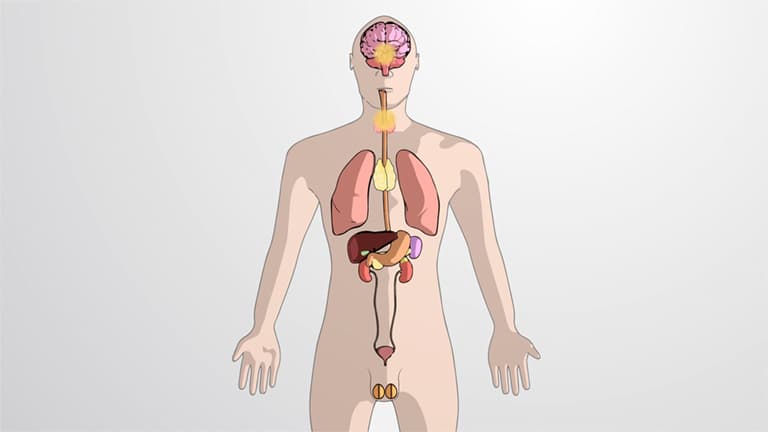
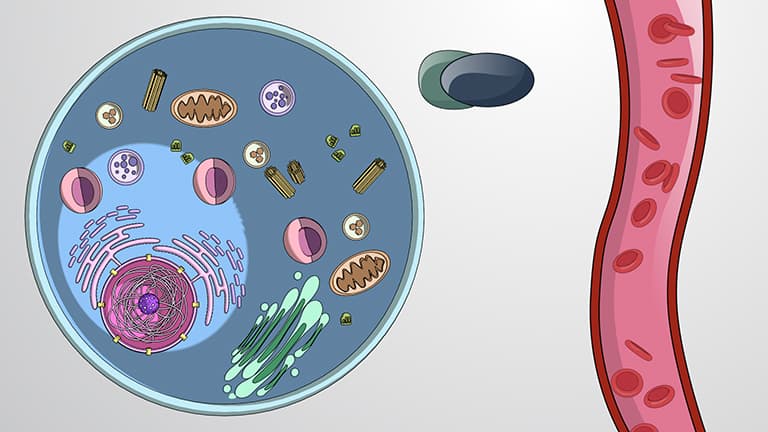
The endocrine system operates through a sophisticated network of chemical messengers, each designed with specific structural properties that determine their function. Hormone types biology classification provides the foundation for understanding how these powerful molecules regulate everything from growth and development to stress responses and reproductive cycles.
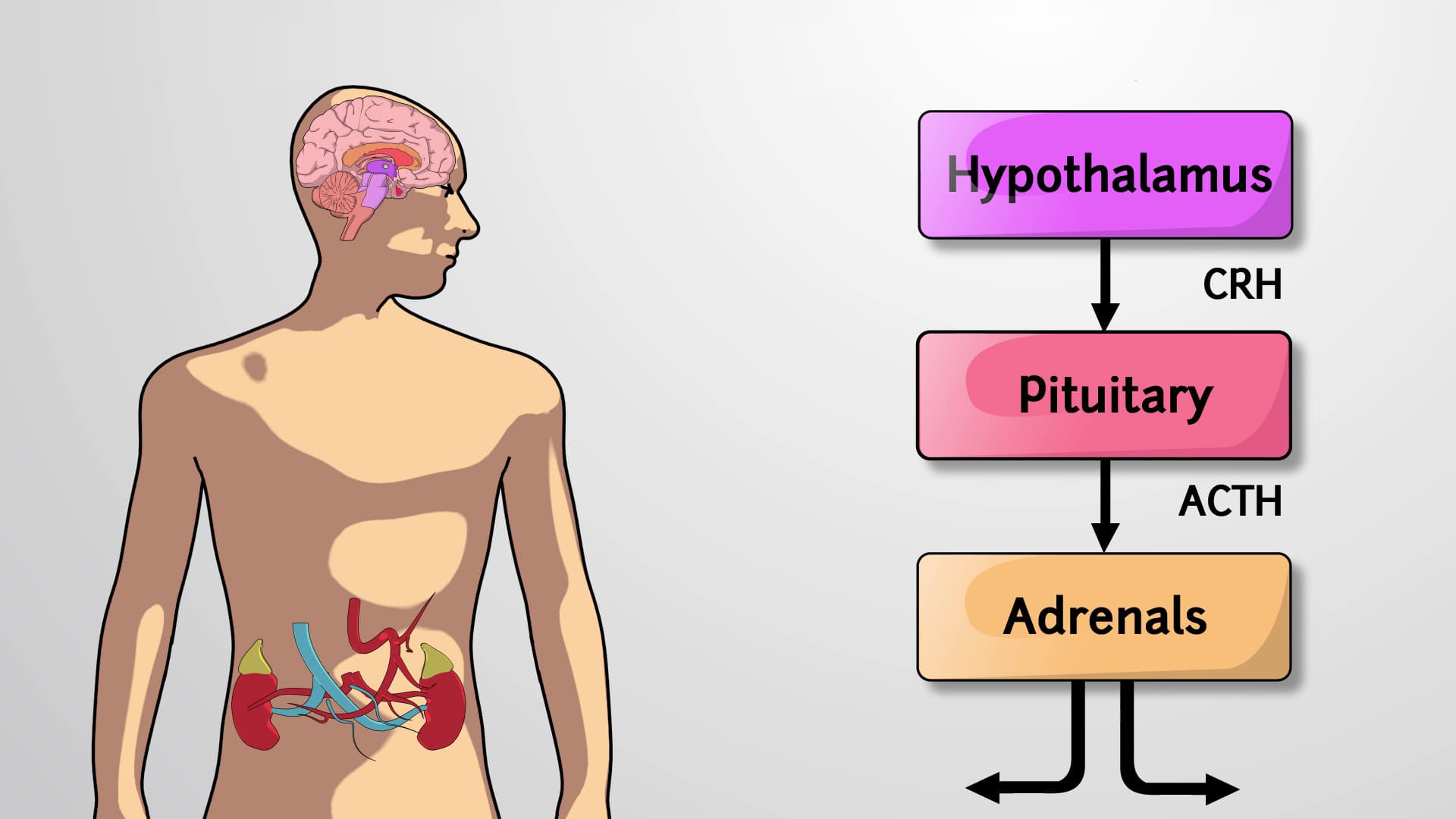
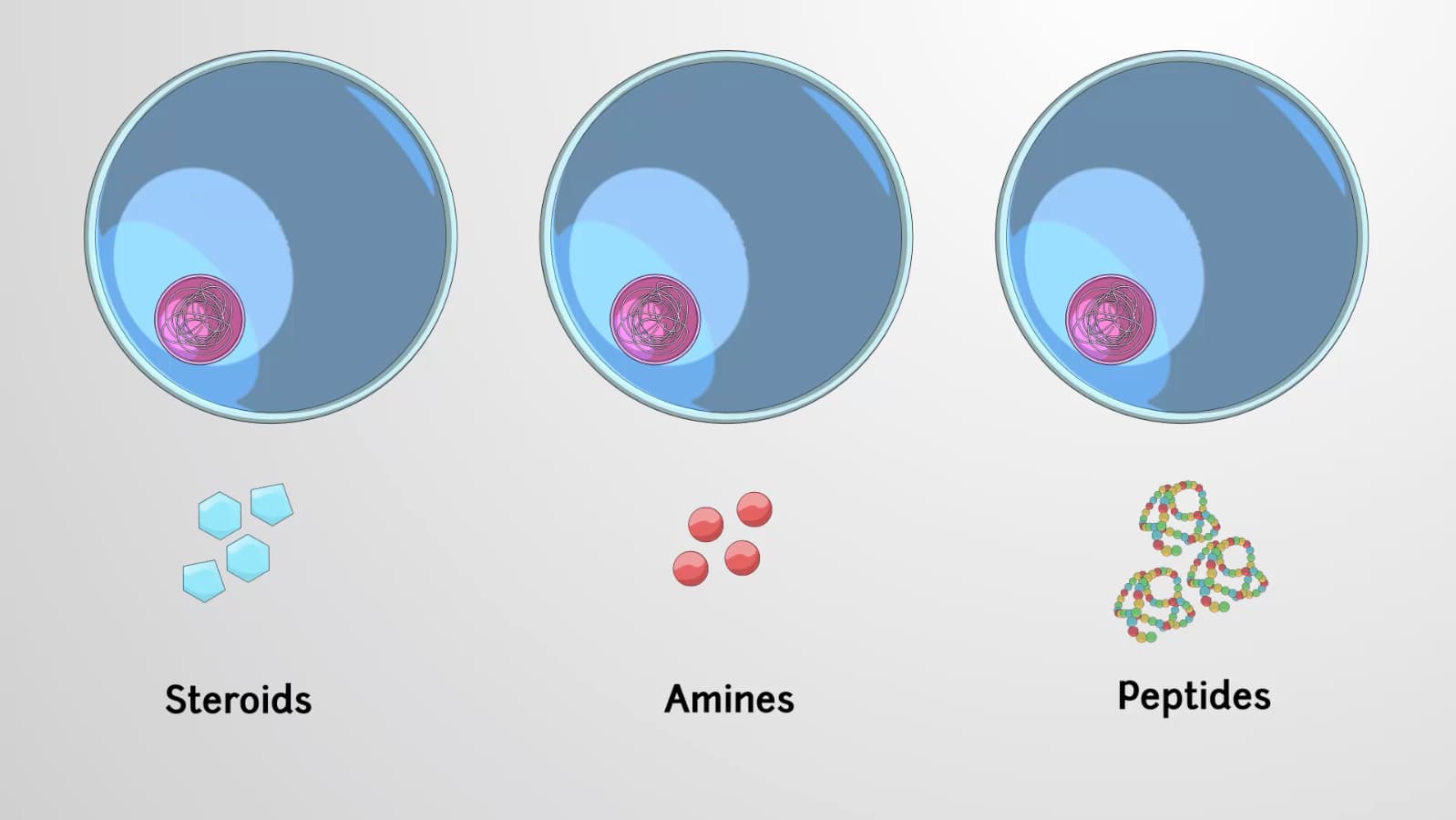
Steroid hormone lipid derived molecules represent the most structurally unique class of hormones. Built from cholesterol's four-ring carbon skeleton, these hormones include critical regulators like cortisol (produced by the adrenal cortex), testosterone and estradiol (sex hormones), and aldosterone (which controls blood pressure). Their lipophilic nature allows them to pass directly through cell membranes, binding to intracellular receptors that act as transcription factors. This mechanism enables steroid hormones to directly influence gene expression, making their effects longer-lasting but slower to initiate than other hormone types.
In clinical practice, understanding steroid hormone function is crucial for treating conditions like Addison's disease, where patients receive cortisol replacement therapy, or hormone replacement therapy for menopausal women in the US healthcare system.
Amino acid derived hormone molecules demonstrate remarkable diversity despite their simple origins. Derived from either tyrosine or tryptophan, these hormones include epinephrine and norepinephrine (the "fight or flight" hormones), thyroid hormones (T3 and T4), and melatonin (the sleep regulator). Unlike steroids, most amine hormones are hydrophilic and require cell surface receptors to function.
The clinical significance becomes apparent in conditions like hyperthyroidism, where excess thyroid hormone production affects millions of Americans, or in shift work sleep disorders, where melatonin supplementation helps regulate circadian rhythms.
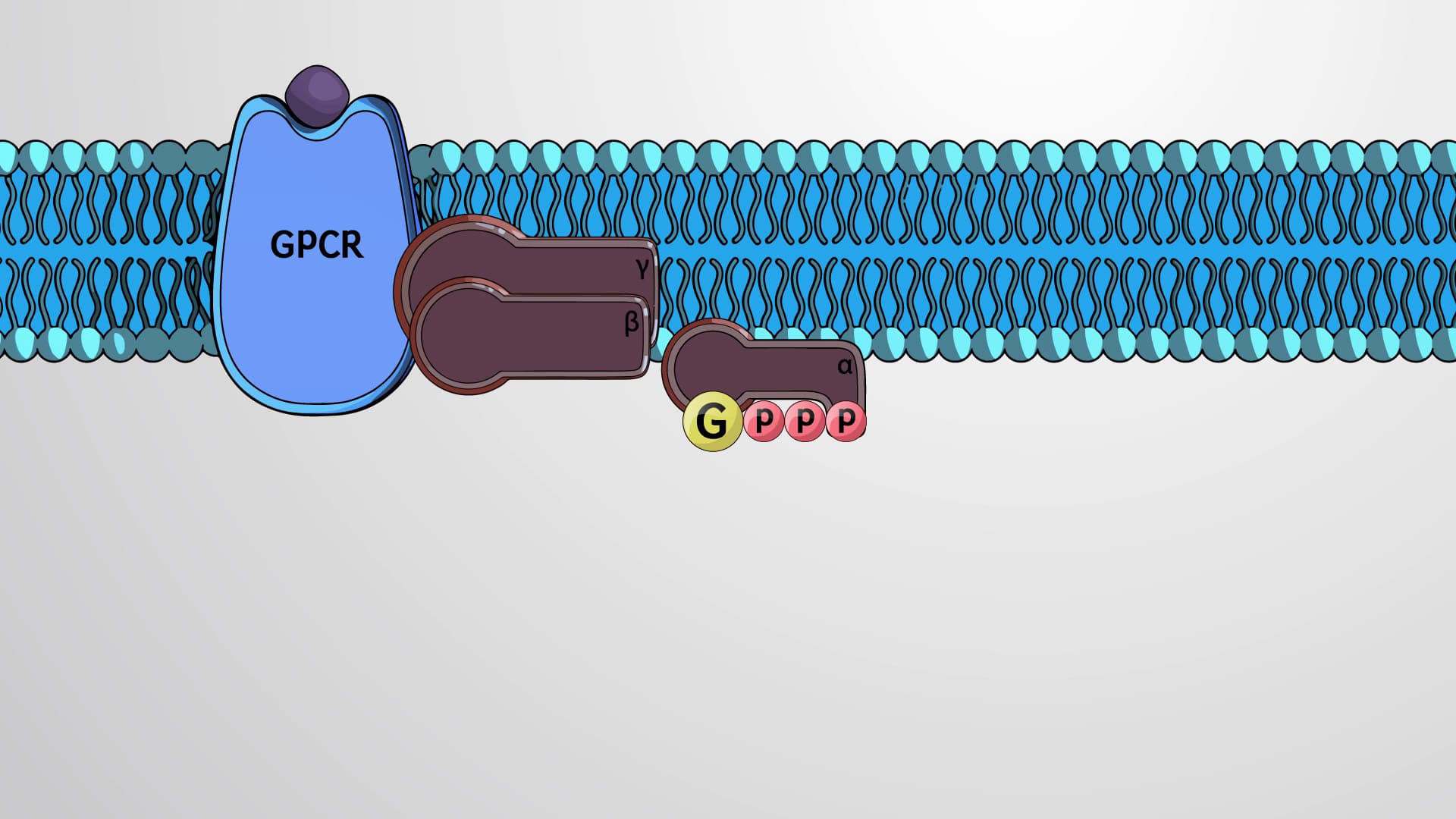
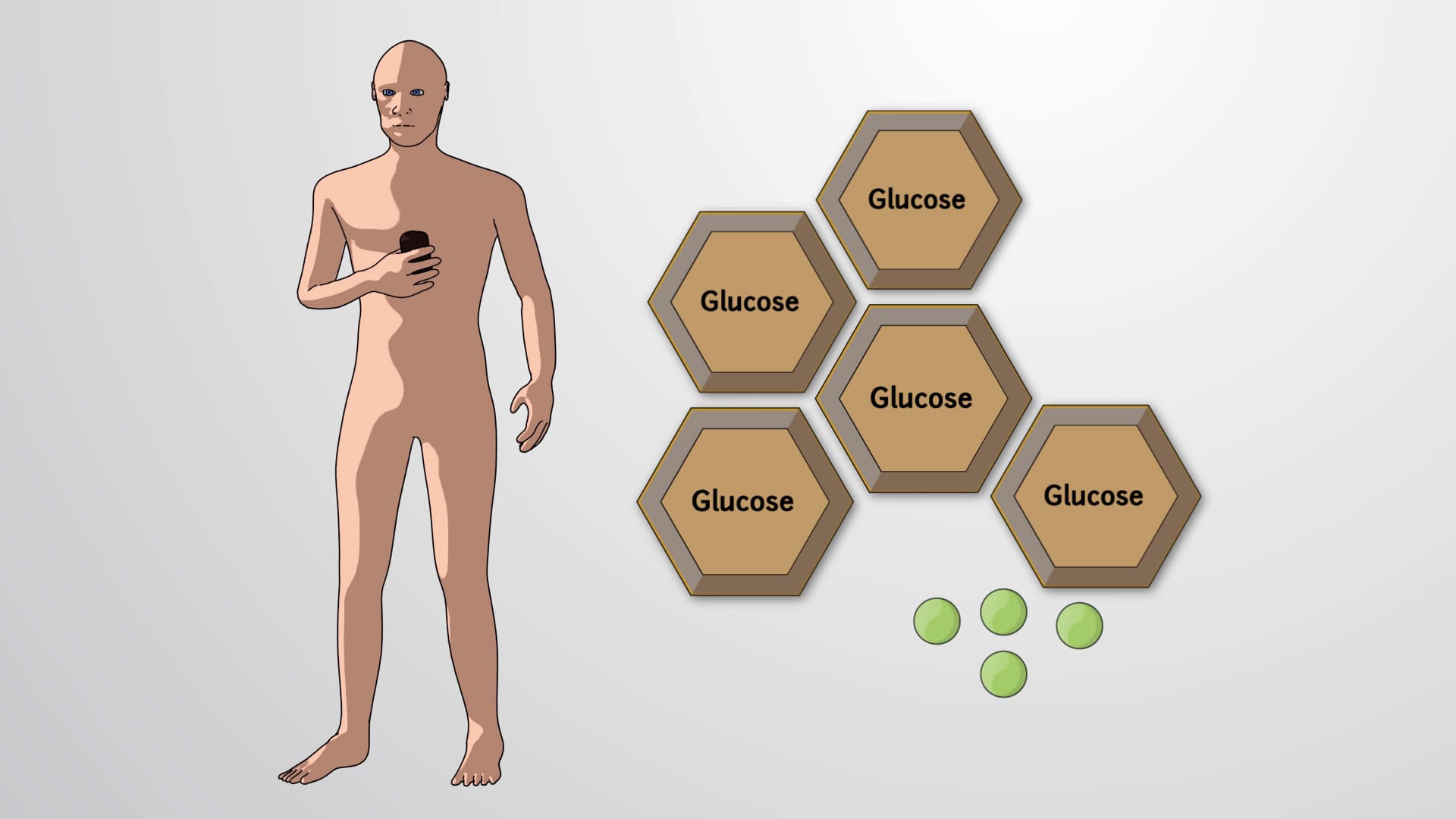
Peptide protein hormone molecules constitute the largest and most diverse hormone category. From small peptides like antidiuretic hormone (ADH) to large proteins like growth hormone and insulin, these water-soluble messengers cannot cross cell membranes and rely on surface receptor binding. Insulin, perhaps the most clinically relevant example, demonstrates how peptide hormones can have life-saving applications-over 34 million Americans with diabetes depend on insulin therapy for glucose regulation.
This hormone type classification appears frequently on AP Biology exams, MCAT questions, and college biochemistry courses, where students must distinguish between hormone mechanisms and predict cellular responses based on chemical structure.
Related Micro-courses