Loading subject page…

- Biology
- Endocrine System
- Cell-surface Signaling
Micro-course: Endocrine System
735,405 views
Learn key concepts and earn your certificate.

Cell-surface Signaling

00:00
01:21
Video Summary: What Is Cell Surface Signaling
Ever wondered how insulin helps your muscles absorb glucose without the hormone actually entering the cell? Cell surface signaling enables hormones and other molecules to communicate with cells they cannot penetrate. This process involves water-soluble hormones like insulin binding to receptors on the cell membrane, triggering complex cascades that amplify signals throughout the cell. Watch the full video on JoVE Coach to master this concept with expert-led visuals and step-by-step explanations.
- Understand what is cell surface signaling and how it differs from intracellular signaling pathways
- Identify the key components of cell surface signaling including first messengers, receptors, and second messengers
- Analyze the role of G protein-coupled receptors (GPCRs) in signal transduction cascades
- Compare the functions of different second messengers like IP3, DAG, and calcium ions
- Evaluate how signal amplification occurs through enzymatic cascades at the cell surface
- Apply knowledge of phospholipase C activity and PIP2 hydrolysis to cellular responses
- Recognize real-world examples of cell surface signaling in hormone regulation and drug action
- Explore the connection between membrane receptors and intracellular calcium release mechanisms
Understanding Cell Surface Signaling Fundamentals
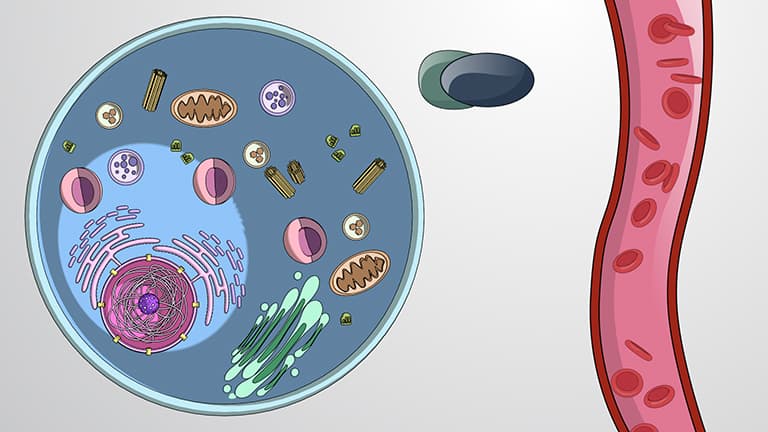
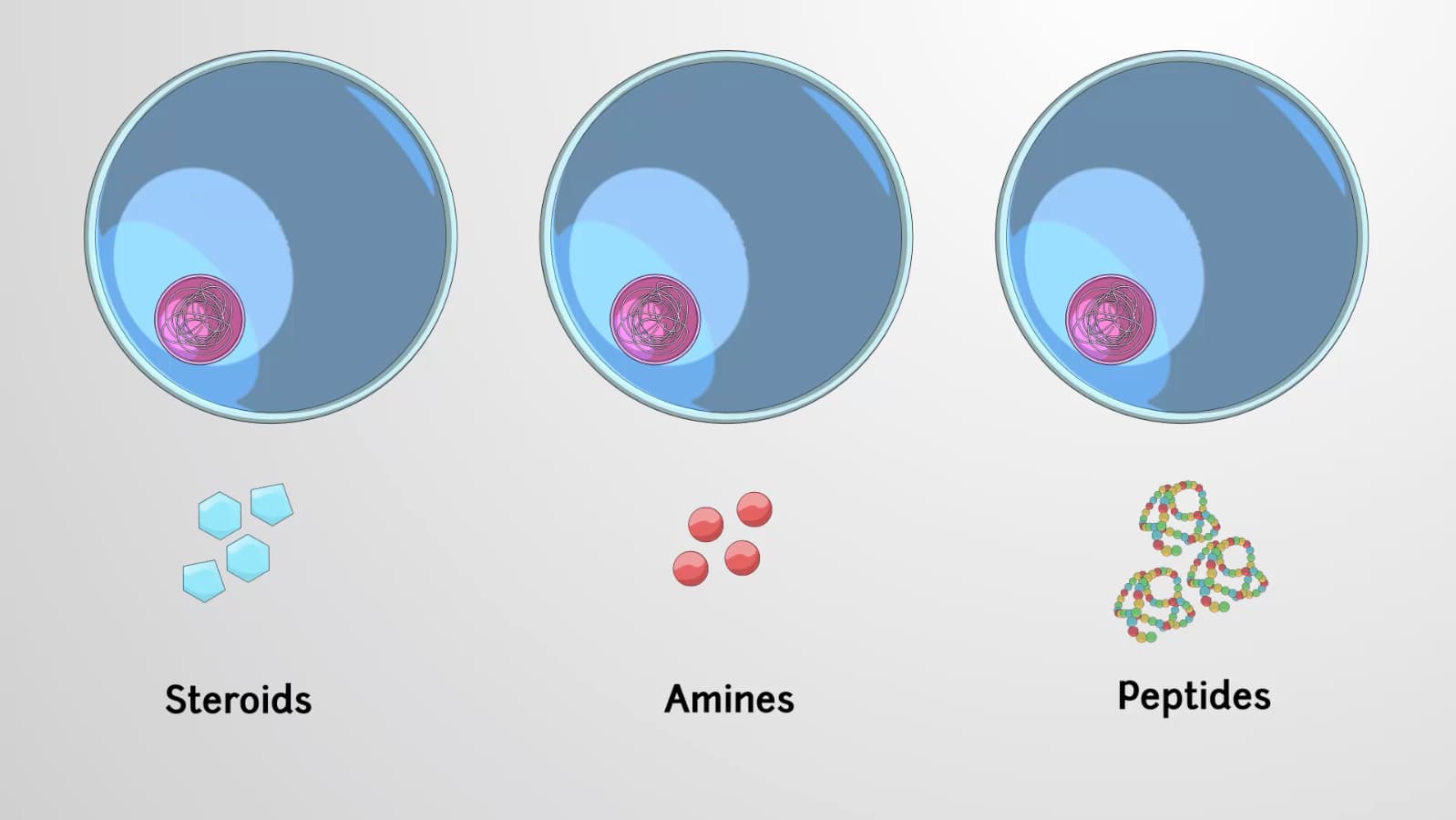
Cell surface signaling represents a sophisticated communication system that allows cells to respond to external stimuli without permitting large or hydrophilic molecules to cross the cell membrane. This process is essential for maintaining homeostasis and coordinating cellular responses throughout the human body. Unlike lipid-soluble hormones such as testosterone or cortisol that can diffuse directly through cell membranes, water-soluble signaling molecules require specialized membrane receptors to transmit their messages.
The Signal Transduction Cascade Process
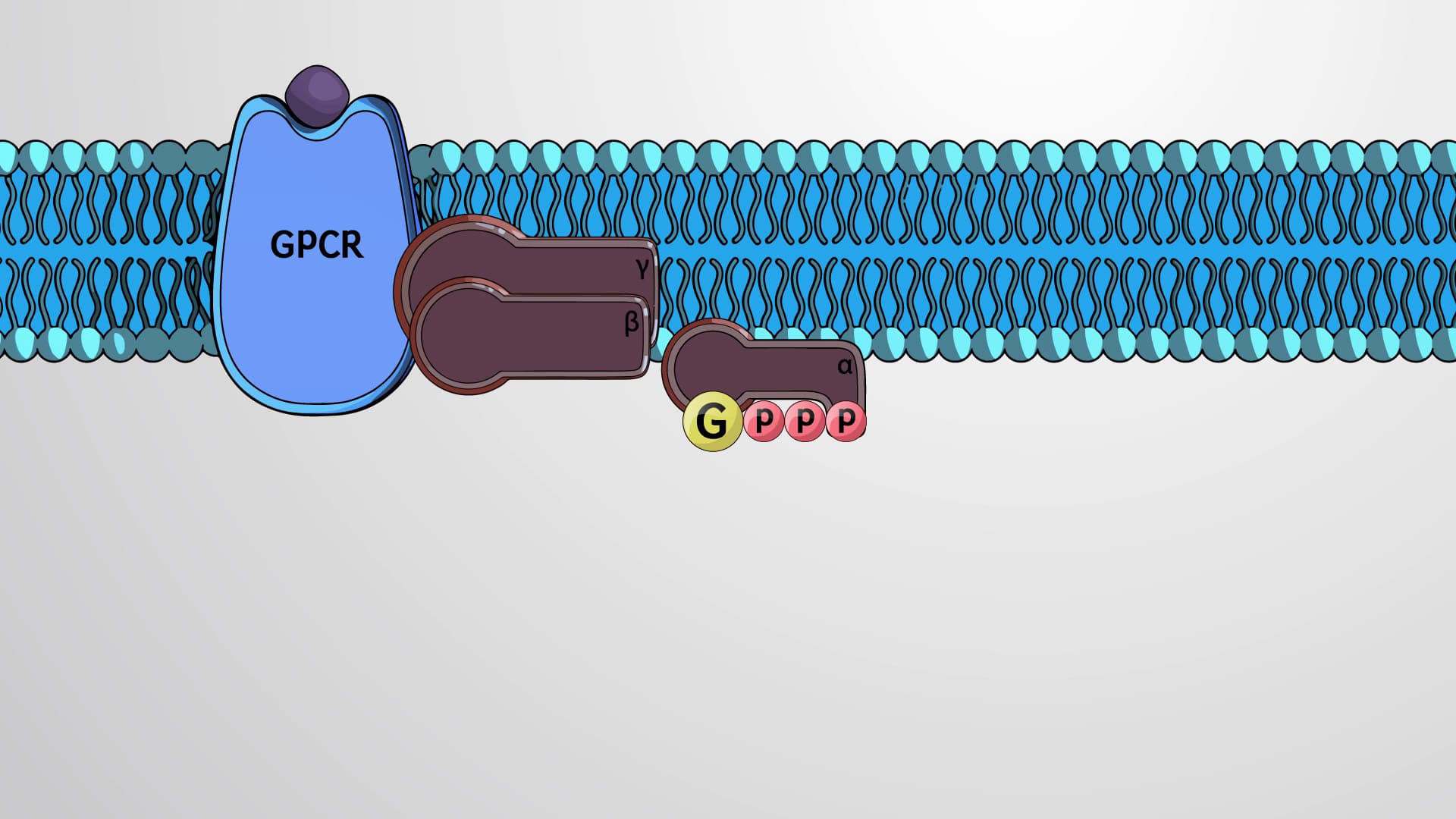
The cell surface signaling process begins when a first messenger-typically a hormone, neurotransmitter, or growth factor-binds to a specific receptor protein embedded in the cell membrane. This binding event triggers a conformational change in the receptor, initiating a cascade of molecular events inside the cell. G protein-coupled receptors (GPCRs) represent the largest family of cell surface receptors and are responsible for detecting diverse stimuli including light, odors, hormones, and neurotransmitters.
When a GPCR is activated, it stimulates an associated G protein, which then activates downstream enzymes such as adenylyl cyclase or phospholipase C. Phospholipase C cleaves the membrane phospholipid PIP2 (phosphatidylinositol 4,5-bisphosphate) into two distinct second messengers: IP3 (inositol 1,4,5-trisphosphate) and DAG (diacylglycerol). These second messengers amplify the original signal and trigger specific cellular responses.
Second Messenger Systems and Cellular Responses
The IP3/DAG pathway demonstrates the elegance of cell surface signaling. IP3 travels to the endoplasmic reticulum where it binds to calcium channels, causing the release of stored calcium ions into the cytoplasm. This calcium release serves as a third messenger, activating calcium-dependent enzymes and proteins that produce the final cellular response. Meanwhile, DAG remains at the membrane where it activates protein kinase C, leading to phosphorylation of target proteins.
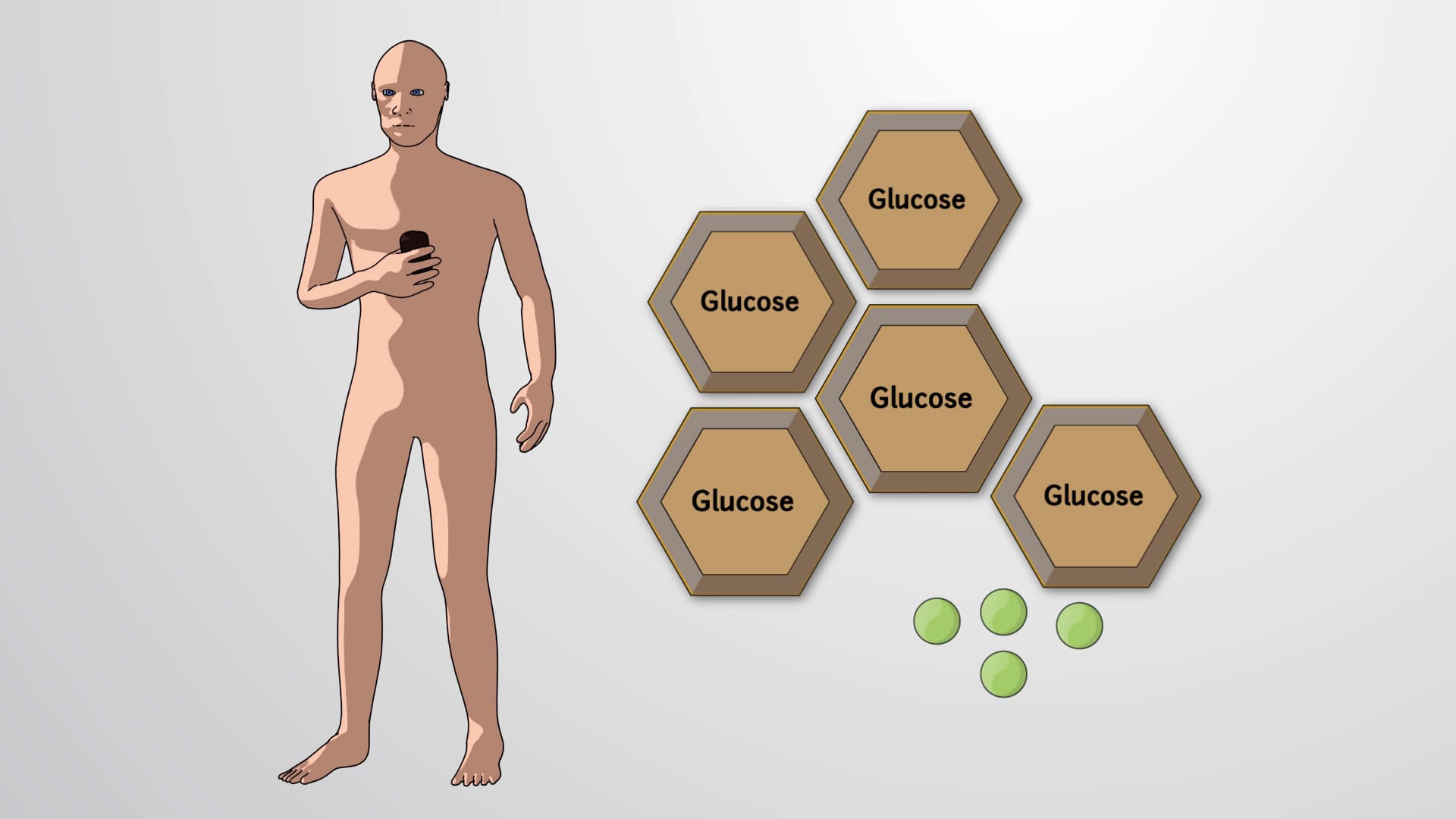
This system is clinically relevant in numerous medical conditions. For example, patients with diabetes rely on insulin's ability to activate cell surface receptors on muscle and fat cells, promoting glucose uptake without insulin entering these cells. Understanding these pathways is crucial for AP Biology students and appears frequently on the MCAT, where questions often focus on signal transduction mechanisms and their physiological significance.
Clinical and Research Applications
Cell surface signaling research has revolutionized drug development in the United States. Many FDA-approved medications target GPCRs, including beta-blockers for hypertension and antihistamines for allergies. Pharmaceutical companies design drugs that either mimic natural ligands (agonists) or block receptor activation (antagonists), providing precise therapeutic control over cellular responses.
Frequently Asked Questions
Cell surface signaling is a process where molecules that cannot enter cells communicate by binding to membrane receptors, triggering internal responses. This mechanism allows water-soluble hormones like insulin and glucagon to regulate cellular activities without crossing the cell membrane. It's essential for coordinating responses between different tissues and maintaining homeostasis throughout the body.
These exams frequently test GPCR mechanisms, second messenger systems, and signal amplification concepts. Students should focus on the IP3/DAG pathway, calcium signaling, and comparing different receptor types. Practice questions often involve analyzing experimental data about hormone responses or predicting cellular outcomes when specific signaling components are blocked.
First messengers are the original signaling molecules (hormones, neurotransmitters) that bind to cell surface receptors from outside the cell. Second messengers like IP3, DAG, and calcium ions are generated inside the cell after receptor activation and amplify the signal. This amplification system allows a small amount of hormone to produce a large cellular response.
Epinephrine (adrenaline) used in EpiPens for severe allergic reactions works through cell surface signaling. When injected, epinephrine binds to beta-adrenergic receptors on heart and lung cells, activating cAMP second messenger pathways that increase heart rate and open airways. This life-saving mechanism demonstrates how understanding cell surface signaling directly impacts emergency medicine.
While the molecular details seem complex, the basic concept is straightforward: it's like a relay race where messages pass from outside to inside the cell. Start with simple examples like hormone-receptor interactions, then gradually add complexity with second messengers. Most students find it manageable when they focus on the cause-and-effect relationships rather than memorizing every molecular name.
Create flowcharts showing the pathway from hormone binding through second messenger production to final cellular response. Practice drawing the IP3/DAG pathway from memory and use active recall to explain each step's purpose. Focus on understanding why amplification occurs and how different second messengers produce different cellular outcomes.
This concept provides the foundation for understanding pharmacology, neuroscience, and endocrinology in college-level courses. Students who master these pathways are better prepared for upper-level topics like drug mechanisms, disease pathophysiology, and research techniques. It also builds critical thinking skills for analyzing experimental data and designing therapeutic interventions.
Defective signaling causes numerous conditions including diabetes (insulin receptor problems), certain cancers (growth factor receptor mutations), and some forms of deafness (defective GPCRs in the ear). Understanding normal signaling mechanisms helps students appreciate how targeted therapies work and why personalized medicine focuses on specific molecular pathways.
Related Micro-courses
8 Concepts
8 Concepts
9 Concepts