Loading subject page…

- Biology
- Endocrine System
- Hypothalamic-Pituitary Axis
Micro-course: Endocrine System
735,405 views
Learn key concepts and earn your certificate.

Hypothalamic-Pituitary Axis

00:00
01:37
Video Summary: What Is Hypothalamic Pituitary Axis
Ever wonder why your heart races before a big exam or job interview? The hypothalamic pituitary axis orchestrates your body's entire stress response, from the moment your brain perceives a threat to the cascade of hormones that prepare you for action. For instance, when a student faces the SAT, this neuroendocrine pathway releases cortisol and adrenaline to sharpen focus and boost energy. Watch the full video on JoVE Coach to master this concept with expert-led visuals and step-by-step explanations.
- Understand the hypothalamic pituitary axis structure and identify its three main components: hypothalamus, pituitary gland, and adrenal cortex
- Analyze the sequential hormone release pathway from CRH to ACTH to cortisol and catecholamines during stress responses
- Compare the distinct functions of glucocorticoids versus sympathomimetic hormones in stress adaptation
- Evaluate how negative feedback mechanisms regulate cortisol levels and terminate stress responses
- Apply knowledge of HPA axis dysfunction to understand conditions like Cushing's syndrome and adrenal insufficiency
- Recognize real-world scenarios where the HPA axis activates, from athletic competition to academic pressure
- Explore connections between chronic HPA axis activation and health consequences like immune suppression
Understanding the Hypothalamic Pituitary Axis Framework
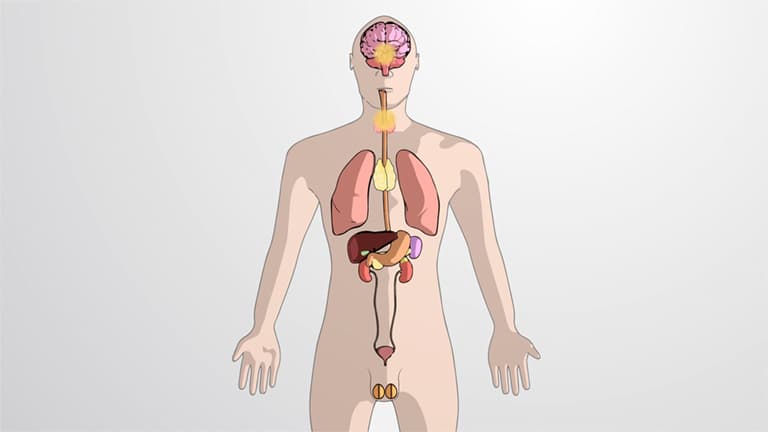
The hypothalamic pituitary axis represents one of medicine's most elegant regulatory systems, connecting your brain's perception of stress to your body's physiological response. This neuroendocrine pathway involves three distinct anatomical structures working in perfect coordination. Medical students studying for the MCAT encounter this concept extensively in behavioral sciences and biology sections, where understanding hormone cascades proves essential for clinical reasoning.
The Three-Step Hormone Cascade
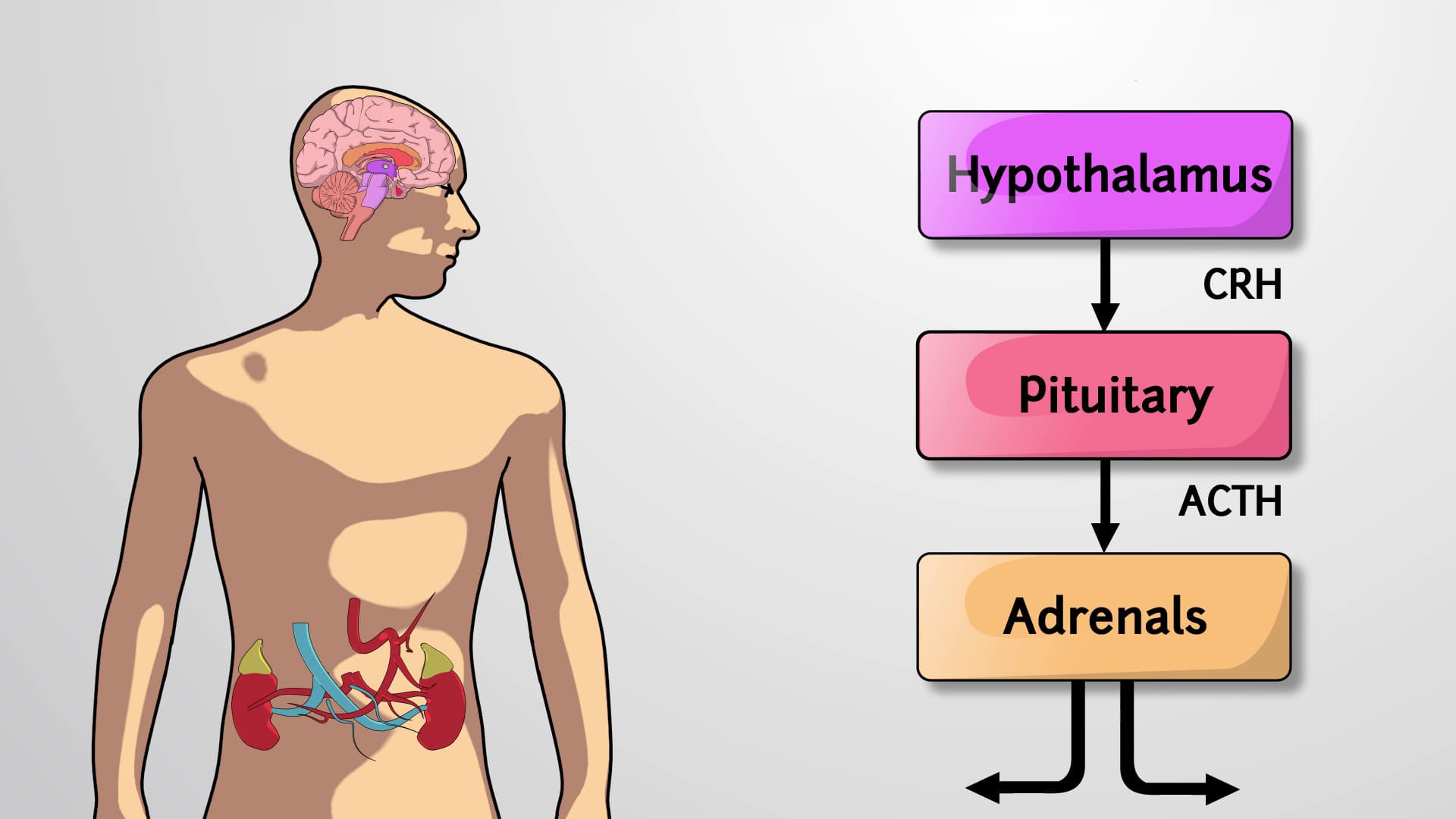
The stress response begins when your hypothalamus detects a threat-whether it's a pop quiz in AP Biology or a competitive tennis match. This brain region immediately releases corticotropin-releasing hormone (CRH), which travels directly to your anterior pituitary gland. The pituitary responds by secreting adrenocorticotropic hormone (ACTH) into your bloodstream, creating a chemical messenger system that reaches your adrenal glands within minutes.
Your adrenal cortex, located atop each kidney, serves as the final effector in this pathway. Upon receiving ACTH signals, these glands release two critical hormone categories: catecholamines (epinephrine and norepinephrine) and glucocorticoids (primarily cortisol). Students preparing for nursing entrance exams like the HESI A2 must understand how these hormones create the "fight-or-flight" response that helped our ancestors survive dangerous situations.
Physiological Effects and Clinical Significance
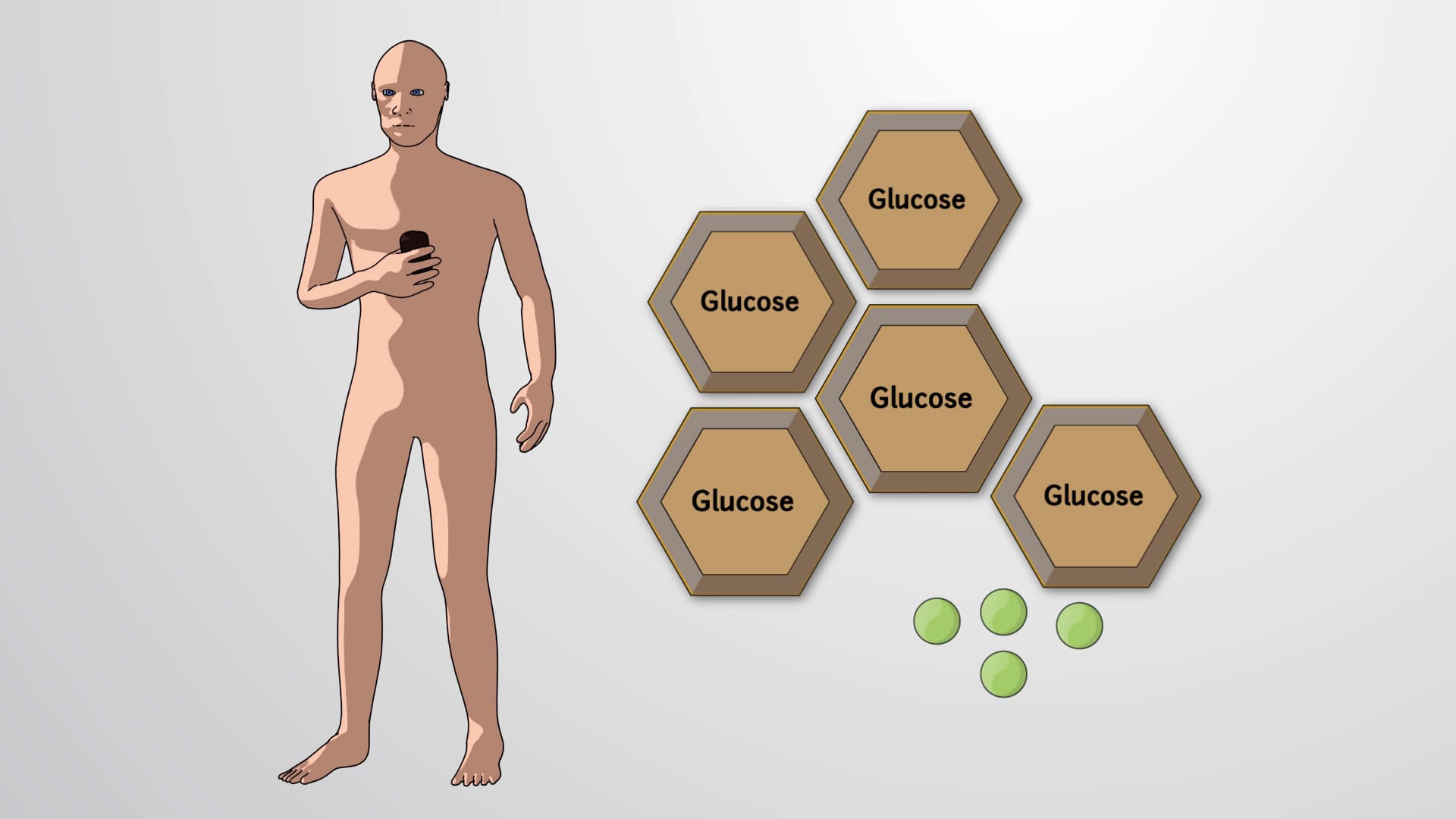
Cortisol, often called the "stress hormone," mobilizes energy by increasing blood glucose through gluconeogenesis-a process where your liver converts proteins and fats into usable sugar. This explains why some students experience improved mental clarity during exams, as their brains receive enhanced glucose delivery. However, cortisol simultaneously suppresses immune function and digestive processes, redirecting resources toward immediate survival needs.
The catecholamines work differently, targeting your cardiovascular and nervous systems directly. Epinephrine increases heart rate, blood pressure, and breathing rate while enhancing muscle blood flow. These effects prepare your body for physical action, whether escaping danger or performing under pressure during a college athletic scholarship tryout.
Negative Feedback and Regulation
The hypothalamic pituitary axis includes sophisticated self-regulation mechanisms that prevent dangerous hormone overproduction. When cortisol levels reach optimal ranges, this hormone sends inhibitory signals back to both the hypothalamus and pituitary gland, effectively shutting down CRH and ACTH release. This negative feedback loop ensures stress responses remain temporary and proportionate to actual threats.
Frequently Asked Questions
The hypothalamic pituitary axis is a neuroendocrine system connecting your brain to your adrenal glands, coordinating your body's response to physical and psychological stress. It's crucial because this pathway controls cortisol and adrenaline release, affecting everything from your heart rate during a presentation to your immune system's ability to fight infections. Understanding this system helps explain how chronic stress impacts overall health and academic performance.
MCAT questions typically focus on hormone pathways, feedback mechanisms, and clinical correlations like Cushing's disease or Addison's disease. AP Biology exams emphasize the molecular signaling cascade from CRH to ACTH to cortisol, often requiring students to analyze graphs showing hormone levels over time. Both exams may present case studies where students must identify which component of the axis is malfunctioning based on symptoms.
Step 1 covers endocrine pathology extensively, including primary versus secondary adrenal insufficiency, pituitary adenomas causing excess ACTH, and iatrogenic Cushing's syndrome from steroid medications. Step 2 clinical scenarios might involve recognizing Addisonian crisis in emergency departments or managing patients with medication-induced HPA axis suppression. Understanding normal axis function provides the foundation for these pathology questions.
During high-stress events like college interviews, your hypothalamic pituitary axis activates within seconds of perceiving the challenge. Your hypothalamus releases CRH, triggering ACTH and ultimately cortisol production, which sharpens focus and provides energy for peak performance. However, excessive activation can impair memory formation and decision-making, explaining why some students perform below their potential despite thorough preparation.
Not at all-this concept builds naturally on basic biology knowledge about hormones and nervous system function covered in freshman biology. The three-step pathway (hypothalamus → pituitary → adrenals) follows logical cause-and-effect relationships that most students grasp quickly. Breaking the system into smaller components and connecting it to familiar experiences like test anxiety makes the concept highly accessible and memorable.
Create acronyms for the hormone sequence: "Can Really Help" for CRH, ACTH, and hormones (cortisol/catecholamines). Draw the pathway repeatedly, emphasizing the negative feedback loop that stops the response. Practice with clinical scenarios rather than just memorizing names-understanding why a student's heart races before a speech helps cement the physiological sequence better than rote memorization.
Explore other hypothalamic-pituitary pathways like the growth hormone axis and thyroid regulation, which follow similar organizational principles. Investigate how chronic stress affects the immune system and metabolism, connecting endocrinology to immunology and biochemistry. Advanced students might examine circadian rhythm effects on cortisol release or study pharmacological interventions that target different axis components.
Related Micro-courses
8 Concepts
8 Concepts
9 Concepts