Loading subject page…

326,605 views

Video Summary: What Is the Colonization of Land
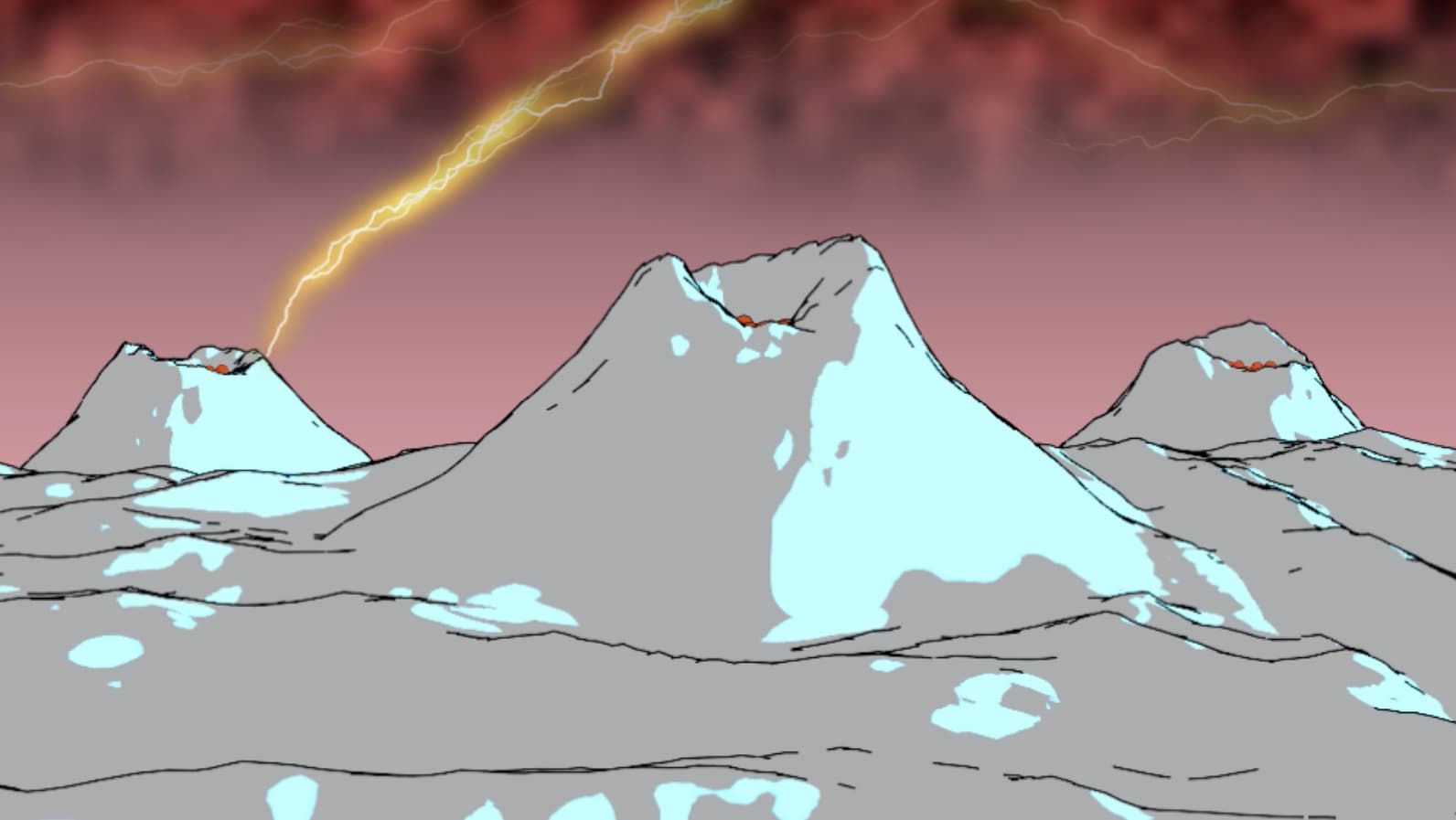
Imagine Earth as a water-only planet where all life existed in oceans for billions of years-then something extraordinary happened that transformed our planet forever. The colonization of land represents one of evolution's most dramatic transitions, beginning with photosynthetic prokaryotes venturing onto wet terrestrial surfaces over 2 billion years ago. This monumental shift allowed organisms to access abundant sunlight and carbon dioxide, eventually leading to the diverse ecosystems we see across America's national parks today, from Yellowstone's geothermal landscapes to the Everglades' wetlands. Watch the full video on JoVE Coach to master this concept with expert-led visuals and step-by-step explanations.
The colonization of land represents a pivotal chapter in Earth's biological history, marking the transition from exclusively aquatic life to the diverse terrestrial ecosystems we observe today. This process began over 2 billion years ago when single-celled photosynthetic prokaryotes first ventured into wet terrestrial environments, fundamentally altering the planet's atmospheric composition and setting the stage for complex multicellular life.
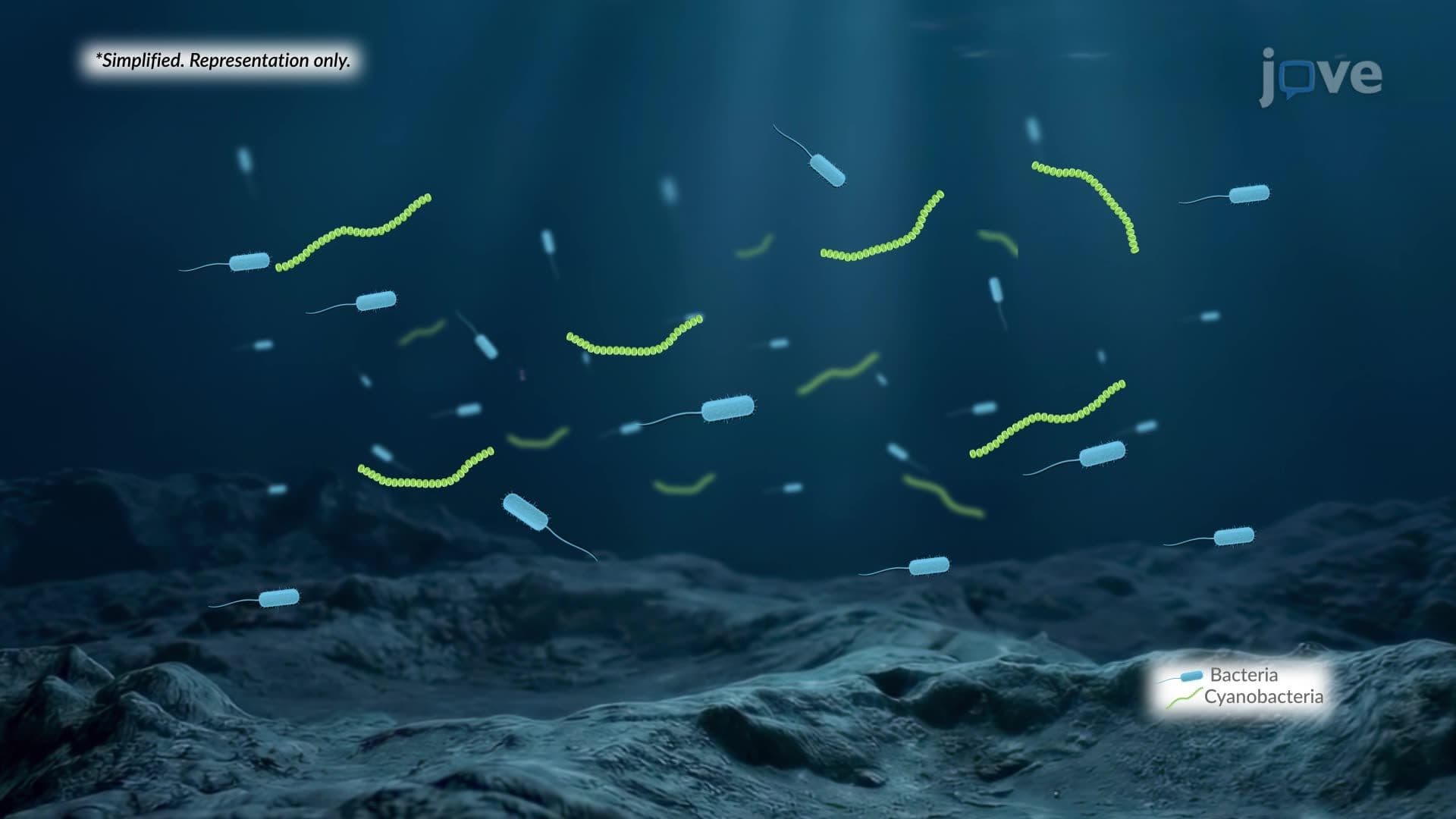
The earliest land colonizers were photosynthetic prokaryotes, primarily cyanobacteria, which found terrestrial environments offered significant advantages over oceanic habitats. Unlike the filtered sunlight available in ocean depths, land surfaces provided direct access to solar radiation essential for photosynthesis. Additionally, atmospheric carbon dioxide concentrations were readily available, creating optimal conditions for these primitive organisms to thrive and reproduce.
These prokaryotic pioneers played a crucial role in oxygenating Earth's atmosphere through photosynthesis, a process that would prove essential for the evolution of more complex life forms. Students preparing for AP Biology or college-level biology courses should note how this atmospheric transformation created the oxidizing environment necessary for aerobic respiration in later organisms.
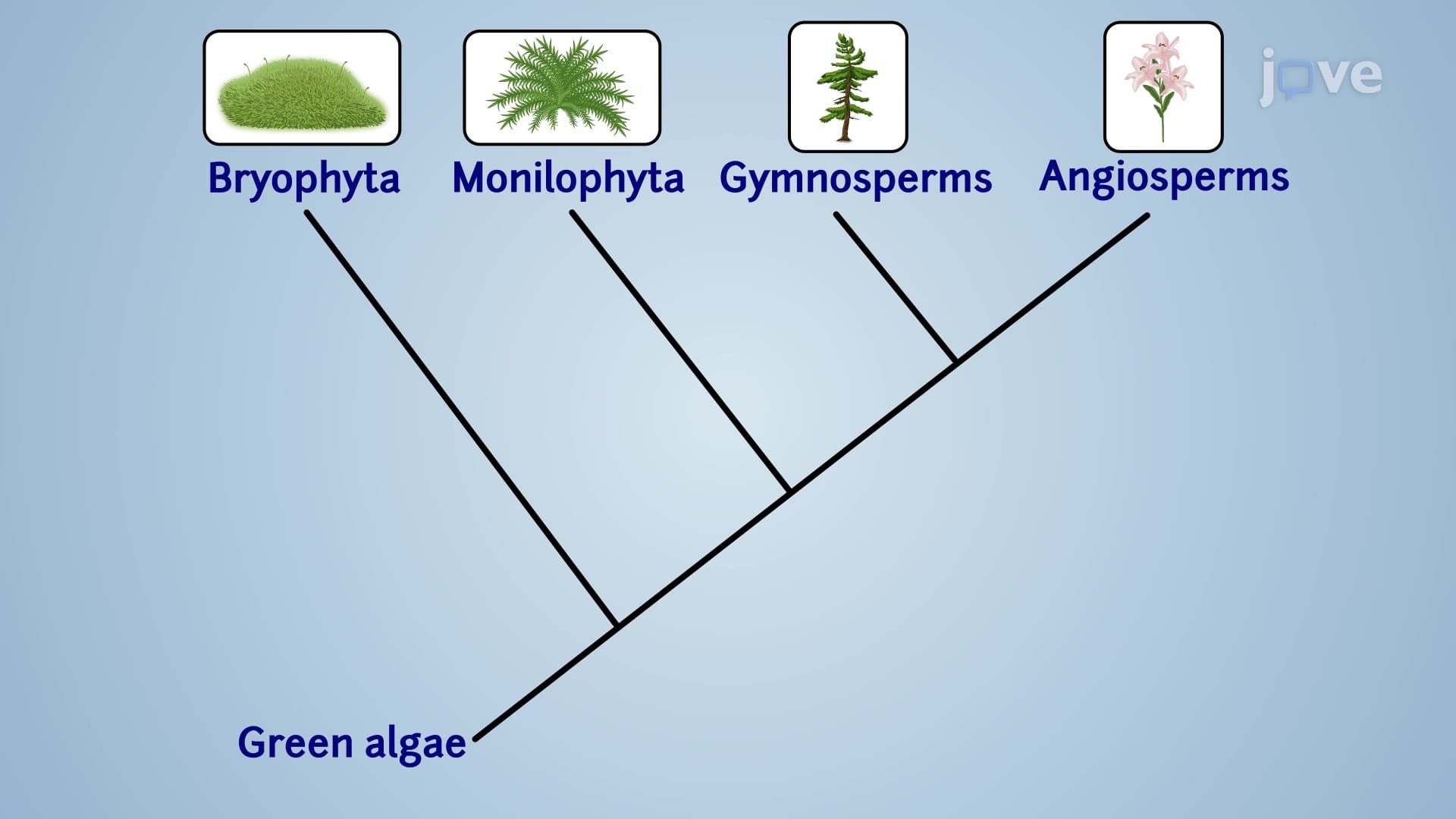
By the Ordovician Period (approximately 485 million years ago), multicellular plants and fungi had evolved sophisticated adaptations for terrestrial survival. The transition from simple aquatic organisms to complex land-dwelling plants required fundamental structural innovations that students encounter in MCAT preparation and undergraduate botany courses.
Key adaptations included cellular specialization, with distinct shoot systems optimized for light capture and root systems designed for anchoring and nutrient absorption. The evolution of waxy cuticles prevented excessive water loss through evaporation, while lignified cell walls provided structural support against gravity's effects-challenges absent in buoyant aquatic environments.
Vascular tissue development marked another revolutionary adaptation, enabling efficient water and nutrient transport throughout increasingly larger plant bodies. This innovation allowed plants to colonize diverse terrestrial habitats, from coastal plains similar to those found along the Eastern Seaboard to inland environments resembling modern-day Great Plains ecosystems.
The establishment of terrestrial plant communities created abundant food resources that attracted the first land-dwelling animals around 450 million years ago. Arthropods, ancestors of modern insects and crustaceans found throughout American ecosystems, were the pioneering animal colonizers. Their external skeletons (exoskeletons) provided essential structural support and protection against terrestrial hazards while maintaining flexibility for movement.
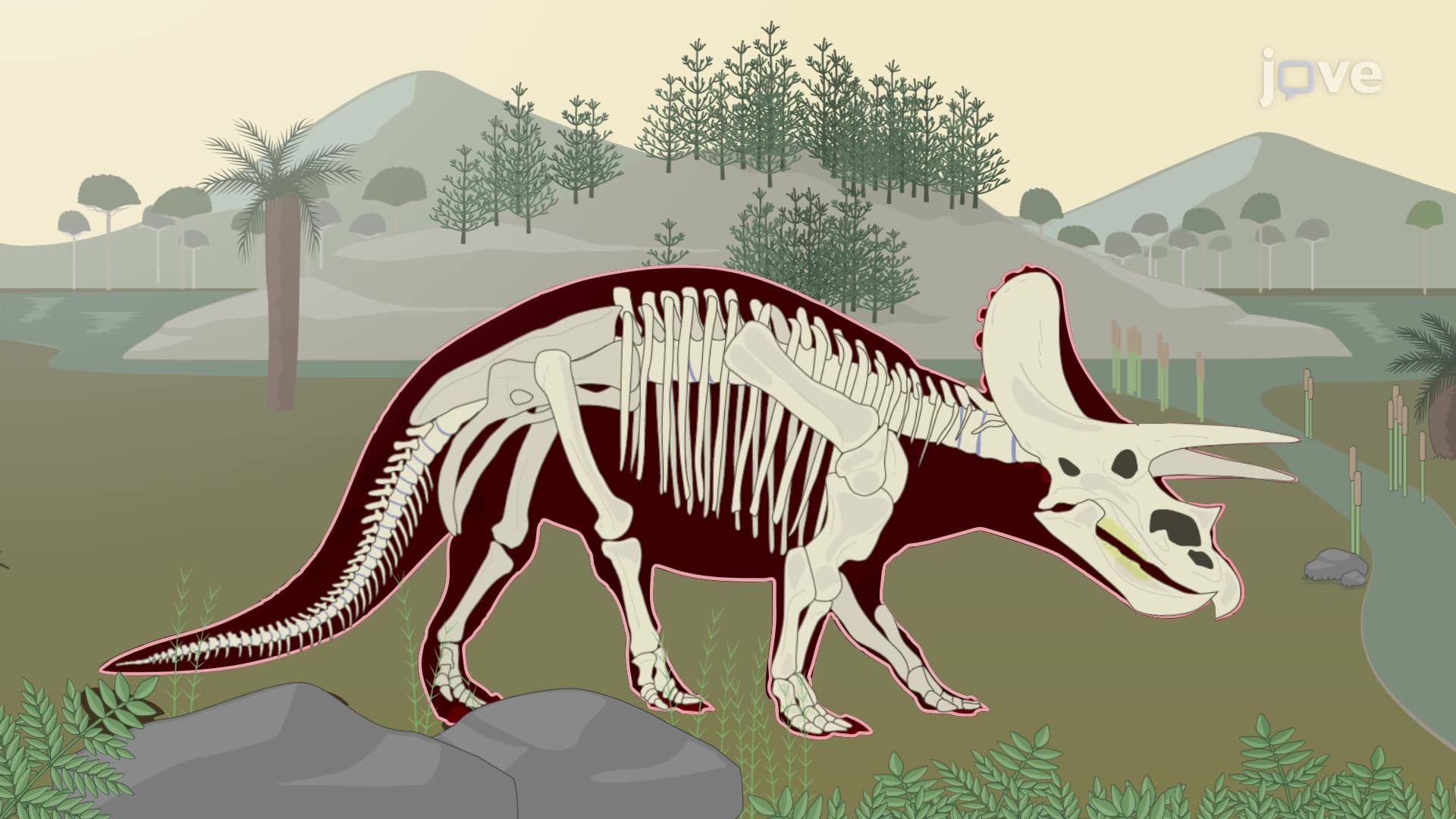
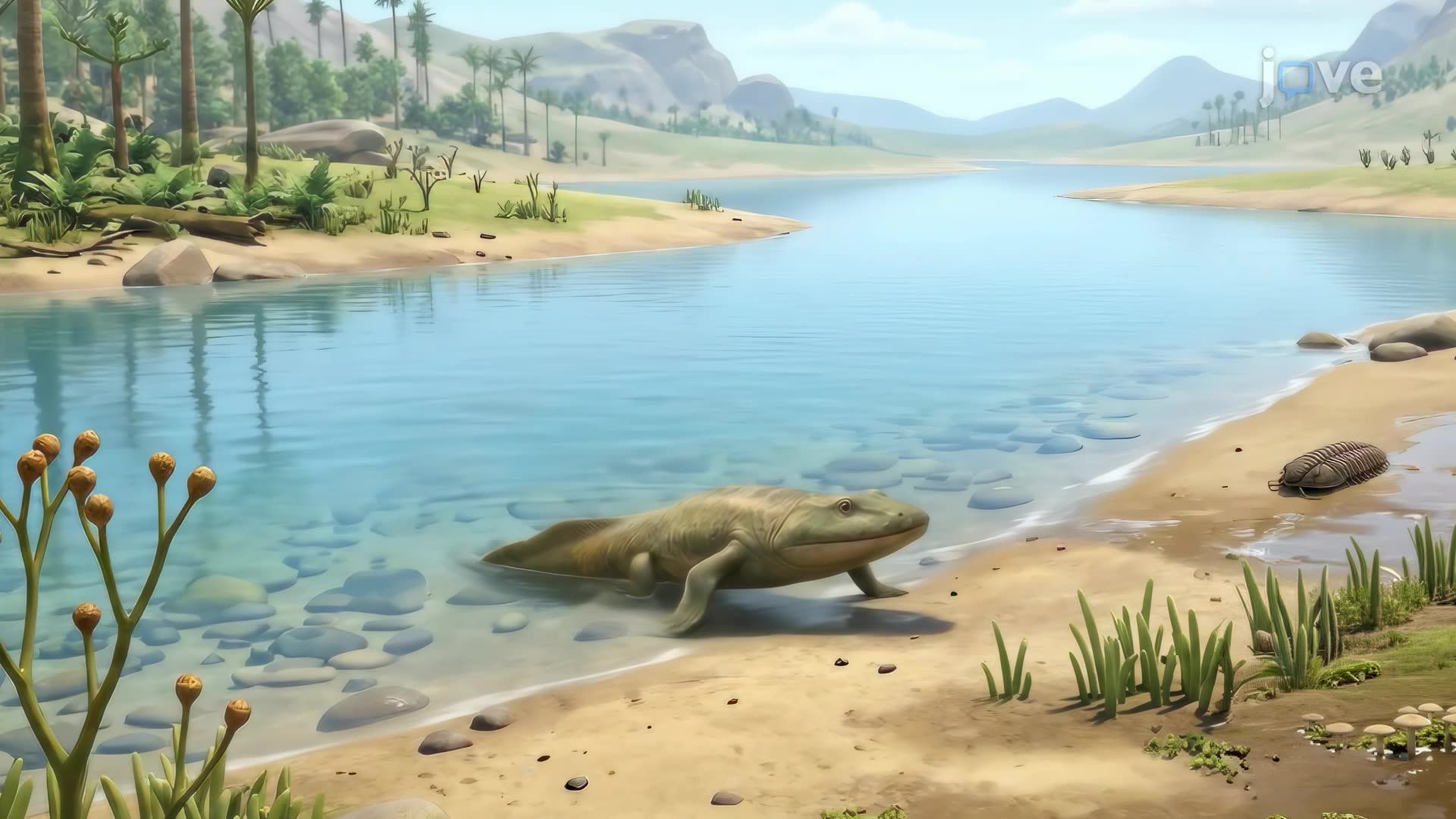
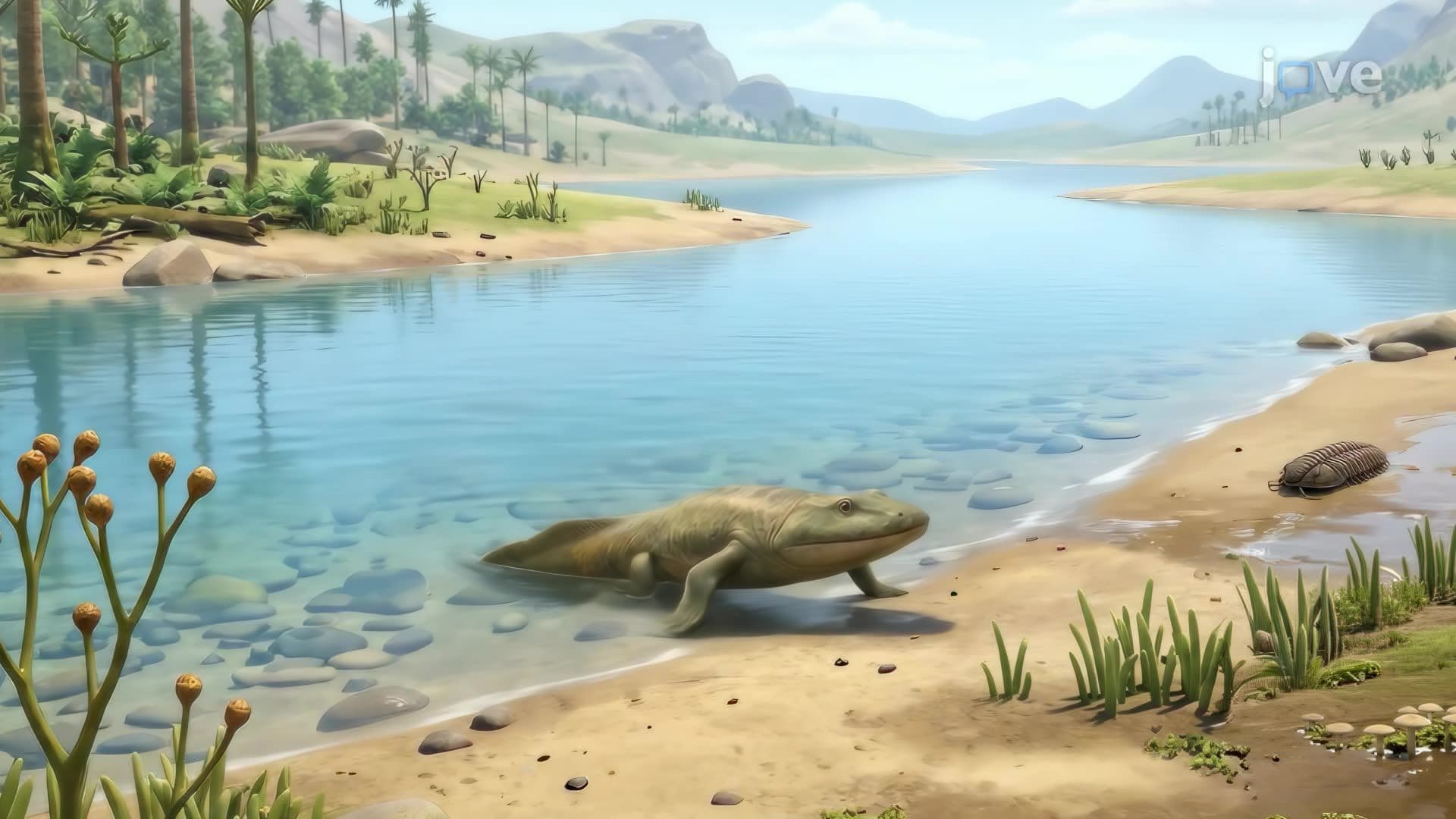
The evolution of tetrapods approximately 400 million years ago represents another major milestone in land colonization. These four-limbed vertebrates evolved from fish ancestors that had developed primitive lungs and strengthened internal skeletons. This group eventually diversified into the amphibians inhabiting American wetlands, reptiles found in southwestern deserts, birds migrating across continental flyways, and mammals populating diverse habitats from Alaskan tundra to Florida swamps.
Related Micro-courses