Loading subject page…

- Biology
- Evolutionary History
- The Fossil Record
Micro-course: Evolutionary History
326,603 views
Learn key concepts and earn your certificate.


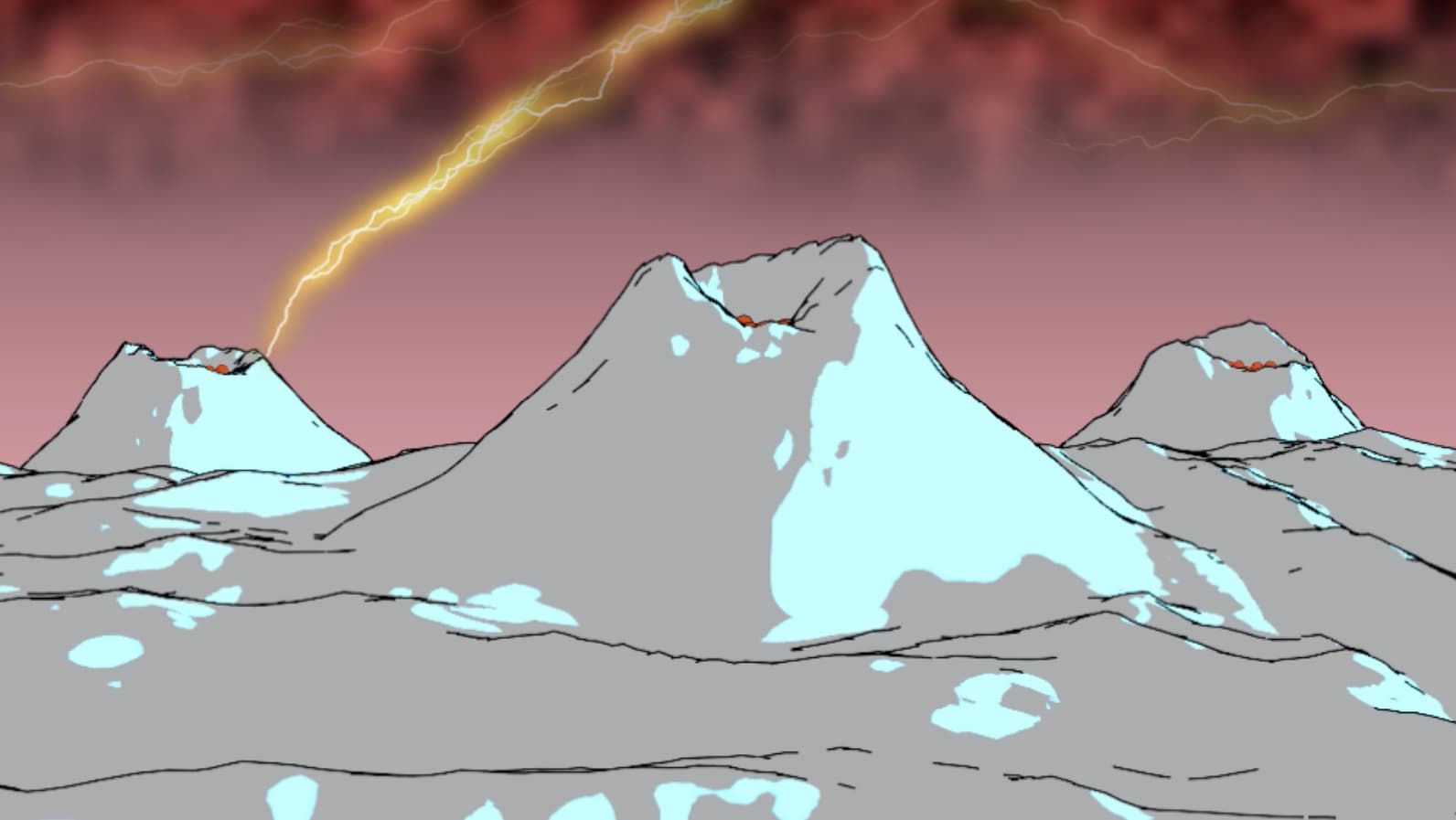
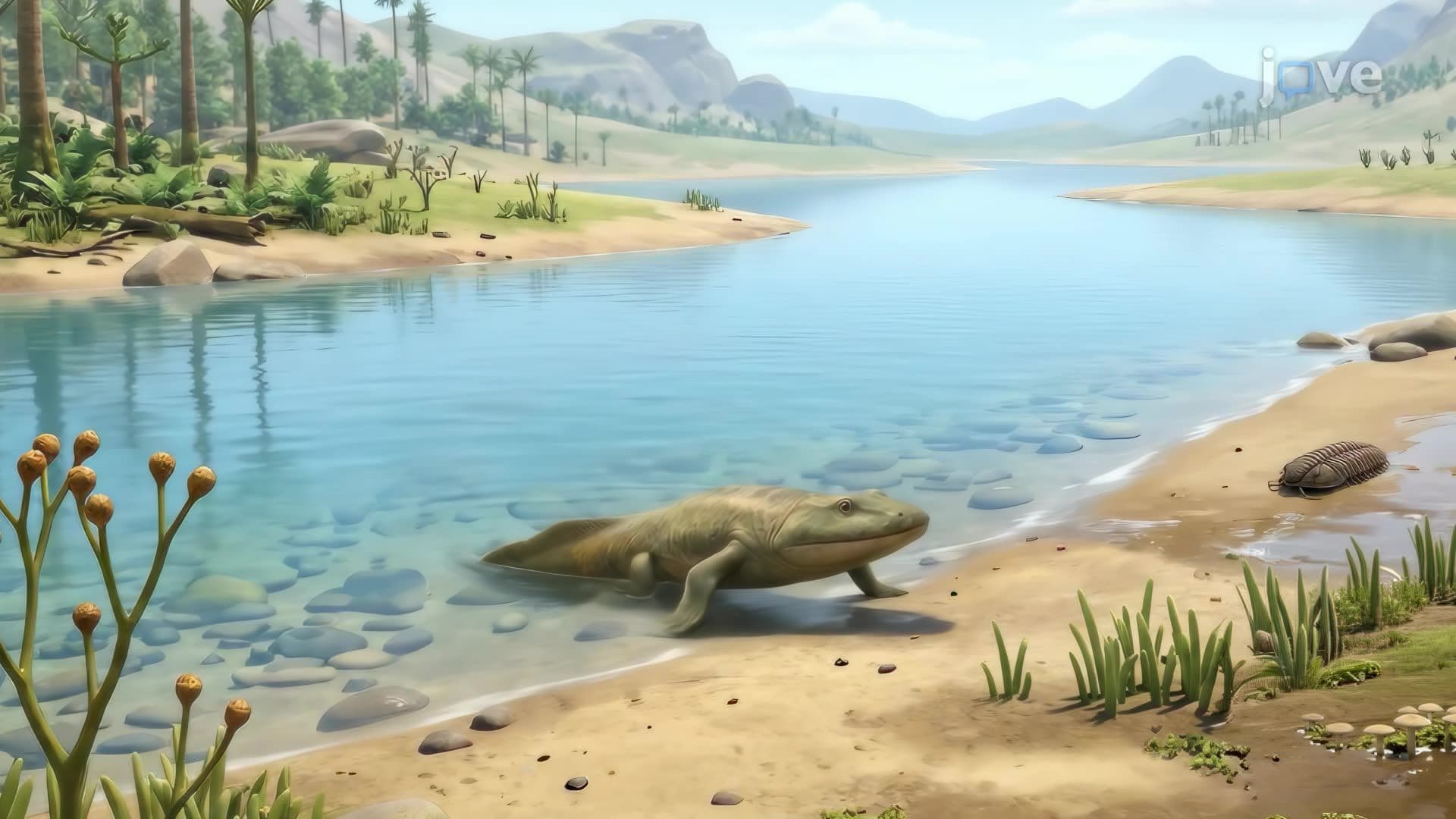
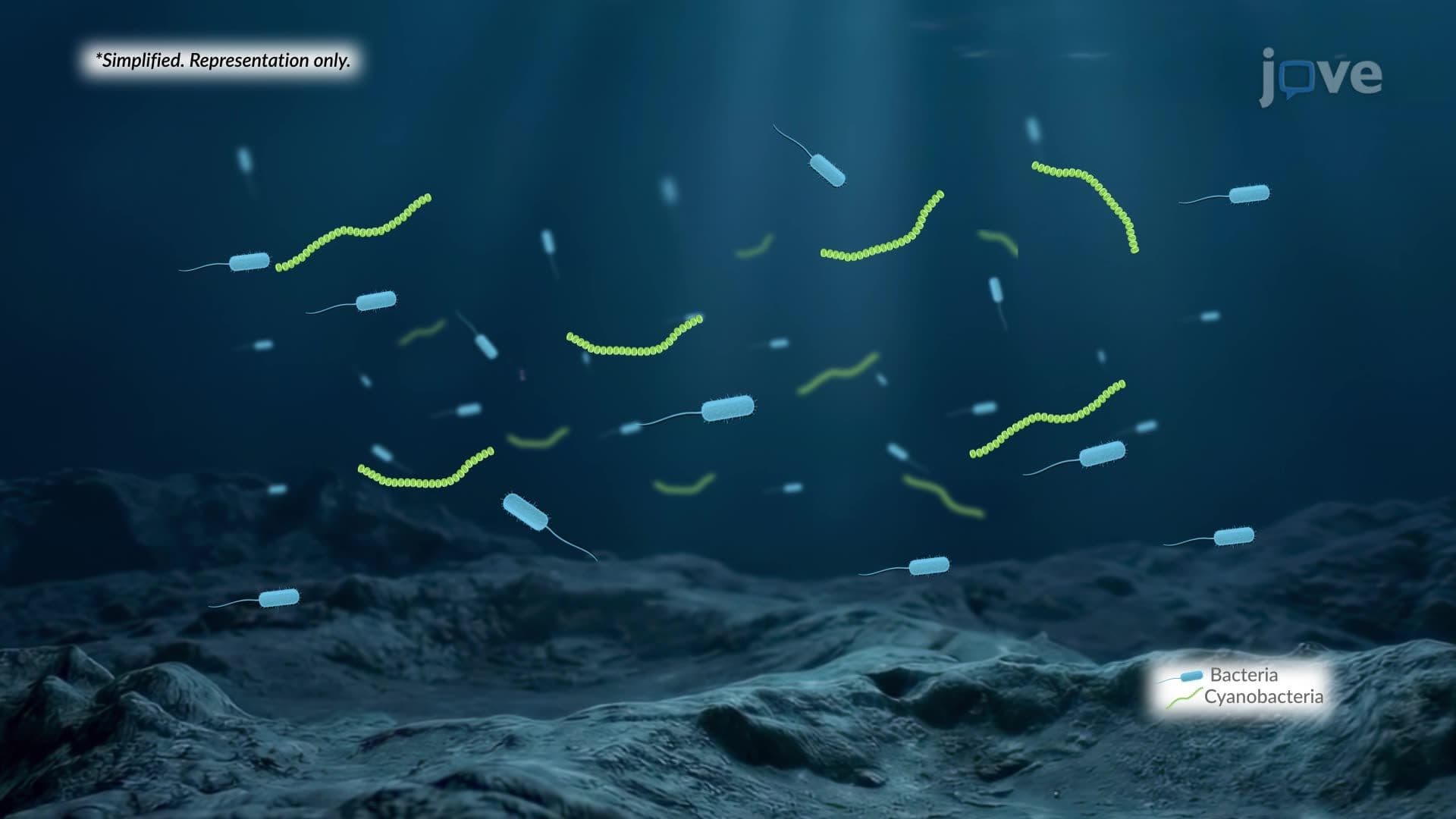
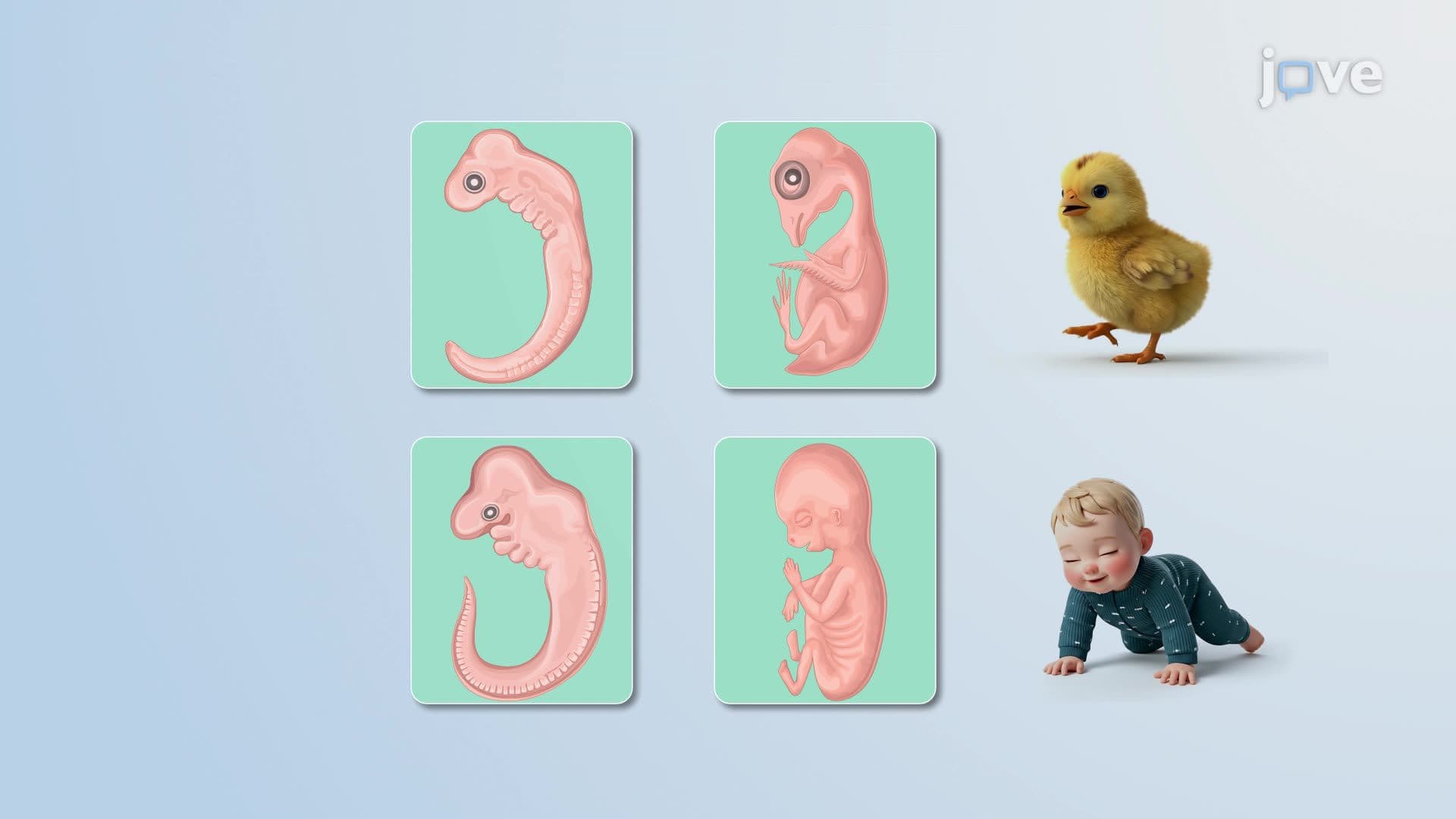

The Fossil Record

00:00
02:56
Video Summary: What Is the Fossil Record
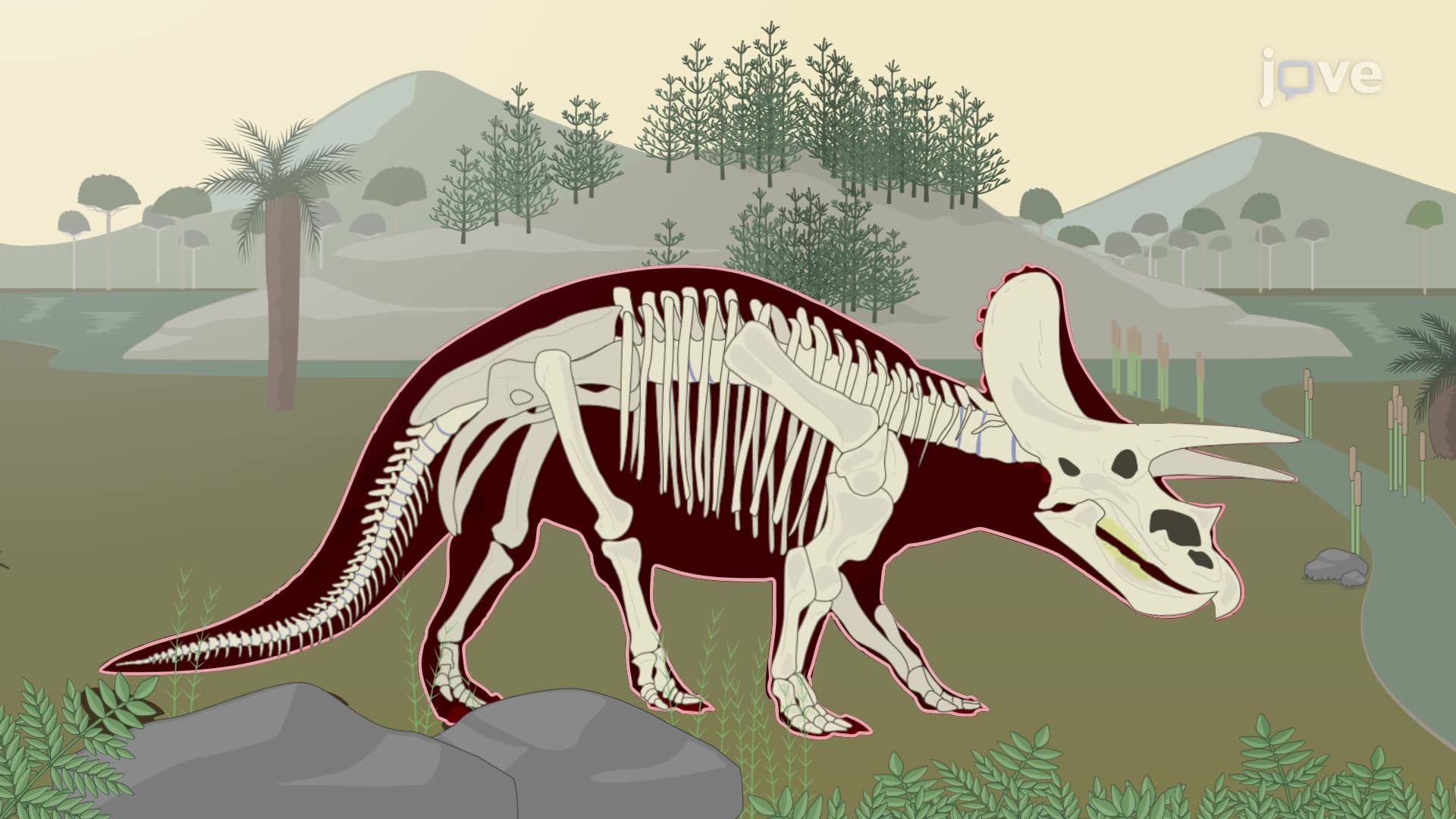
Did you know that the massive Triceratops dinosaur discovered in Montana's Hell Creek Formation reveals its plant-eating lifestyle through fossilized teeth alone? The fossil record serves as Earth's historical archive, preserving ancient life through bones, tracks, and rare intact specimens like insects trapped in amber. Scientists use stratigraphy and radiometric dating techniques to unlock these temporal mysteries, revealing everything from mass extinctions to human evolution. Watch the full video on JoVE Coach to master this concept with expert-led visuals and step-by-step explanations.
- Understand what is the fossil record and how it documents Earth's biological history through preserved remains and traces of ancient organisms
- Identify the conditions and processes that lead to fossil formation, including the role of sedimentary rocks and rapid burial
- Analyze how stratigraphy and radiometric dating methods allow scientists to determine both relative and absolute ages of fossils
- Compare the preservation potential of hard tissues versus soft tissues in the fossilization process
- Evaluate the limitations and biases inherent in fossil preservation that create gaps in our understanding of past life
- Apply knowledge of fossil dating techniques to interpret evolutionary timelines and extinction events
- Recognize how the fossil record provides crucial evidence supporting evolutionary theory and species relationships
- Explore the significance of exceptional preservation sites that offer rare glimpses of complete ancient ecosystems
Understanding What is The Fossil Record
The fossil record represents our planet's most comprehensive natural history book, chronicling billions of years of evolutionary change through preserved biological materials. Unlike a simple collection of old bones, this record encompasses traces of ancient life including footprints, burrows, coprolites (fossilized dung), and even preserved soft tissues under extraordinary circumstances. Students preparing for AP Biology or college-level paleontology courses must grasp that fossils form under very specific conditions-typically requiring rapid burial in sedimentary environments before decomposition occurs.
Formation Processes and Preservation Mechanisms
Fossilization occurs through several distinct pathways, each favoring different types of biological materials. Hard tissues like bones, shells, and teeth contain minerals that resist decay, making them prime candidates for preservation in sedimentary rock layers. The famous La Brea Tar Pits in Los Angeles demonstrate how unusual preservation environments can capture detailed records of Pleistocene fauna, including saber-toothed cats and dire wolves. Exceptional preservation sites, called Lagerstätten, occasionally preserve soft tissues-the Burgess Shale in Canada (though the US has similar formations like Utah's Wheeler Shale) reveals intricate details of Cambrian organisms rarely seen elsewhere.
Dating Techniques and Temporal Framework
Scientists employ two complementary approaches to determine fossil ages. Relative dating through stratigraphy follows the principle of superposition-younger rocks form above older ones in undisturbed sequences. The Grand Canyon's exposed rock layers provide textbook examples of this principle, with Paleozoic fossils appearing in predictable stratigraphic order. Absolute dating relies on radiometric techniques, particularly carbon-14 dating for specimens younger than 50,000 years, and potassium-argon dating for older materials. MCAT students should understand half-life calculations, as these frequently appear in exam questions about radiometric dating applications.
Evolutionary Evidence and Scientific Applications
The fossil record provides compelling evidence for macroevolutionary patterns, including adaptive radiations following mass extinctions. The Cretaceous-Paleogene boundary, visible in rock formations across Montana and North Dakota, marks the dinosaur extinction event 66 million years ago. Subsequent mammalian diversification appears clearly in Paleocene fossil deposits, supporting evolutionary theory predictions about ecological opportunity and adaptive radiation. Modern paleontologists increasingly use quantitative methods to analyze fossil data, making this field relevant for students interested in computational biology or data science applications in earth sciences.
Frequently Asked Questions
The fossil record is the collective evidence of past life preserved in Earth's rock layers, providing direct documentation of evolutionary change over geological time. It serves as crucial evidence for evolution by showing transitional forms, documenting extinction events, and revealing patterns of biological diversity through time. This record helps scientists understand how species adapt, evolve, and respond to environmental changes throughout Earth's history.
AP Biology frequently tests fossil record concepts through questions about evidence for evolution, geological time scales, and dating methods. Students should expect questions comparing relative versus absolute dating, interpreting phylogenetic trees based on fossil evidence, and analyzing how mass extinction events affected biodiversity. College exams often include calculations involving half-life problems for radiometric dating and stratigraphic correlation exercises.
MCAT questions commonly focus on radiometric dating calculations, particularly carbon-14 and potassium-argon decay problems requiring half-life mathematics. Students encounter passages about evolutionary evidence, geological time interpretation, and experimental design in paleontological research. The exam also tests understanding of how fossil evidence supports or challenges evolutionary hypotheses in biological systems passages.
Dinosaur National Monument in Utah and Colorado provides real-world examples of how scientists extract, preserve, and interpret fossil evidence from Morrison Formation rocks. Researchers use these discoveries to reconstruct ancient ecosystems, understand climate conditions during the Jurassic period, and trace evolutionary relationships among dinosaur species. The monument demonstrates how fossil sites become natural laboratories for testing hypotheses about ancient life.
Basic understanding of atomic structure, isotopes, and exponential decay suffices for most high school and introductory college courses. You should know that radioactive isotopes decay at predictable rates (half-lives) and understand how scientists compare parent-to-daughter isotope ratios. Advanced chemistry becomes important for specialized paleontology or geology majors, but fundamental concepts remain accessible with algebra-level mathematics.
Create timeline charts connecting major extinction events with geological periods, and practice half-life calculations using different isotopes. Focus on understanding why certain organisms fossilize better than others, and memorize key dating methods with their appropriate time ranges. Use concept maps linking fossil evidence to evolutionary principles, and practice interpreting stratigraphic columns from real geological formations like those found in the American Southwest.
Explore comparative anatomy and homologous structures, which complement fossil evidence in supporting evolutionary theory. Study biogeography and continental drift to understand how geological processes affect species distribution patterns. Consider learning about molecular phylogeny and how DNA evidence corroborates or refines conclusions drawn from fossil data, creating a comprehensive understanding of evolutionary evidence.
Related Micro-courses
21 Concepts

7 Concepts

8 Concepts