Loading subject page…


850,101 views
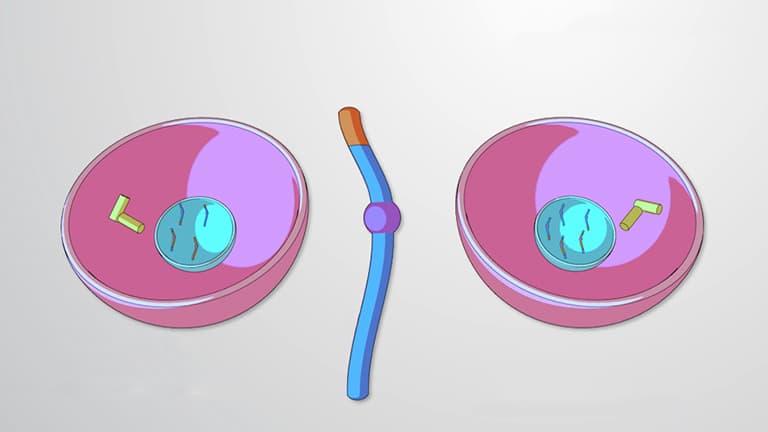

Video Summary: Meiosis Definition
Did you know that without meiosis definition biology, you wouldn't exist as a genetically unique individual? This crucial cell division process reduces chromosome numbers from diploid to haploid, creating genetically diverse gametes in human reproductive organs. For example, in fertility clinics across the United States, understanding what is meiosis explained helps doctors address reproductive challenges by examining sperm and egg cell formation. Watch the full video on JoVE Coach to master this concept with expert-led visuals and step-by-step explanations.
Meiosis definition biology encompasses a specialized type of cell division that reduces chromosome number by half, transforming diploid cells into haploid gametes. Unlike mitosis, which maintains chromosome number for growth and repair, meiosis serves the critical function of sexual reproduction by creating genetically diverse sperm and egg cells. This process occurs exclusively in reproductive tissues-the testes in males and ovaries in females-making it essential for species continuation and genetic variation.
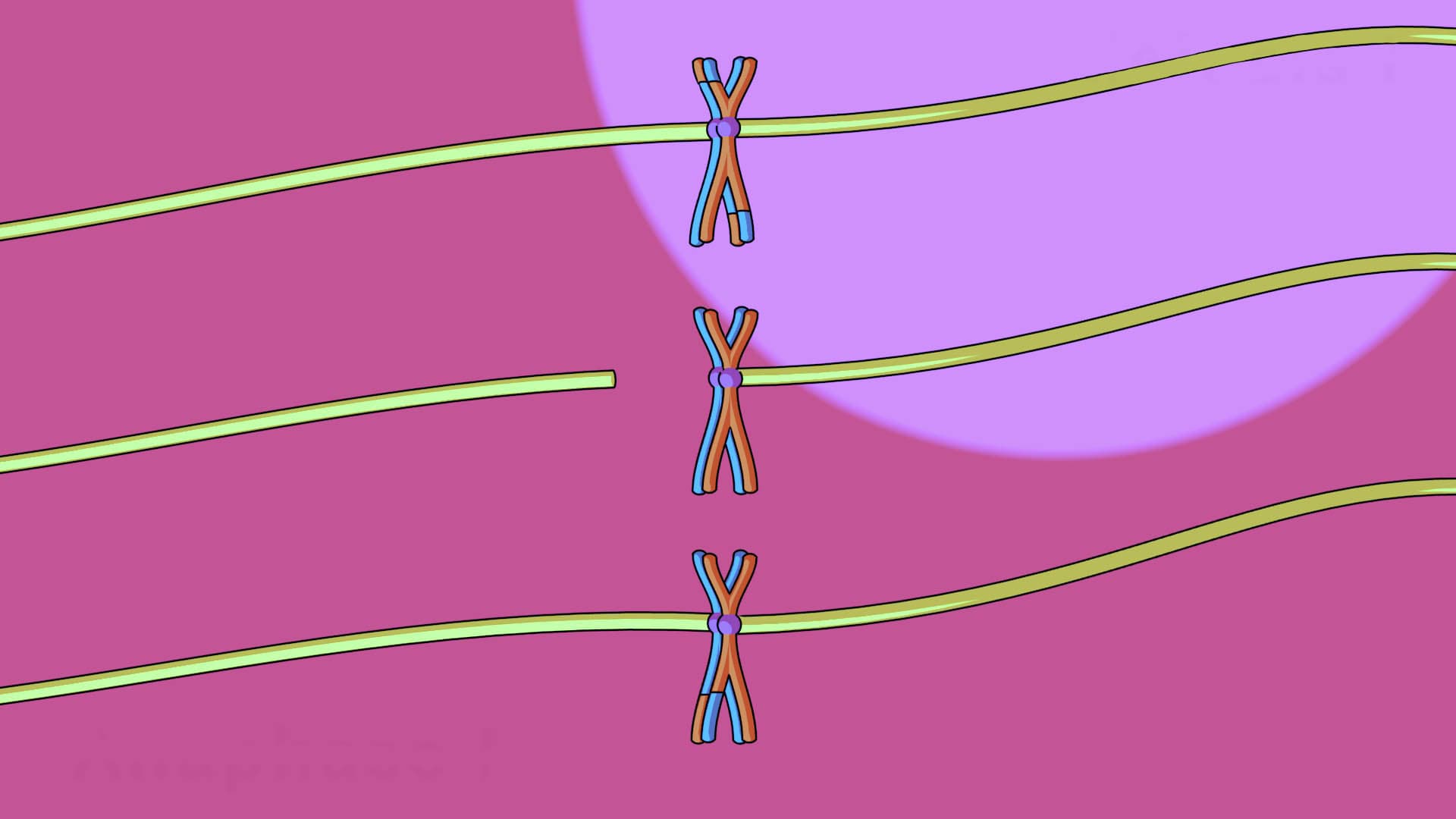
The first meiotic division represents the true "reduction division" where chromosome number decreases from diploid (2n) to haploid (n). During prophase I, homologous chromosomes pair up and undergo crossing over, a process where maternal and paternal chromosomes exchange genetic segments. This crossing over creates new combinations of genes, explaining why siblings from the same parents can look dramatically different. For AP Biology students, understanding that crossing over increases genetic diversity is crucial for exam success, particularly when analyzing inheritance patterns and genetic mapping problems.
What is meiosis explained continues with meiosis II, which resembles mitosis but occurs in haploid cells. Here, sister chromatids separate, ensuring each gamete receives a complete set of chromosomes. The key difference lies in the outcome: while meiosis I reduces chromosome number, meiosis II maintains the haploid state while distributing individual chromosomes to daughter cells. This two-step process guarantees that fertilization restores the diploid chromosome number in offspring.
Understanding meiosis definition and purpose in biology proves essential for pre-med students preparing for the MCAT, where questions frequently test meiotic mechanisms and their disruptions. In clinical settings, genetic counselors use meiosis knowledge to explain conditions like Turner syndrome or Klinefelter syndrome, which result from meiotic errors called nondisjunction. These real-world applications demonstrate why mastering meiosis concepts extends beyond academic requirements into practical healthcare scenarios.
Related Micro-courses