Loading subject page…


850,101 views


Video Summary: What Is Crossing Over
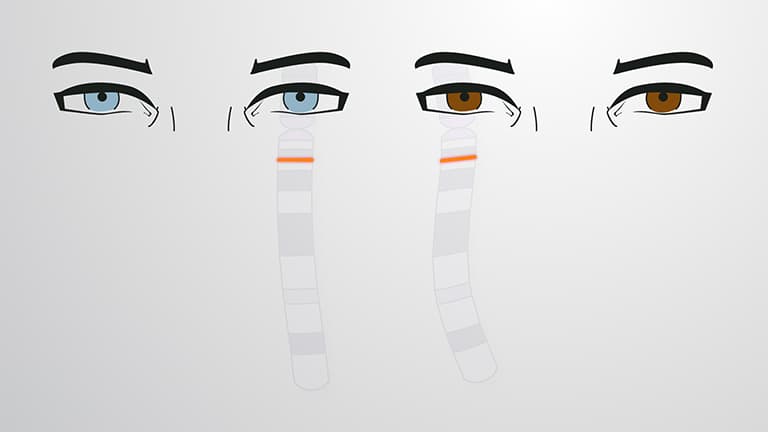
Why do siblings look different despite having the same parents? Crossing over creates genetic diversity by shuffling chromosomes during meiosis, ensuring each human egg and sperm cell carries a unique genetic combination. This process occurs in reproductive organs like ovaries and testes, where homologous chromosomes exchange genetic material during Prophase I. For example, crossing over explains why fraternal twins can have completely different eye colors or heights. Watch the full video on JoVE Coach to master this concept with expert-led visuals and step-by-step explanations.
Crossing over represents one of biology's most elegant mechanisms for generating genetic diversity. This sophisticated cellular process occurs exclusively during meiosis-the specialized cell division that produces gametes (eggs and sperm). Unlike mitosis, which creates identical diploid cells, meiosis intentionally shuffles genetic material to ensure offspring receive novel combinations of parental traits.
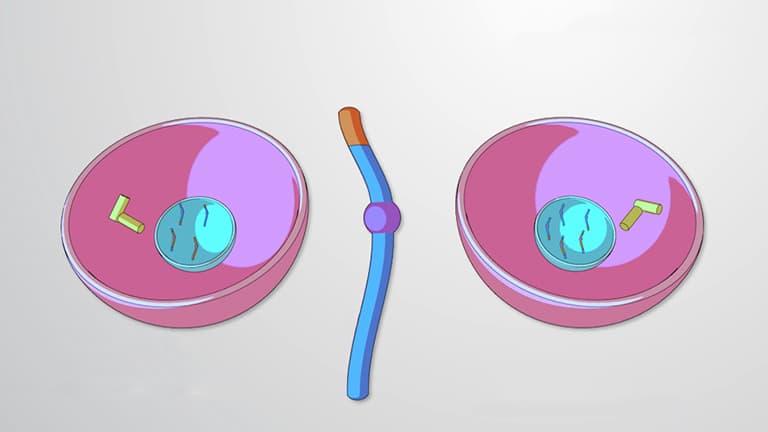
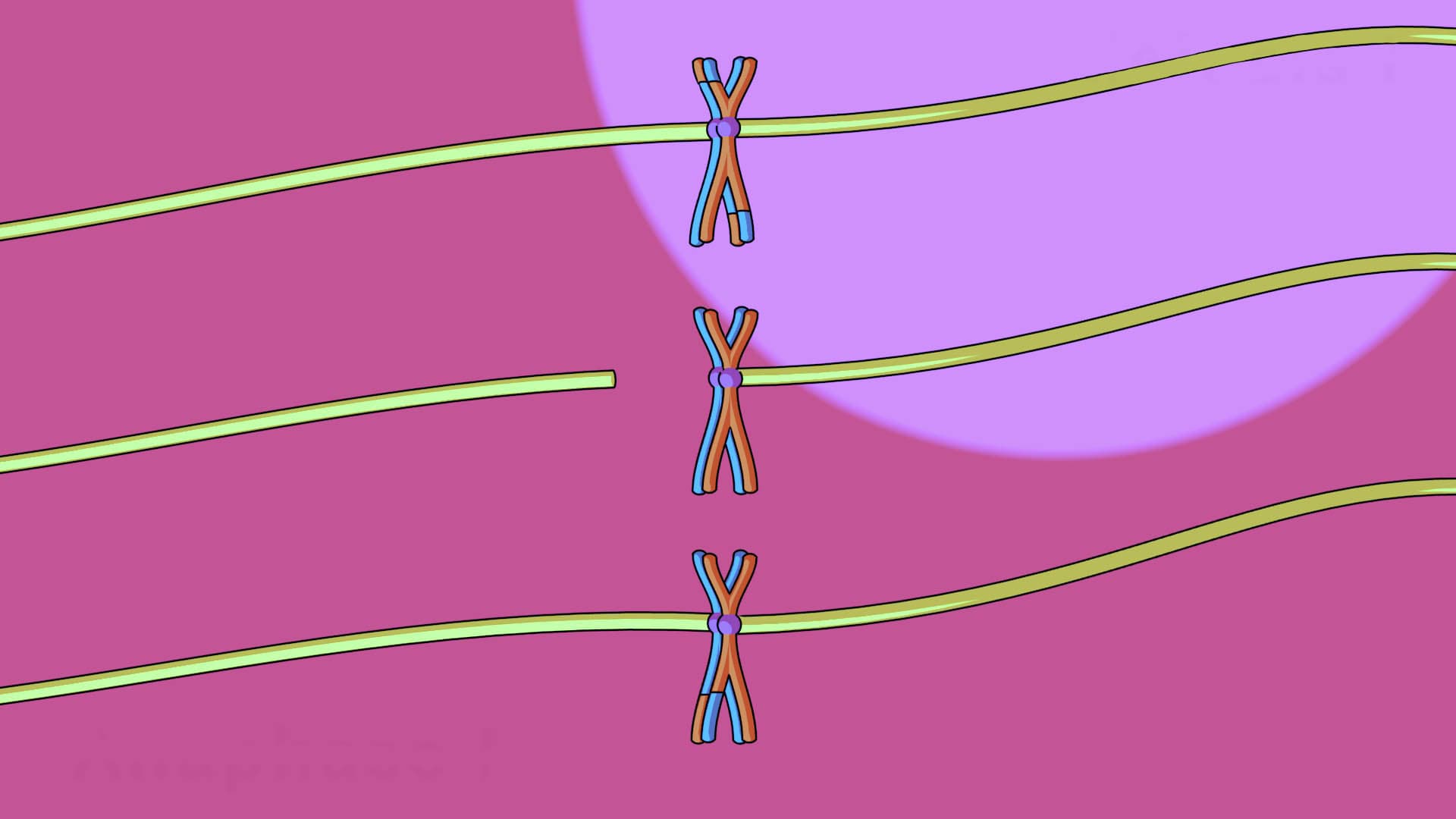
The timing of crossing over is critically important. This process unfolds during Prophase I, the longest and most complex phase of meiosis. At this stage, chromosomes have already replicated, forming characteristic X-shaped structures where each arm represents a sister chromatid-an identical copy of the original chromosome. Students often struggle with this concept, but think of sister chromatids as photocopies that remain attached at a central point called the centromere.
The formation of the synaptonemal complex marks the beginning of genetic recombination. This protein-rich structure acts like molecular velcro, bringing homologous chromosomes into precise alignment. Homologous chromosomes are matching pairs-one inherited from each parent-that carry genes for the same traits at identical locations (loci).
During synapsis, corresponding genes align perfectly across the synaptonemal complex. For example, if one chromosome carries a gene for brown eyes at a specific location, its homologous partner will have a gene for eye color (perhaps blue) at exactly the same position. This alignment is crucial because it ensures that genetic exchanges occur between equivalent regions.
The actual crossing over event involves precise molecular cutting and rejoining. Non-sister chromatids-chromatids from different homologous chromosomes-form physical connections called chiasmata (singular: chiasma). At these crossover points, DNA segments break and reattach to the opposite chromosome, effectively swapping genetic material between maternal and paternal chromosomes.
This process is highly regulated and typically occurs multiple times per chromosome pair. In humans, each homologous pair experiences at least one crossover event, with larger chromosomes often having two or three. The frequency and location of crossovers influence genetic diversity, making some trait combinations more likely than others.
Crossing over directly impacts medical genetics and agricultural breeding programs. For instance, genetic counselors at institutions like Johns Hopkins use crossing over frequencies to calculate recombination rates when advising families about inherited disorders. Similarly, plant breeders at agricultural universities leverage crossing over principles to develop new crop varieties with desired traits.
For students preparing for standardized tests, crossing over appears frequently on AP Biology exams, college genetics courses, and pre-health professions tests like the MCAT. Questions often focus on predicting offspring ratios, calculating map distances between genes, or explaining how crossing over increases genetic variation compared to independent assortment alone.
Related Micro-courses