Loading video…


 5 Concepts
 850.1K views

Video Summary: What Is Meiosis I
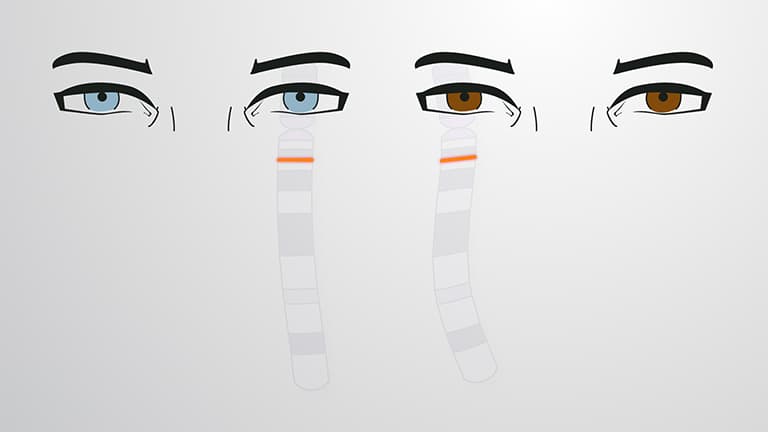
Ever wondered how genetic diversity makes each person unique? Meiosis creates this variation through specialized cell division that produces gametes in human reproductive organs. Consider how identical twins from the same parents can have completely different traits-meiosis I plays a crucial role in shuffling genetic material. What is Meiosis I involves the first division phase where homologous chromosomes separate, reducing diploid cells to haploid cells with unique genetic combinations. Watch the full video on JoVE Coach to master this concept with expert-led visuals and step-by-step explanations.
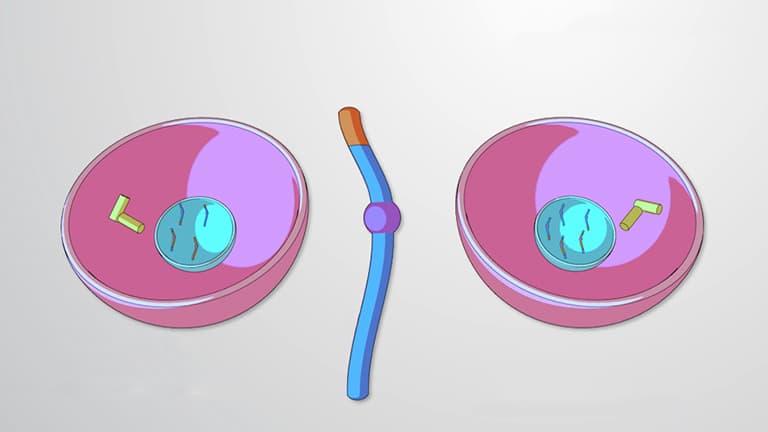
What is Meiosis I represents the first critical phase of meiotic division, fundamentally different from mitosis because it reduces chromosome number while creating genetic diversity. Unlike mitosis, which produces identical diploid cells, meiosis I generates two haploid cells with unique genetic compositions. This process is essential for sexual reproduction in humans and occurs in specialized cells within the testes and ovaries.
Prophase I stands as the longest and most complex phase of meiosis. During this stage, homologous chromosomes-one inherited from each parent-pair up in a process called synapsis. The formation of protein structures called synaptonemal complexes holds these chromosome pairs together, allowing for crossing over. This genetic recombination involves the physical exchange of DNA segments between maternal and paternal chromosomes, creating new allele combinations. Students preparing for the AP Biology exam should understand that crossing over significantly increases genetic variation, with an average of 2-3 crossover events per human chromosome pair.
During metaphase I, homologous chromosome pairs align randomly along the cell's equatorial plane. This random orientation, known as independent assortment, provides another mechanism for genetic diversity. With 23 chromosome pairs in humans, the number of possible combinations reaches over 8 million different arrangements. Medical school entrance exams like the MCAT frequently test understanding of how independent assortment contributes to genetic variation in gamete formation.
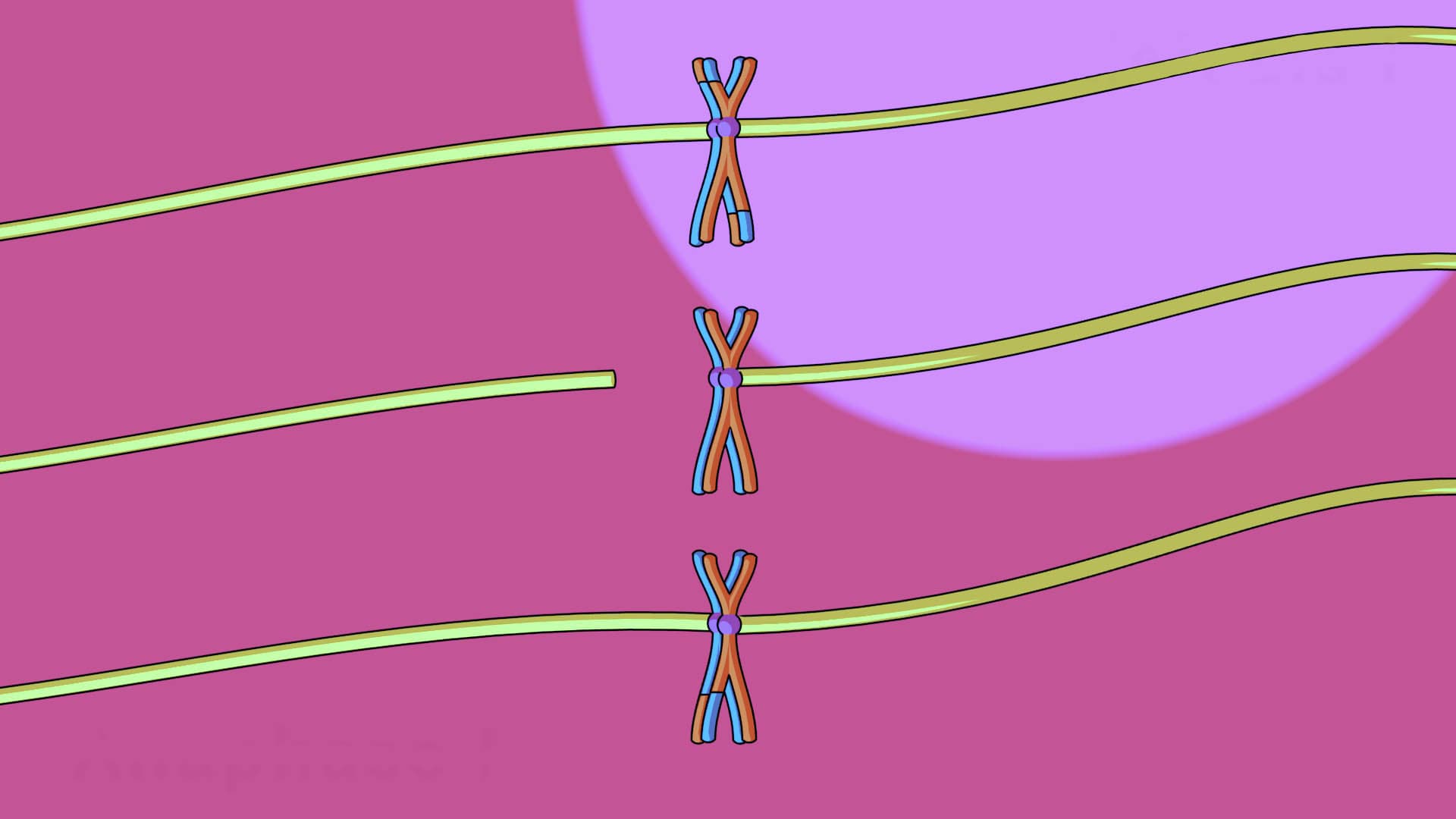
Anaphase I marks the actual reduction division, where homologous chromosomes separate and move to opposite poles of the cell. Crucially, sister chromatids remain attached at their centromeres, distinguishing this process from mitotic anaphase. The subsequent telophase I and cytokinesis complete meiosis I by forming two haploid cells, each containing one chromosome from each homologous pair. These cells then proceed to meiosis II, where sister chromatids finally separate to produce four unique gametes.
Related Micro-courses