Loading video…


 5 Concepts
 850.1K views

Video Summary: What Is Meiosis Ii
Did you know that every human produces millions of genetically unique sperm or eggs daily through meiosis? This remarkable cellular division process ensures that no two siblings share identical genetic blueprints, even from the same parents. During What is Meiosis II, the second critical phase of meiotic division, haploid cells from meiosis I undergo another round of division to produce four distinct gametes. Students studying for the AP Biology exam will recognize this as a fundamental concept in genetics and reproduction. Watch the full video on JoVE Coach to master this concept with expert-led visuals and step-by-step explanations.
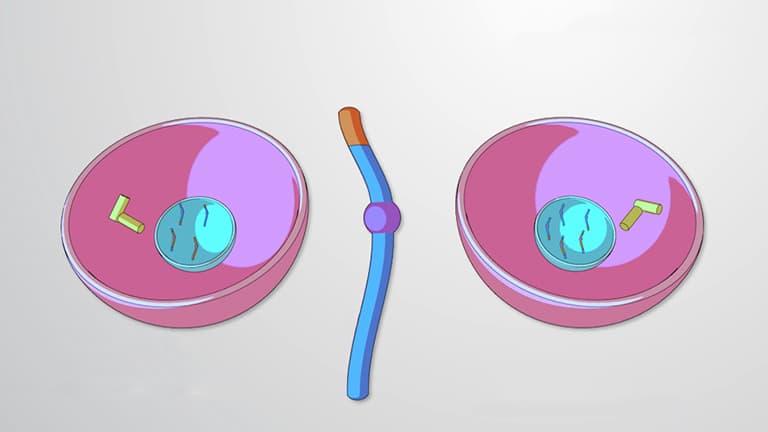
What is Meiosis II represents the concluding phase of meiotic cell division, where haploid cells produced during meiosis I undergo one final division to create mature gametes. Unlike mitosis, meiosis II begins with cells that already contain half the normal chromosome number, making this division crucial for sexual reproduction in humans and other organisms.
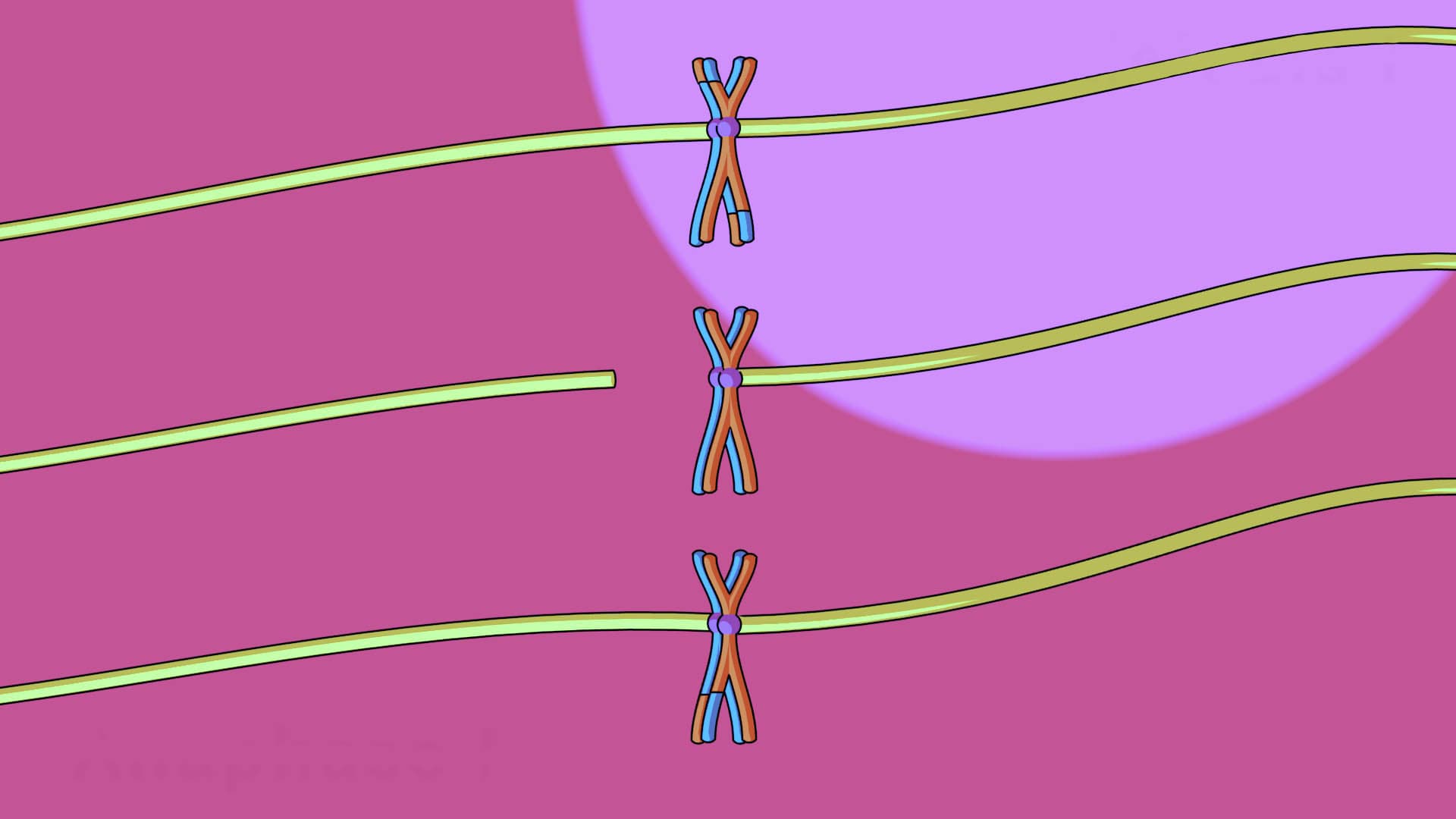
The process unfolds through four distinct phases, each with specific cellular events. Prophase II initiates when chromosomes condense into visible X-shaped structures within haploid nuclei. These chromosomes carry unique genetic combinations created by crossing over during meiosis I, ensuring genetic diversity. The centrosome duplication and spindle formation mirror mitotic processes, but operate on haploid chromosome sets.
Metaphase II follows as chromosomes align along the cell's equatorial plane, similar to mitotic metaphase. However, the key difference lies in chromosome number-only 23 chromosomes align in human cells, compared to 46 in mitosis. Anaphase II triggers sister chromatid separation, with spindle fibers pulling chromatids toward opposite cell poles. This separation is critical because it produces unreplicated chromosomes, each containing a single DNA molecule.
Understanding meiosis biology explained becomes essential for students pursuing healthcare careers. Medical professionals encounter meiotic errors regularly-nondisjunction during meiosis II causes conditions like Turner syndrome or Klinefelter syndrome. For example, fertility specialists at major US medical centers like Johns Hopkins and Mayo Clinic routinely analyze sperm and egg quality, which directly relates to proper meiosis II completion.
Students preparing for the MCAT will find meiosis II questions frequently appear in biological sciences sections, often testing understanding of genetic diversity mechanisms and chromosomal behavior. AP Biology students should focus on comparing meiosis II to mitosis, emphasizing how the former produces genetic variation while the latter maintains genetic consistency.
The process concludes with telophase II and cytokinesis, producing four haploid cells from the original diploid parent cell. Each resulting gamete contains a unique combination of maternal and paternal genetic material, explaining why siblings share approximately 50% genetic similarity despite having identical parents.
Related Micro-courses