Loading subject page…


850,101 views

Video Summary: What Is Nondisjunction
Did you know that Down syndrome affects approximately 1 in 700 births in the United States due to a cellular error during reproduction? Nondisjunction occurs when chromosomes fail to separate properly during meiosis, creating cells with too many or too few chromosomes. This fundamental genetic mistake underlies many chromosomal disorders seen in American hospitals daily. Watch the full video on JoVE Coach to master this concept with expert-led visuals and step-by-step explanations.
Nondisjunction represents one of the most significant errors in human reproduction, occurring when chromosomes fail to separate correctly during meiosis. This cellular mistake creates gametes with abnormal chromosome numbers, leading to conditions that affect millions of Americans. Unlike normal meiotic division where each gamete receives exactly 23 chromosomes, nondisjunction produces some gametes with 22 chromosomes and others with 24.
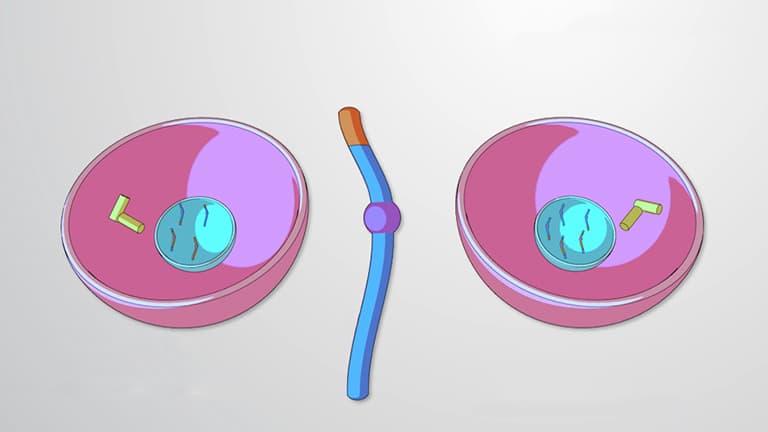
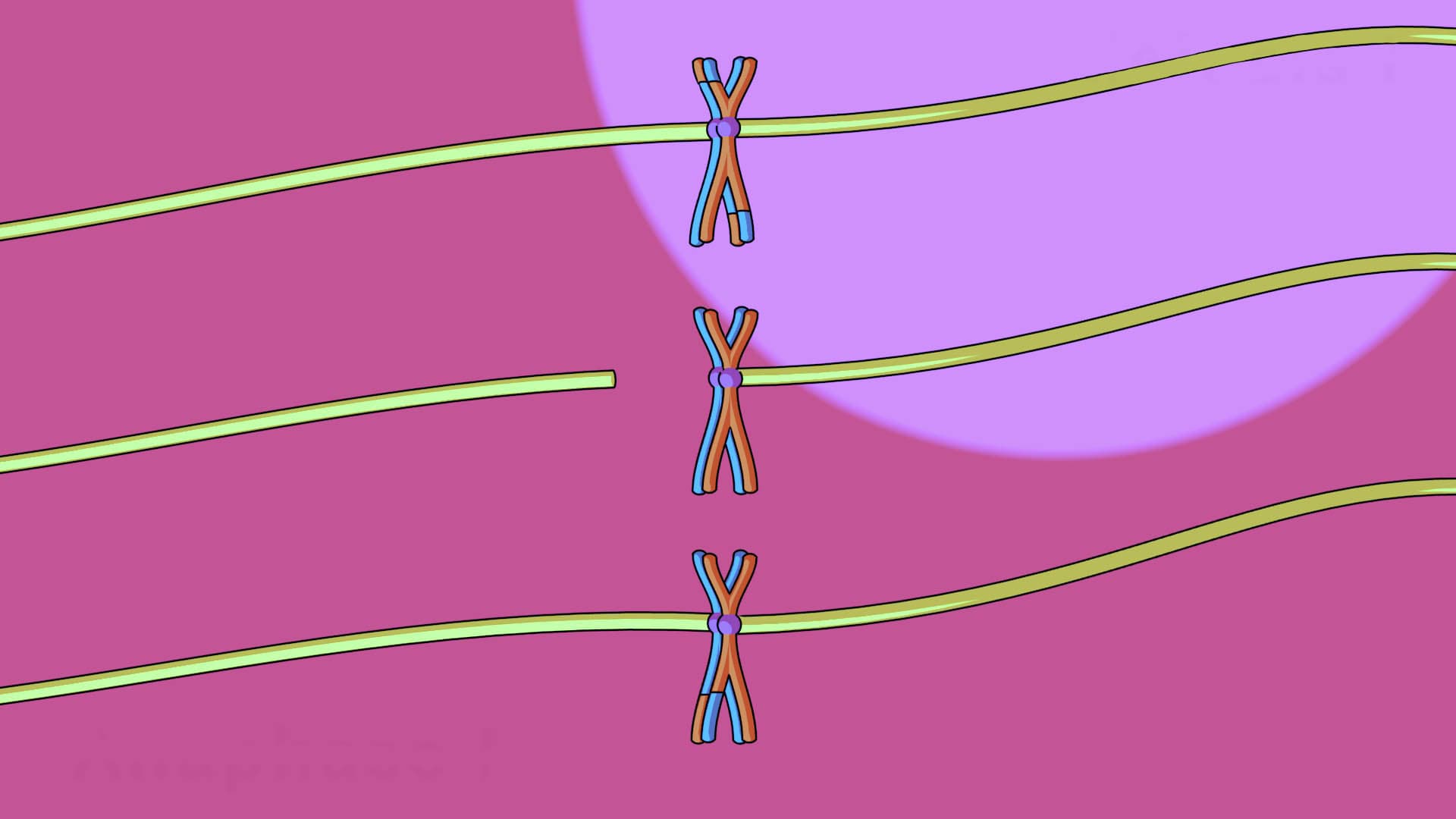
During meiosis I, homologous chromosome pairs should separate and move to opposite poles of the dividing cell. However, nondisjunction definition encompasses scenarios where these paired chromosomes remain attached and travel together to the same pole. This error often stems from defects in the synaptonemal complex, the protein structure that initially holds homologous chromosomes together during crossing over.
The spindle apparatus, responsible for pulling chromosomes apart, can also malfunction. When spindle fibers fail to attach properly or exert unequal forces, both homologous chromosomes may be dragged to the same daughter cell. This creates two cells with an extra chromosome (n+1) and two cells missing that chromosome (n-1).
Nondisjunction overview must include meiosis II errors, where sister chromatids fail to separate during the second meiotic division. Unlike meiosis I errors affecting homologous pairs, these mistakes involve identical sister chromatids remaining joined at the centromere. Cohesion proteins that normally release their grip on sister chromatids may malfunction, or spindle defects may prevent proper separation.
This type of nondisjunction typically produces two normal haploid gametes alongside one gamete with an extra chromatid and one missing that chromatid. The resulting pattern differs from meiosis I nondisjunction, making it possible for geneticists to determine when the error occurred.
Understanding nondisjunction concept explained proves crucial for students pursuing healthcare careers, as these errors cause major chromosomal disorders seen in American medical practice. Down syndrome (trisomy 21) affects approximately 250,000 Americans and results from nondisjunction creating an extra chromosome 21. Similarly, Turner syndrome (45,X) and Klinefelter syndrome (47,XXY) arise from sex chromosome nondisjunction events.
The frequency of nondisjunction increases dramatically with maternal age, particularly after age 35. This relationship explains why genetic counselors recommend chromosomal screening for older pregnant women. On the MCAT and AP Biology exams, students frequently encounter questions linking maternal age, nondisjunction rates, and genetic counseling recommendations.
Related Micro-courses