Loading subject page…


162,824 views

Video Summary: Actin and Myosin Function in Non Muscle Cells
Did you know that the same proteins powering your biceps also help white blood cells devour bacteria? Actin and myosin function in non-muscle cells drives essential processes from wound healing to immune defense throughout your body. In epithelial cells lining your intestines, these proteins form protective belts that maintain tissue barriers, while macrophages use them to engulf pathogens during infections. Watch the full video on JoVE Coach to master this concept with expert-led visuals and step-by-step explanations.
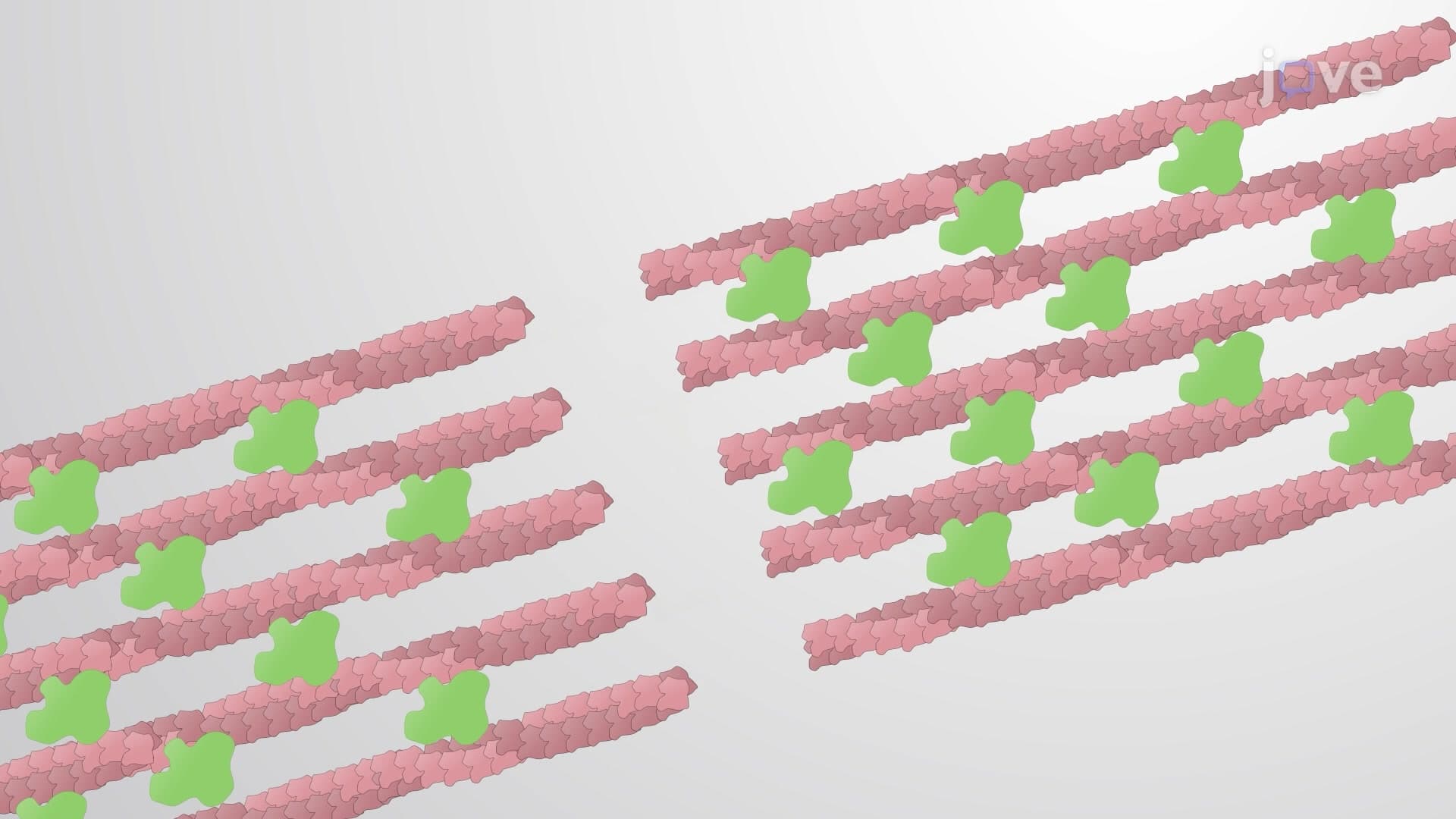
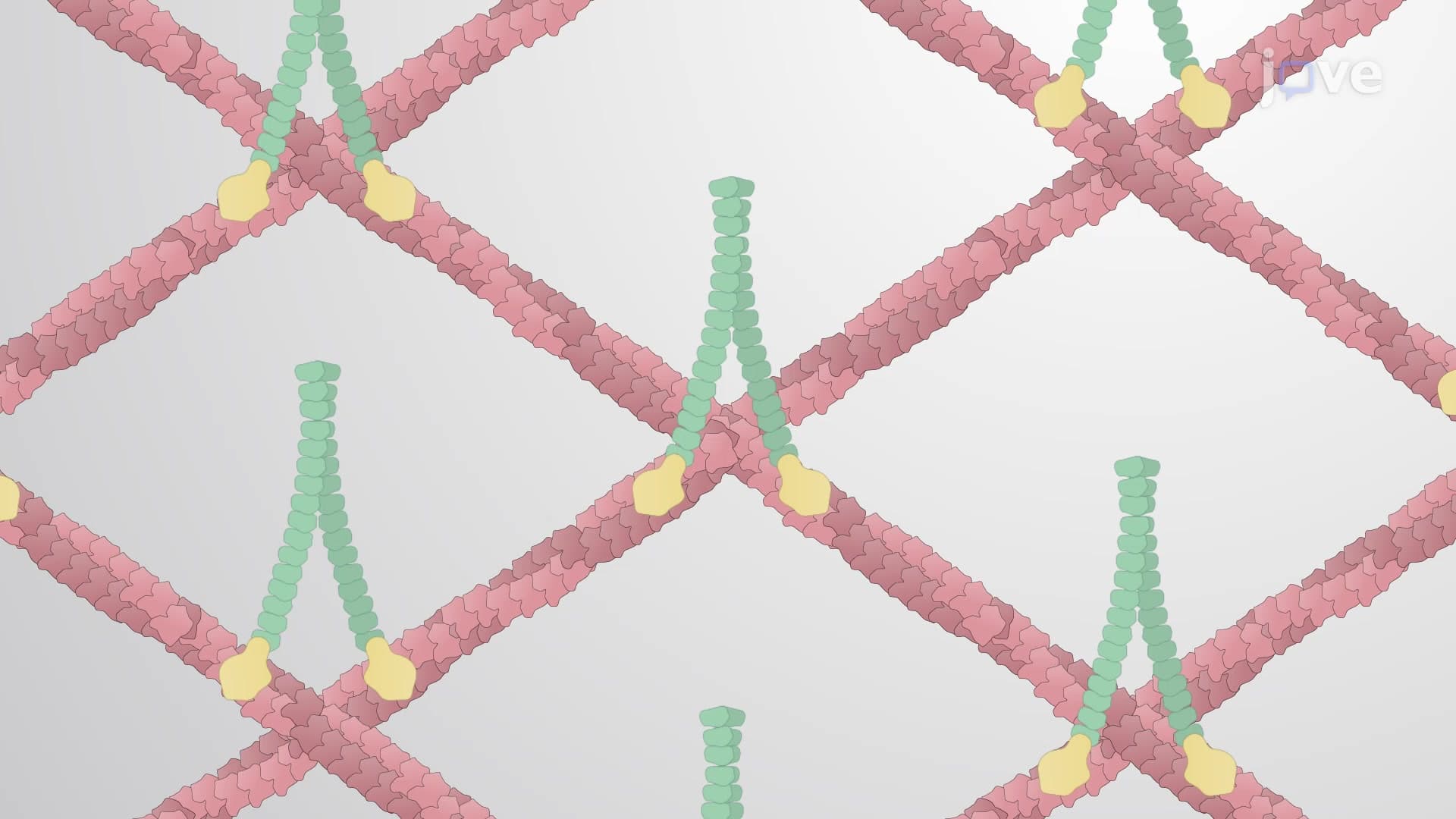
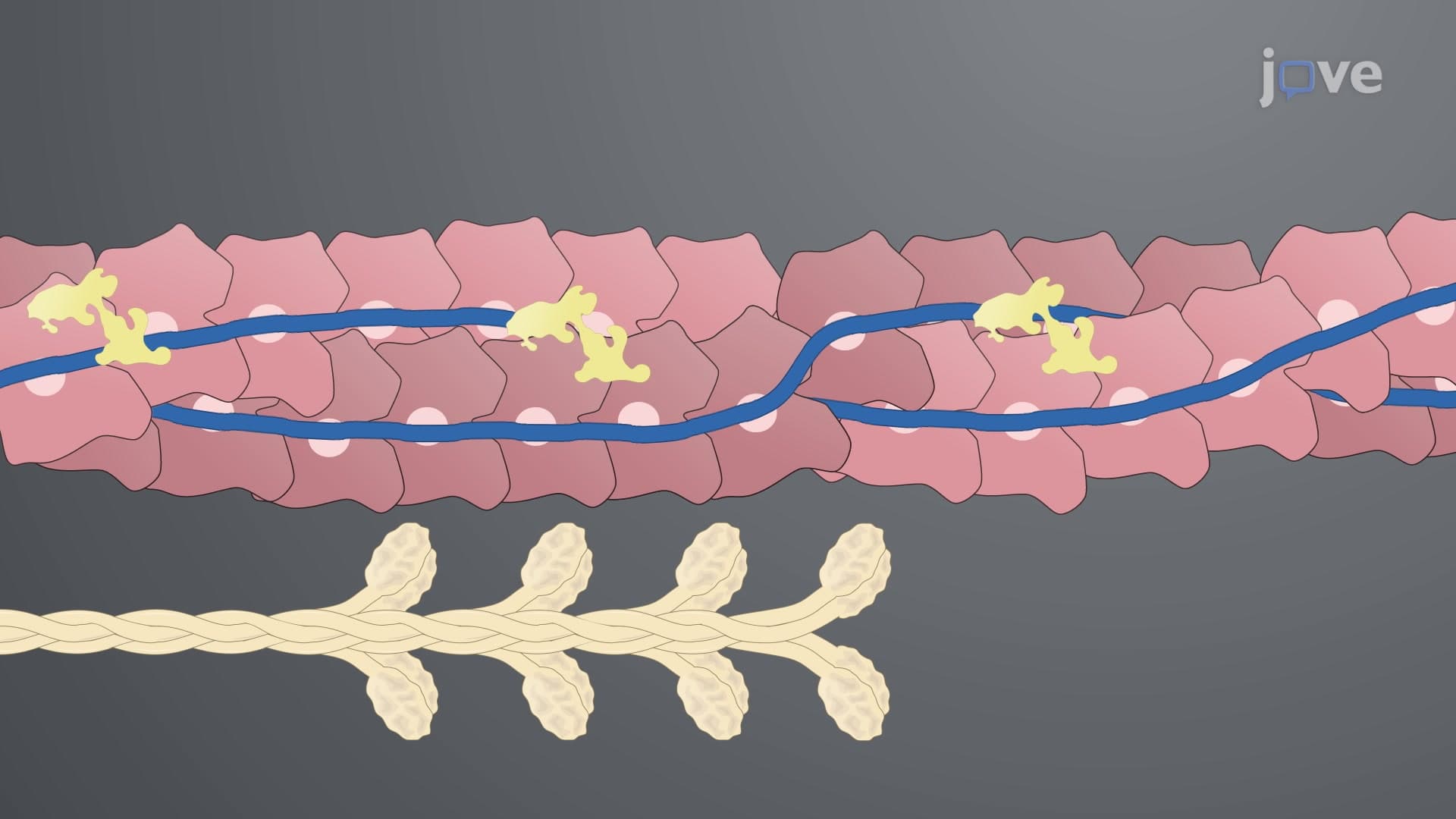
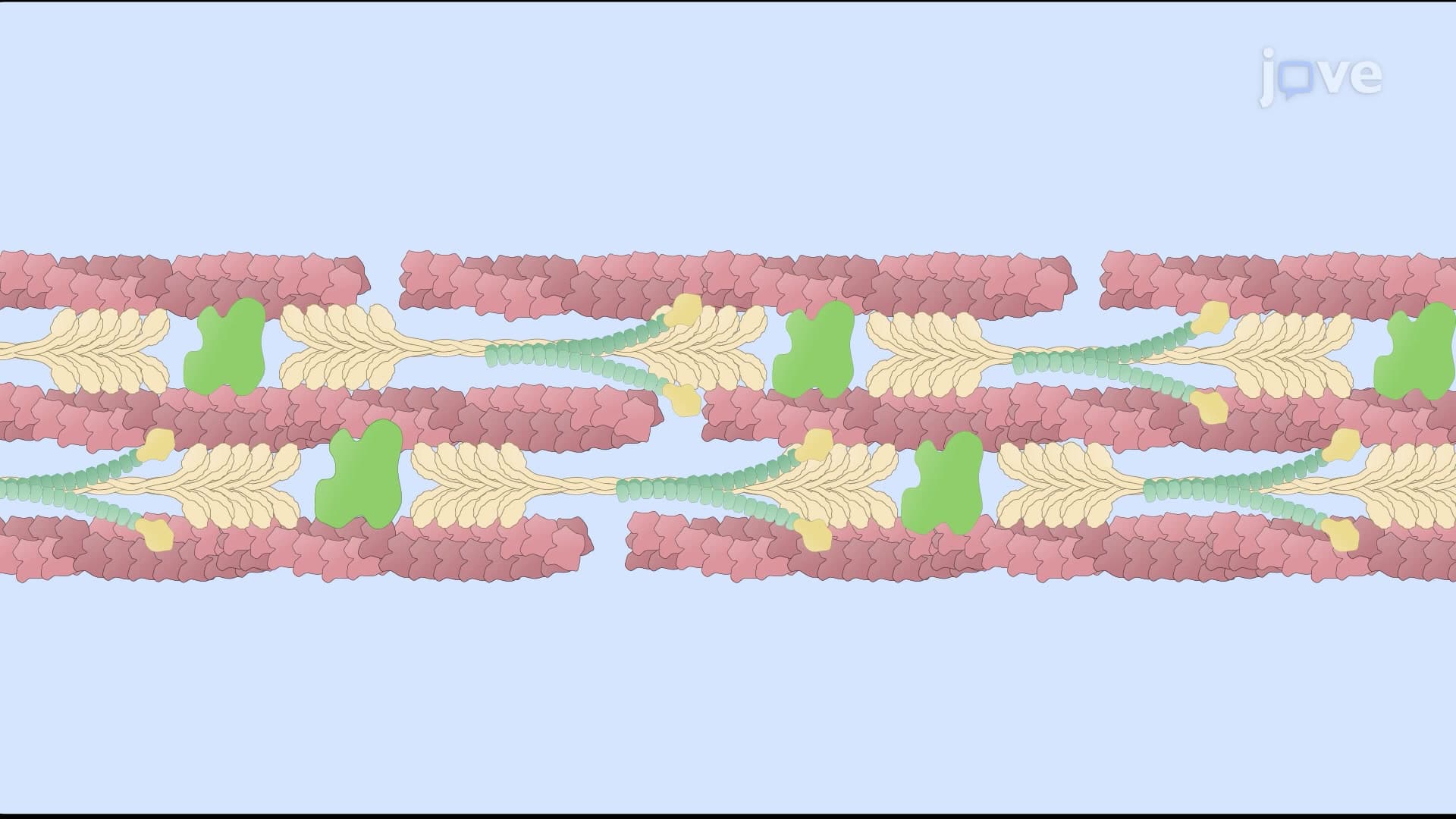
While most students associate actin and myosin with muscle contraction, these cytoskeletal proteins perform equally critical functions throughout non-muscle cells. Unlike the highly organized sarcomeres found in muscle tissue, actin and myosin function in non-muscle cells involves smaller, more dynamic contractile structures that adapt rapidly to cellular needs.
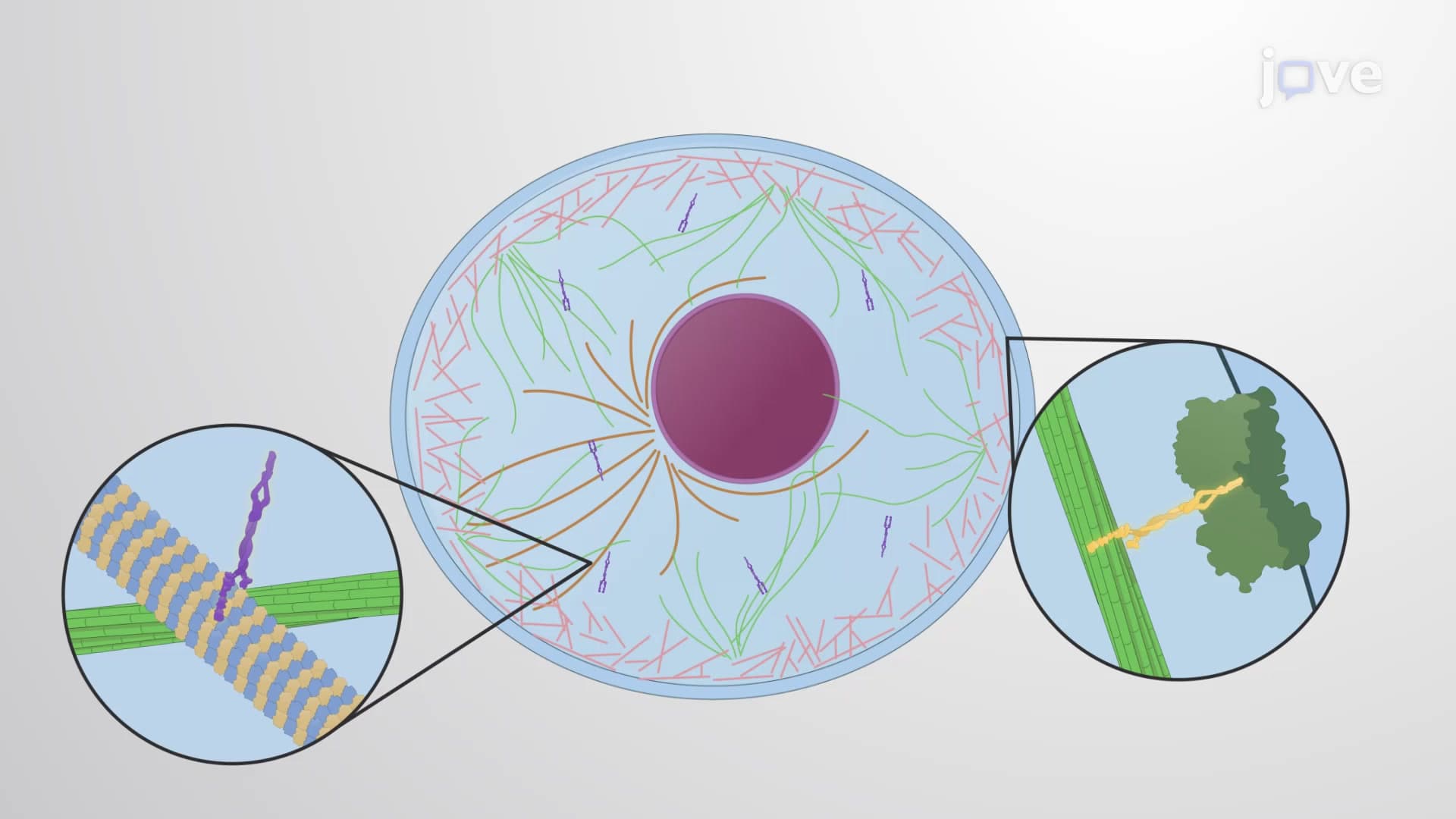
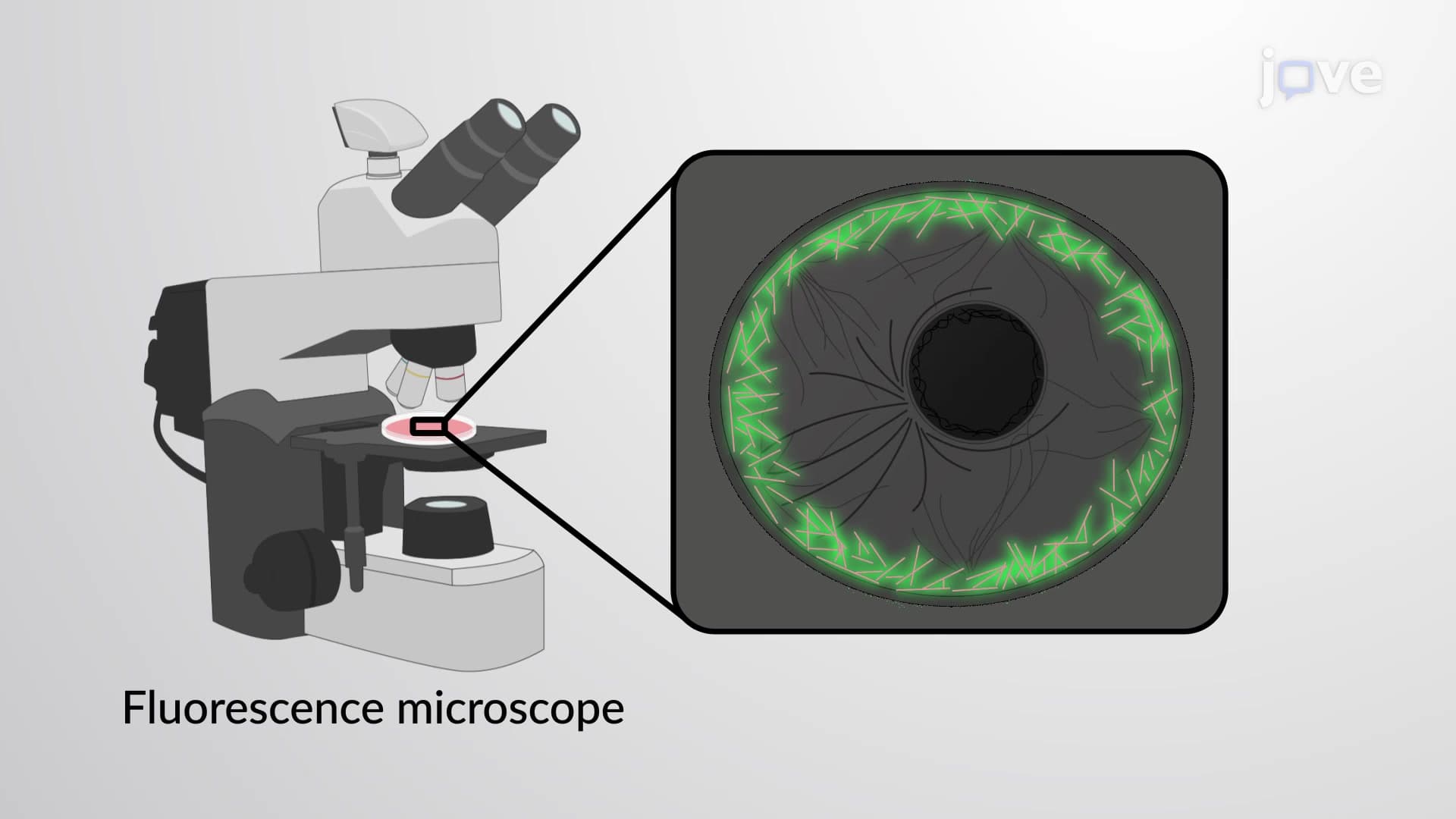
Epithelial cells, which line organs like your lungs and intestines, rely on adherence belts-circumferential bundles of actin and myosin positioned just beneath the cell membrane. These structures connect neighboring cells through adherens junctions, creating a continuous barrier essential for organ function. When studying for the AP Biology exam, remember that adherence belt dysfunction contributes to conditions like inflammatory bowel disease, where intestinal barrier integrity becomes compromised.
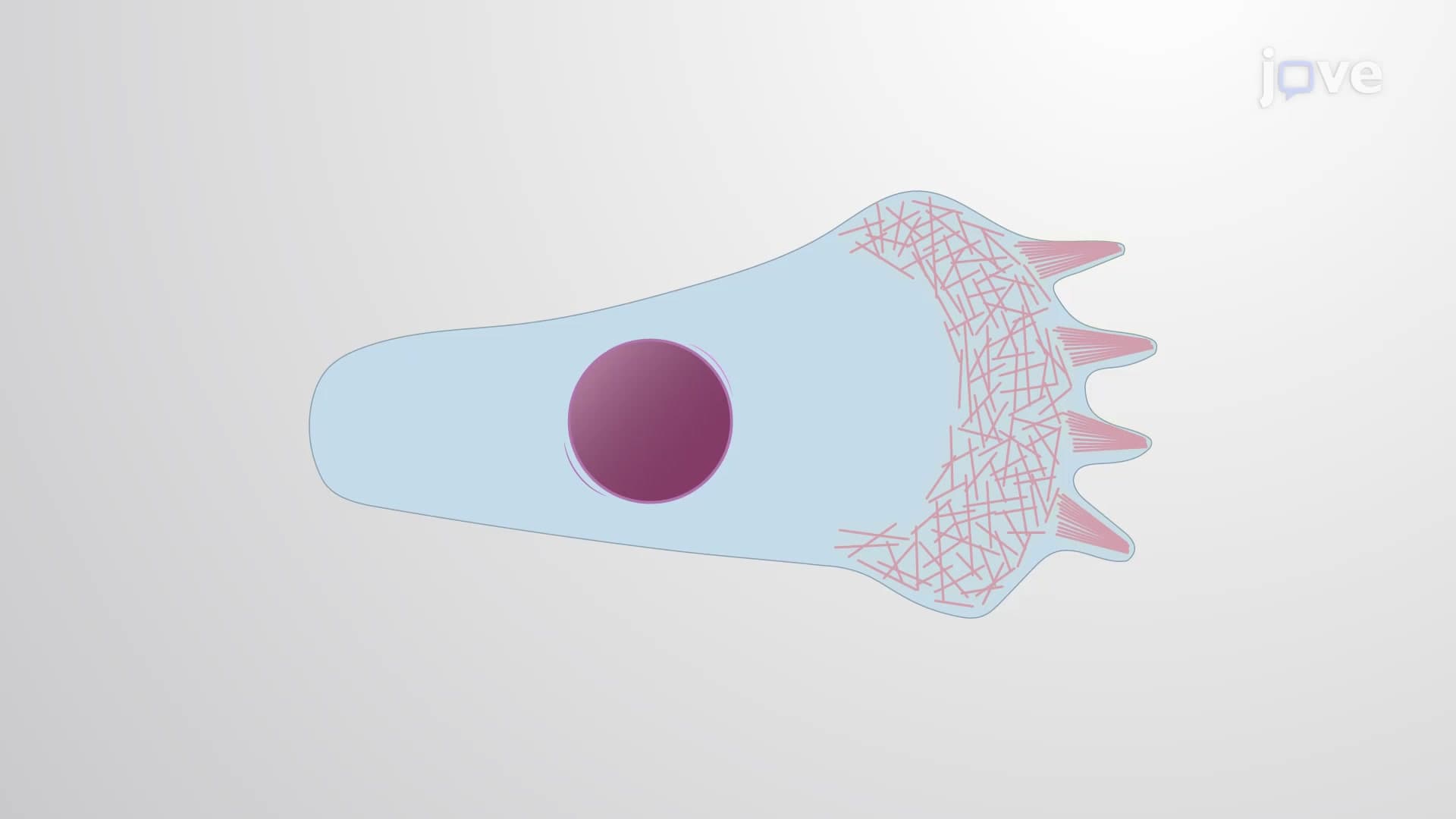
Macrophages, the body's cellular "garbage collectors," demonstrate perhaps the most dramatic example of actin-myosin versatility. During phagocytosis, these immune cells rapidly reorganize their stress fibers to engulf bacteria, viruses, and cellular debris. This process proves crucial during infections-when you recover from strep throat, macrophages use these contractile bundles to eliminate Streptococcus bacteria. Additionally, stress fibers anchor cells to their surroundings through integrin connections, enabling cell migration during wound healing and tissue repair.
During cytokinesis, the final stage of cell division, actin and myosin form temporary contractile rings that physically separate daughter cells. Septin proteins recruit and organize these structures, creating a molecular "drawstring" that pinches the cell in half. Medical students preparing for the MCAT should understand that contractile ring dysfunction can lead to multinucleated cells, a hallmark of certain cancers. This process becomes particularly relevant when studying cell cycle regulation and cancer biology in undergraduate courses.
Understanding these mechanisms proves essential for advanced study in cell biology, immunology, and pathology. Research into actin-myosin dynamics has led to targeted therapies for immune disorders and cancer treatments that disrupt cellular division processes.
Related Micro-courses