Loading subject page…


162,837 views

Video Summary: Formation of Higher Order Actin Filaments Explained
Ever wonder how your muscle cells contract with such precise coordination? The formation of higher order actin filaments creates sophisticated cellular scaffolding that enables everything from muscle contraction to cell movement. In cardiac muscle cells at Johns Hopkins Hospital, these intricate actin structures work continuously to power every heartbeat through specialized protein networks. Formation of Higher Order Actin Filaments Explained reveals how individual actin filaments organize into bundles, dendritic networks, and gel-like matrices through specific crosslinking proteins. Watch the full video on JoVE Coach to master this concept with expert-led visuals and step-by-step explanations.
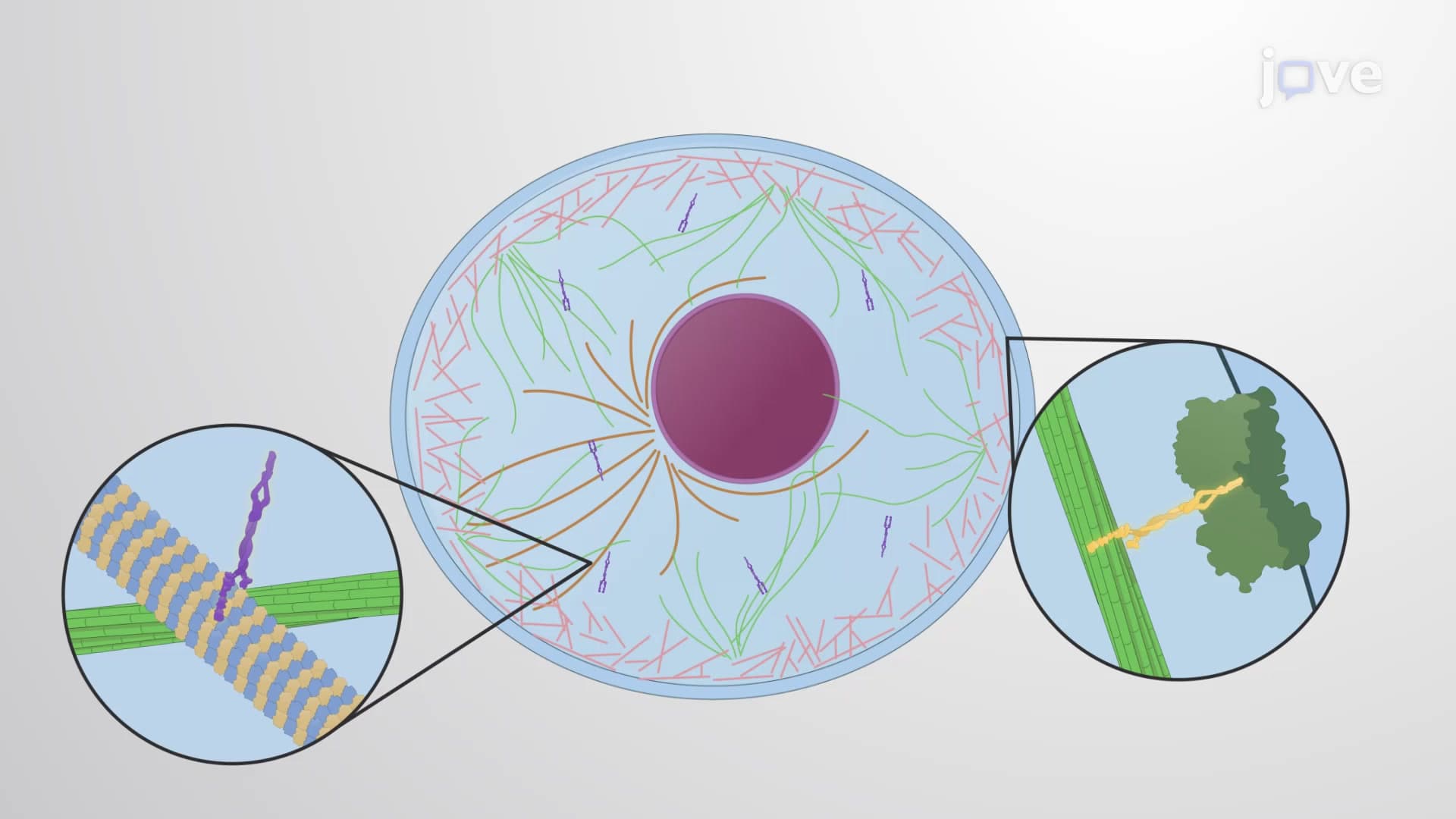
Individual actin filaments rarely function in isolation within cells. Instead, they organize into sophisticated higher-order structures that provide mechanical support, enable cellular movement, and facilitate complex biological processes. This organizational hierarchy transforms simple protein polymers into dynamic cellular machines capable of generating force and maintaining structural integrity.
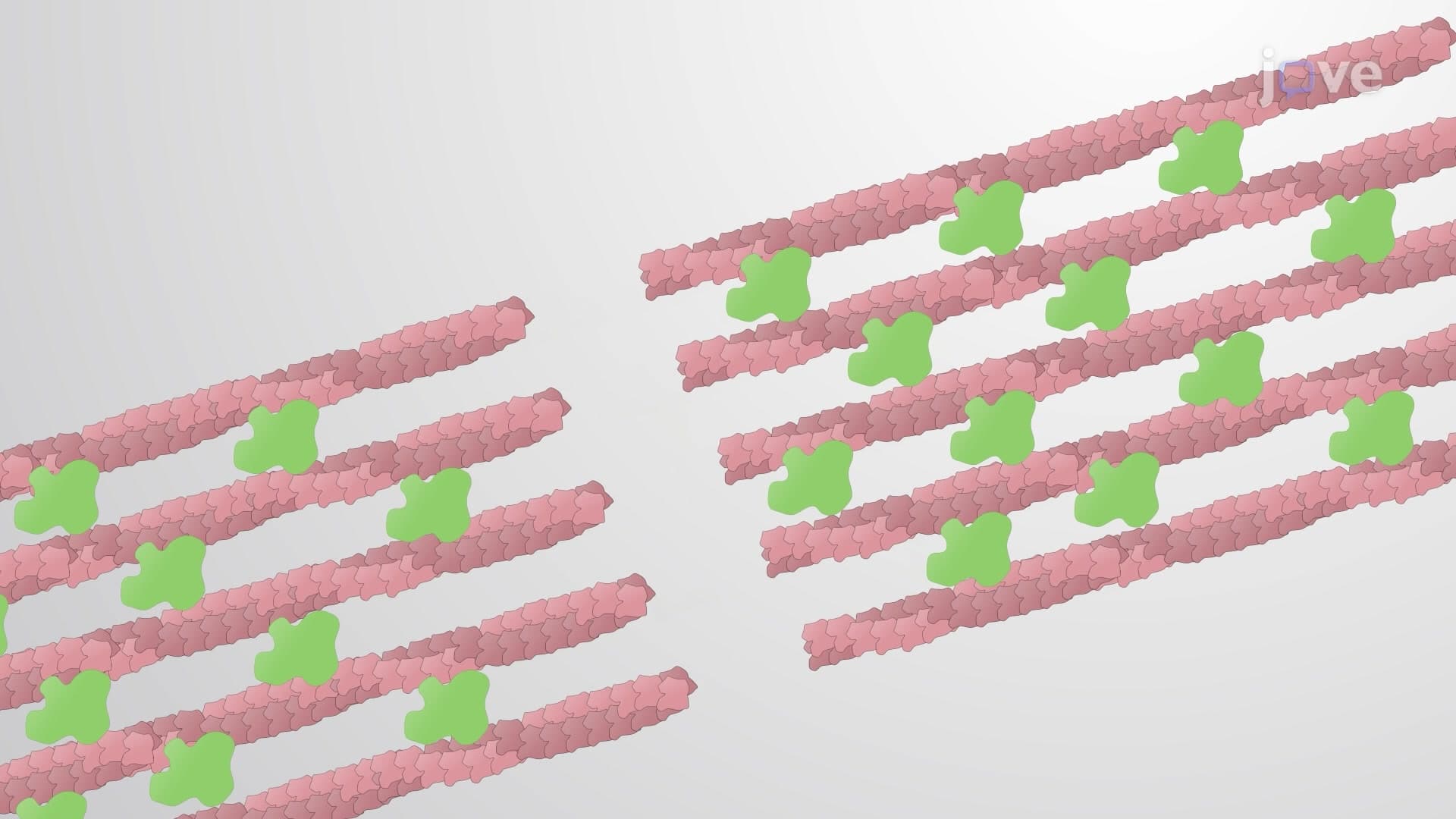
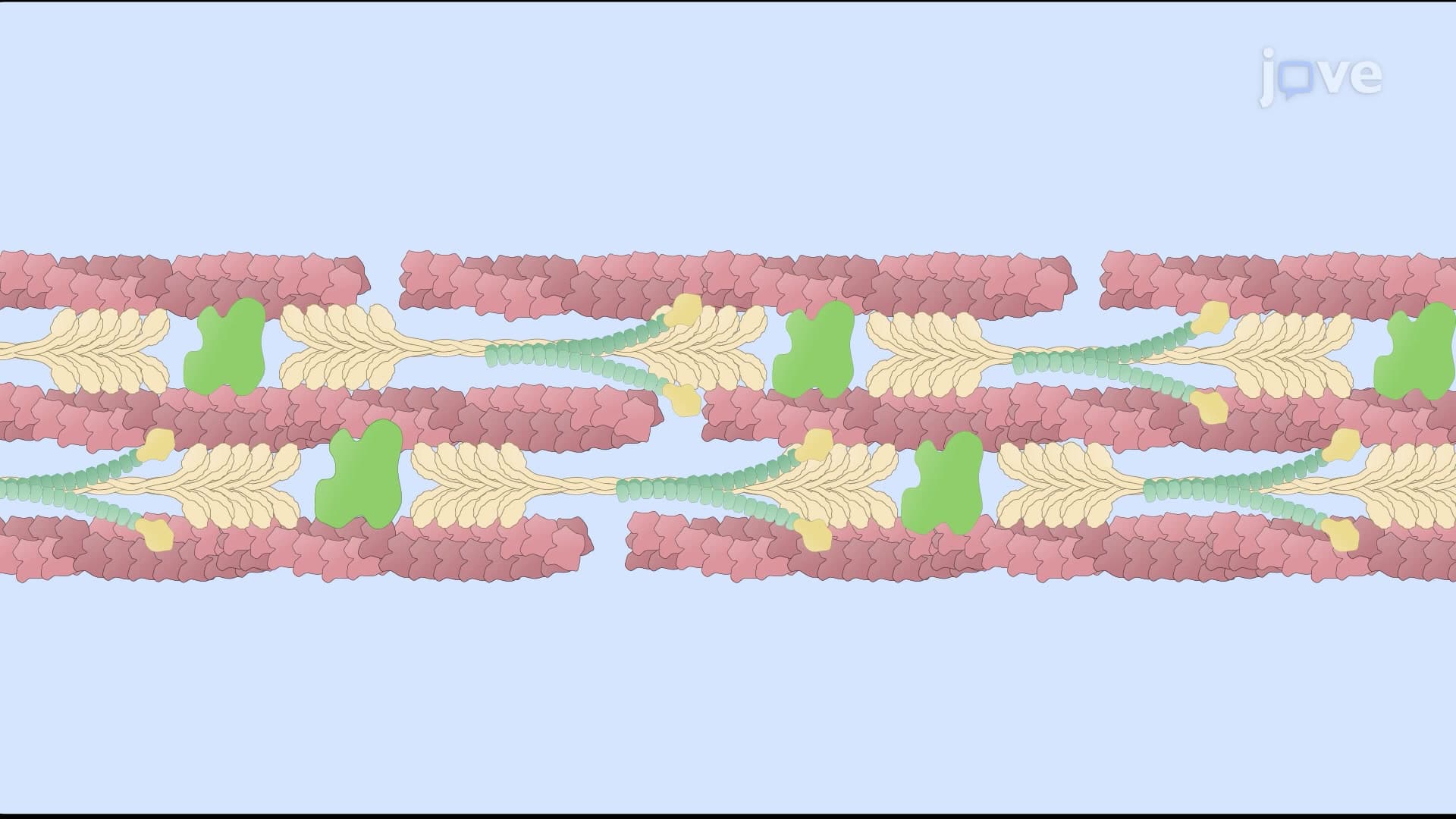
Two primary crosslinking proteins create distinctly different actin bundles. Alpha-actinin, a dimeric protein found abundantly in human skeletal muscle, creates loose antiparallel bundles where actin filaments run in opposite directions. This arrangement leaves sufficient space for myosin motor proteins to insert and generate contractile force-essential for muscle function studied extensively at research institutions like the University of California San Francisco.
In contrast, fimbrin generates tightly packed parallel bundles where all actin filaments orient in the same direction. These structures, commonly found in cellular projections like microvilli, provide rigid structural support. Students preparing for the MCAT often encounter questions comparing these two bundling mechanisms and their functional implications.
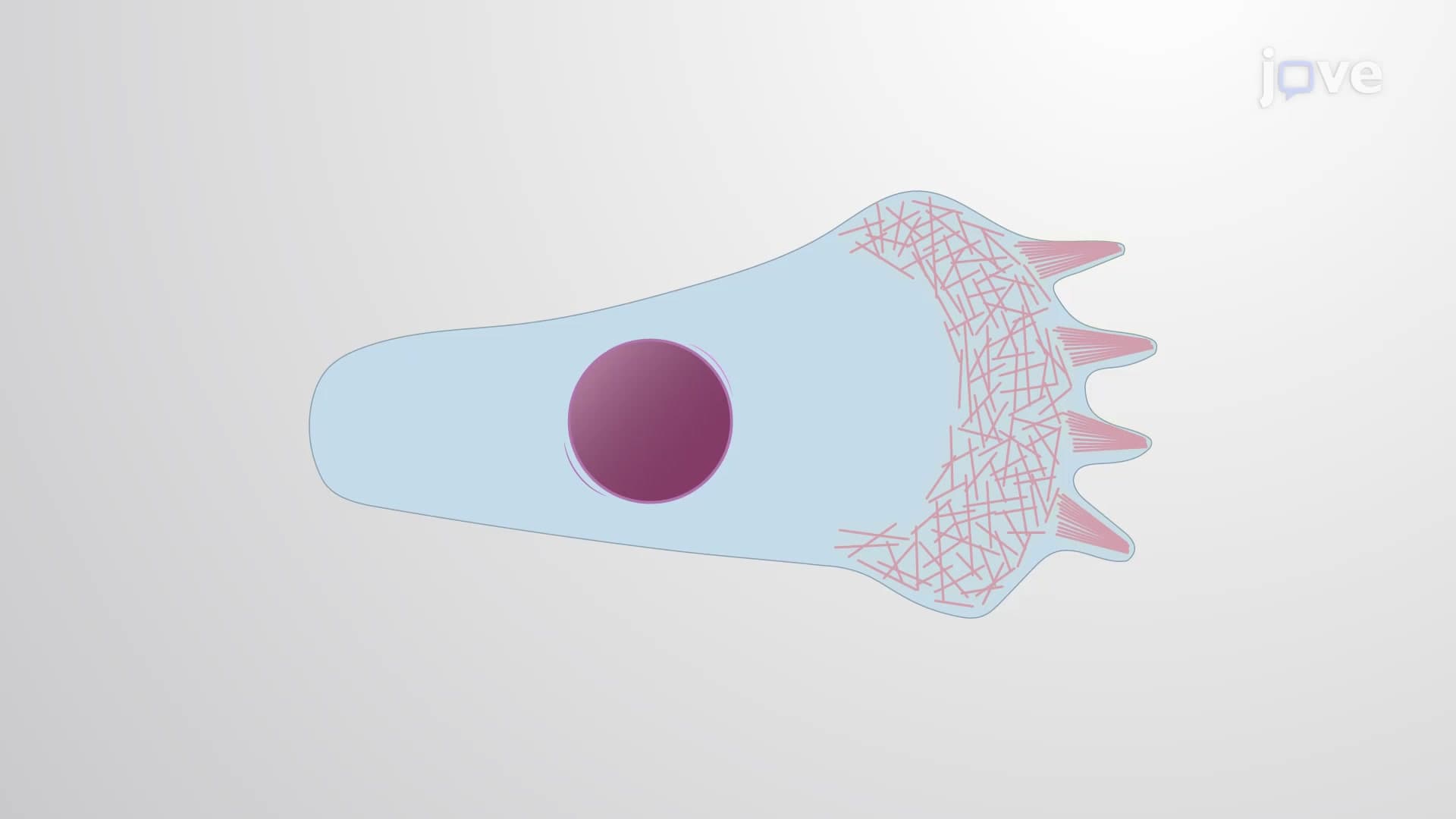
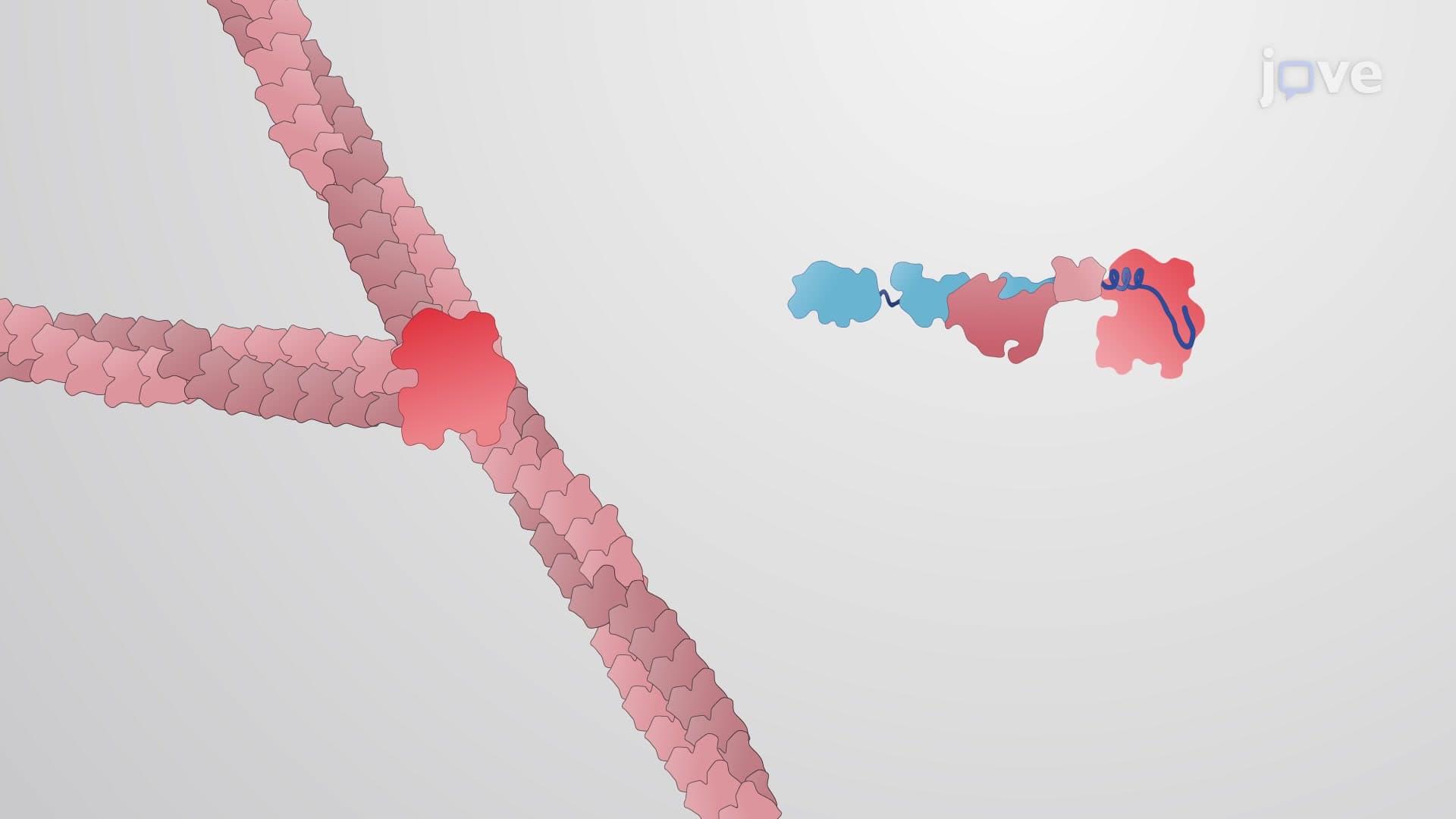
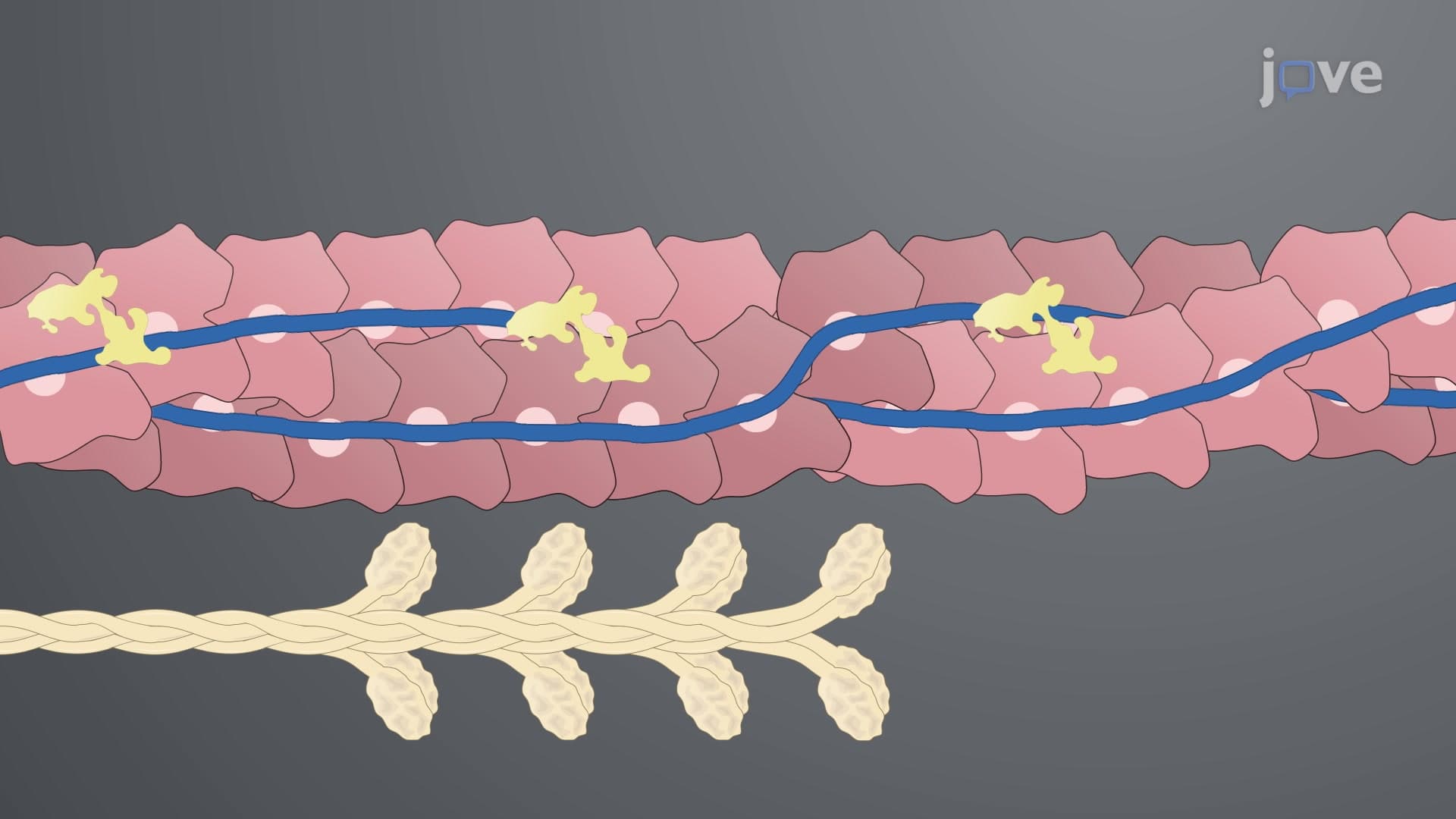
The Arp2/3 complex revolutionizes actin organization by creating branched, tree-like networks. Unlike the linear structures formed by formins, Arp2/3 nucleates new actin filaments directly from the sides of existing ones, creating characteristic Y-shaped branches at 70-degree angles. This architecture proves crucial for cell motility-cancer researchers at Memorial Sloan Kettering Cancer Center study how tumor cells exploit these networks for metastasis.
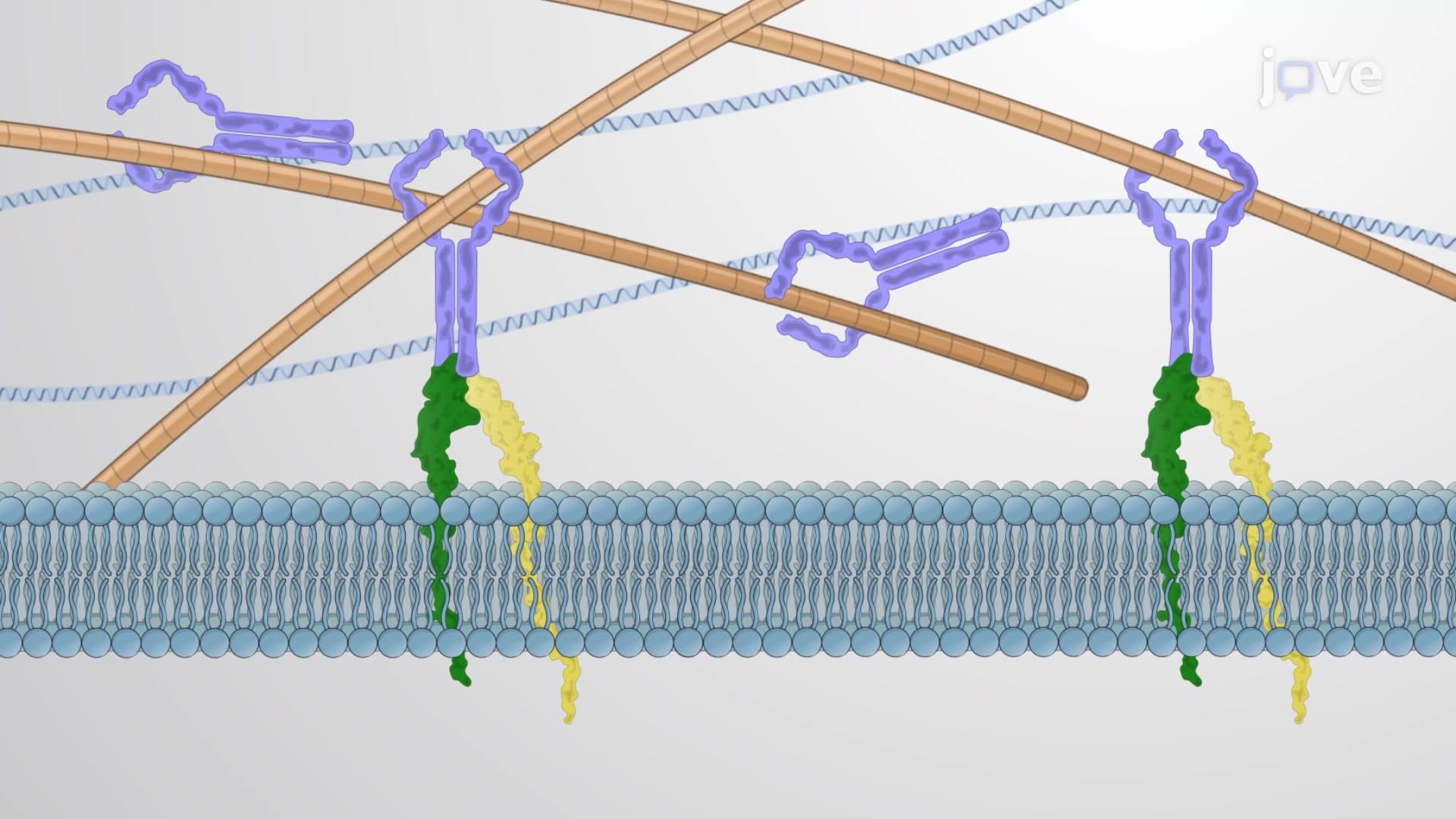
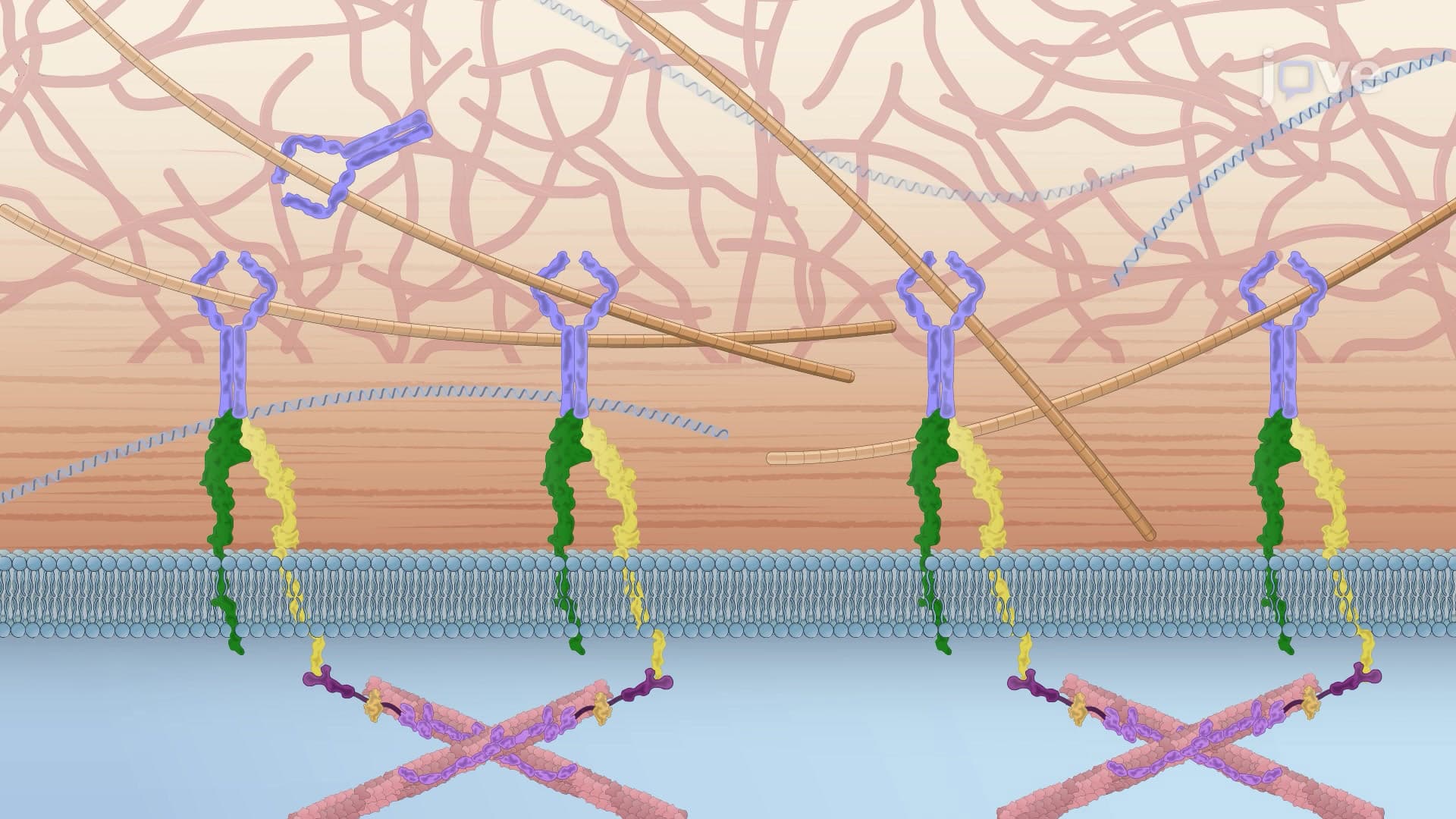
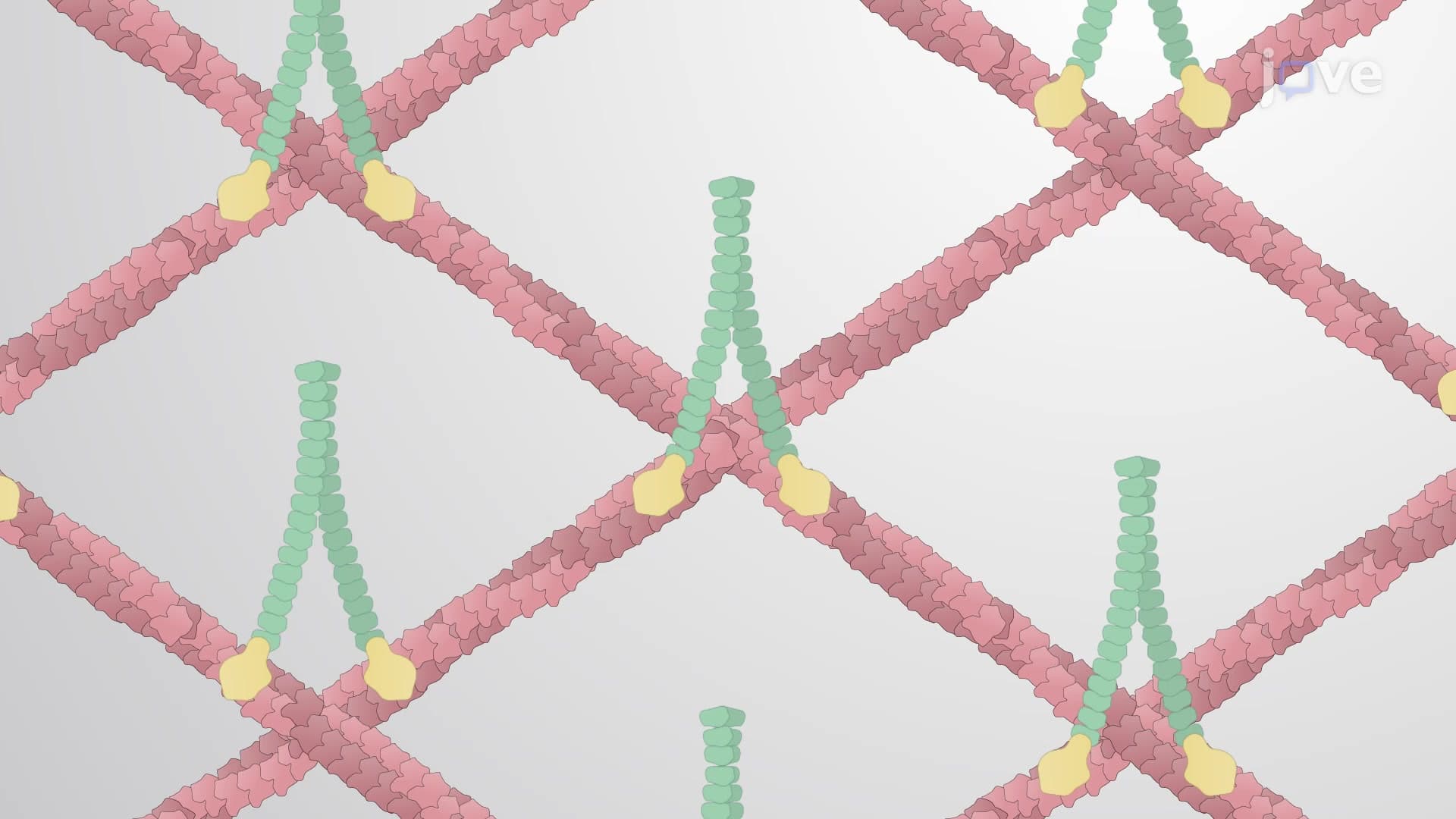
Filamin represents a unique crosslinking strategy, creating flexible networks where actin filaments intersect at right angles. This arrangement generates gel-like mechanical properties that allow cells to withstand deformation while maintaining structural integrity. The flexible nature of filamin enables dynamic reorganization-critical for processes like wound healing studied in clinical settings across major US medical centers.
These concepts frequently appear on AP Biology exams, particularly in questions about cytoskeletal function and cellular mechanics. College biochemistry courses at institutions like MIT and Stanford emphasize how protein structure directly determines network architecture and cellular function.
Related Micro-courses