Loading subject page…


162,824 views

Video Summary: Generation of Straight or Branched Explained
Ever wonder how your muscle cells coordinate thousands of protein filaments to create precise, powerful contractions? The generation of straight or branched actin networks determines whether cells crawl, divide, or contract effectively. In cardiac muscle cells at Johns Hopkins Hospital, straight actin bundles enable synchronized heartbeats, while branched networks help white blood cells chase down infections. Two key protein machines-formin and the Arp2/3 complex-act like molecular architects, each building distinctly different cytoskeletal structures. Watch the full video on JoVE Coach to master this concept with expert-led visuals and step-by-step explanations.
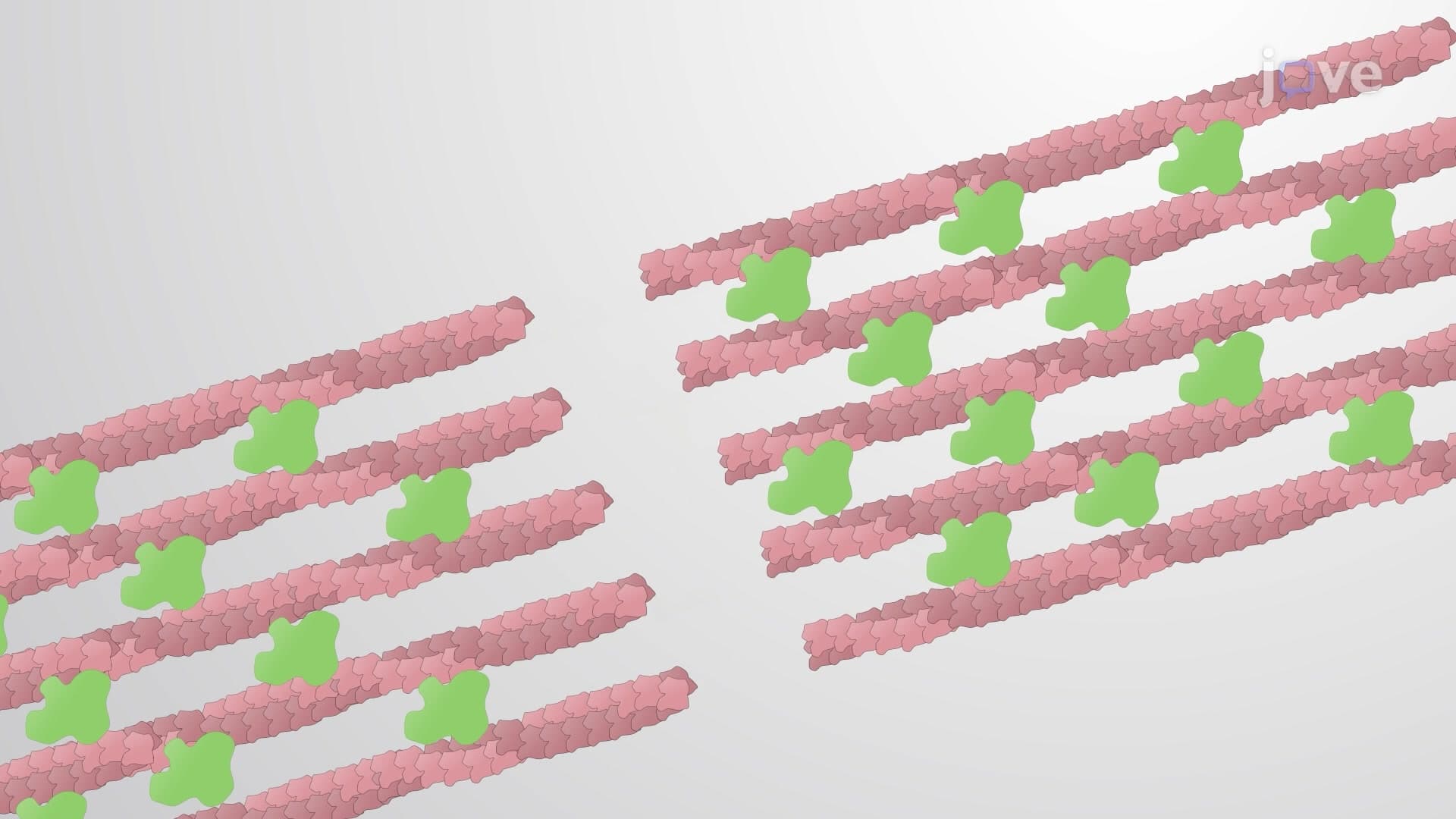
Actin filaments form the backbone of cellular movement, but their organization determines function. The generation of straight or branched architectures depends on specialized protein complexes that act as molecular templates, each producing distinct three-dimensional networks suited for specific cellular tasks.
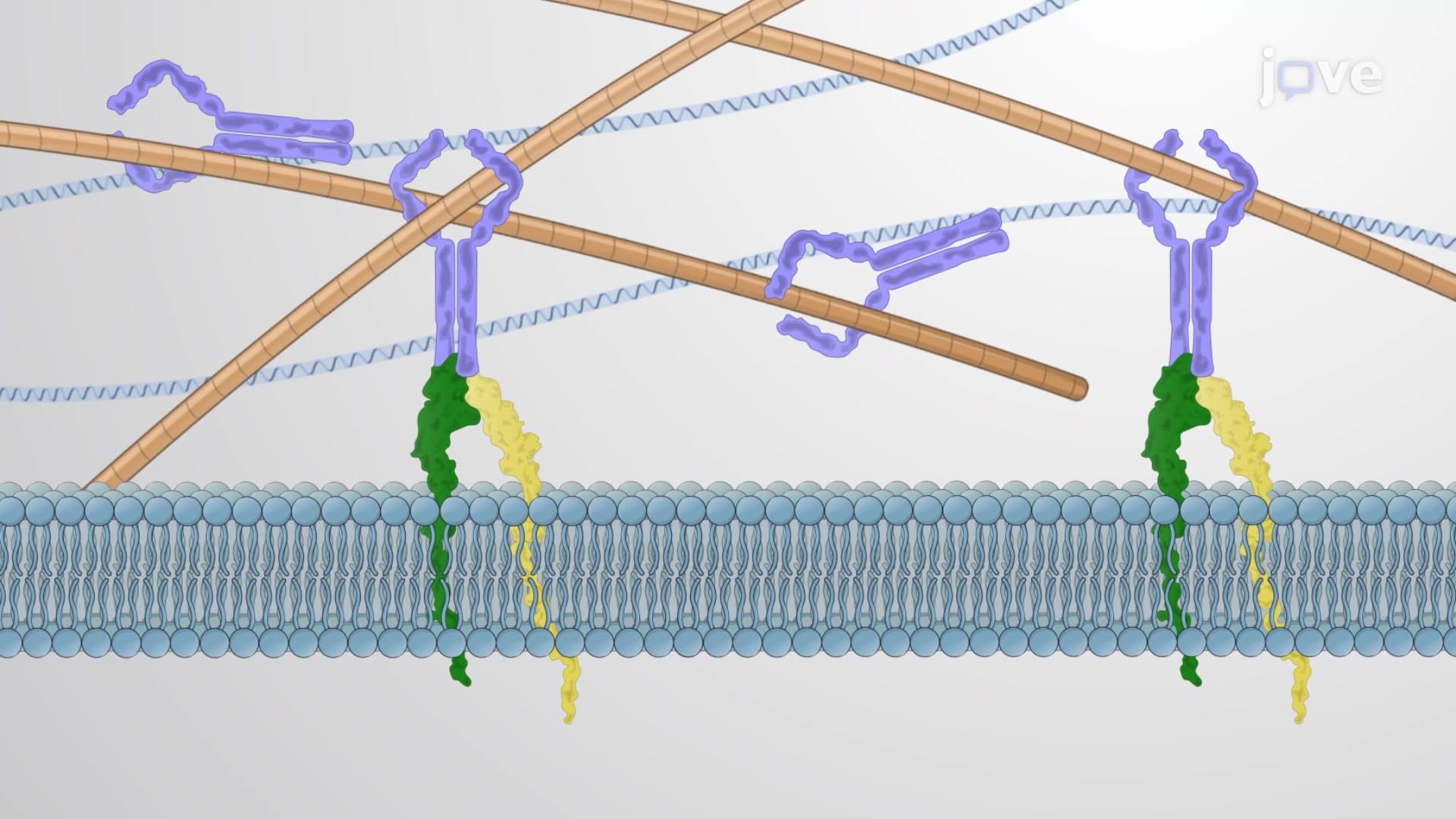
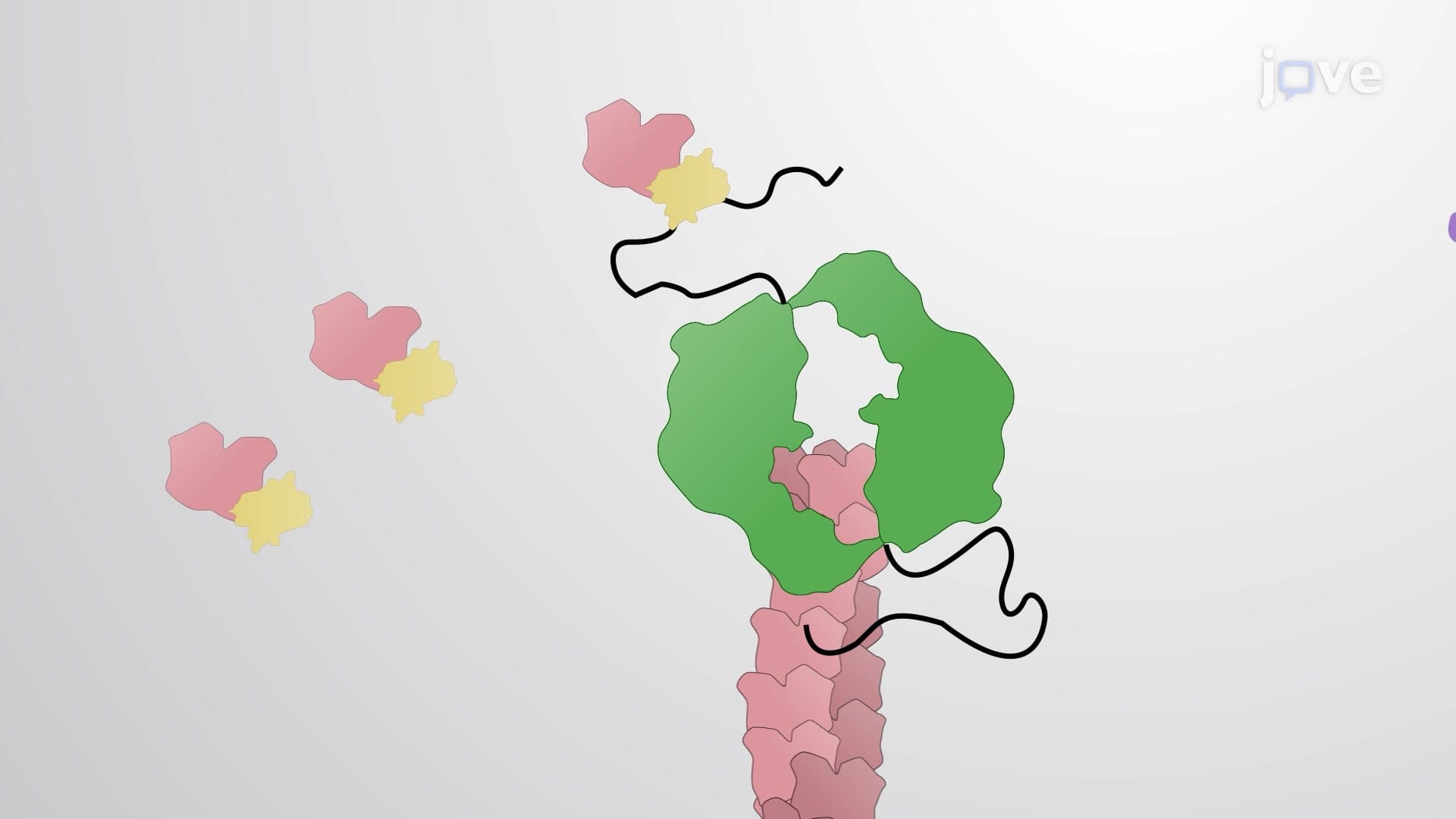
Formin proteins generate straight, parallel actin bundles essential for contractile structures. The dimeric formin complex contains two critical domains working in tandem. The FH1 (Formin Homology 1) domain serves as a docking platform for profilin-ATP-actin complexes, concentrating building materials at the assembly site. Meanwhile, the ring-shaped FH2 domain acts as a molecular clamp, initiating nucleation by bringing two actin monomers together and then processively adding new subunits while remaining attached to the growing filament end.
This processive mechanism ensures filaments grow straight and long-perfect for muscle sarcomeres in athletes training at the U.S. Olympic Training Center or stress fibers that help cells resist mechanical tension. AP Biology students often encounter formin function when studying muscle contraction mechanisms or cell adhesion processes.
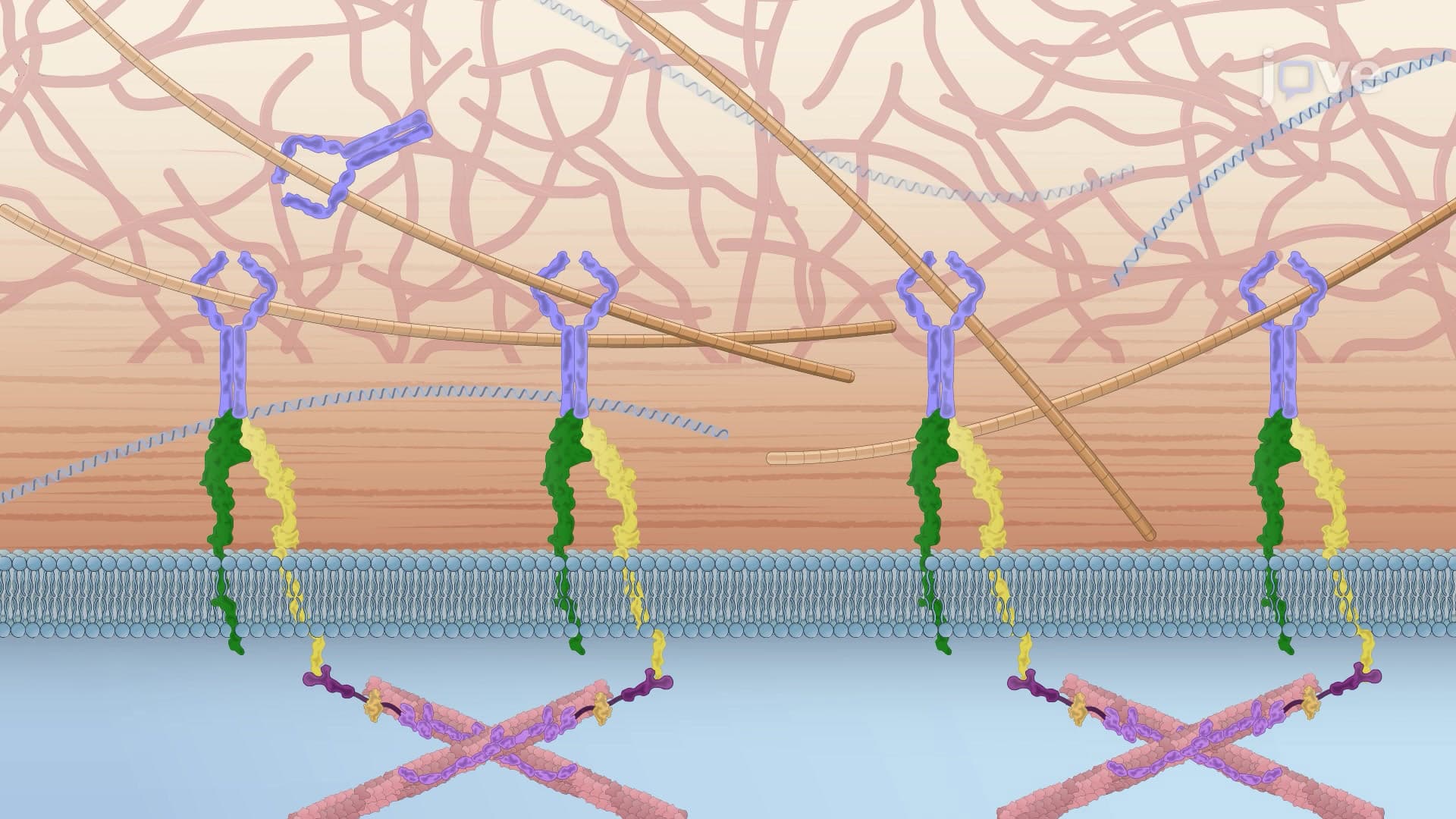
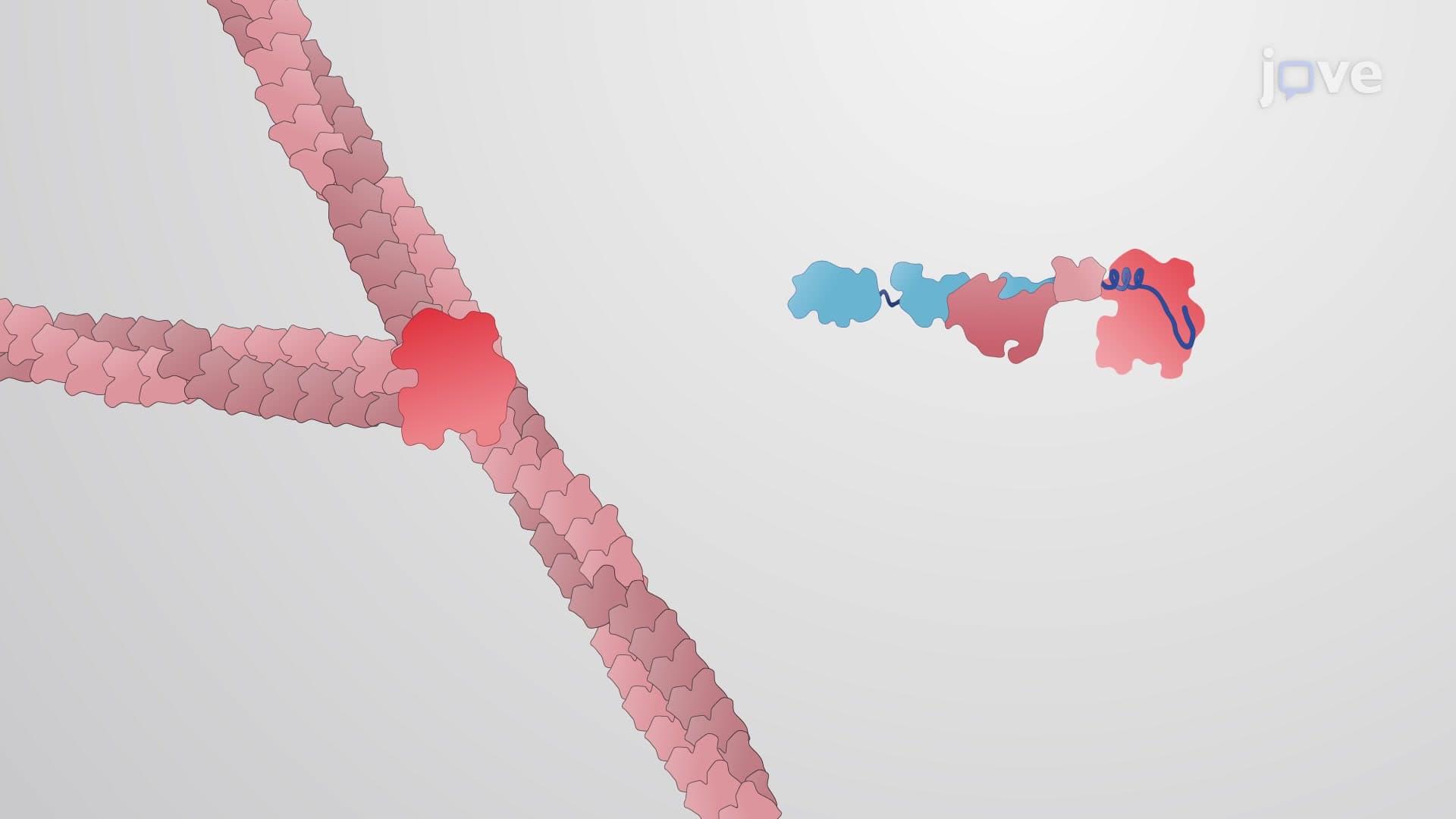
The Arp2/3 (Actin-Related Protein 2/3) complex creates branched networks resembling tree structures. Unlike formin's linear approach, Arp2/3 requires activation by nucleation-promoting factors (NPFs) responding to CDC42 signaling. Once activated, the complex binds to pre-existing filament sides rather than free-floating in solution.
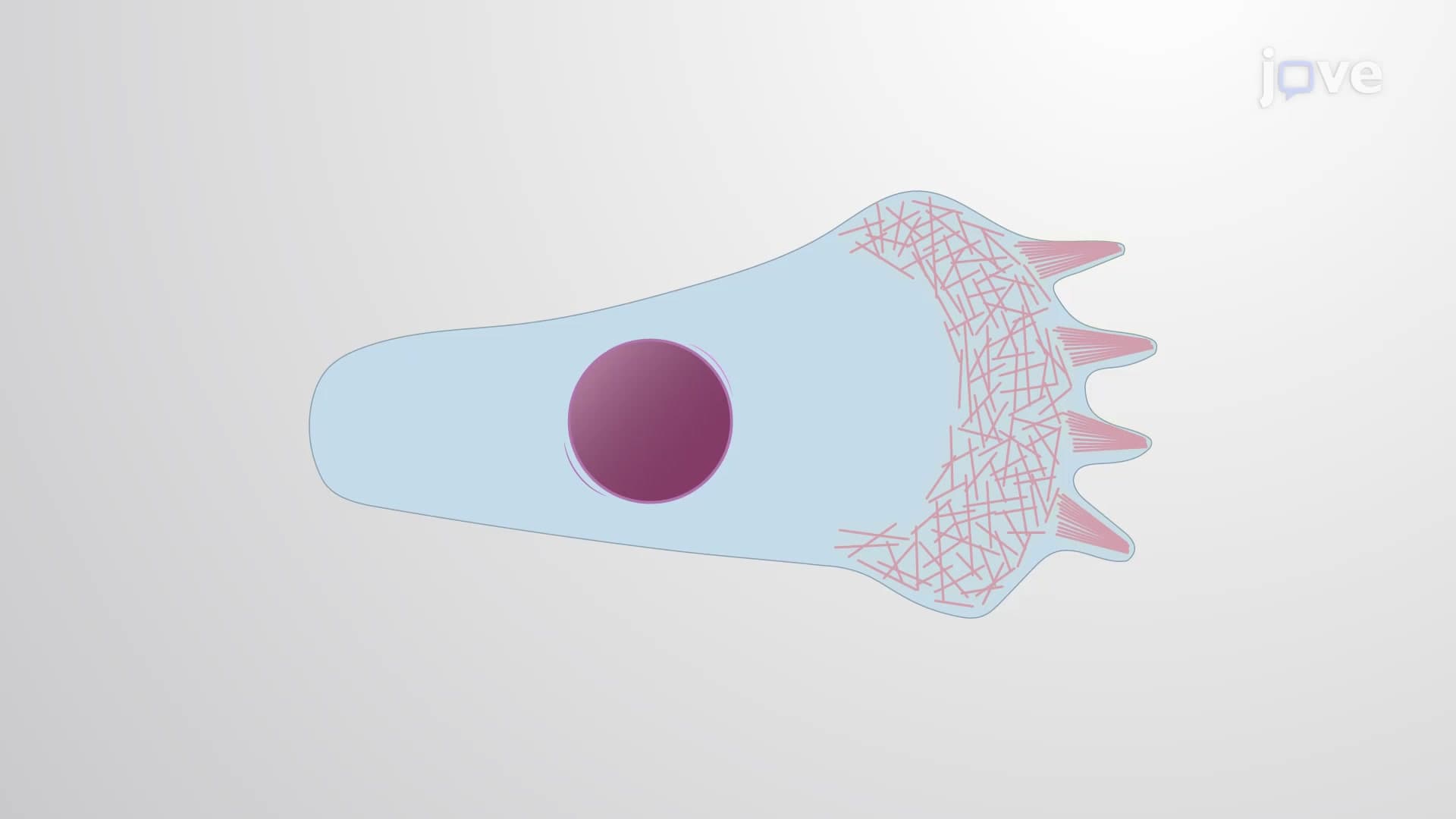
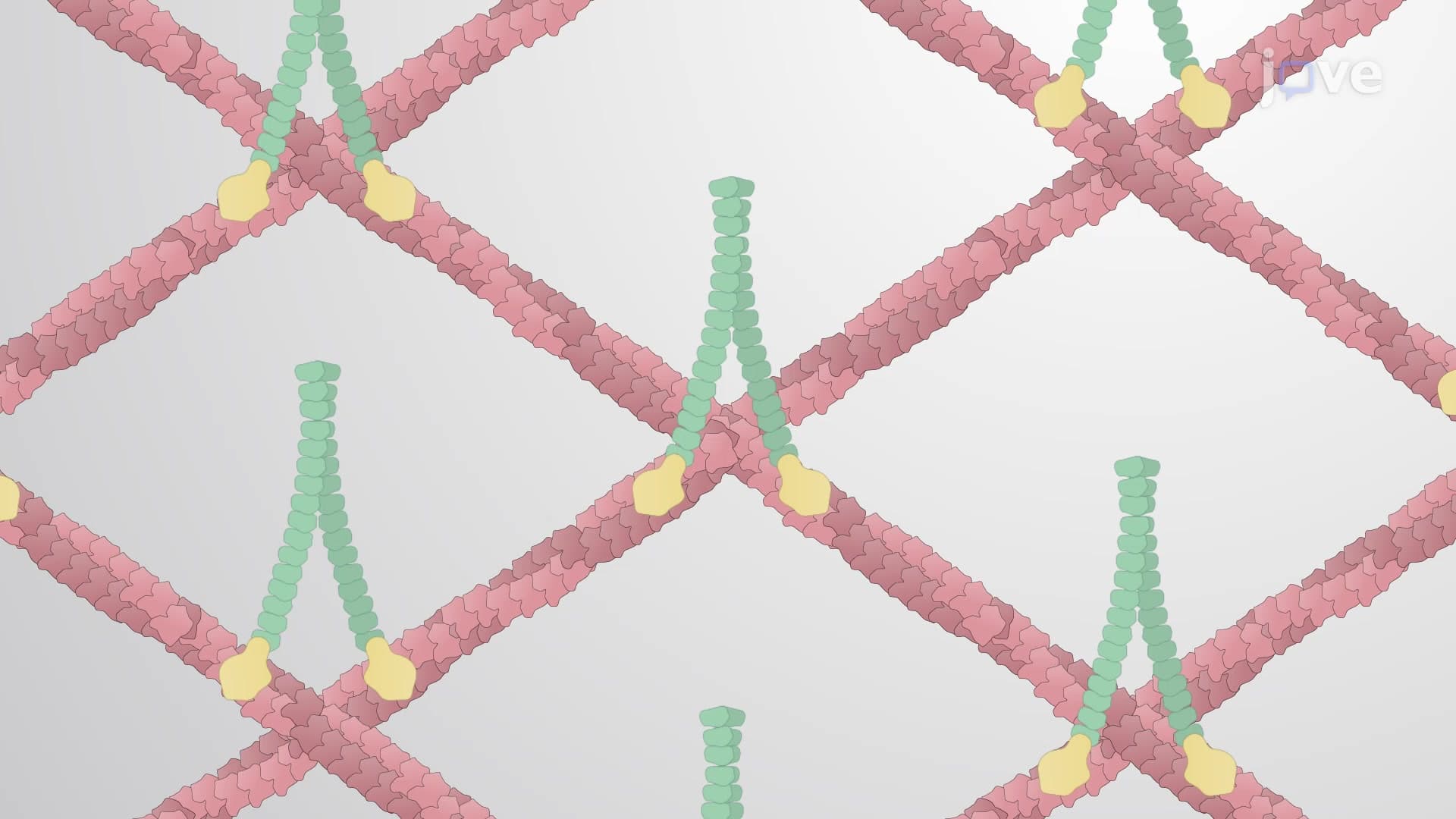
The genius of Arp2/3 lies in its geometric precision-new branches emerge at exactly 70 degrees, creating dense, cross-linked meshworks. These networks provide the pushing force for cell migration, like immune cells pursuing pathogens or cancer cells metastasizing through tissue barriers studied at MD Anderson Cancer Center.
Understanding actin assembly mechanisms proves crucial for MCAT preparation and advanced cell biology courses. Medical students at Harvard Medical School study how mutations in formin genes cause hearing loss, while Arp2/3 dysfunction contributes to immunodeficiency disorders. Pharmaceutical researchers target these pathways when developing anti-cancer drugs that disrupt cell migration or anti-infection therapies that enhance immune cell motility.
Related Micro-courses