Loading subject page…


162,855 views

Video Summary: Intracellular Movement of Viruses and Bacteria Explained
Did you know that when COVID-19 viruses invade your nerve cells, they essentially hijack your cellular "highways" to spread throughout your body? The intracellular movement of viruses and bacteria involves pathogens cleverly exploiting host cell transportation systems to navigate through dense cellular environments. For example, herpes viruses that cause cold sores travel along nerve pathways using the same molecular motors that transport essential cellular cargo. This fascinating process of Intracellular Movement of Viruses And Bacteria Explained reveals how microscopic invaders turn our own cellular machinery against us. Watch the full video on JoVE Coach to master this concept with expert-led visuals and step-by-step explanations.
The cellular environment presents significant challenges for pathogen mobility. Unlike the relatively open extracellular space, the cytoplasm resembles a crowded molecular marketplace filled with organelles, protein complexes, and structural elements. This viscous environment would normally trap invading microorganisms, but successful pathogens have evolved sophisticated strategies to exploit the host's own transportation infrastructure.
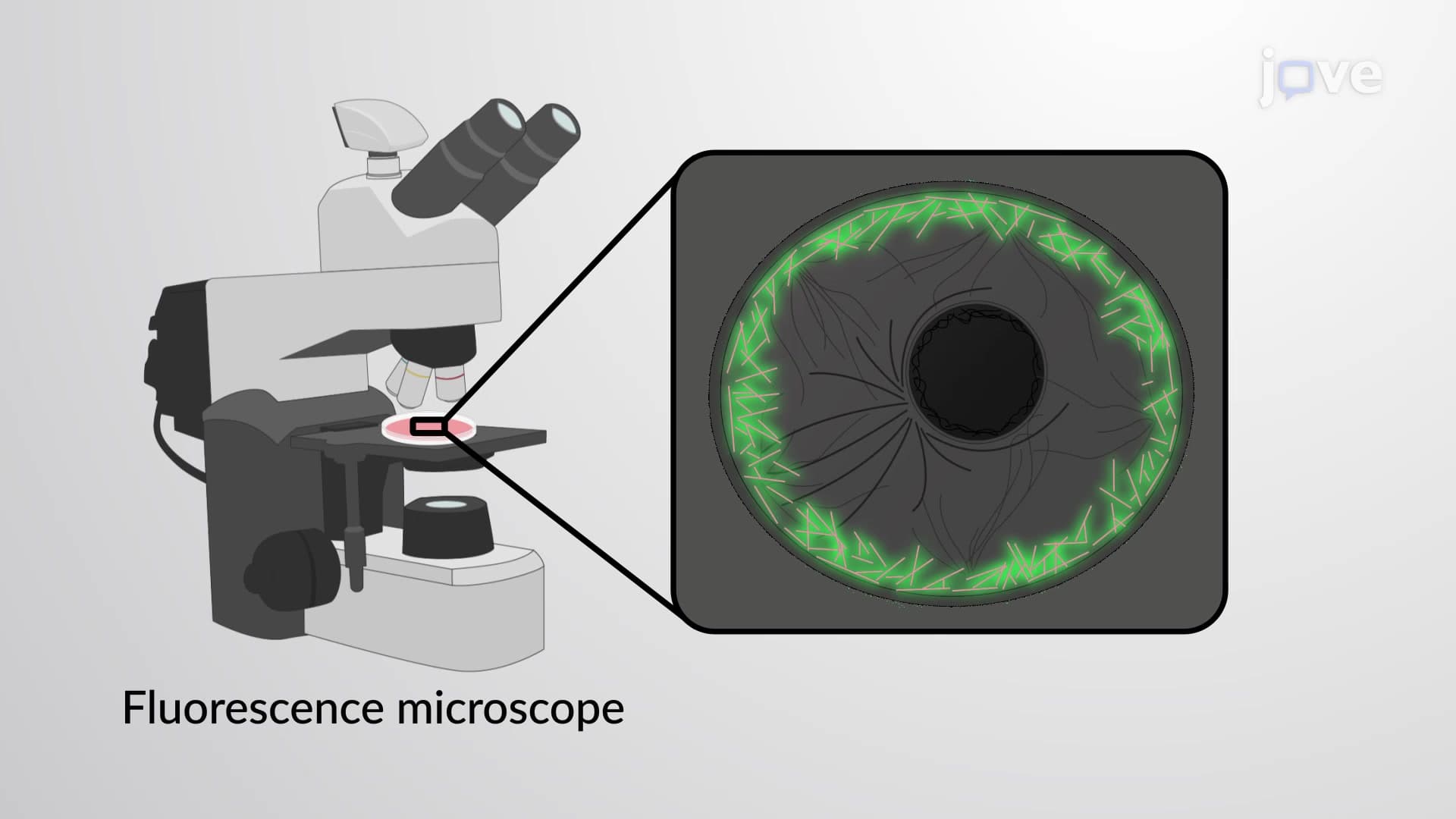
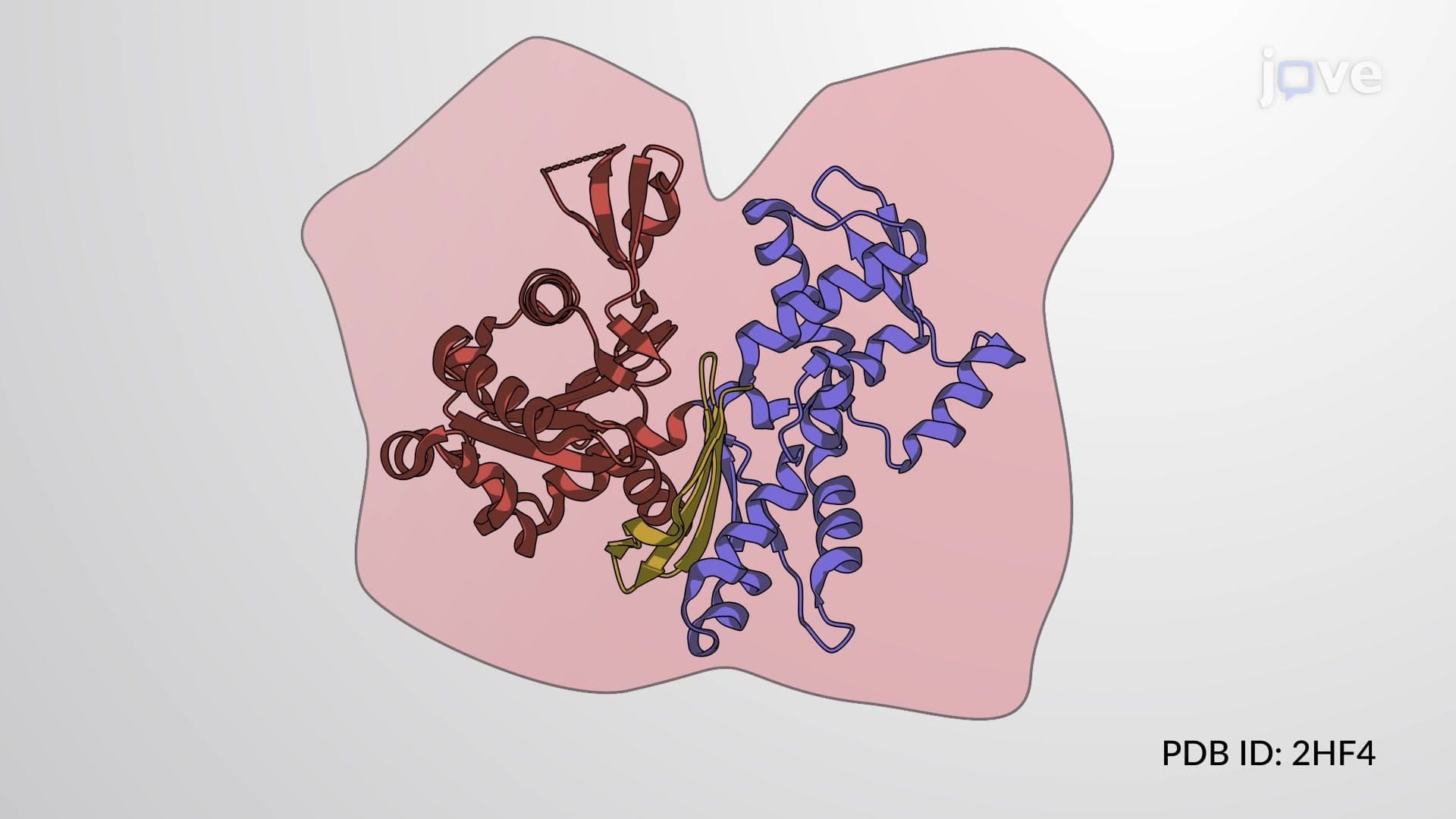
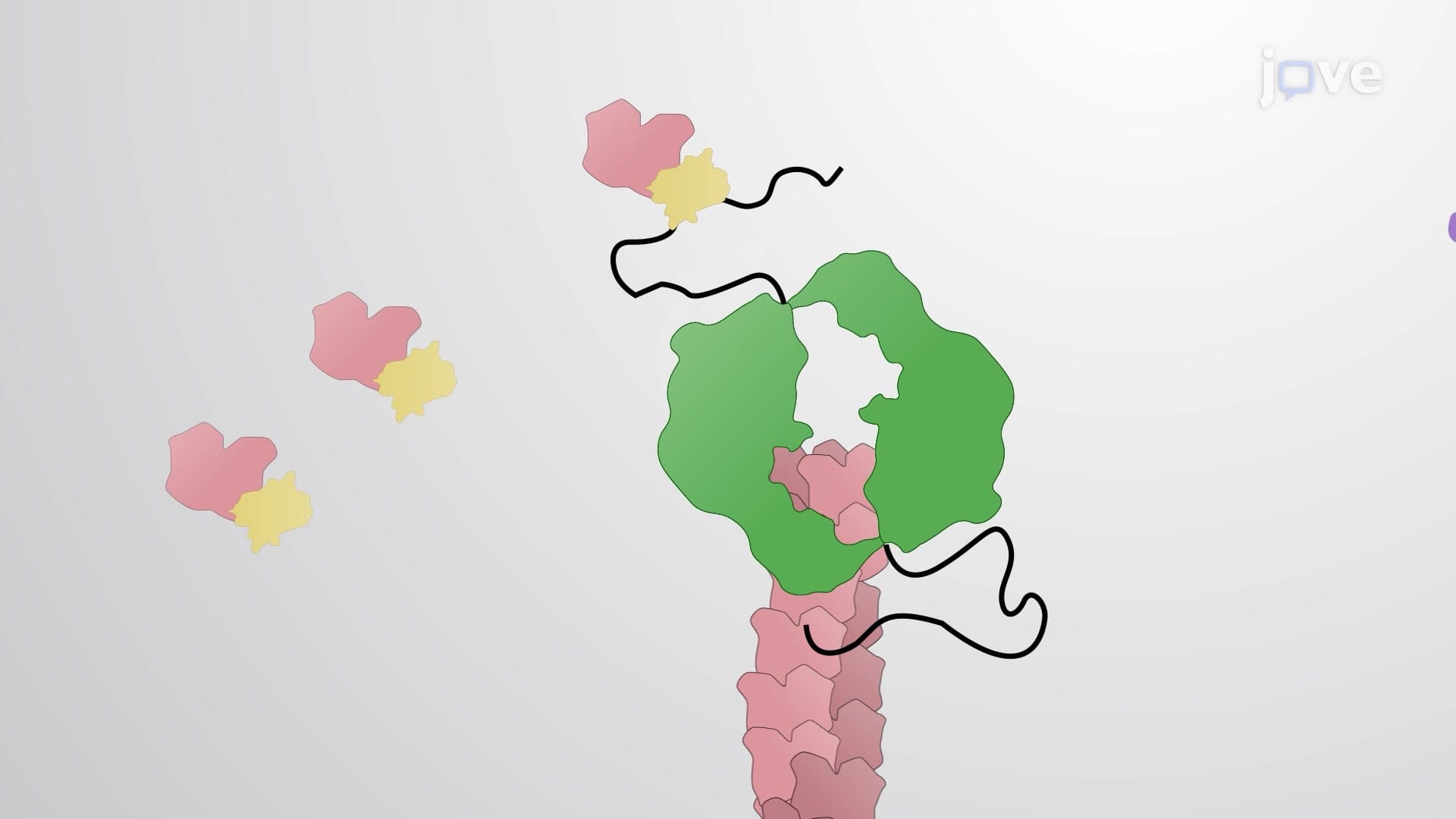
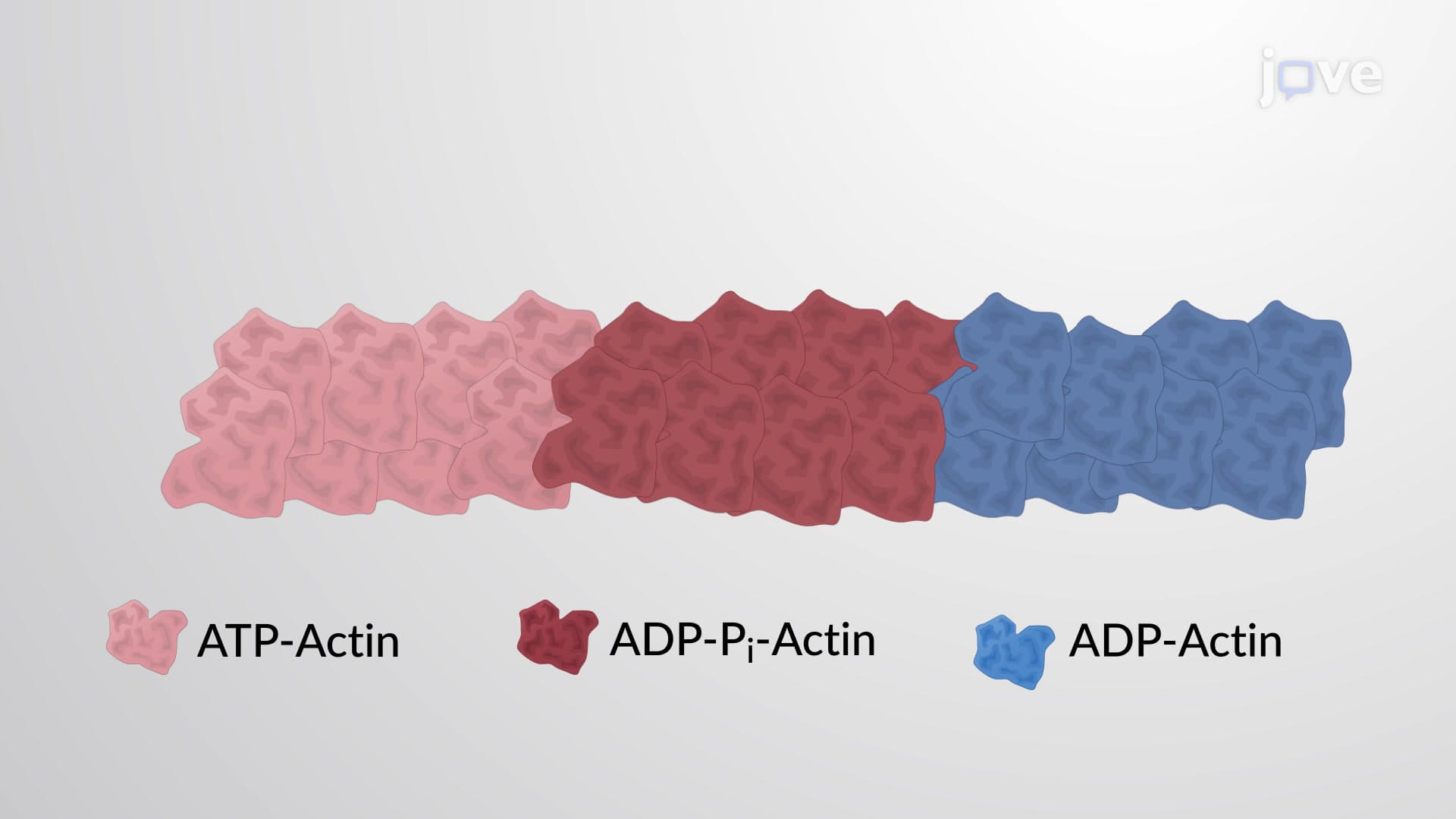
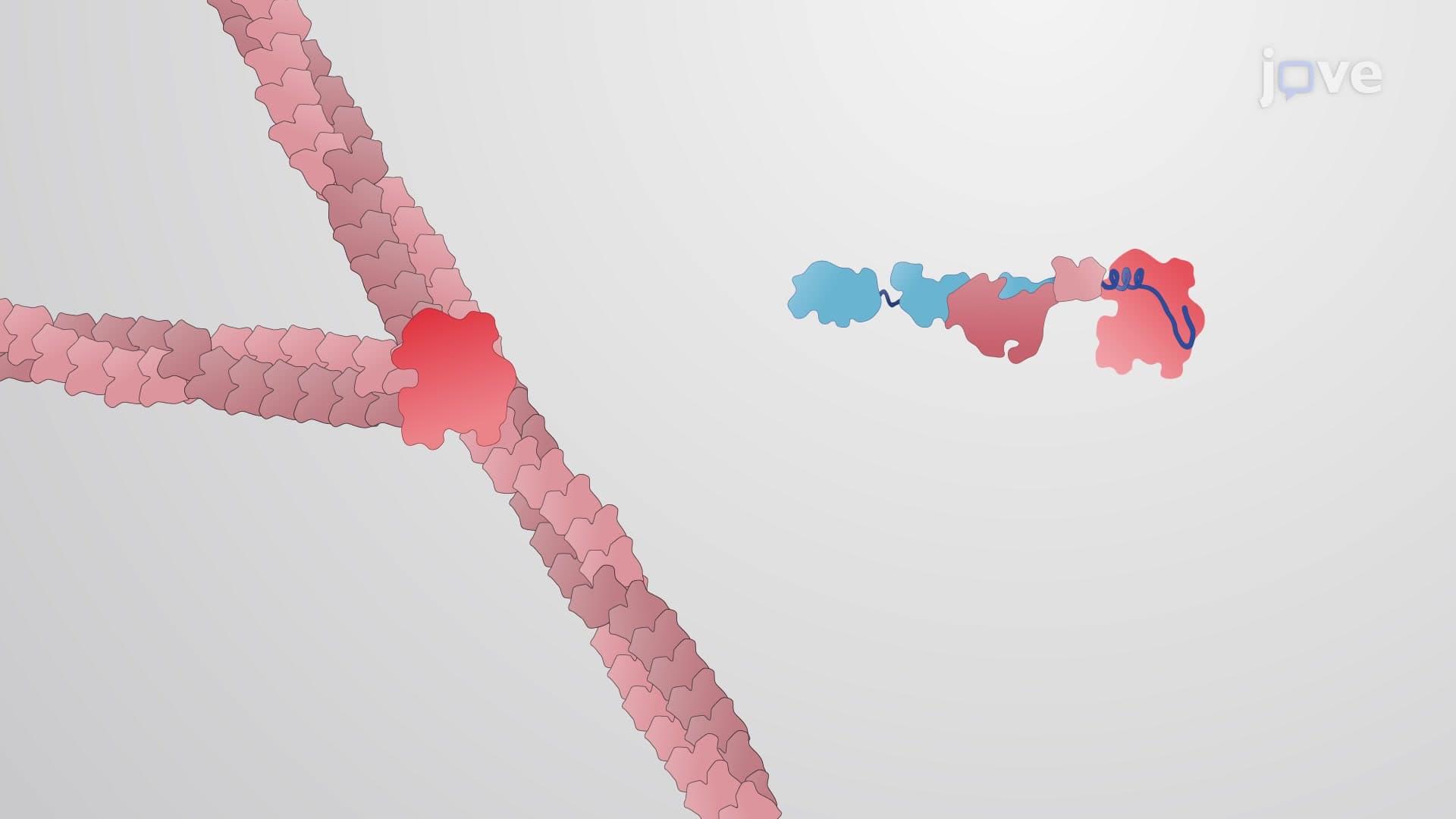
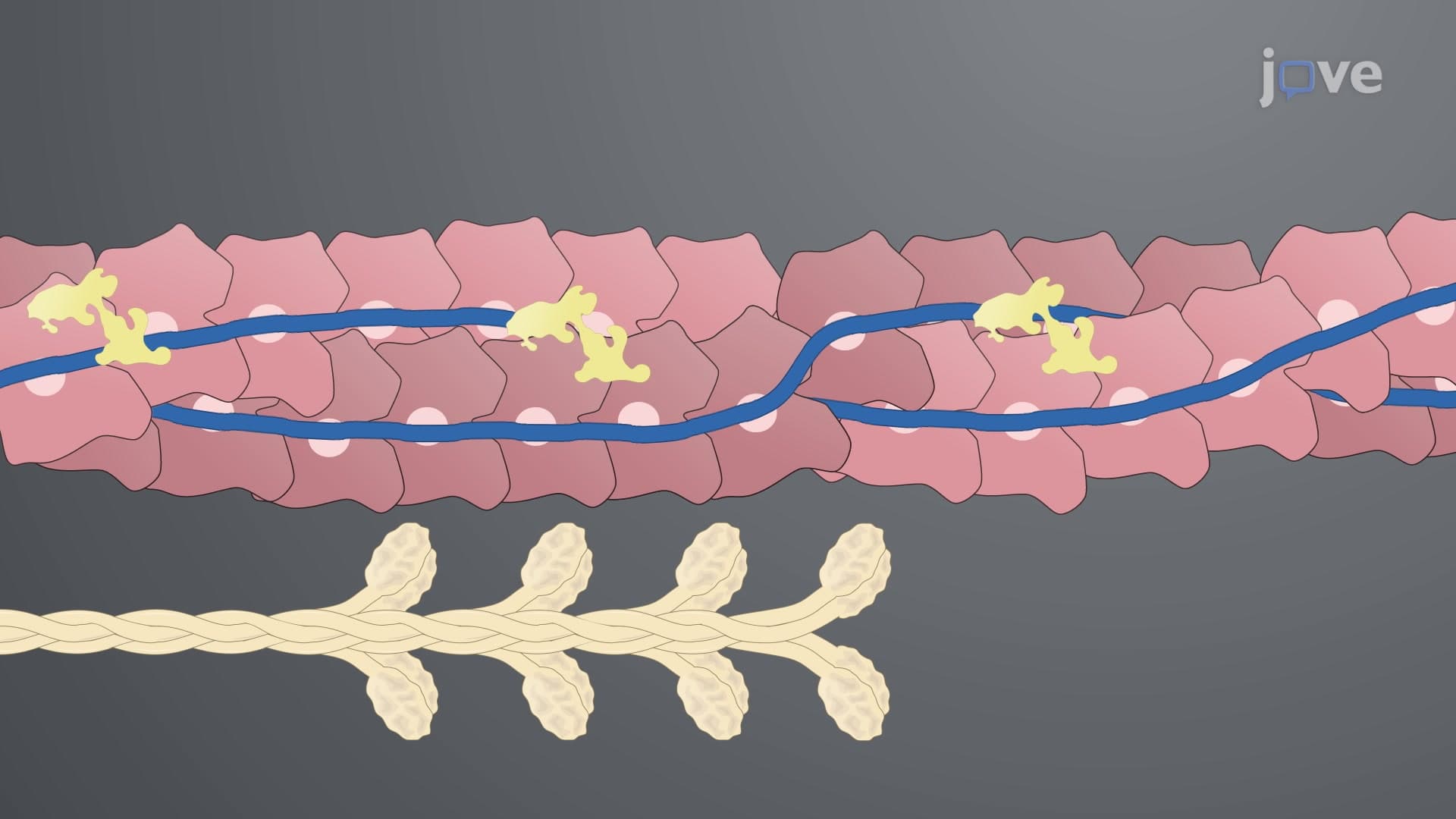
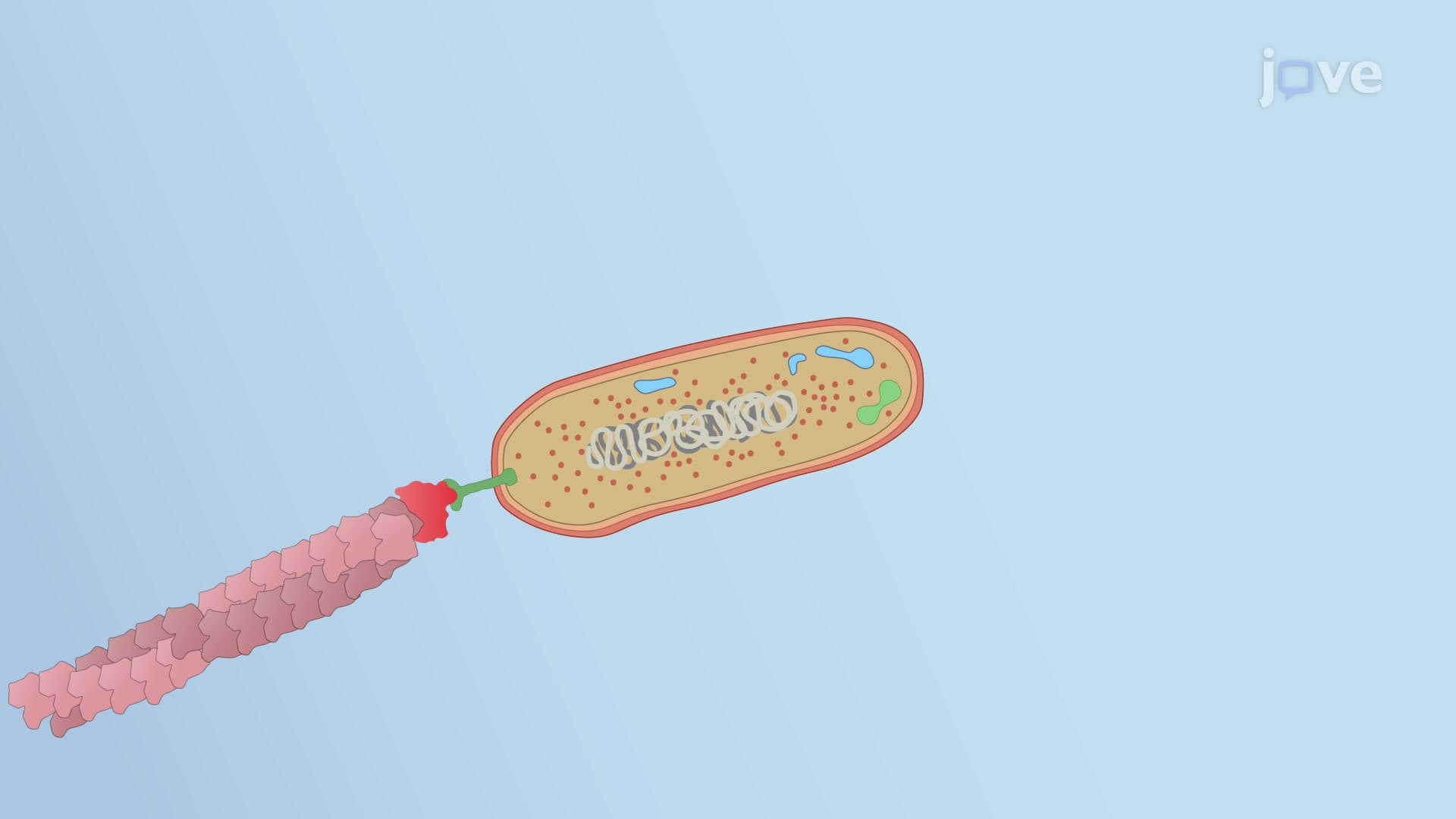
*Listeria monocytogenes*, a foodborne pathogen responsible for serious infections in pregnant women and immunocompromised patients, exemplifies actin-based movement. This bacterium expresses ActA protein on its surface, which activates the host's Arp2/3 complex-a molecular machine that nucleates new actin filaments. As actin polymerizes behind the bacterium, it creates a distinctive "comet tail" visible under fluorescence microscopy. This mechanism generates enough force to propel the 2-micrometer bacterium at speeds up to 0.3 micrometers per second, allowing it to spread directly between cells without exposure to immune surveillance.
Students preparing for the MCAT or AP Biology exams should understand that this process requires ATP hydrolysis and demonstrates how pathogens can hijack normal cellular processes. The Arp2/3 complex normally participates in cell motility and membrane dynamics, but *Listeria* has evolved to commandeer this system for its own locomotion.
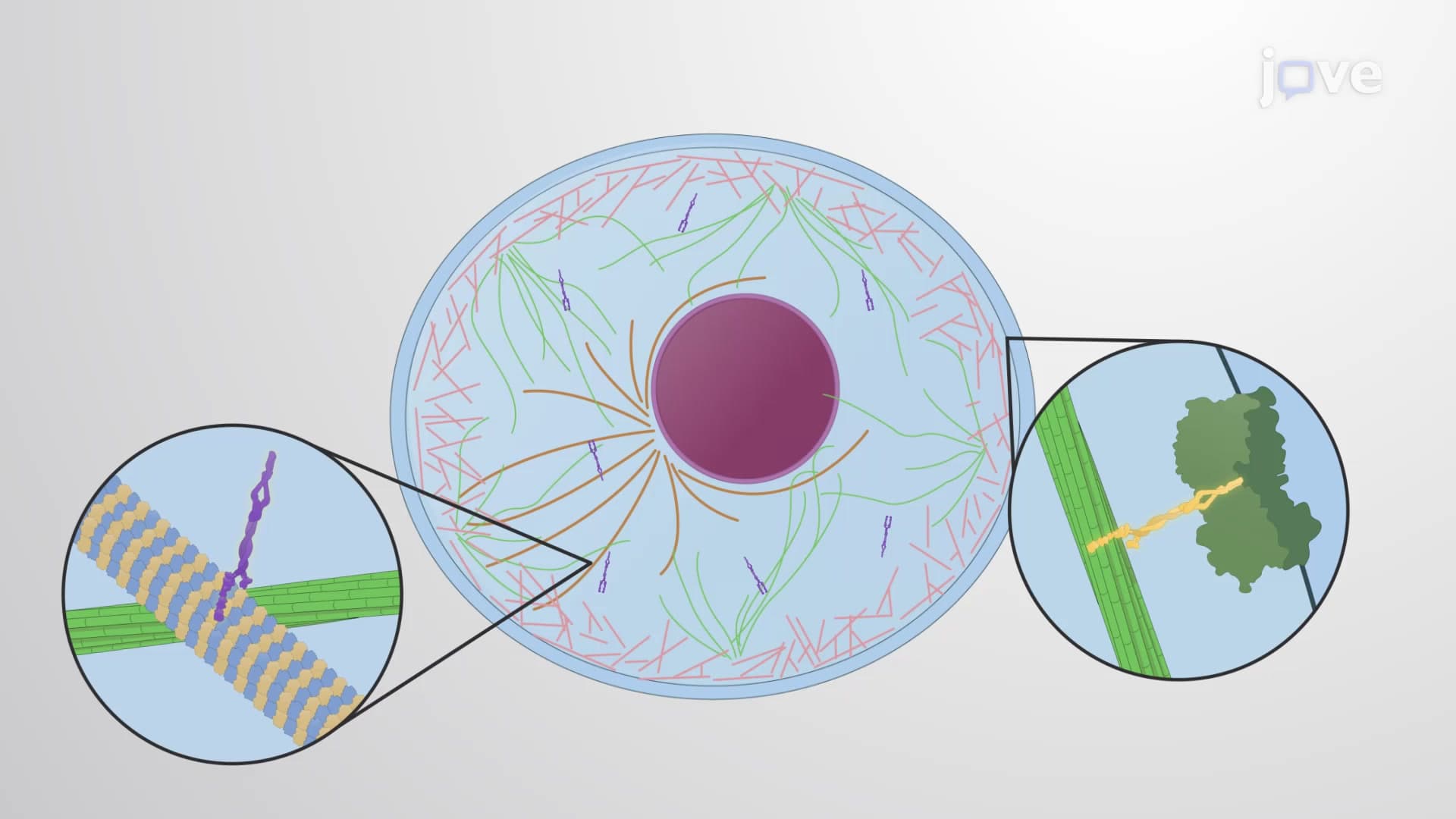
Neurotropic viruses like herpes simplex virus (HSV) and rabies virus utilize a different strategy, exploiting microtubule motor proteins for long-distance transport. After initial infection at peripheral nerve endings, these viruses shed their envelope and attach to dynein motors, which transport cargo toward the cell body along microtubules. This retrograde transport can span several feet in humans, as motor neurons extend from the spinal cord to distant muscle targets.
The clinical relevance becomes apparent in diseases like shingles, where varicella-zoster virus reactivates and travels along sensory nerves to cause painful skin lesions in specific dermatomes. Understanding this transport mechanism has led to antiviral strategies that target dynein-virus interactions.
For college-level cell biology courses and USMLE preparation, this concept illustrates fundamental principles of cytoskeletal function and pathogen-host interactions. The study of intracellular pathogen movement has revealed new therapeutic targets and deepened our understanding of normal cellular transport processes.
Related Micro-courses