Loading subject page…

- Cell Biology
- The Cytoskeleton I: Actin and Microfilaments
- Overview of Myosin Structure and Function
Micro-course: The Cytoskeleton I: Actin and Microfilaments
162,819 views
Learn key concepts and earn your certificate.
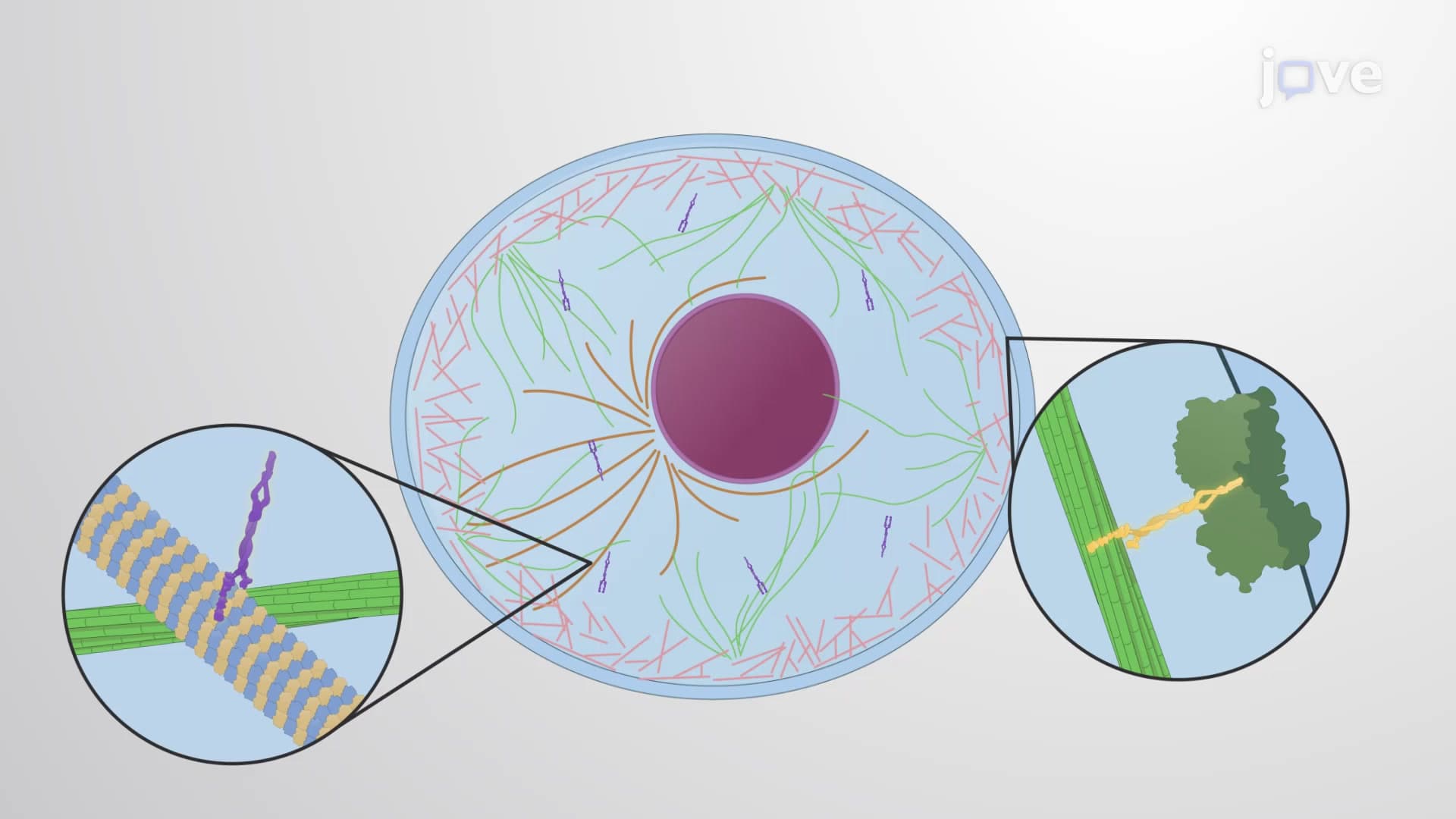

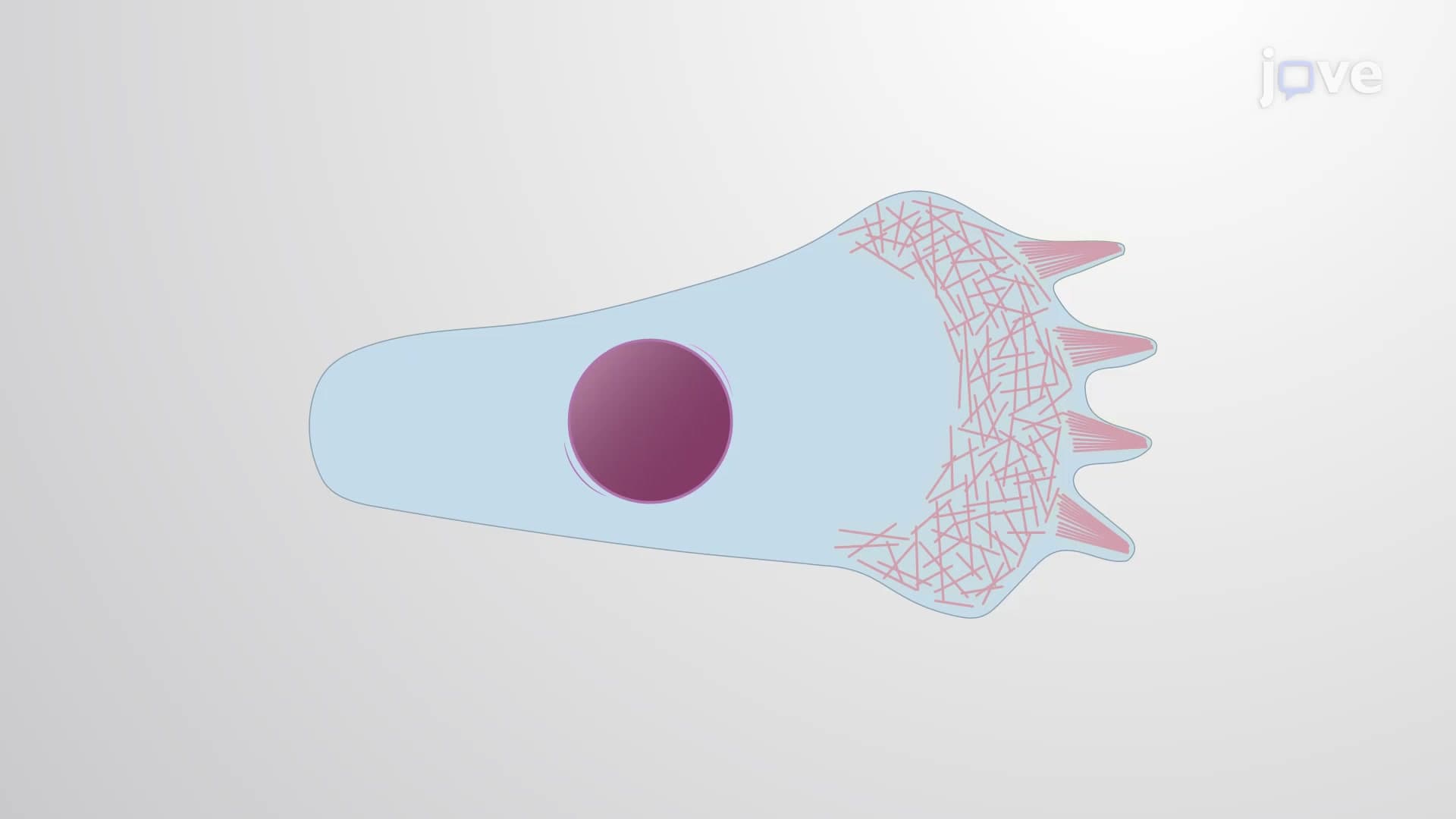
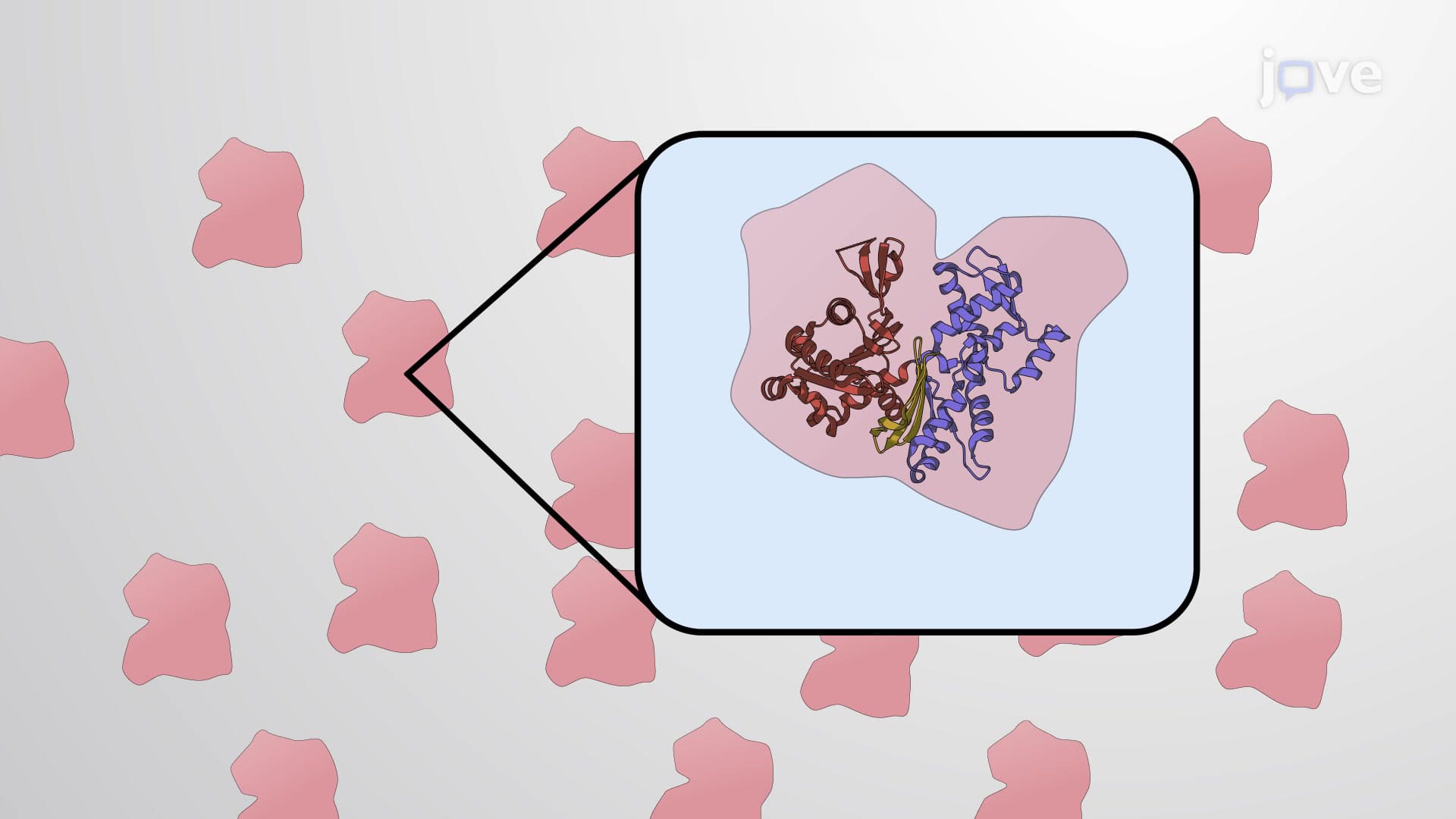
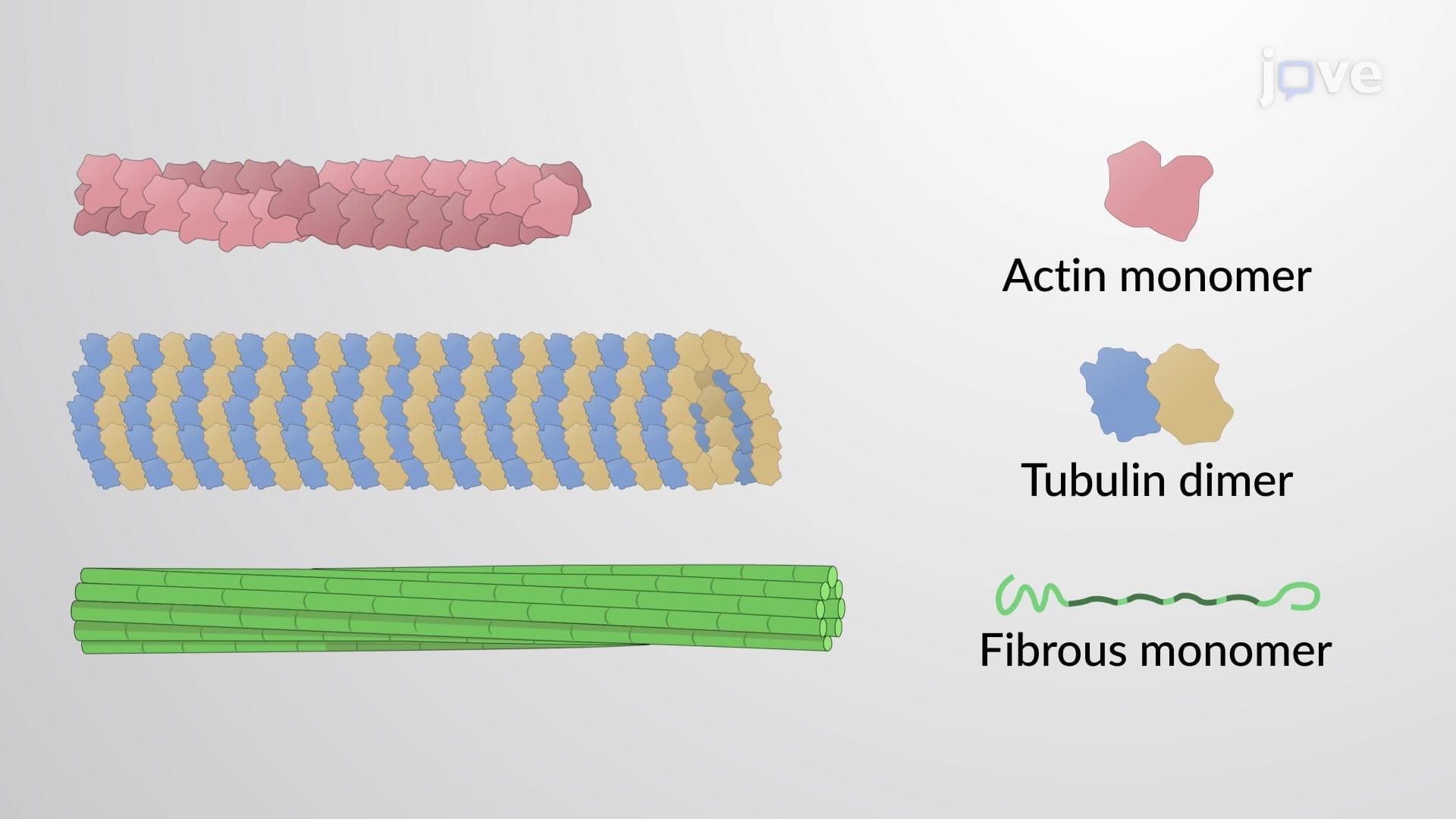
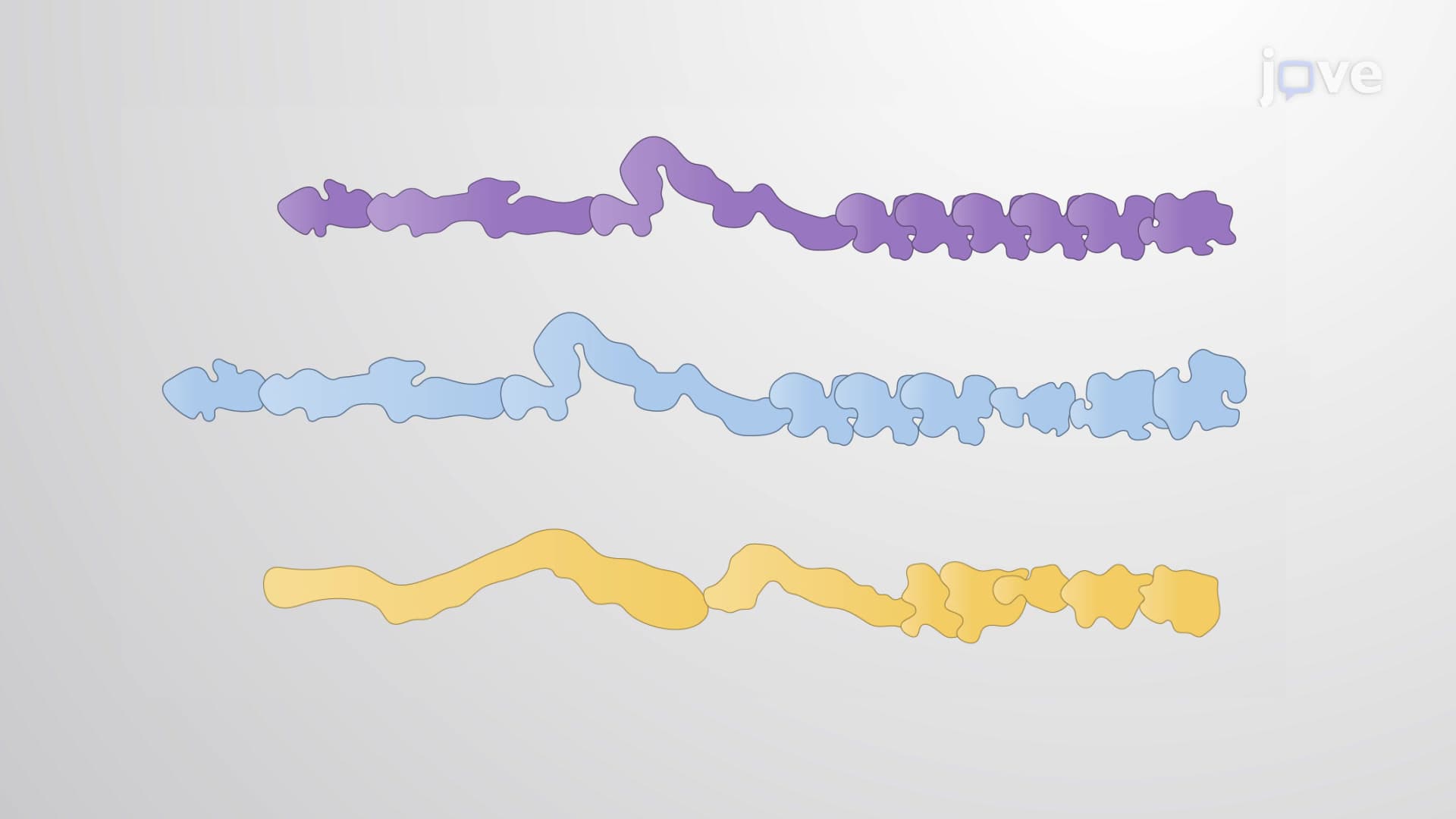
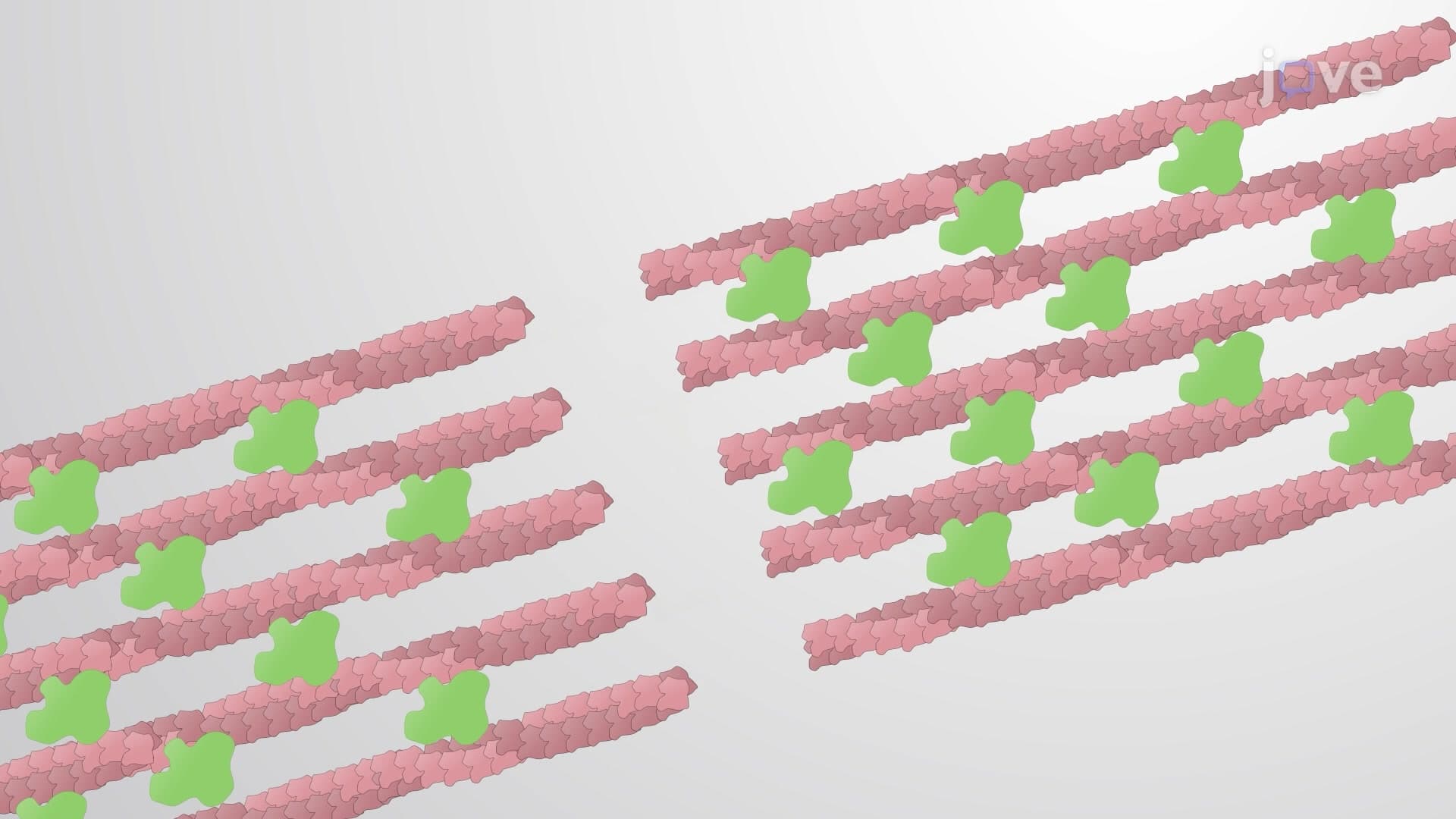
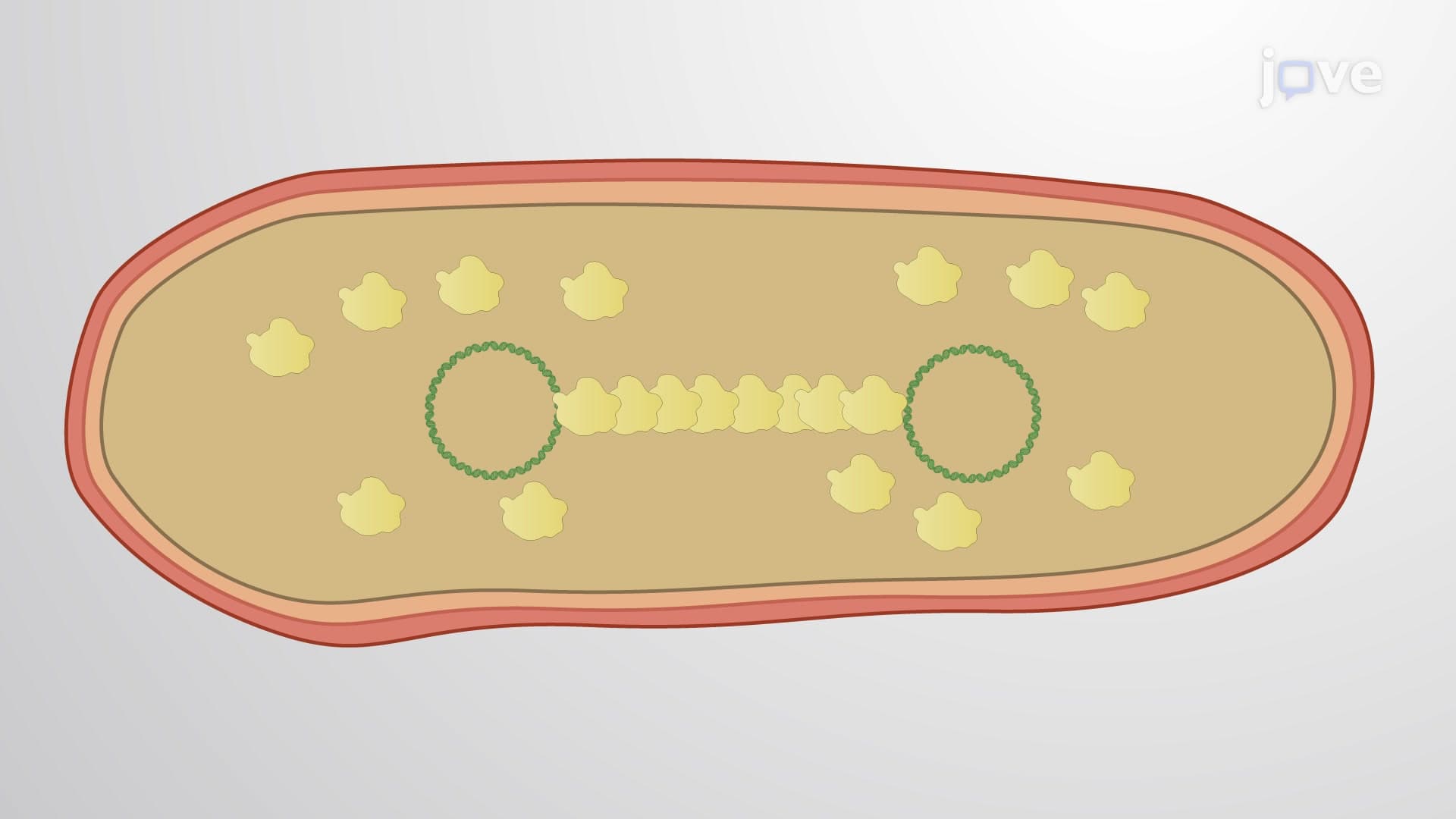
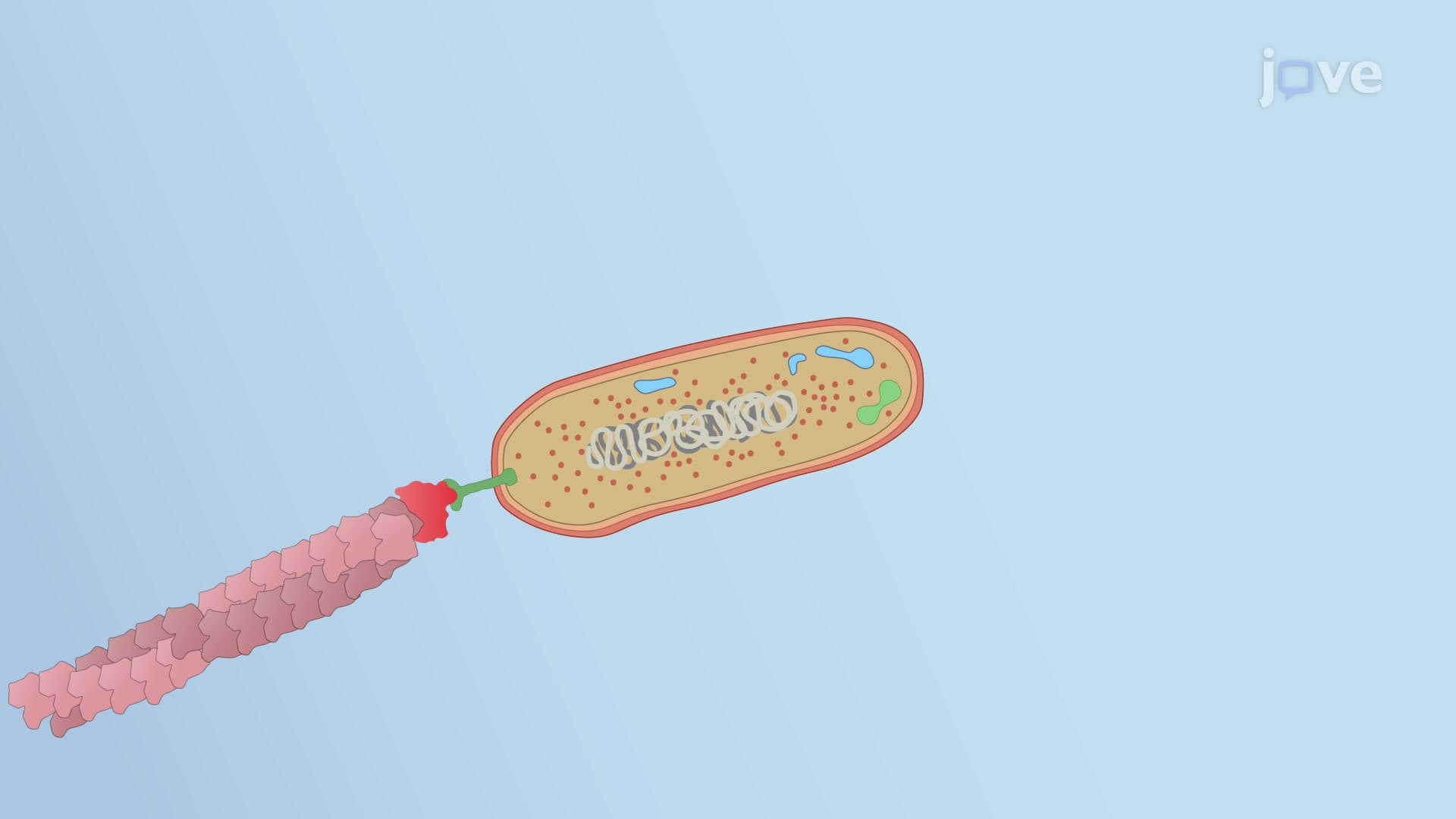
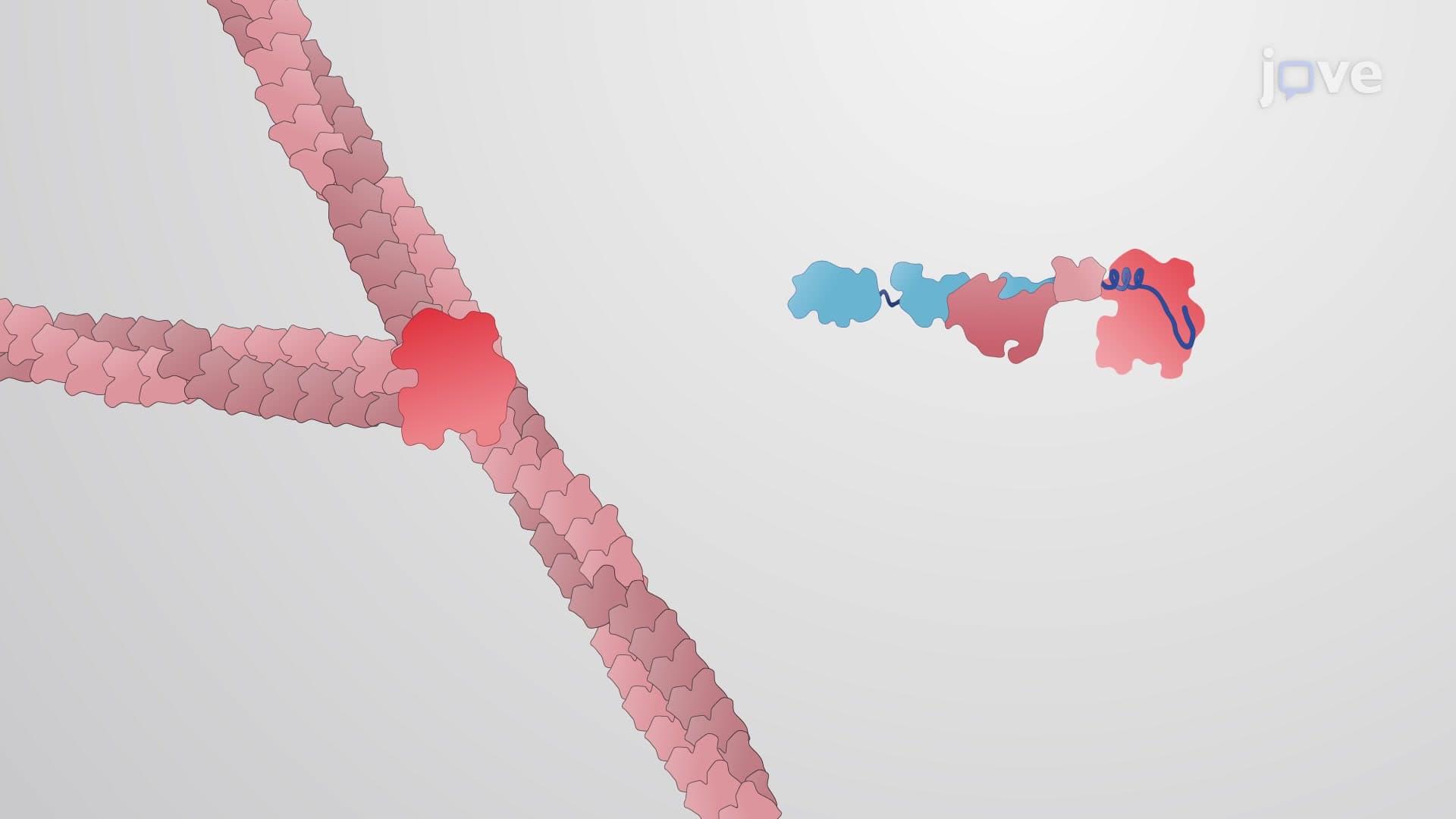
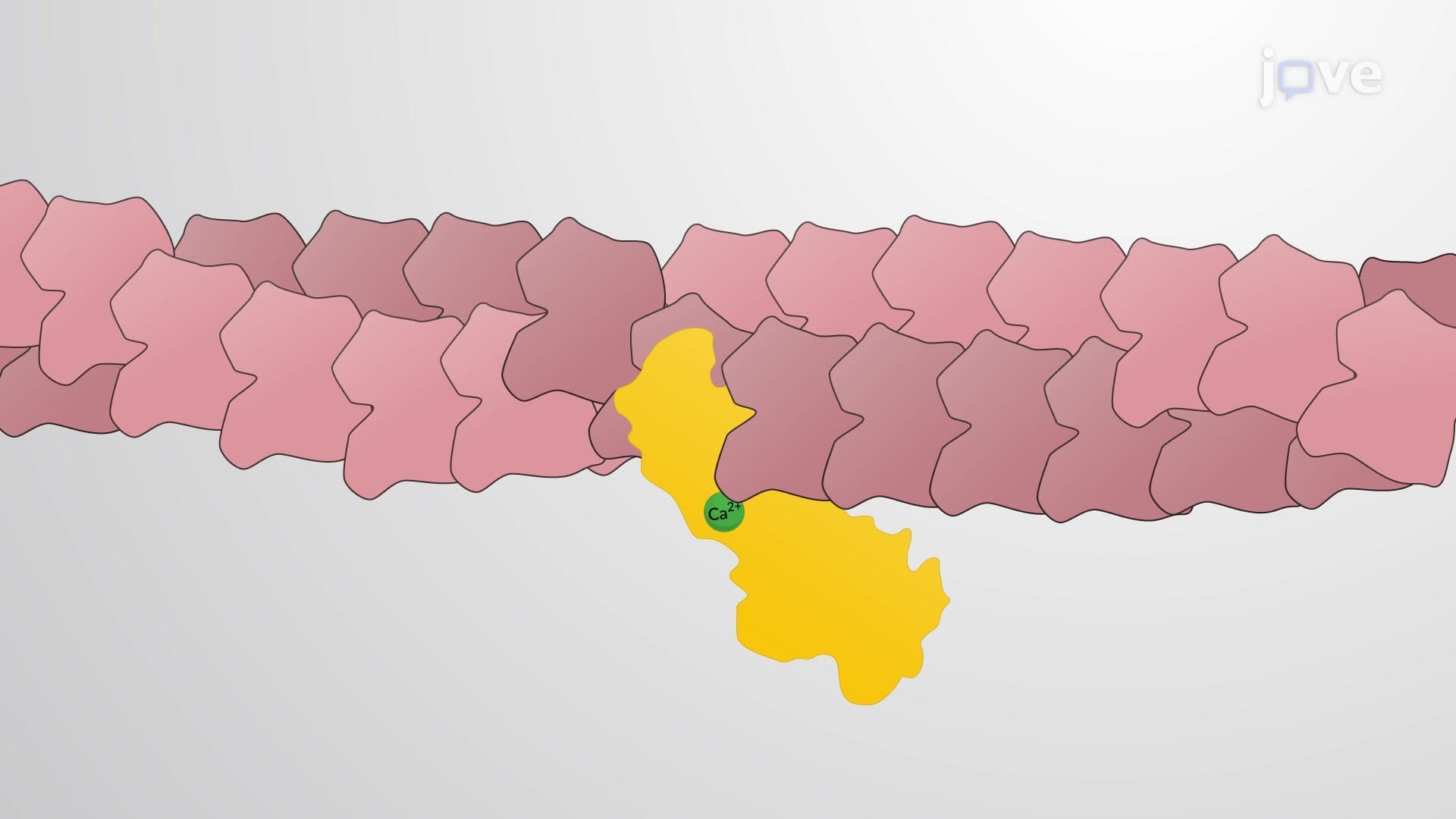
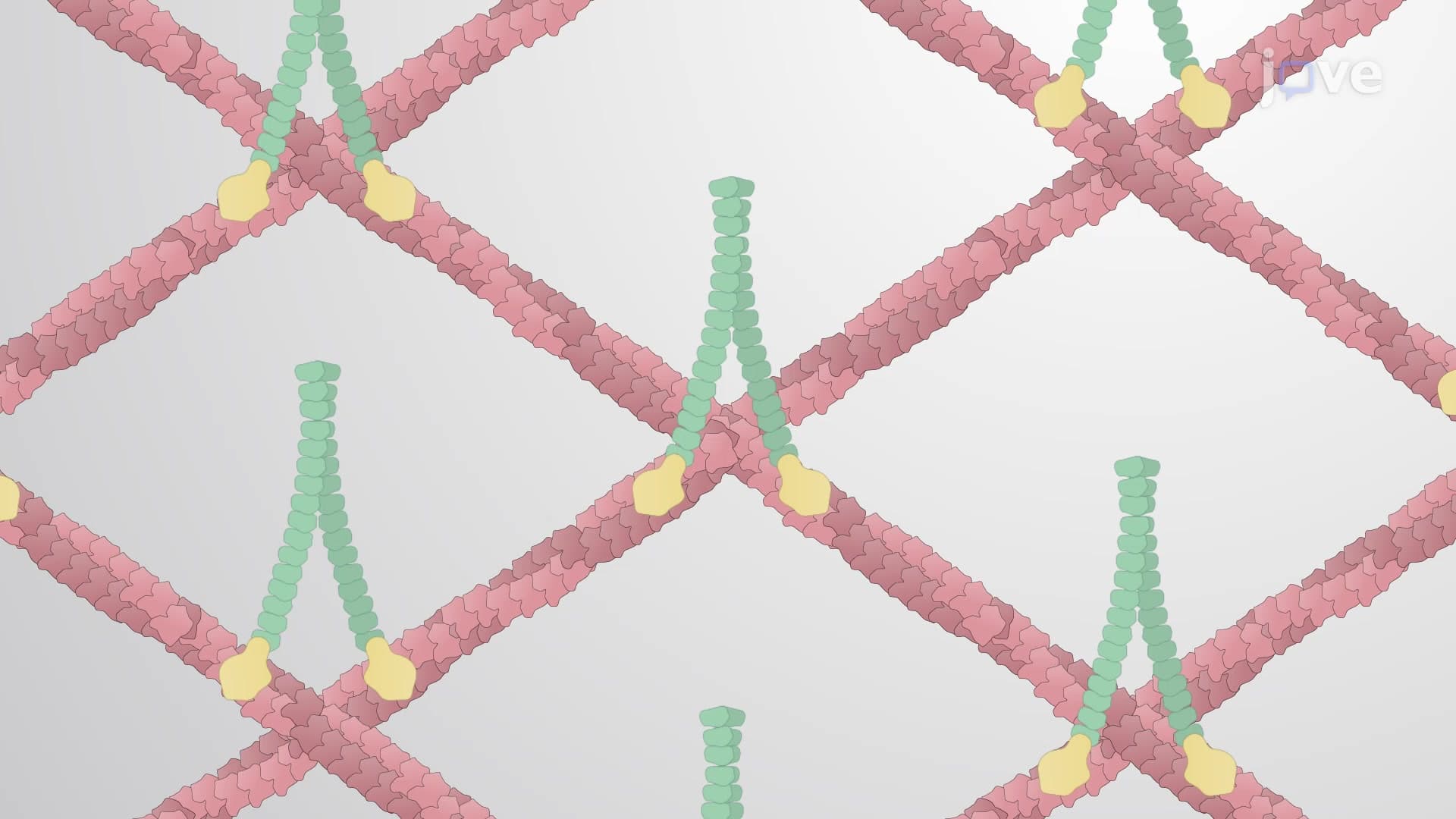
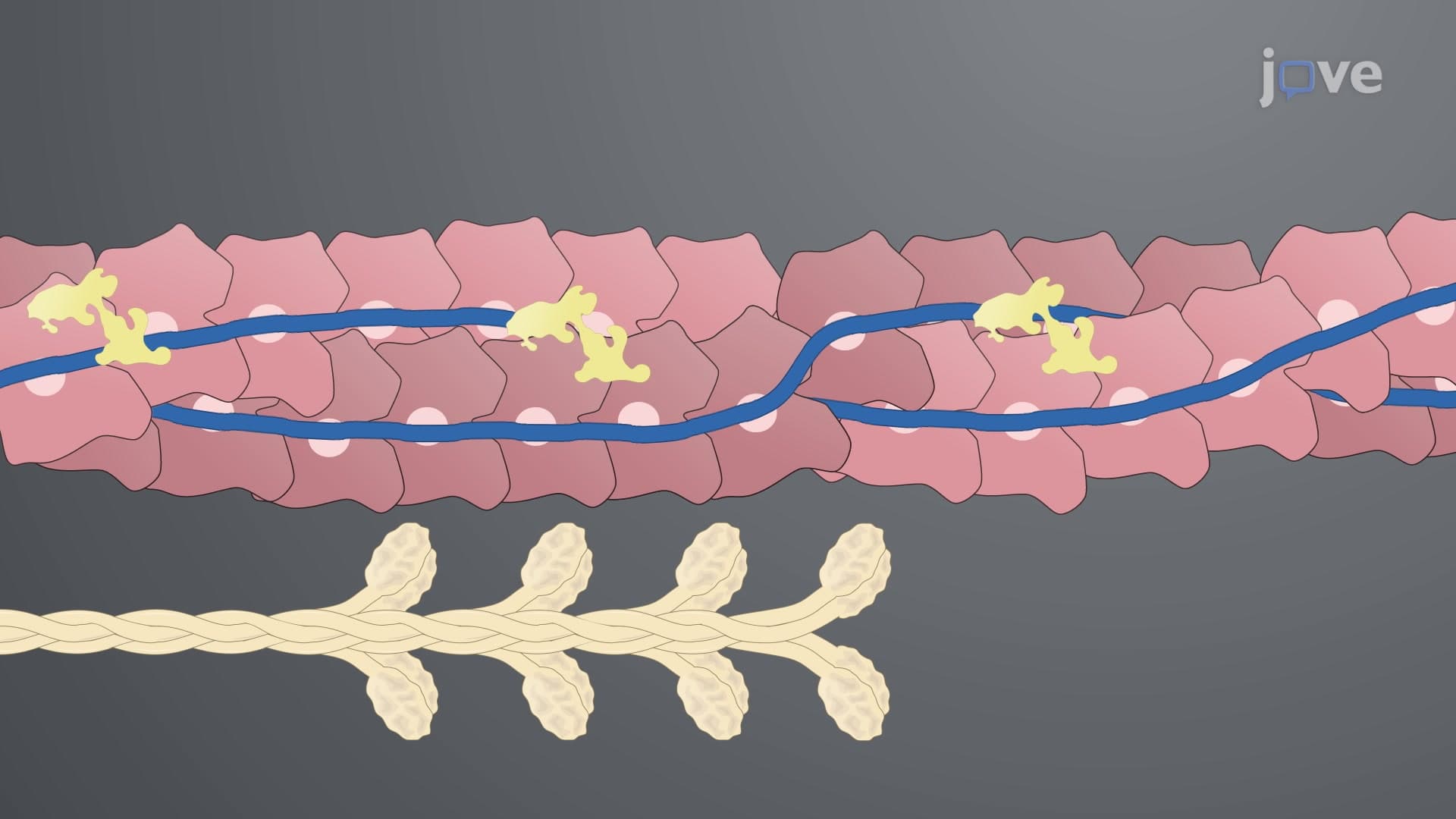
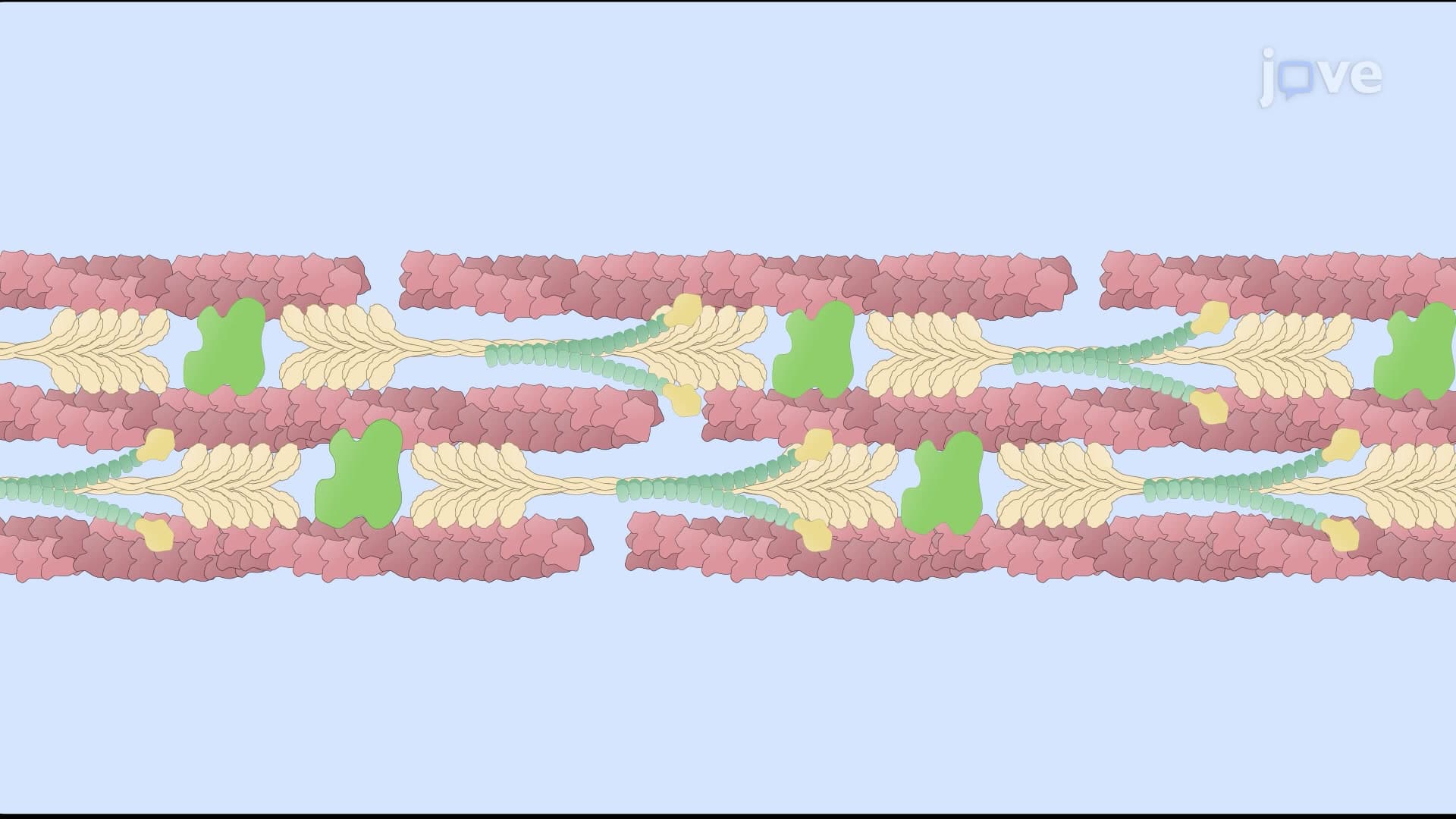
Overview of Myosin Structure and Function


00:00
01:15
Video Summary: Overview of Myosin Structure and Function Explained
Did you know that every heartbeat relies on millions of tiny molecular motors called myosin? This overview of myosin structure and function reveals how these protein machines power muscle contraction in everything from Olympic sprinters to cardiac surgeons performing delicate procedures at Johns Hopkins Hospital. Understanding myosin's dual forms-transport specialist myosin I and muscle powerhouse myosin II-unlocks the secrets behind human movement and cellular cargo delivery. Watch the full video on JoVE Coach to master this concept with expert-led visuals and step-by-step explanations.
- Understand the overview of myosin structure and function by distinguishing between myosin I and myosin II protein families and their specialized roles in cellular processes
- Identify the key structural components of myosin II, including heavy chains, light chains, globular heads, and coiled-coil tails that enable muscle contraction
- Analyze how myosin I functions as a monomeric motor protein for intracellular transport of vesicles and organelles along actin filaments
- Compare the structural differences between essential light chains that stabilize myosin structure and regulatory light chains that control movement
- Evaluate the relationship between myosin's ATPase activity, actin-binding sites, and the molecular mechanism of cross-bridge formation
- Apply knowledge of myosin structure to explain muscle contraction cycles and cellular cargo transport processes
- Recognize how myosin's flexible neck region and coiled-coil organization contribute to its motor function
- Explore the connection between myosin subunit organization and its role in sarcomere-based muscle physiology
Understanding Myosin Structure and Function Fundamentals
The overview of myosin structure and function reveals one of biology's most sophisticated molecular machines. Myosin belongs to a diverse superfamily of motor proteins that convert chemical energy from ATP into mechanical work, powering everything from muscle contraction to intracellular transport. This protein family demonstrates remarkable structural diversity while maintaining core functional principles that make life's movement possible.
Myosin I: The Cellular Transport Specialist
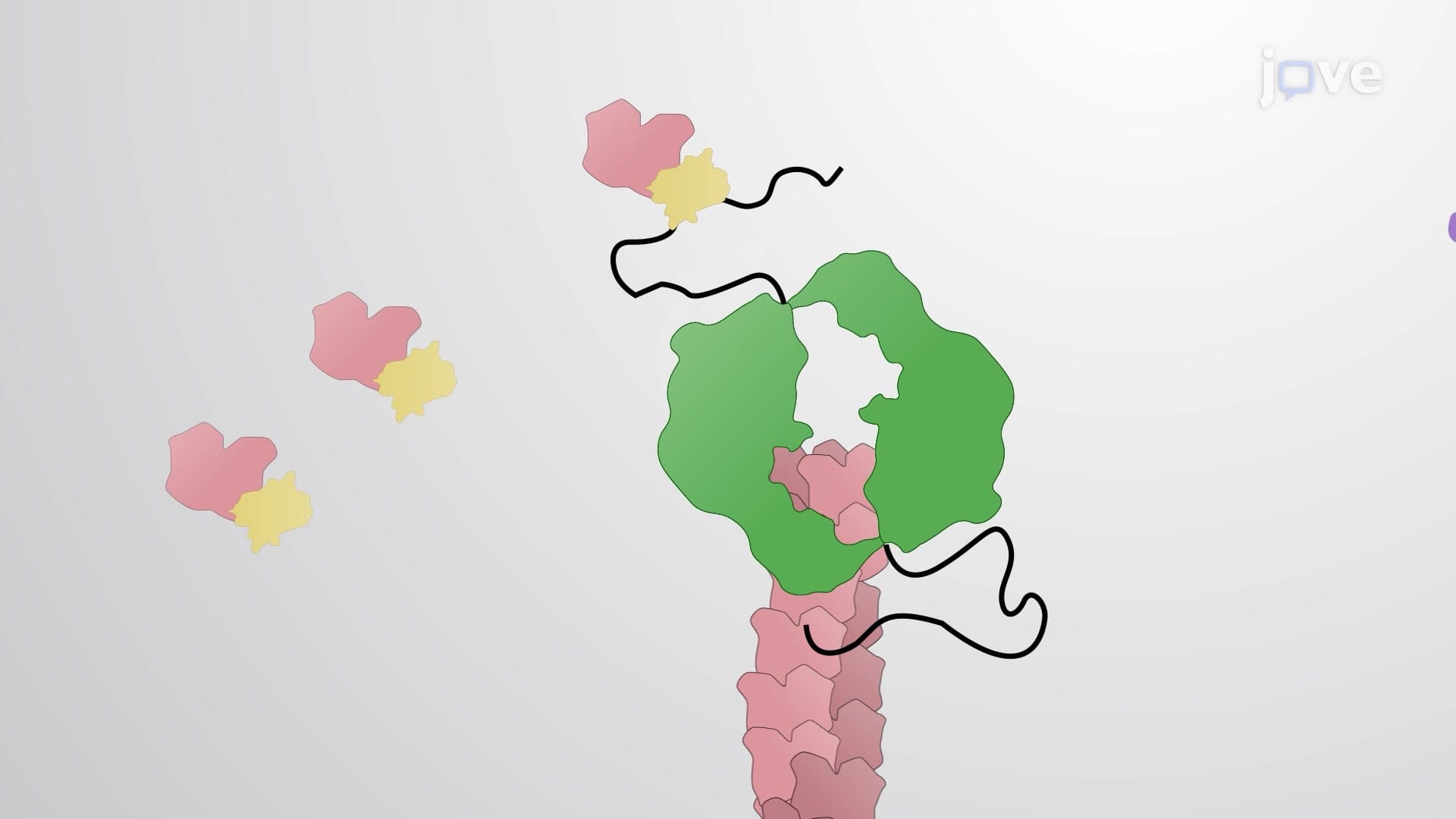
Myosin I represents the simpler branch of the myosin family tree. These monomeric proteins feature a compact design with a globular head domain connected to a relatively short tail region. The head contains both the ATP-binding site for energy conversion and the actin-binding domain for attachment to cytoskeletal filaments. The tail region serves as a cargo platform, binding vesicles, organelles, and other cellular components that need transport along actin highways within cells. This design makes myosin I essential for processes like endocytosis, where cells engulf external materials, and organelle positioning during cell division.
Myosin II: The Muscle Contraction Powerhouse
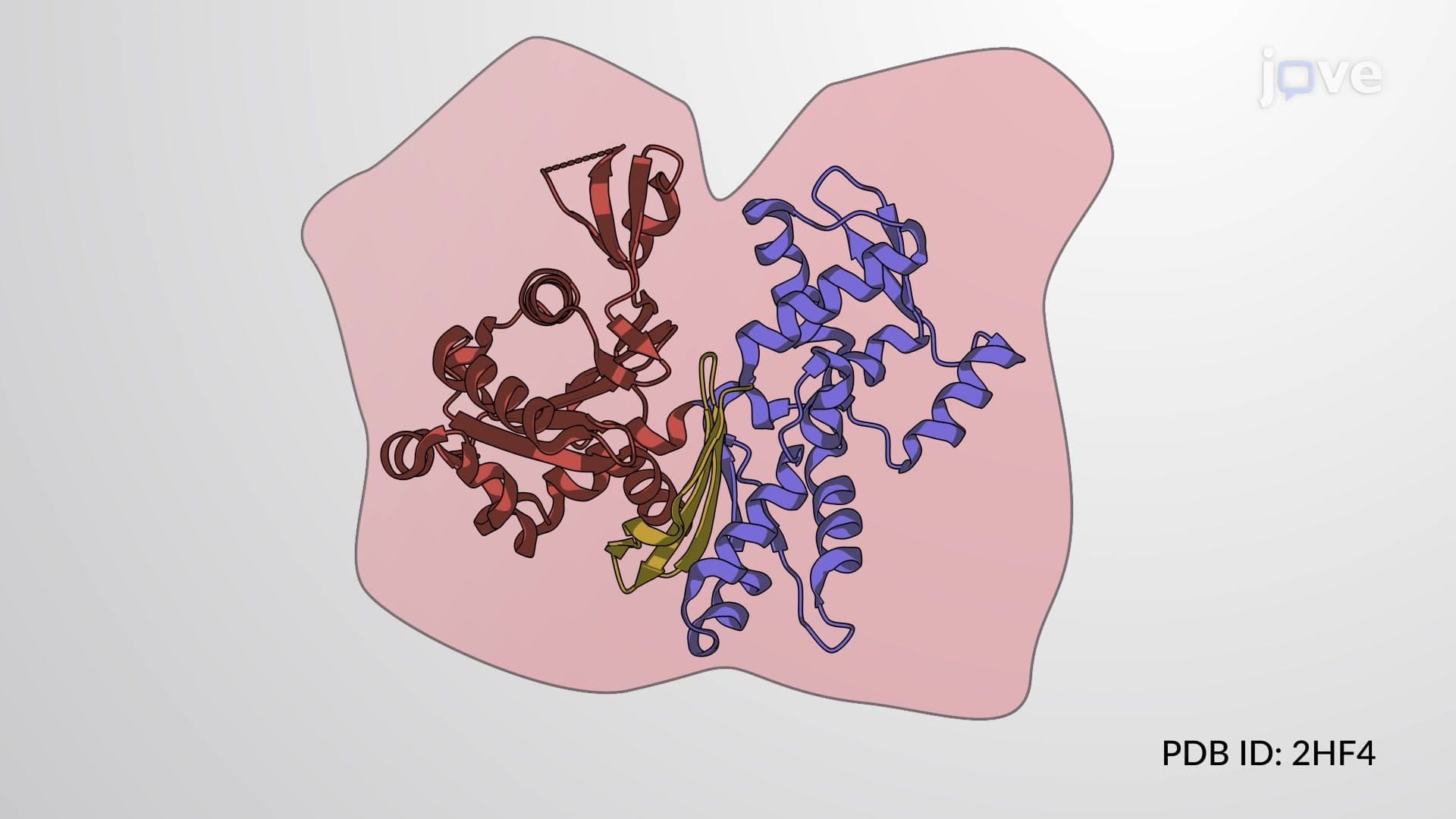
Myosin II showcases dramatically increased complexity compared to its monomeric cousin. This dimeric protein consists of six distinct polypeptide chains working in concert: two identical heavy chains forming the protein's backbone, plus two pairs of light chains (essential and regulatory) that fine-tune function. The heavy chains each contribute a globular head domain packed with ATPase machinery and actin-binding sites, connected via flexible neck regions to an extended α-helical tail that forms a coiled-coil structure. This organization allows multiple myosin II molecules to bundle together into thick filaments within muscle sarcomeres.
Clinical and Academic Relevance
Understanding myosin structure proves crucial for students preparing for the MCAT, where questions frequently test knowledge of muscle physiology and cellular transport mechanisms. AP Biology students encounter myosin when studying cell structure and function, while college biochemistry courses delve deeper into the protein's enzymatic properties. Clinically, myosin dysfunction underlies serious conditions like hypertrophic cardiomyopathy, where mutations in cardiac myosin cause heart muscle thickening, affecting thousands of Americans annually and requiring treatment at specialized centers like the Mayo Clinic.
Frequently Asked Questions
Myosin is a family of motor proteins that converts ATP energy into mechanical movement, with two main types: myosin I for cellular transport and myosin II for muscle contraction. Both share globular head domains with ATPase activity and actin-binding sites, but differ in their tail structures and cellular roles. Understanding their structure-function relationships is essential for grasping how cells move materials and how muscles generate force.
The MCAT frequently tests myosin within muscle physiology passages, focusing on the sliding filament model and cross-bridge cycling mechanisms. AP Biology emphasizes myosin's role in cellular transport and cytoskeletal organization, often appearing in questions about cell structure and function. Students should know the basic structural differences between myosin I and II, plus their respective functions in transport versus contraction.
College biochemistry exams typically focus on myosin's ATPase mechanism, conformational changes during the power stroke, and regulatory light chain functions. Students often encounter questions about the relationship between myosin structure and its motor activity, including how ATP binding and hydrolysis drive conformational changes. The coiled-coil structure and its role in thick filament assembly is another common topic.
USMLE Step 1 questions often integrate myosin knowledge with pathophysiology, particularly in cardiovascular and musculoskeletal contexts. Understanding myosin structure helps explain conditions like muscular dystrophies and cardiomyopathies that affect millions of Americans. The exam may test how genetic mutations in myosin genes lead to specific disease phenotypes and treatment approaches.
Cardiologists at institutions like Cleveland Clinic regularly encounter patients with hypertrophic cardiomyopathy caused by myosin mutations, affecting heart muscle function and potentially causing sudden cardiac death in young athletes. Physical therapists work with patients who have myosin-related muscle disorders, designing rehabilitation programs that work within the constraints of altered muscle contraction mechanisms. Research hospitals study myosin-based therapies for heart failure and muscular diseases.
Myosin structure is definitely approachable for motivated high school students, especially when broken down into manageable components. Starting with the basic concept of motor proteins and gradually building up to the specific structural features makes the topic accessible. The key is focusing on the structure-function relationship rather than memorizing every molecular detail, which helps students see the logical design principles behind this important protein family.
Create visual diagrams comparing myosin I and II structures side-by-side, labeling key domains and their functions. Practice drawing the myosin II power stroke cycle, showing how ATP binding, hydrolysis, and release drive conformational changes that produce movement. Focus on understanding how structural differences between myosin types relate to their different cellular roles, as this connection frequently appears on exams.
Students should explore other motor proteins like kinesin and dynein to understand how different molecular machines handle various cellular transport tasks. The broader topic of muscle physiology, including calcium regulation and the sliding filament model, builds naturally on myosin knowledge. Advanced students might investigate myosin's evolutionary relationships and how different myosin isoforms are specialized for specific muscle types like cardiac versus skeletal muscle.
Related Micro-courses
11 Concepts
6 Concepts