Loading video…


 18 Concepts
 162.9K views

Video Summary: What are Adaptability of Cytoskeletal Filaments
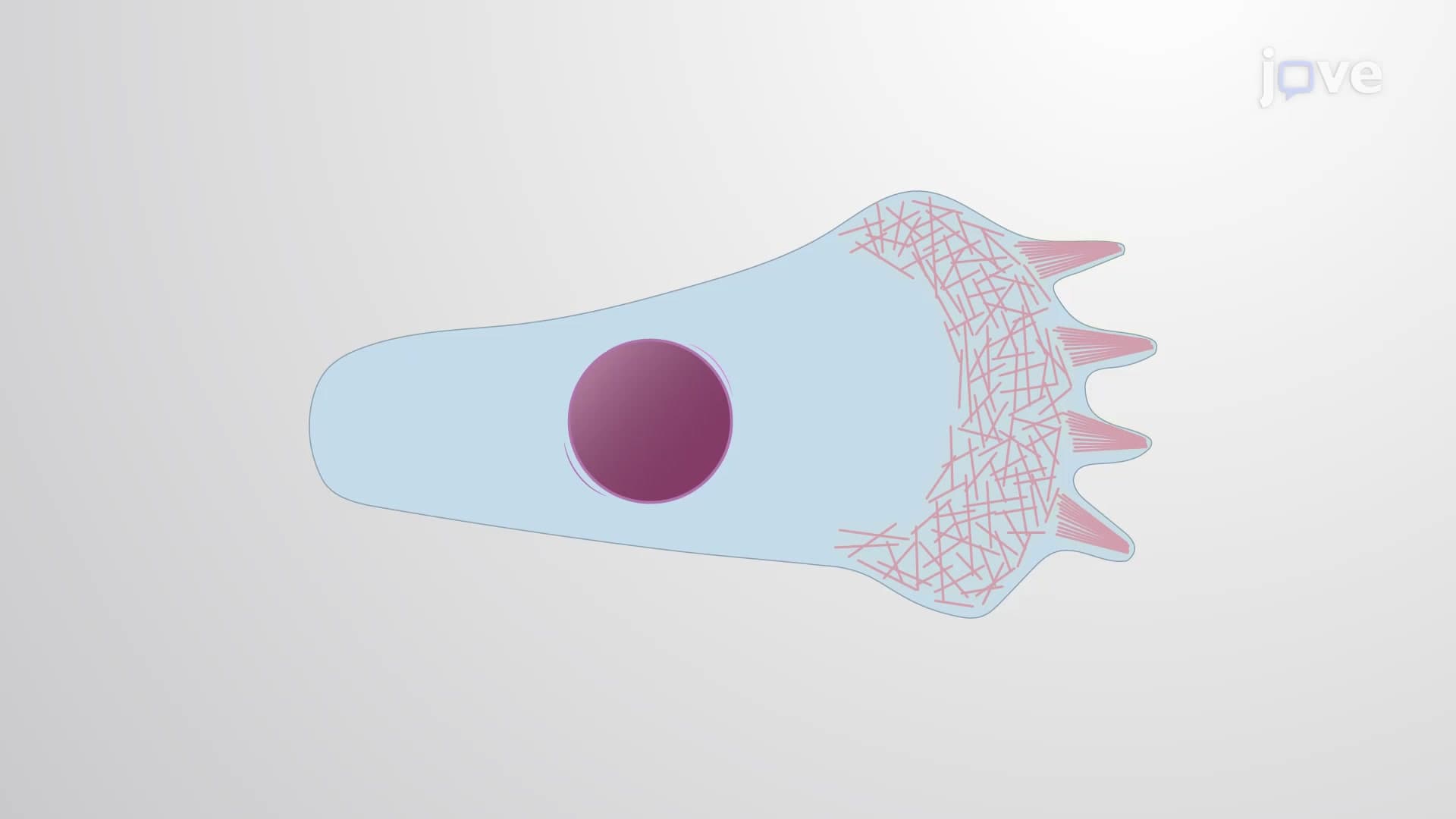
Ever wonder how a white blood cell can squeeze through tiny capillaries during immune responses? The adaptability of cytoskeletal filaments enables cells to dramatically change shape, move through tissues, and divide-essential processes that keep us alive. From muscle contractions in your heart to wound healing after a paper cut, these cellular structures constantly reorganize to meet physiological demands. Watch the full video on JoVE Coach to master this concept with expert-led visuals and step-by-step explanations.
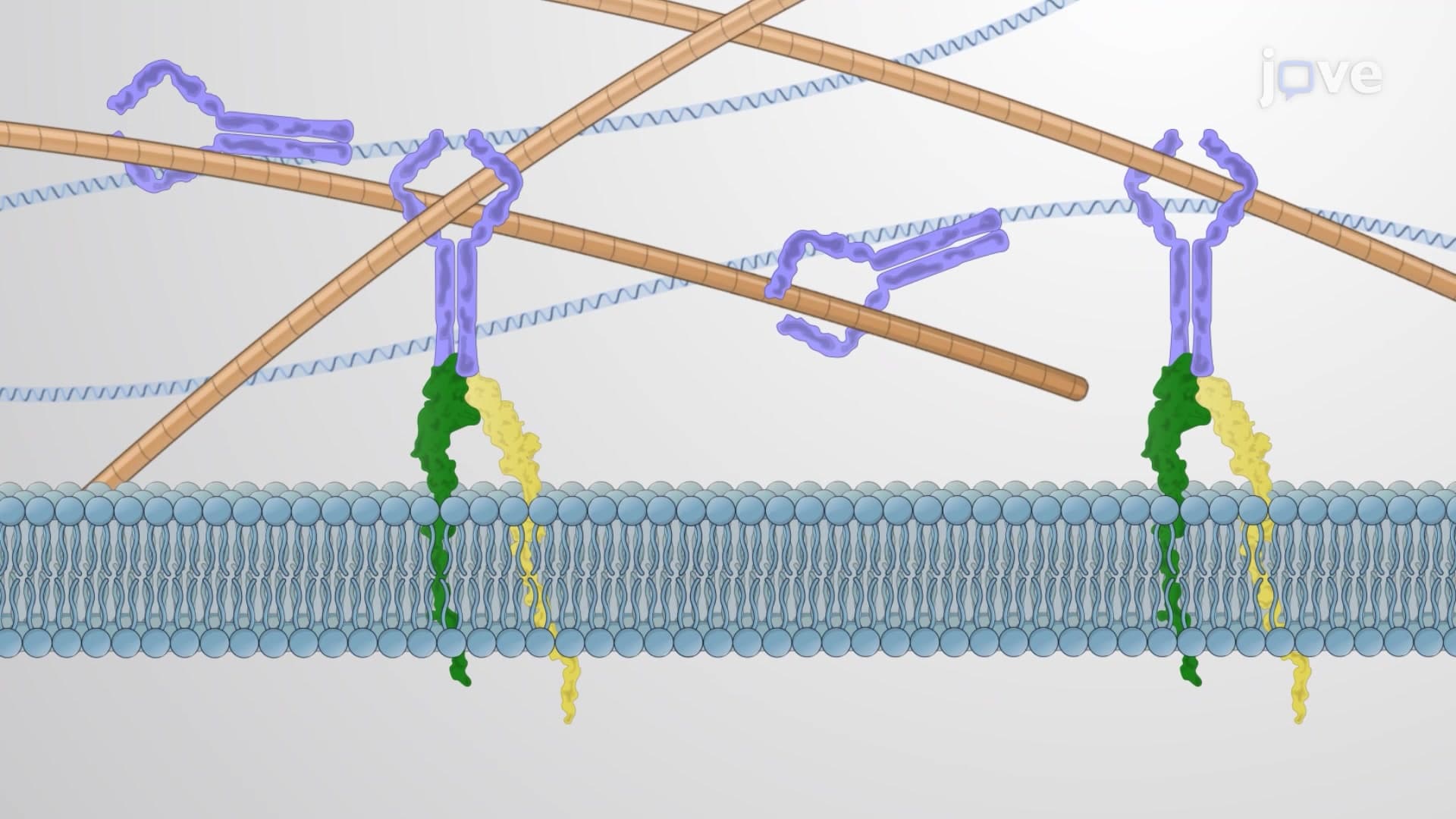
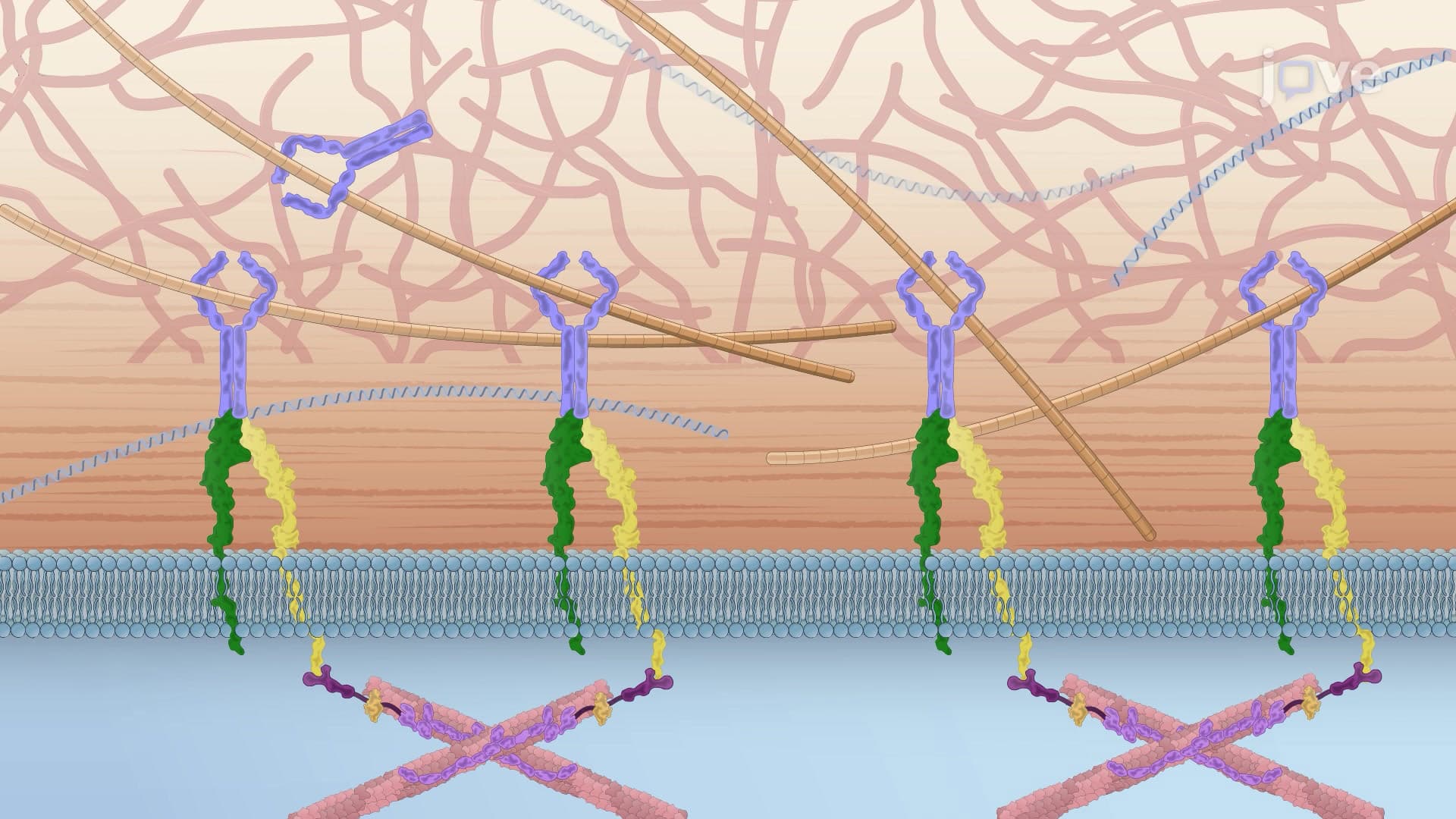
The adaptability of cytoskeletal filaments represents one of biology's most elegant solutions to cellular versatility. These protein networks must simultaneously provide structural integrity while allowing rapid reorganization-like a building that can instantly reconfigure its framework while remaining structurally sound. This adaptability distinguishes living cells from static structures and enables the complex behaviors essential for multicellular life.
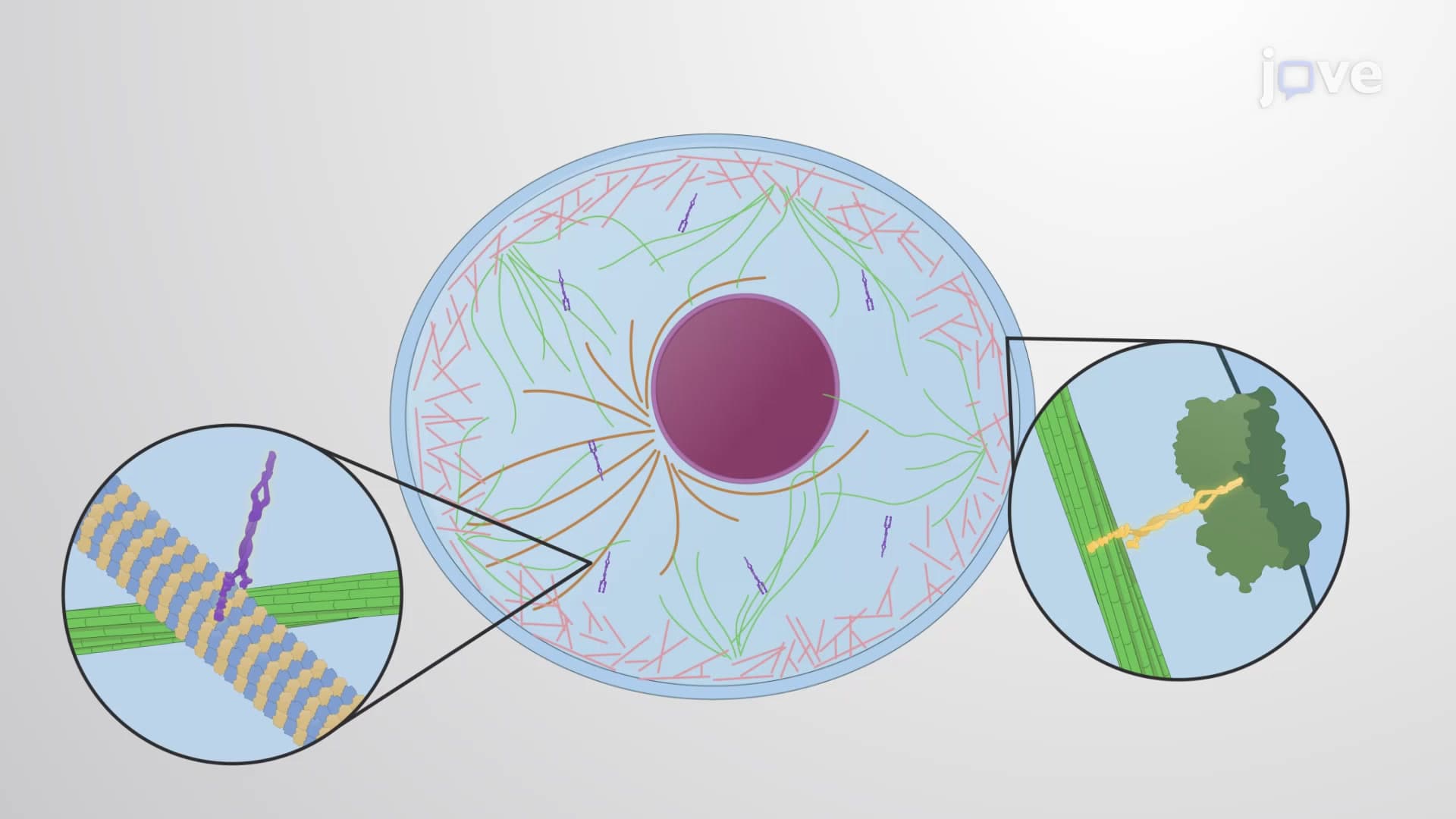
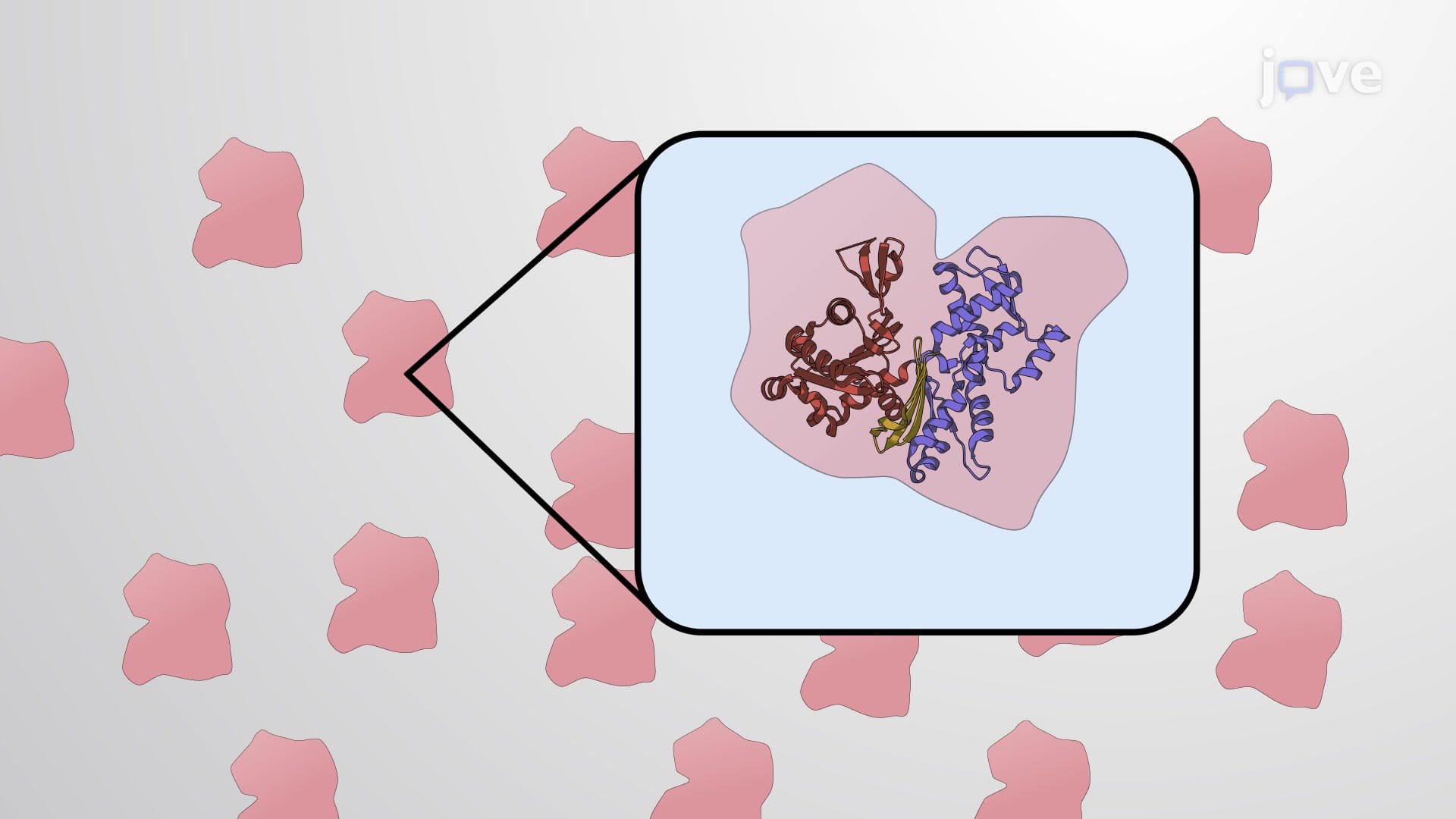
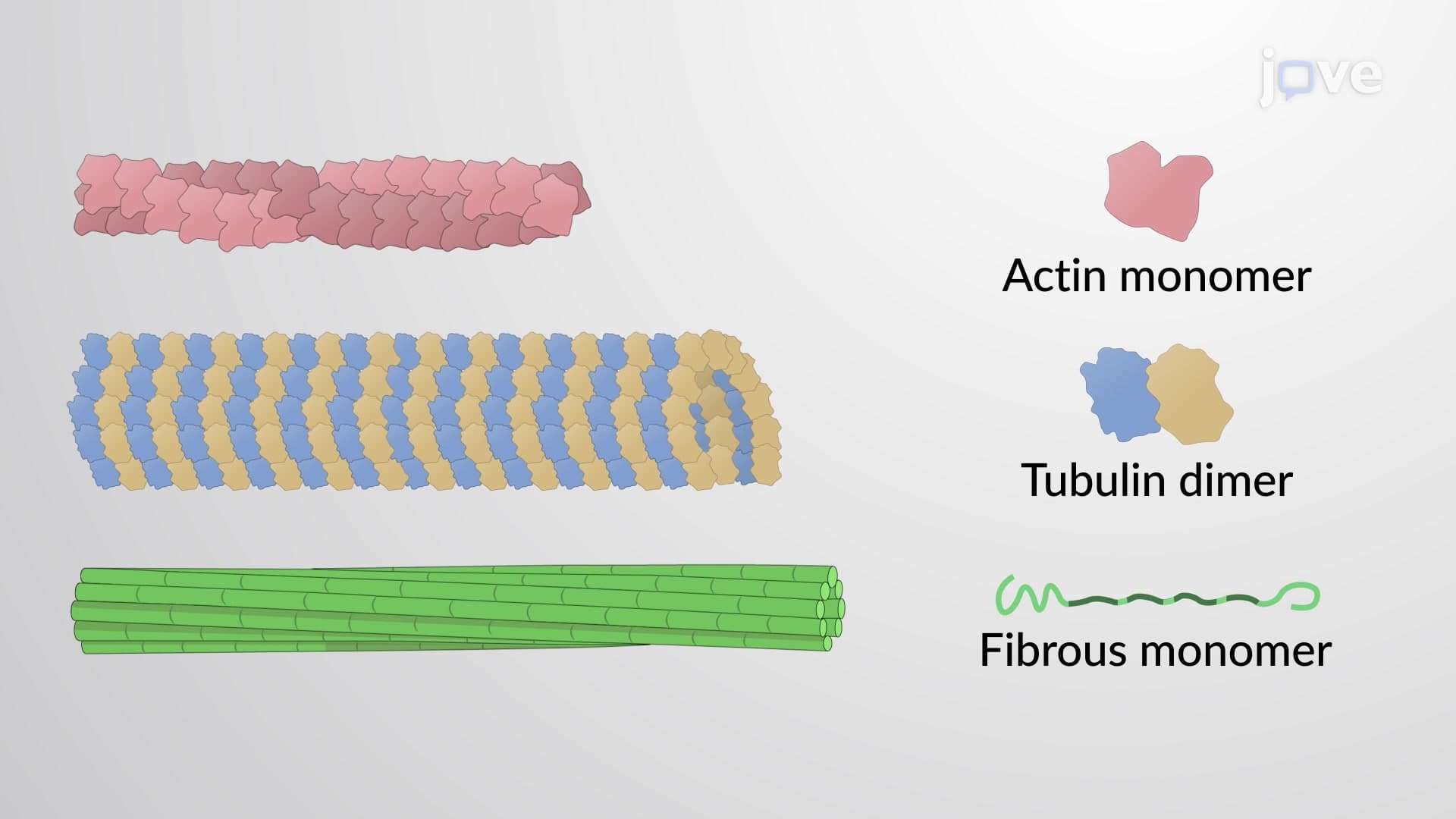
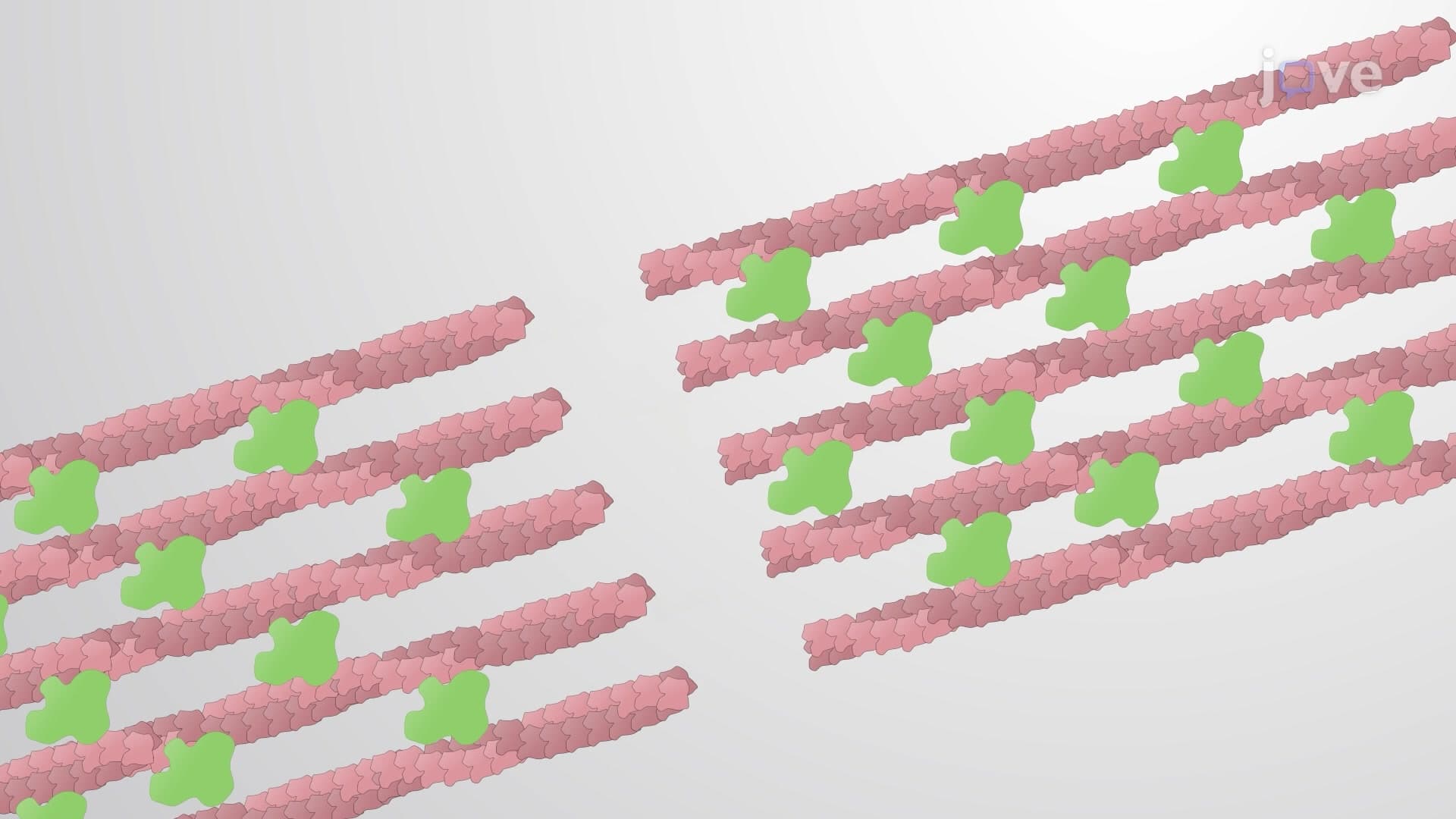
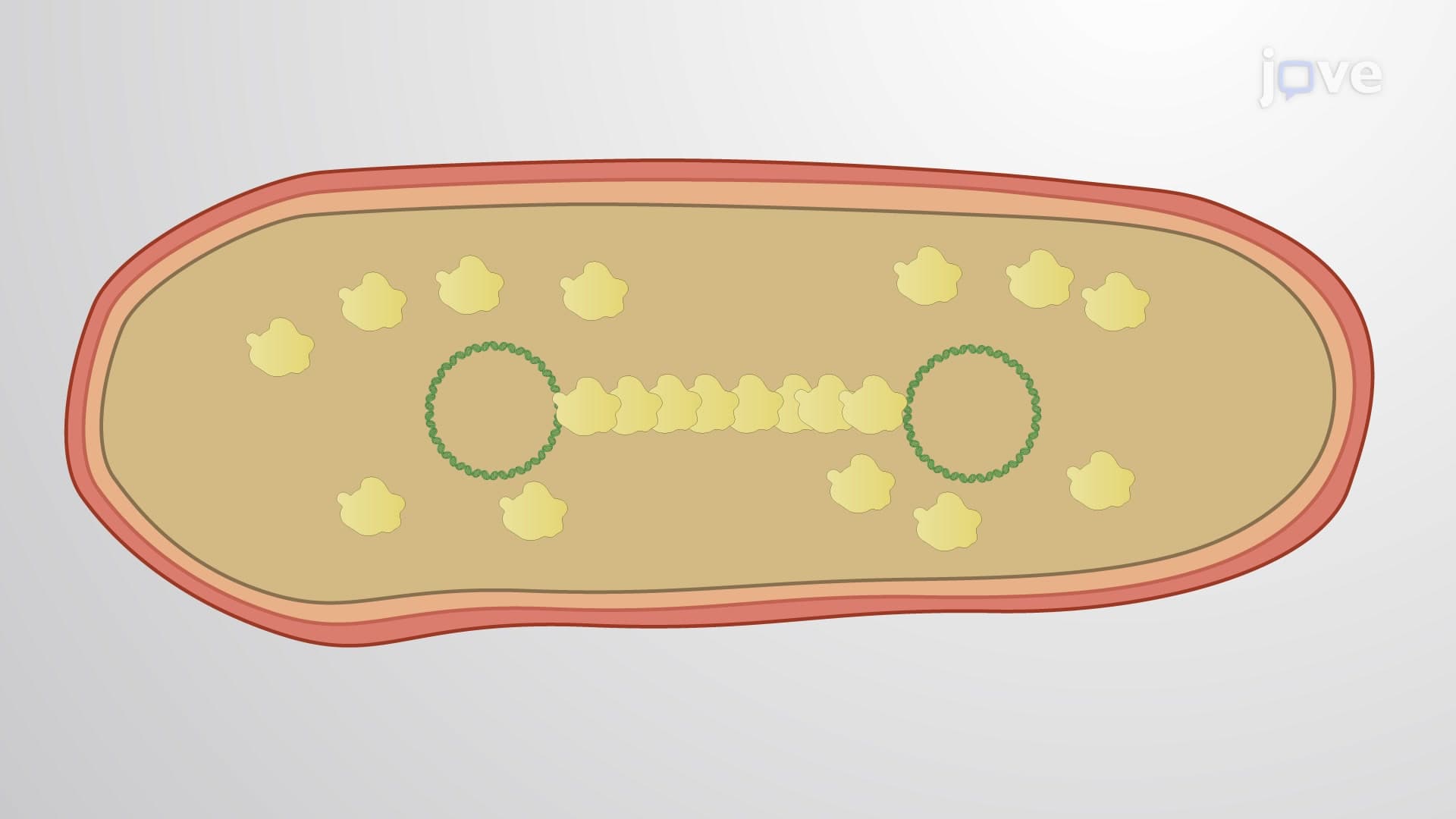
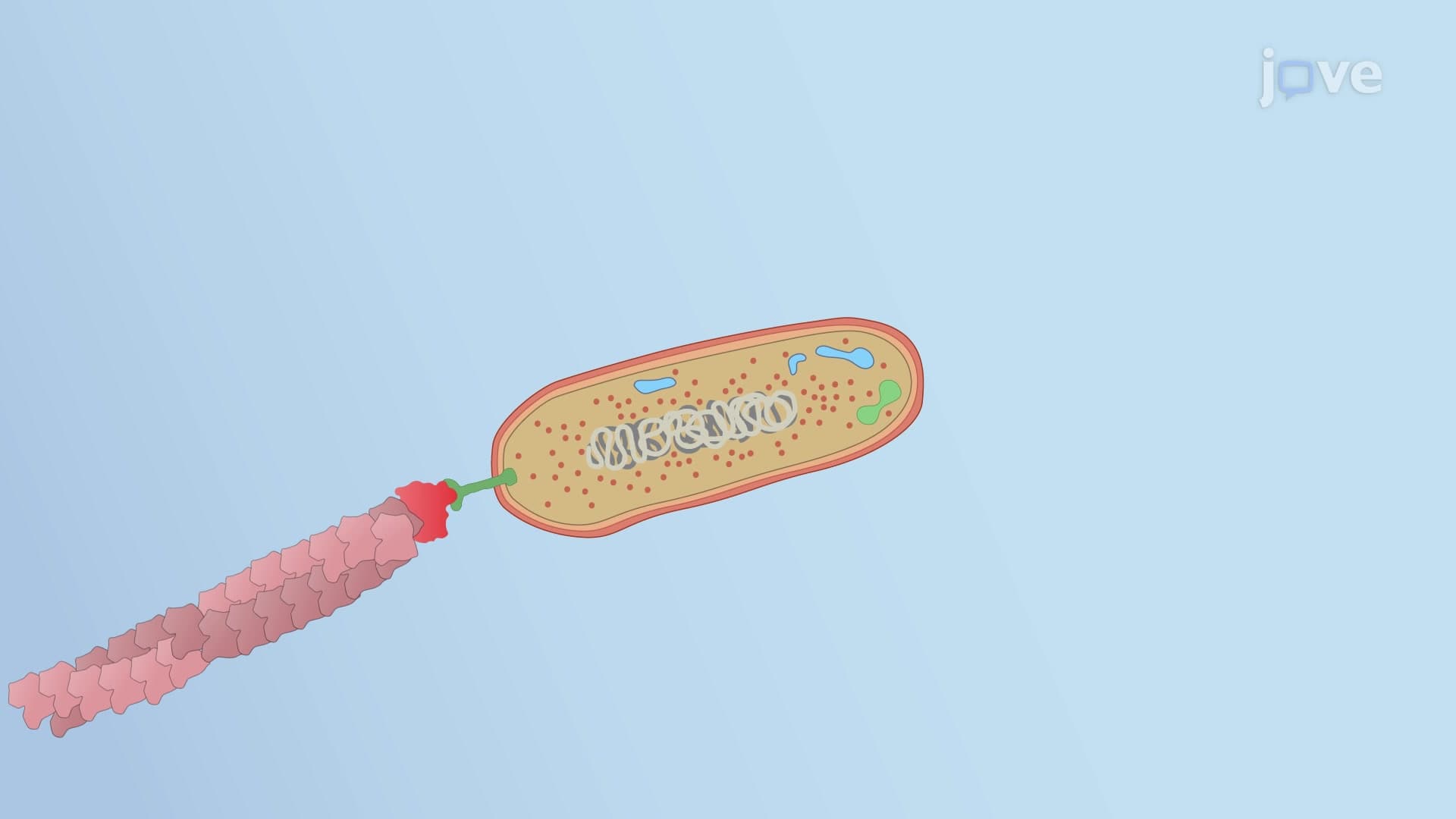
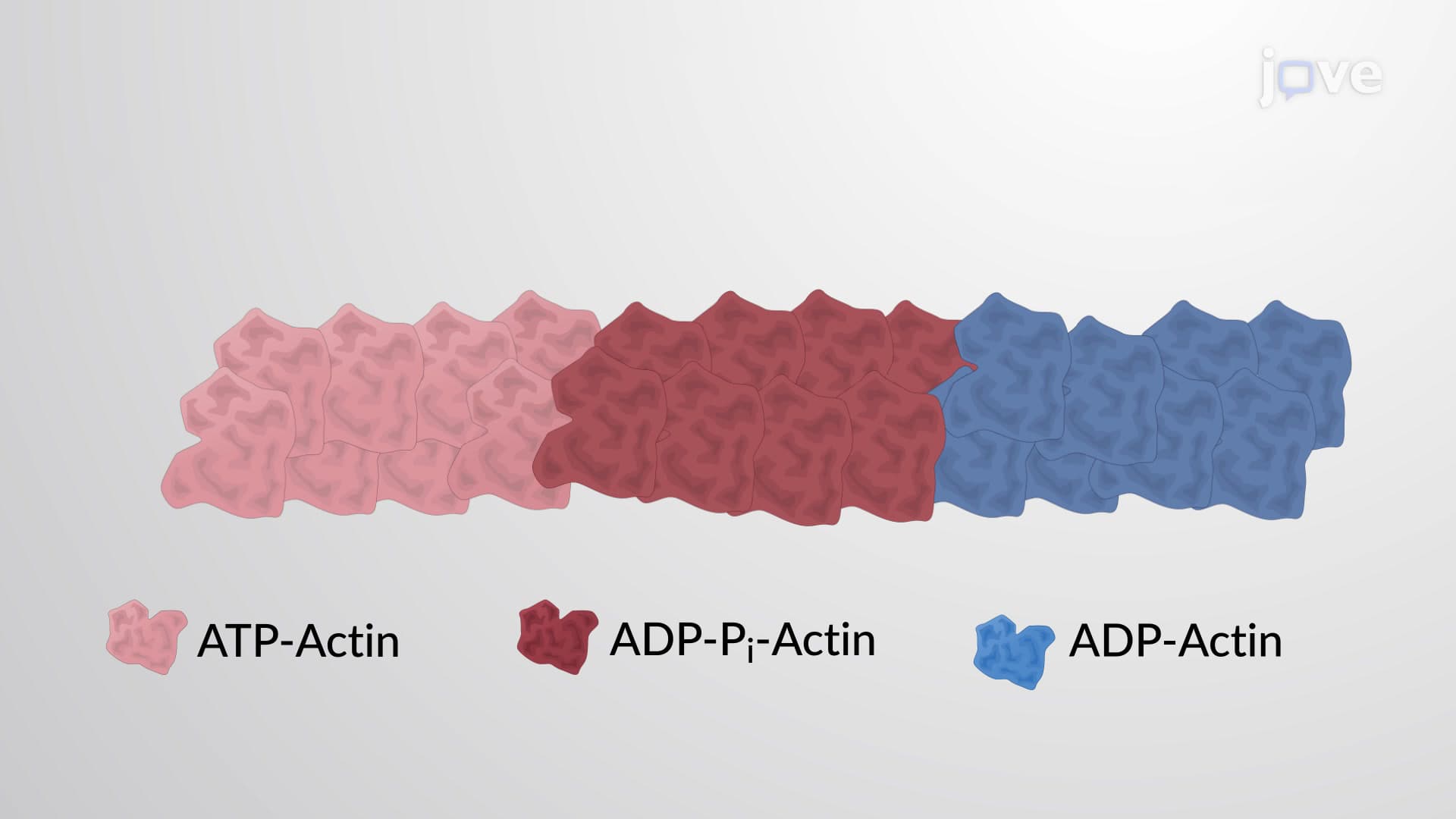
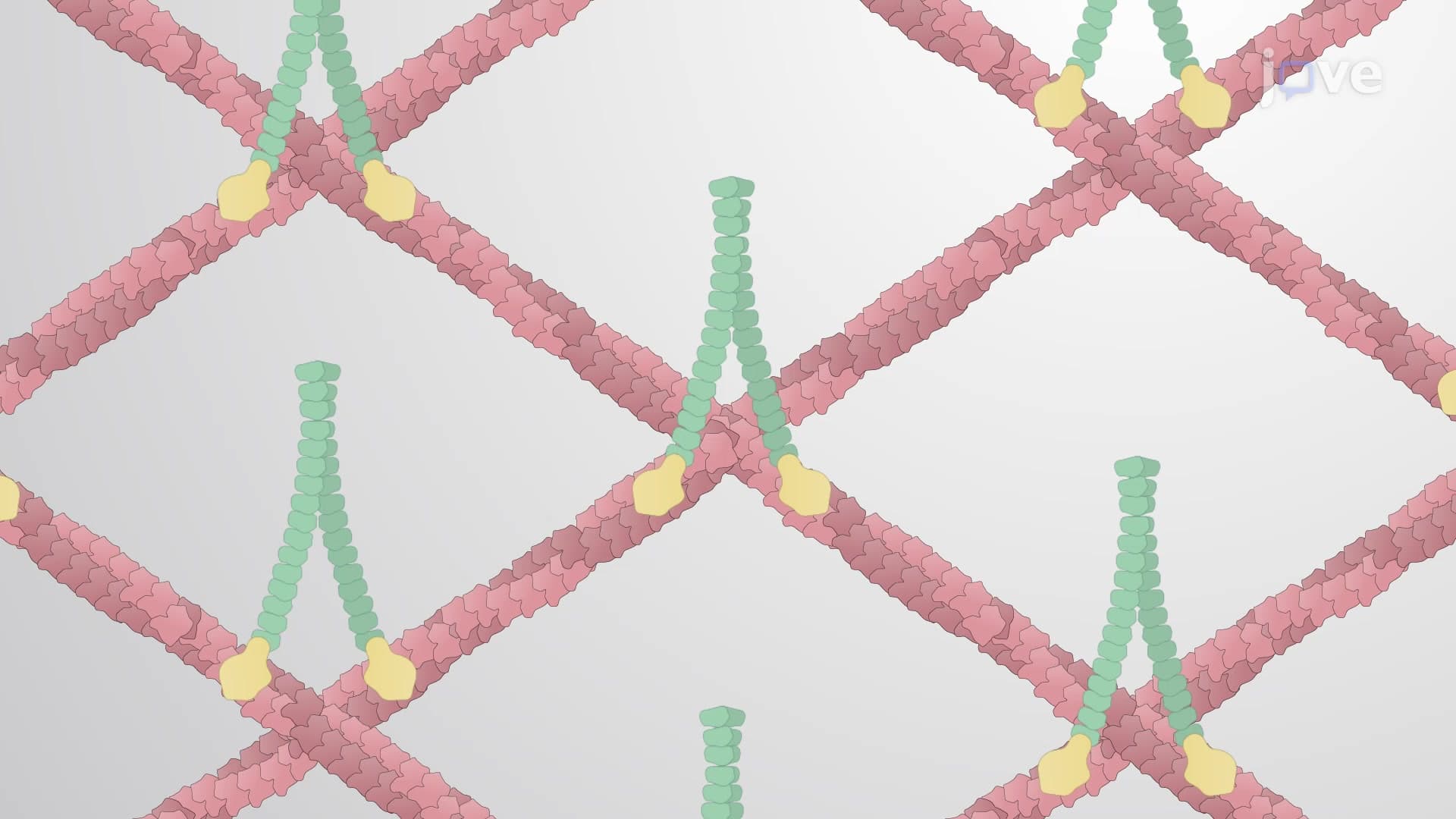
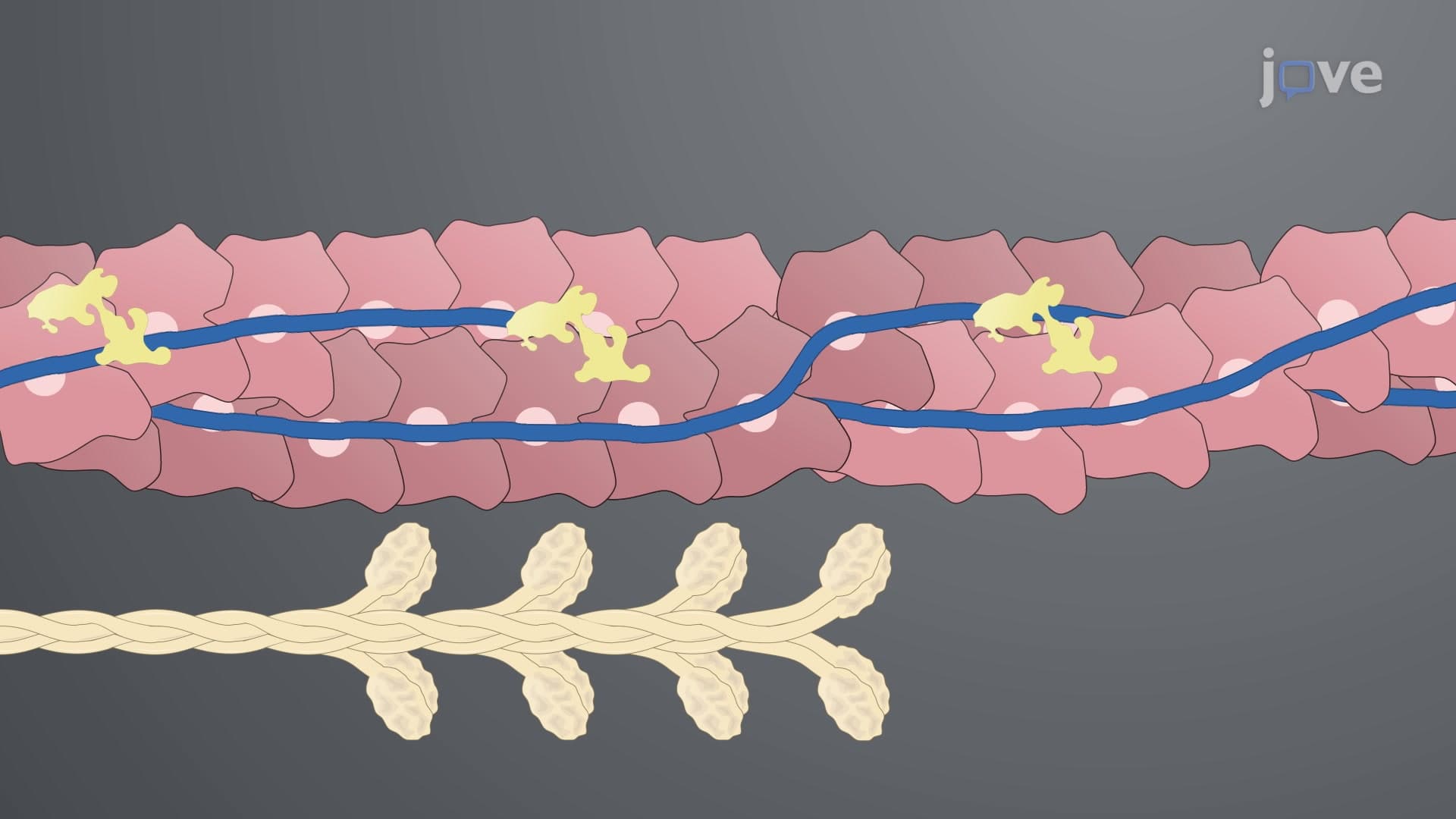
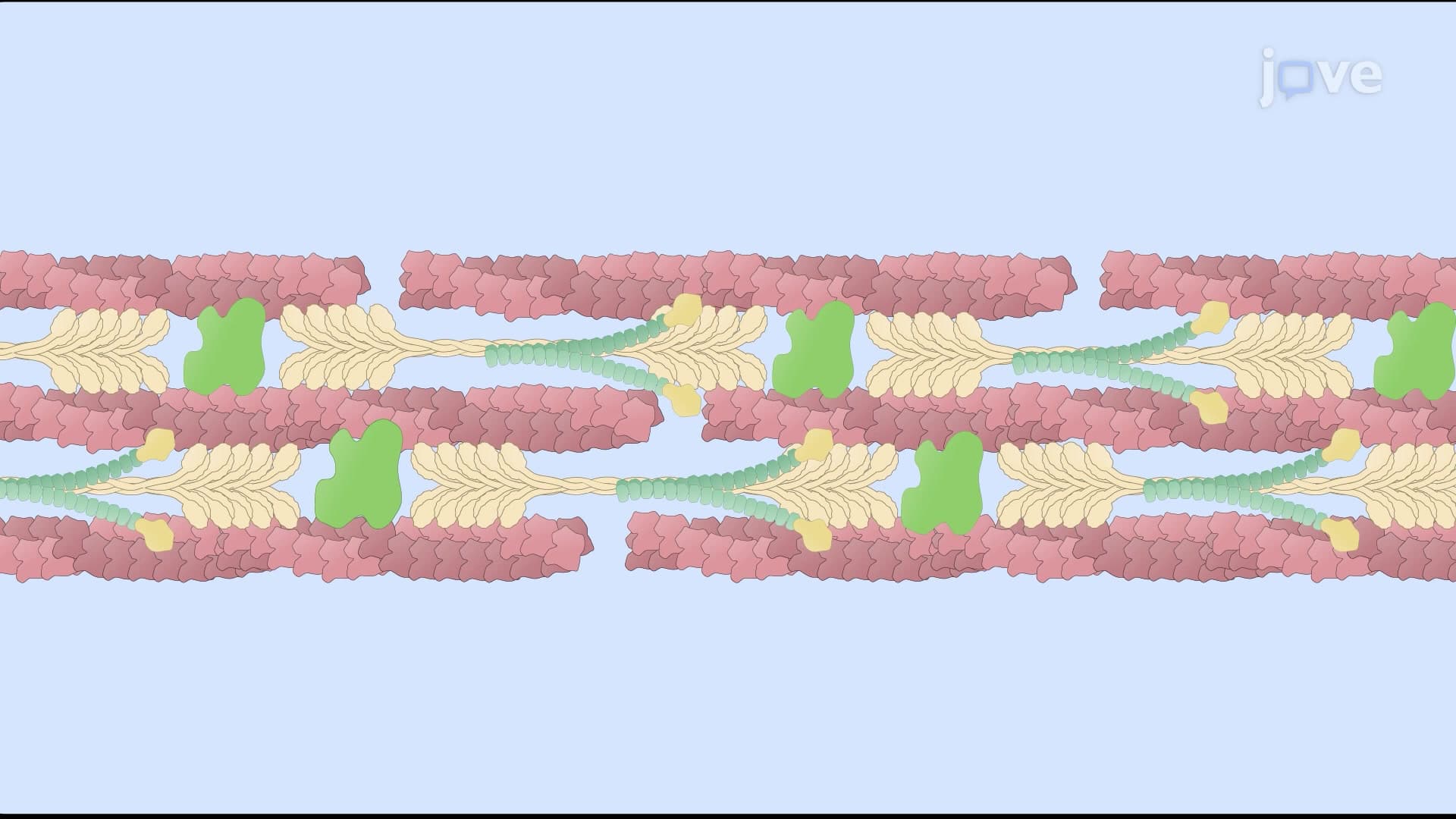
Cytoskeletal adaptability manifests differently across the three major filament types. Microfilaments (actin filaments) and microtubules exhibit dynamic instability-constantly growing and shrinking through polymerization and depolymerization. This dynamic nature enables rapid cellular responses, such as the formation of pseudopodia during white blood cell migration or the dramatic reorganization during muscle contraction.
In contrast, intermediate filaments provide static mechanical support, forming stable networks that resist cellular stress. Think of them as the cell's permanent scaffolding, while dynamic filaments function like adjustable construction equipment. This division of labor allows cells to maintain structural integrity while adapting to changing conditions.
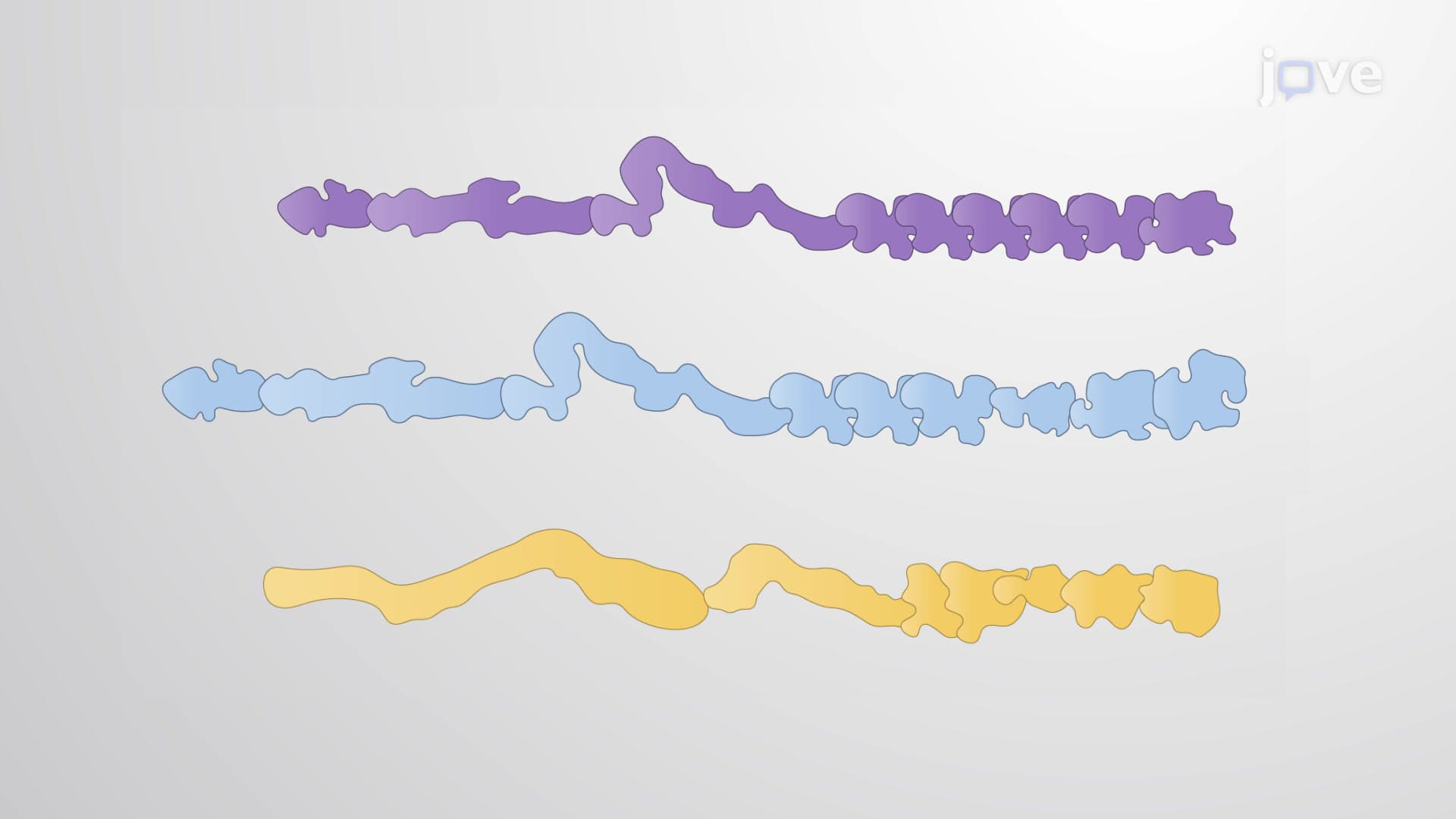
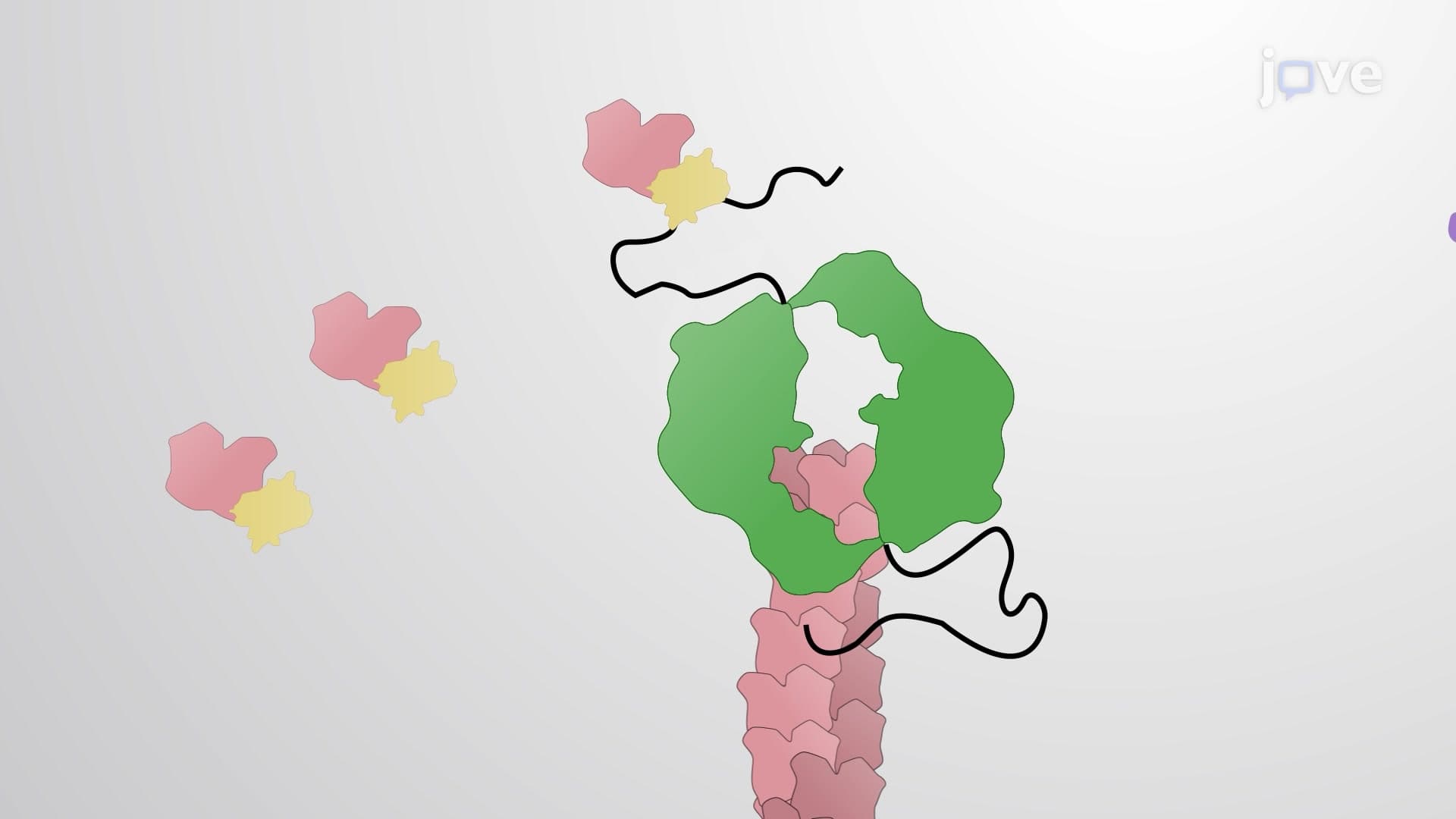
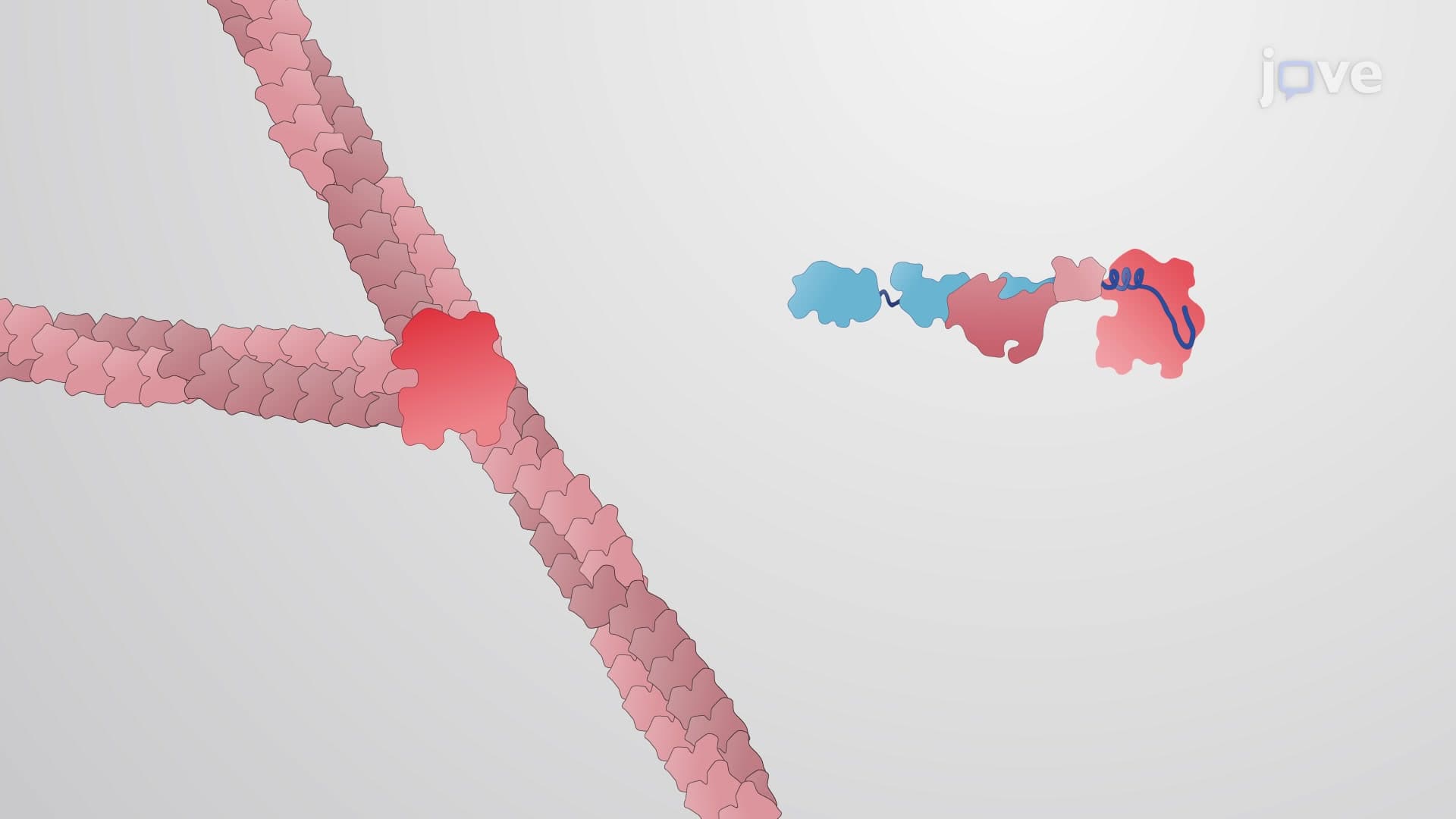
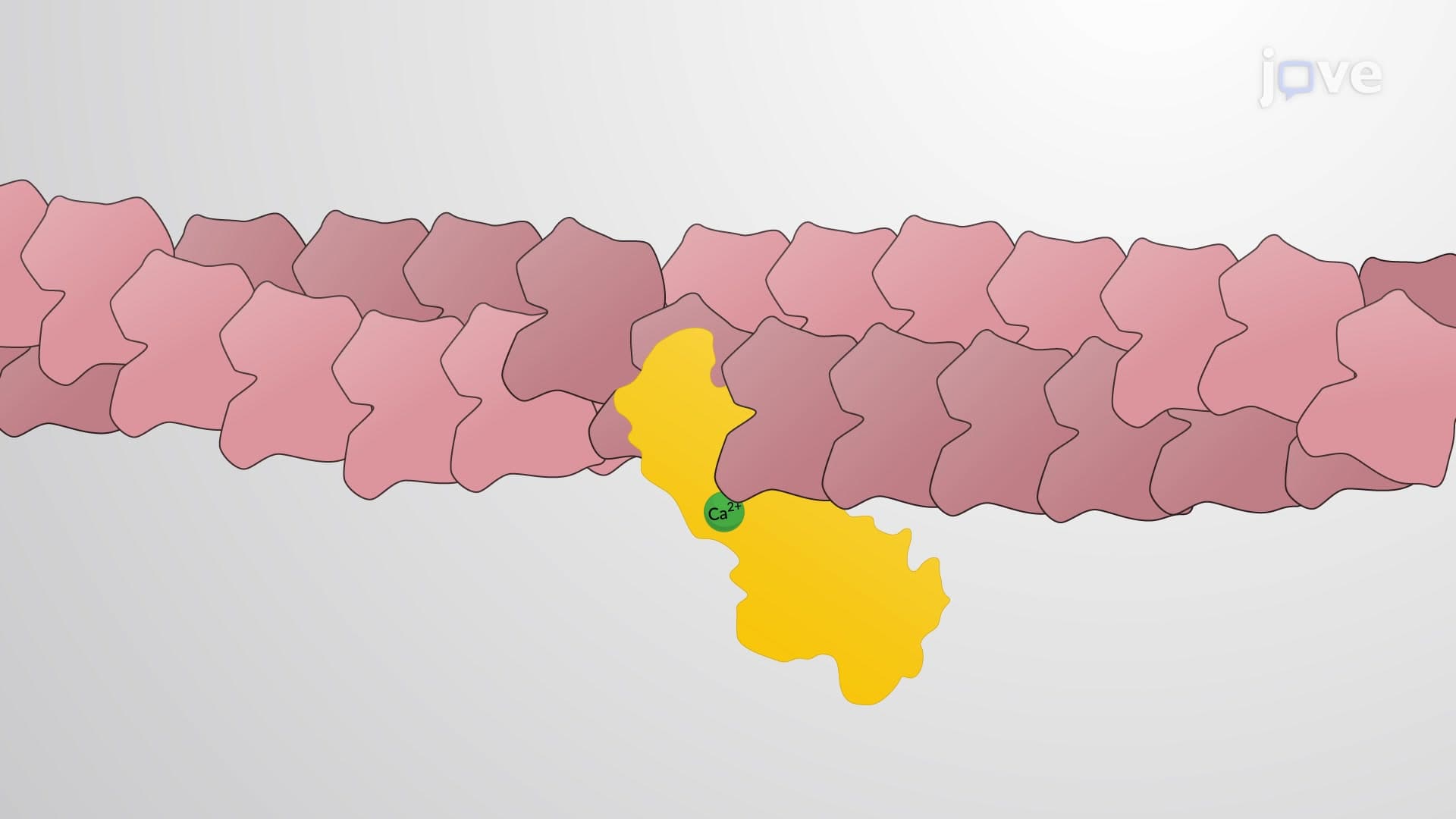
The precise control of filament adaptability involves sophisticated regulatory proteins that act like molecular switches and motors. Nucleation-promoting factors initiate new filament formation at specific locations, while capping proteins terminate growth to control filament length. Polymerases accelerate assembly when rapid reorganization is needed, and depolymerizing factors trigger disassembly during cellular restructuring.
This regulatory network becomes critically important during cell division, where microtubules must rapidly reorganize into the mitotic spindle apparatus. Students preparing for AP Biology or college cell biology courses should understand how these regulatory mechanisms enable cells to coordinate complex processes like chromosome segregation with precise timing.
Understanding cytoskeletal adaptability has profound implications for medical research and treatment. Cancer cells often exploit these systems for metastasis, while neurological disorders like Alzheimer's disease involve cytoskeletal dysfunction. Students planning careers in biomedical research or healthcare should recognize how this fundamental concept connects to advanced topics in pathology, pharmacology, and therapeutic development.
Related Micro-courses