Loading video…


 18 Concepts
 162.9K views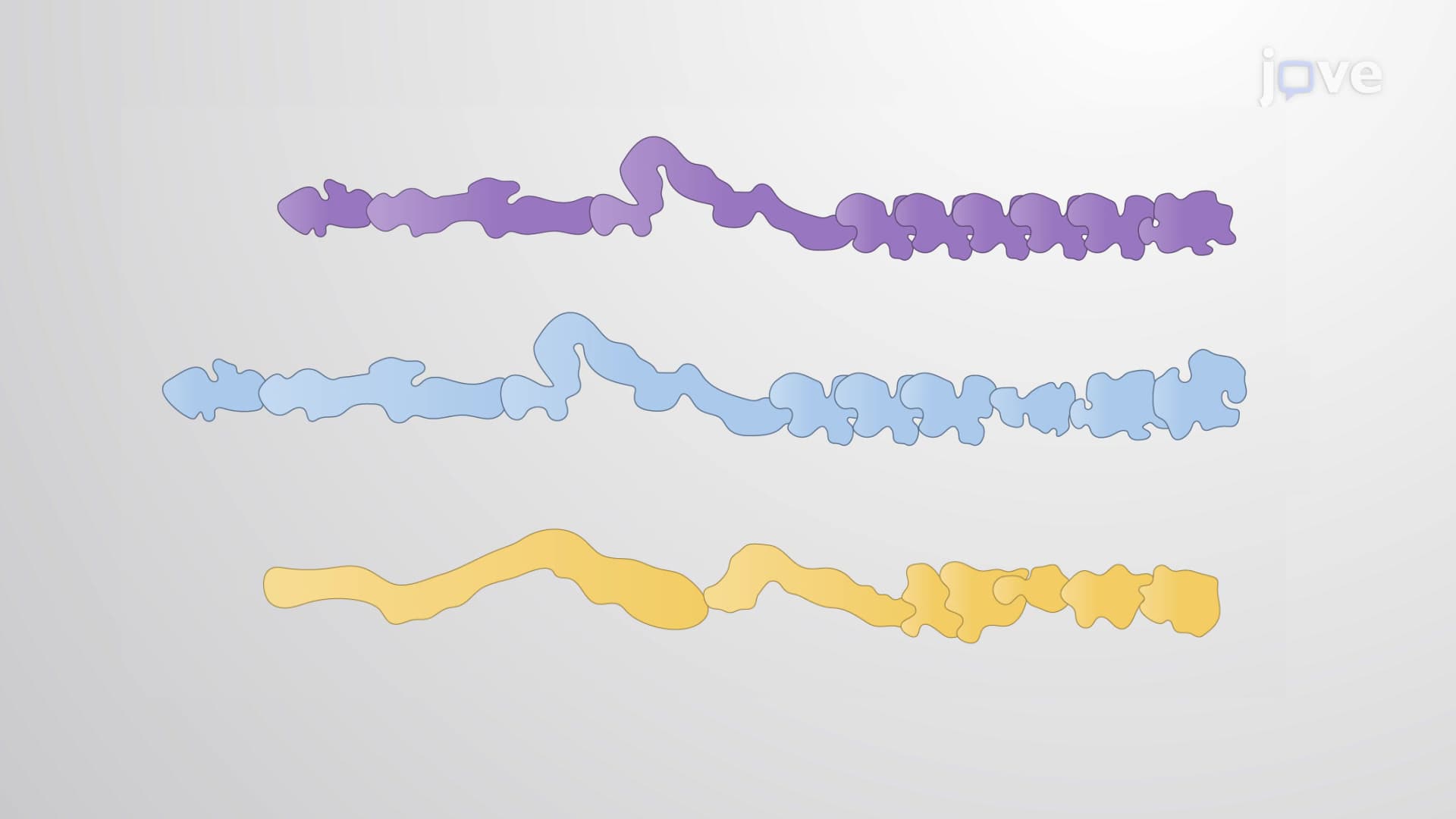

Video Summary: What are Cytoskeletal Linker Proteins Plakins
Did you know that your skin cells can stretch and contract millions of times without falling apart, thanks to molecular "bridges" called cytoskeletal linker proteins plakins? These remarkable proteins act like cellular construction workers, connecting different parts of a cell's internal skeleton and anchoring them to the cell membrane. For instance, in patients with epidermolysis bullosa-a rare genetic disorder affecting about 20,000 Americans-defective plakins cause skin to blister from minor trauma because cells can't properly stick together. Understanding what are cytoskeletal linker proteins plakins reveals how cells maintain their shape and structural integrity. Watch the full video on JoVE Coach to master this concept with expert-led visuals and step-by-step explanations.
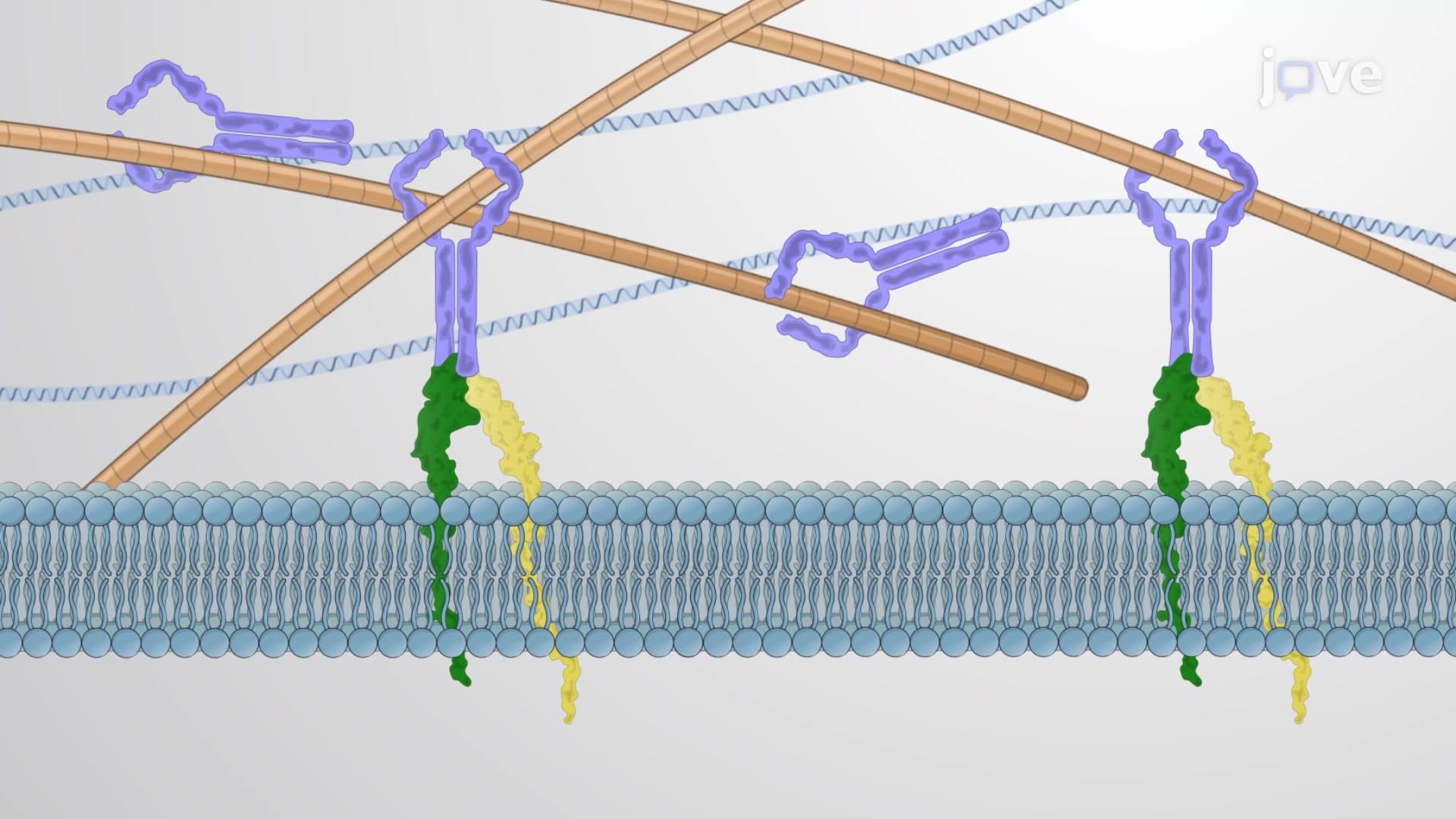
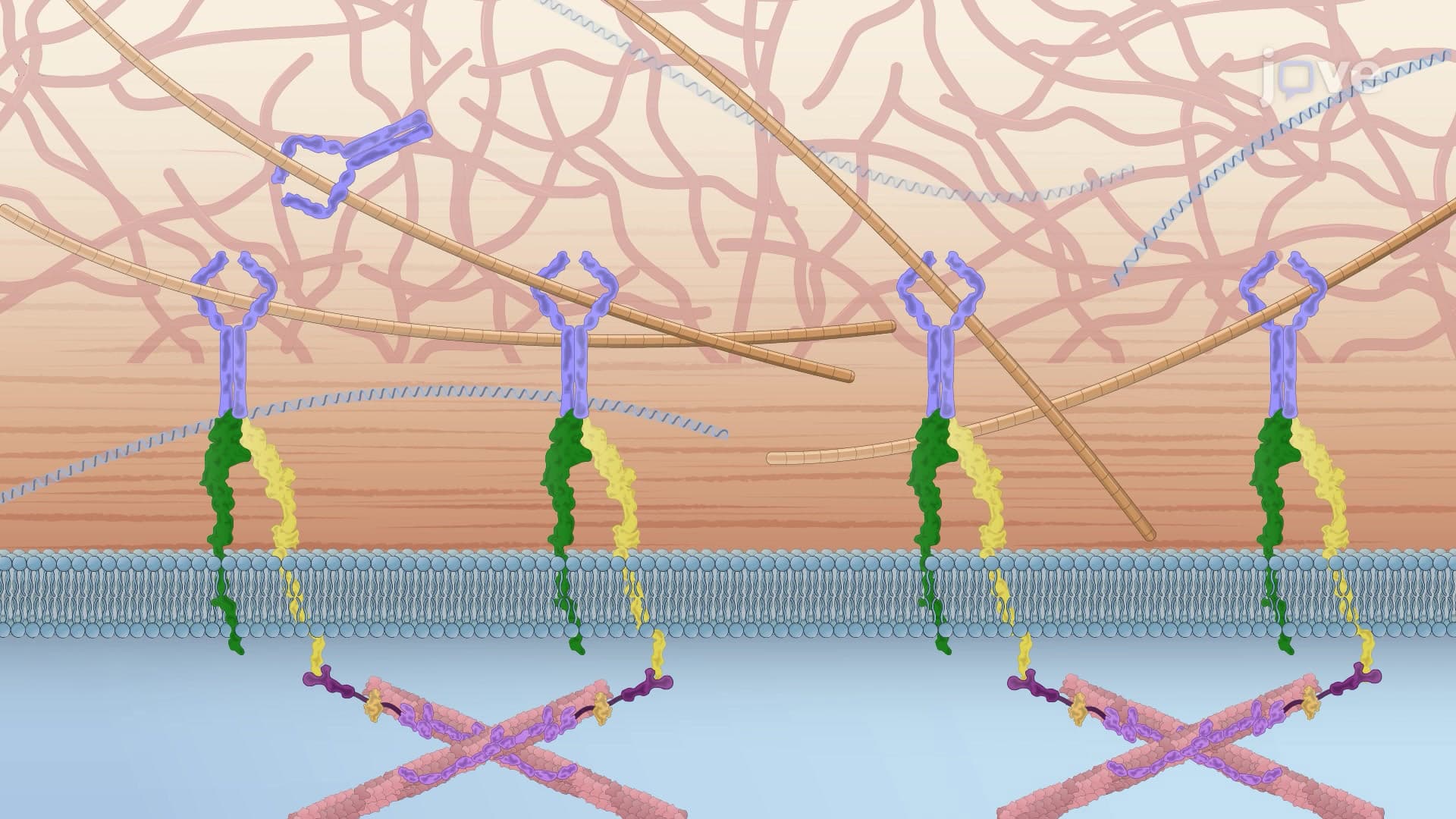
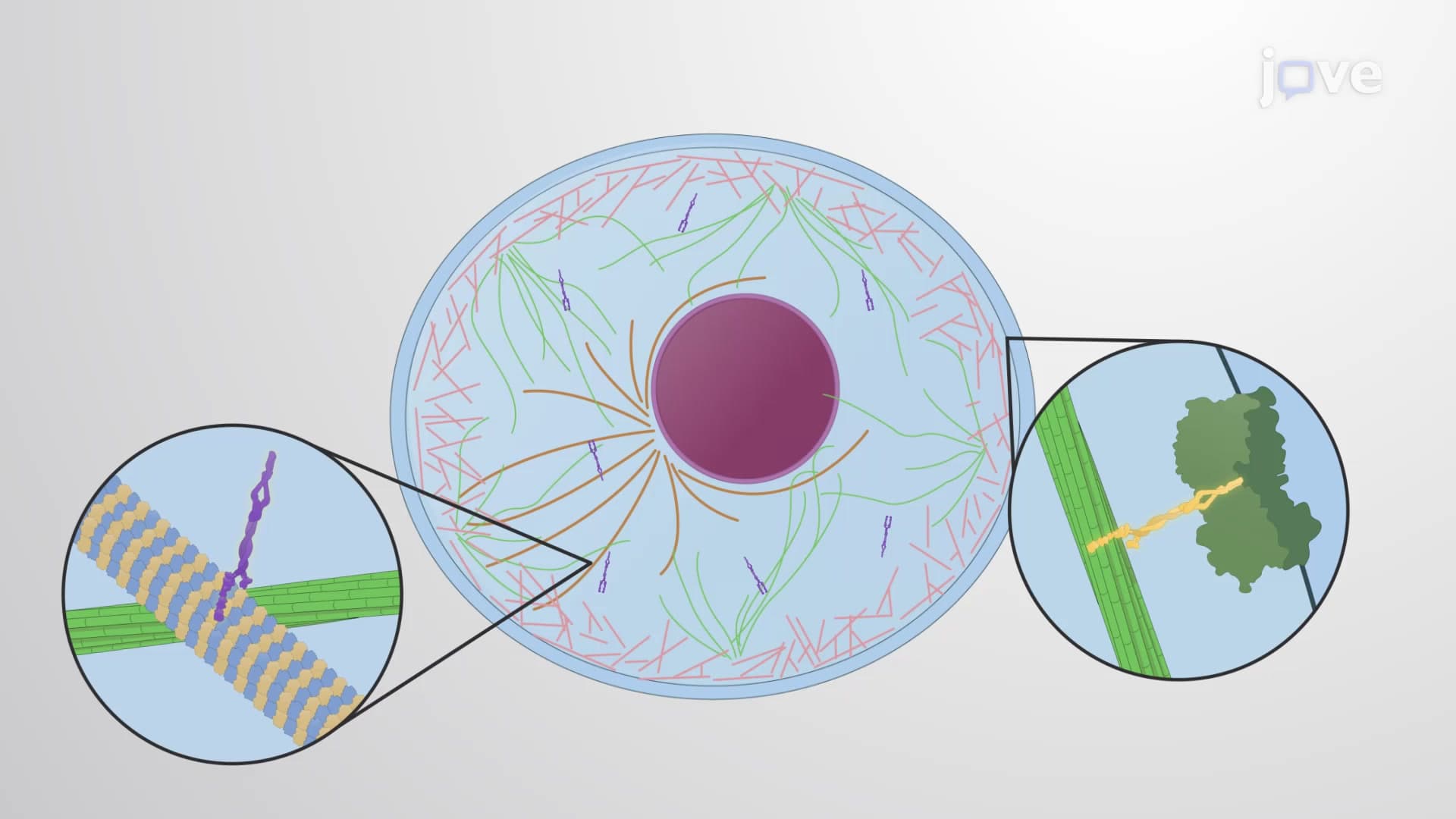
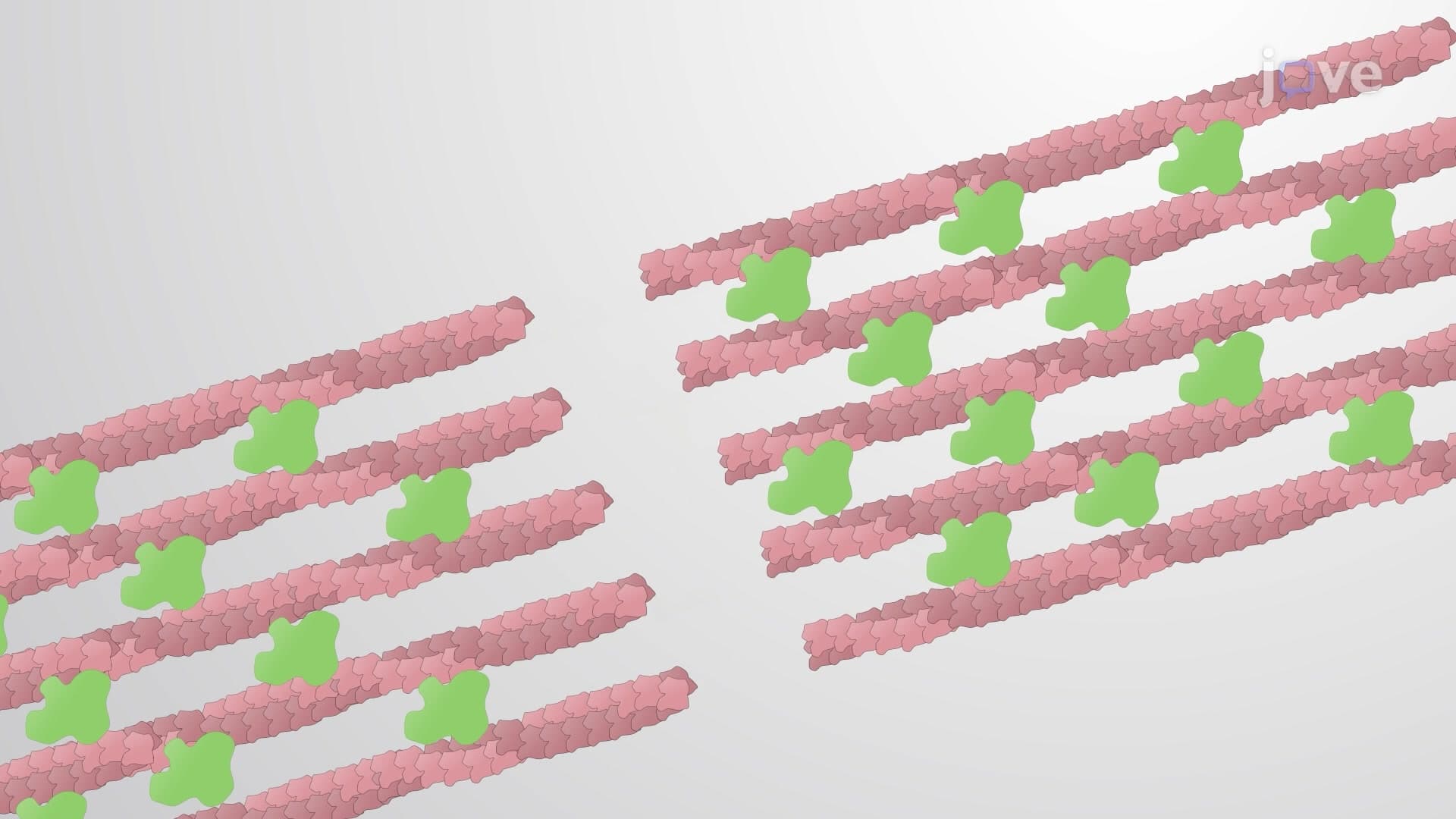
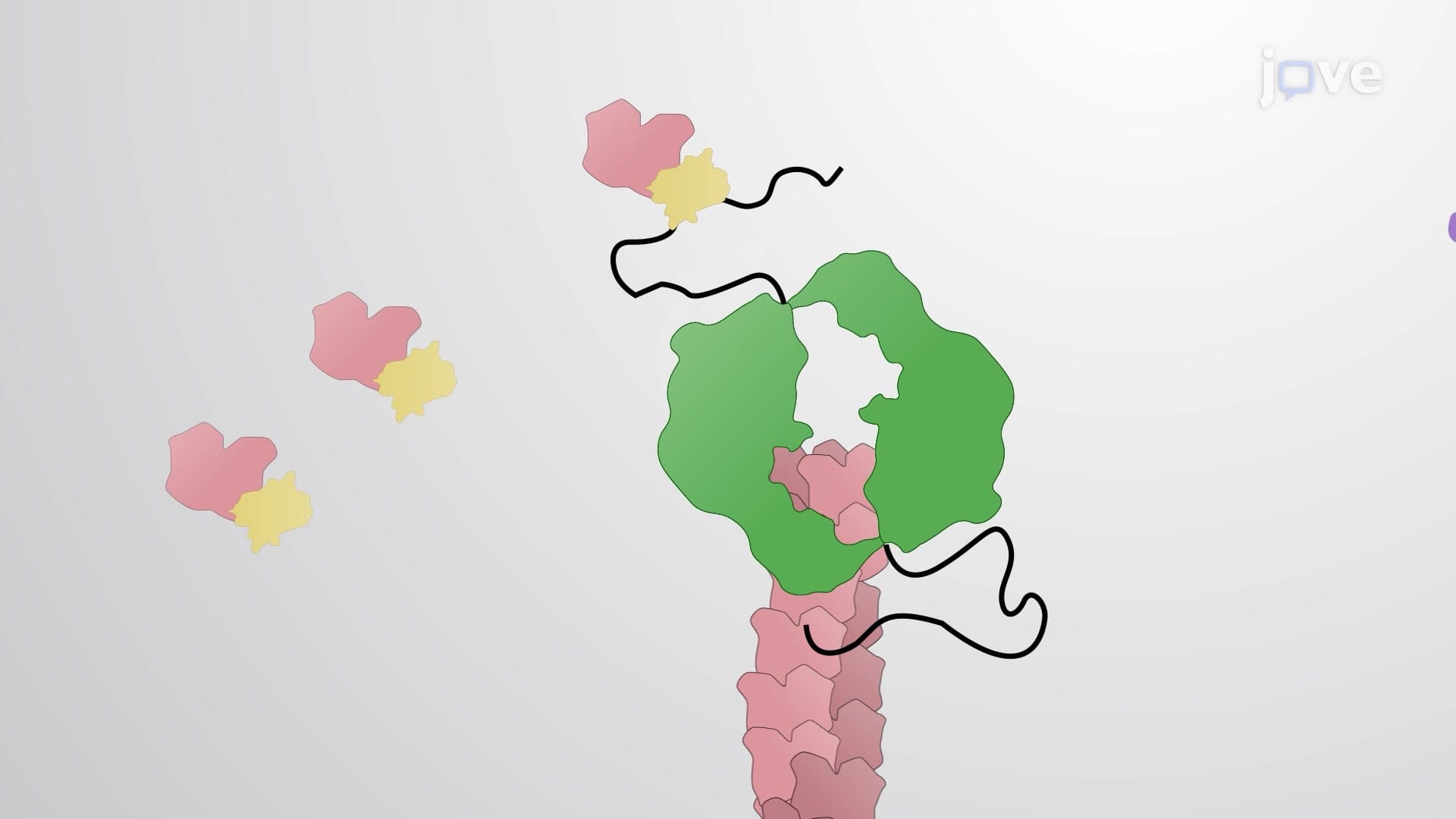
What are cytoskeletal linker proteins plakins? Think of them as the ultimate cellular construction managers-large, multidomain proteins that serve as critical connectors in the cell's structural network. These proteins don't just randomly float around; they're highly specialized molecular machines designed to crosslink different types of cytoskeletal filaments and anchor them securely to cell junctions on the plasma membrane.
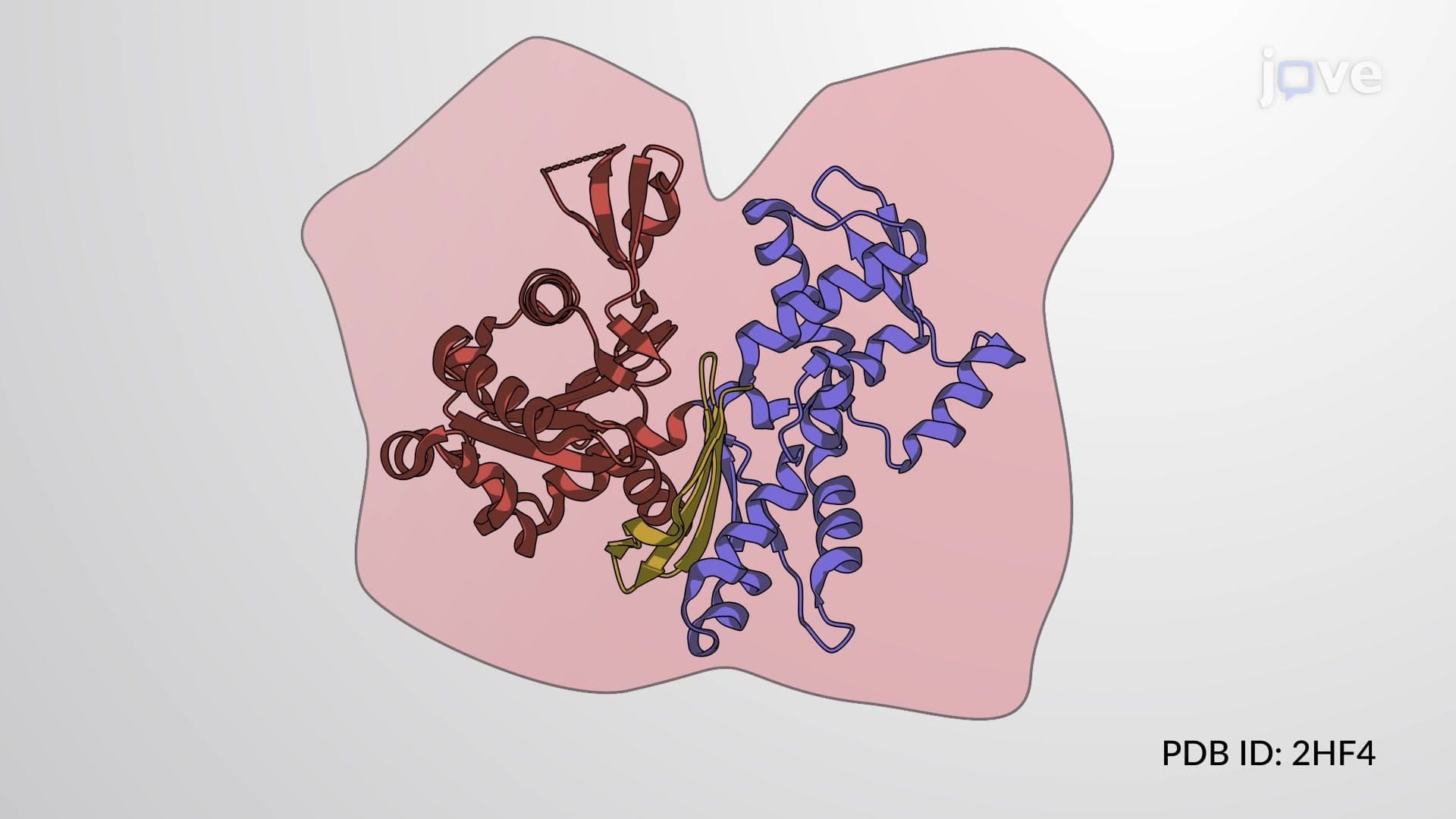
The types of cytoskeletal linker proteins plakins all share a common architectural blueprint, despite their diverse functions. Each plakin typically exists as a dimer-two identical protein subunits working together. The signature plakin domain acts like a GPS system, directing the protein to its specific target location within the cell. Following this is the coiled-coil rod domain, which facilitates dimerization and helps multiple plakins organize into larger, more stable complexes.
What makes each plakin unique is how these core domains combine with specialized regions. Plakin repeats, linker subdomains, and glycine-serine-arginine (GSR) domains mix and match in different combinations, creating distinct proteins with tailored functions. This modular design is like having interchangeable tools in a construction kit-same basic framework, but different attachments for specific jobs.
Consider desmoplakins, which are essential components of desmosomes-the cellular "spot welds" that hold skin cells together. These plakins contain plakin repeats followed by GSR domains, making them perfectly suited for creating strong, permanent connections between cells. When dermatologists at institutions like Johns Hopkins study skin blistering diseases, they often find defects in desmoplakin function.
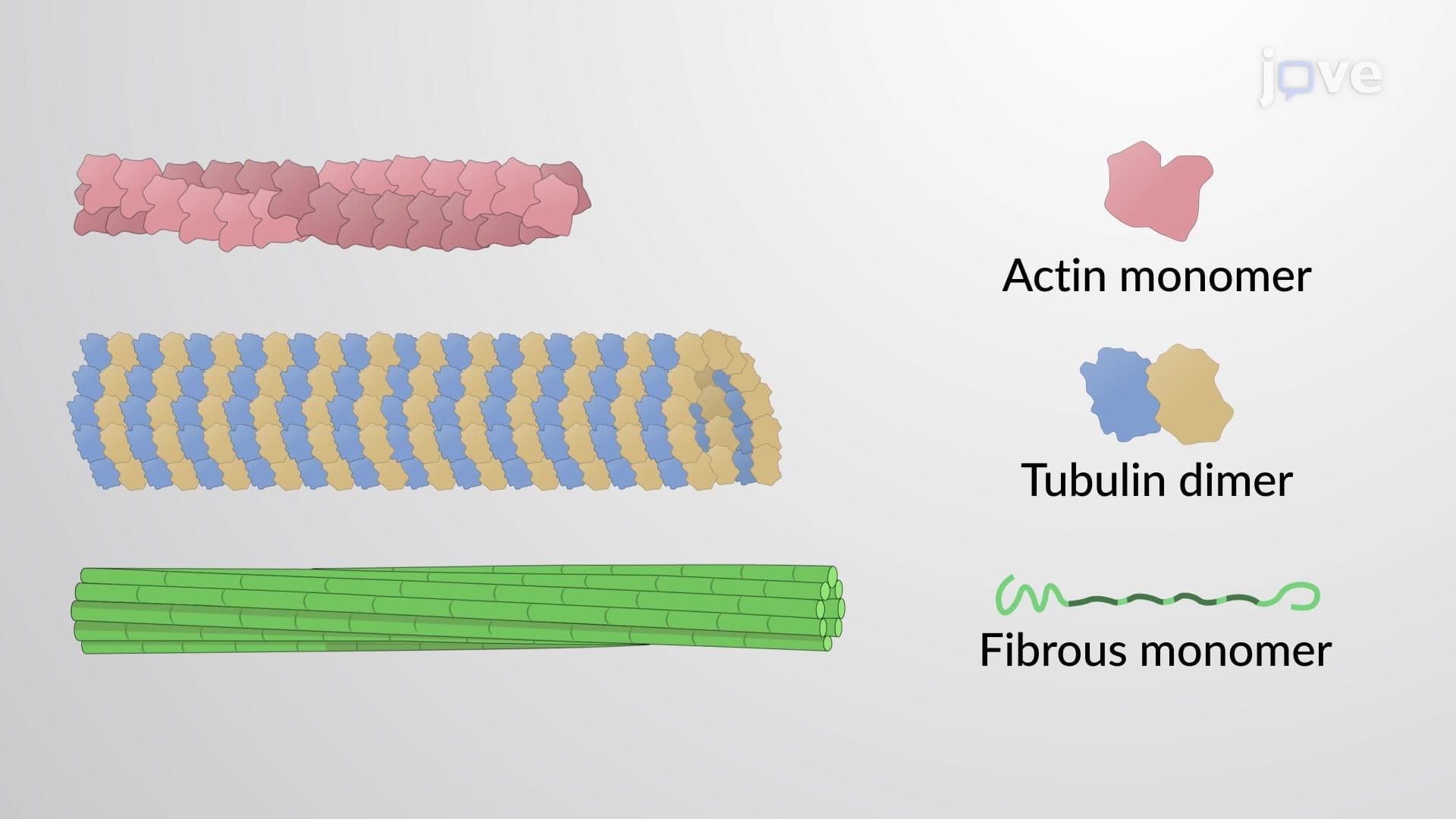
Plectin represents the Swiss Army knife of plakins. This versatile protein contains distinct binding domains for all three types of cytoskeletal filaments (microfilaments, intermediate filaments, and microtubules) plus the ability to connect to membrane proteins like integrins. This makes plectin crucial for maintaining overall cellular architecture and mechanical strength.
Understanding cytoskeletal linker proteins plakins is essential for students preparing for advanced coursework and professional exams. The MCAT frequently tests knowledge of protein structure-function relationships, while AP Biology students encounter plakins when studying cell structure and organization. Medical students studying dermatology must understand how plakin mutations lead to conditions like epidermolysis bullosa and muscular dystrophy, making this topic relevant across multiple educational levels and career paths.
Related Micro-courses