Loading subject page…

- Cell Biology
- The Cytoskeleton I: Actin and Microfilaments
- Introduction to Actin
Micro-course: The Cytoskeleton I: Actin and Microfilaments
162,819 views
Learn key concepts and earn your certificate.


Introduction to Actin

00:00
01:26
Video Summary: What Is Actin
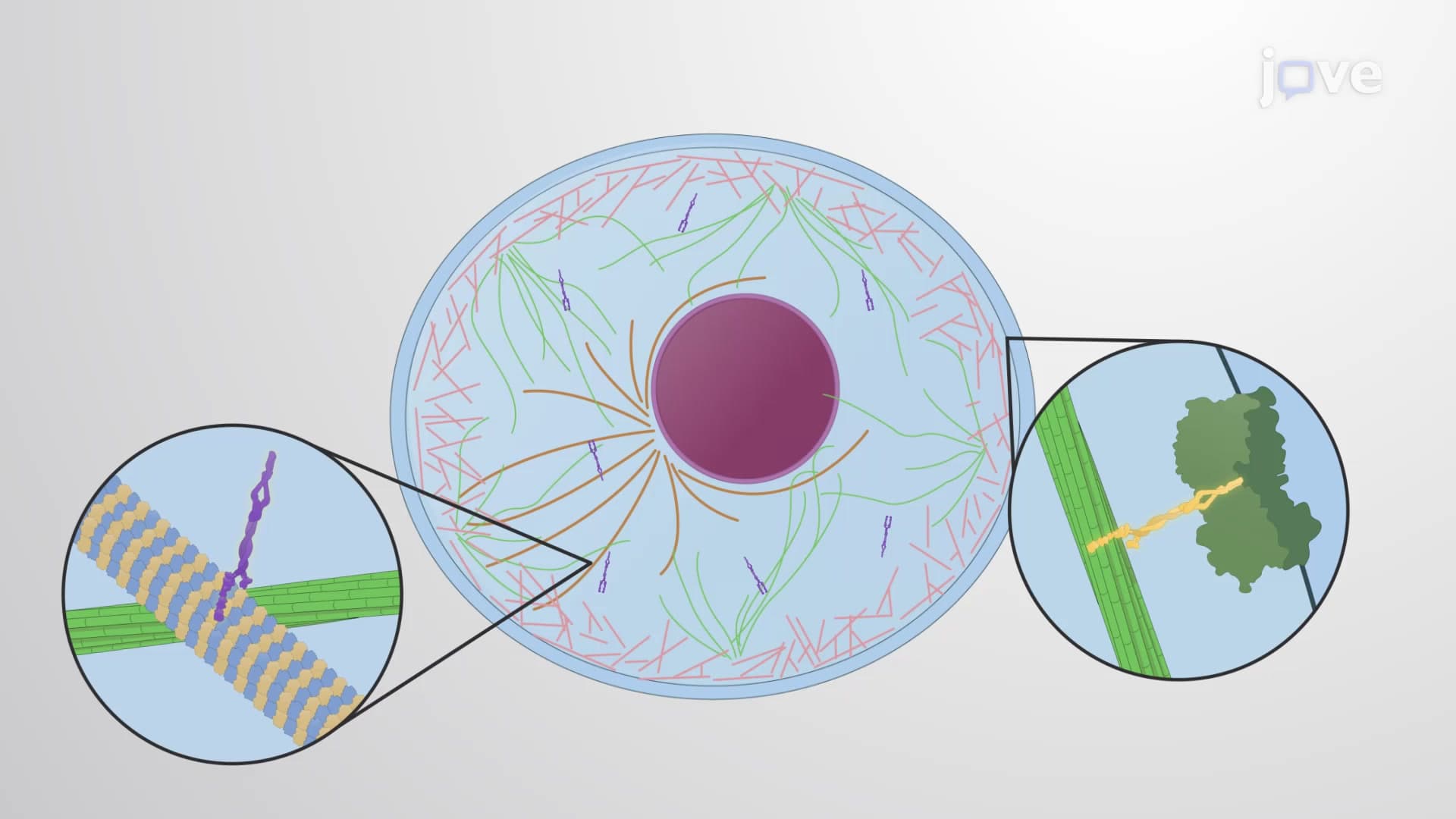
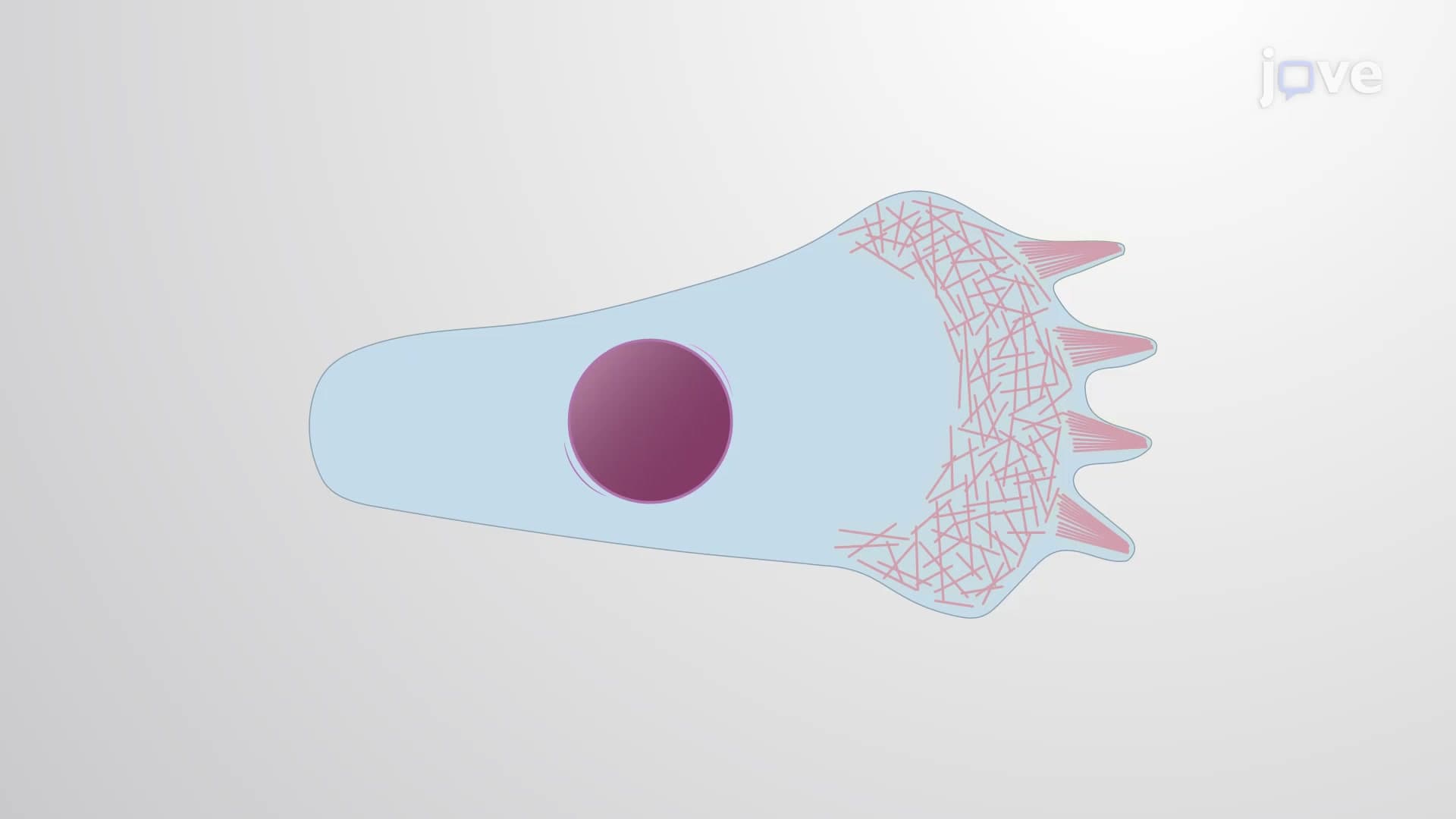
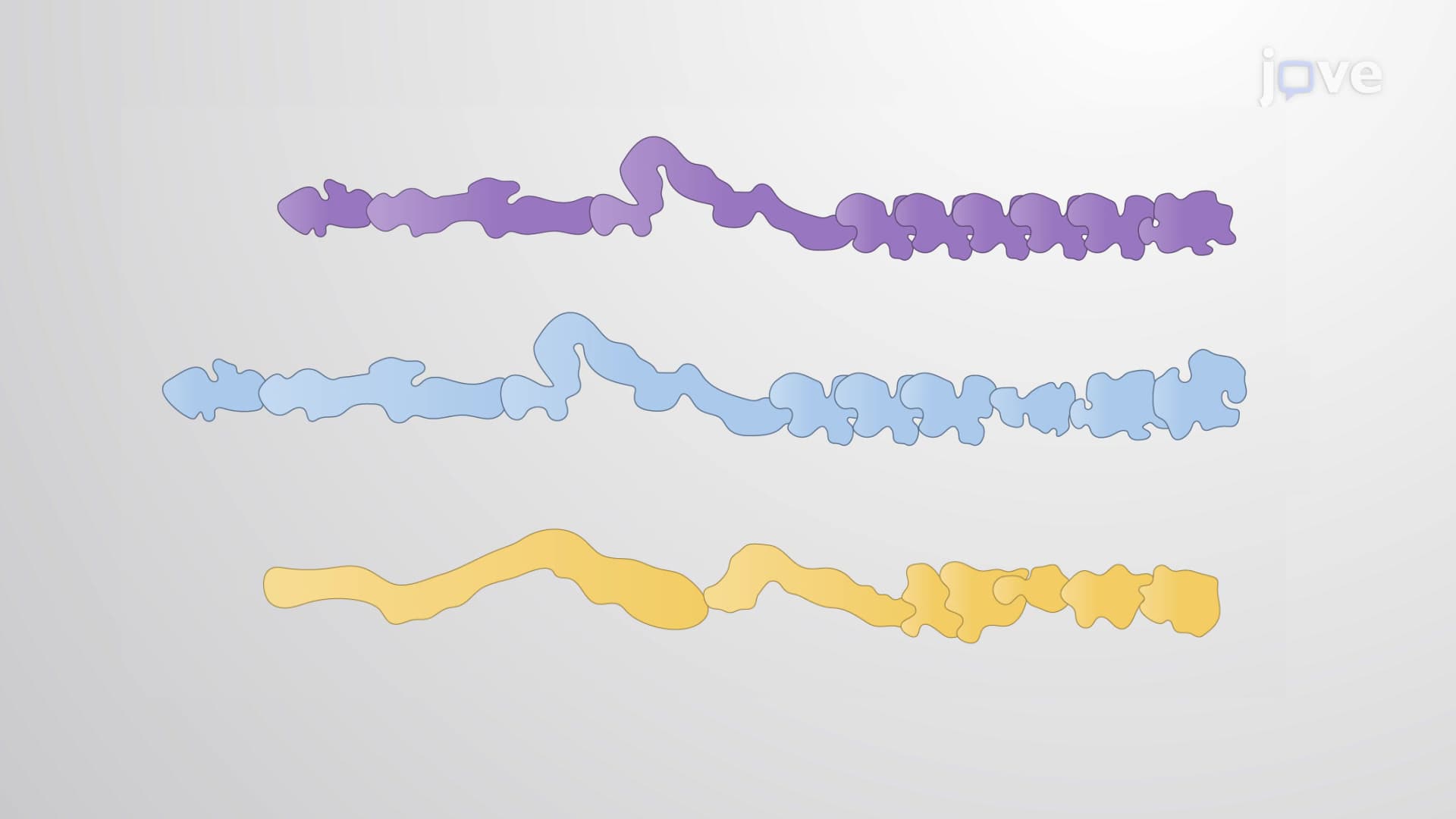
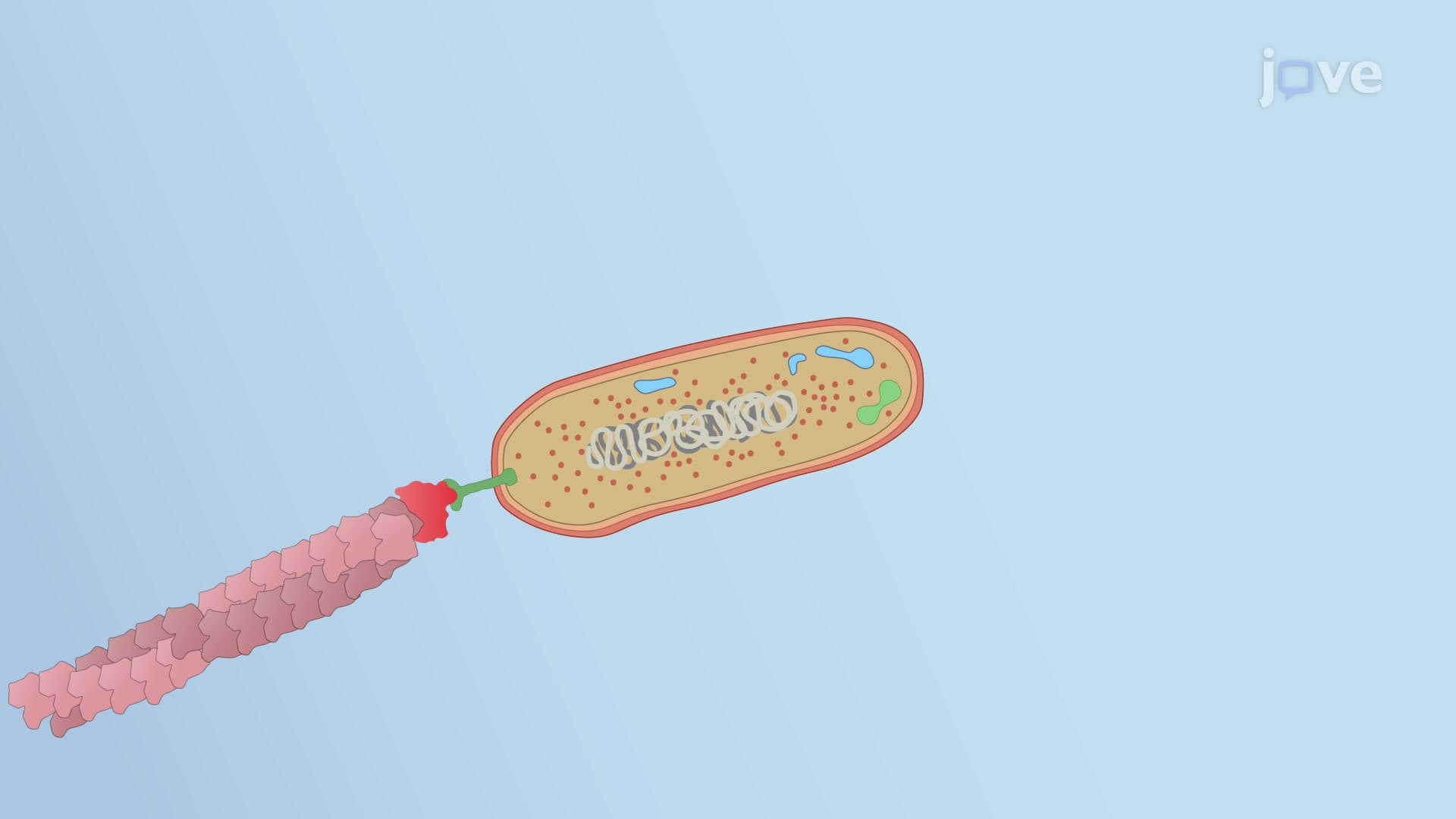
Ever wondered how your muscle cells contract when you flex your bicep or how cells maintain their shape? Actin, a fundamental protein in cellular biology, serves as the backbone of the cytoskeleton's microfilament network. From enabling muscle contractions in athletes at Stanford University's sports medicine clinic to maintaining cell structure during wound healing, actin plays crucial roles in virtually every cellular process. This essential protein exists in two main forms: globular G-actin monomers and filamentous F-actin polymers that create the structural framework cells need to function. Watch the full video on JoVE Coach to master this concept with expert-led visuals and step-by-step explanations.
- Understand what is actin and its fundamental role as a cytoskeletal protein in cellular structure and function
- Identify the key structural differences between globular G-actin monomers and filamentous F-actin polymers
- Analyze the polymerization process that transforms G-actin into F-actin through head-to-tail assembly
- Compare the plus-end and minus-end characteristics of F-actin filaments and their ATP/ADP binding states
- Evaluate the role of ATP hydrolysis in actin filament stability and cellular energy requirements
- Apply knowledge of actin isoforms (alpha, beta, gamma) to specific cell types and tissue functions
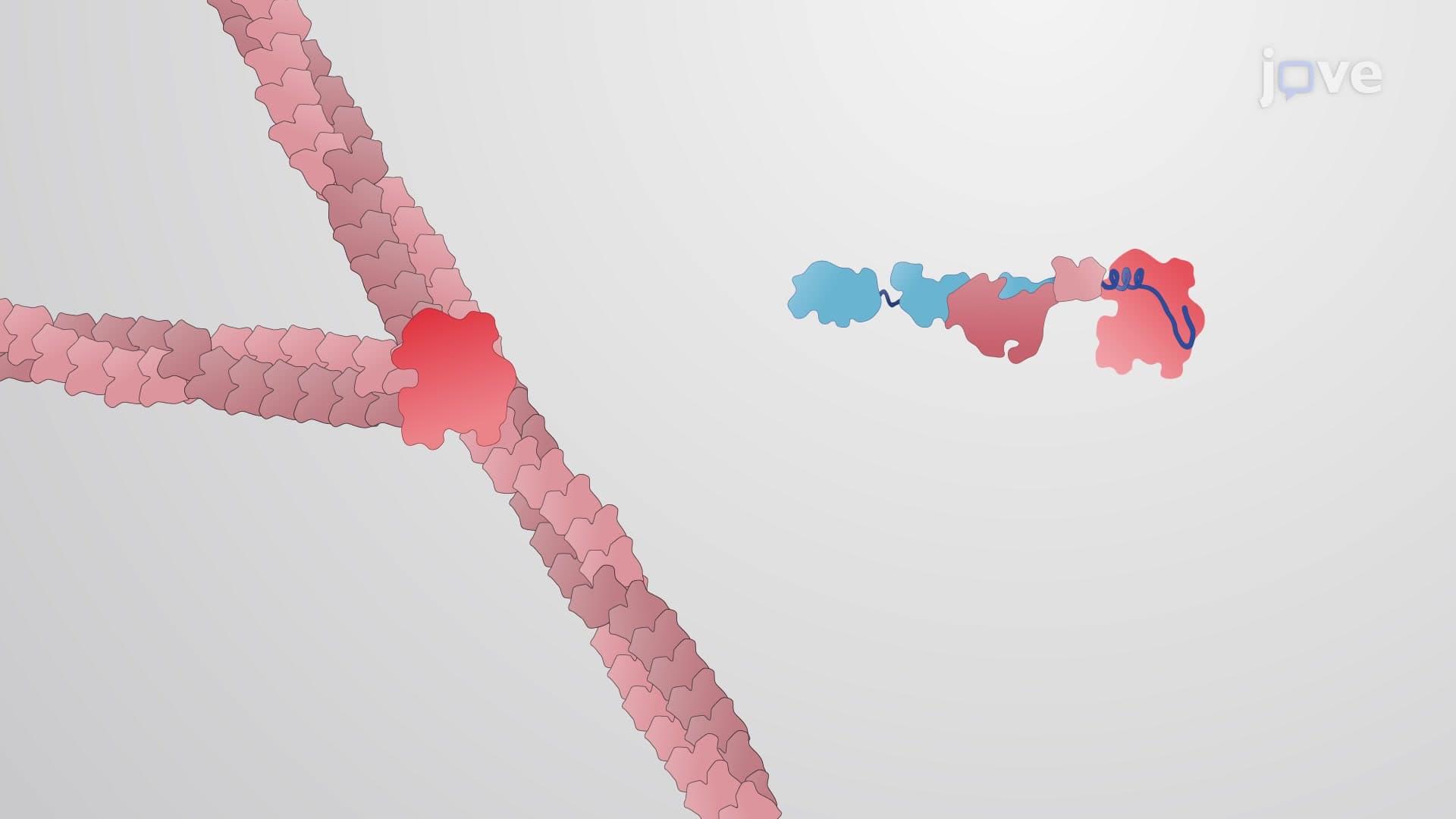
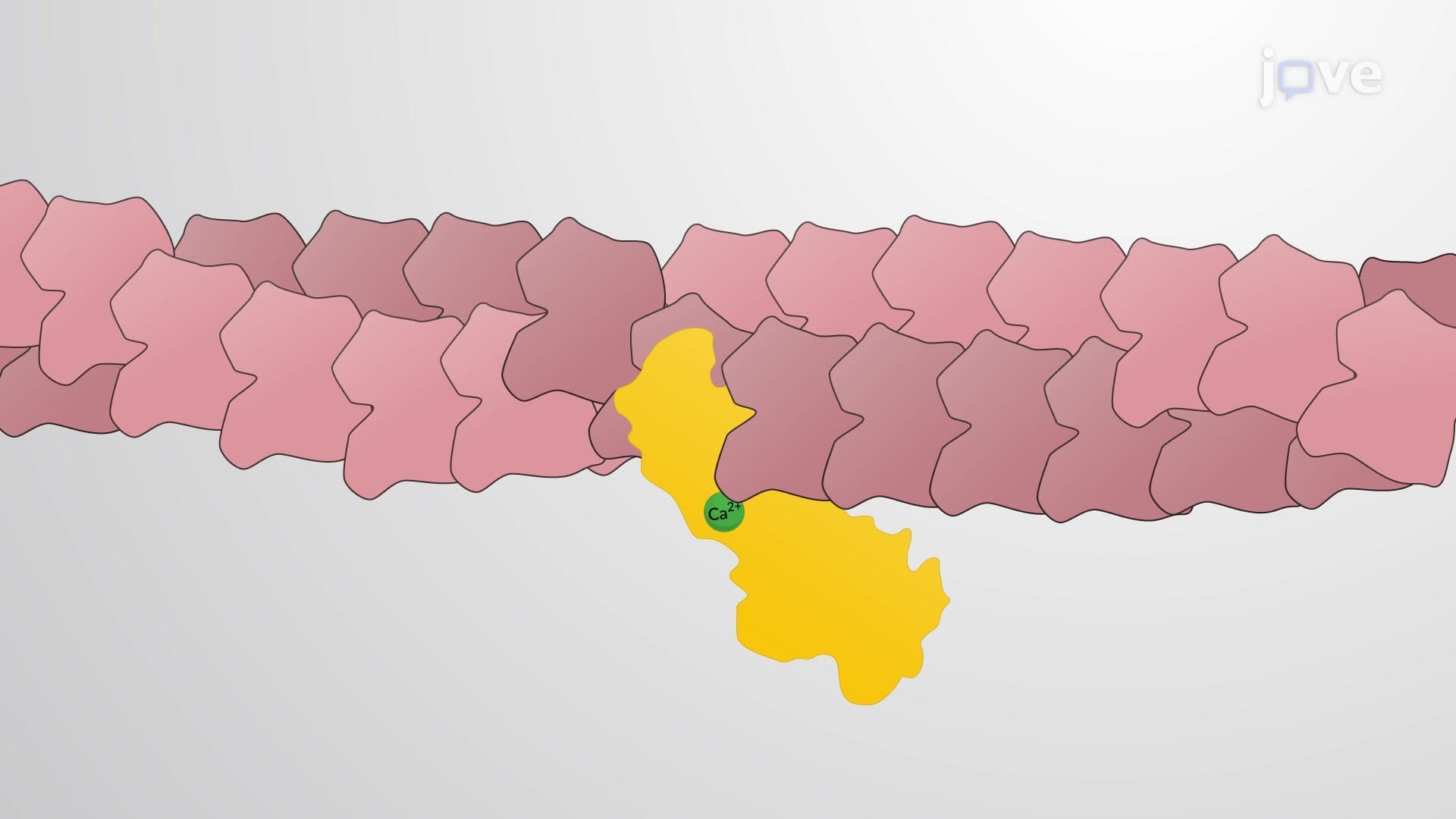
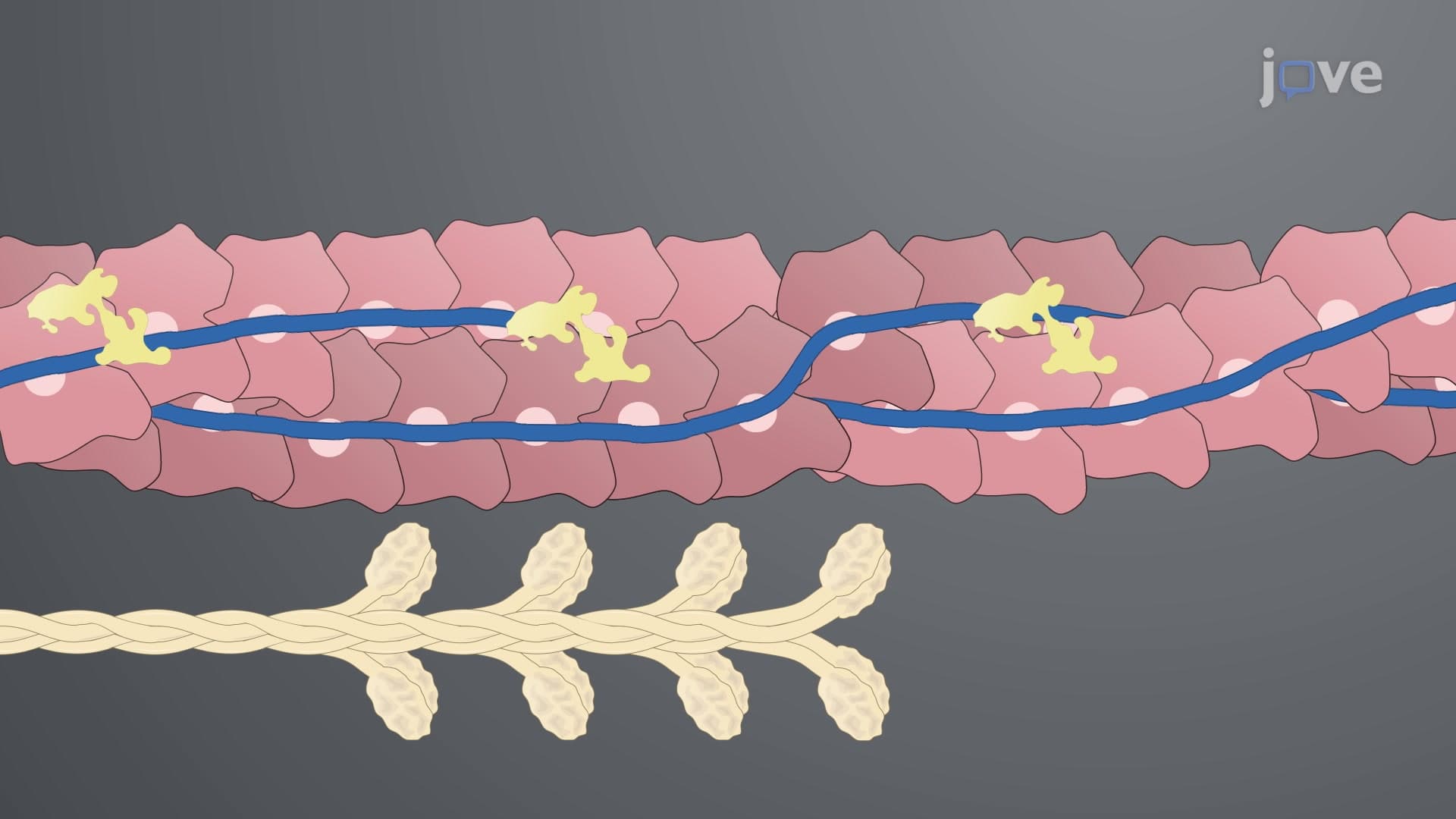
- Recognize the importance of actin-binding proteins in regulating cellular processes
- Explore how actin dysfunction relates to various human diseases and medical conditions
What is Actin: The Foundation of Cellular Architecture
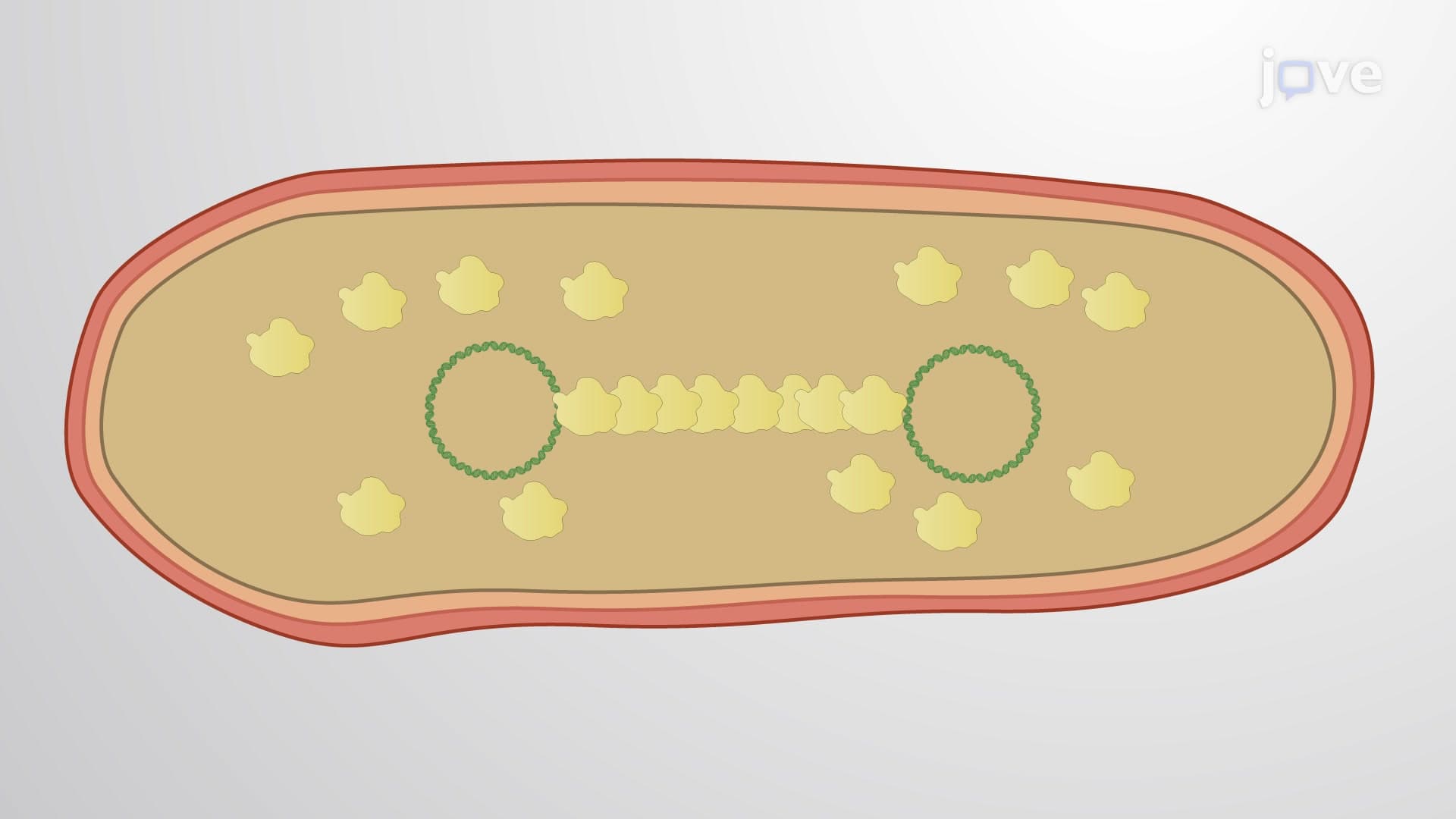
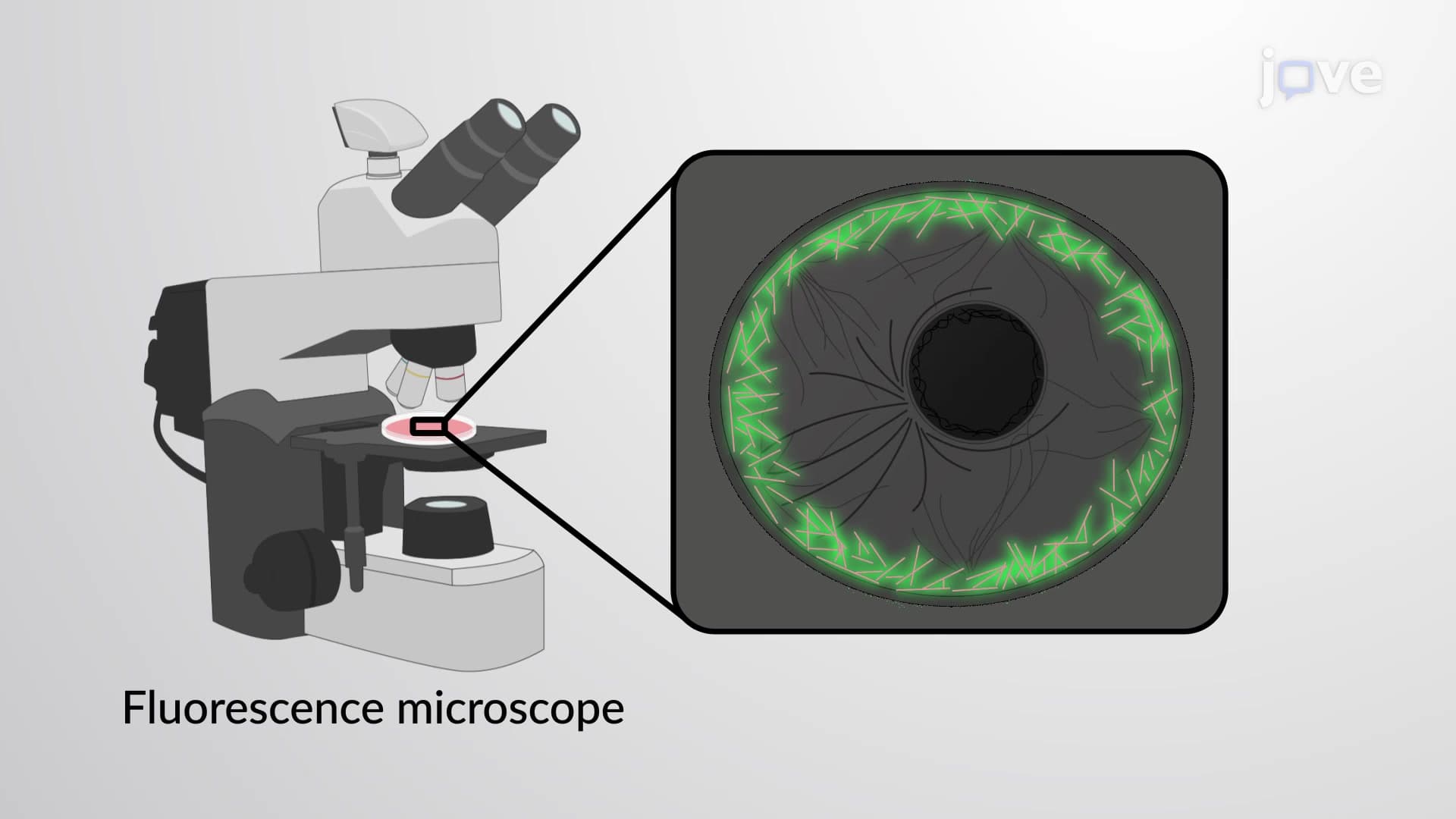
Actin represents one of the most abundant and essential proteins in eukaryotic cells, comprising up to 10% of total cellular protein content. This remarkable molecule serves as the primary component of microfilaments, the thinnest elements of the cytoskeleton network. Understanding actin is crucial for students preparing for AP Biology, college-level cell biology courses, and pre-medical studies, as it appears frequently on exams like the MCAT and forms the foundation for comprehending muscle physiology, cell division, and cellular motility.
Structural Organization: From Monomers to Filaments
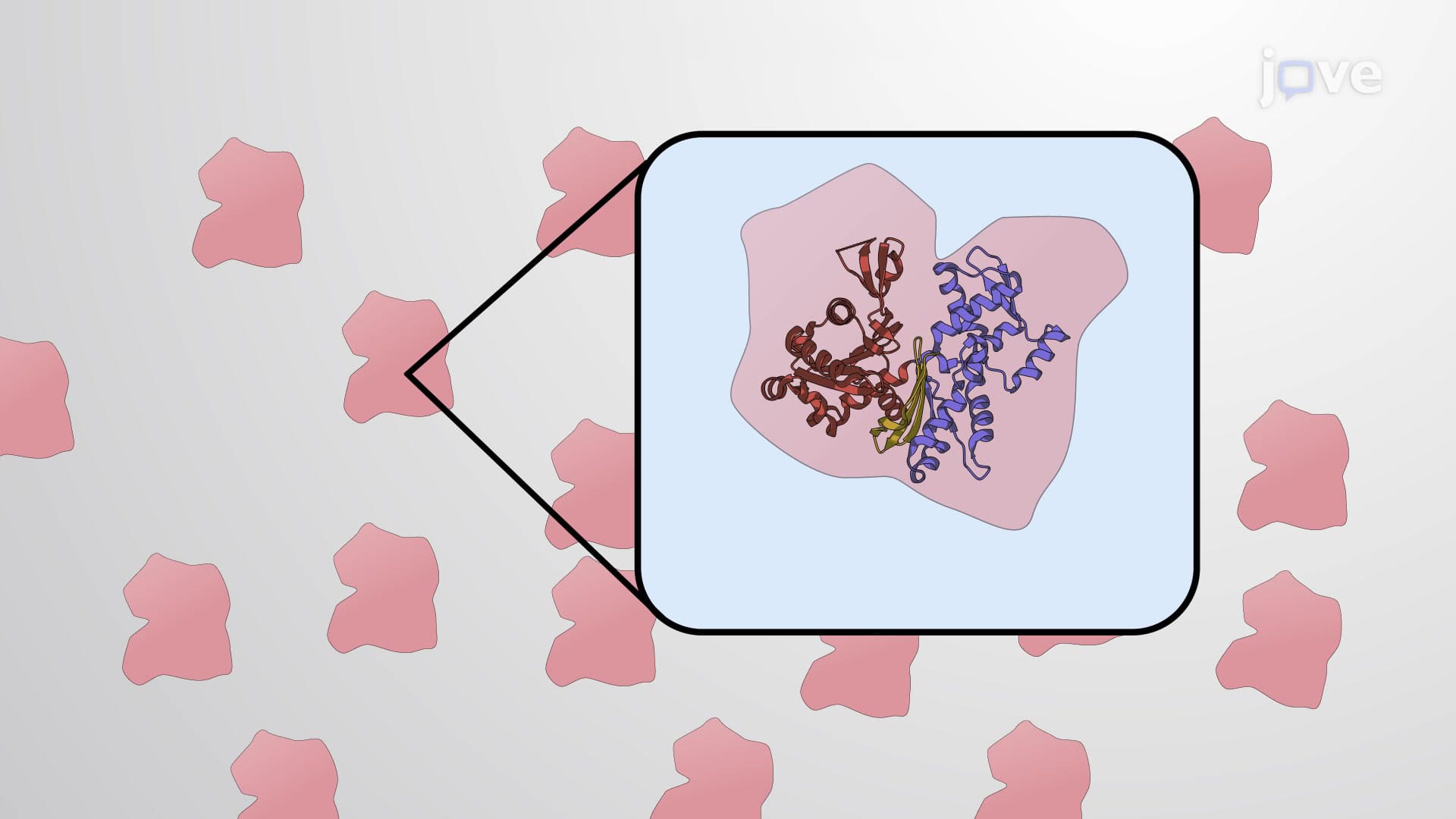
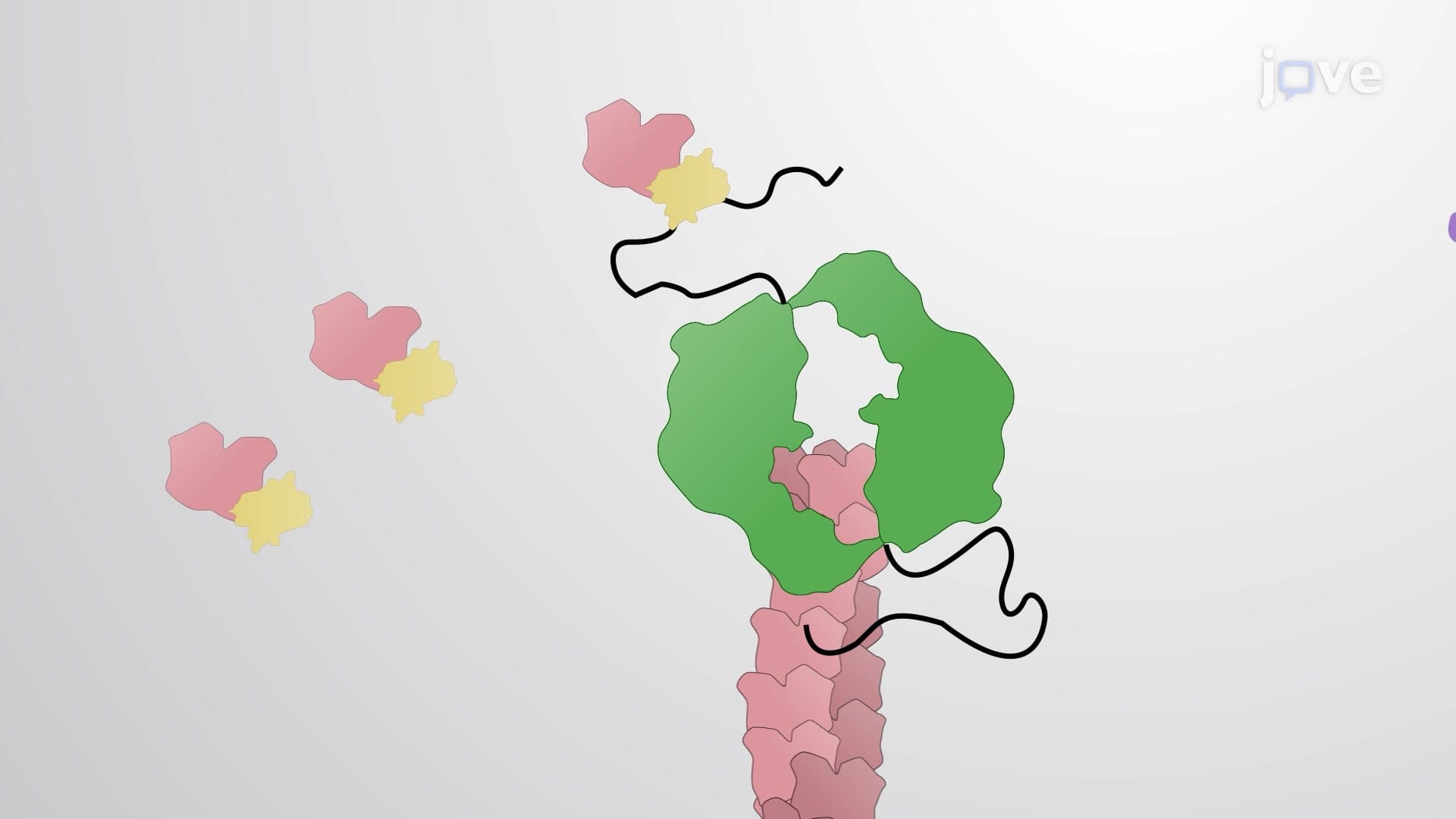
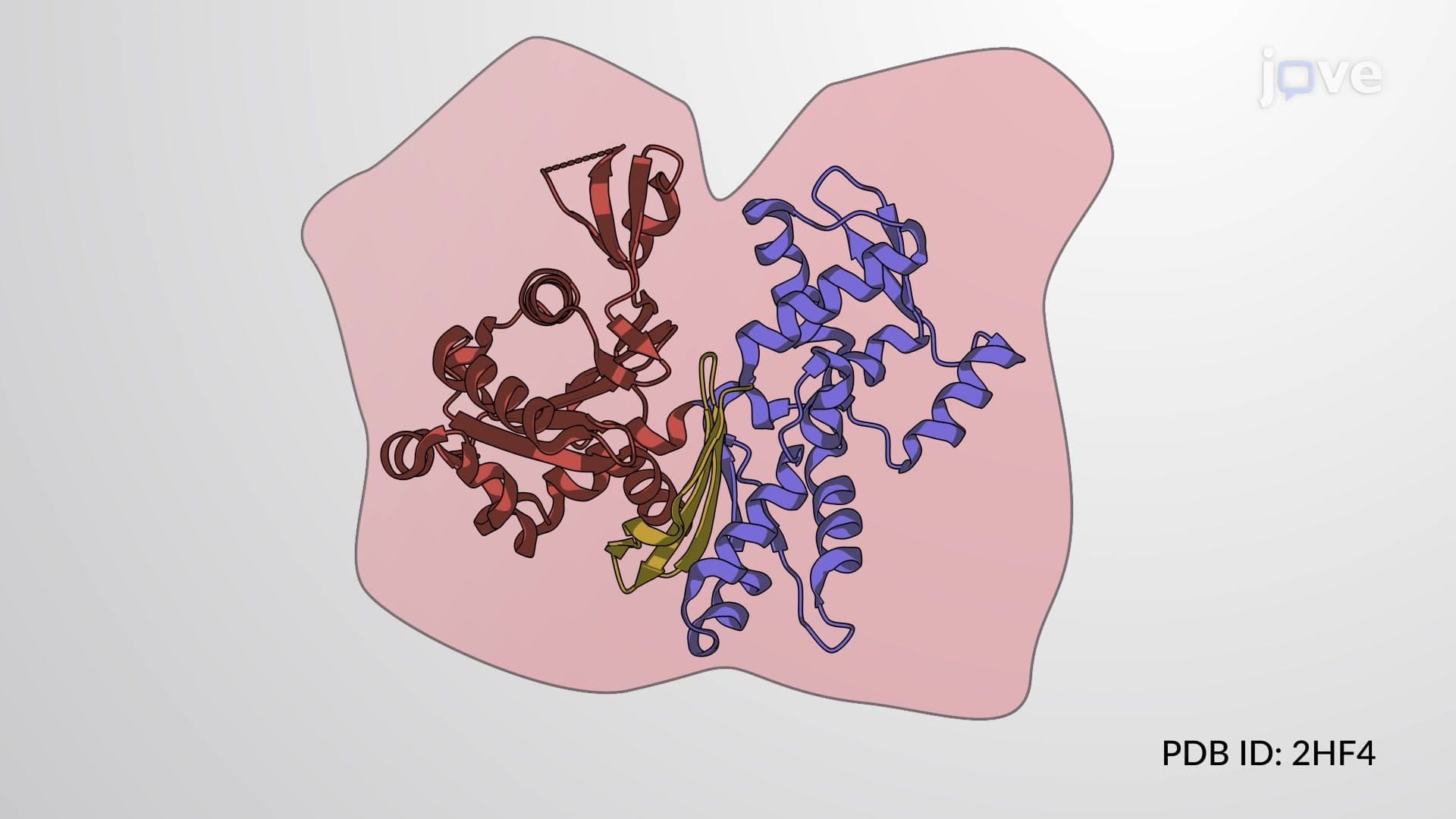
The actin structure exists in two primary conformations that define its cellular function. Globular actin (G-actin) monomers feature a distinctive round shape with two major domains connected by a linker helix, creating two essential binding clefts. The upper cleft accommodates ATP and magnesium ions, while the lower hydrophobic cleft serves as a docking site for various actin-binding proteins. This structural arrangement enables G-actin to undergo dramatic conformational changes during polymerization.
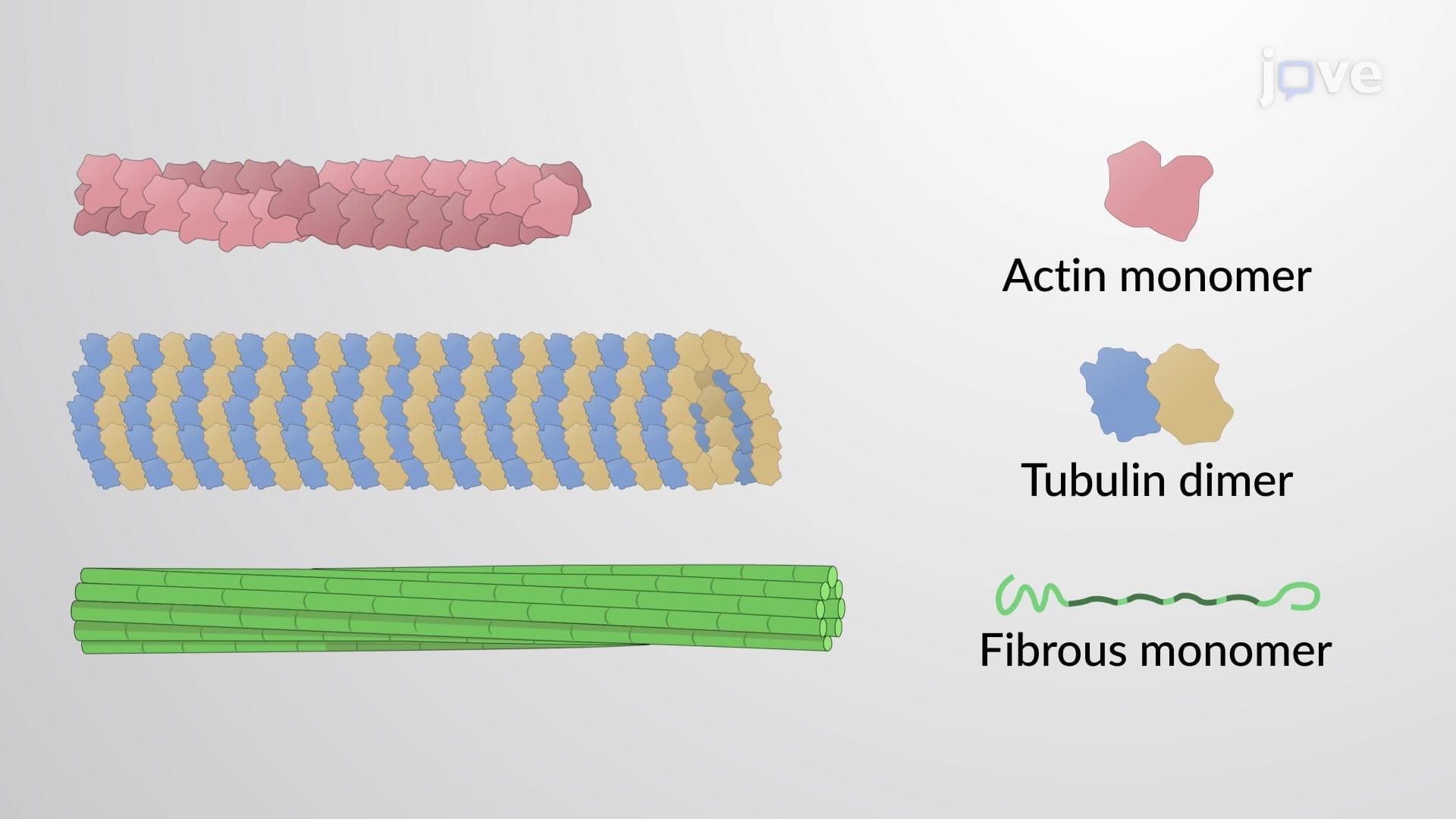
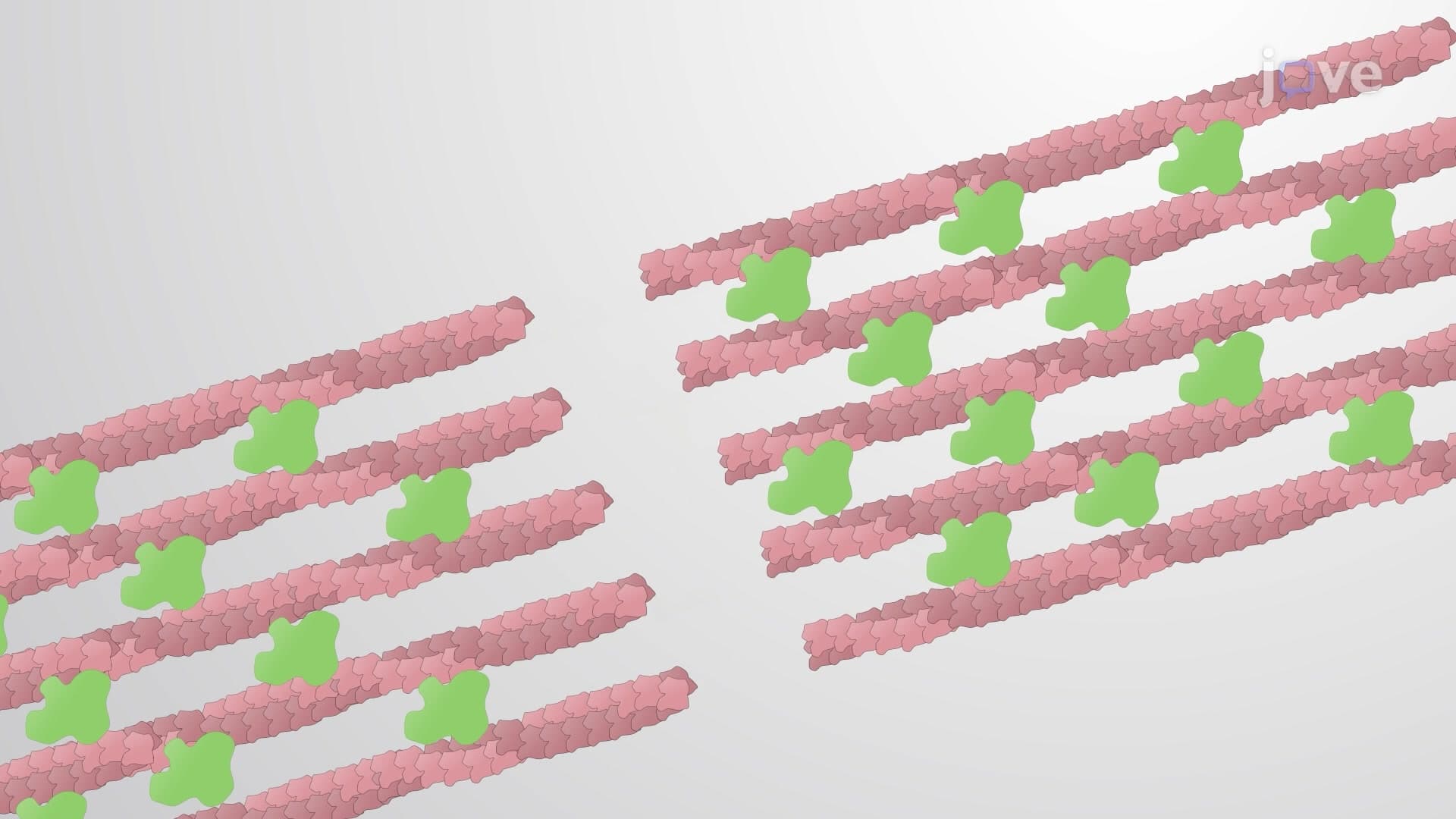
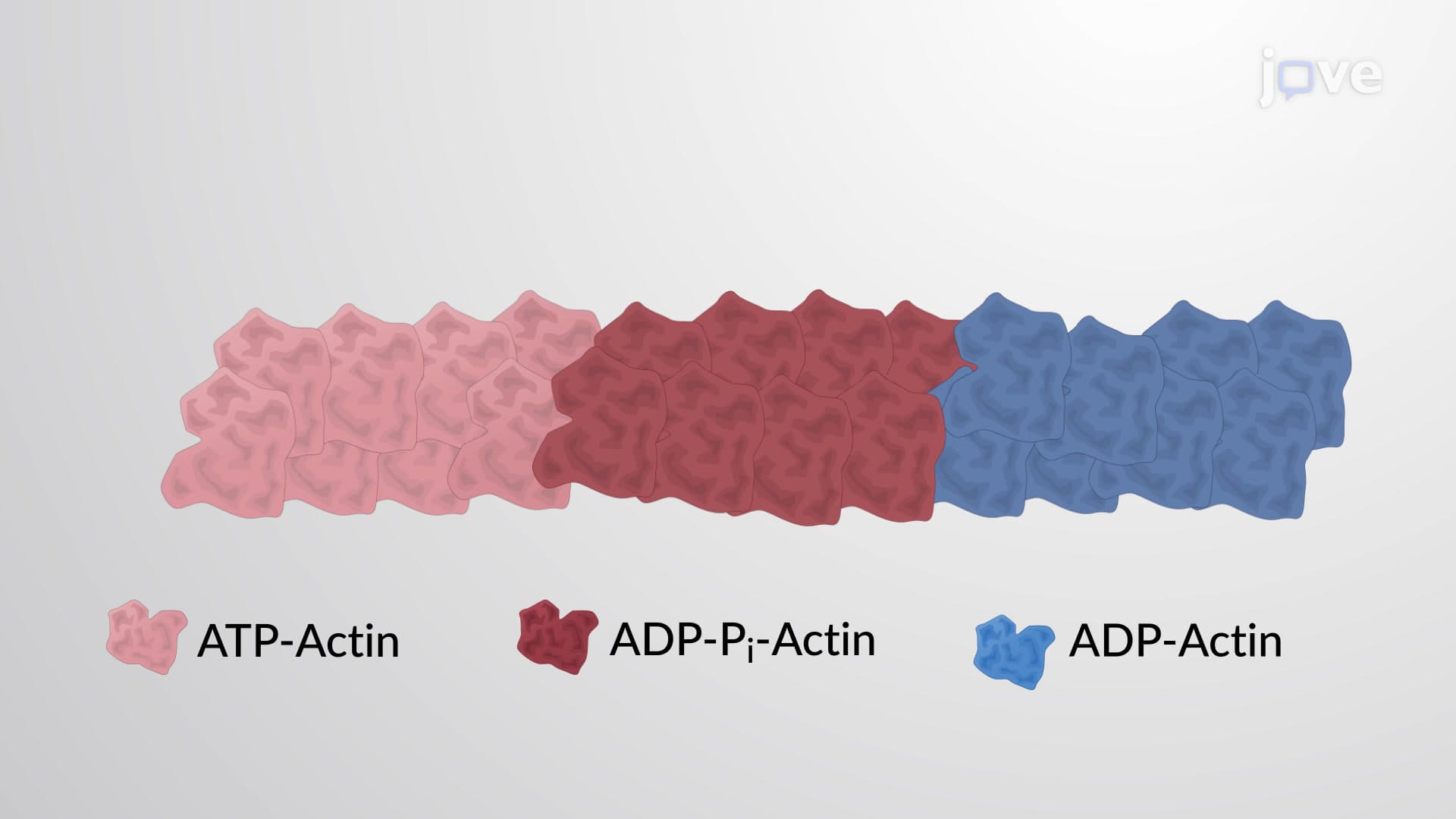
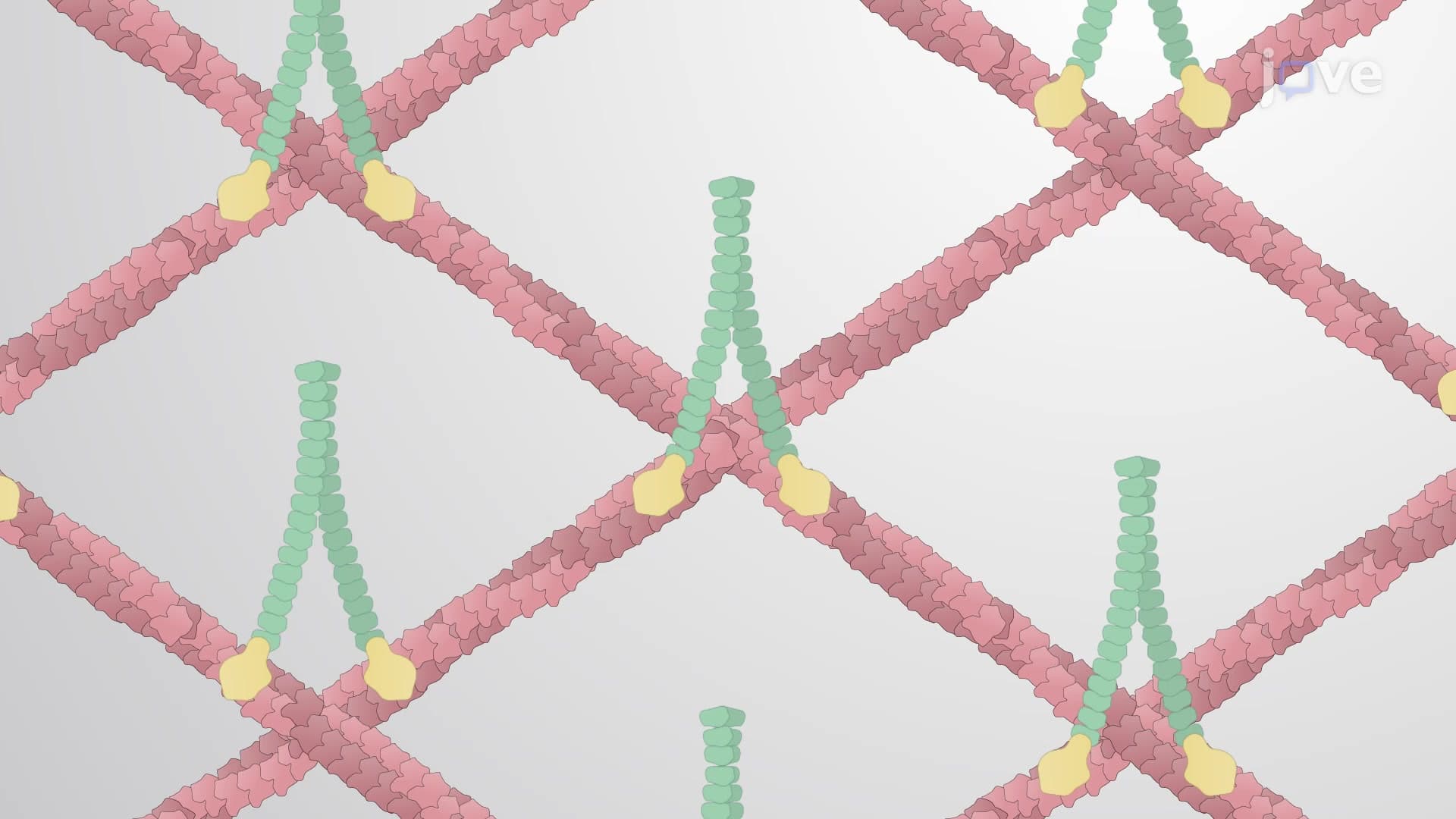
When G-actin monomers polymerize, they form filamentous actin (F-actin) through a sophisticated head-to-tail assembly process. This polymerization creates a tight, right-handed helical structure that provides mechanical strength and flexibility. The resulting F-actin filaments exhibit polarity, with the rapidly growing plus-end (barbed end) containing ATP-bound subunits and the slower-growing minus-end (pointed end) containing ADP-bound subunits. This polarity is essential for directed cellular processes like muscle contraction and cell migration.
ATP Hydrolysis and Filament Dynamics
The relationship between actin and ATP represents a critical aspect tested on standardized exams. G-actin possesses inherent ATPase activity that becomes significantly enhanced upon incorporation into F-actin filaments. During polymerization, ATP bound to G-actin undergoes hydrolysis to ADP and inorganic phosphate, creating highly stable filament structures. This ATP-dependent mechanism provides cells with precise control over filament assembly and disassembly, enabling rapid responses to cellular demands.
Isoform Diversity and Tissue-Specific Functions
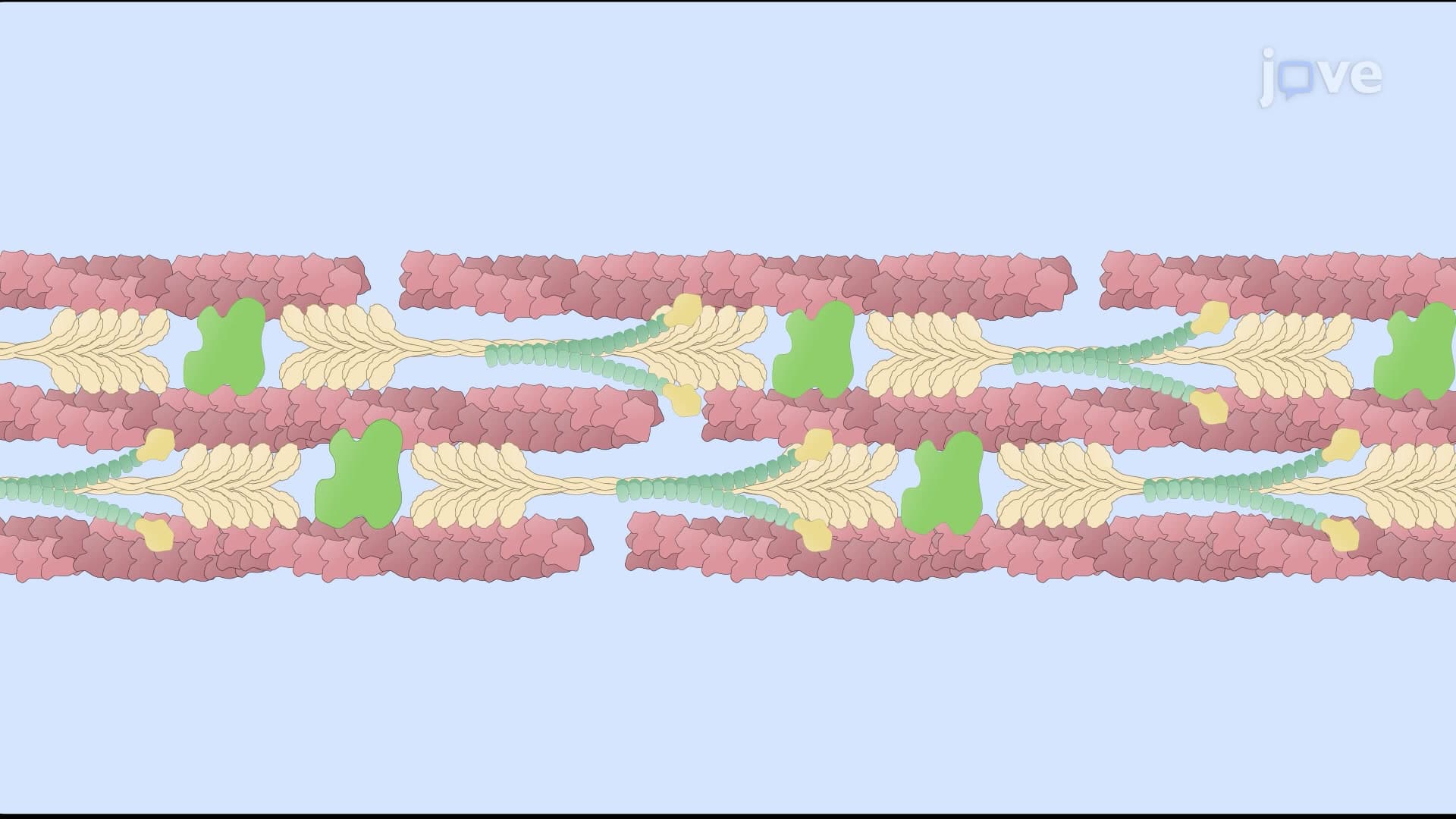
Actin exists in multiple isoforms that serve specialized functions across different tissue types. Alpha-actin predominates in contractile muscle fibers, particularly in cardiac and skeletal muscle cells found in patients at major medical centers like Mayo Clinic and Cleveland Clinic. Beta-actin concentrates in the cell cortex of non-muscle cells, contributing to cell shape maintenance and membrane organization. Gamma-actin appears primarily in smooth muscle fibers, such as those lining blood vessels and digestive organs. This isoform specificity allows cells to fine-tune their cytoskeletal properties according to functional requirements, a concept frequently explored in advanced placement and undergraduate biochemistry coursework.
Frequently Asked Questions
Actin is a globular protein that forms microfilaments, serving as a key component of the cytoskeleton in eukaryotic cells. It's essential for maintaining cell shape, enabling muscle contraction, facilitating cell division, and supporting cellular movement. Understanding actin is fundamental for students studying cell biology, as it connects to numerous physiological processes from muscle function to wound healing.
Actin frequently appears in MCAT Cell and Molecular Biology sections, particularly in questions about cytoskeleton structure, muscle contraction mechanisms, and cell motility. AP Biology students encounter actin in Unit 2 (Cell Structure and Function) and Unit 3 (Cellular Energetics), often in free-response questions about cellular organization or comparative physiology. Students should focus on understanding polymerization, ATP requirements, and isoform functions.
G-actin represents the monomeric, globular form that serves as building blocks, while F-actin is the polymerized filamentous form providing structural support. College biology courses emphasize that G-actin can rapidly assemble into F-actin when cells need structural reinforcement or contractile capability. This dynamic equilibrium allows cells to quickly reorganize their cytoskeleton in response to environmental changes or mechanical stress.
Actin mutations cause various muscular disorders, including certain forms of cardiomyopathy and skeletal muscle myopathies treated at institutions like Johns Hopkins and Harvard Medical School. Medical students learn that alpha-actin defects can lead to heart failure, while other isoform abnormalities affect smooth muscle function in blood vessels. These clinical connections help pre-med students understand the protein's medical significance.
Actin concepts are very manageable for students with basic chemistry knowledge of proteins and ATP. The key is starting with simple structure-function relationships before exploring complex polymerization mechanisms. Most students find actin easier to grasp than other cytoskeletal proteins because its role in familiar processes like muscle contraction provides concrete examples they can visualize and relate to everyday experiences.
Create visual diagrams comparing G-actin and F-actin structures, then practice drawing polymerization steps with ATP/ADP states clearly labeled. Use active recall by explaining actin functions without notes, and connect each isoform to specific tissue examples. Many students benefit from relating actin to familiar processes like exercise-induced muscle growth or wound healing to make abstract concepts more memorable.
Build on actin knowledge by exploring myosin motor proteins and the sliding filament theory of muscle contraction, followed by other cytoskeletal elements like microtubules and intermediate filaments. Advanced students can investigate actin-binding proteins, cell migration mechanisms, and cytoskeletal regulation in cancer metastasis, topics commonly featured in upper-level biology courses and graduate school entrance exams.
Related Micro-courses
11 Concepts
6 Concepts