Loading subject page…


162,824 views

Video Summary: What Is Actin and Myosin
Every time you lift a textbook or run to catch the school bus, billions of actin and myosin proteins work together in perfect synchronization to power your muscles. Actin and myosin are the fundamental contractile proteins that make muscle movement possible through a sophisticated molecular sliding mechanism. For instance, when a high school athlete sprints across the track, these proteins rapidly cycle through binding and releasing patterns that generate the force needed for each stride. What is actin and myosin in detail reveals a complex yet elegant system where calcium ions trigger conformational changes that allow myosin heads to grab onto actin filaments and pull them inward, creating muscle contraction. Watch the full video on JoVE Coach to master this concept with expert-led visuals and step-by-step explanations.
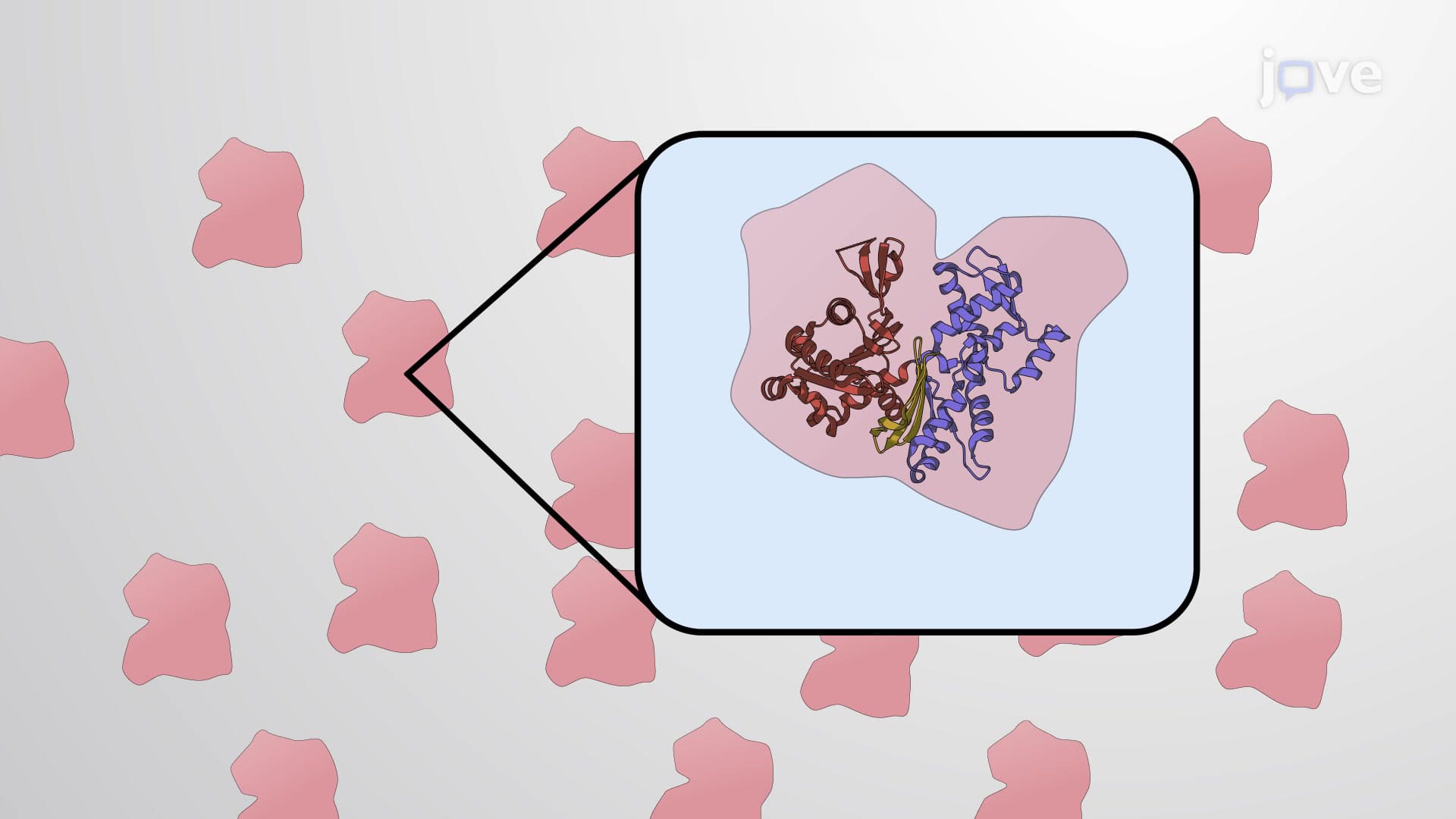
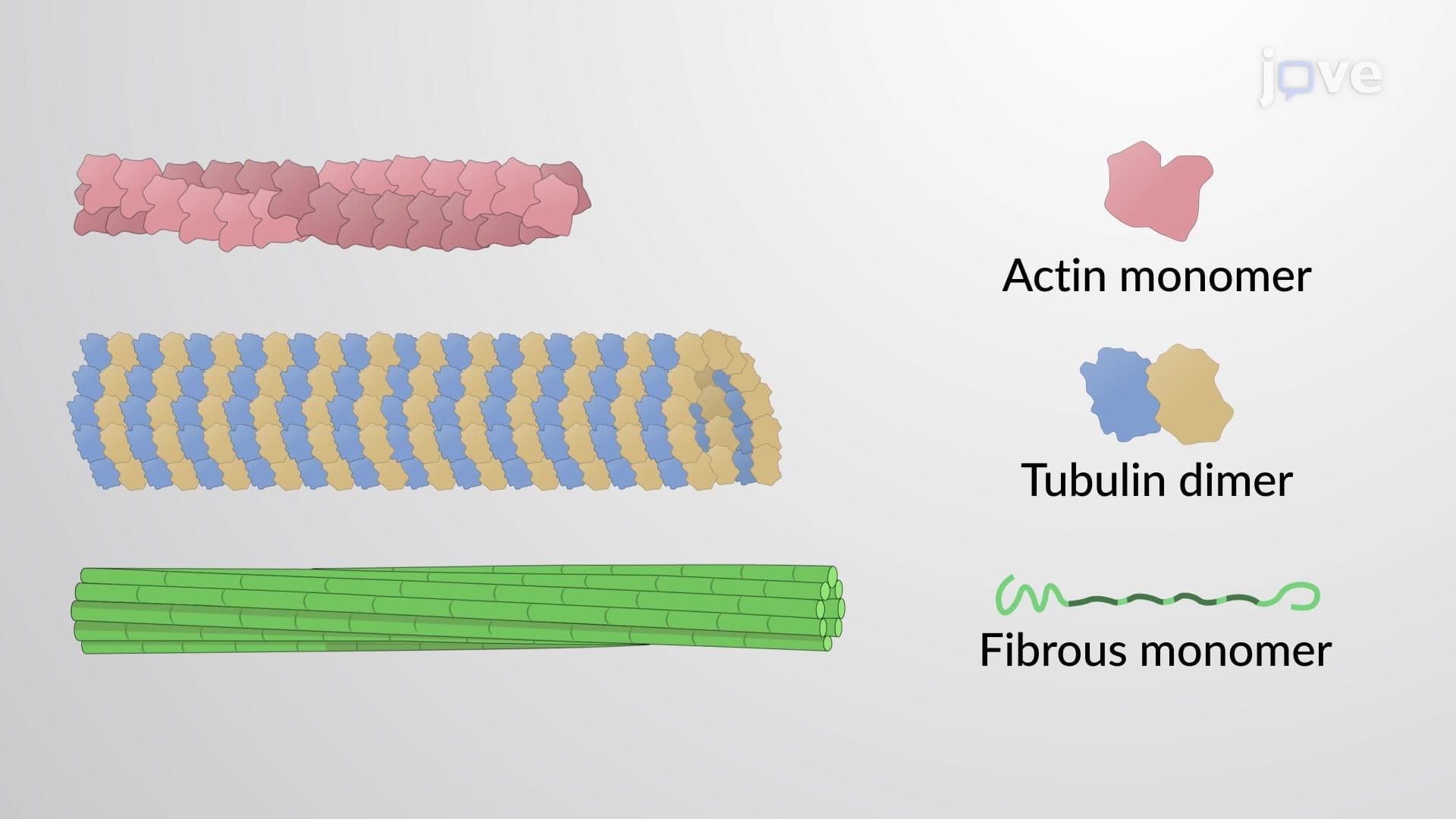
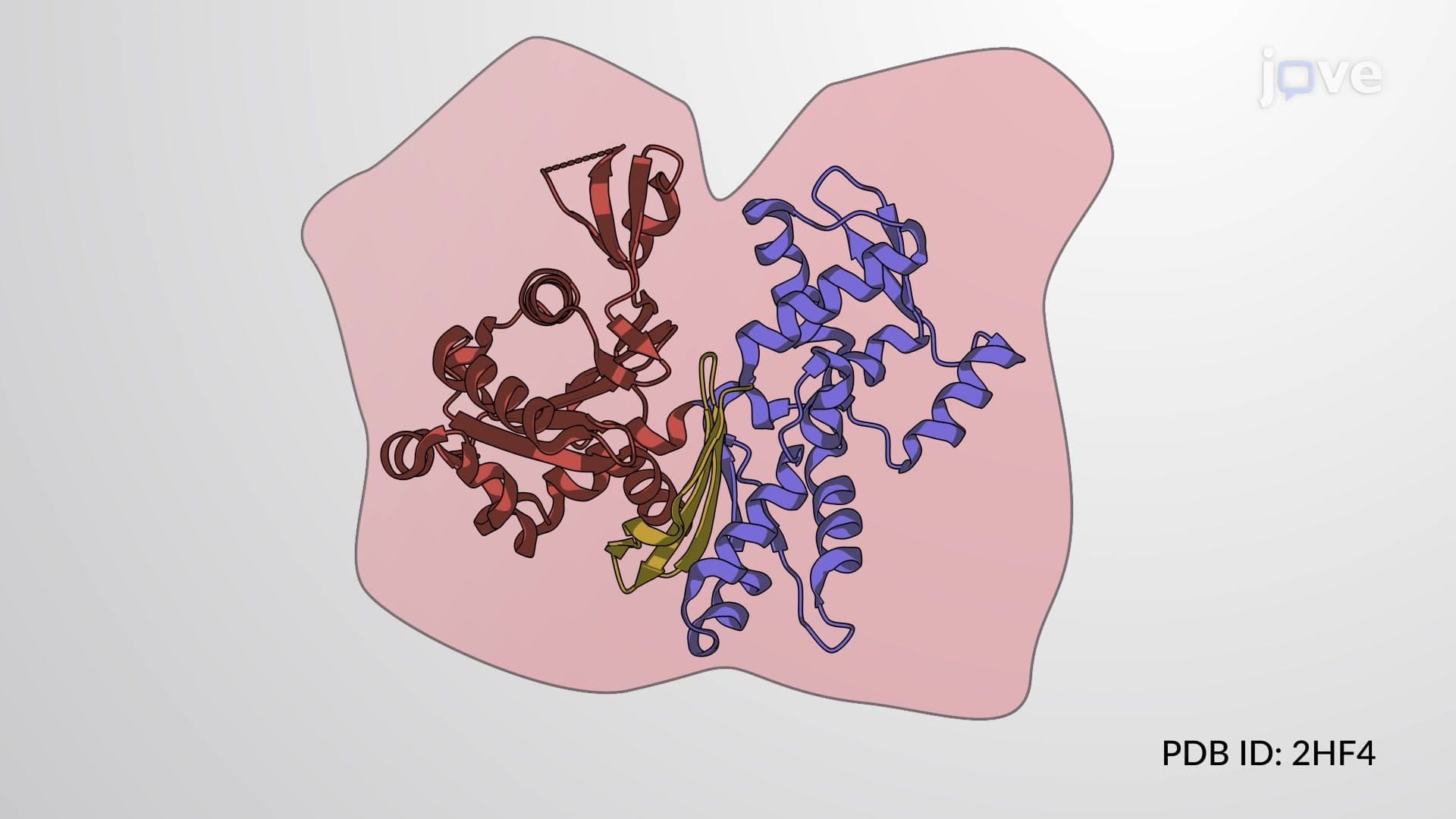
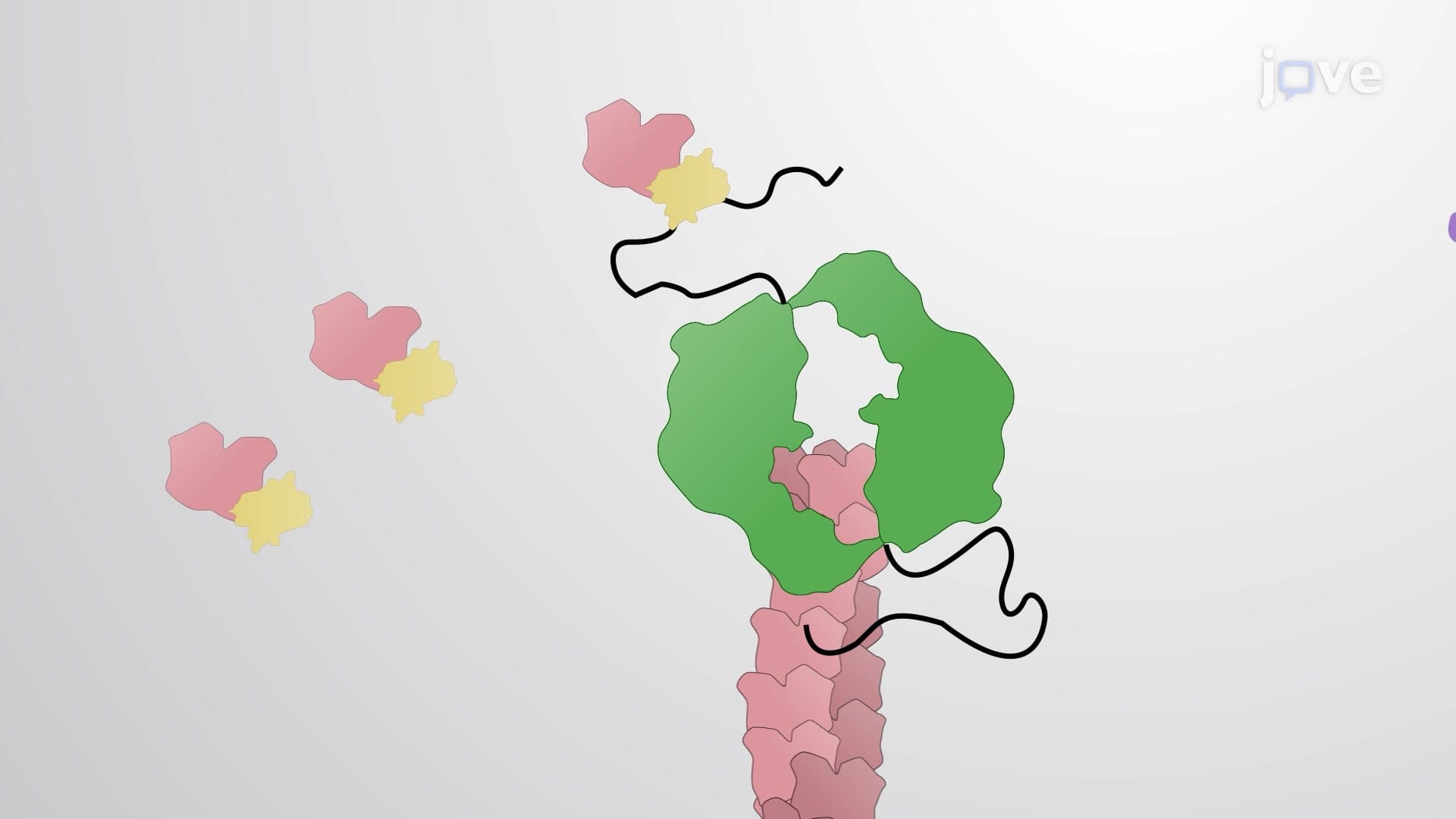
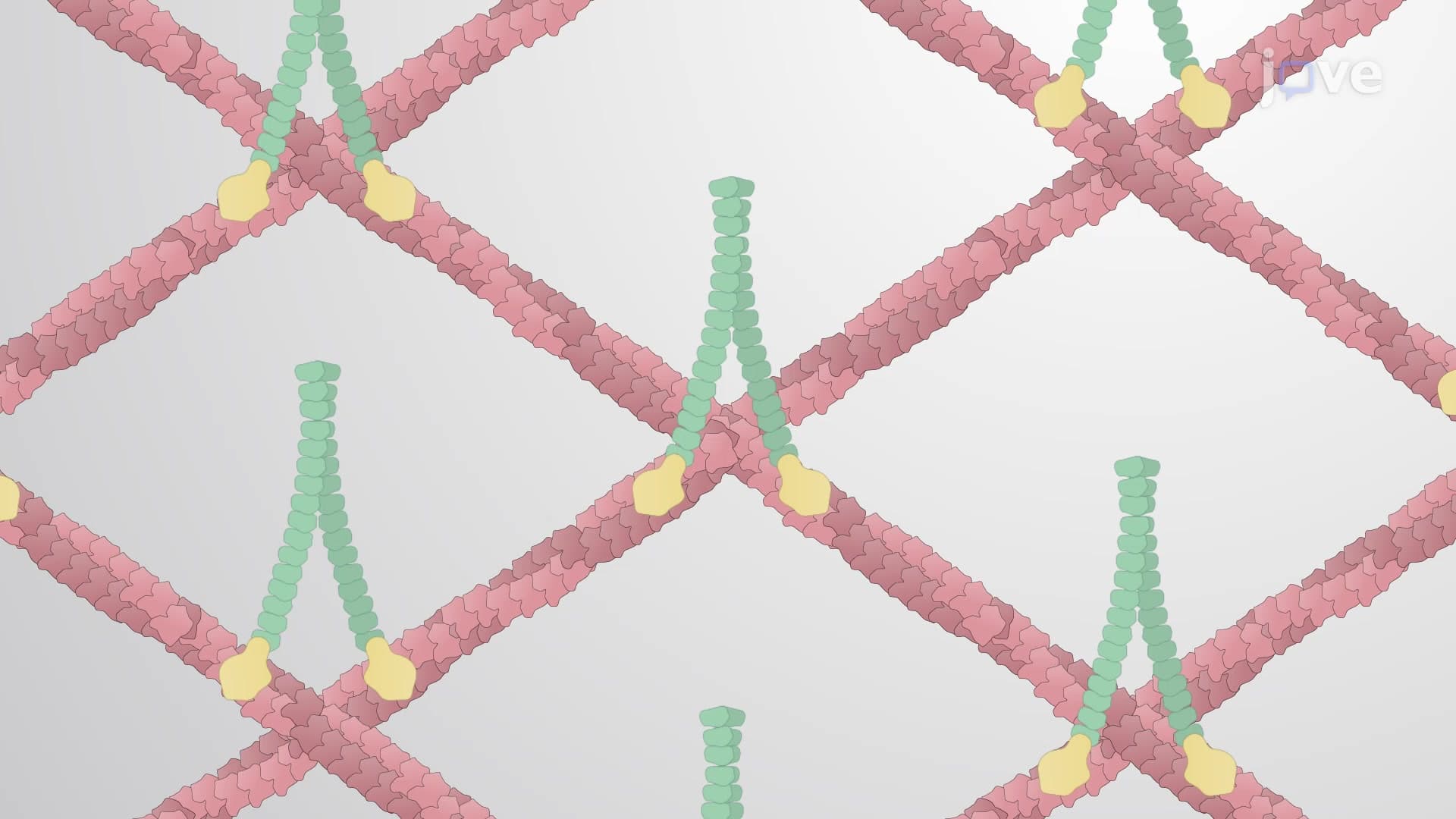
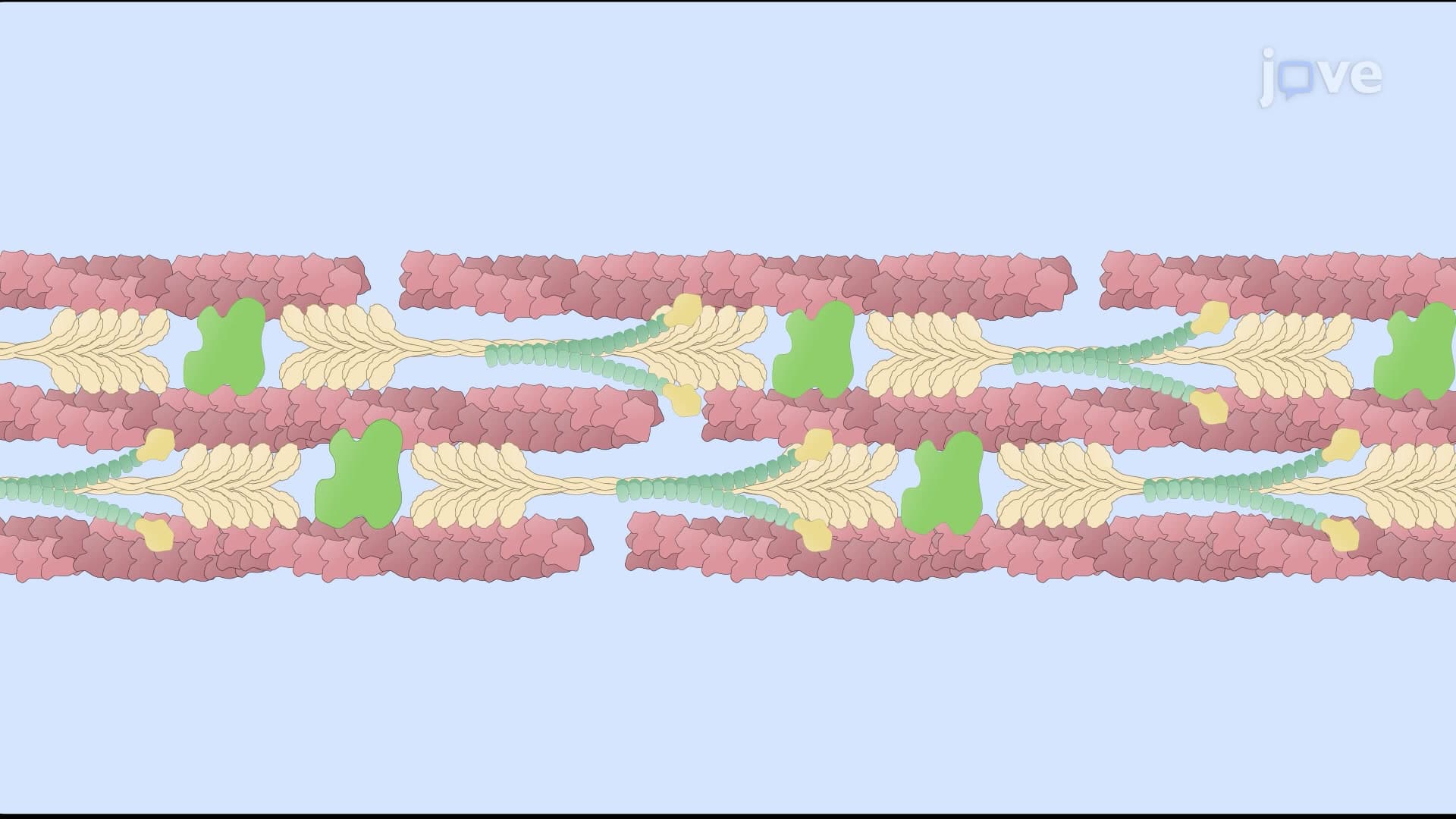
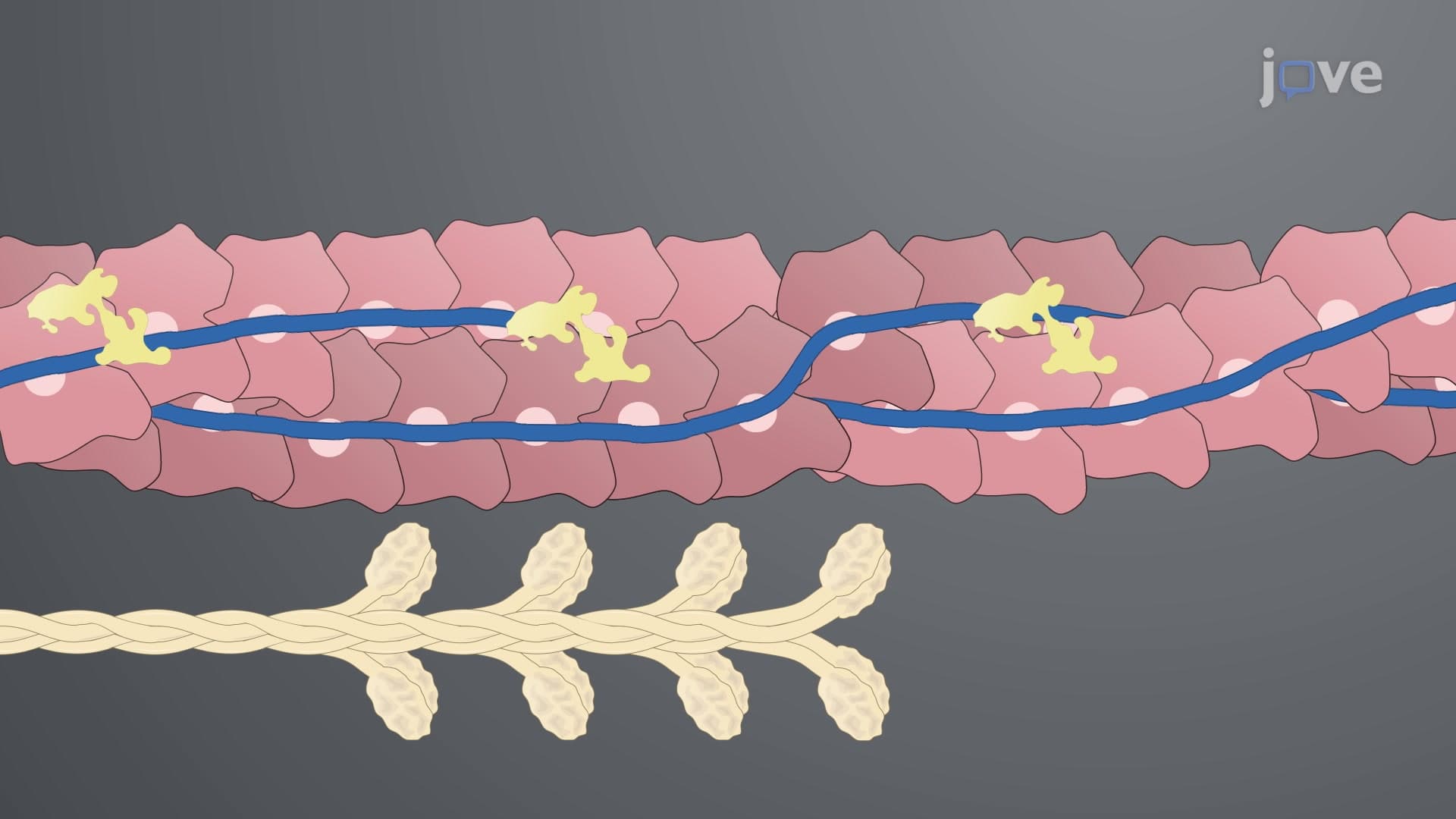
What is actin and myosin represents one of the most fundamental questions in cell biology and physiology. These two proteins form the core machinery that enables all voluntary and involuntary muscle movements in the human body. Actin exists as thin filaments composed of globular protein subunits arranged in a double helical structure, while myosin forms thick filaments with distinctive club-shaped heads that contain both motor and enzymatic properties.
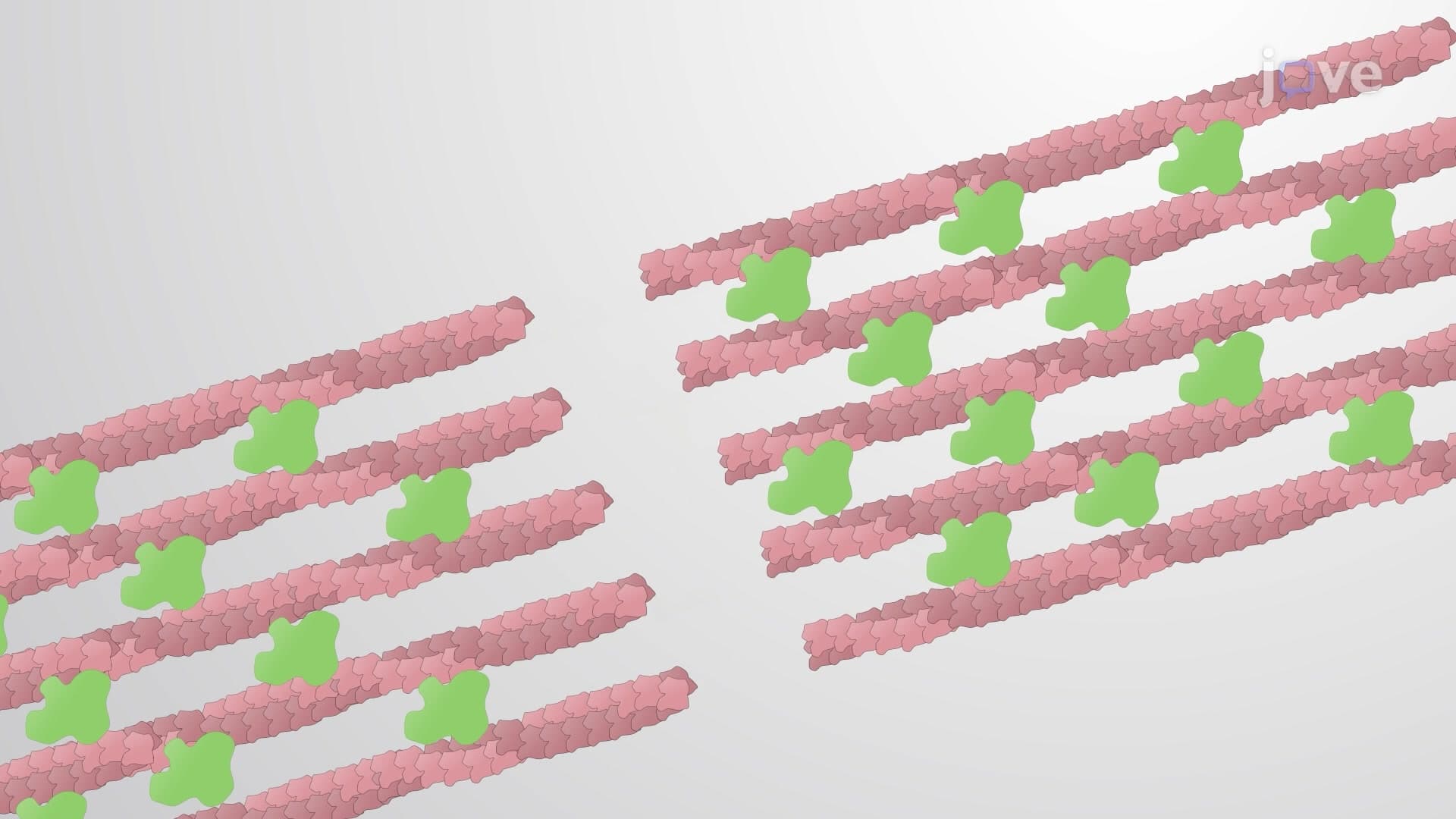
The actin and myosin definition centers on their ability to generate force through a sliding filament mechanism first described by Hugh Huxley in the 1950s. This process occurs within sarcomeres, the basic contractile units of muscle fibers. When a muscle contracts, myosin heads bind to specific sites on actin filaments, forming cross-bridges. The myosin heads then pivot, pulling the actin filaments toward the center of the sarcomere in what's known as the power stroke. This sliding action shortens the entire muscle fiber without the individual filaments changing length.
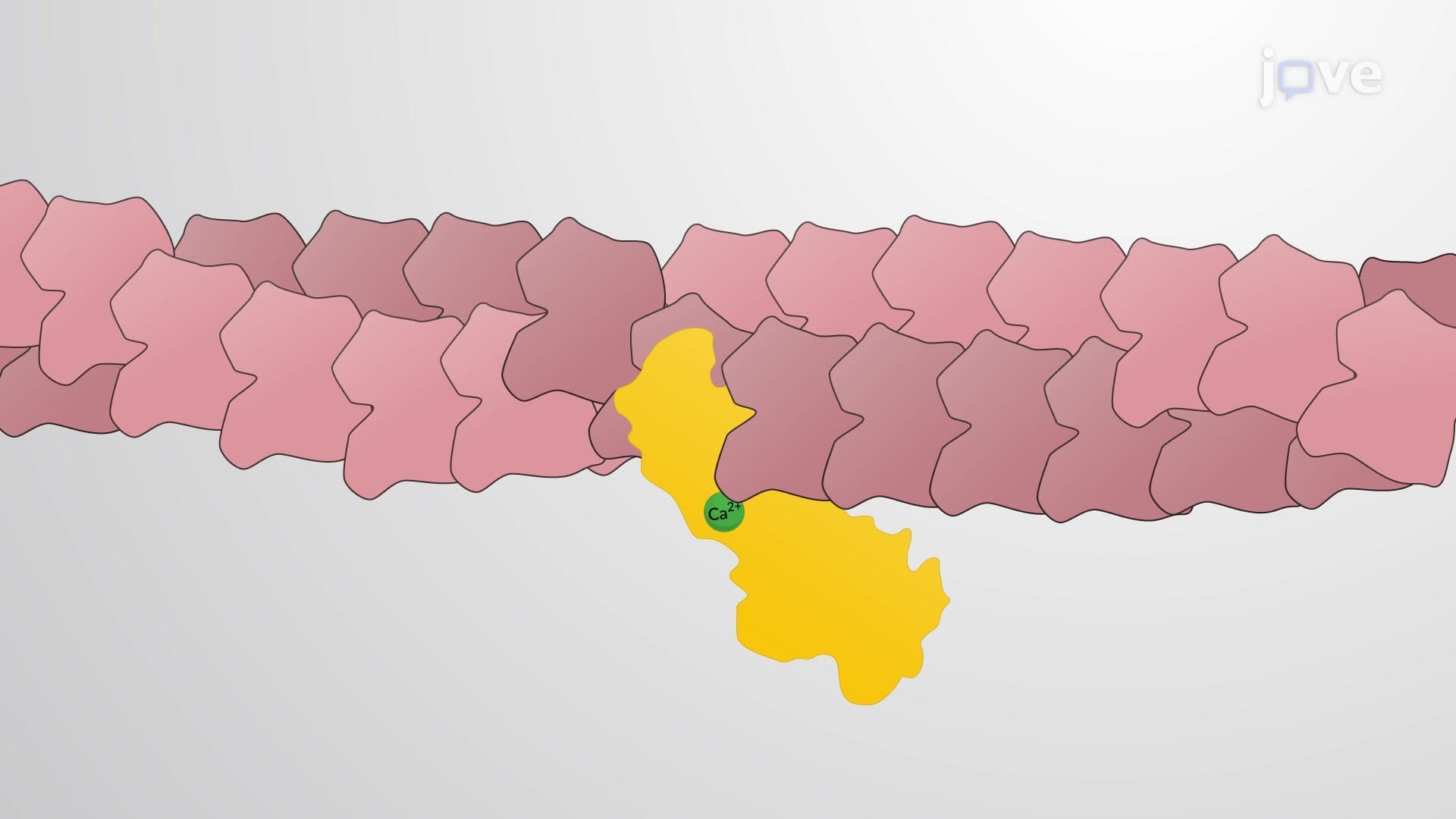
Understanding what is actin and myosin in detail requires examining the regulatory proteins troponin and tropomyosin. In relaxed muscle, tropomyosin blocks myosin-binding sites on actin filaments. When calcium ions are released from the sarcoplasmic reticulum, they bind to troponin C, causing a conformational change that shifts tropomyosin and exposes the binding sites. This calcium-dependent regulation ensures that muscle contraction occurs only when needed, such as when a baseball pitcher winds up for a fastball or when cardiac muscle contracts to pump blood.
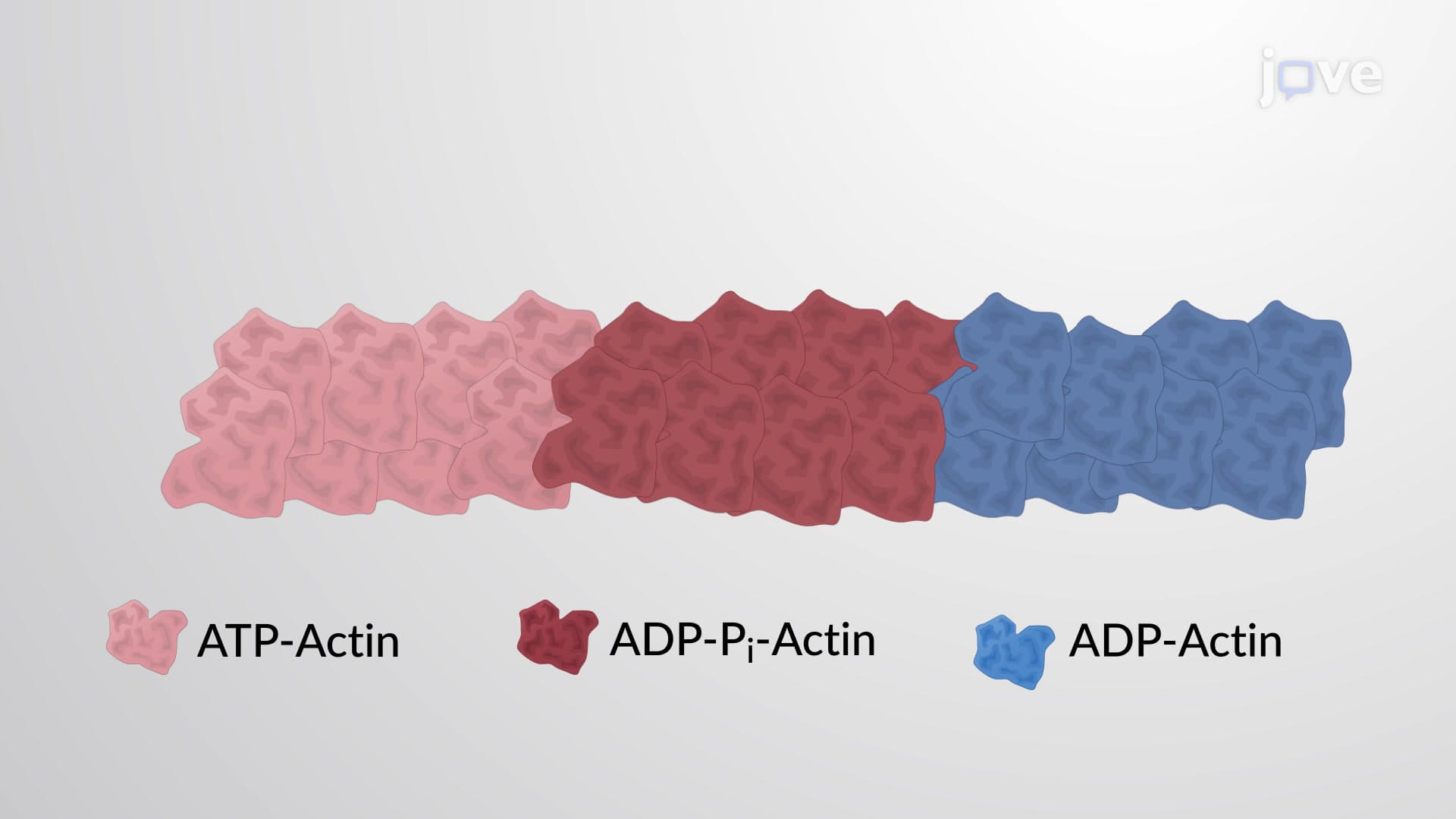
The actin and myosin concept heavily relies on ATP as the energy source for contraction. Each cross-bridge cycle requires one ATP molecule, which serves two critical functions: providing energy for the power stroke and enabling the detachment of myosin from actin. Without ATP, muscles would remain in a contracted state, as seen in rigor mortis. Students preparing for the AP Biology exam or MCAT often encounter questions about this ATP-dependent cycle and should understand that myosin's ATPase activity hydrolyzes ATP to ADP and phosphate, "cocking" the myosin head for the next cycle.
Related Micro-courses