Loading subject page…

- Cell Biology
- The Cytoskeleton I: Actin and Microfilaments
- Actin Polymerization
Micro-course: The Cytoskeleton I: Actin and Microfilaments
162,819 views
Learn key concepts and earn your certificate.

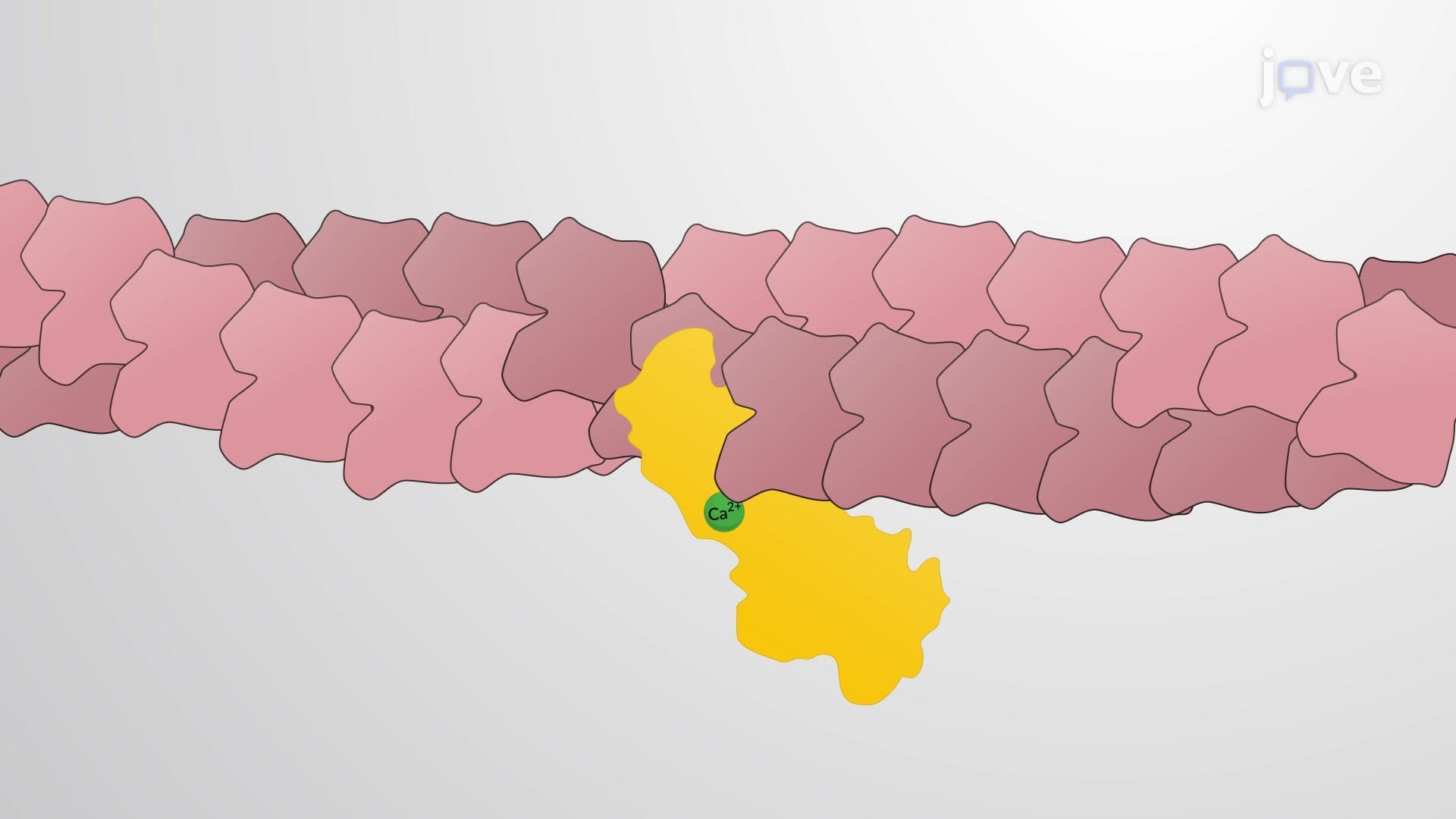
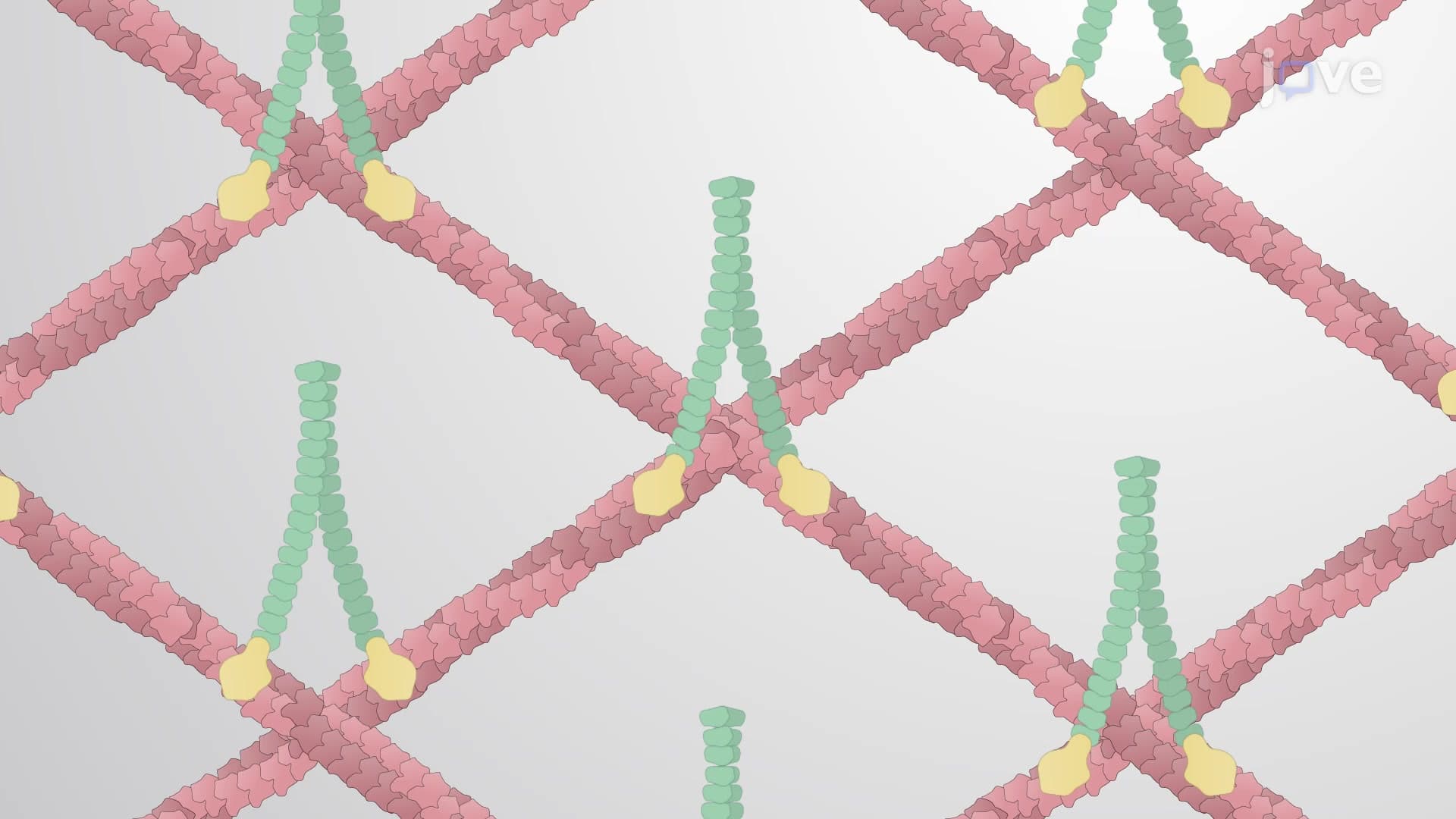

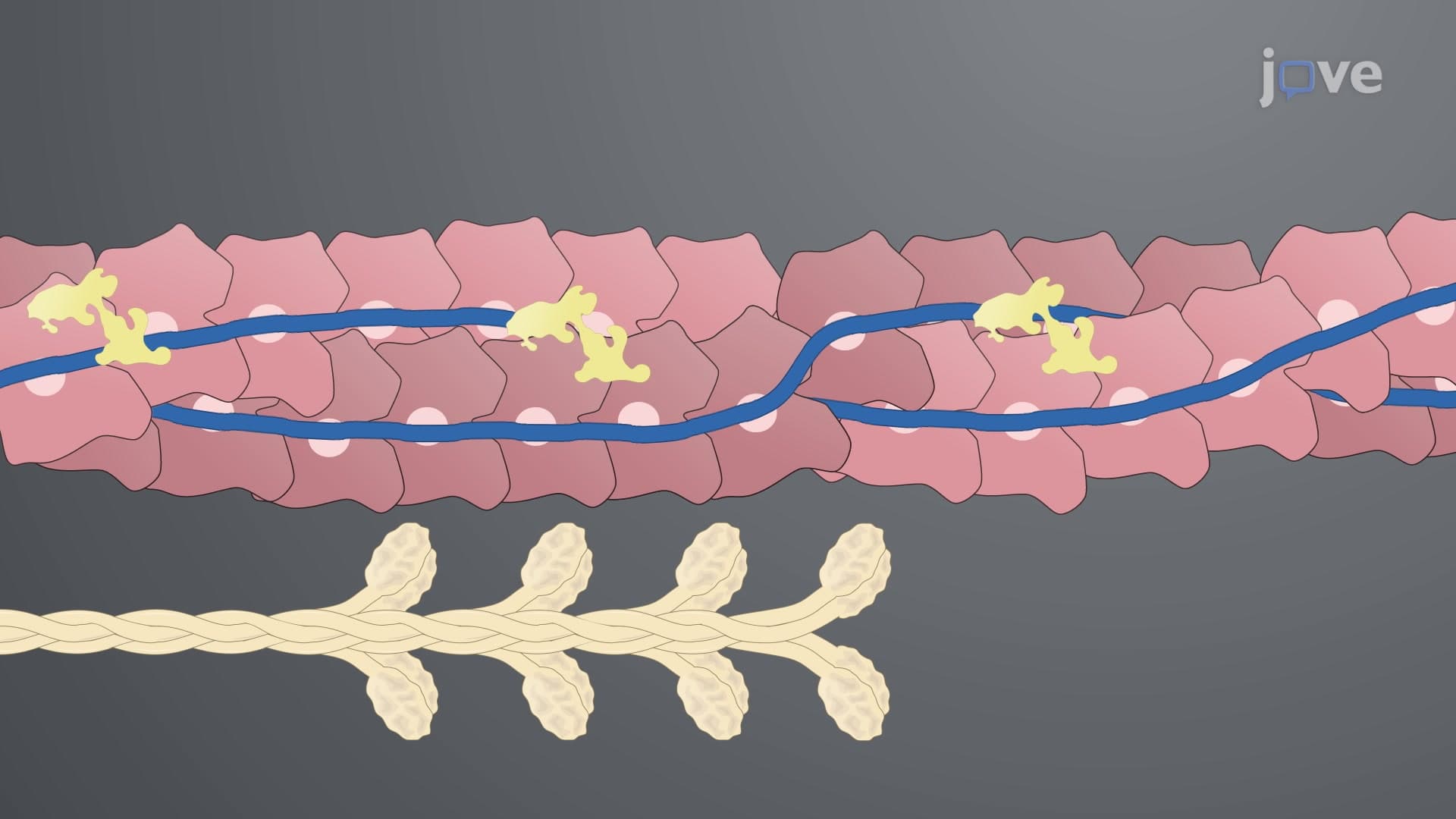
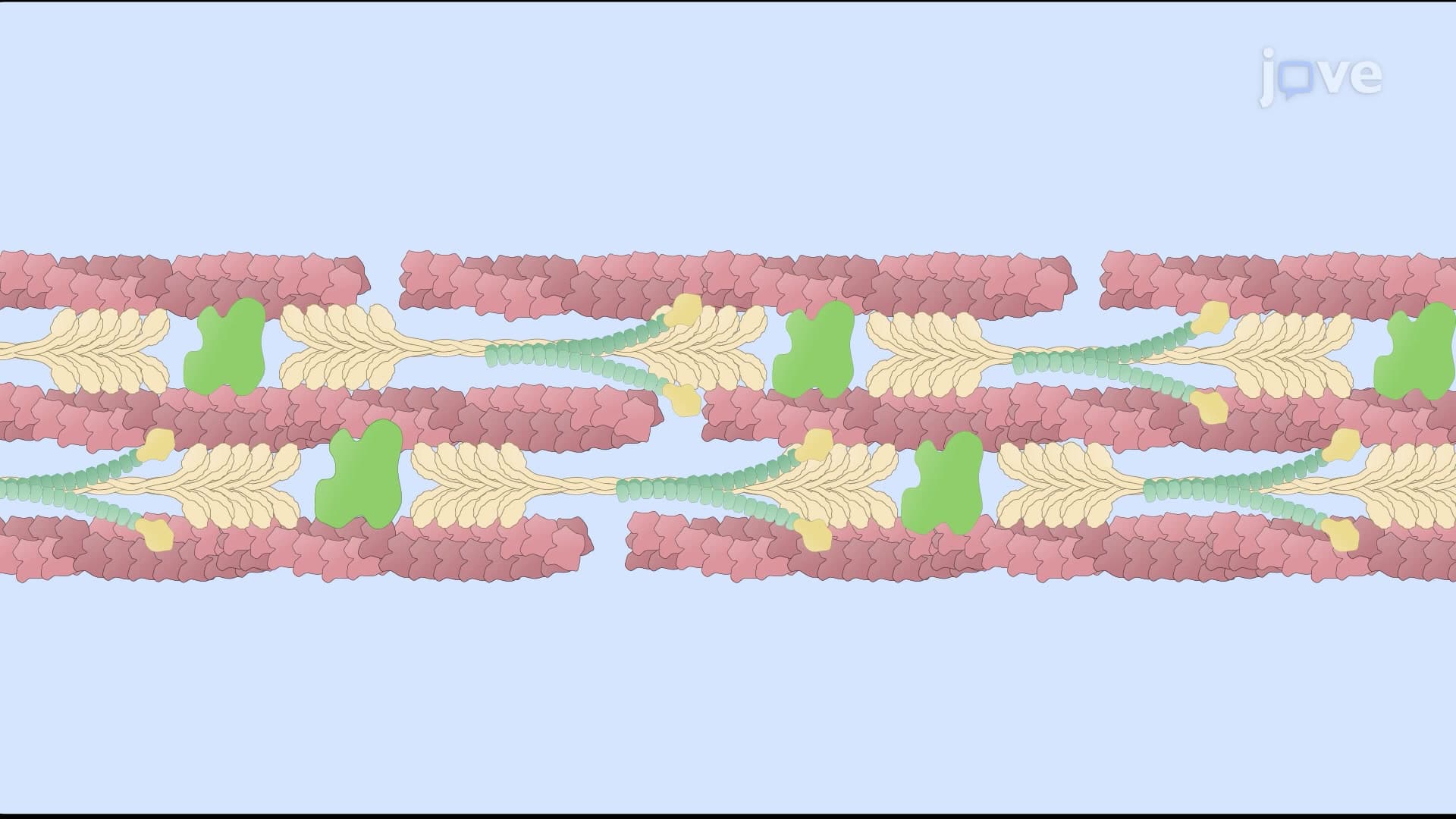
Actin Polymerization

00:00
01:42
Video Summary: What Is Actin Polymerization
Every second, your muscle cells assemble millions of protein filaments to power movement-from blinking your eyes to running a marathon. Actin polymerization is the cellular process where individual actin proteins link together to form long, dynamic filaments essential for muscle contraction, cell division, and cellular movement. In medical research at institutions like Johns Hopkins University, understanding this process helps scientists develop treatments for muscular dystrophy and cancer metastasis. Watch the full video on JoVE Coach to master this concept with expert-led visuals and step-by-step explanations.
- Understand what is actin polymerization and its fundamental role in cellular structure and function
- Identify the three distinct phases of spontaneous actin polymerization: nucleation, elongation, and steady-state
- Analyze the structural differences between the plus-end (barbed-end) and minus-end (pointed-end) of actin filaments
- Compare spontaneous polymerization versus protein-mediated polymerization mechanisms
- Evaluate the roles of profilin and formin proteins in regulated actin assembly
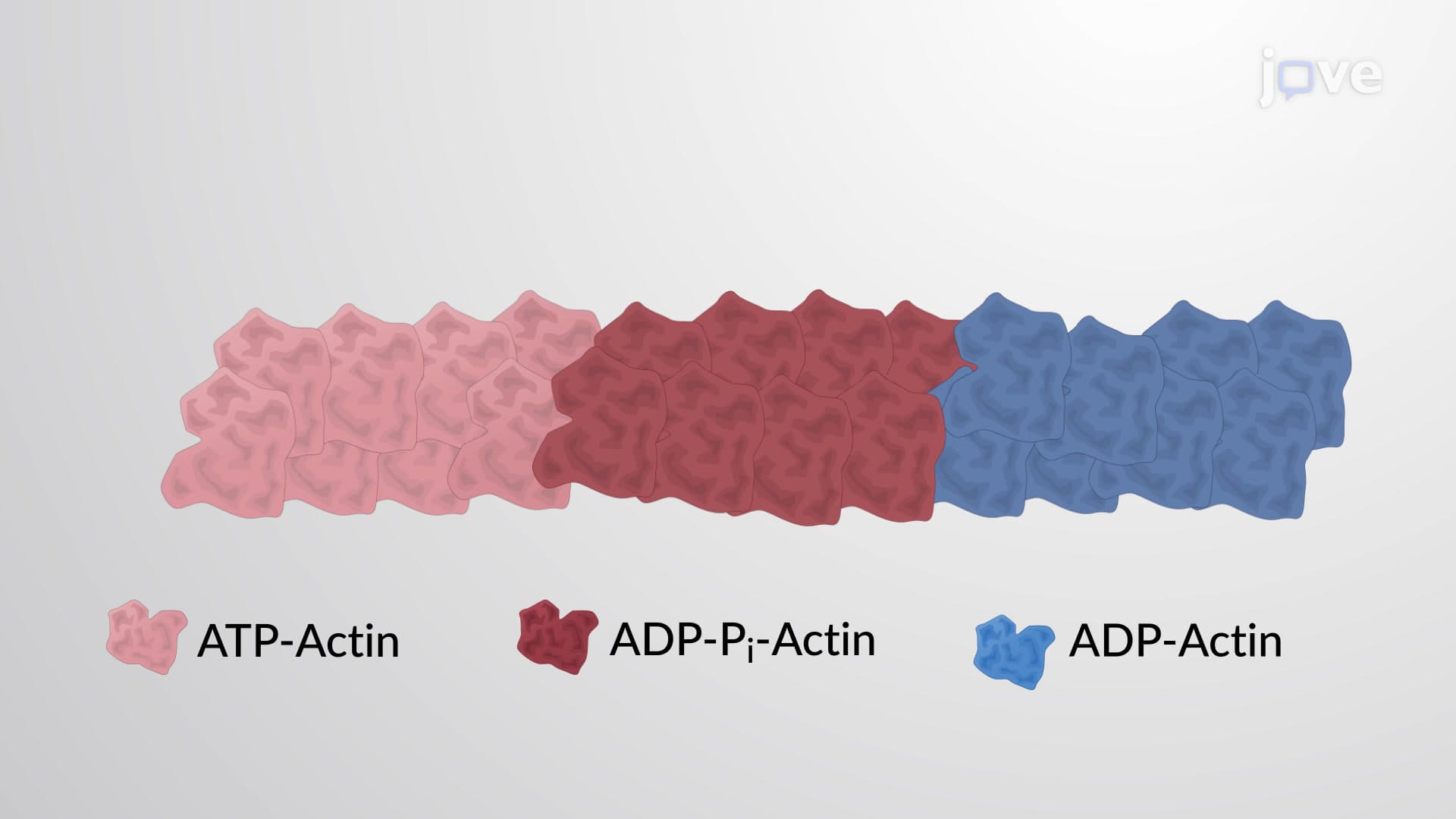
- Apply knowledge of ATP hydrolysis and ADP exchange in actin monomer activation
- Recognize how actin polymerization contributes to essential cellular processes like muscle contraction and cell migration
- Explore the dynamic equilibrium between actin assembly and disassembly at steady-state
Understanding Actin Polymerization: From Monomers to Filaments
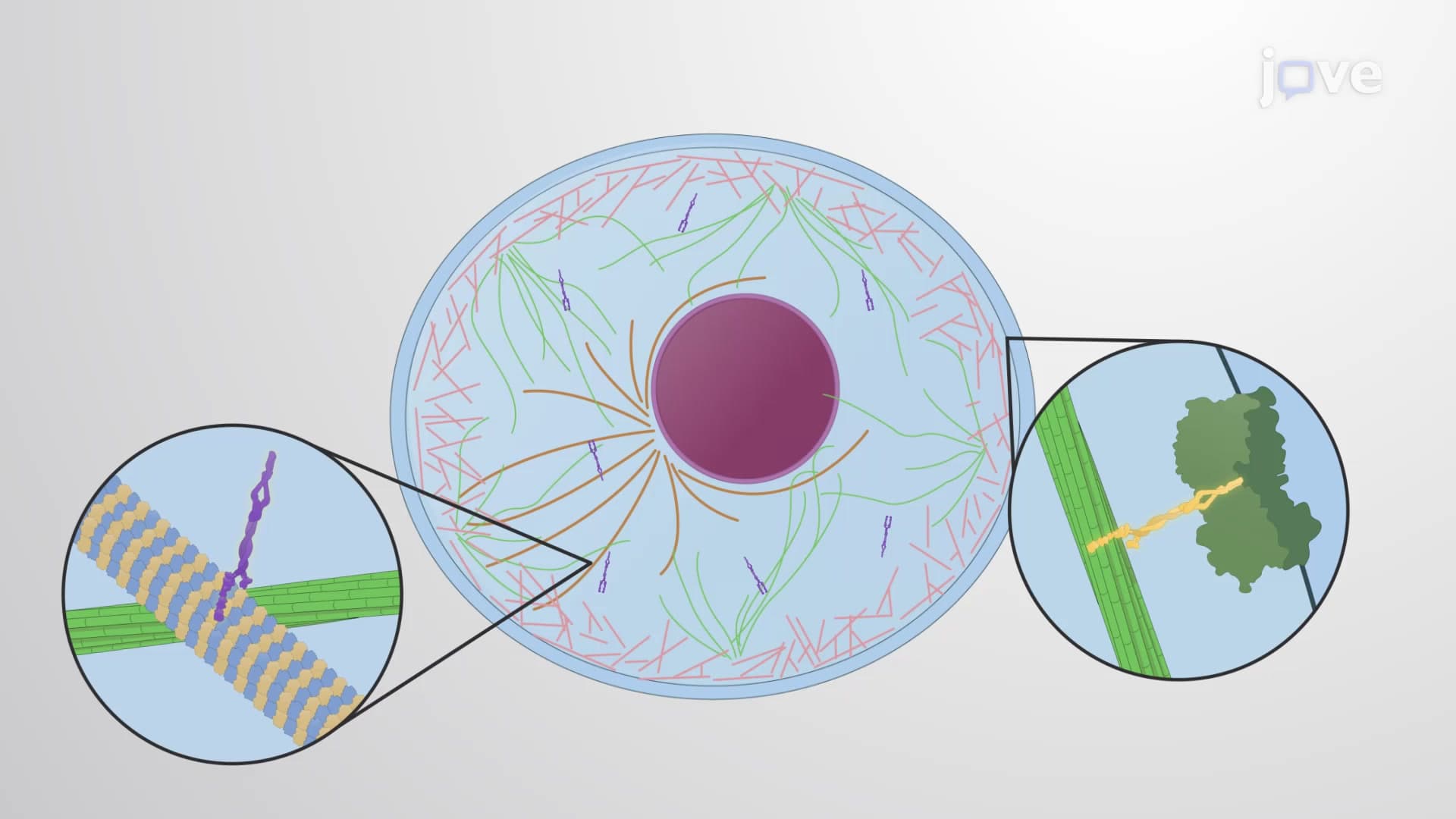
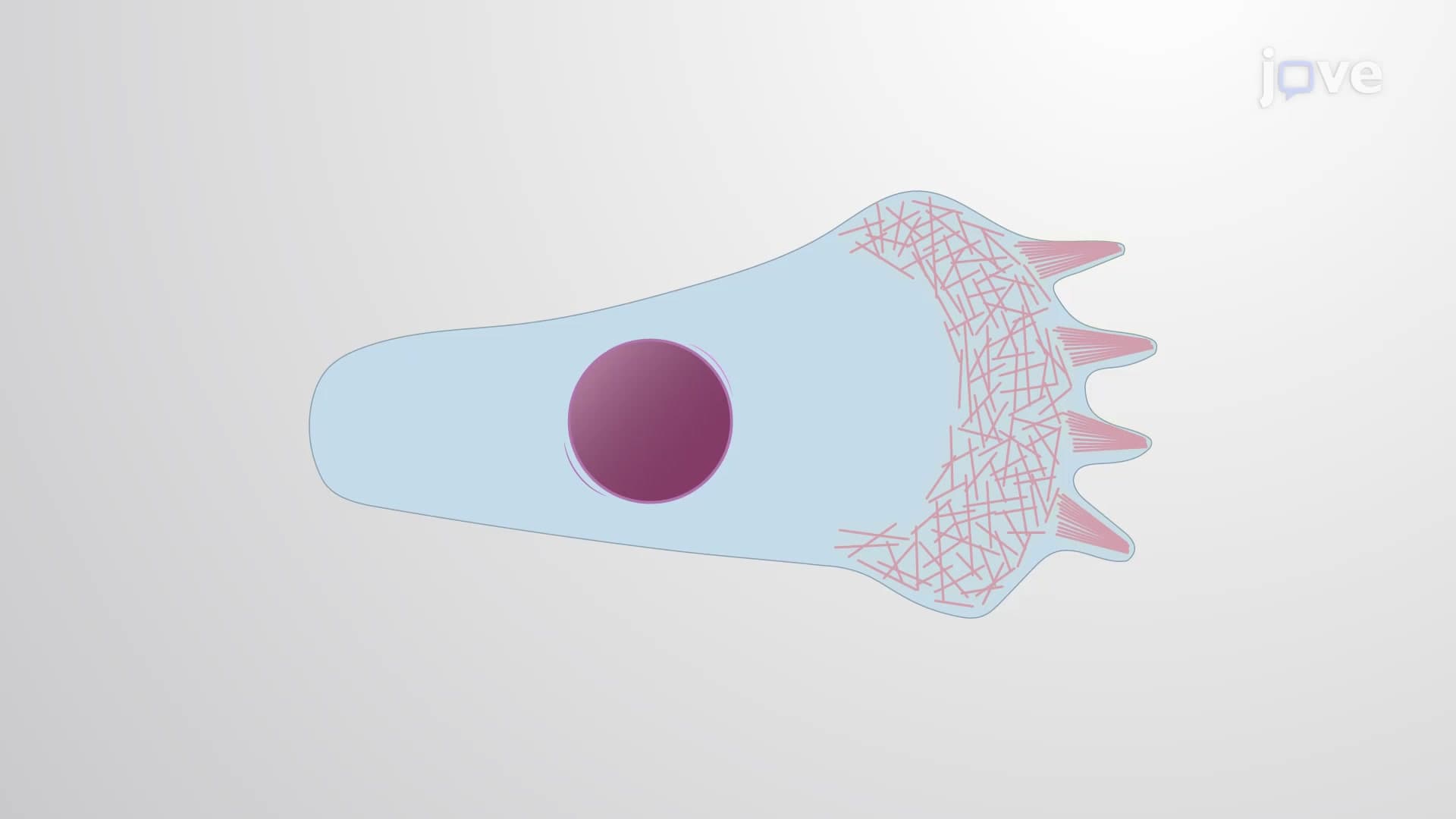
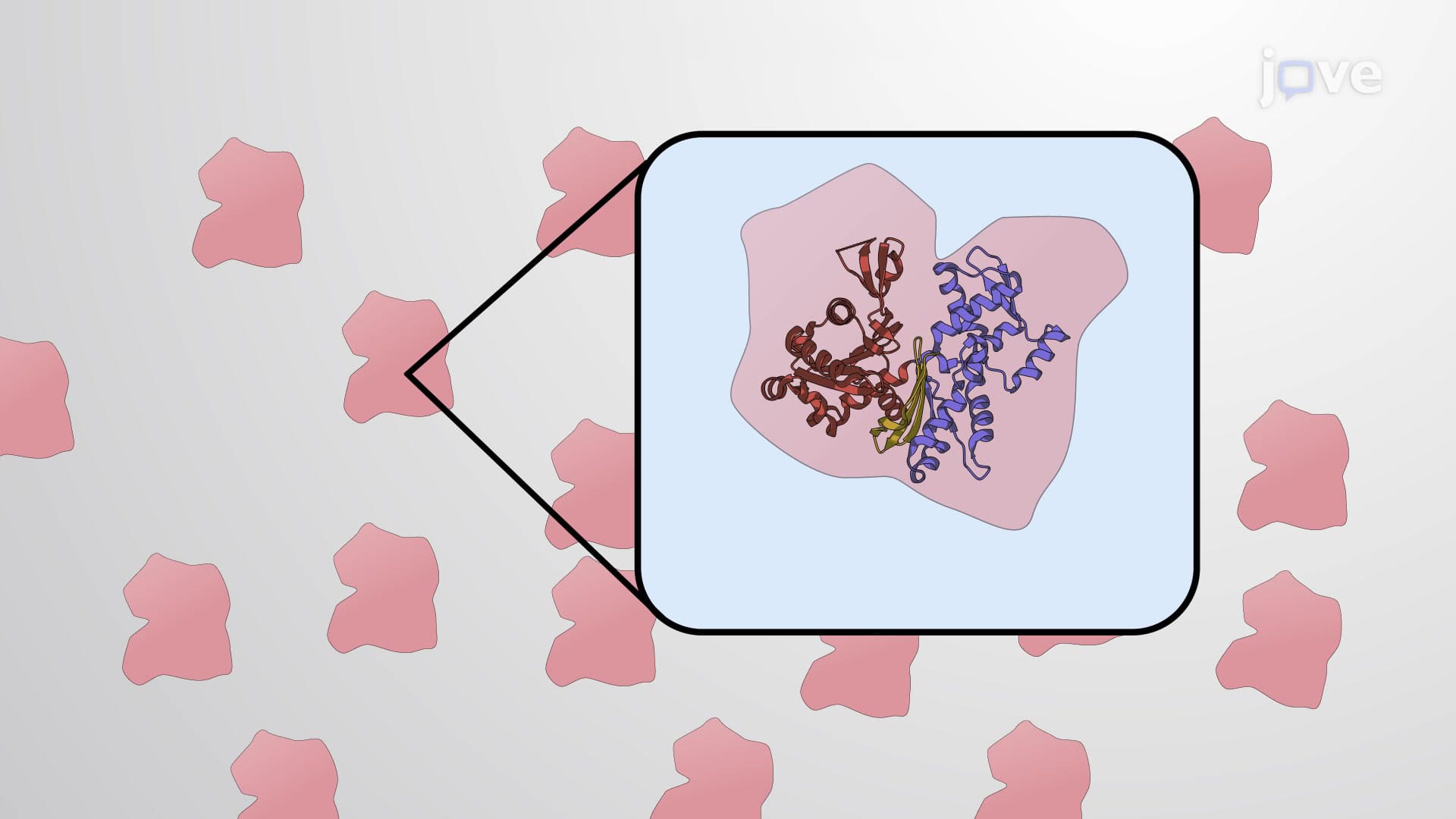
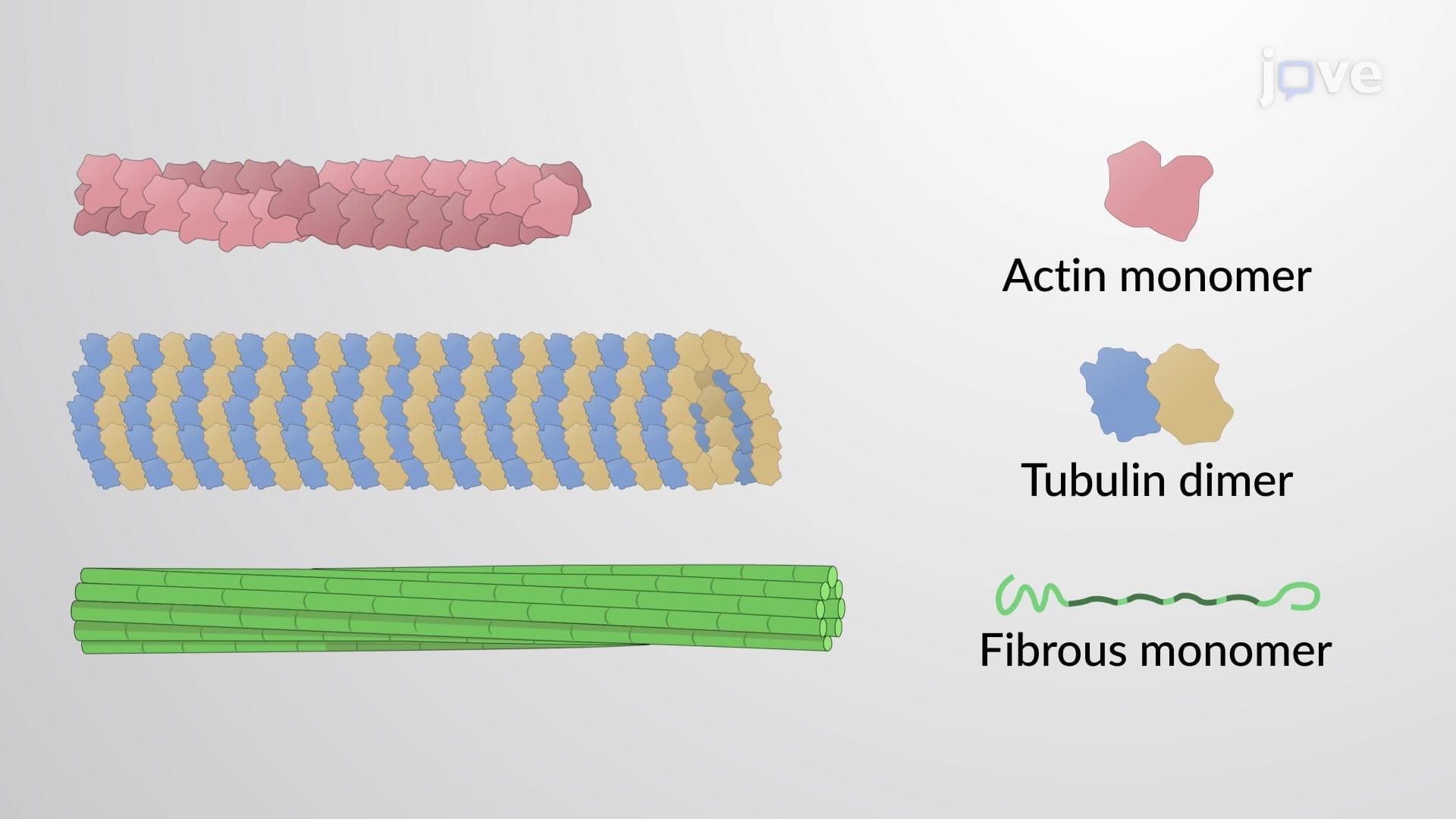
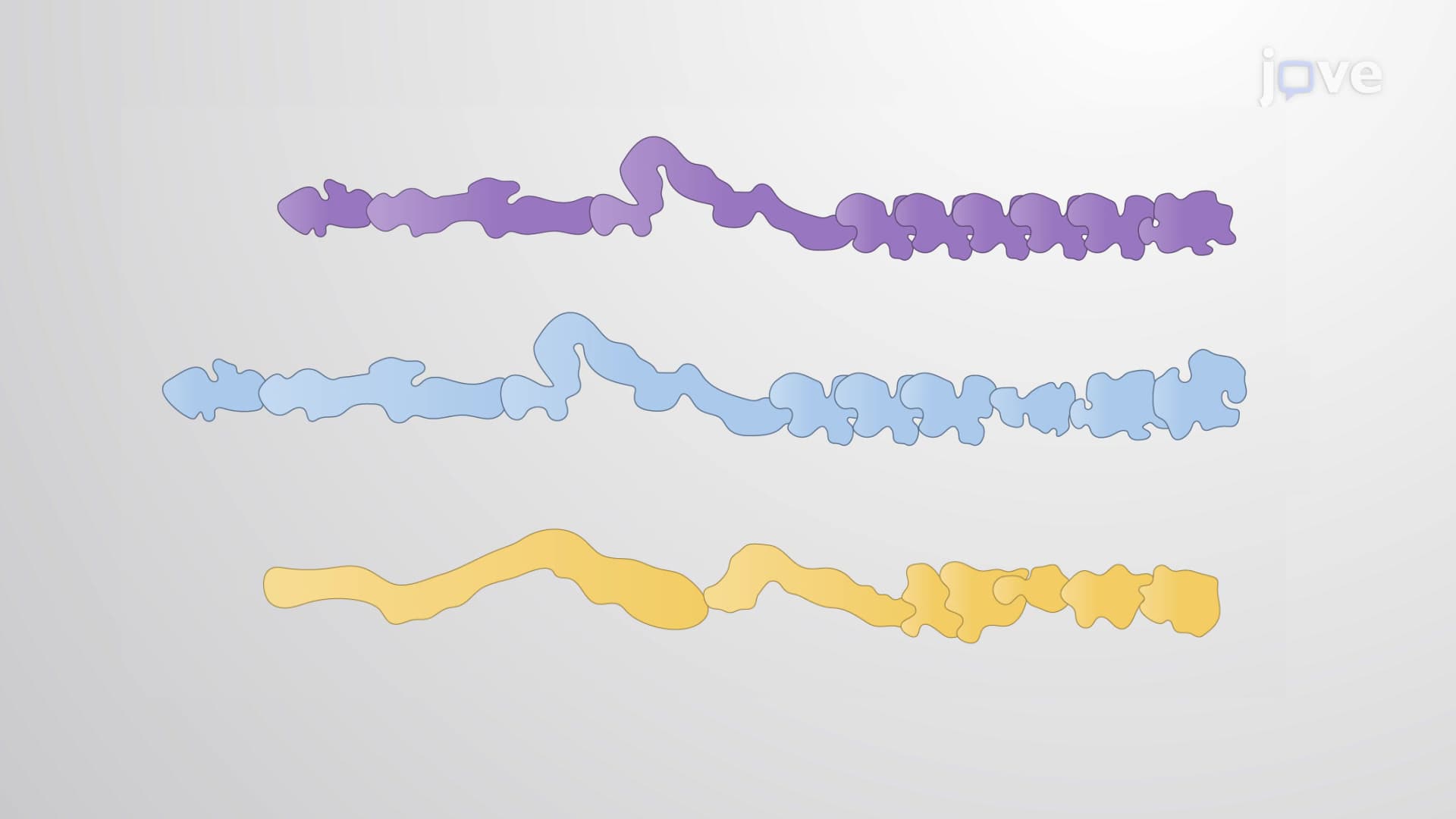
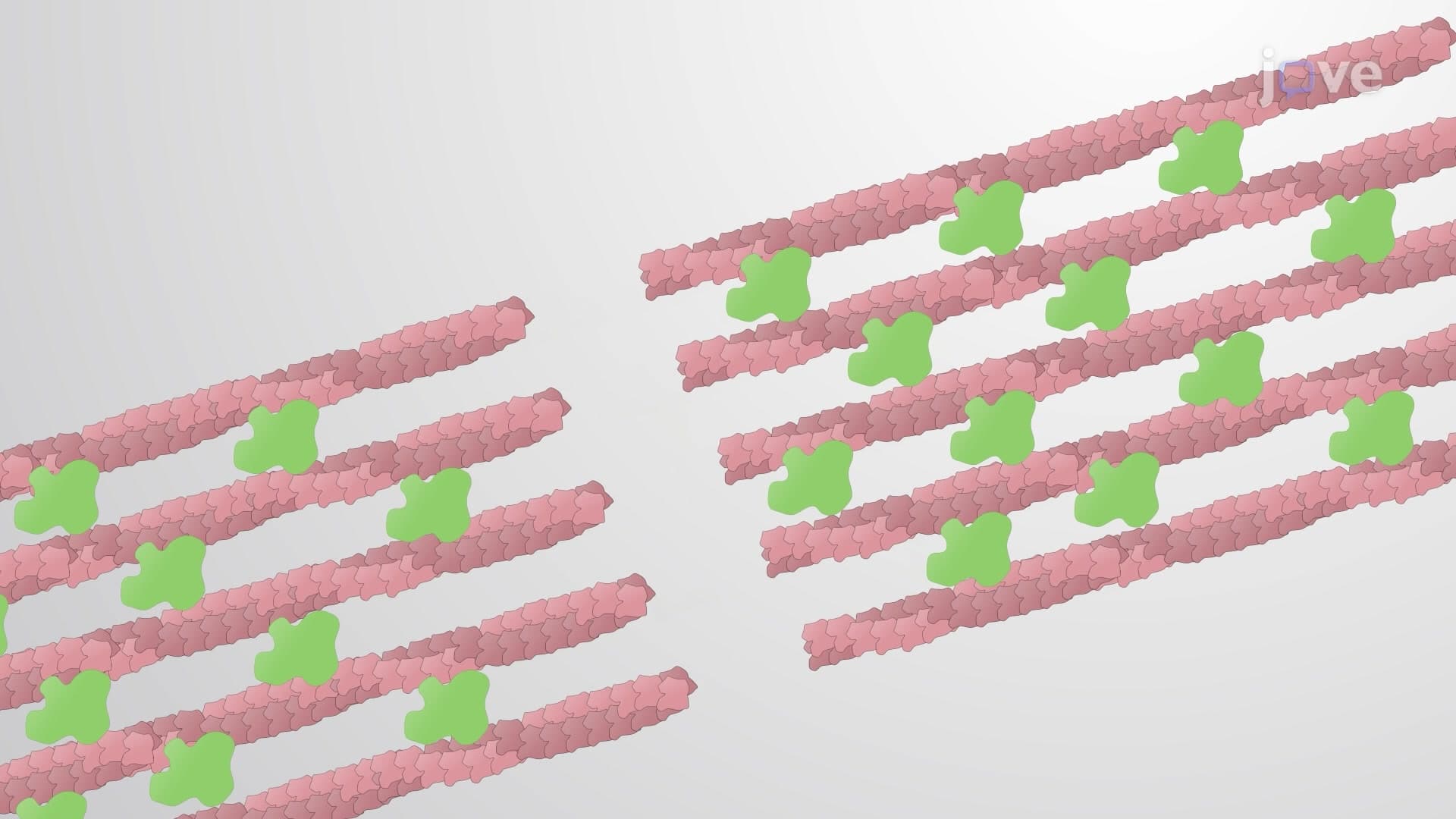
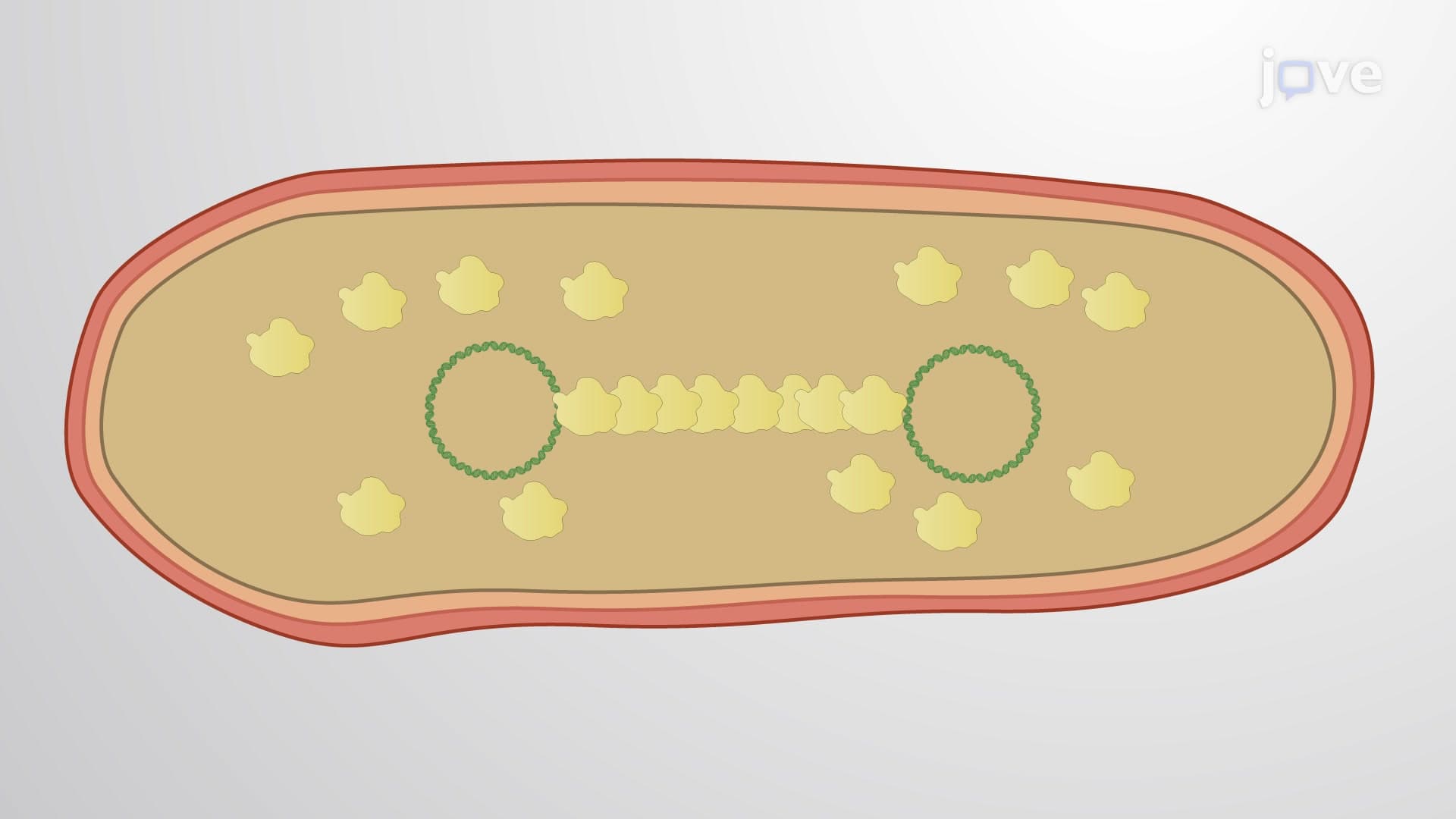
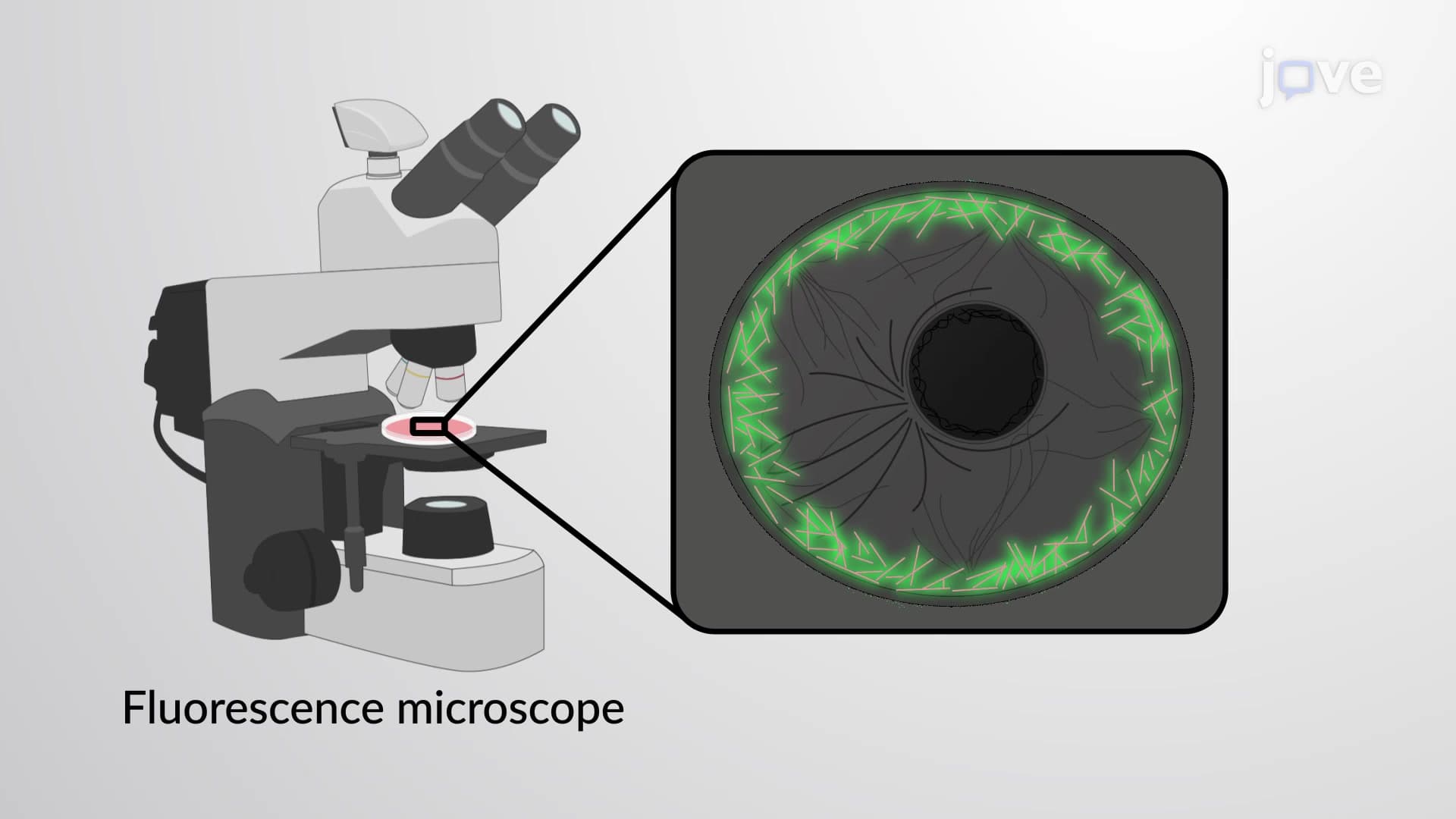
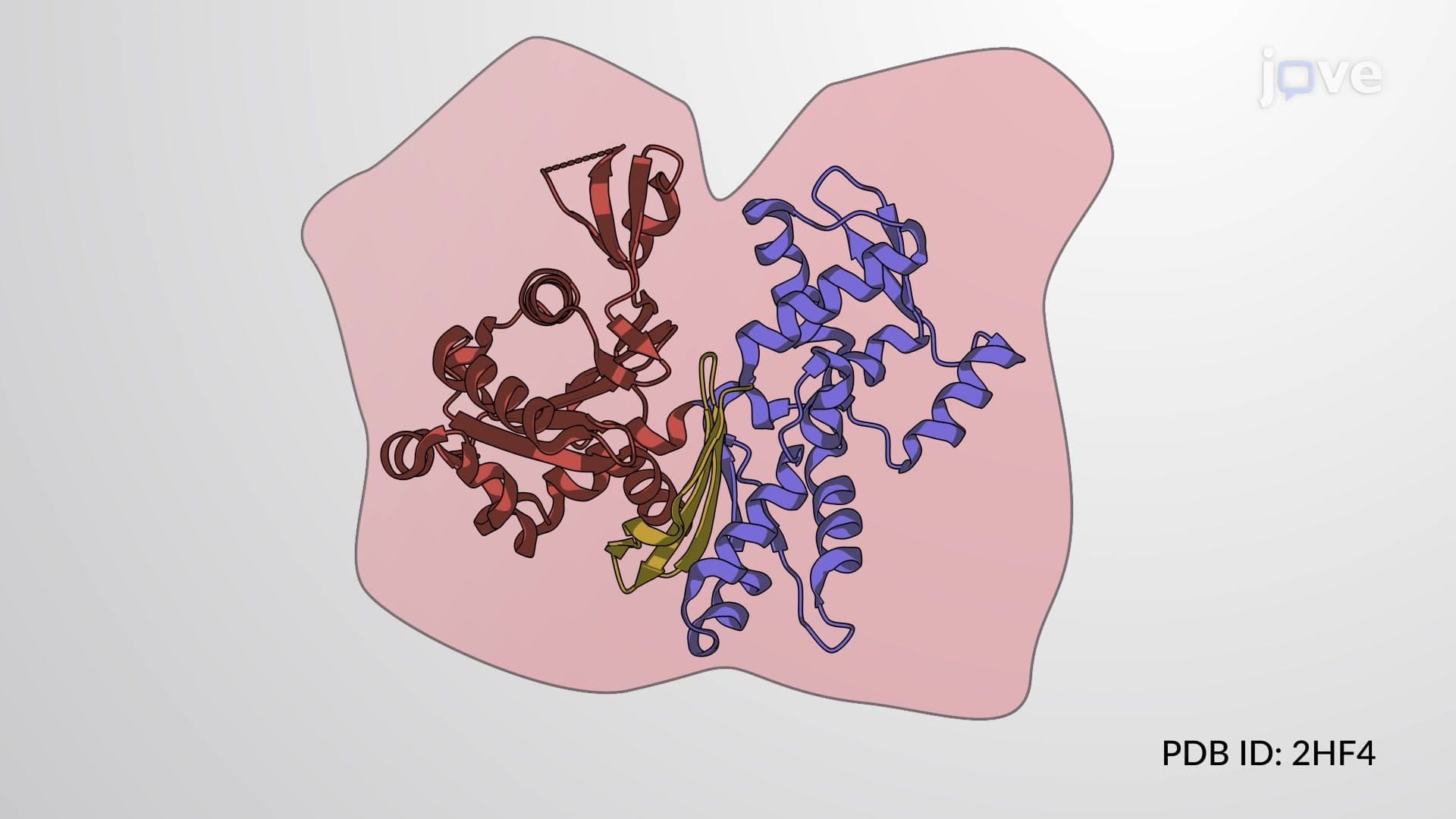
Actin polymerization represents one of the most fundamental processes in cell biology, transforming individual globular actin proteins (G-actin) into long, thread-like filaments (F-actin) that serve as the cell's scaffolding system. This process is essential for virtually every cellular movement, from the beating of your heart to the healing of wounds.
The Three-Phase Journey of Spontaneous Polymerization
The spontaneous actin polymerization process unfolds in three distinct phases that students frequently encounter on AP Biology exams and college biochemistry courses. During nucleation, the most energy-demanding phase, three actin monomers overcome significant thermodynamic barriers to form a stable nucleus-think of this as the foundation of a building that requires the most structural support. The elongation phase follows, where monomers rapidly attach to both ends of the growing filament, with the plus-end (barbed-end) adding subunits approximately ten times faster than the minus-end (pointed-end). Finally, at steady-state, the filament reaches dynamic equilibrium where the rate of monomer addition equals the rate of disassembly, maintaining constant filament length while continuously exchanging subunits.
Protein-Mediated Regulation: Profilin and Formin Partnership
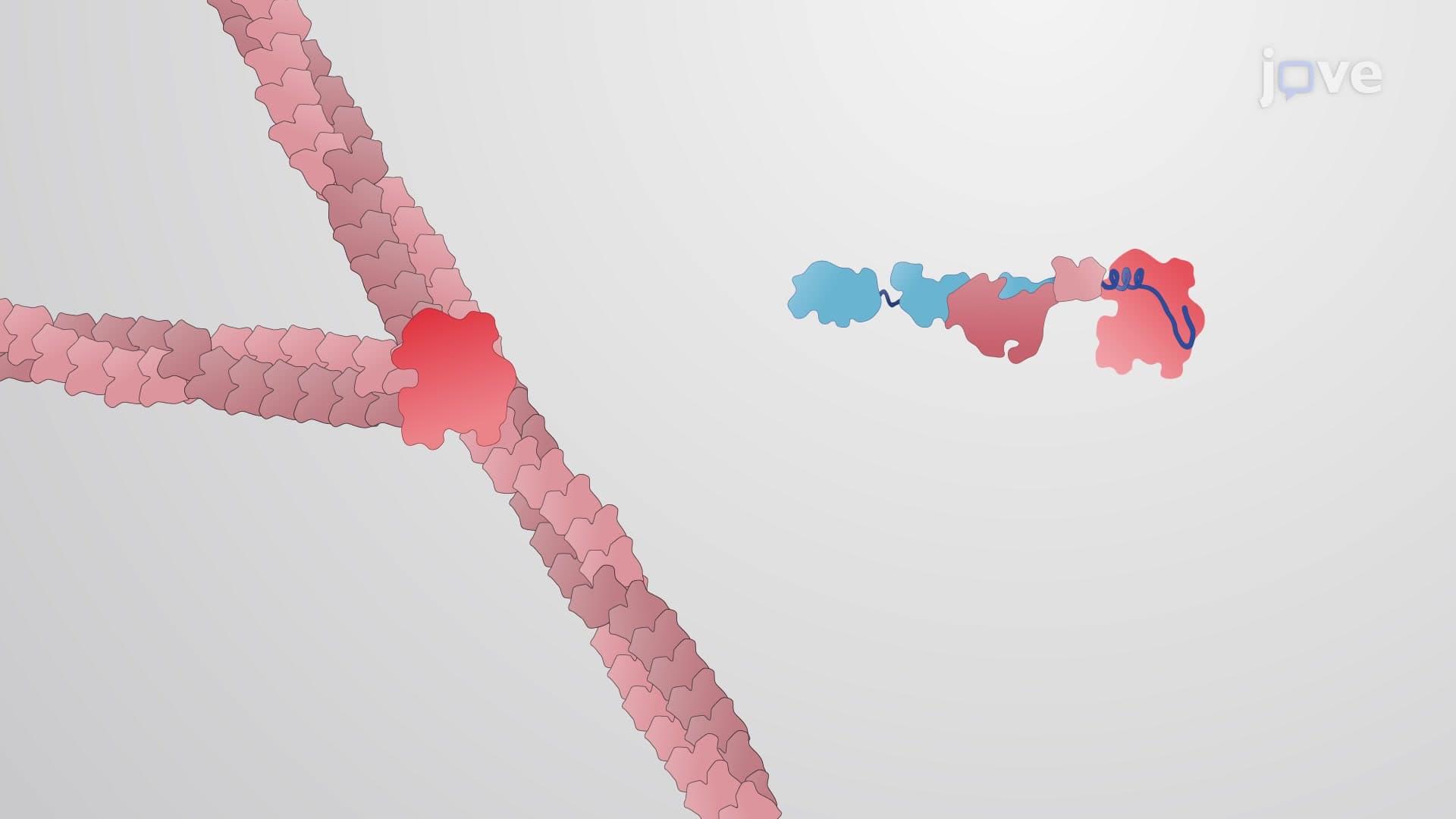
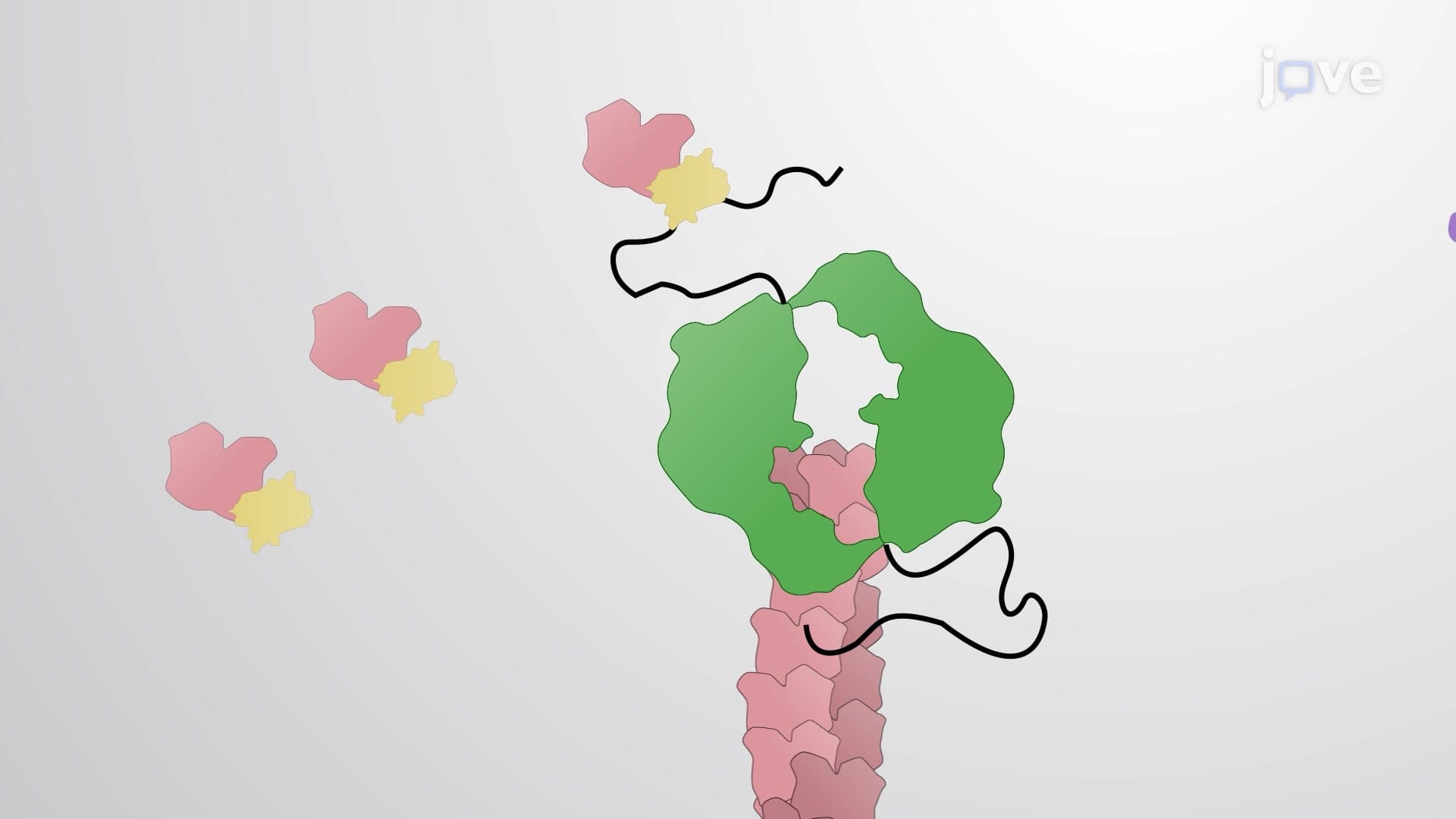
While spontaneous polymerization occurs naturally, cells primarily rely on sophisticated protein machinery to control actin assembly with precision. This regulated process involves a molecular partnership between profilin and formin proteins that medical students studying for the MCAT often find challenging. Profilin acts as an actin chaperone, binding ADP-loaded G-actin monomers and catalyzing the exchange of ADP for ATP, creating activated ATP-G-actin-profilin complexes ready for polymerization. Meanwhile, formin proteins function as processive caps, using their thread-like FH1 domain to recruit these activated complexes while their ring-shaped FH2 domain removes inhibitory capping proteins from filament ends.
Clinical and Research Applications
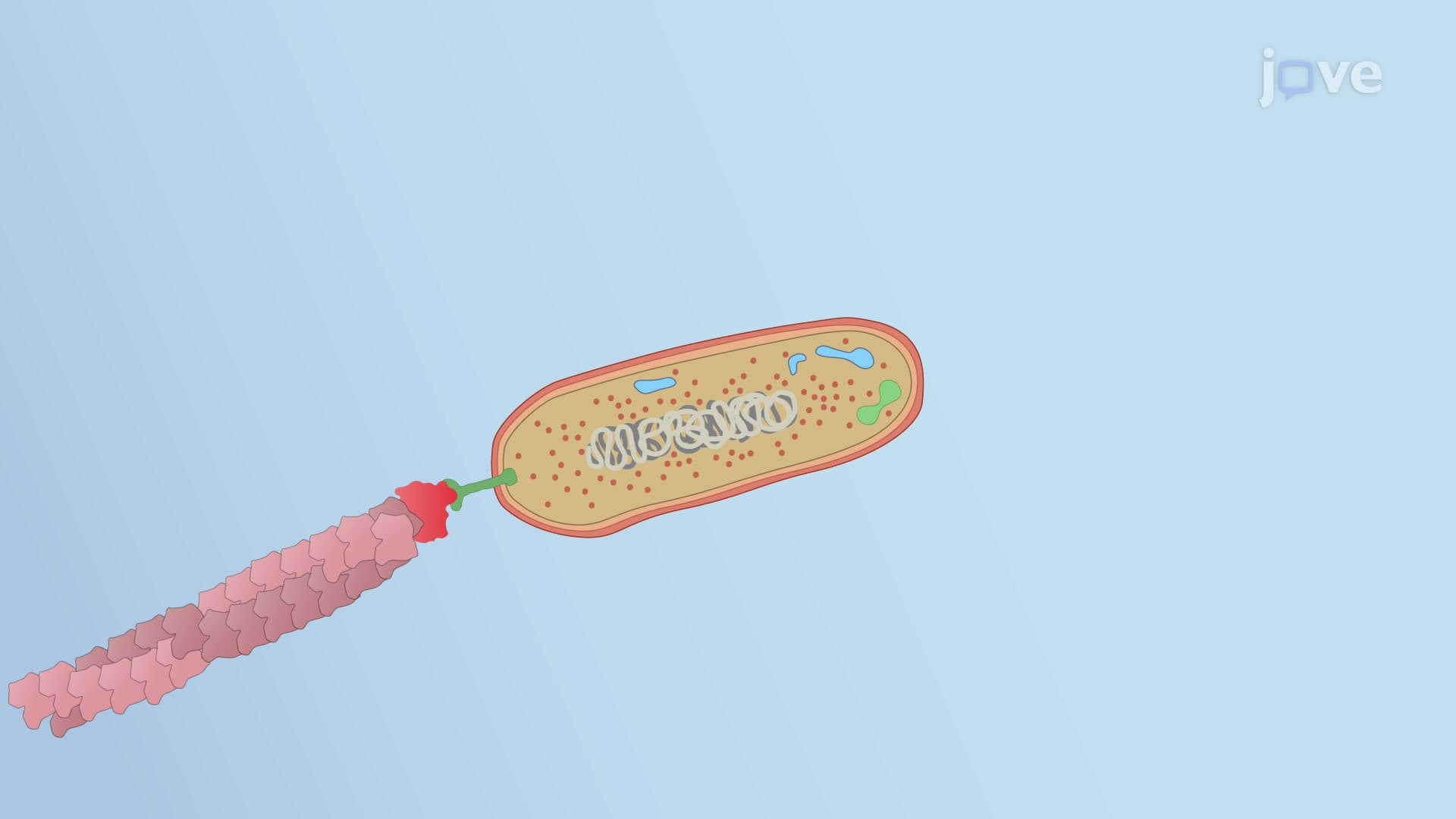
Understanding actin polymerization proves crucial for students pursuing careers in biomedical research or clinical medicine. At research institutions like Stanford University and the National Institutes of Health, scientists investigate how disrupted actin polymerization contributes to diseases ranging from Alzheimer's to cancer metastasis. This knowledge directly applies to developing targeted therapeutics and understanding drug mechanisms in pharmaceutical research.
Frequently Asked Questions
Actin polymerization is the process where individual actin proteins link together like beads on a string to form long filaments that give cells their shape and enable movement. This process is essential for muscle contraction, cell division, and wound healing. Think of it as cellular construction where proteins assemble into scaffolding structures.
The MCAT frequently tests actin polymerization through questions about muscle physiology, cell motility, and protein structure-function relationships. AP Biology exams often include this topic in questions about cellular processes, signal transduction, and homeostasis. Students should focus on the three-phase process and protein regulation mechanisms.
Absolutely-actin polymerization is a staple topic in undergraduate biochemistry, cell biology, and physiology courses. College midterms often test the molecular mechanisms, energy requirements (ATP hydrolysis), and regulatory proteins. Many professors use this as an example of allosteric regulation and protein-protein interactions.
Actin polymerization dysfunction underlies numerous diseases treated in US hospitals, including muscular dystrophies, certain cancers, and neurological disorders. Understanding this process helps medical professionals comprehend drug mechanisms, genetic disorders, and therapeutic targets. For example, some chemotherapy drugs work by disrupting actin filament formation in cancer cells.
Not at all-while the molecular details are complex, the basic concept is quite accessible with proper foundation in protein structure and cellular biology. Many high school AP Biology students successfully master this topic by focusing on the overall process rather than memorizing every molecular interaction. Start with understanding why cells need internal scaffolding.
Create concept maps linking the three phases, draw out the protein interactions, and practice explaining the process in your own words. Use mnemonics like "NET" for Nucleation-Elongation-Termination (steady-state). Focus on understanding energy requirements and regulatory mechanisms rather than memorizing every protein name.
Build on this foundation by exploring myosin motor proteins and muscle contraction mechanisms, then advance to other cytoskeletal elements like microtubules and intermediate filaments. This knowledge connects beautifully to cell migration, cancer biology, and developmental processes in advanced coursework.
Related Micro-courses
11 Concepts
6 Concepts