Loading video…


 18 Concepts
 162.9K views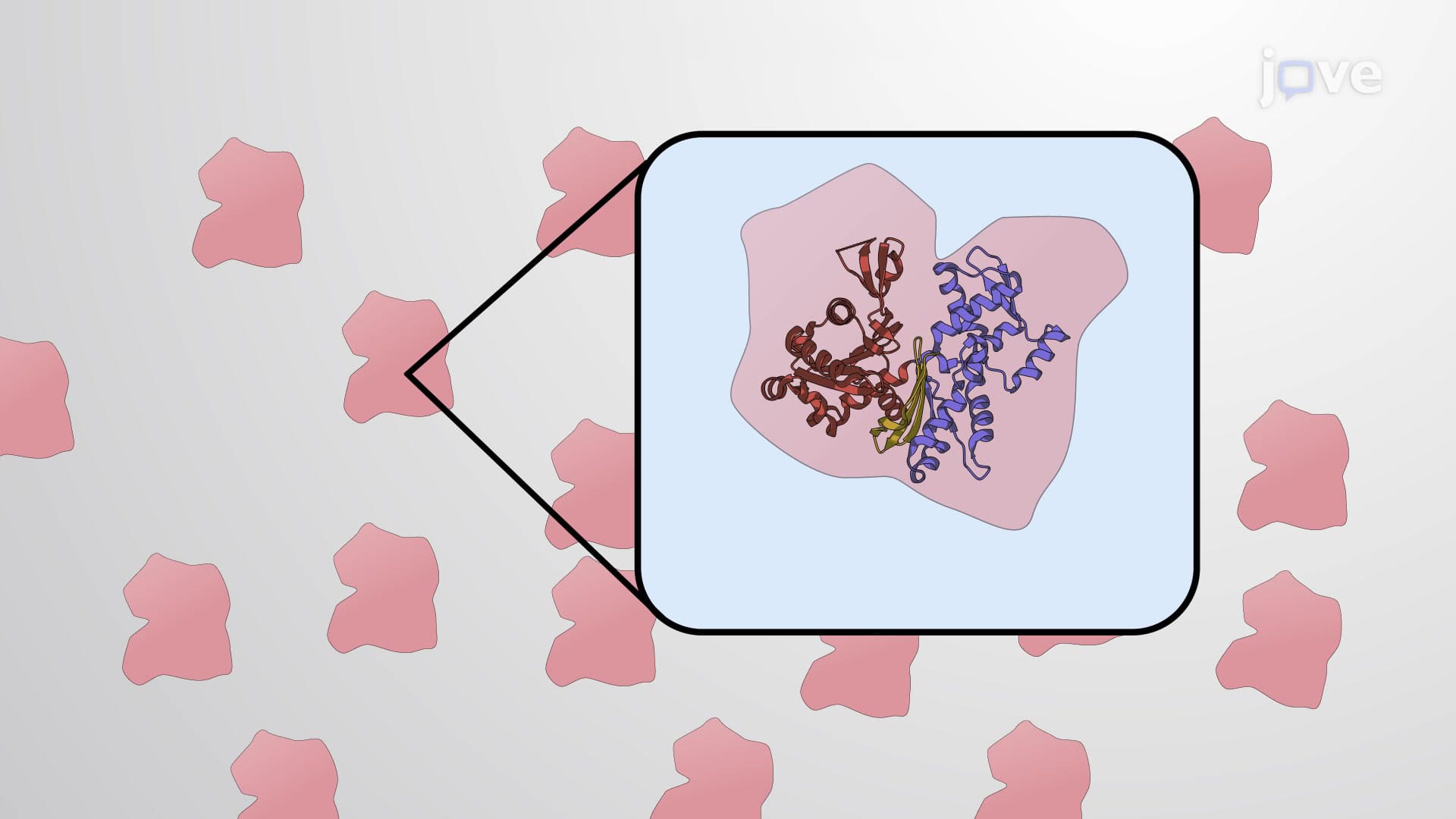

Video Summary: What Is Polarity of the Cytoskeleton
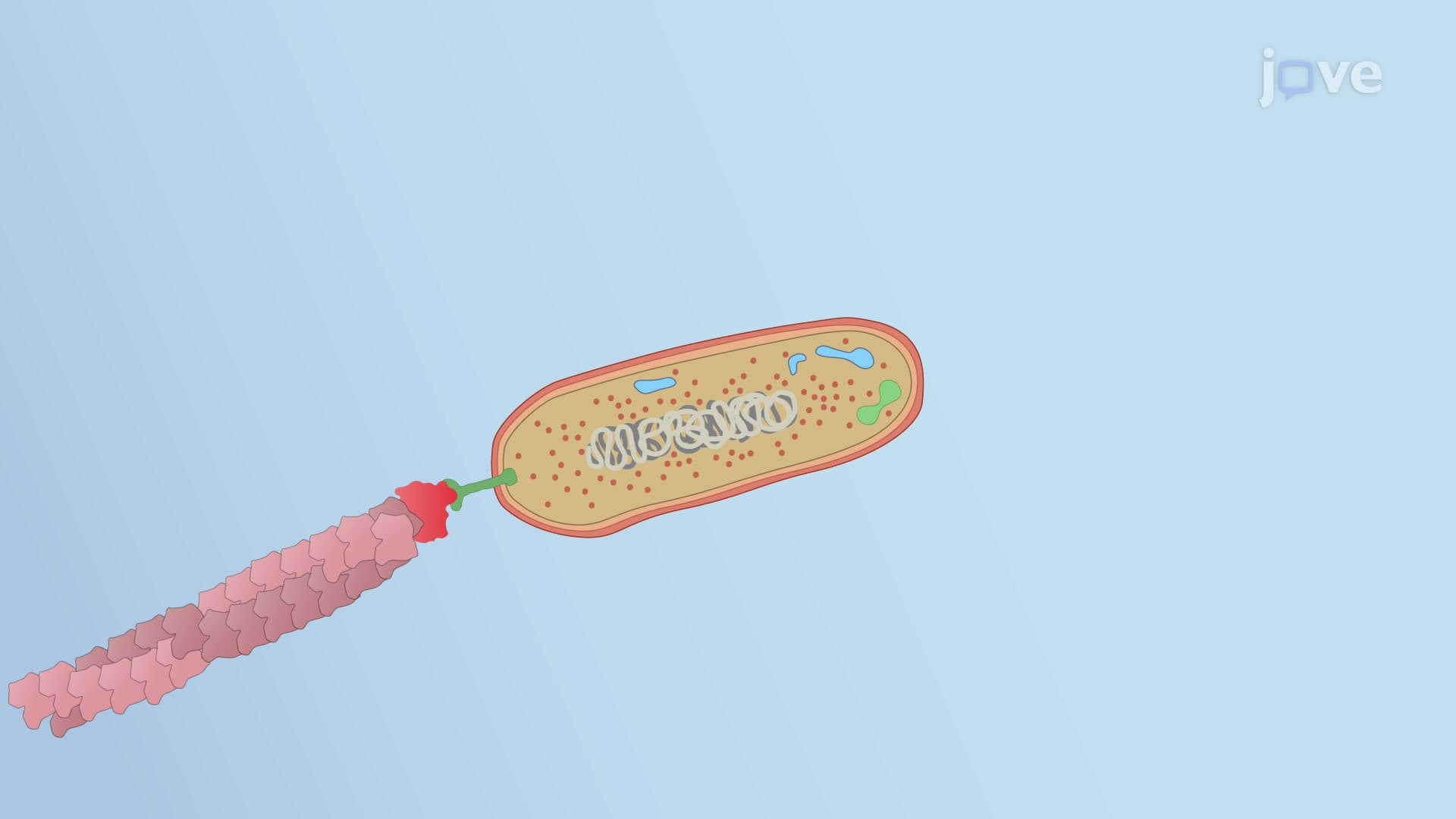
Ever wonder how cells know which way to move their internal cargo, like Amazon's automated warehouses directing packages? The polarity of the cytoskeleton creates directional "highways" inside every cell in your body, from muscle cells in your heart to neurons transmitting signals in your brain. This fundamental cellular organization results from asymmetric protein arrangements in microfilaments and microtubules, enabling precise directional transport throughout the cell. What is polarity of the cytoskeleton becomes clear when you see how these molecular structures create distinct "plus" and "minus" ends that guide cellular traffic. Watch the full video on JoVE Coach to master this concept with expert-led visuals and step-by-step explanations.
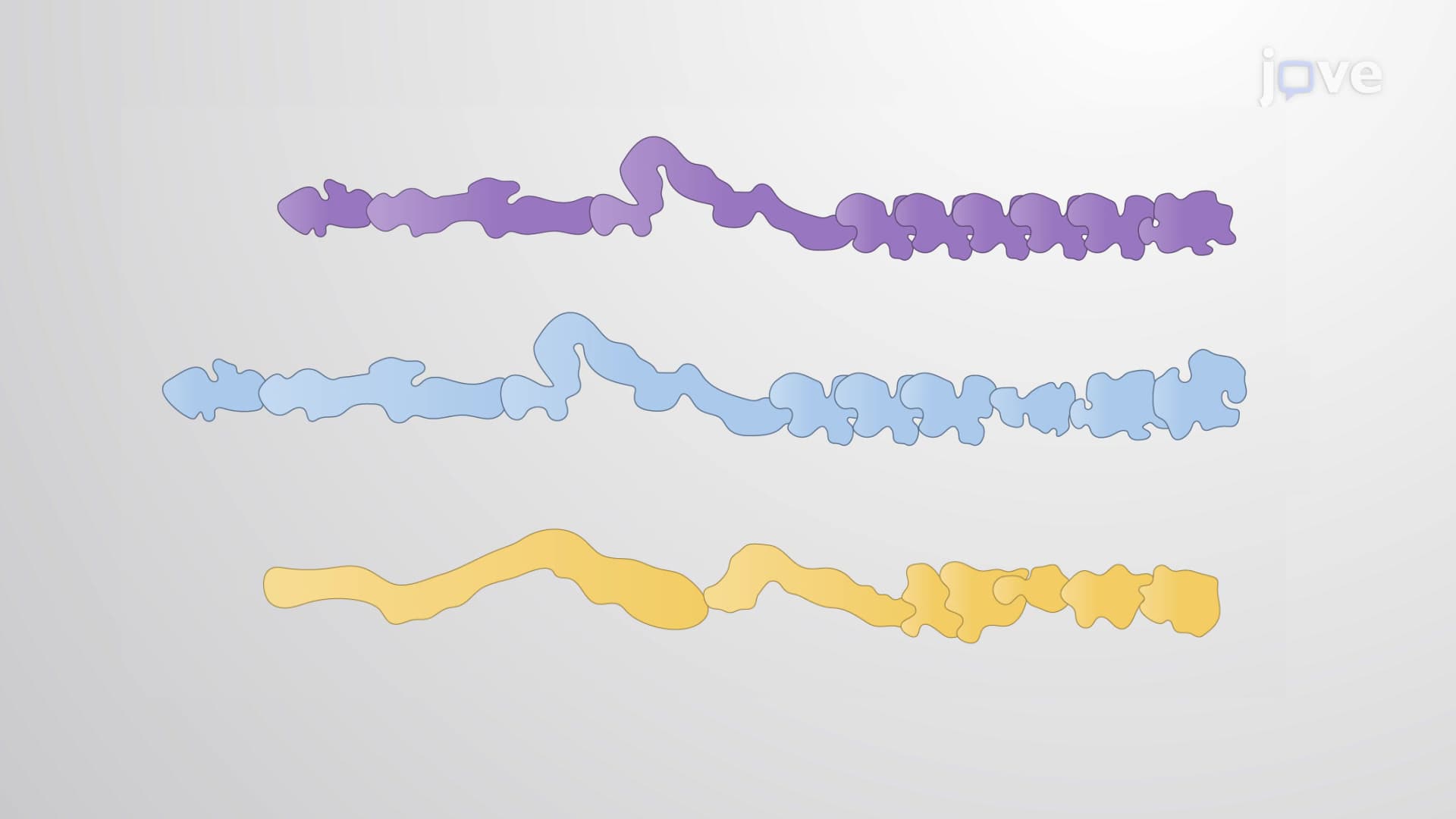
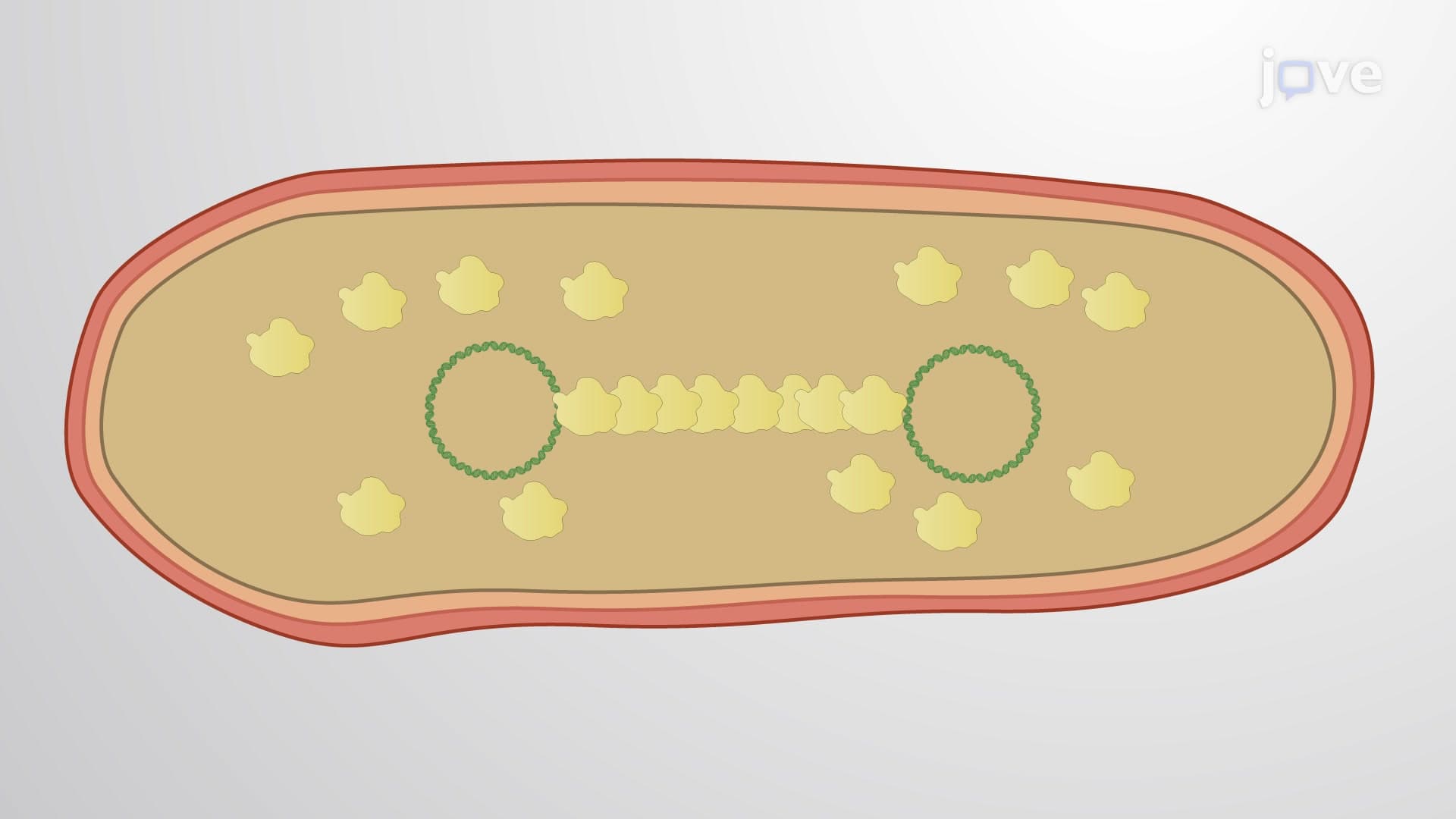
The polarity of the cytoskeleton represents one of cell biology's most elegant organizational principles. Unlike random molecular arrangements, cytoskeletal filaments possess inherent directionality that transforms cells into highly organized, efficient systems. This polarity emerges from the asymmetric nature of protein building blocks and their consistent orientation during filament assembly.
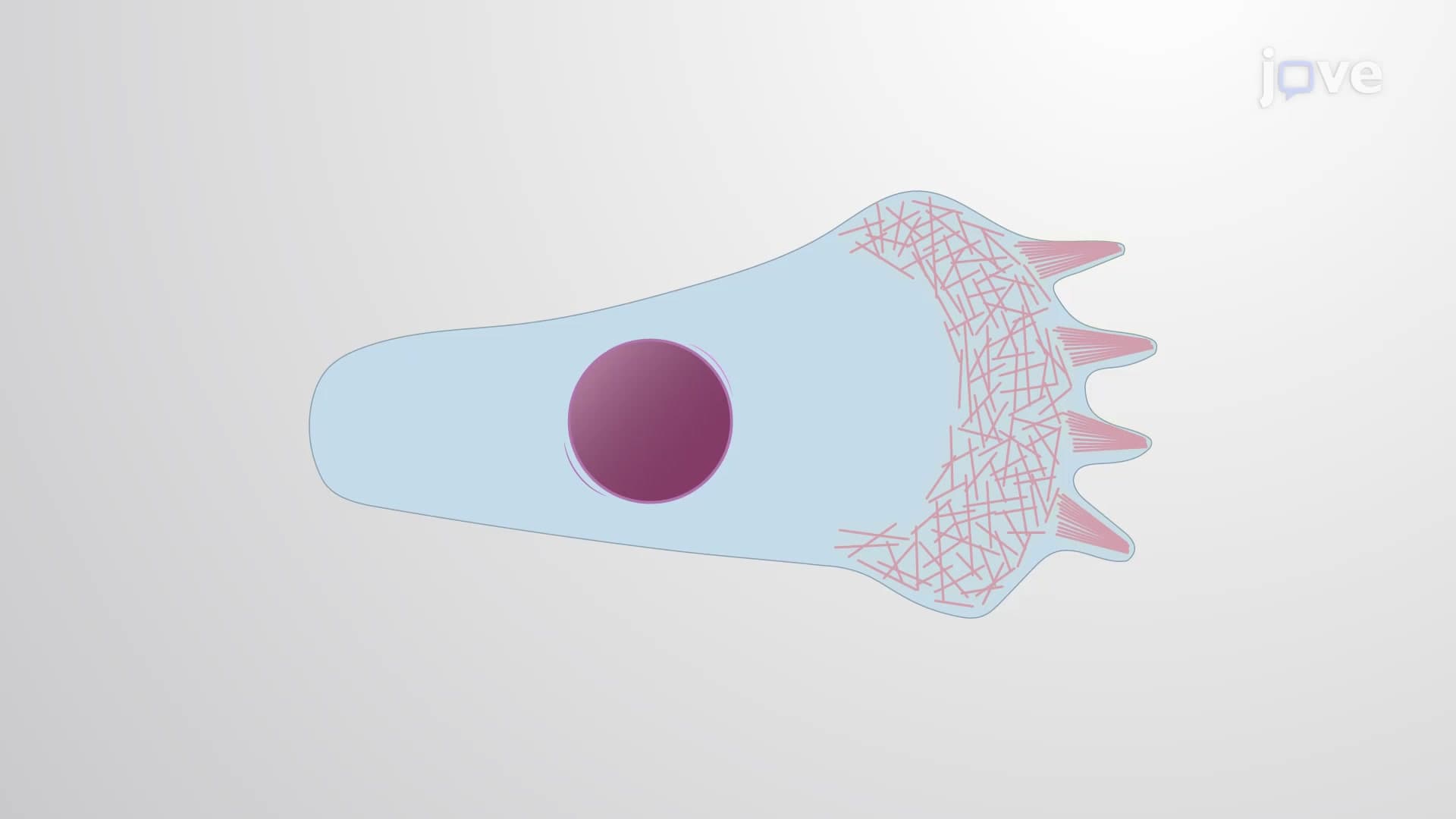
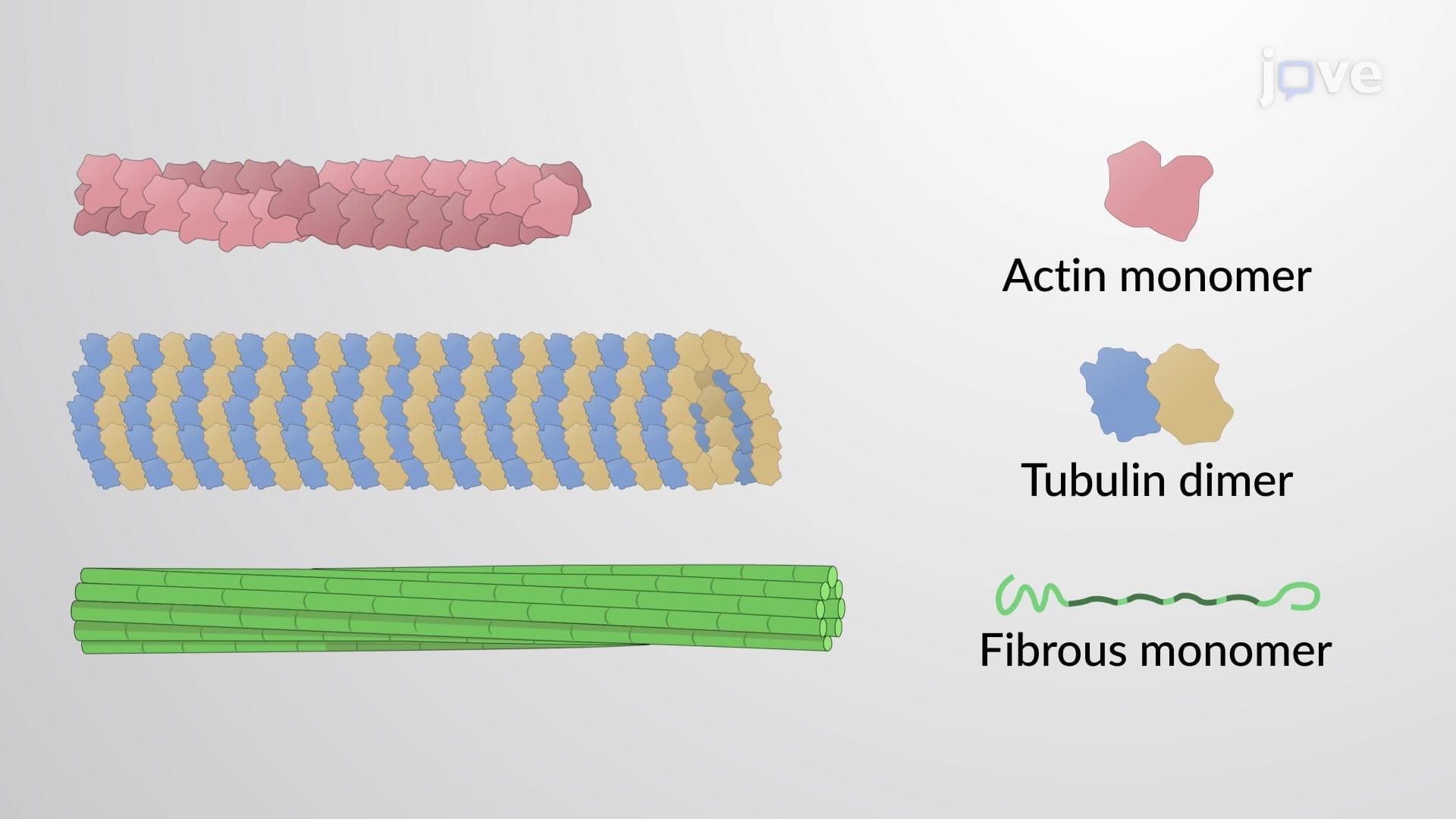
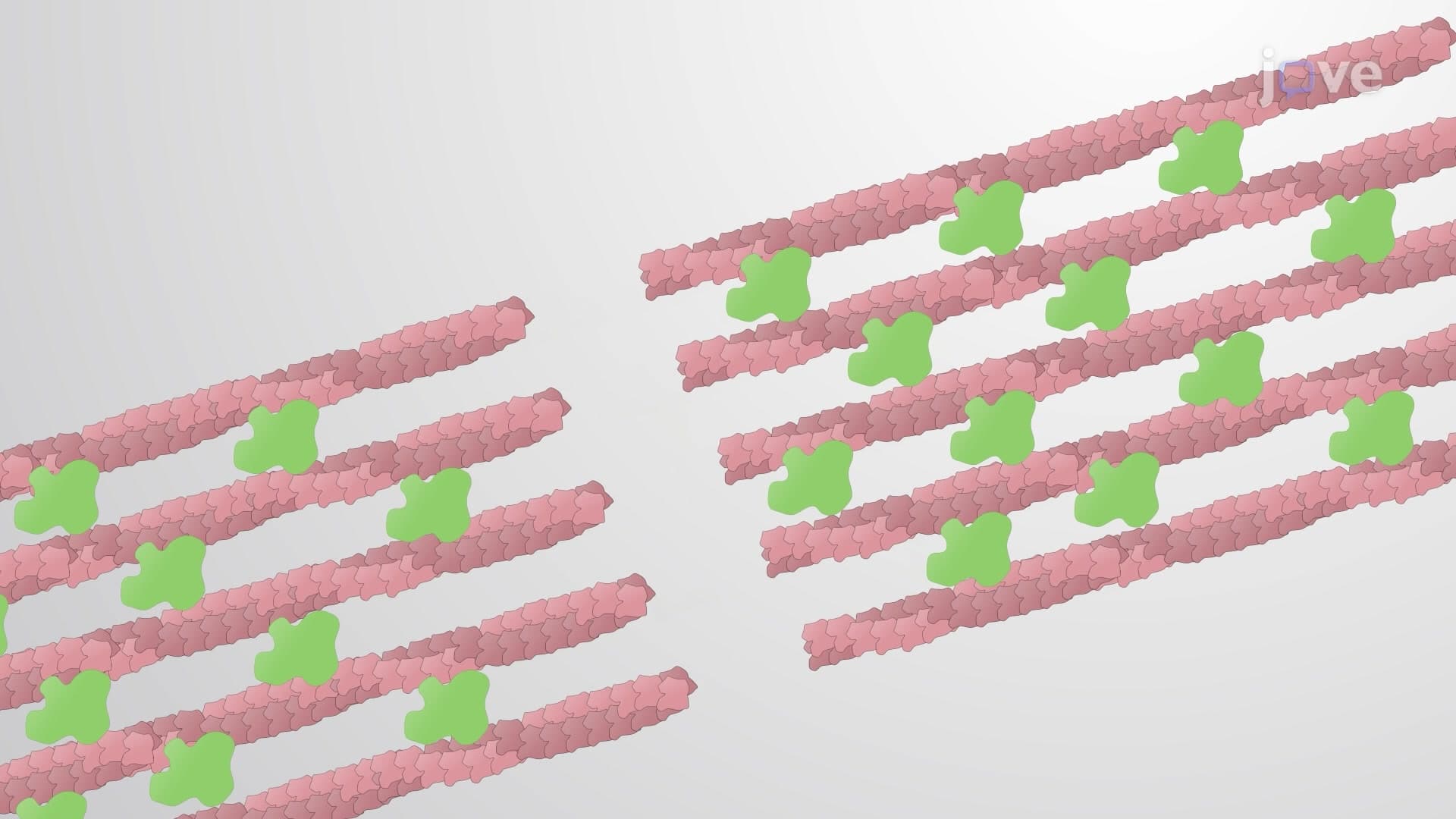
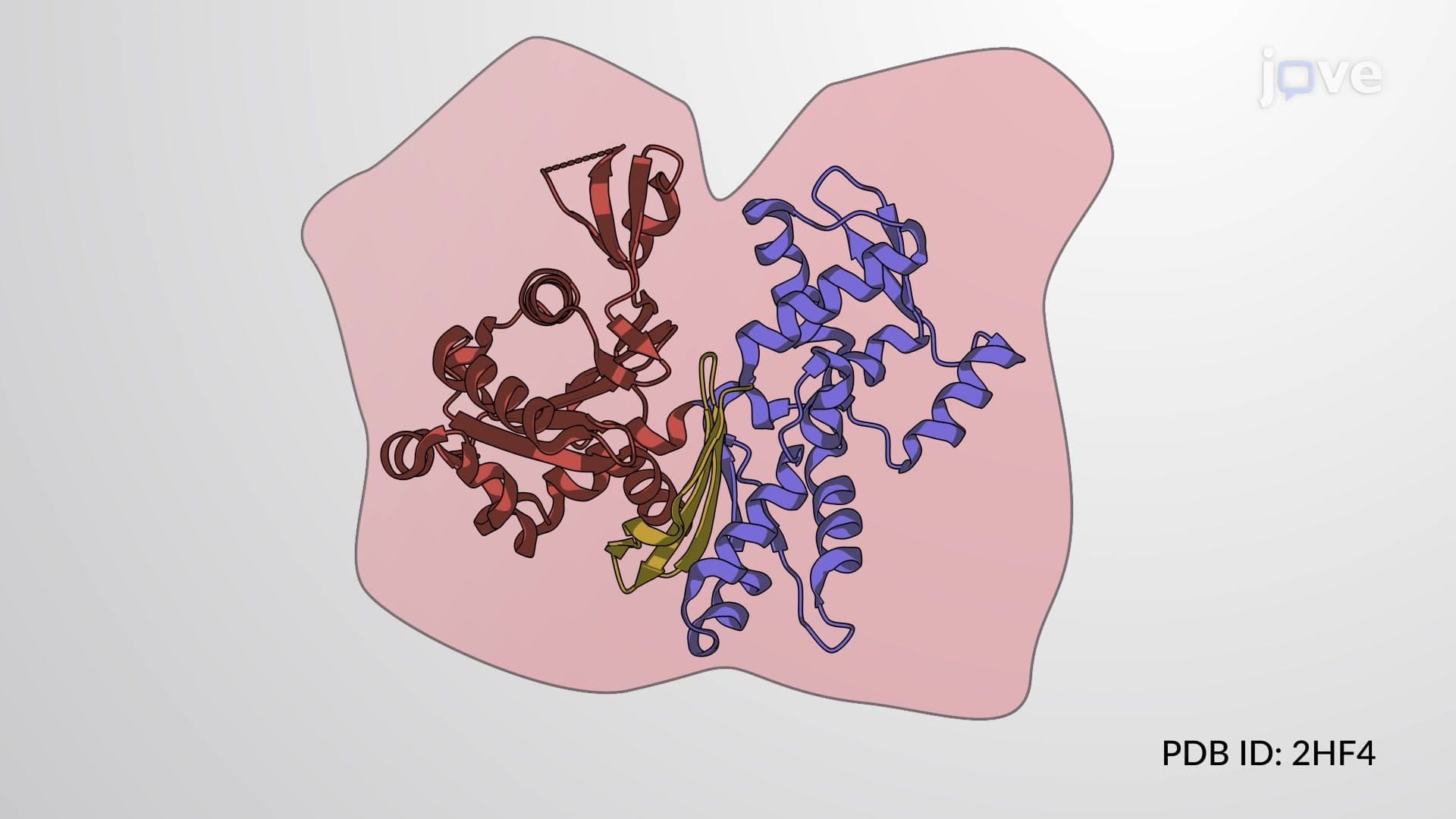
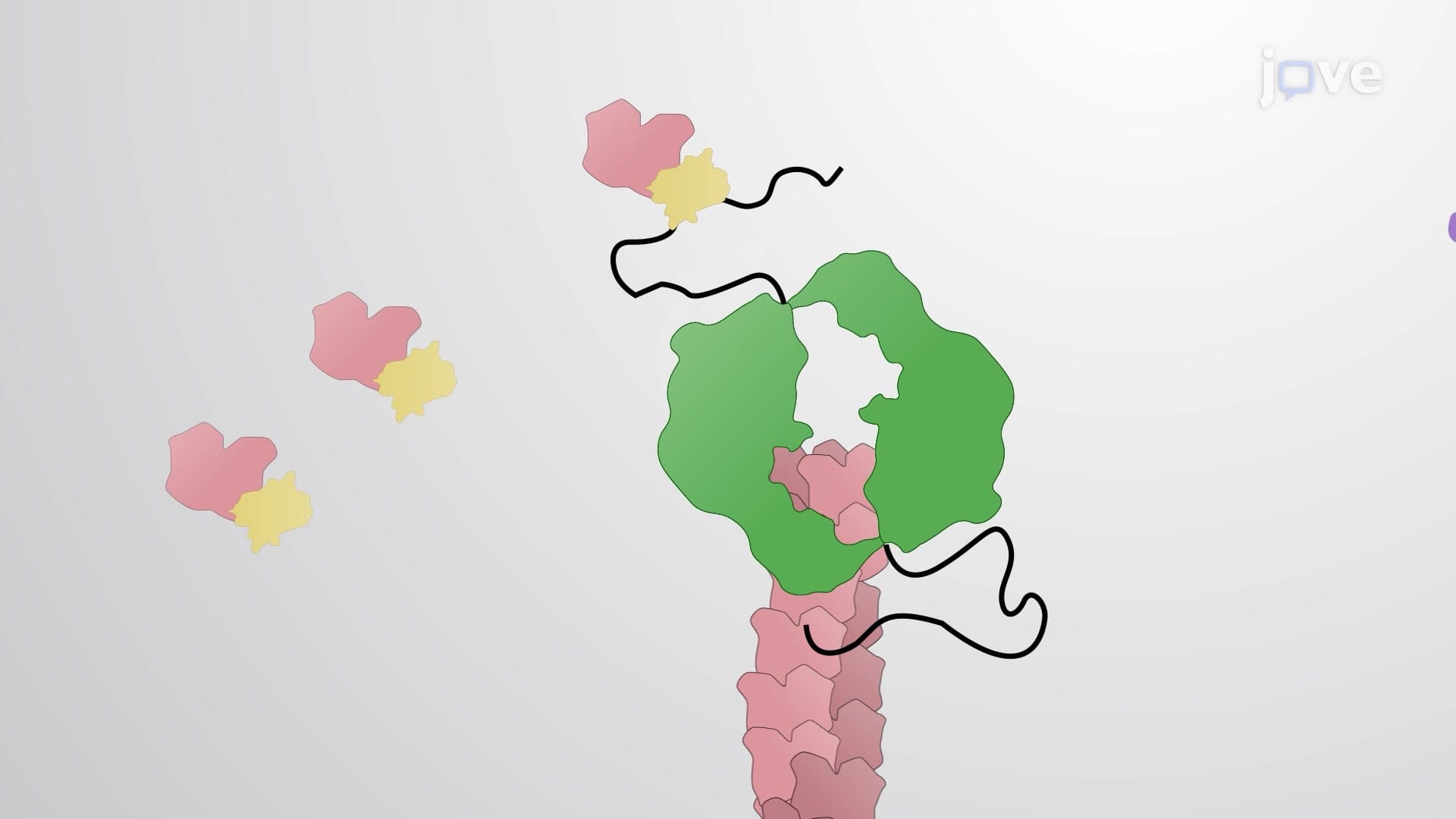
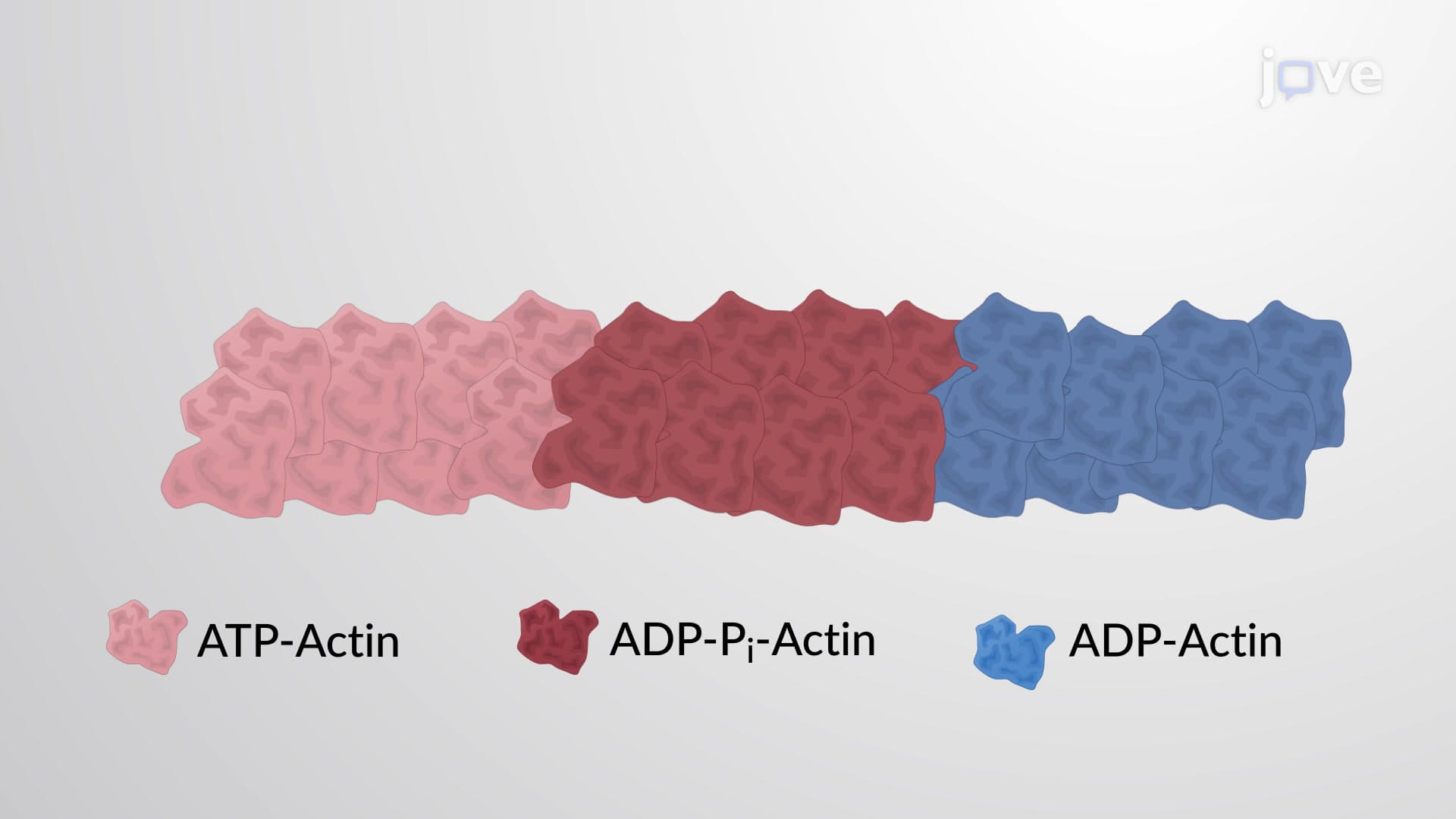
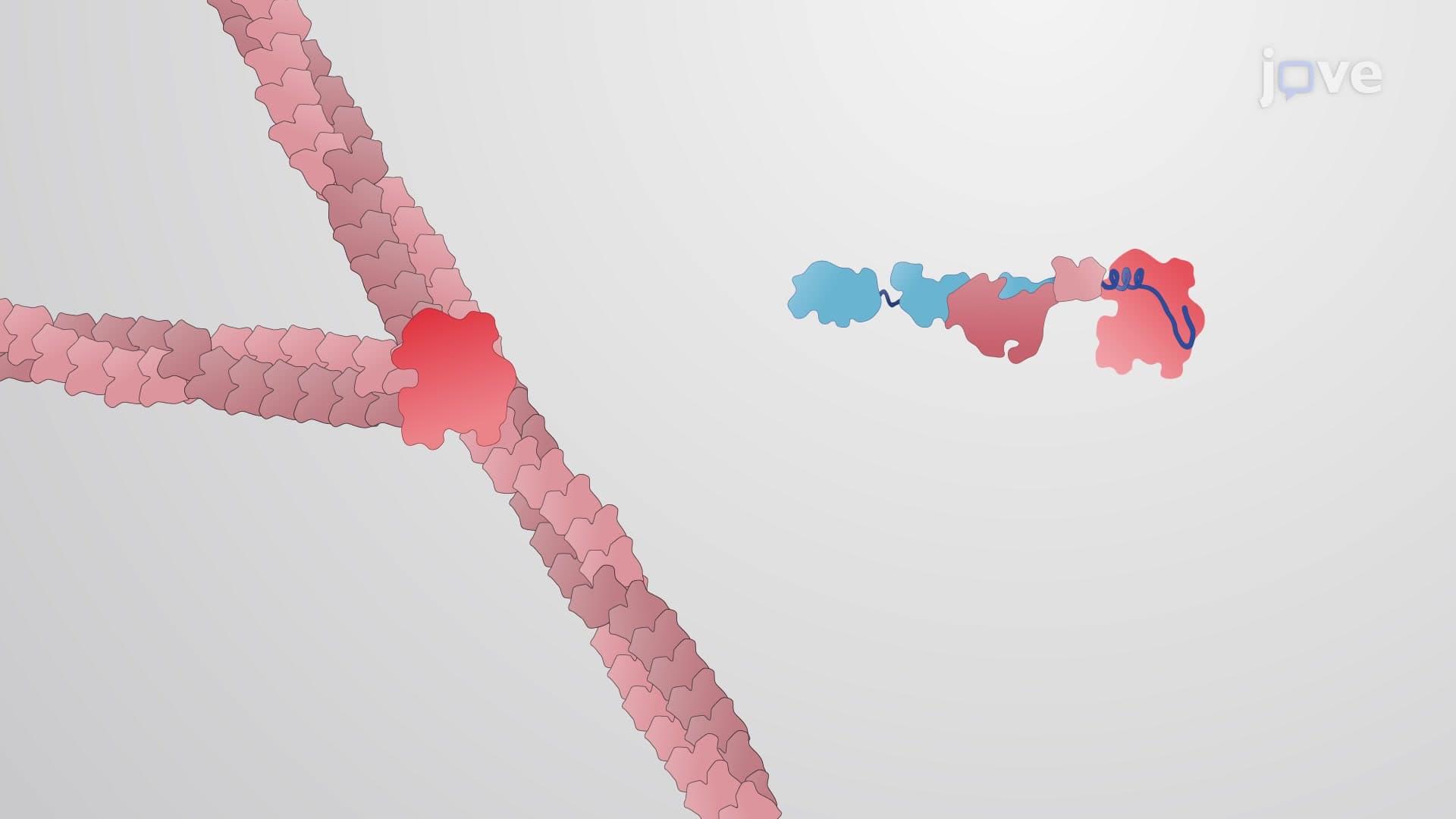
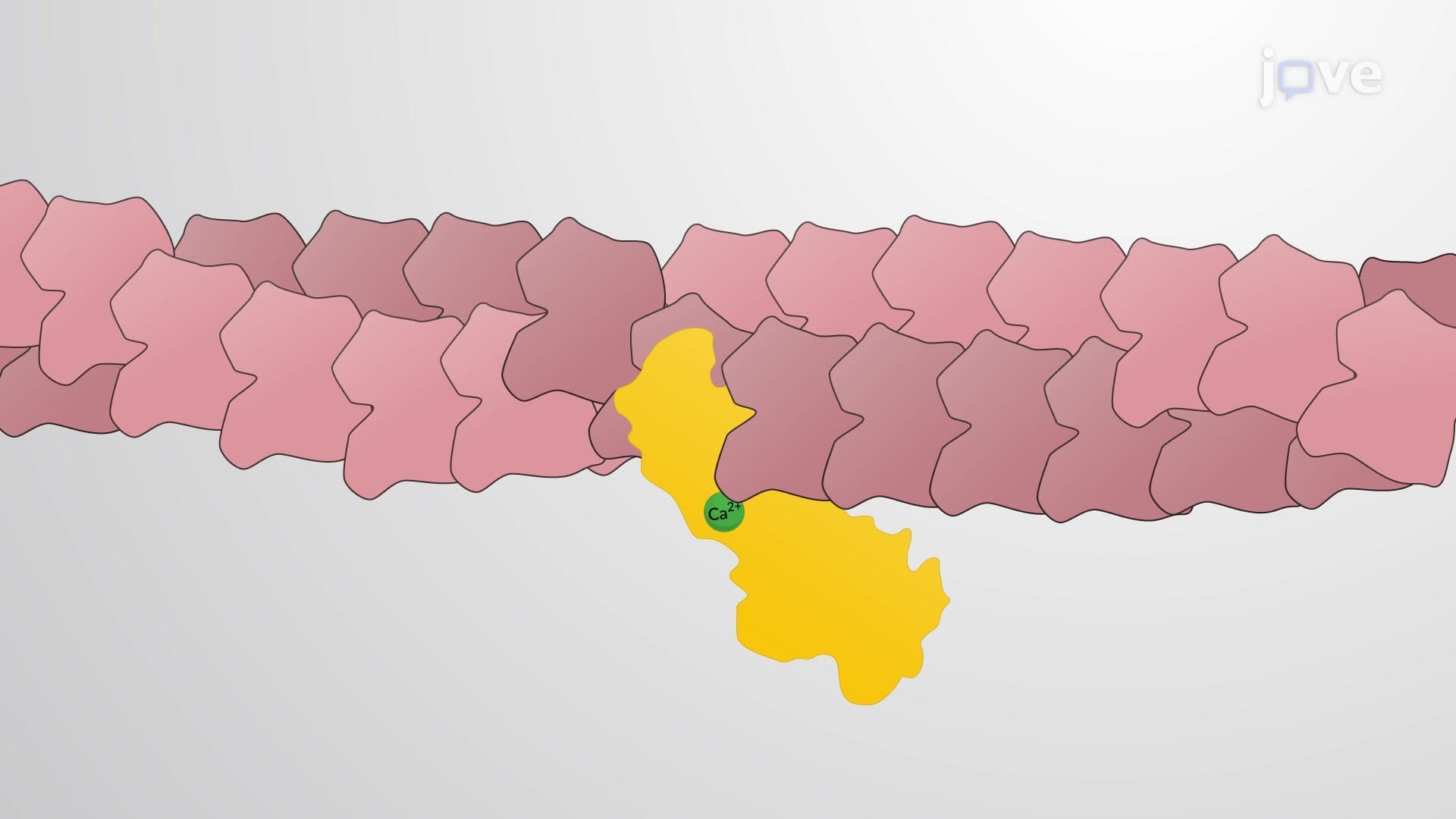
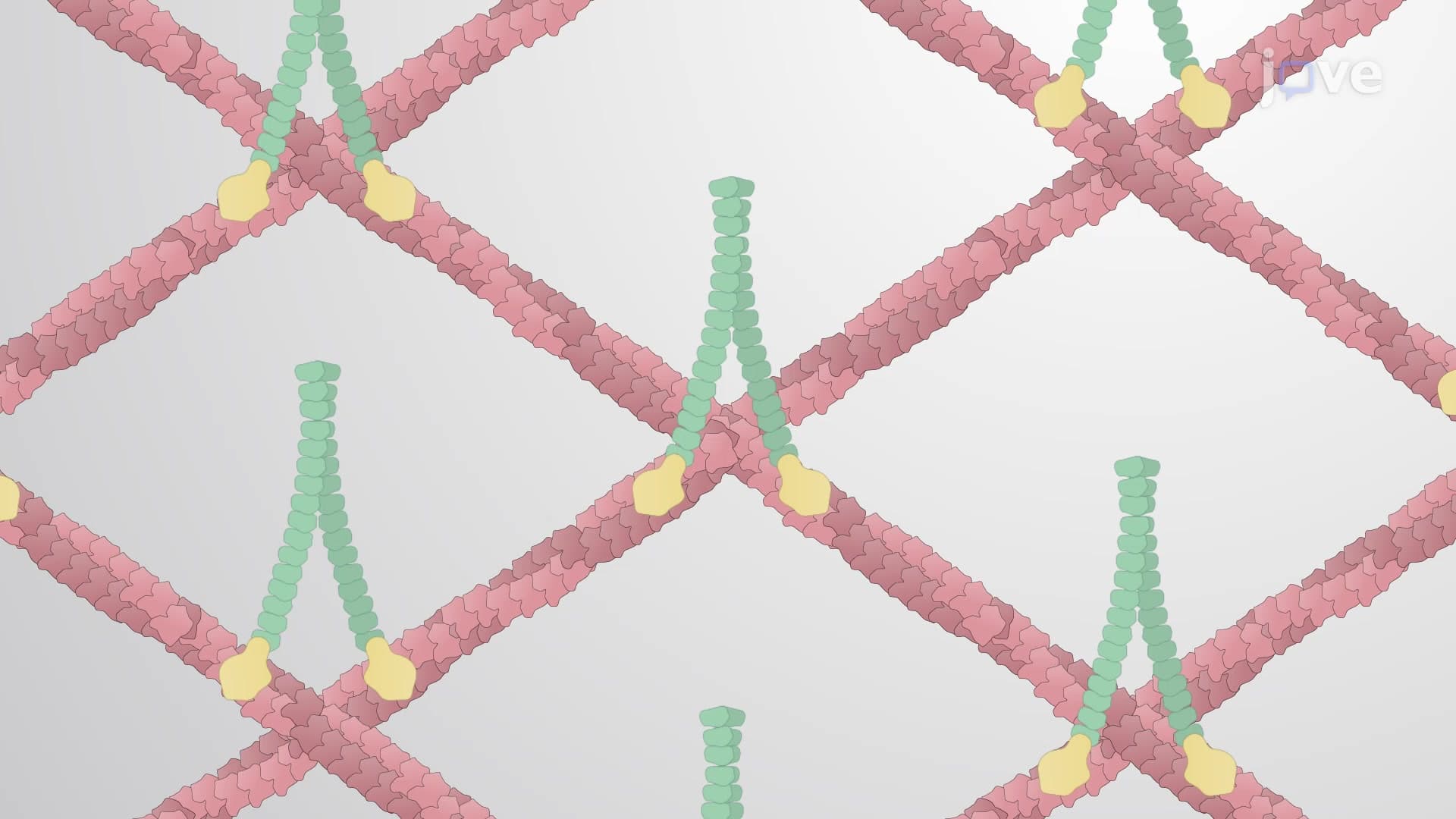
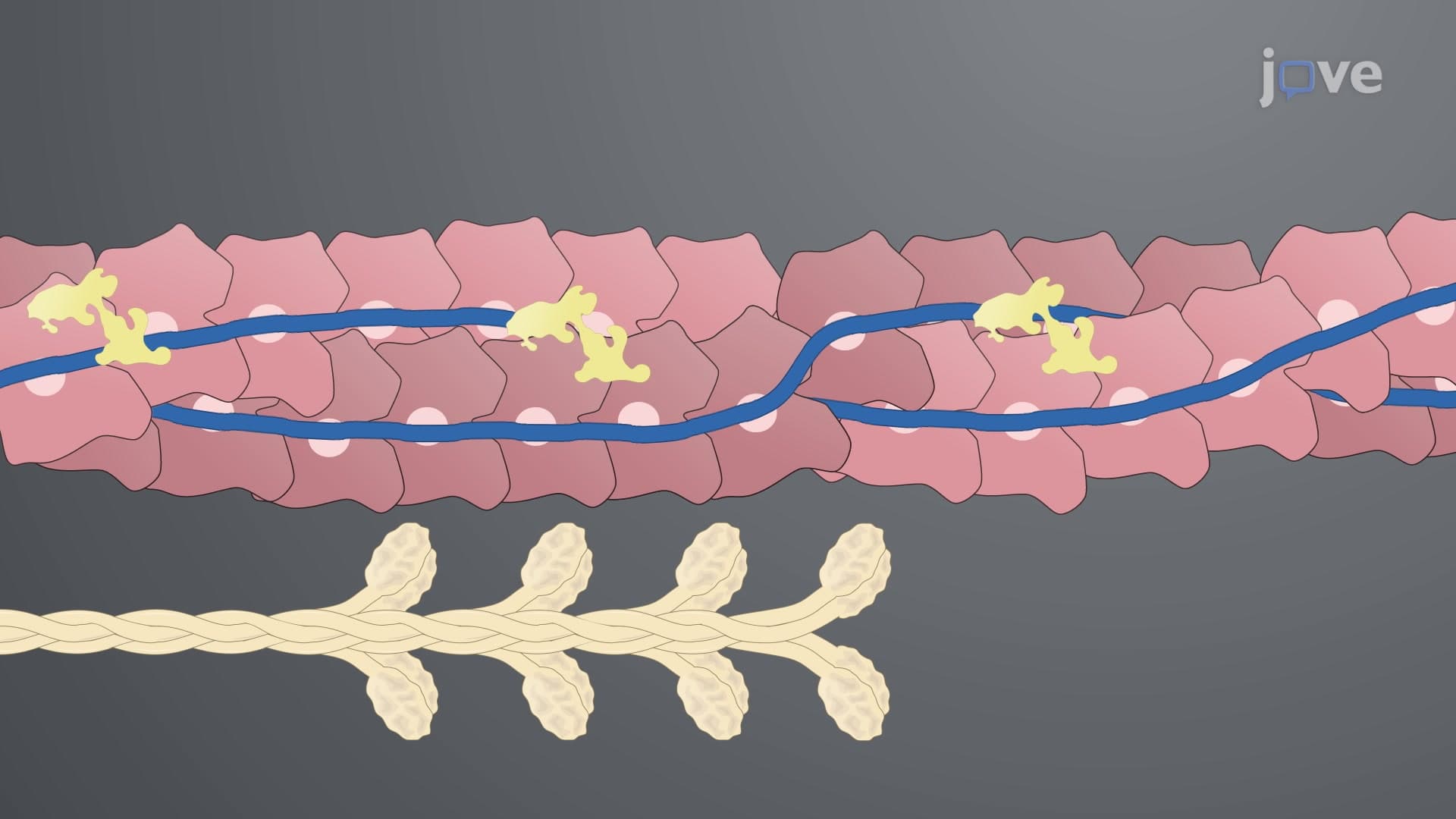
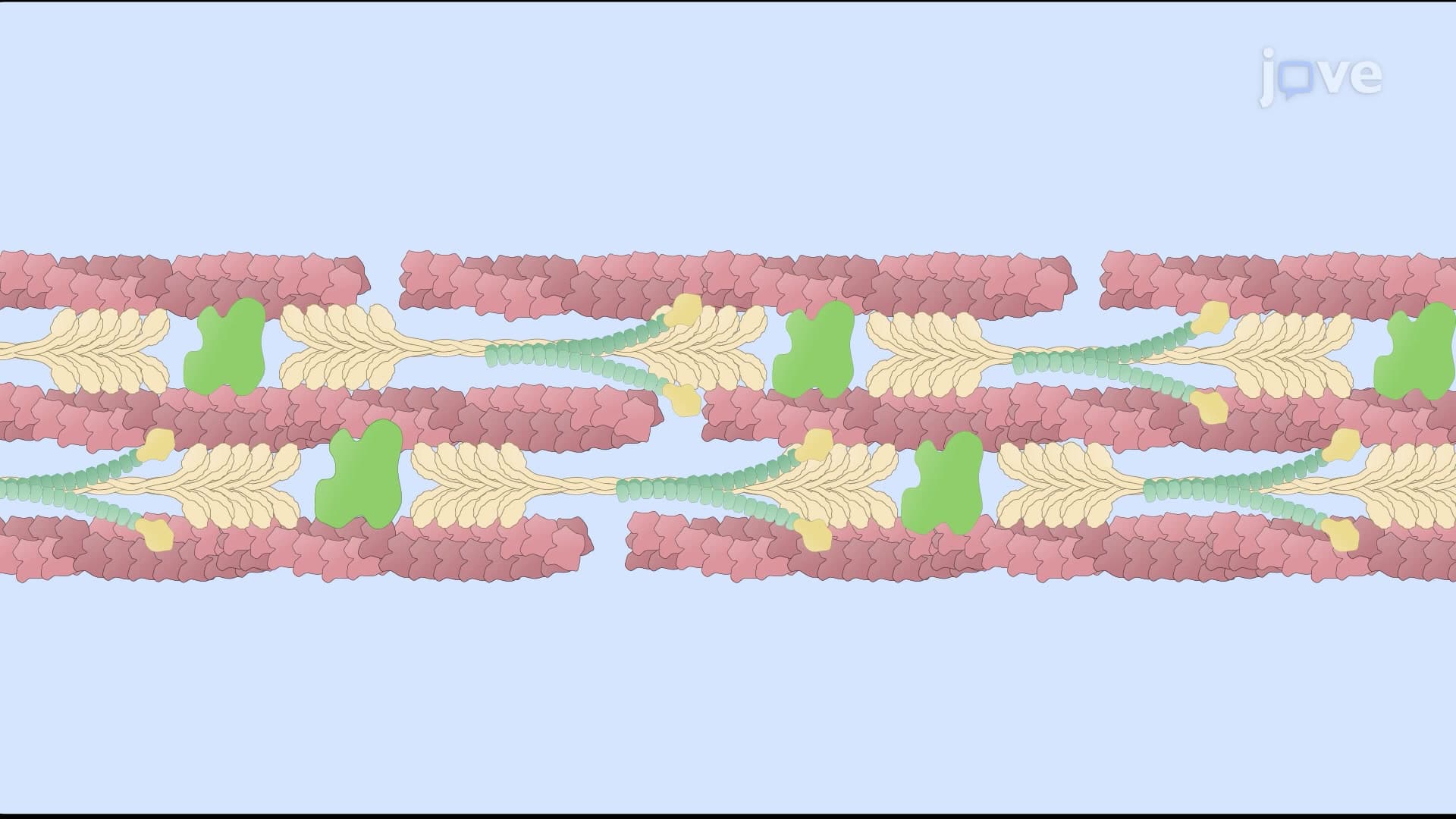
Microfilaments derive their polarity from G-actin monomers, globular proteins with distinct structural domains. During polymerization, these monomers align uniformly, creating filaments with functionally different ends. The plus end exhibits faster growth rates, while the minus end grows more slowly. This differential growth rate, crucial for understanding polarity of the cytoskeleton in detail, enables cells to rapidly reorganize their internal architecture. In muscle cells, this polarity allows myosin motors to generate contractile forces in specific directions, powering everything from your heartbeat to voluntary muscle contractions.
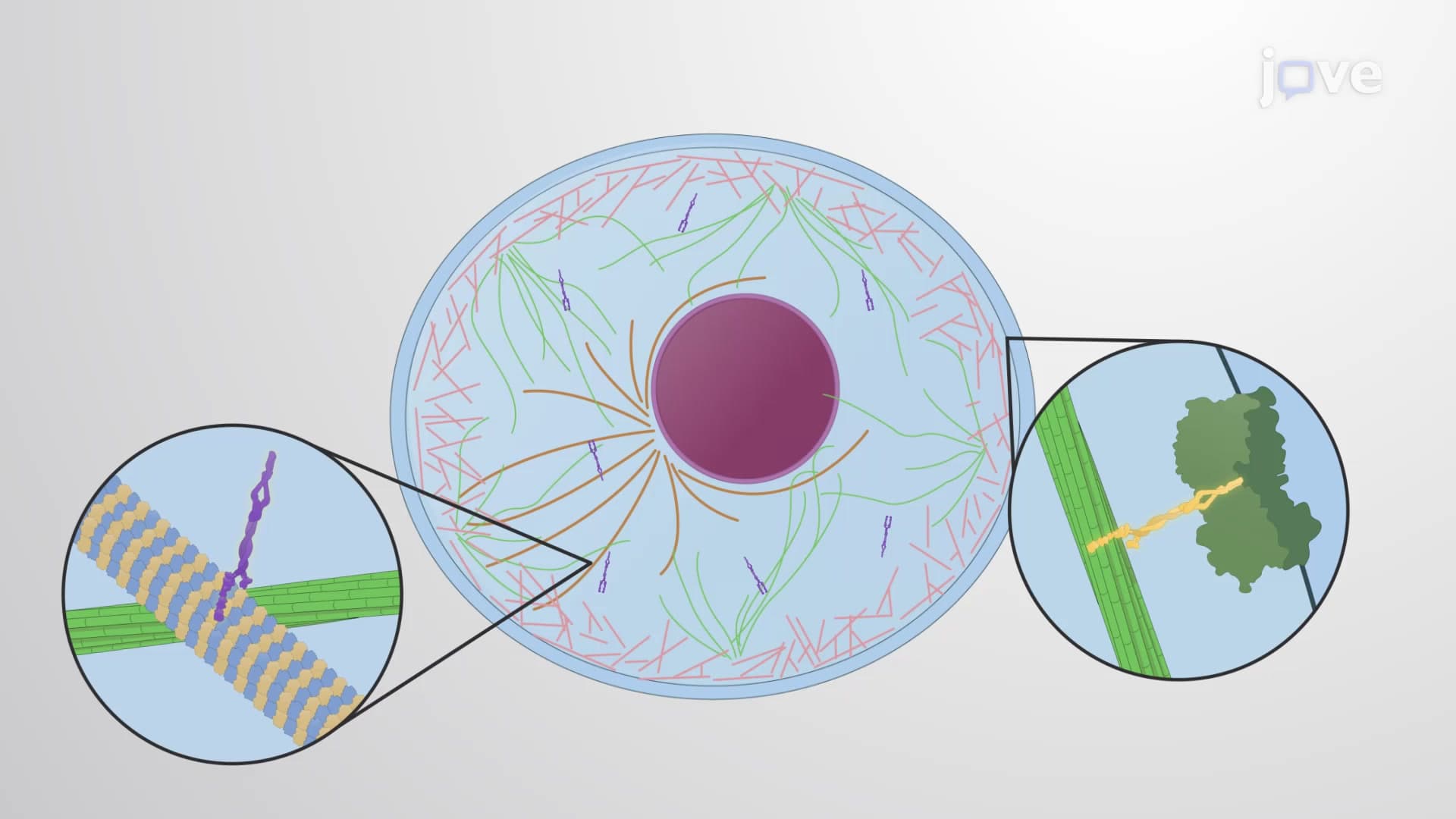
Microtubules achieve polarity through alpha-beta-tubulin dimers that orient consistently throughout the filament. The minus end exposes alpha-tubulin subunits, while the plus end displays beta-tubulin. This arrangement creates distinct binding sites for different motor proteins, establishing cellular "traffic rules." In neurons extending several feet in humans, this polarity system ensures neurotransmitters reach synapses efficiently rather than getting lost in cellular chaos.
The polarity of the cytoskeleton definition encompasses how motor proteins exploit filament directionality for cargo transport. Kinesin motors generally move toward plus ends, while dynein motors travel toward minus ends. This system resembles interstate highways with designated directions, imagine the cellular chaos if molecular motors moved randomly! Students preparing for the MCAT or AP Biology exams should recognize this concept's importance in understanding cellular organization, muscle contraction mechanisms, and neurological disorders affecting motor protein function.
Related Micro-courses