Loading subject page…


27,706 views

Video Summary: Intracellular Signaling Affects Focal Adhesions Explained
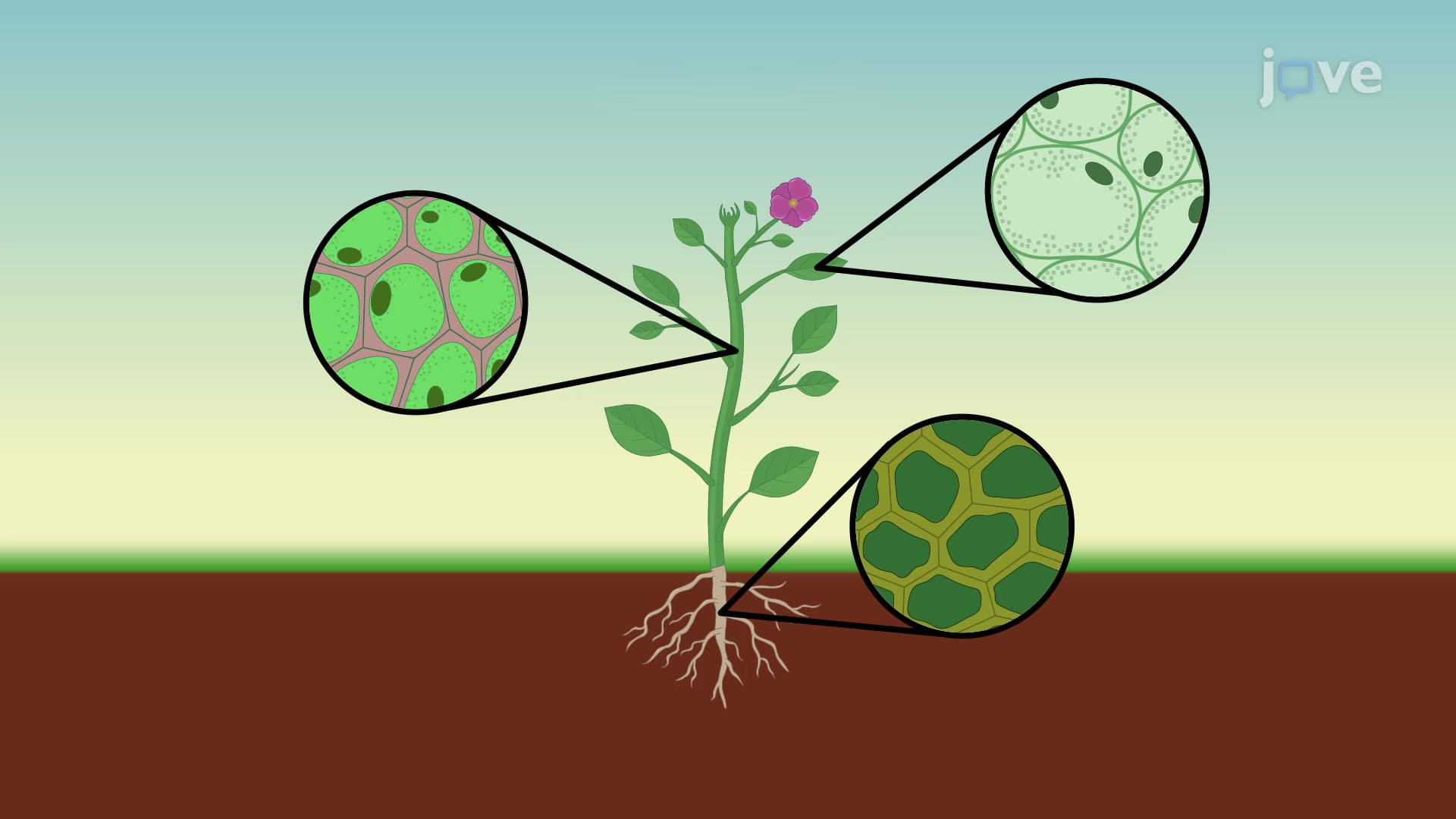
Ever wonder how a white blood cell races toward an infection site, constantly changing direction and speed? The answer lies in how intracellular signaling affects focal adhesions, the dynamic molecular anchors that allow cells to grip, release, and move through tissues. During wound healing in the United States, millions of cells coordinate their movement using these precise signaling cascades, where proteins like talin and integrin work together to control cellular adhesion and migration. Watch the full video on JoVE Coach to master this concept with expert-led visuals and step-by-step explanations.
Focal adhesions represent one of biology's most elegant examples of mechanical engineering at the molecular level. These structures function as temporary "molecular velcro" that cells use to grip their surroundings, enabling everything from embryonic development to cancer metastasis. Understanding this process is crucial for students preparing for advanced biology courses and medical school entrance exams like the MCAT.
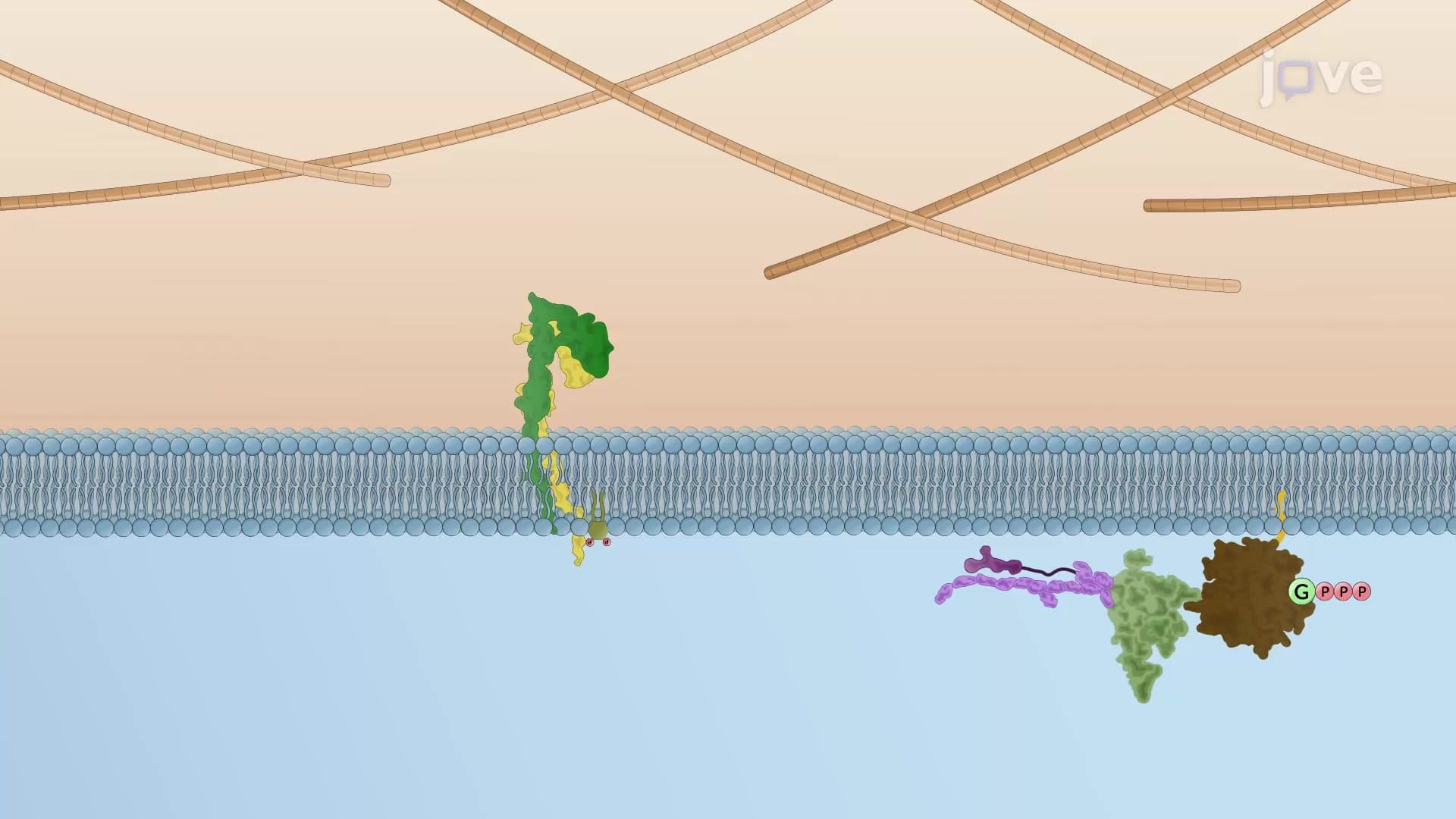
The journey begins when extracellular signaling molecules like thrombin, a key protein in blood clotting, bind to G-protein coupled receptors (GPCRs) on the cell surface. This binding triggers a sophisticated relay system: the activated GPCR stimulates Rap1 GTPase, which then recruits RIAM (Rap1-GTP-interacting adaptor molecule). This cascade exemplifies how cells amplify weak external signals into robust internal responses, a concept frequently tested on AP Biology exams.
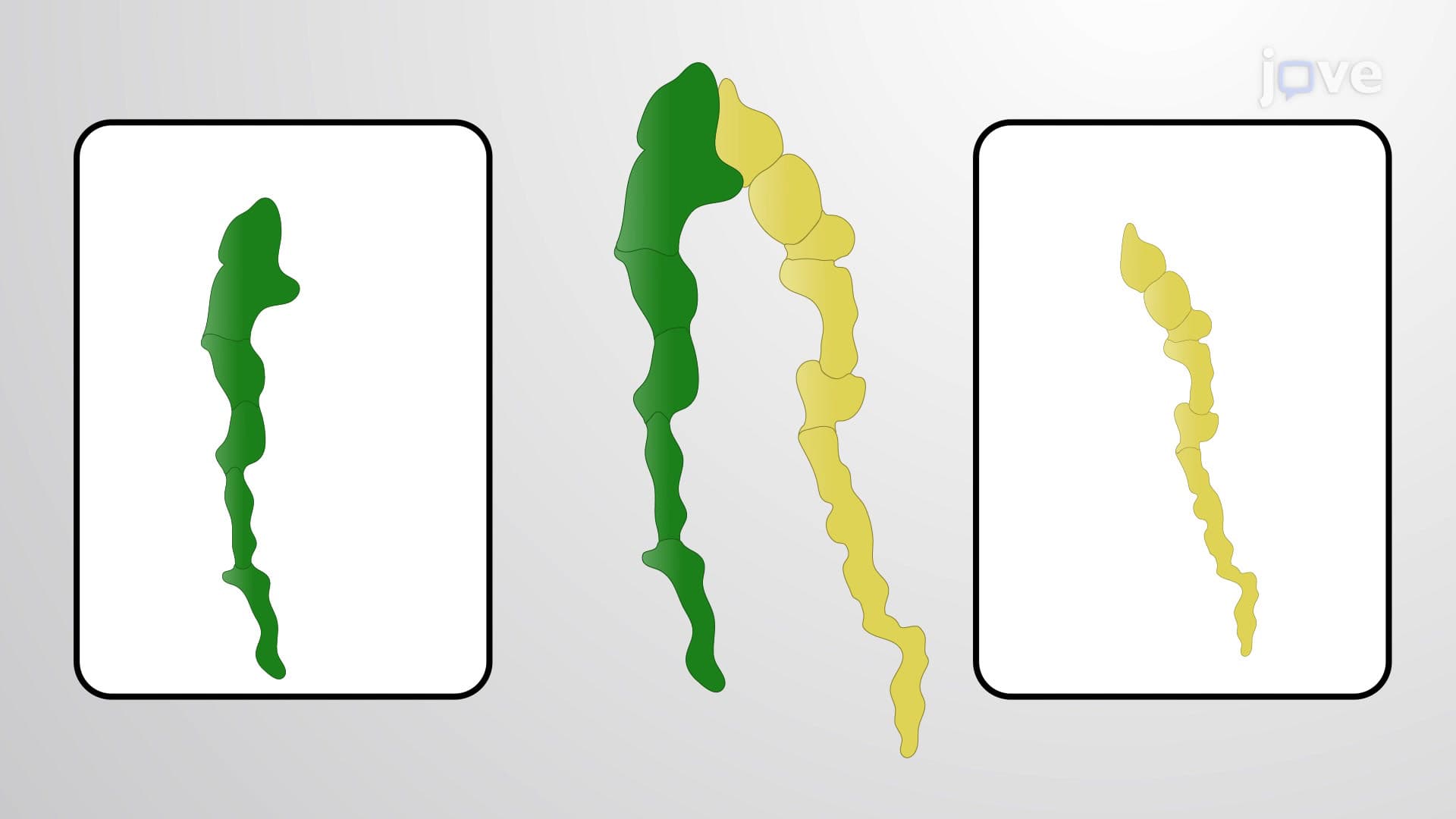
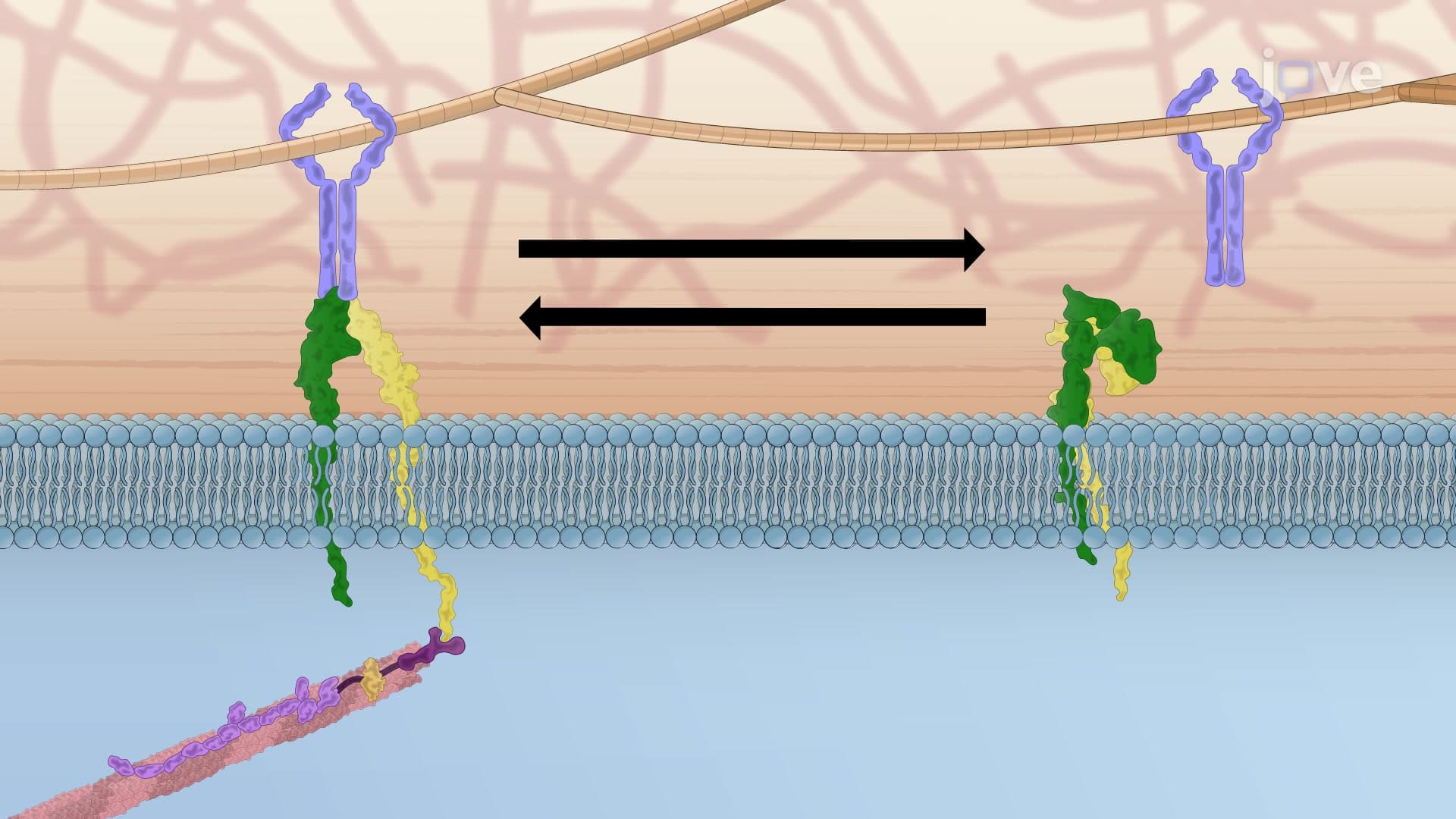
RIAM serves as a molecular matchmaker, bringing inactive talin to the cell membrane where the real transformation occurs. Talin exists in an auto-inhibited state, with its N-terminal head domain folded back onto its C-terminal tail domain, imagine a Swiss Army knife in its closed position.
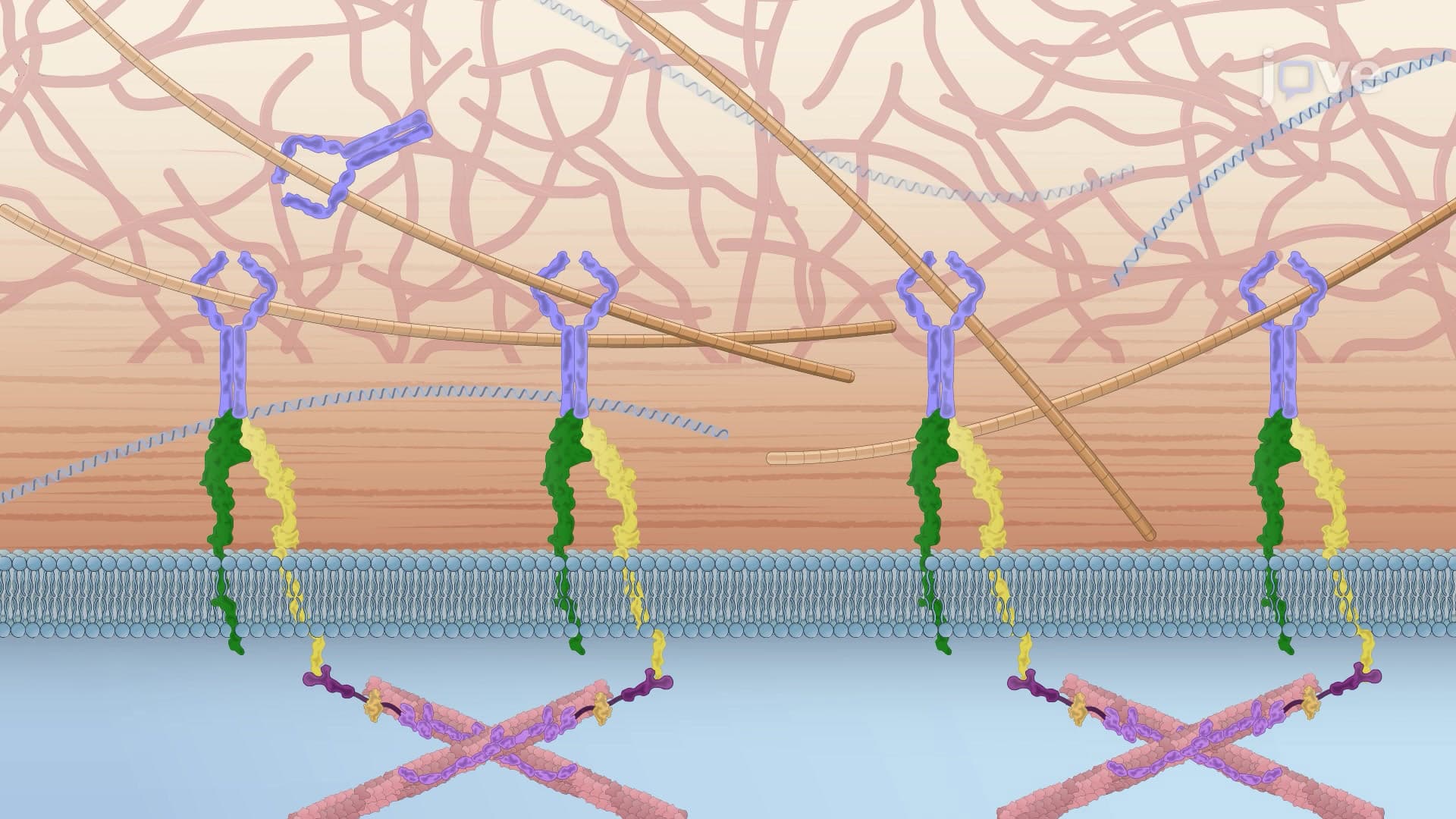
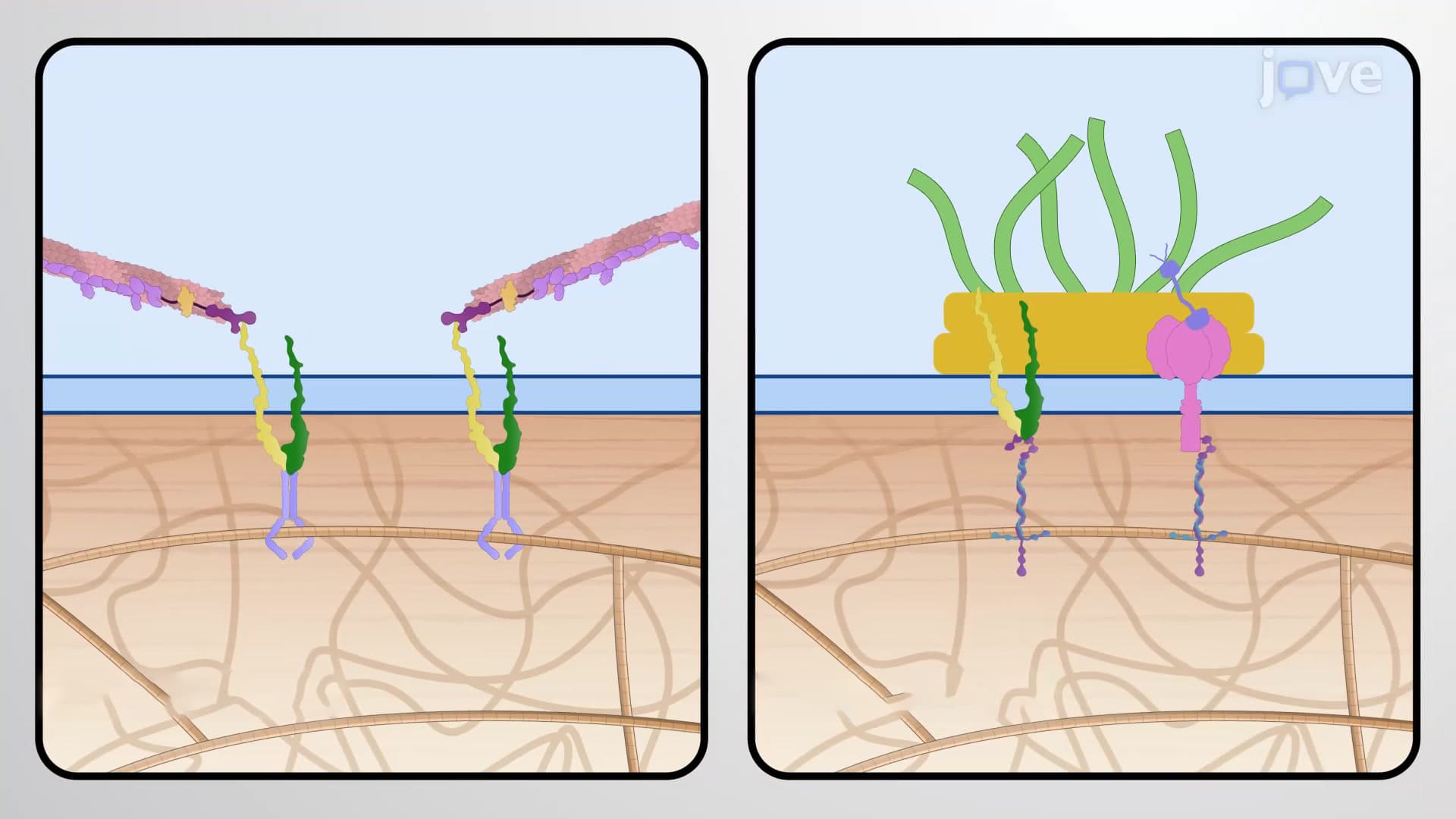
The breakthrough moment occurs when phosphoinositides (specialized membrane lipids) bind to talin's head domain. This binding disrupts the head-tail interaction, causing talin to unfold like a spring-loaded mechanism. The unfolded talin can now perform its dual function: activating integrin receptors and recruiting additional proteins like vinculin that connect to the actin cytoskeleton.
This signaling pathway has profound implications in US healthcare. Defects in focal adhesion signaling contribute to cardiovascular disease, cancer progression, and immune system dysfunction. For example, researchers at Johns Hopkins University have shown that disrupted talin function in platelets can lead to bleeding disorders. Understanding these mechanisms helps medical students and healthcare professionals appreciate how cellular biology translates to patient care, making this topic essential for USMLE preparation.
Related Micro-courses