Loading subject page…

- Cell Biology
- Control of Gene Expression
- mRNA Stability and Gene Expression
Micro-course: Control of Gene Expression
52,415 views
Learn key concepts and earn your certificate.









mRNA Stability and Gene Expression

00:00
02:51
Video Summary: Mrna Stability and Gene Expression Explained
Ever wonder why your body can rapidly produce antibodies during a flu outbreak while maintaining steady levels of essential proteins? The secret lies in mRNA stability and gene expression – the cell's sophisticated system for controlling how long messenger RNA molecules survive before being degraded. Consider how immune cells can quickly ramp up cytokine production during inflammation by manipulating mRNA lifespans. MRNA Stability And Gene Expression Explained reveals how cells use this post-transcriptional control mechanism to fine-tune protein synthesis and respond dynamically to environmental changes. Watch the full video on JoVE Coach to master this concept with expert-led visuals and step-by-step explanations.
- Understand how MRNA Stability And Gene Expression mechanisms control protein synthesis by regulating messenger RNA degradation rates
- Identify key regulatory elements including AU-rich elements (AREs), RNA-binding proteins, and microRNAs that influence mRNA lifespan
- Analyze the relationship between mRNA half-life and cellular response speed, particularly in immune and stress responses
- Compare different RNA decay pathways including exonuclease-mediated degradation and nonsense-mediated decay
- Evaluate how mathematical models using exponential decay formulas describe mRNA turnover kinetics in living cells
- Apply knowledge of mRNA stability regulation to predict cellular responses to environmental stimuli and developmental signals
- Recognize therapeutic applications of mRNA stability manipulation in treating genetic diseases and cancer
- Explore experimental techniques like RNA decay assays used to study post-transcriptional gene regulation mechanisms
Understanding MRNA Stability And Gene Expression Control
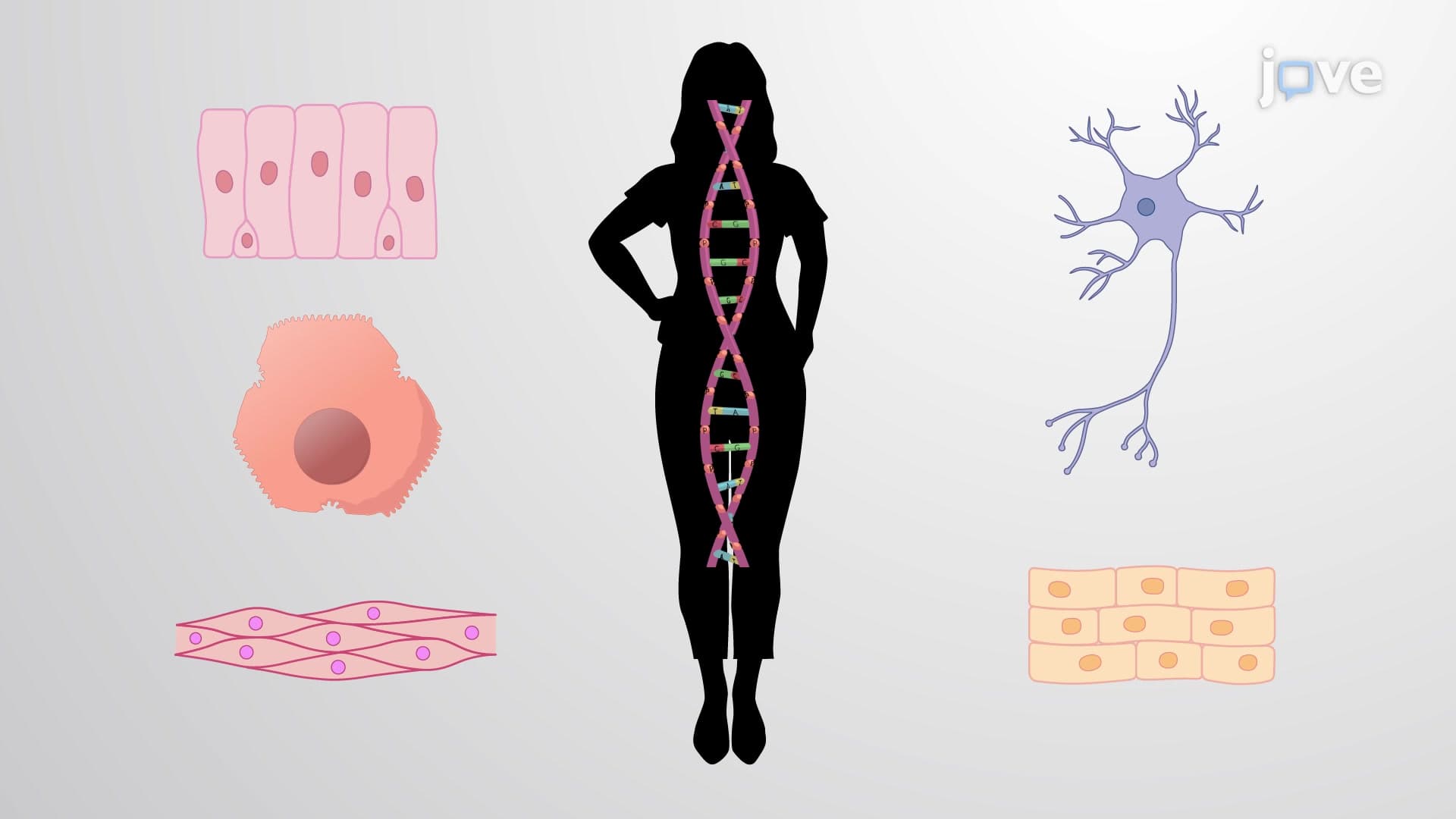
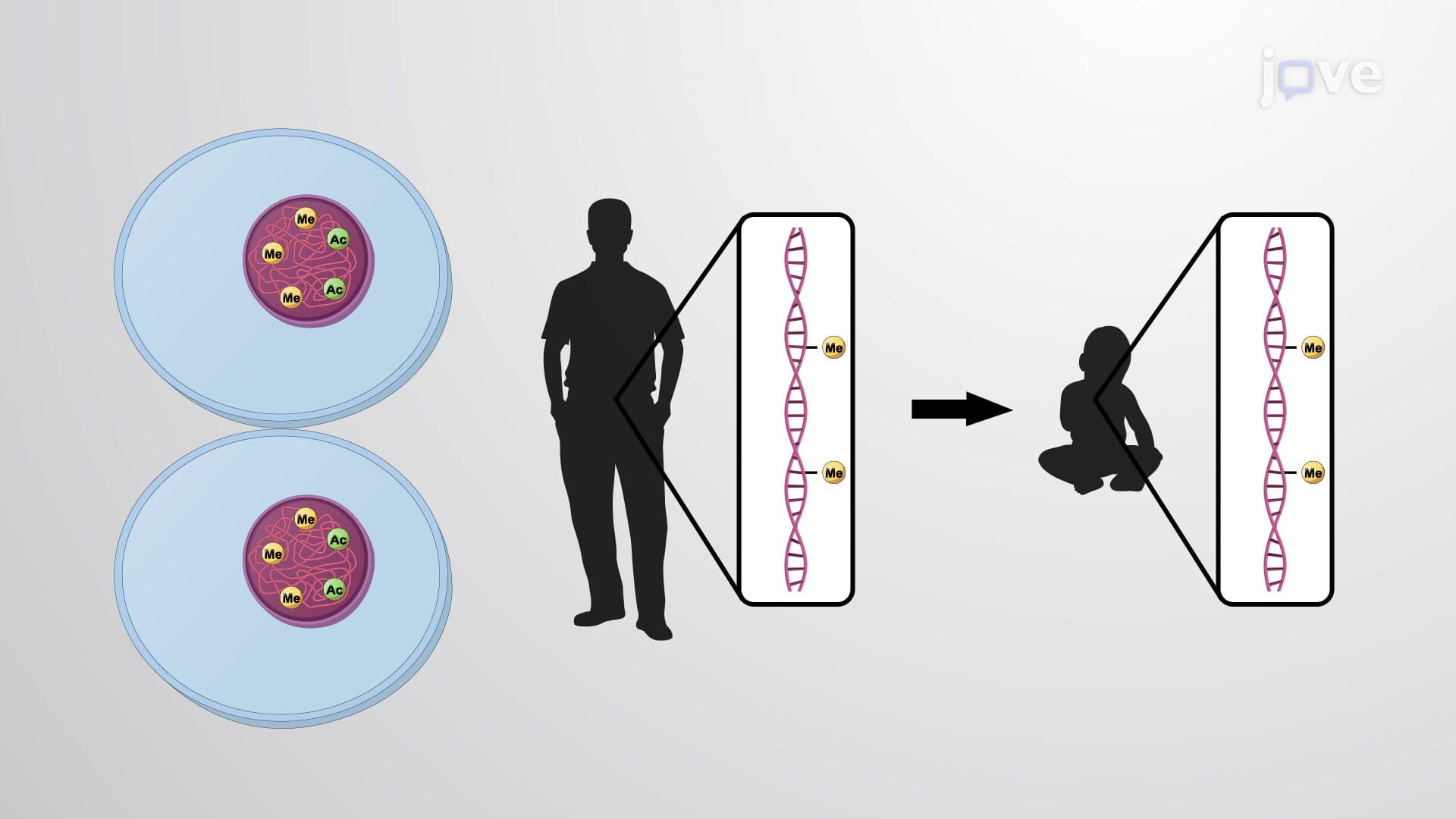
At its core, mRNA stability represents a critical checkpoint in gene expression where cells determine how long messenger RNA molecules remain available for protein synthesis. Unlike the fixed nature of DNA, mRNA molecules have variable lifespans ranging from minutes to hours, giving cells dynamic control over protein production without altering the underlying genetic code.
Molecular Mechanisms of mRNA Degradation
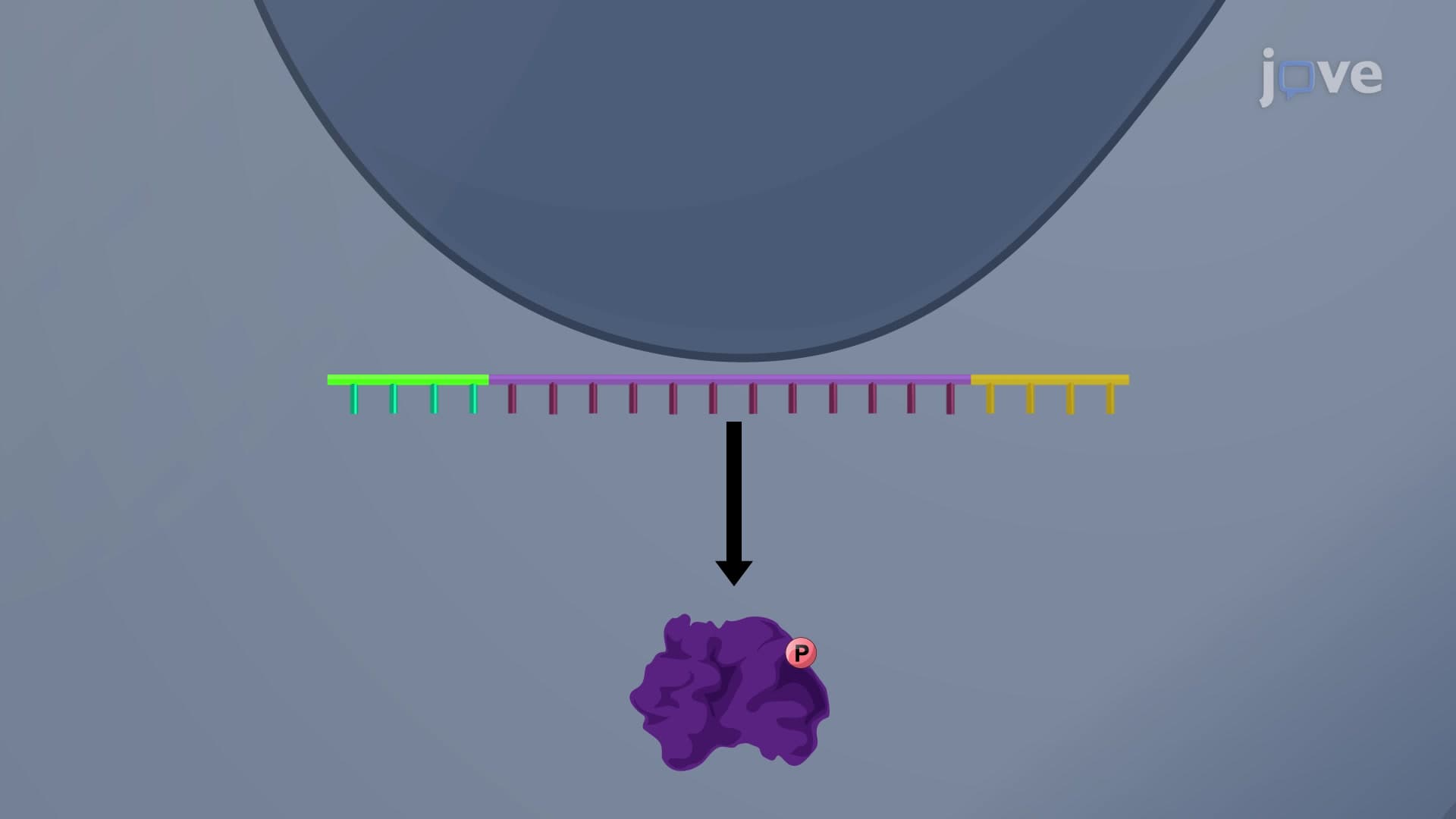
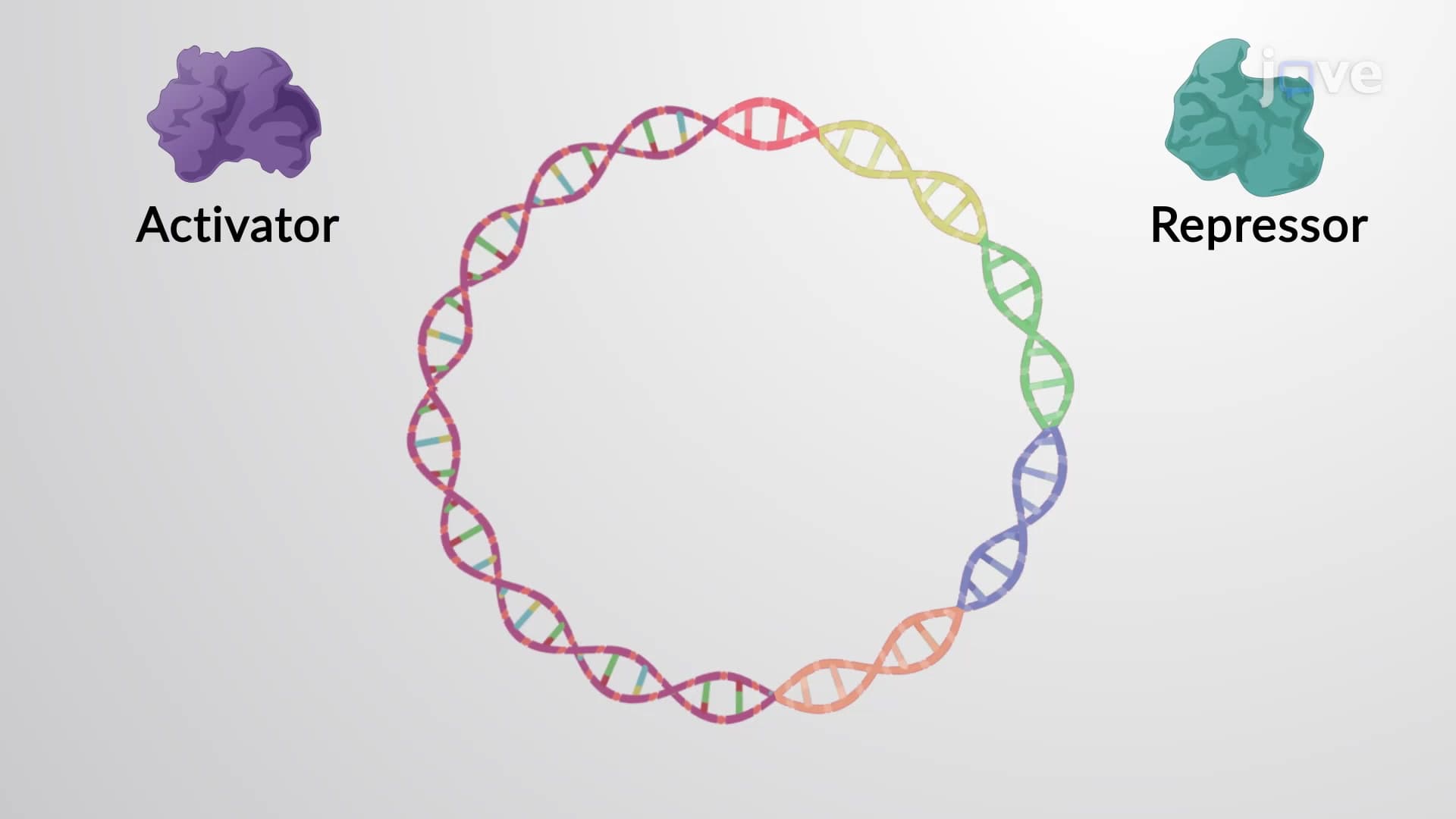
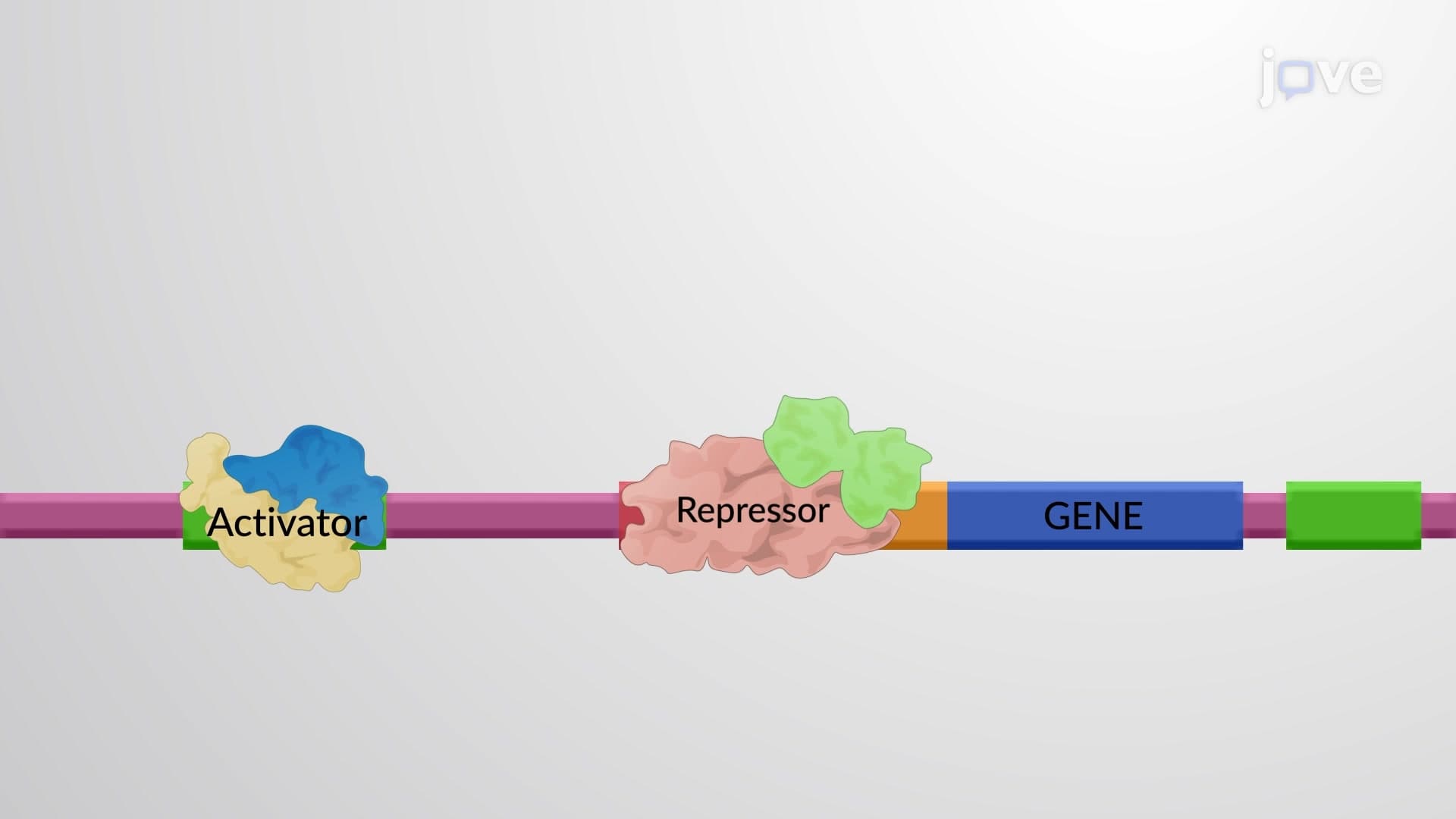
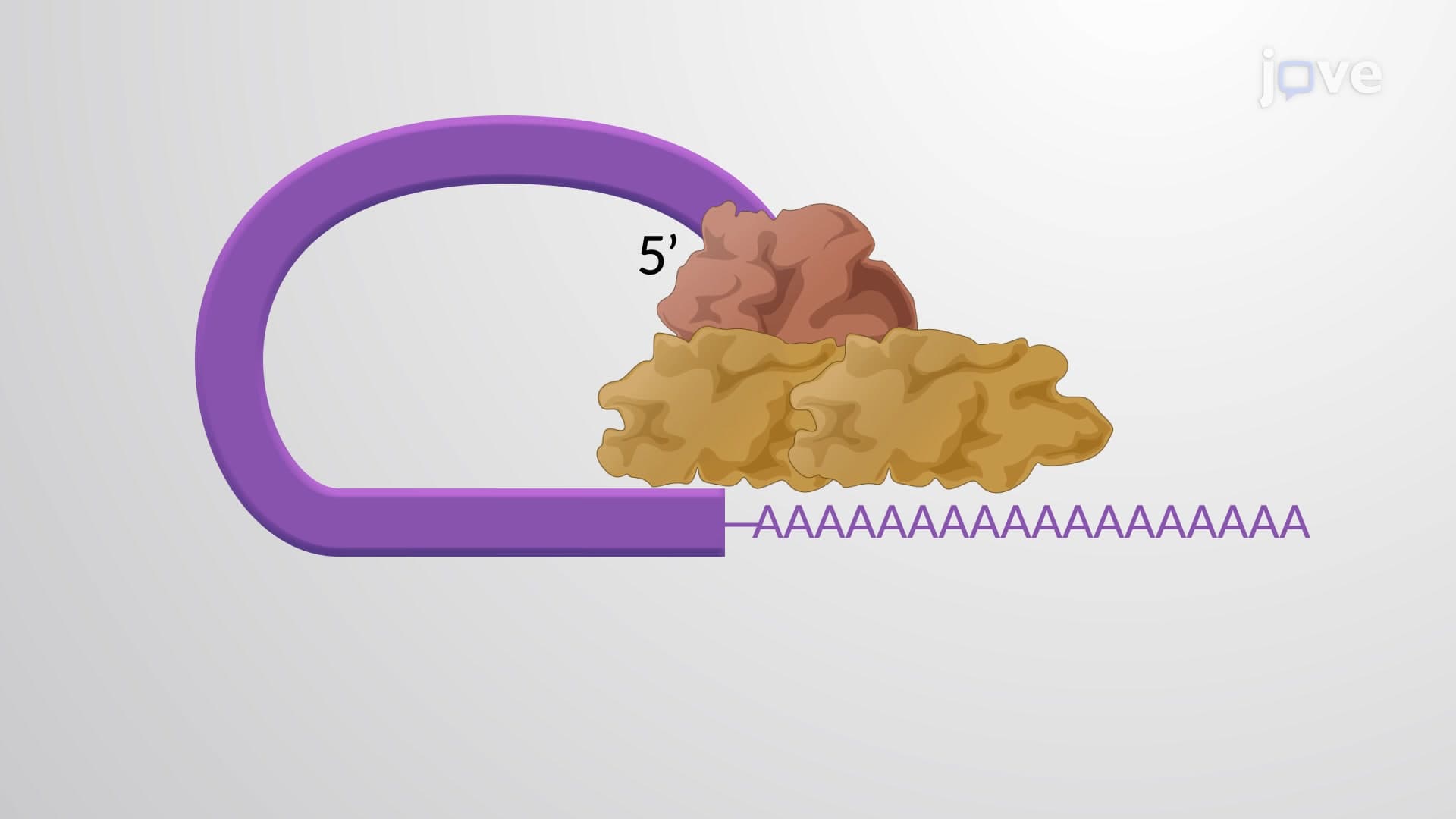
The primary determinants of mRNA stability reside in untranslated regions (UTRs), particularly AU-rich elements (AREs) in the 3' UTR. These sequences act like molecular barcodes, marking transcripts for rapid or slow degradation. RNA-binding proteins serve as interpreters of these codes – some protect mRNA from degradation while others recruit degradation machinery. For example, the protein HuR stabilizes mRNA by binding to AREs, while AUF1 promotes degradation. MicroRNAs add another layer of control by base-pairing with target mRNAs and recruiting silencing complexes.
Real-World Applications in Medicine and Research
Understanding mRNA stability has revolutionized therapeutic approaches. The recent success of COVID-19 mRNA vaccines relied heavily on modifying mRNA stability through pseudouridine incorporation, allowing the synthetic mRNA to persist long enough for effective protein production. In cancer research, oncogenes often show altered mRNA stability – the c-myc oncogene mRNA, for instance, is abnormally stabilized in many tumors. Students preparing for the MCAT or AP Biology exams should focus on how cells use mRNA stability for rapid responses, such as cytokine production during immune activation.
Mathematical Modeling and Experimental Analysis
mRNA decay follows first-order kinetics, described by the equation: [mRNA](t) = [mRNA](0) × e^(-kt), where k represents the decay constant and t is time. The half-life (t1/2) equals ln(2)/k. Researchers use techniques like actinomycin D treatment to block new transcription and measure existing mRNA decay rates. These quantitative approaches help students understand how cells achieve precise temporal control over gene expression, a concept frequently tested in college-level cell biology courses and standardized exams like the GRE Subject Test in Biology.
Frequently Asked Questions
mRNA stability refers to how long messenger RNA molecules survive before cellular degradation machinery breaks them down. This directly controls gene expression by determining how much protein can be made from each mRNA molecule. Cells use this mechanism to rapidly adjust protein levels without changing DNA transcription rates, making it essential for quick responses to environmental changes.
The MCAT frequently tests mRNA stability in passages about gene regulation, cancer biology, and cellular responses to stimuli. AP Biology exam questions often focus on comparing transcriptional versus post-transcriptional control mechanisms. Students should understand how AU-rich elements, microRNAs, and RNA-binding proteins regulate mRNA half-life, especially in immune responses and development.
Students often struggle because mRNA stability involves multiple overlapping regulatory pathways and requires understanding both molecular mechanisms and mathematical kinetics. The key is recognizing that this topic builds on basic transcription/translation knowledge. Focus on understanding the "why" – cells need rapid, reversible control over protein levels – before memorizing specific proteins and pathways.
Physicians and researchers apply mRNA stability principles in developing targeted therapies, particularly in oncology where cancer cells often show dysregulated mRNA turnover. For example, drugs targeting microRNA pathways that control oncogene mRNA stability are in clinical trials. Nurses administering mRNA-based treatments need to understand stability principles for proper storage and administration protocols.
Moderna and Pfizer's COVID-19 vaccines exemplify mRNA stability manipulation – researchers modified the mRNA with pseudouridines and optimized codon usage to increase stability and protein expression. NIH-funded studies at institutions like Harvard Medical School continue investigating how mRNA stability contributes to diseases like Alzheimer's, where altered RNA metabolism affects neuronal function.
Create concept maps linking mRNA elements (5' cap, 3' UTR, AREs) to their regulators (RNA-binding proteins, microRNAs) and outcomes (stability vs. degradation). Practice with real examples like cytokine mRNA regulation during inflammation. Use the mathematical relationship between half-life and protein output to understand quantitative aspects often tested in upper-level courses.
Students ready for deeper study should investigate epitranscriptomics (RNA modifications affecting stability), liquid-liquid phase separation in RNA metabolism, and single-cell RNA sequencing approaches to studying mRNA turnover. These cutting-edge areas represent active research frontiers with implications for precision medicine and bioengineering applications.
Related Micro-courses

16 Concepts

14 Concepts