Loading video…


 6 Concepts
 49.9K views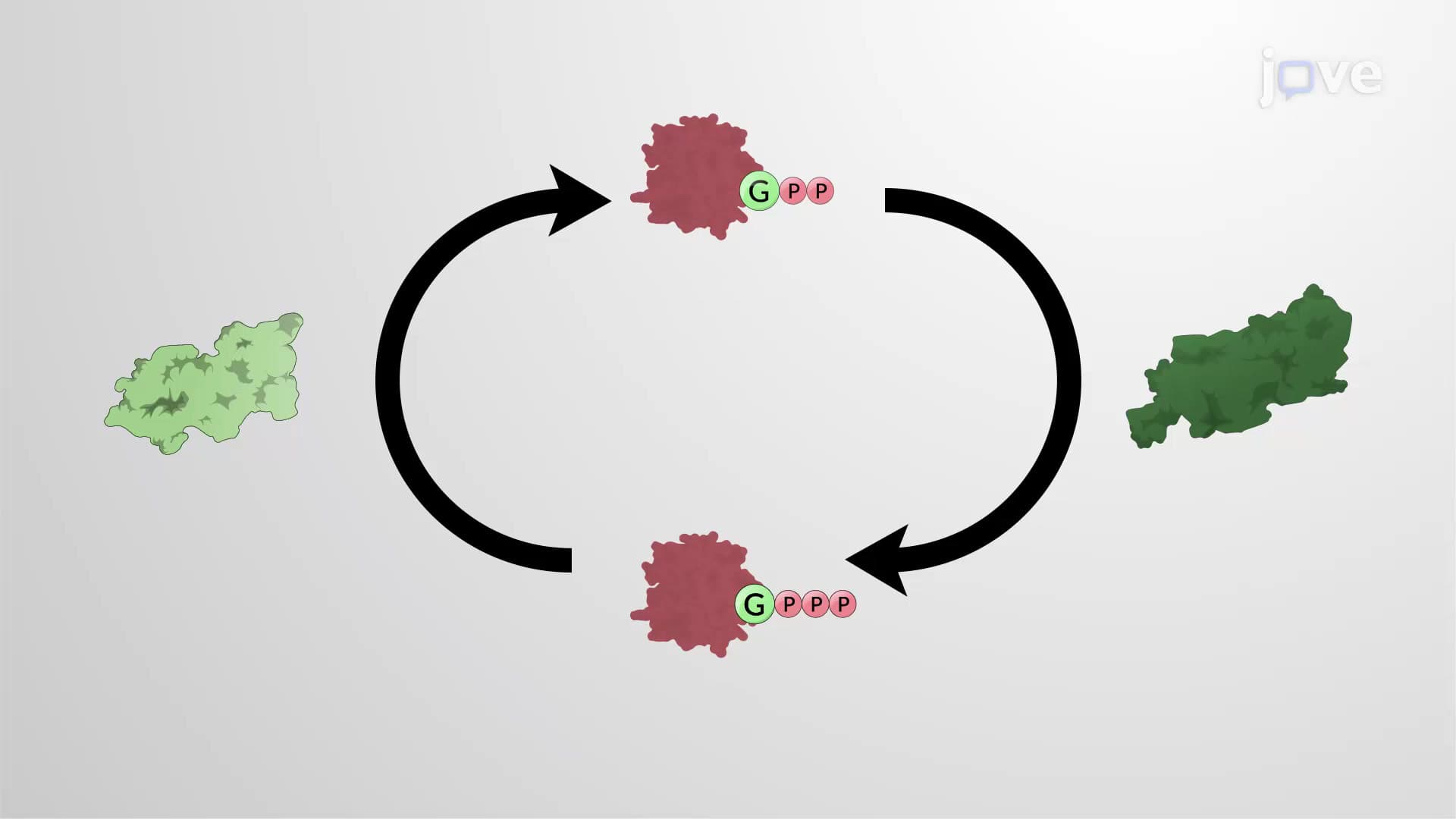

Video Summary: Small Gtpases Ras and Rho Explained
Did you know that cancer cells exploit the same molecular switches your healthy cells use for growth? Small GTPases Ras and Rho act as cellular "on-off" switches that control when cells grow, move, and change shape. These proteins are critical in diseases like melanoma, where mutations in Ras pathways drive 30% of all human cancers diagnosed in US hospitals. Watch the full video on JoVE Coach to master this concept with expert-led visuals and step-by-step explanations.
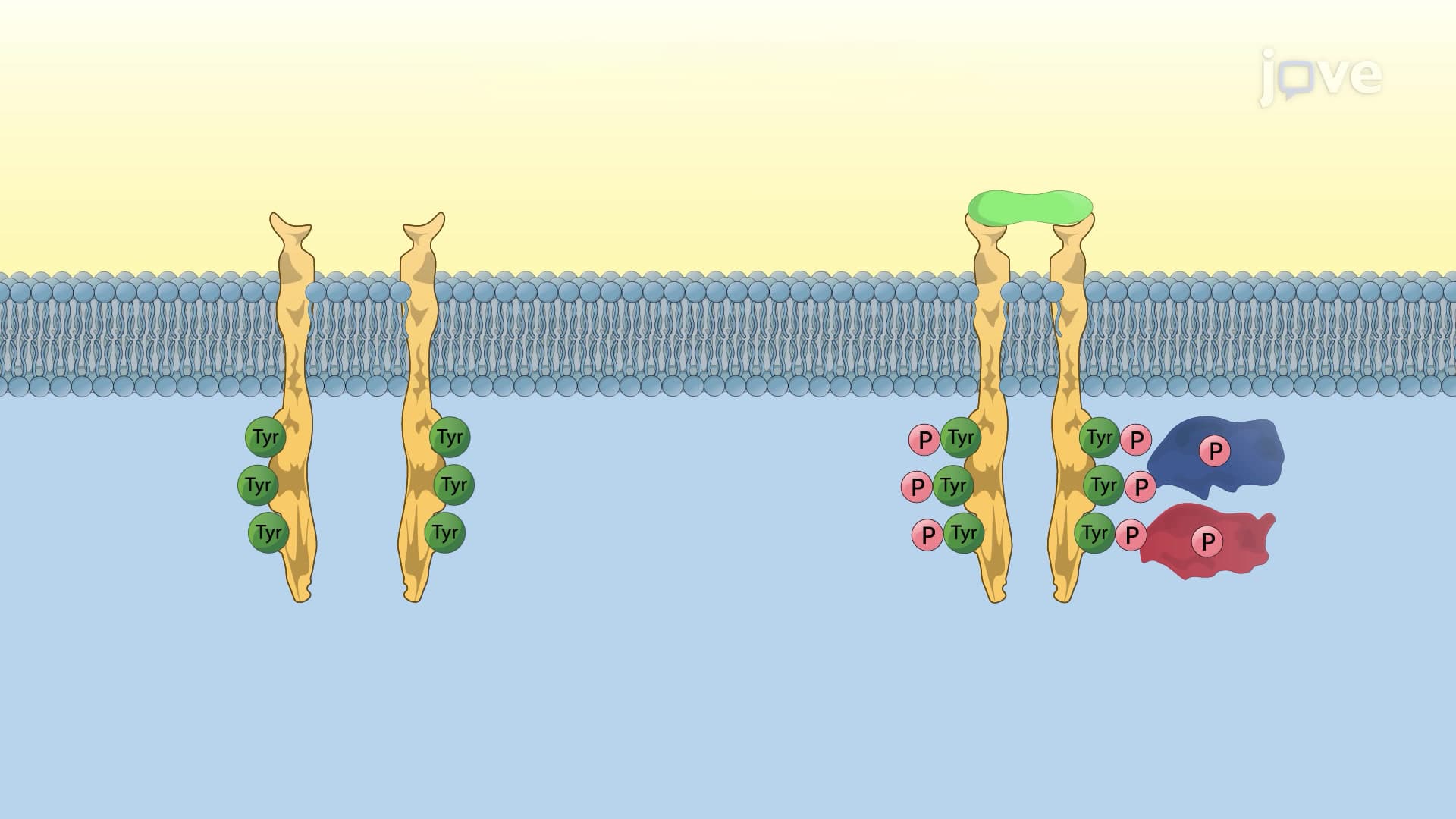
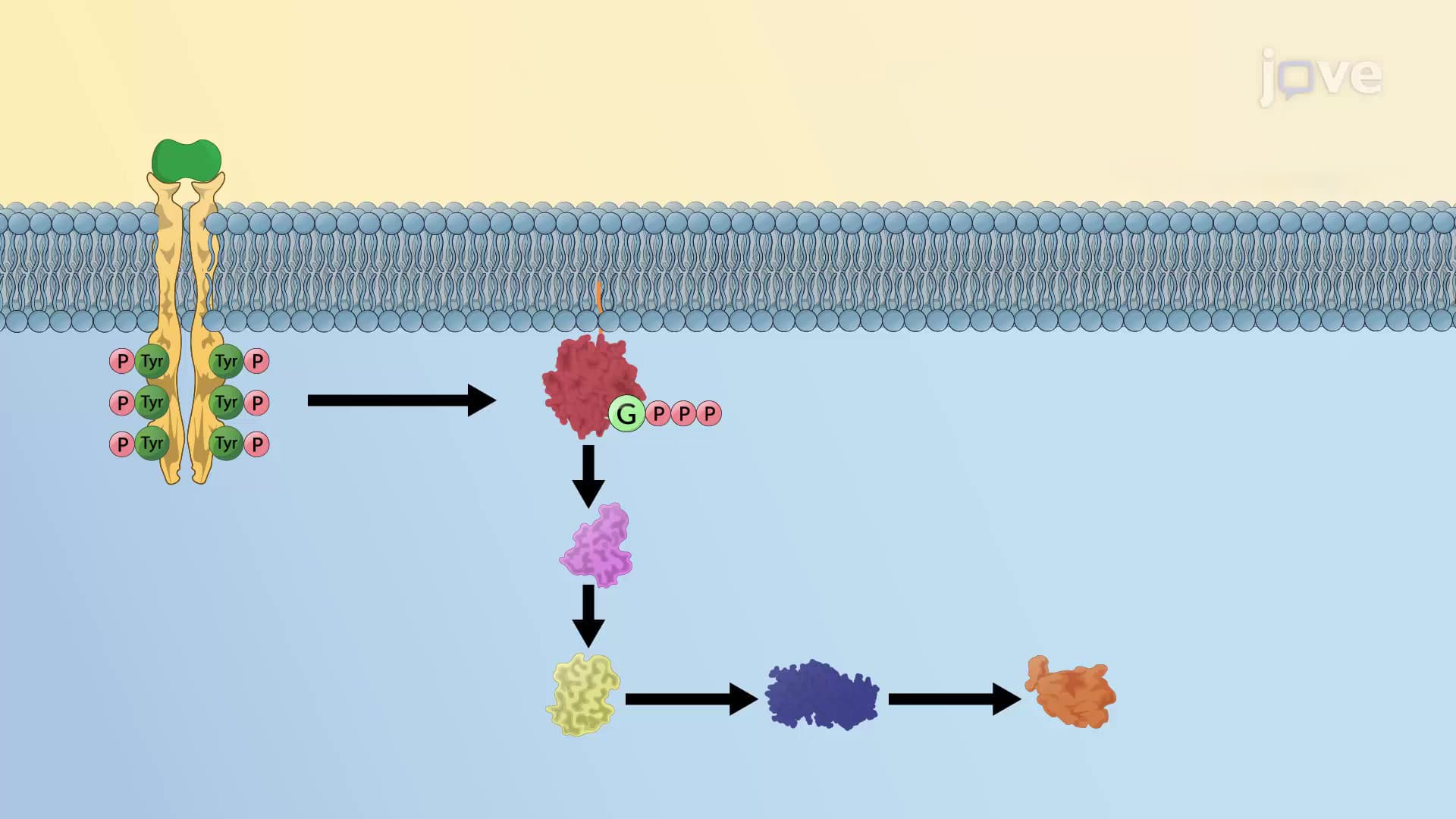
Small GTPases Ras and Rho represent two of the most important molecular switches in human cells, controlling fundamental processes like growth, movement, and development. These proteins belong to a superfamily of enzymes that bind guanine nucleotides (GDP and GTP) and undergo conformational changes that determine their activity state. Unlike their larger G-protein cousins found in neurotransmitter signaling, small GTPases operate as monomeric units that integrate signals from receptor tyrosine kinases.
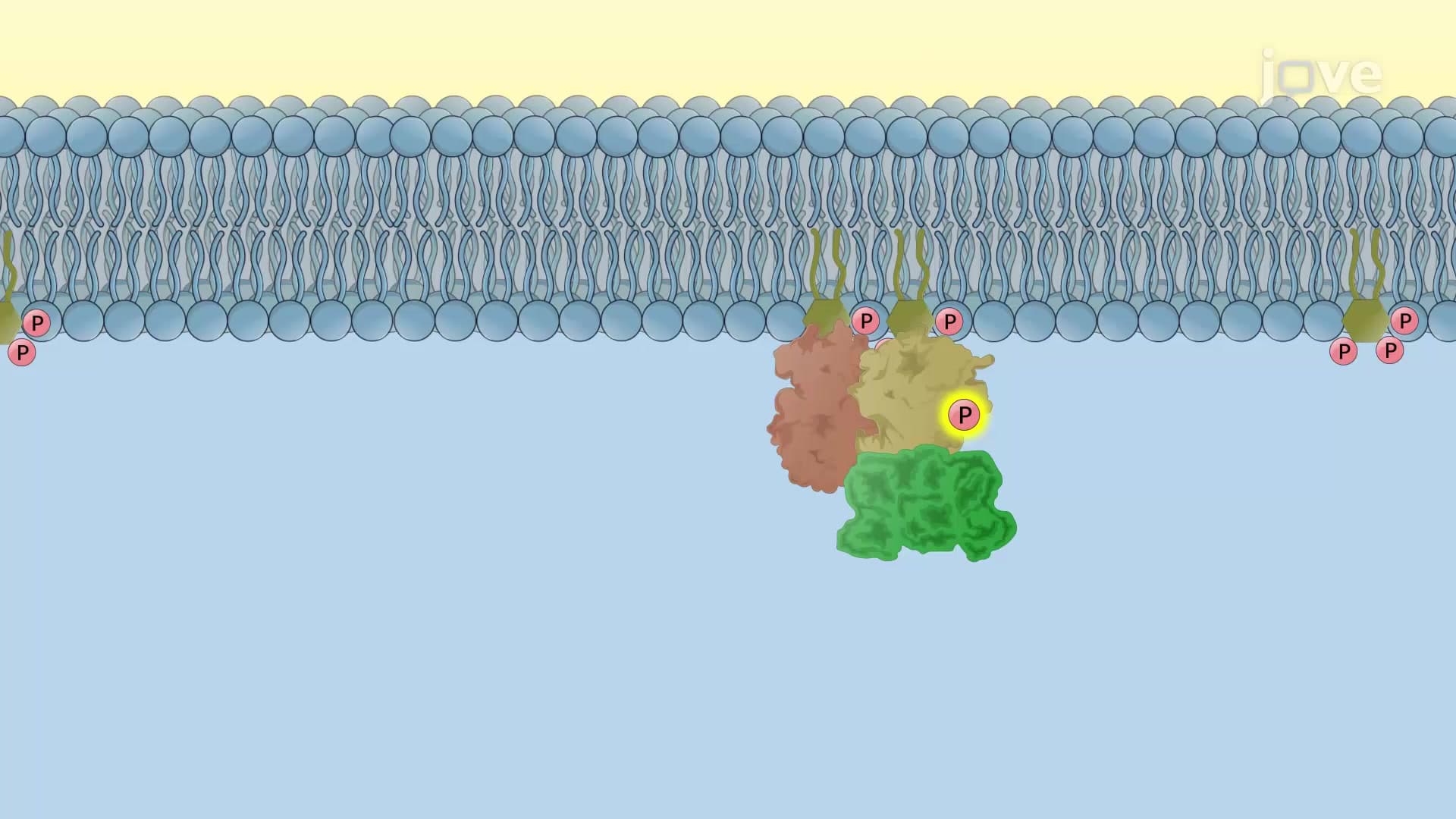
The activity of small GTPases depends on two key regulatory protein families. Guanine nucleotide exchange factors (GEFs) act like cellular "accelerator pedals," promoting the exchange of GDP for GTP to activate the GTPase. Conversely, GTPase-activating proteins (GAPs) function as "brake pedals," accelerating the intrinsic GTP hydrolysis activity to return the protein to its inactive GDP-bound state. This regulatory cycle ensures precise temporal and spatial control of cellular responses.
Ras proteins remain permanently associated with cellular membranes through lipid modifications. When growth factors bind to receptor tyrosine kinases at the cell surface, adapter proteins create signaling complexes that recruit Ras-specific GEFs to membrane locations. This proximity effect allows efficient Ras activation, triggering downstream MAP kinase cascades that ultimately alter gene expression patterns. Mutations disrupting this pathway contribute to approximately 30% of human cancers, making Ras a major focus of pharmaceutical research at institutions like MD Anderson Cancer Center and Memorial Sloan Kettering.
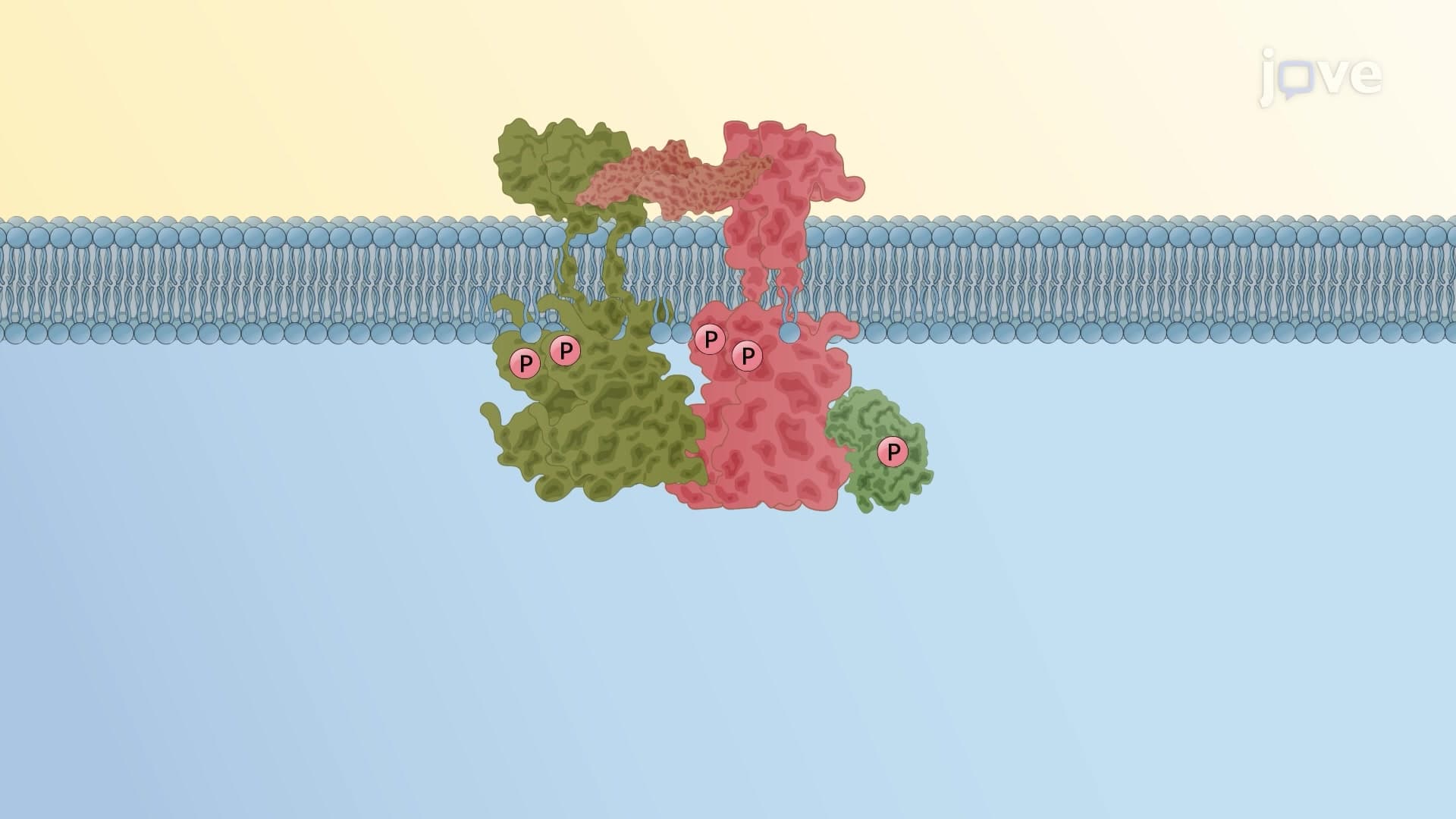
Unlike Ras, Rho proteins shuttle between cytoplasmic and membrane-bound states. In their inactive form, Rho proteins associate with GDP dissociation inhibitors (GDIs) that sequester them in the cytoplasm. Upon activation signals, Rho proteins translocate to membranes via prenyl group attachments, where they regulate actin cytoskeleton dynamics and cell adhesion. This mechanism proves essential for processes like wound healing and immune cell migration, topics frequently tested on the MCAT and in undergraduate cell biology courses at universities like UCLA and University of Michigan.
Students preparing for AP Biology or college-level biochemistry exams should focus on understanding the GTPase cycle, regulatory protein functions, and disease connections, as these concepts frequently appear in multiple-choice and free-response questions.
Related Micro-courses