Loading video…


 6 Concepts
 49.9K views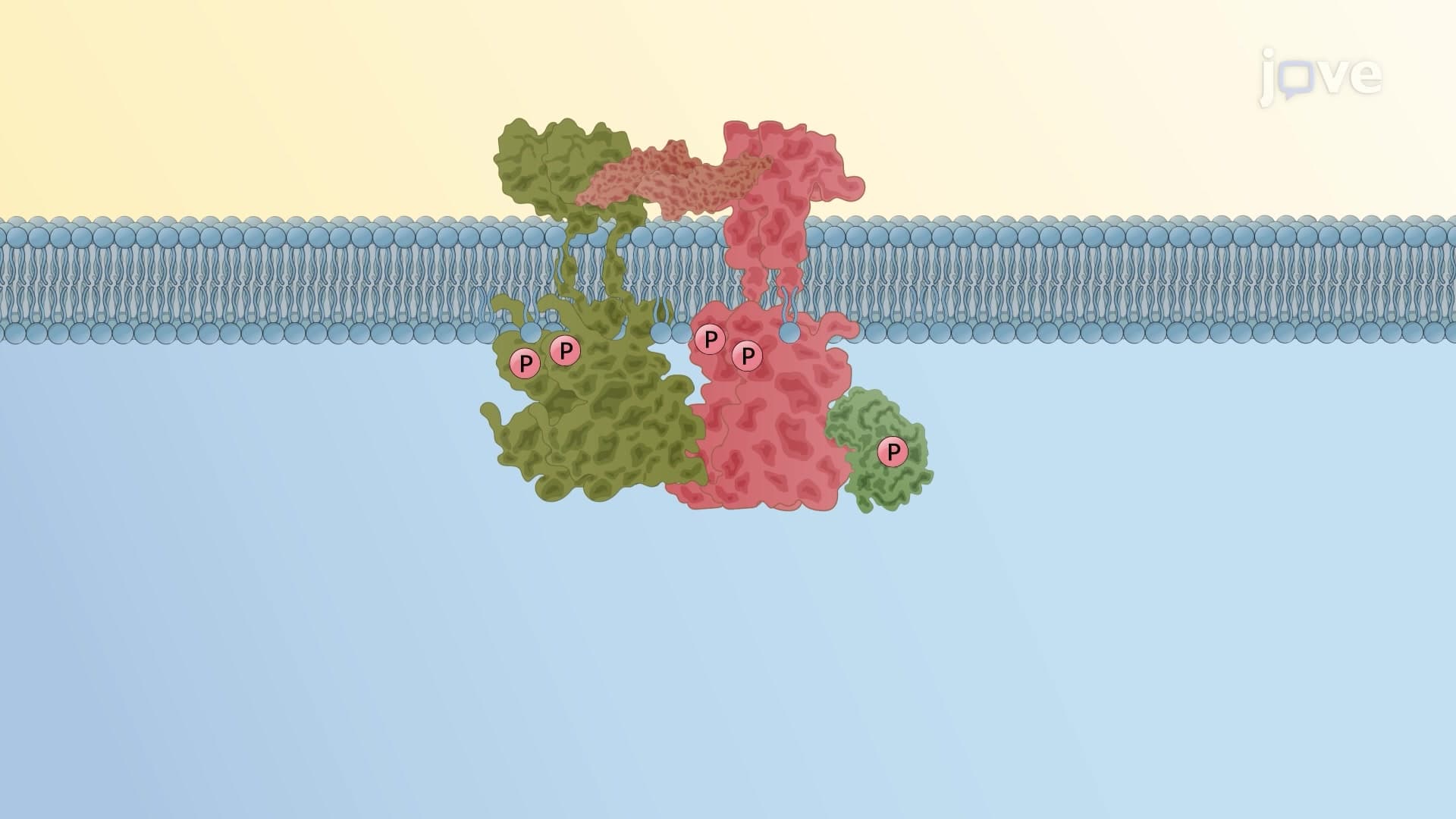

Video Summary: What Is Tgf Beta Signaling Pathway
Ever wonder how your body knows when to heal a cut or stop growing taller? The TGF-β signaling pathway acts like your cell's master controller, deciding when cells should grow, divide, or differentiate into specialized types. This crucial pathway starts when TGF-β proteins bind to cell surface receptors, triggering a cascade that ultimately changes which genes get turned on or off. Cancer researchers at MD Anderson Cancer Center study this pathway extensively since its malfunction can lead to uncontrolled cell growth. Watch the full video on JoVE Coach to master this concept with expert-led visuals and step-by-step explanations.
The TGF-β signaling pathway represents one of the most important cellular communication networks in human biology. Unlike simple on-off switches, this pathway functions as a sophisticated regulatory system that controls when cells grow, when they stop growing, and what type of specialized cell they become. The pathway gets its name from Transforming Growth Factor-beta, a protein originally discovered for its ability to transform normal cells in laboratory cultures.
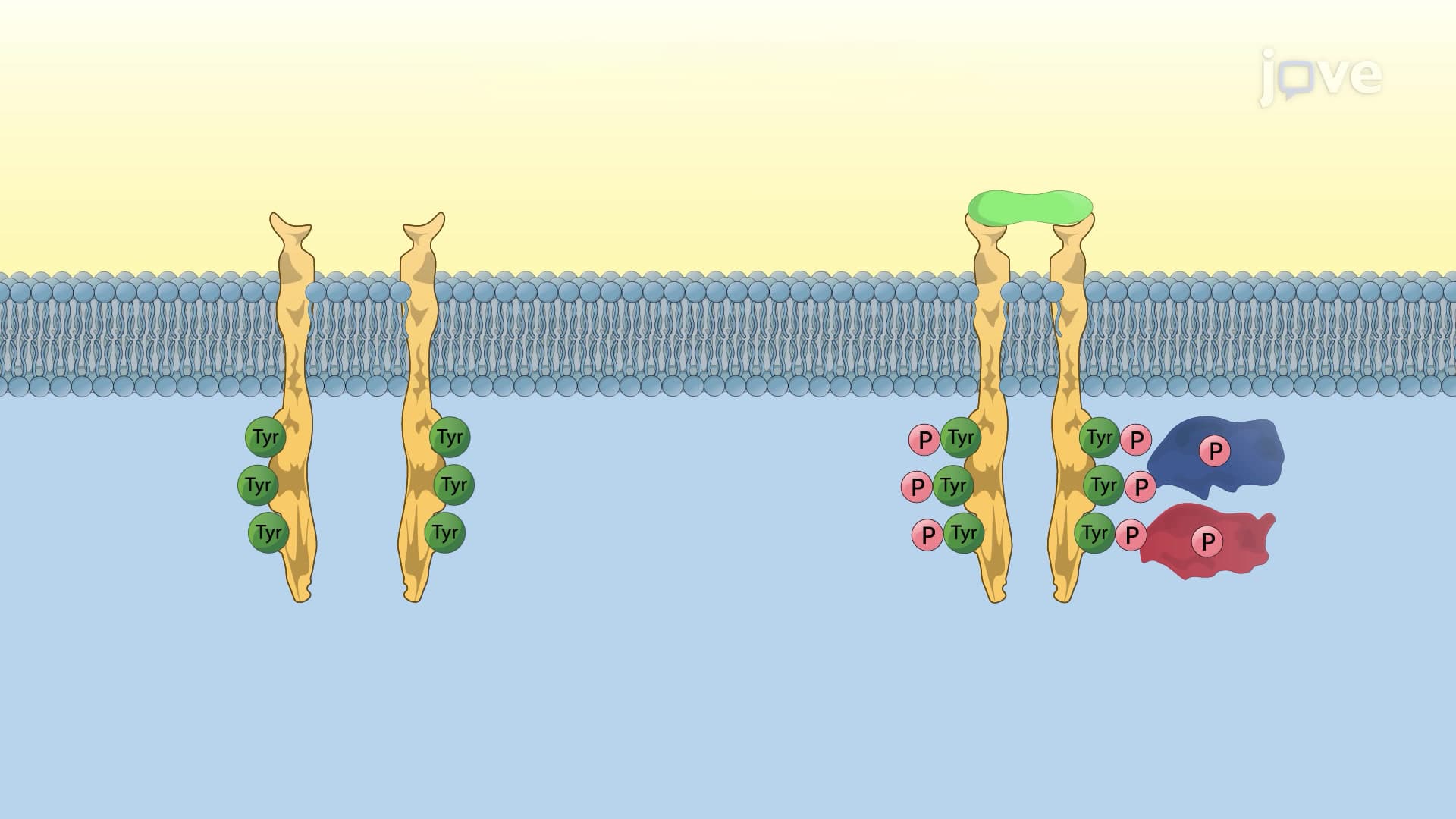
The pathway begins with TGF-β proteins existing as homodimers-two identical protein subunits bound together. These dimeric ligands specifically recognize Type II TGF-β receptors on the cell surface. What makes this system elegant is its requirement for receptor cooperation: Type II receptors must recruit and activate adjacent Type I receptors through phosphorylation. This creates a tetrameric complex (four receptor subunits total) that ensures signal specificity and prevents accidental activation.
Students preparing for the MCAT should pay special attention to this receptor crosstalk mechanism, as it exemplifies how cells achieve signal specificity. The serine/threonine kinase activity of these receptors-meaning they add phosphate groups to serine and threonine amino acids-drives the entire downstream cascade.
Once activated, Type I receptors phosphorylate receptor-activated Smads (R-Smads), causing crucial conformational changes that release these proteins from the receptor complex. The phosphorylated R-Smads then dimerize and recruit an unphosphorylated co-Smad partner, forming a trimeric complex. This three-protein unit translocates to the nucleus where it partners with DNA-binding transcription factors to regulate target gene expression.
Understanding TGF-β signaling proves essential for students interested in medical careers, particularly oncology and regenerative medicine. Researchers at institutions like Stanford University and Johns Hopkins have linked TGF-β pathway dysfunction to cancer progression, where it can paradoxically promote both tumor suppression and metastasis depending on disease stage. The pathway also plays critical roles in wound healing, making it relevant for students studying dermatology or plastic surgery.
For AP Biology students, this pathway exemplifies key concepts including signal transduction, protein phosphorylation, and gene regulation-topics that frequently appear on college admissions exams and introductory biology courses.
Related Micro-courses