Loading video…


 10 Concepts
 202.2K views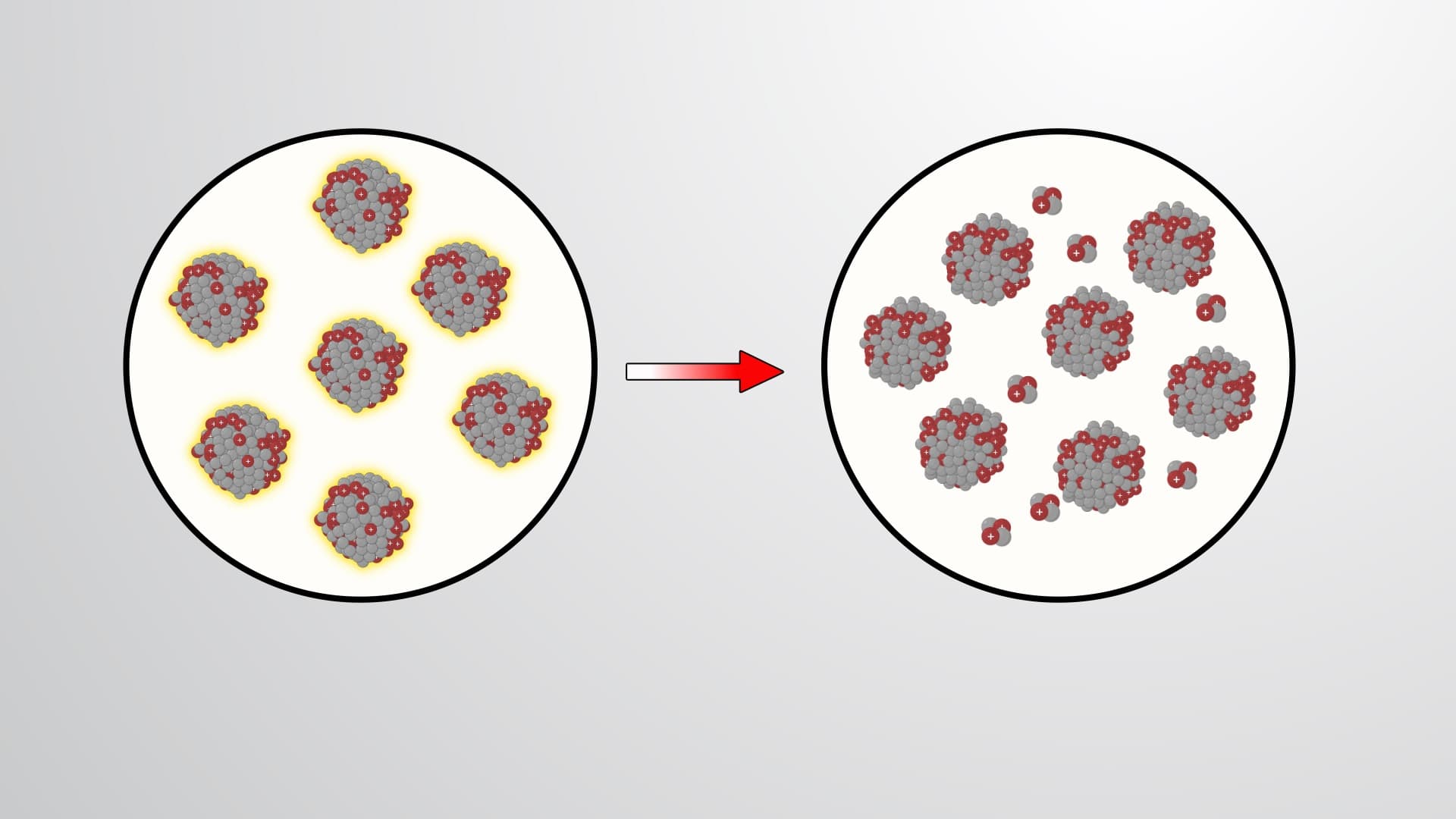

Video Summary: Radioactive Decay and Radiometric Dating Explained
Did you know archaeologists determined that the Shroud of Turin was created between 1260-1390 CE using radioactive decay and radiometric dating? Understanding radioactive decay and radiometric dating reveals how scientists measure the age of everything from ancient artifacts to Earth's oldest rocks. Carbon-14 dating of wooden artifacts at Mesa Verde National Park helped confirm that Ancestral Puebloans inhabited the region over 700 years ago. Watch the full video on JoVE Coach to master this concept with expert-led visuals and step-by-step explanations.
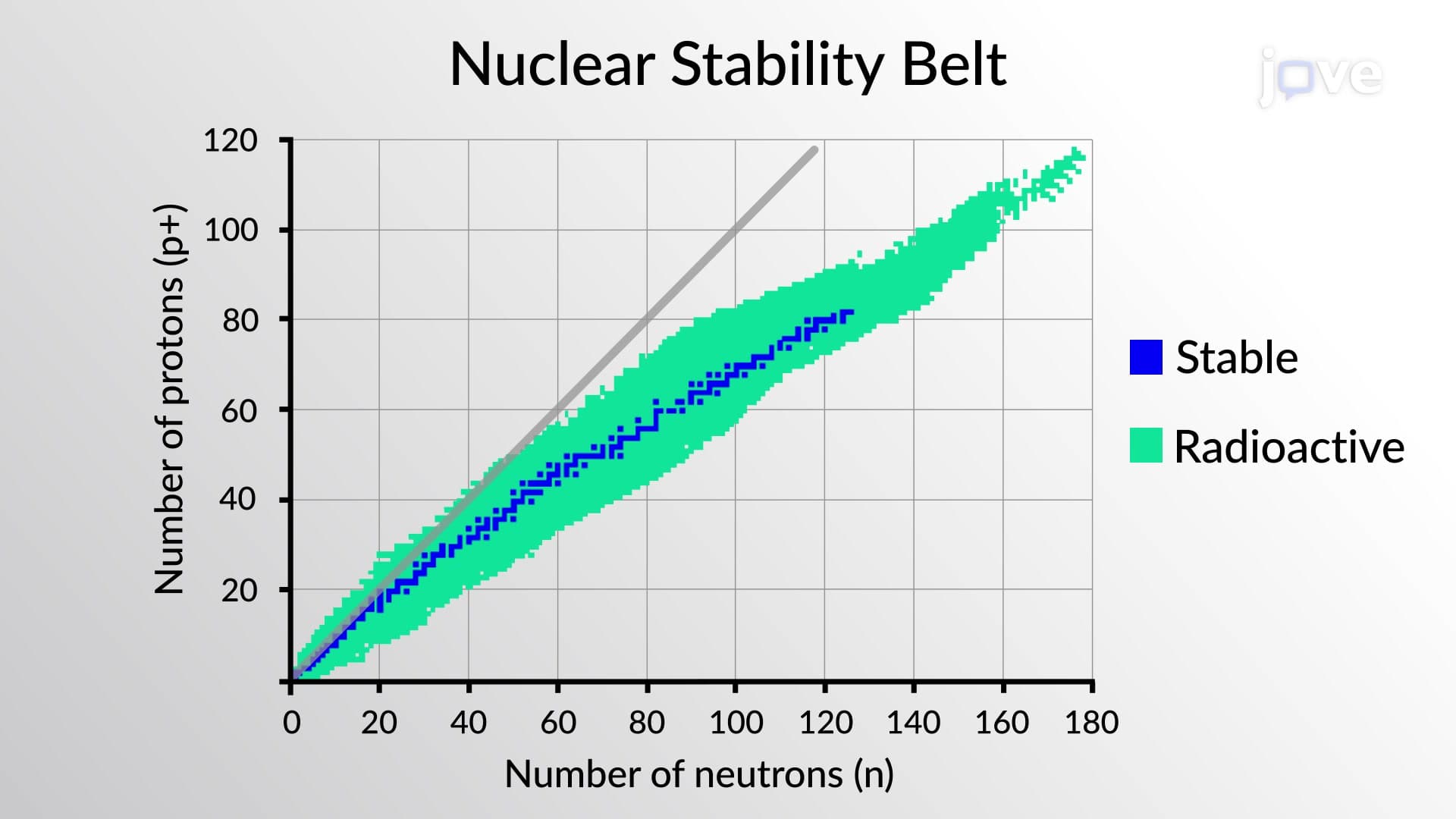
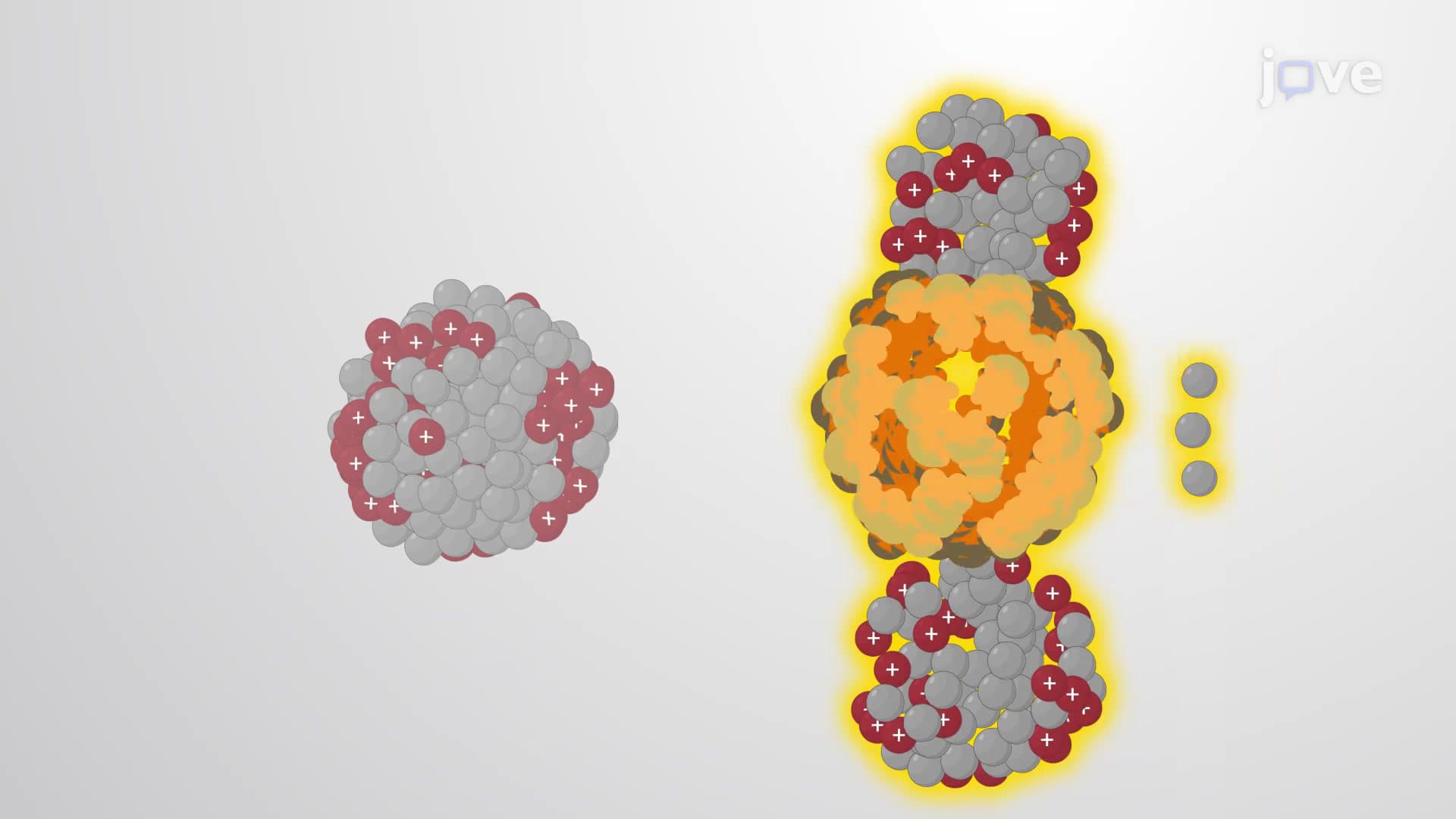
Radioactive decay serves as nature's most reliable clock, enabling scientists to determine the age of materials spanning from recent archaeological finds to the oldest rocks on Earth. This spontaneous nuclear process occurs when unstable atomic nuclei transform into more stable configurations, releasing energy in the form of radiation. The beauty of radioactive decay lies in its predictable statistical behavior-while we cannot predict when any individual nucleus will decay, we can precisely calculate how many nuclei in a large sample will decay over specific time periods.
The decay process follows an exponential relationship described by the equation A = A₀e^(-λt), where A represents current activity, A₀ is initial activity, λ is the decay constant, and t represents elapsed time. This mathematical foundation enables precise age calculations across vastly different time scales. The half-life concept proves particularly useful-it represents the time required for exactly half of a radioactive sample to decay. For example, carbon-14 has a half-life of 5,730 years, making it ideal for dating organic materials from recent human history.
Carbon-14 dating has revolutionized American archaeology and forensic science. At Cahokia near St. Louis, Missouri, carbon-14 analysis of wooden posts revealed that this massive Native American city flourished between 1050-1200 CE. The technique works because living organisms constantly exchange carbon with the atmosphere, maintaining a consistent carbon-14 to carbon-12 ratio. After death, this exchange stops, and carbon-14 begins decaying at its known rate, creating a measurable timeline.
Students preparing for AP Chemistry or college-level nuclear chemistry courses should focus on understanding the inverse relationship between half-life and decay constant (t₁/₂ = ln(2)/λ). This relationship frequently appears on exams, particularly in problems requiring age determination from remaining radioactive percentages.
Beyond carbon-14, other isotopic systems enable dating across geological time scales. Potassium-argon dating helped establish that early human ancestor fossils in California are approximately 130,000 years old, while uranium-lead dating of zircon crystals from the Jack Hills in Western Australia (though the technique applies globally) demonstrates Earth's 4.4-billion-year minimum age. Each system has optimal applications: carbon-14 for recent organic materials, potassium-argon for volcanic rocks, and uranium-lead for very ancient materials.
For MCAT preparation, students should understand how different dating methods complement each other and their respective limitations, including contamination effects and appropriate sample age ranges.
Related Micro-courses