Loading concepts…


12 Concepts
7 Concepts
10 Concepts
13 Concepts
10 Concepts
12 Concepts
15 Concepts
8 Concepts
14 Concepts
9 Concepts
21 Concepts
13 Concepts
12 Concepts
10 Concepts
14 Concepts
15 Concepts
10 Concepts
10 Concepts
10 Concepts
10 Concepts
12 Concepts
 10 Concepts
 202.2K Views
 Popular topics




Nuclear chemistry explores the transformations occurring within atomic nuclei, including radioactive decay processes, nuclear stability, and energy relationships. This comprehensive course covers fundamental concepts from alpha and beta decay to nuclear fission and fusion reactions. Students will examine real-world applications including radiometric dating techniques used by archaeologists, nuclear power generation in US facilities, and medical applications of radioisotopes, providing essential knowledge for advanced chemistry and physics studies with JoVE Coach.
1. Nuclear Structure and Notation: Atomic nuclei contain protons and neutrons (nucleons) held together by strong nuclear forces. Nuclear notation includes element symbols with mass numbers and atomic numbers, allowing identification of specific nuclides. Isotopes share the same atomic number but differ in mass numbers, like carbon-12, carbon-13, and carbon-14. Understanding nuclear composition provides the foundation for predicting radioactive behavior and nuclear reactions occurring in both natural processes and controlled laboratory conditions.
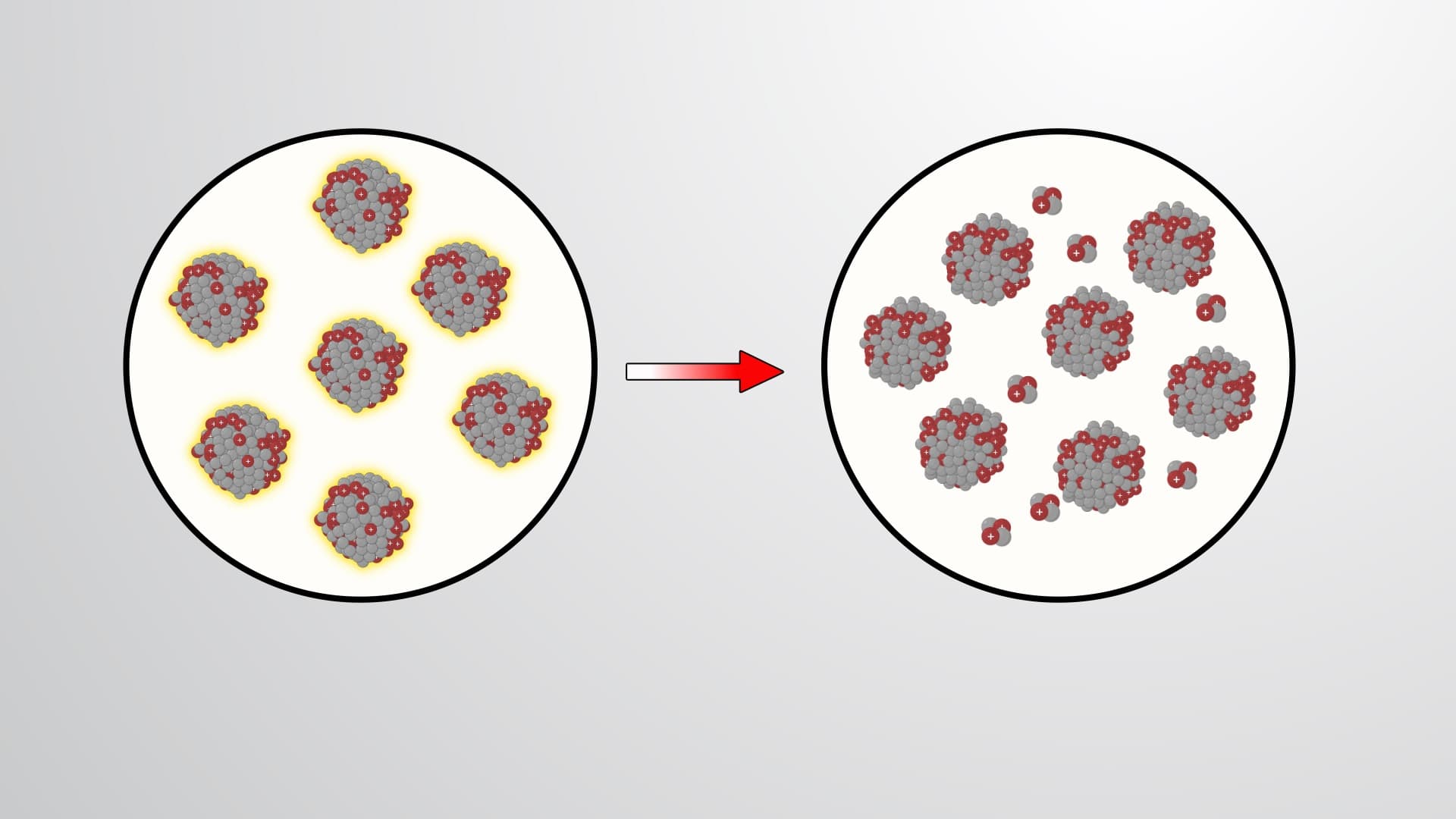
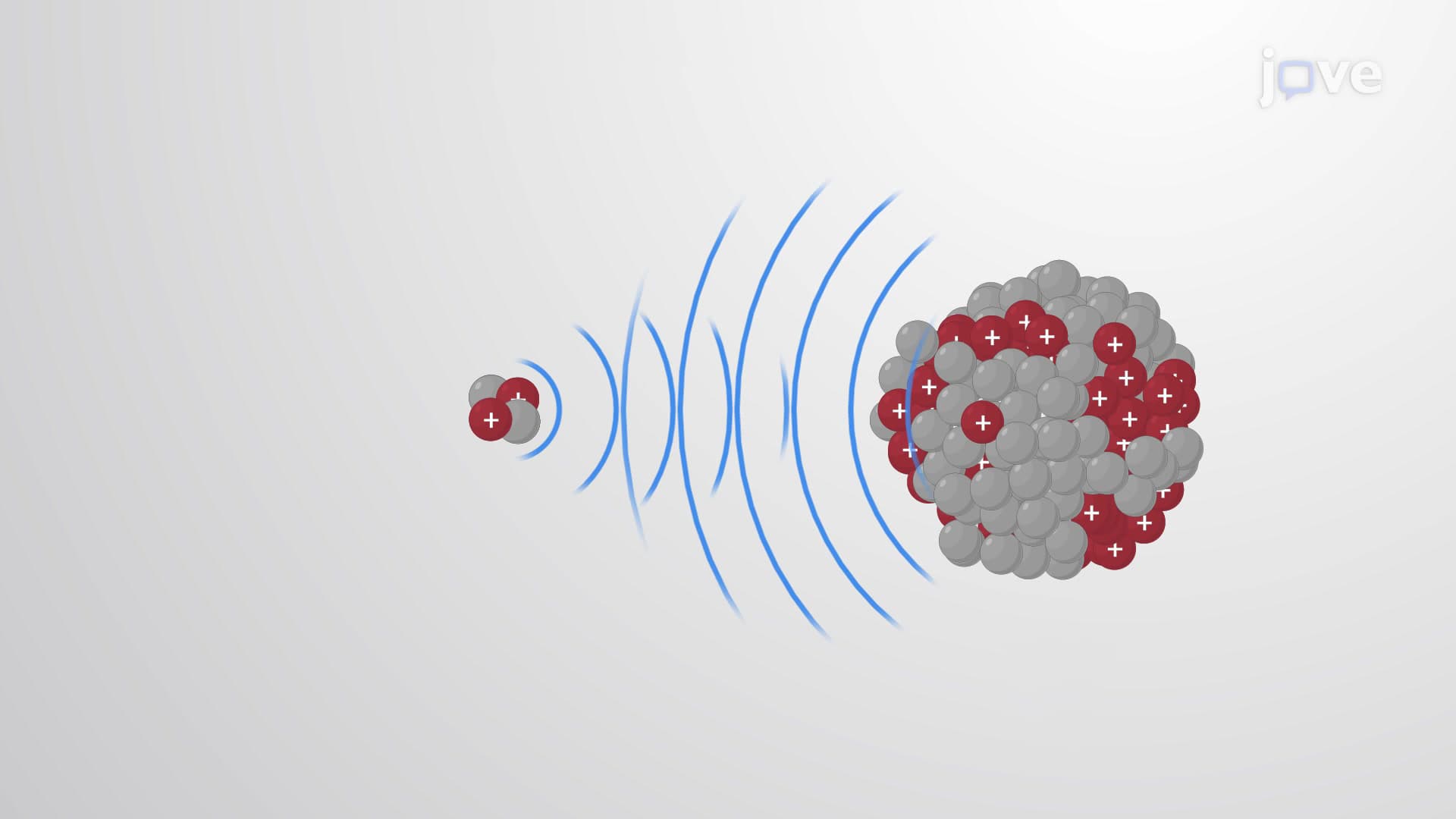
2. Types of Radioactive Decay: Alpha beta gamma decay processes transform unstable nuclei into more stable configurations. Alpha decay emits helium-4 nuclei, reducing atomic number by two and mass number by four. Beta-minus decay converts neutrons to protons, increasing atomic number by one. Positron emission (beta-plus decay) converts protons to neutrons, decreasing atomic number by one. Gamma radiation releases excess nuclear energy without changing nuclear composition, often accompanying other decay modes in nuclear medicine applications.
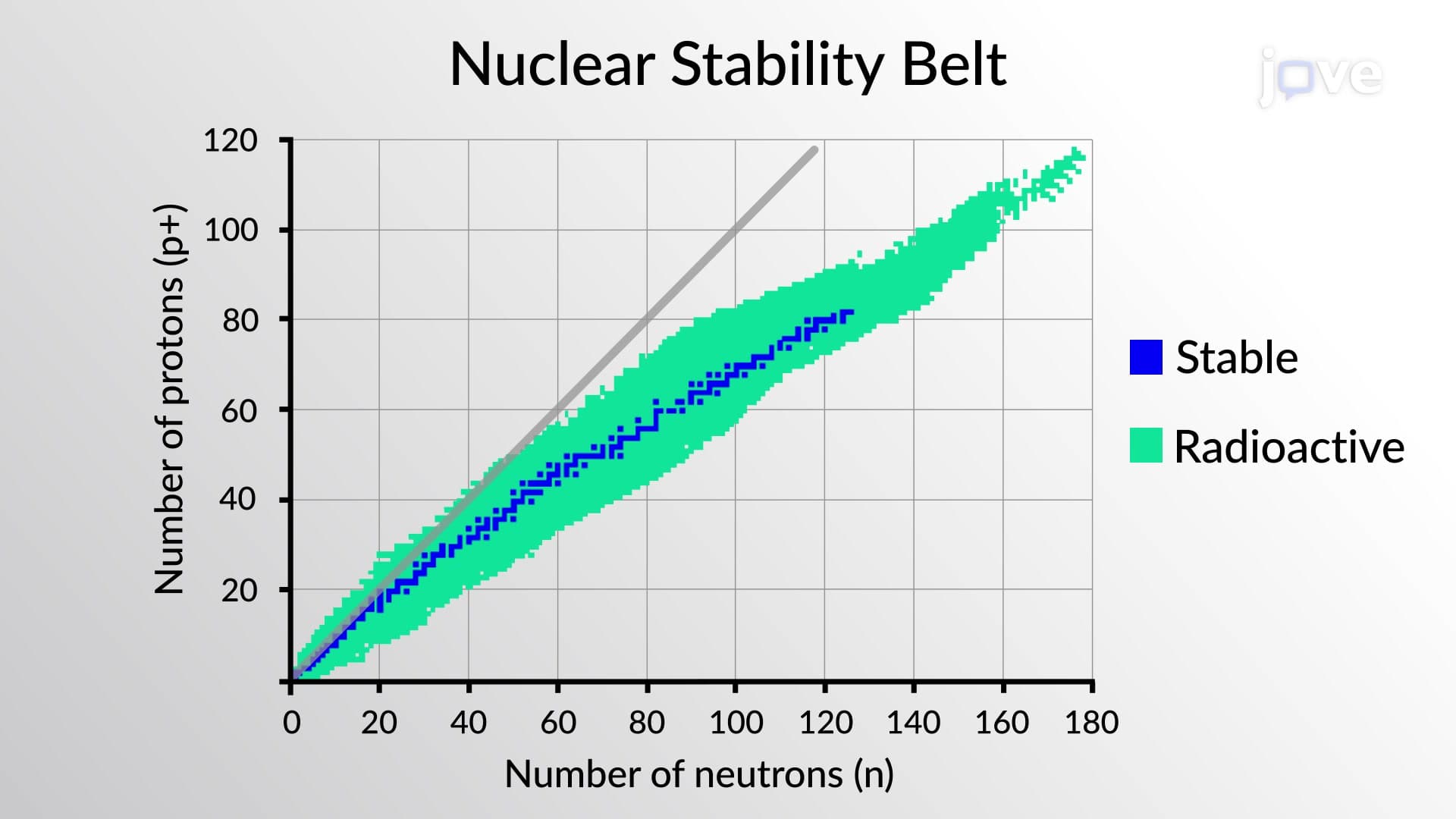
3. Nuclear Stability and the Belt of Stability: Nuclear stability depends on the neutron-to-proton ratio and nuclear binding forces. Stable nuclei occupy a narrow band on plots of neutron number versus proton number. Light nuclei favor 1:1 neutron-to-proton ratios, while heavier nuclei require excess neutrons to overcome proton-proton repulsion. Magic numbers (2, 8, 20, 28, 50, 82, 126) indicate particularly stable nuclear configurations. All elements beyond bismuth-83 are radioactive, requiring decay chains to reach stability.
4. Nuclear Binding Energy and Mass Defect: Nuclear binding energy quantifies nuclear stability through Einstein's E=mc² relationship. The mass defect represents the difference between calculated nuclear mass and measured atomic mass. Converting this mass difference yields enormous binding energies, with iron-56 having maximum binding energy per nucleon. These calculations explain why fusion of light nuclei and fission of heavy nuclei both release energy, forming the basis for nuclear power generation and stellar energy production.
5. Half-Life and Radioactive Decay Kinetics: Half-life represents the time required for half of a radioactive sample to decay, following first-order kinetics. Decay constants relate to half-lives through exponential relationships, enabling age determination in radiocarbon dating applications. Carbon-14 dating allows archaeologists to determine ages of organic materials up to 50,000 years old. Other radiometric methods using uranium-238, potassium-40, and rubidium-87 enable dating of geological formations and meteorites across billions of years.
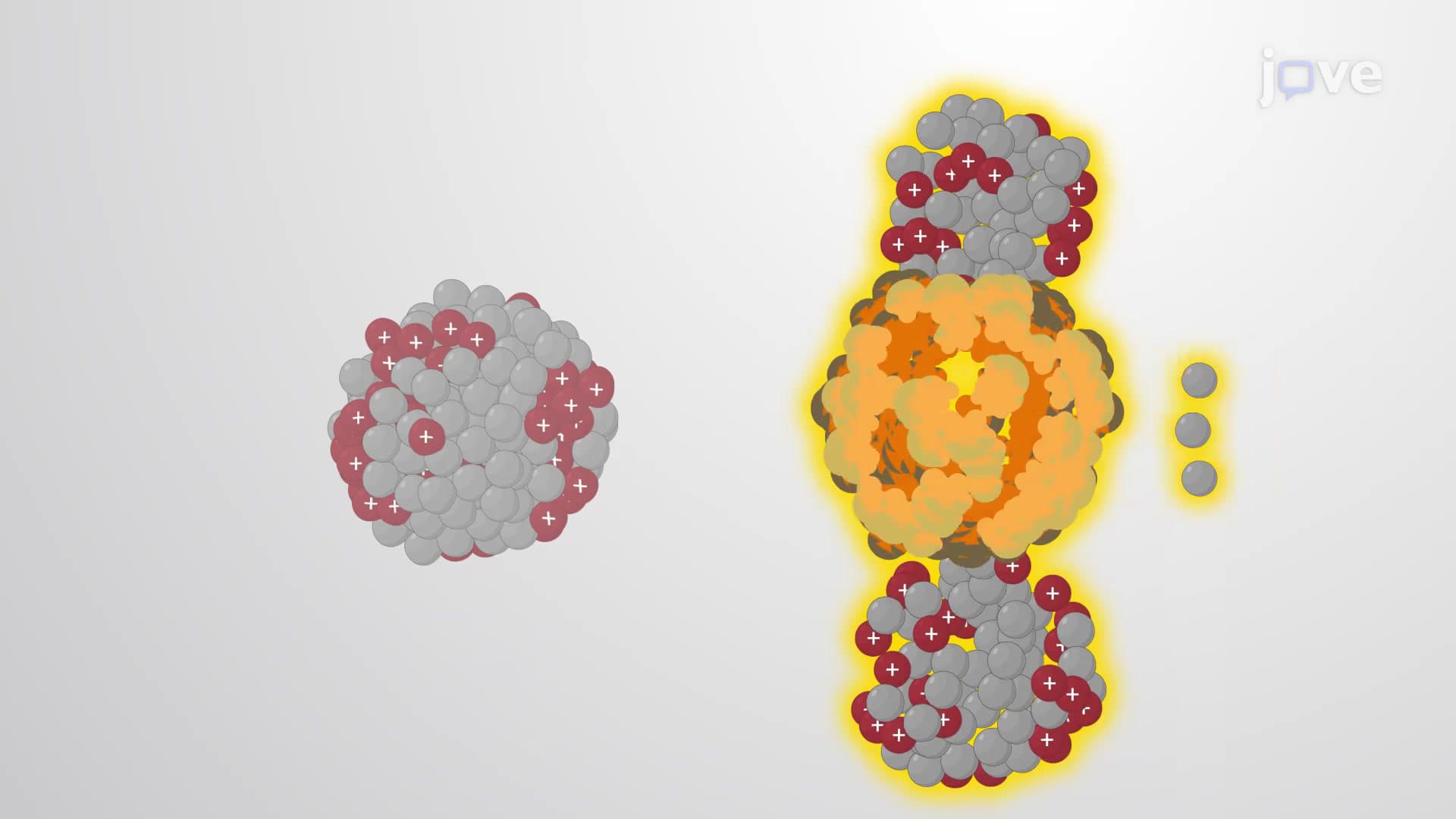
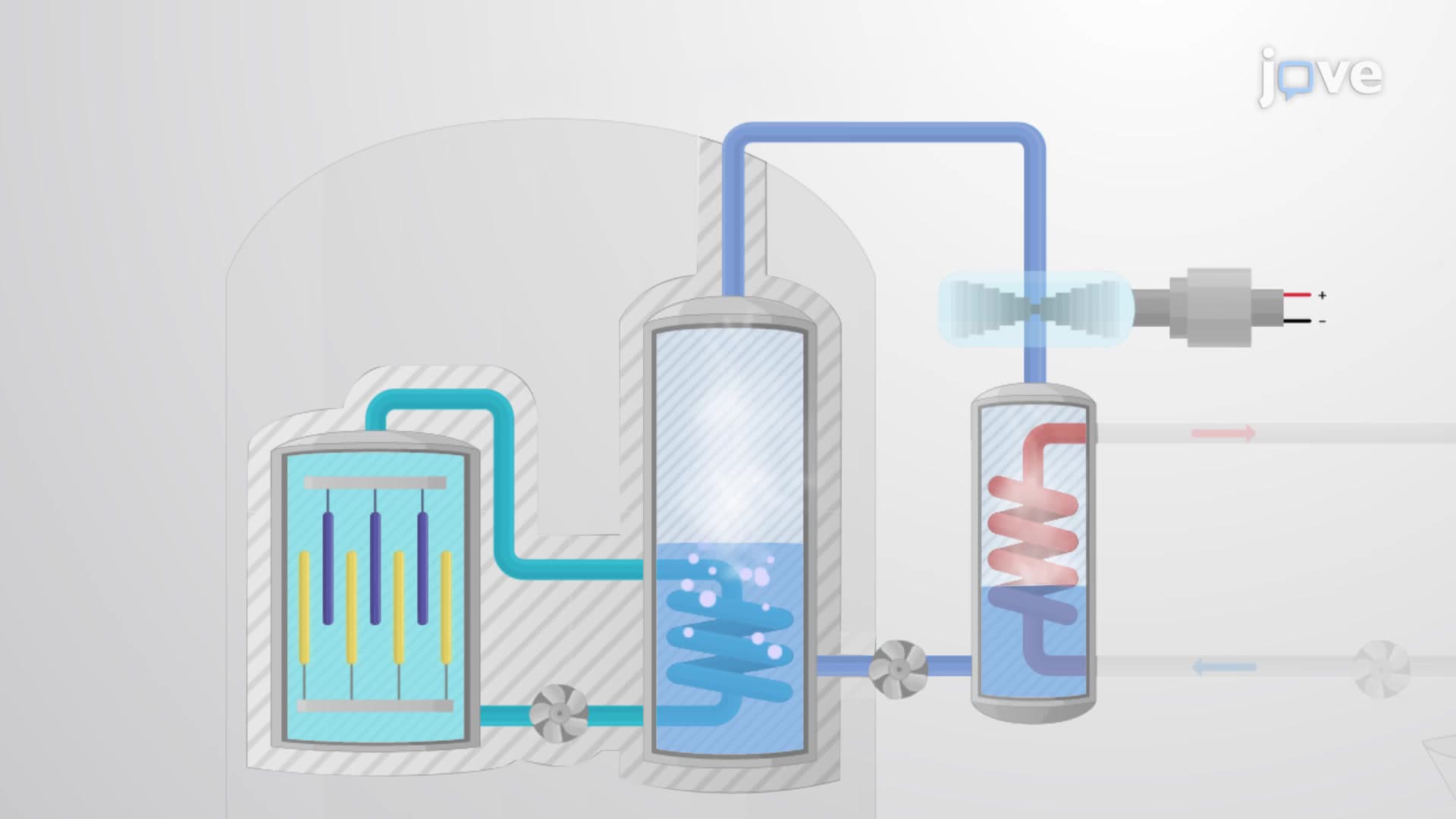
6. Nuclear Fission Processes: Fission reactions split heavy nuclei into smaller fragments, releasing tremendous energy and neutrons. Uranium-235 and plutonium-239 undergo thermal neutron-induced fission in US nuclear reactors. Chain reactions occur when fission neutrons trigger additional fissions, controlled by neutron multiplication factors and control rod positions. Critical mass concepts determine minimum fissile material quantities needed for sustained reactions. Modern reactor designs incorporate multiple safety systems and containment structures for safe operation.
7. Nuclear Fusion Reactions: Fusion combines light nuclei to form heavier ones, requiring extreme temperatures exceeding 40 million Kelvin. Hydrogen fusion powers stellar processes, converting mass to energy in main-sequence stars like our Sun. Experimental fusion reactors like ITER attempt to harness fusion for electrical power generation. The fusion of deuterium and tritium offers the most promising near-term fusion energy pathway, potentially providing clean, abundant energy for future US electrical grid applications.
8. Nuclear Transmutation and Transuranium Elements: Nuclear transmutation converts one element into another through bombardment reactions or radioactive decay. Ernest Rutherford's pioneering nitrogen-14 bombardment produced the first artificial transmutation. Particle accelerators enable synthesis of transuranium elements beyond uranium-92, including neptunium, plutonium, and superheavy elements. These synthetic elements contribute to nuclear medicine, research applications, and fundamental understanding of nuclear physics principles governing atomic structure.
9. Biological Effects and Radiation Detection: Radiation exposure affects biological systems through direct ionization and indirect free radical formation. Absorbed dose (gray), equivalent dose (sievert), and effective dose measurements account for radiation type and tissue sensitivity. Alpha particles pose internal hazards despite low penetration, while gamma radiation requires heavy shielding. Geiger-Müller counters and other detection devices monitor radiation levels in medical facilities, nuclear plants, and research laboratories throughout the United States.