Understanding acid-base equilibria is fundamental to mastering chemistry concepts that govern biological systems and industrial processes. This comprehensive course covers buffer systems that maintain blood pH, titration methods used in pharmaceutical analysis, and solubility principles essential for water treatment and drug formulation. Through JoVE Coach's interactive approach, students explore equilibrium calculations and real-world applications.
Understand the common ion effect and its impact on equilibrium systems in biological and environmental contexts
Learn buffer solution chemistry and apply the Henderson-Hasselbalch equation to physiological pH regulation
Identify effective buffer ranges and calculate buffer capacity for laboratory and medical applications
Analyze titration curves for strong and weak acid-base combinations used in analytical chemistry
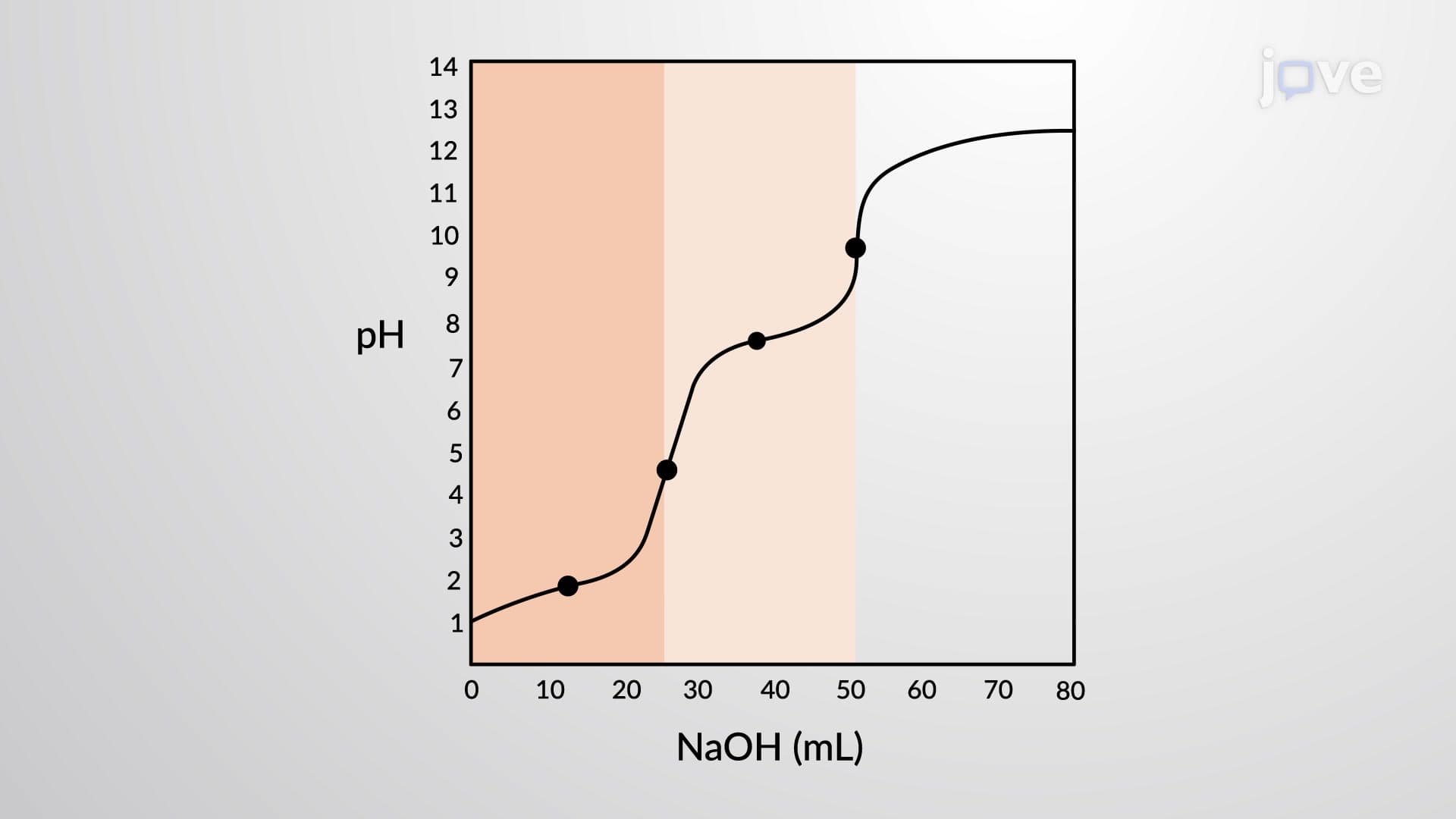
Explore polyprotic acid behavior and multi-step neutralization processes in complex systems
Apply solubility equilibria principles to predict precipitation and dissolution in aqueous solutions
Calculate Ksp values and molar solubility for sparingly soluble compounds in environmental chemistry
Understand complex ion formation and its effects on metal ion solubility in biological systems
1. Common Ion Effect and Le Châtelier's Principle
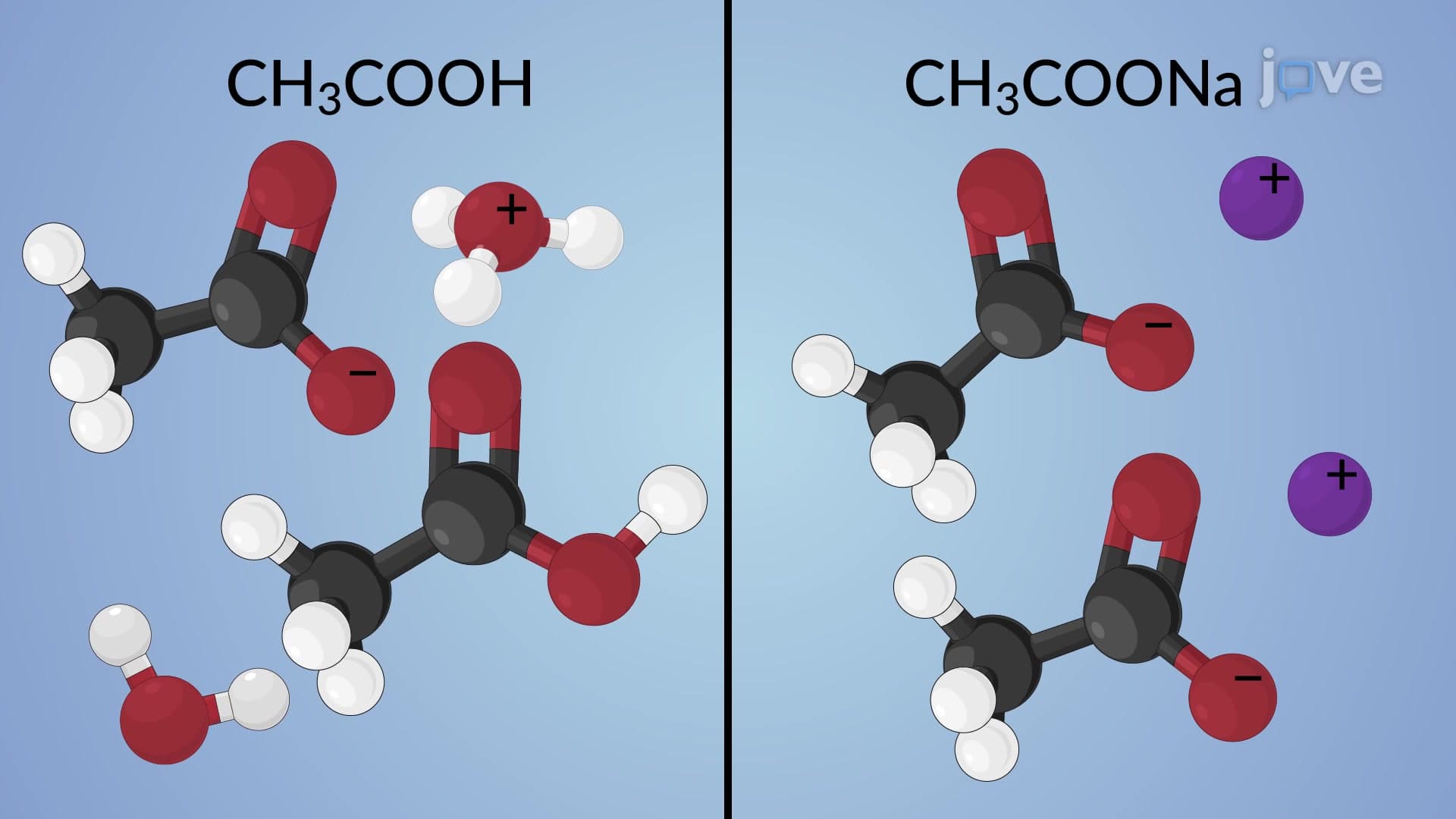
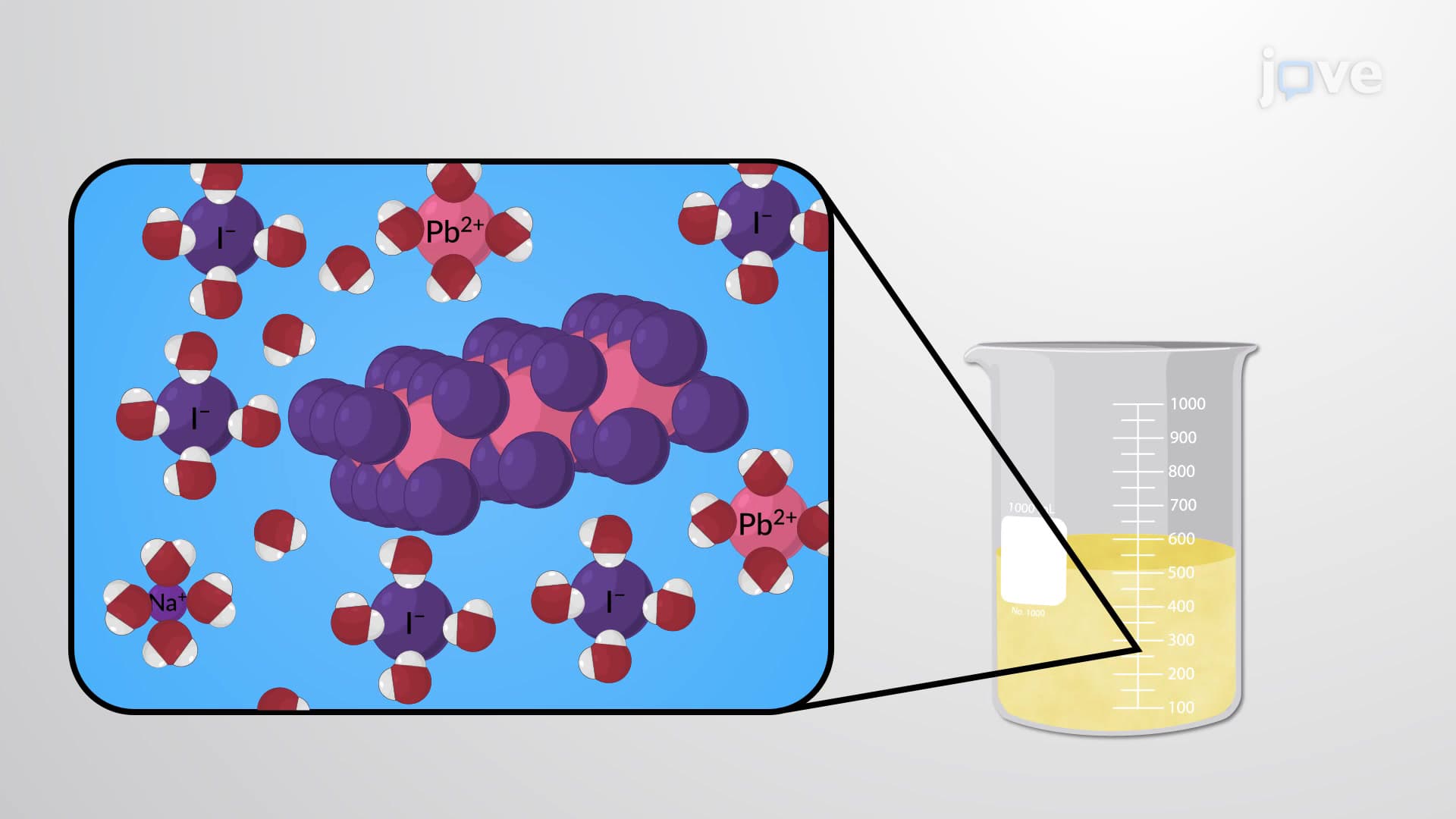
The common ion effect demonstrates how adding an ion already present in an equilibrium system shifts the reaction to counteract the change. When sodium acetate is added to an acetic acid solution, the increased acetate concentration forces the equilibrium toward undissociated acetic acid, reducing ionization. This principle applies to physiological systems like calcium regulation in blood, where phosphate levels affect calcium solubility, and in water treatment processes where fluoride addition impacts mineral dissolution.
2. Buffer Systems and Physiological Applications
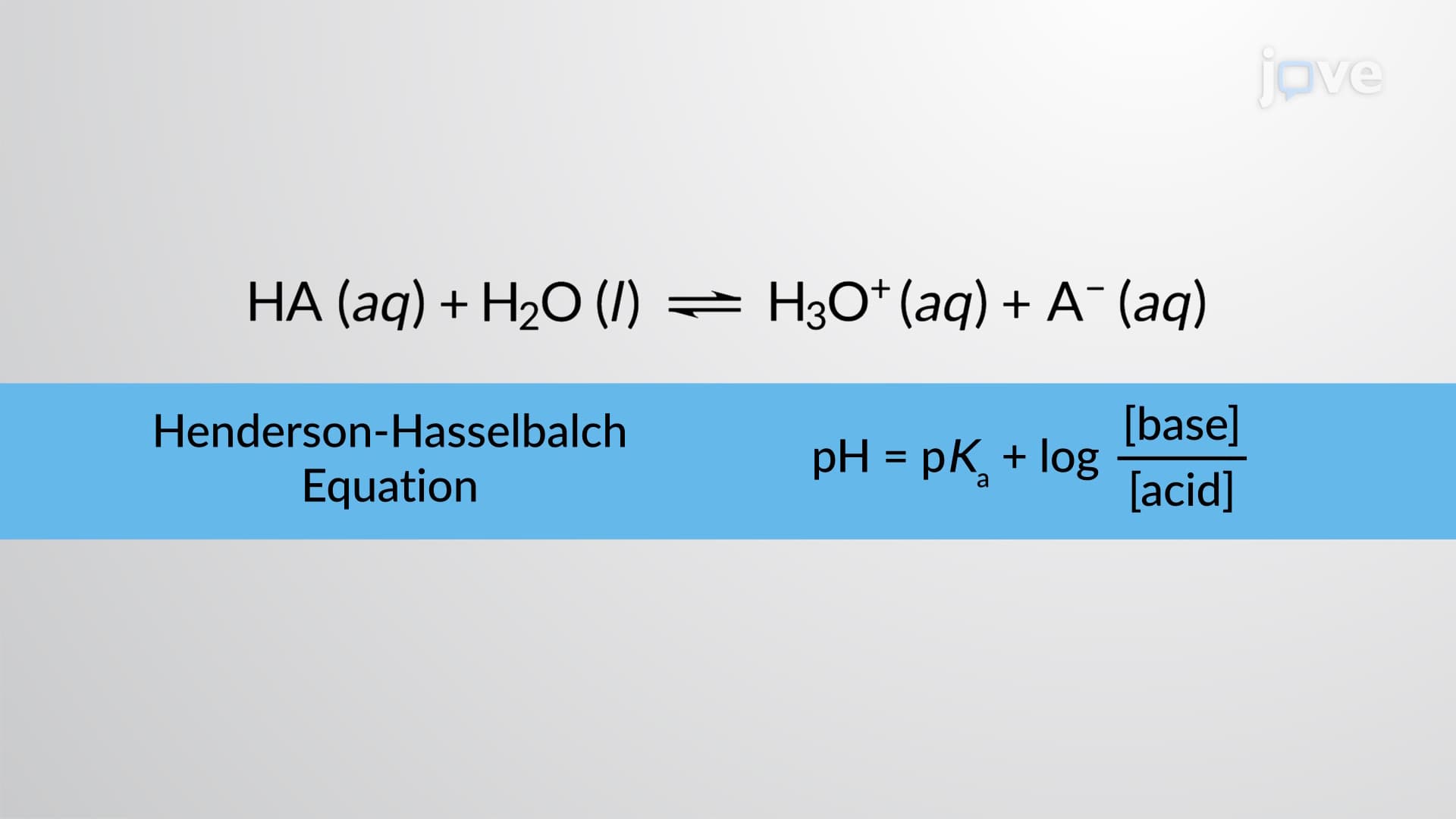
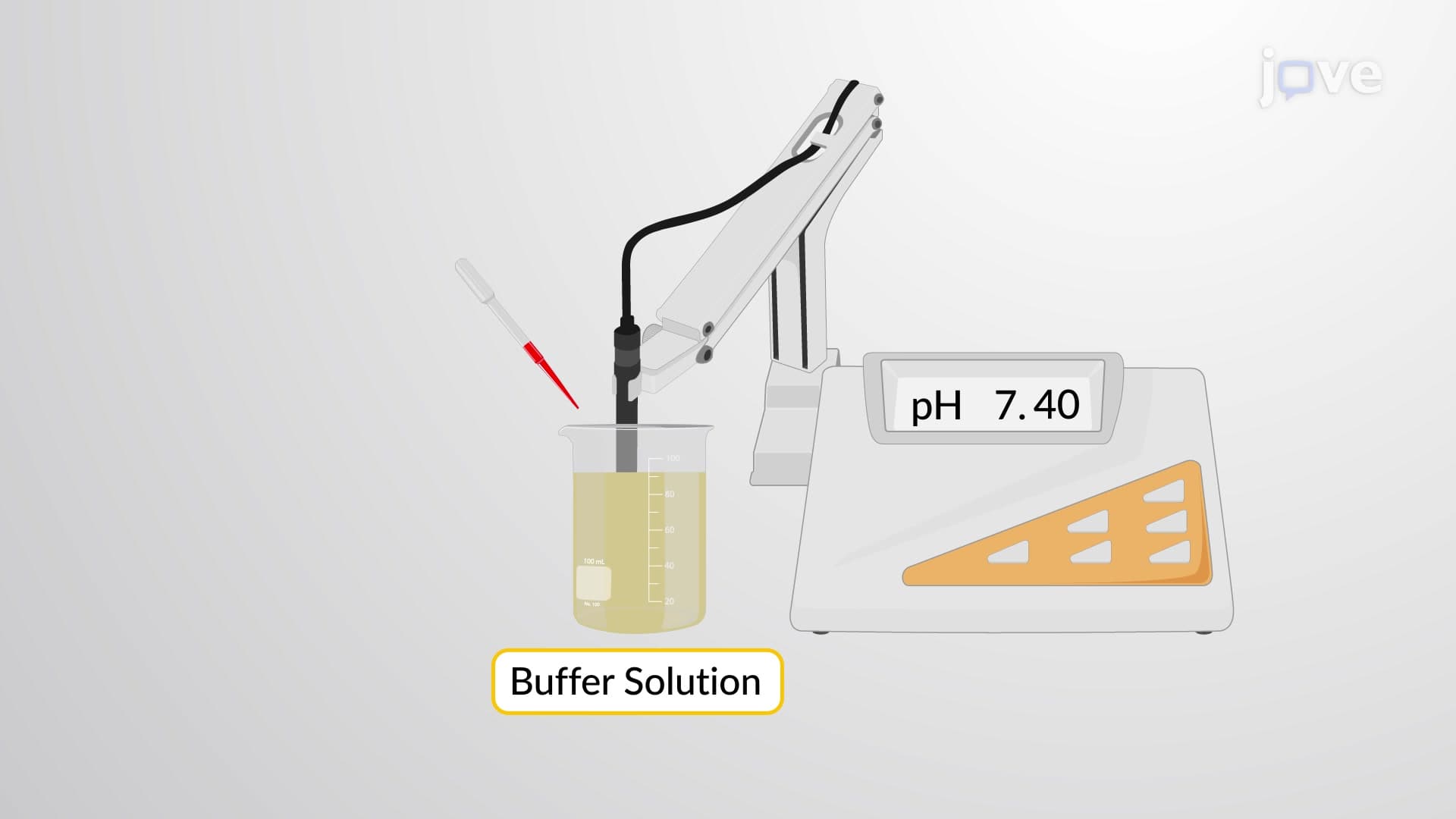
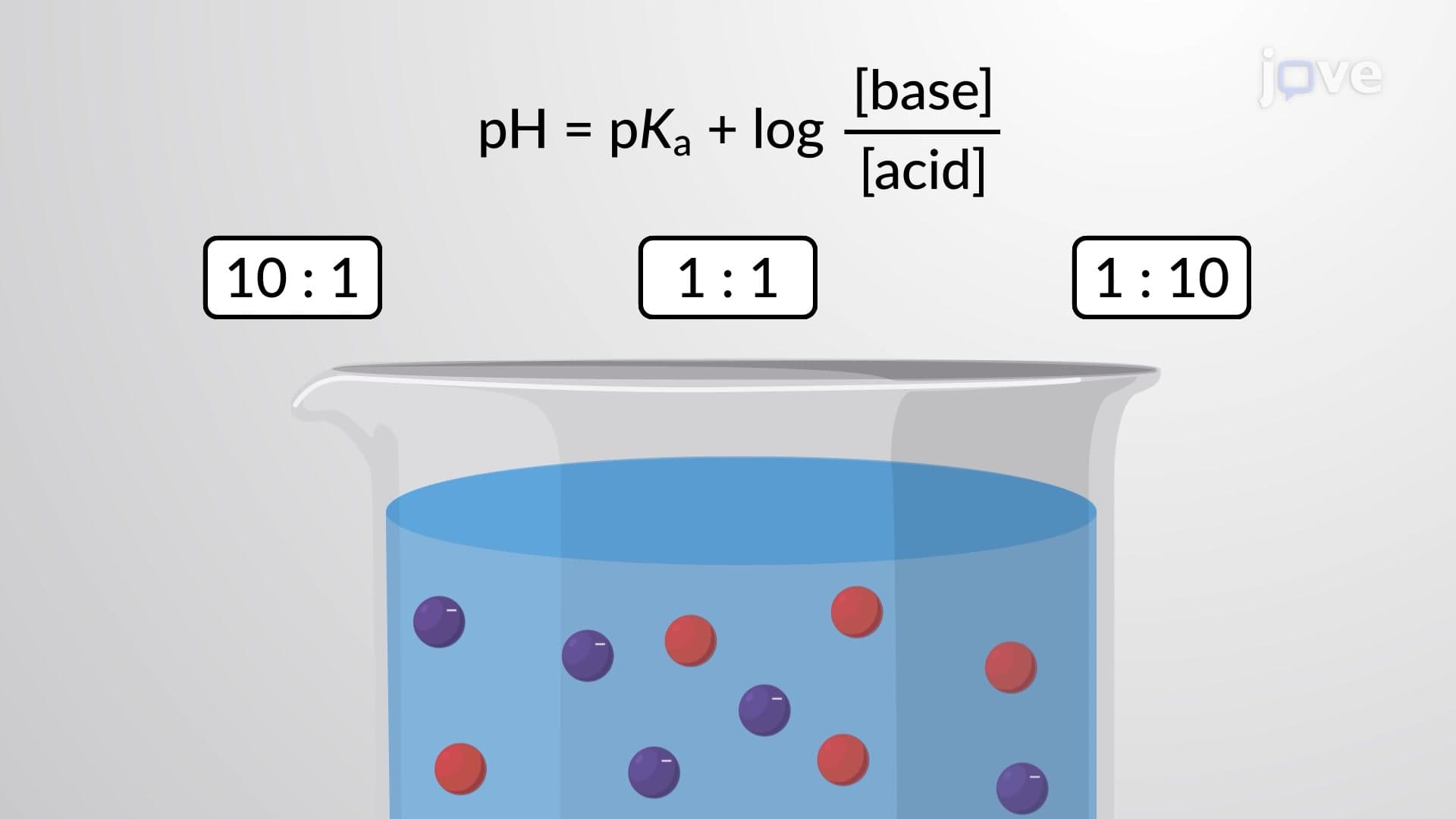
Buffer solutions resist pH changes through weak acid-conjugate base pairs that neutralize added acids or bases. The carbonic acid-bicarbonate system maintains blood pH at 7.4, while phosphate buffers regulate intracellular pH. Understanding buffer composition helps explain how the body maintains homeostasis and why buffer capacity matters in medical treatments. The Henderson-Hasselbalch equation provides a mathematical framework for calculating buffer pH and designing effective buffering systems.
3. Acid-Base Titration Calculations and Analytical Methods
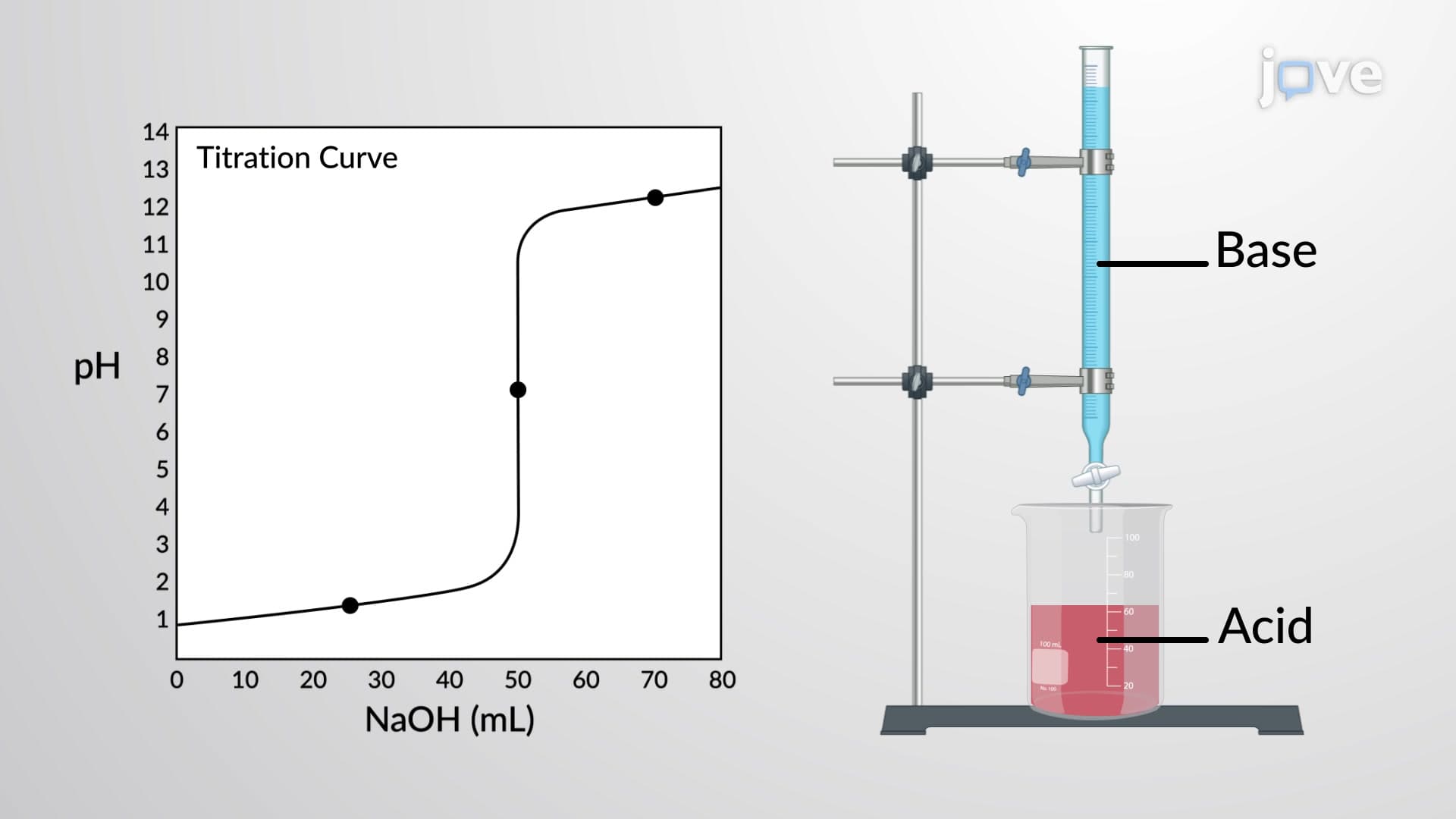
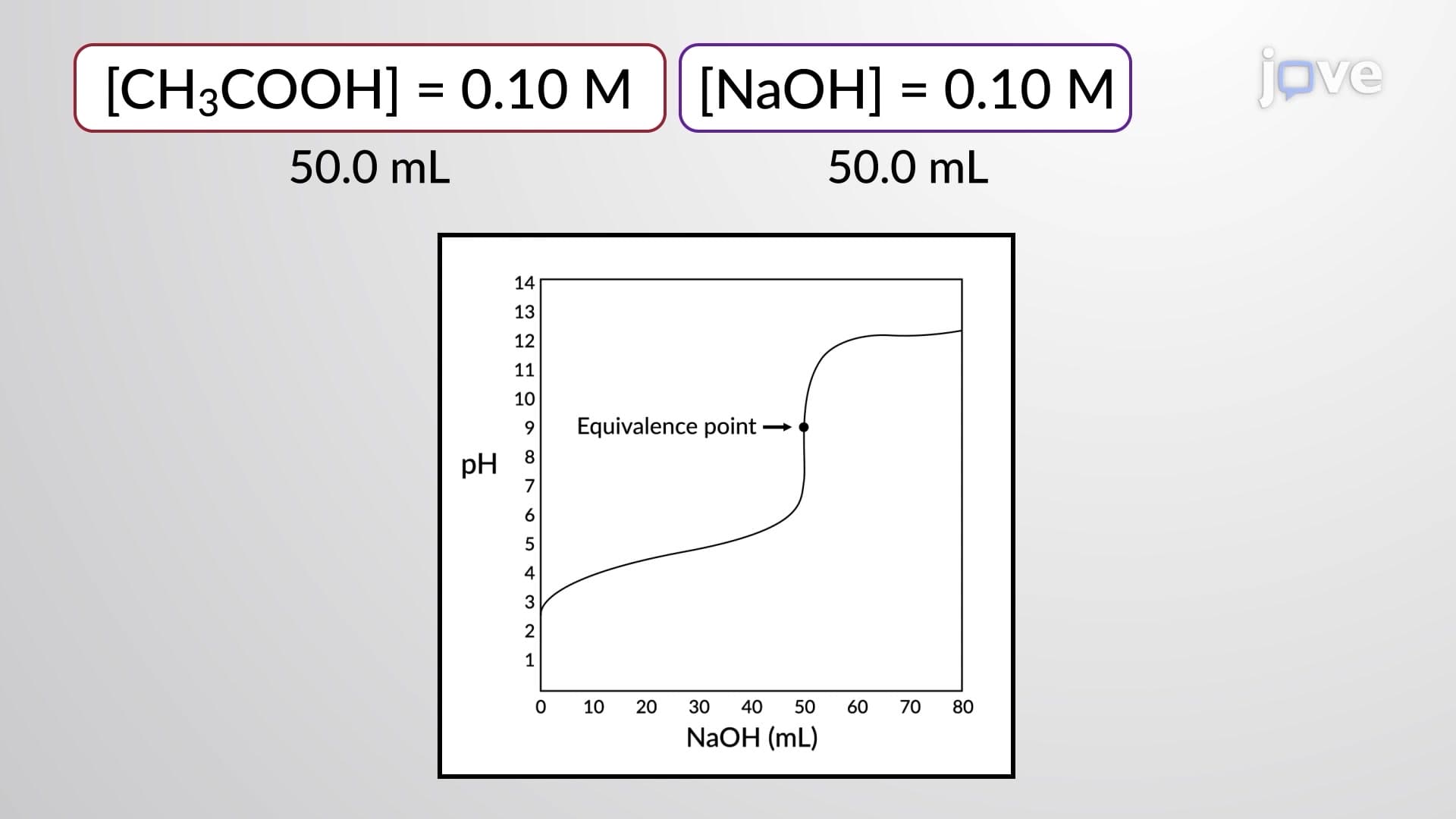
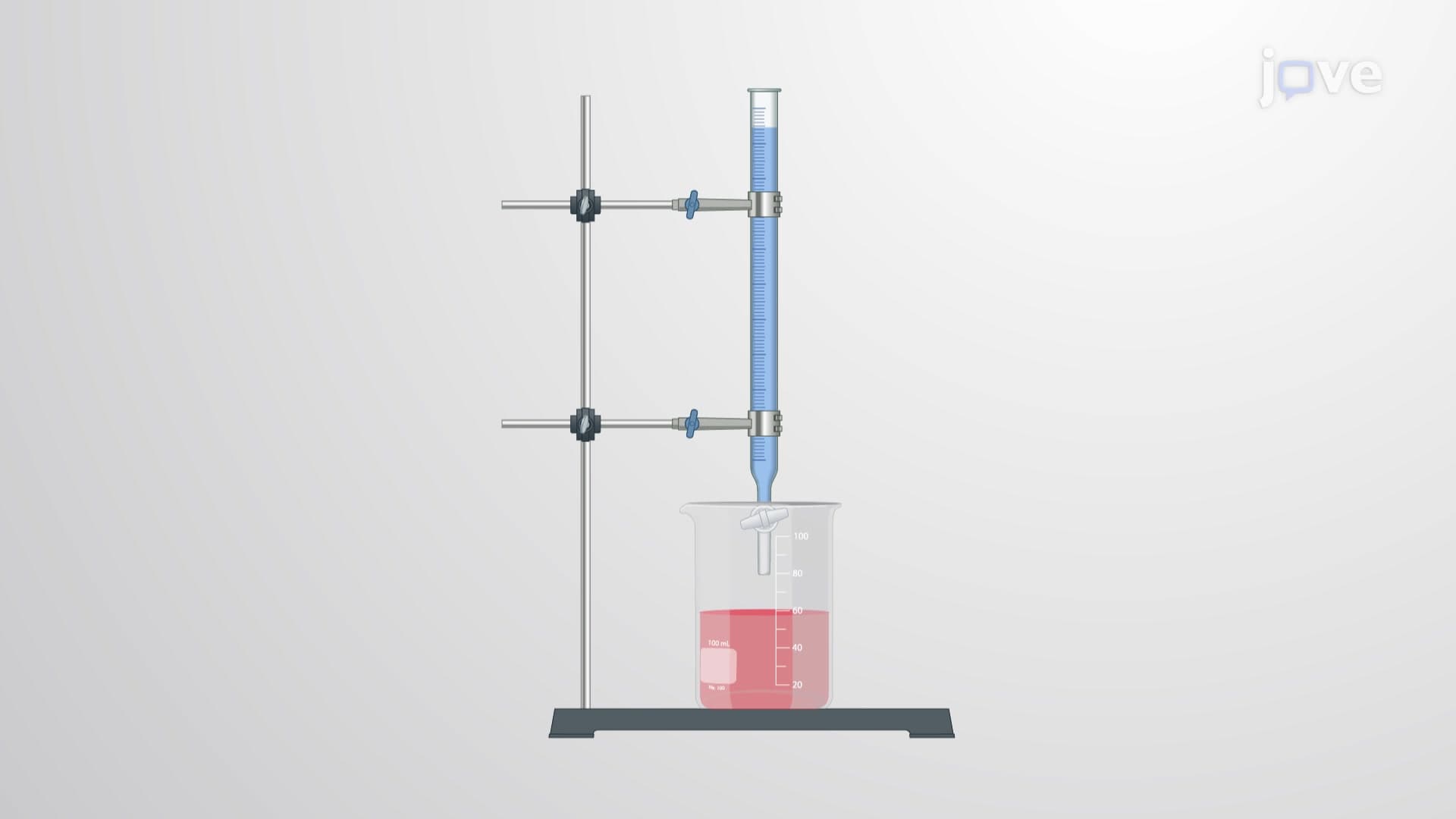
Titration calculations involve stoichiometric analysis followed by equilibrium calculations to determine pH at various points. Strong acid-strong base titrations show steep pH changes near equivalence points, allowing multiple indicator choices. Weak acid-strong base titrations require careful indicator selection due to gentler pH transitions. These techniques are essential in pharmaceutical quality control, environmental monitoring, and clinical laboratory analysis where precise concentration measurements are critical.
4. Solubility Equilibria and Ksp Applications
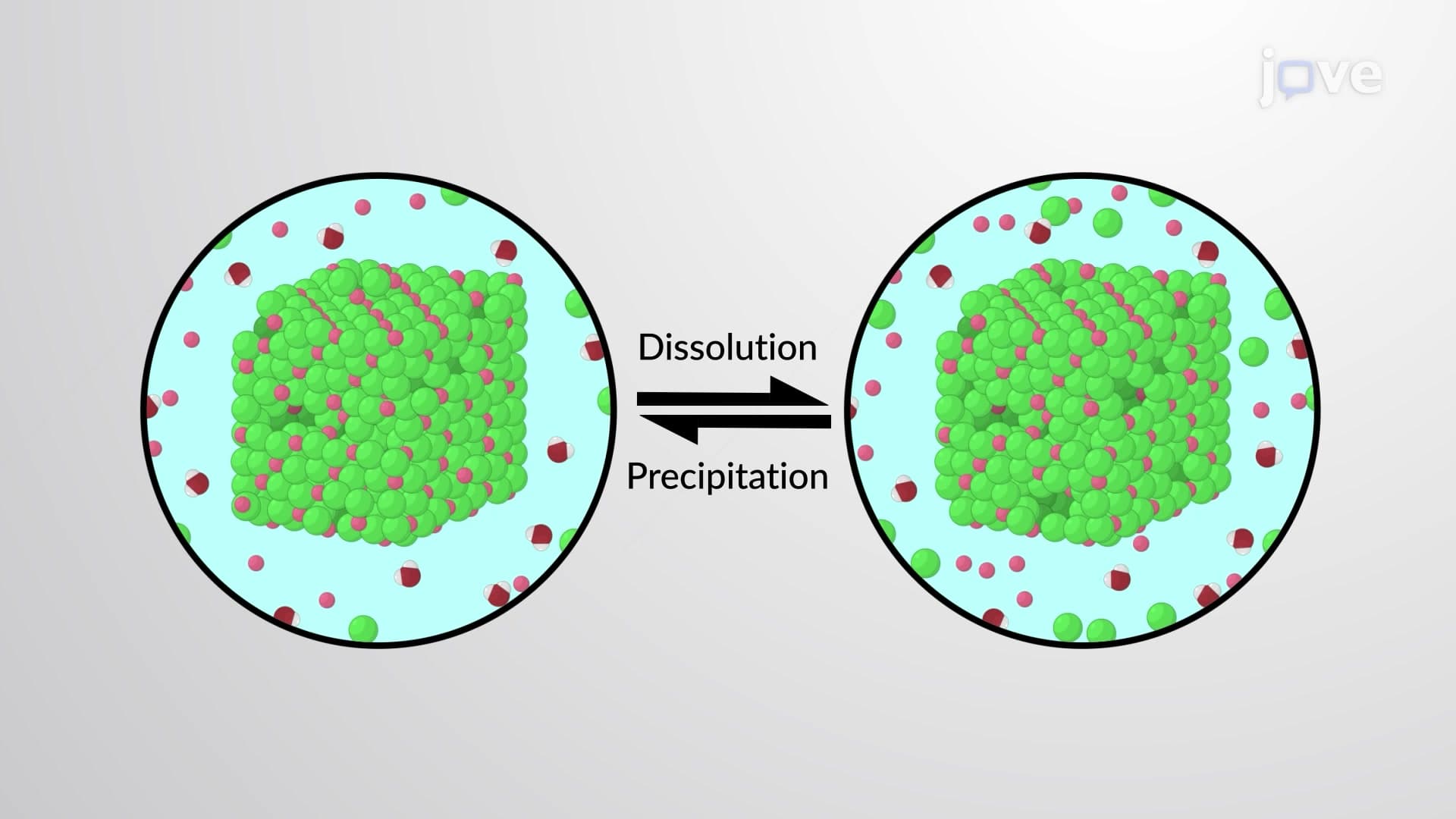
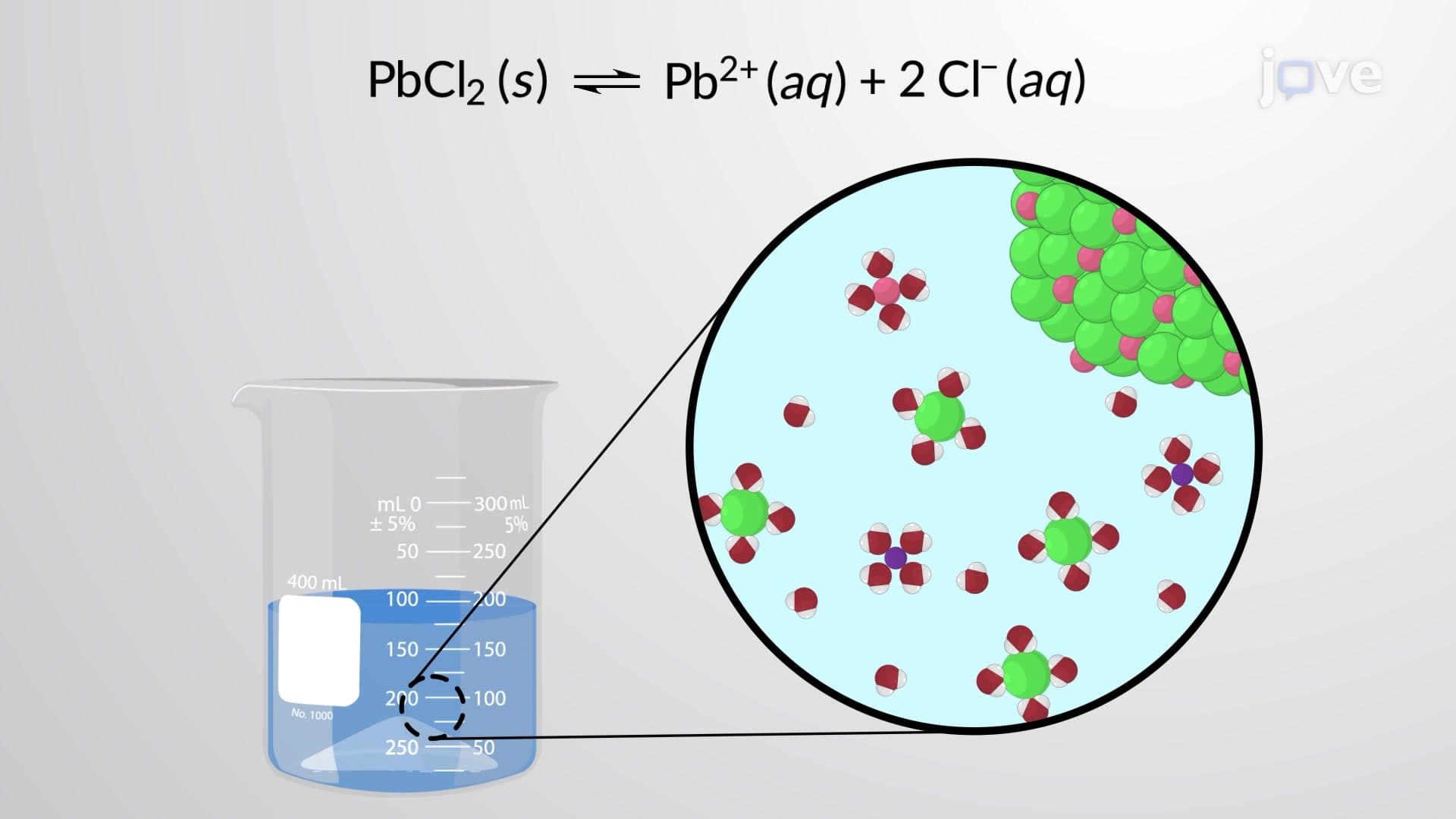
Solubility product constants (Ksp) quantify the extent of dissolution for sparingly soluble compounds. Lead chloride dissolution in water demonstrates how equilibrium establishes between solid and dissolved ions. Understanding solubility relationships helps predict precipitation in water treatment, kidney stone formation, and drug bioavailability. The relationship between molar solubility and Ksp values allows chemists to compare relative solubilities and predict reaction outcomes.
5. Factors Affecting Solubility and Complex Ion Formation
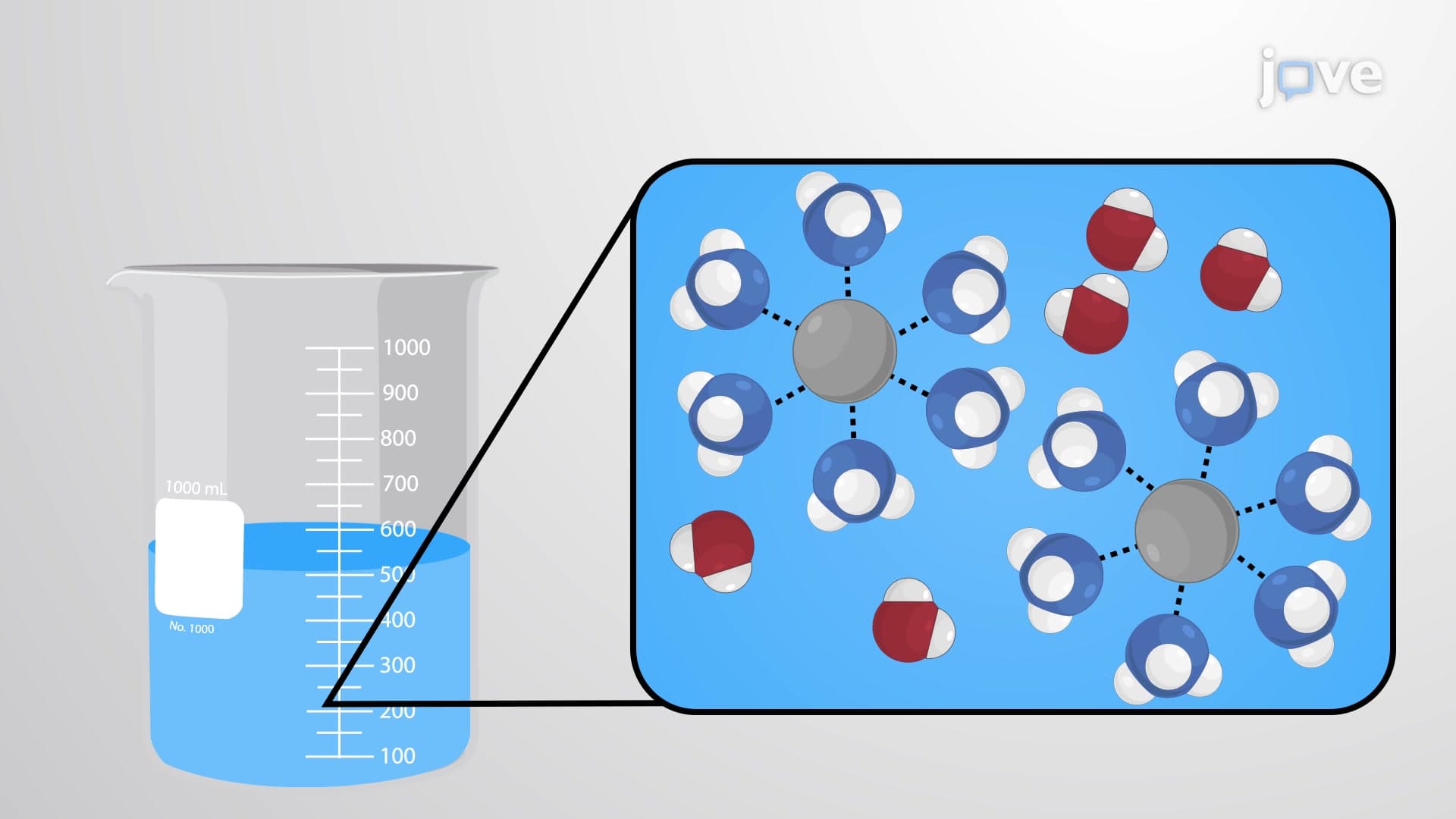
Solubility depends on common ion effects and solution pH, which impact dissolution equilibria. Acidic conditions increase calcium hydroxide solubility by consuming hydroxide ions, while basic conditions decrease it. Complex ion formation with ligands like ammonia dramatically increases metal ion solubility by removing free metal ions from equilibrium. These principles explain how EDTA chelation therapy works and why certain minerals dissolve differently in various environmental conditions.
Frequently Asked Questions
The conjugate base component (like acetate ion) neutralizes added acids by accepting protons, while the weak acid component (like acetic acid) neutralizes added bases by donating protons. Think of the buffer components as having opposite roles—the base part handles acids, and the acid part handles bases.
The Henderson-Hasselbalch equation works when the change in concentration is less than 5% of initial concentrations. Use ICE tables when dealing with very dilute solutions, strong acids/bases, or when the approximation fails. For most buffer calculations with reasonable concentrations, Henderson-Hasselbalch provides a faster, equally accurate method.
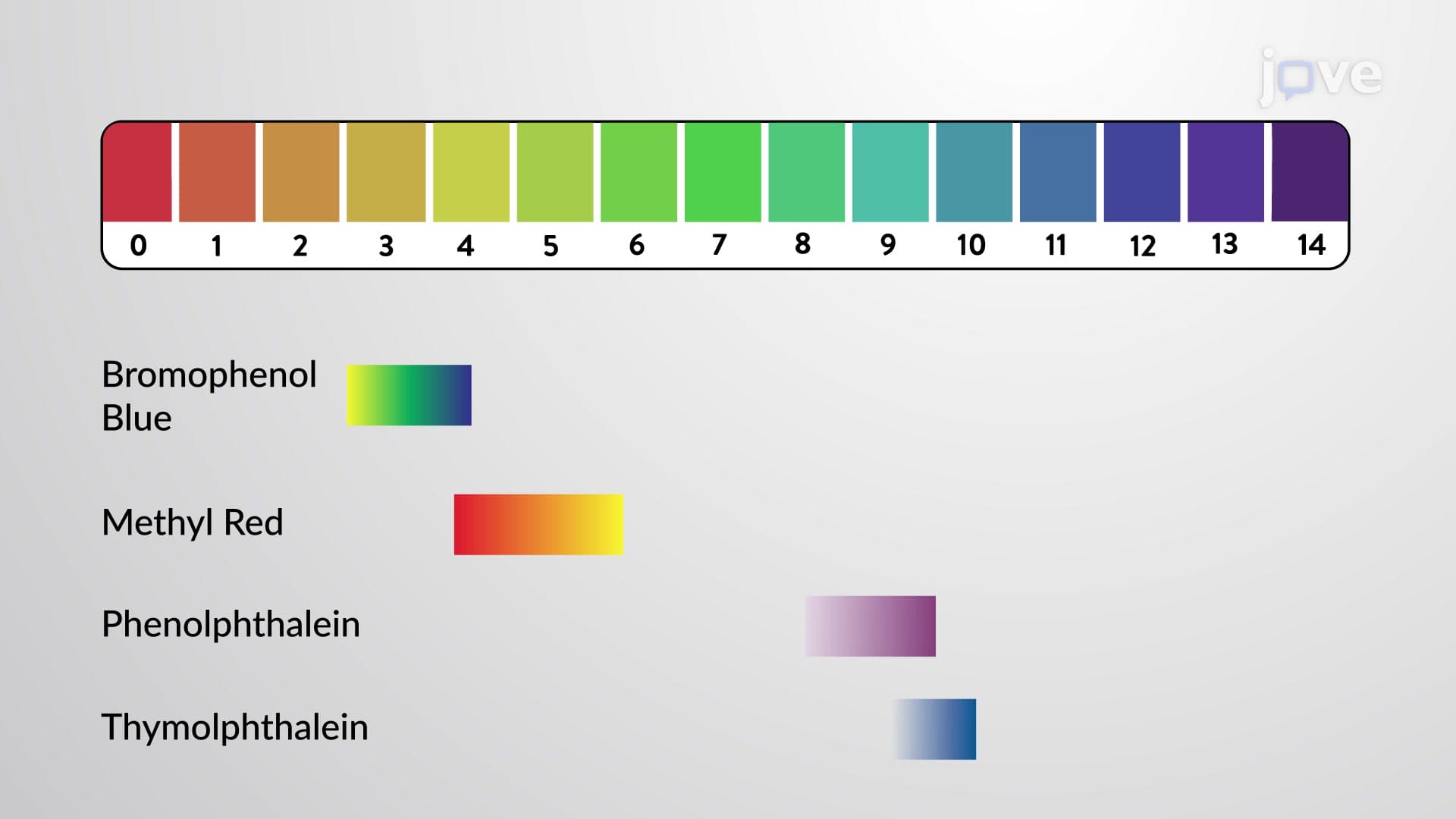
Select indicators whose color change range overlaps with the steep portion of the titration curve near the equivalence point. For strong acid-strong base titrations, most indicators work due to the sharp pH change. For weak acid-strong base titrations, choose indicators that change color in the basic region, like phenolphthalein (pH 8.3-10).
Molar solubility is the maximum concentration of dissolved compound (mol/L), while Ksp is the equilibrium constant. For AB₂ compounds like PbCl₂, if molar solubility is x, then Ksp = x(2x)² = 4x³. The conversion depends on the compound's dissociation stoichiometry, so always write the balanced equation first.
The carbonic acid-bicarbonate buffer system maintains blood pH around 7.4. When cells produce acidic waste, bicarbonate ions neutralize excess H⁺ ions. The lungs regulate CO₂ levels (affecting carbonic acid concentration), while kidneys control bicarbonate levels, providing multiple regulatory mechanisms that prevent dangerous pH changes.
Absolutely. Buffer systems are crucial in biochemistry, physiology, and laboratory medicine. MCAT questions often connect buffer chemistry to biological processes like enzyme function, drug action, and metabolic regulation. Understanding pH control mechanisms helps explain how the body maintains homeostasis and responds to disease states.
Focus on understanding patterns rather than memorizing individual values. Practice writing equilibrium expressions from balanced equations, understand how Le Châtelier's principle predicts shifts, and connect mathematical relationships to physical processes. Use concept maps linking common ion effects, buffers, and solubility to see how these topics interconnect.
Complex ion formation dramatically increases solubility by removing metal ions from precipitation equilibria. This principle explains how EDTA treatment works for heavy metal poisoning, why certain minerals dissolve in specific soil conditions, and how silver halides dissolve in photographic processing solutions containing ammonia or thiosulfate ligands.
This microcourse includes 15 concept videos that walk you through the building blocks of Chemistry. Each video is short, about 3 minutes, so you can cover a full topic during a coffee break or between classes. The full sequence starts with Common Ion Effect and ends with Acid-Base Titration Curves.