Loading concepts…


12 Concepts
7 Concepts
10 Concepts
13 Concepts
10 Concepts
12 Concepts
15 Concepts
8 Concepts
14 Concepts
9 Concepts
21 Concepts
13 Concepts
12 Concepts
10 Concepts
14 Concepts
15 Concepts
10 Concepts
10 Concepts
10 Concepts
10 Concepts
12 Concepts
 10 Concepts
 389K Views
 Popular topics

Electrochemistry governs how batteries power your smartphone, why the Statue of Liberty turned green, and how cars start every morning. This comprehensive course through JoVE Coach explores the fundamental principles and applications of electrochemistry, from balancing redox equations to understanding fuel cells that power NASA spacecraft and hydrogen vehicles across American highways.
1. Redox Reactions and Balancing Equations Master the fundamental concepts of oxidation and reduction reactions that power everything from metabolism to manufacturing. Learn systematic approaches to balance complex redox equations using half-reaction methods, essential for understanding processes like copper extraction in American mining operations or the biochemical electron transport chain. Students explore how electron transfer drives reactions from the browning of apples to the operation of lithium-ion batteries in Tesla vehicles, developing skills crucial for advanced chemistry coursework and standardized exam success.
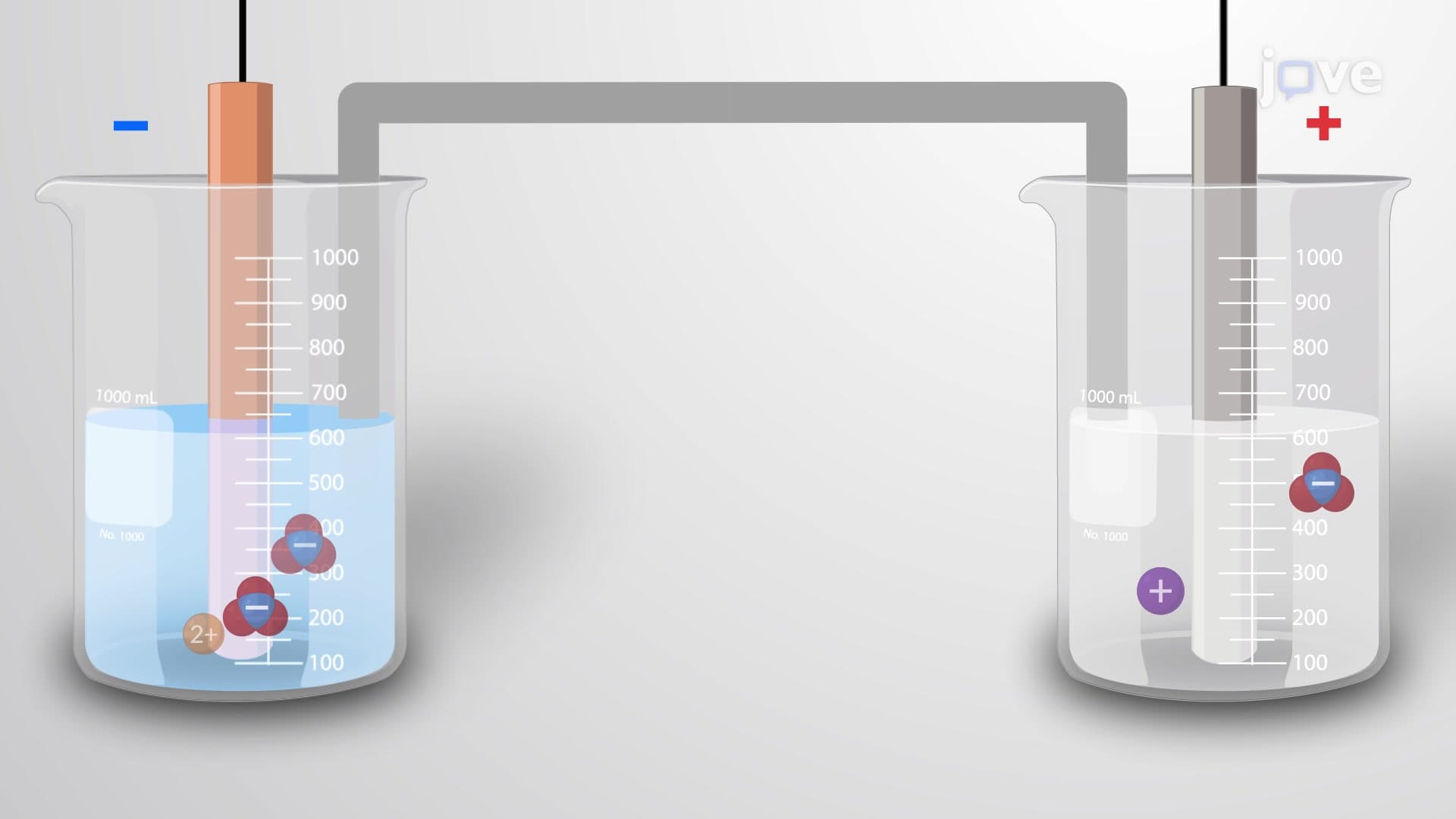
2. Galvanic Cells and Electrochemical Cell Reactions Discover how galvanic cells convert chemical energy into electrical energy through spontaneous redox reactions. Explore cell construction, electron flow mechanisms, and the role of salt bridges in maintaining charge neutrality. Students examine real-world applications from AA batteries to large-scale energy storage systems used by utility companies like Pacific Gas & Electric, understanding how electrode materials and electrolytes determine cell performance and learning to interpret cell diagrams essential for AP Chemistry and MCAT preparation.
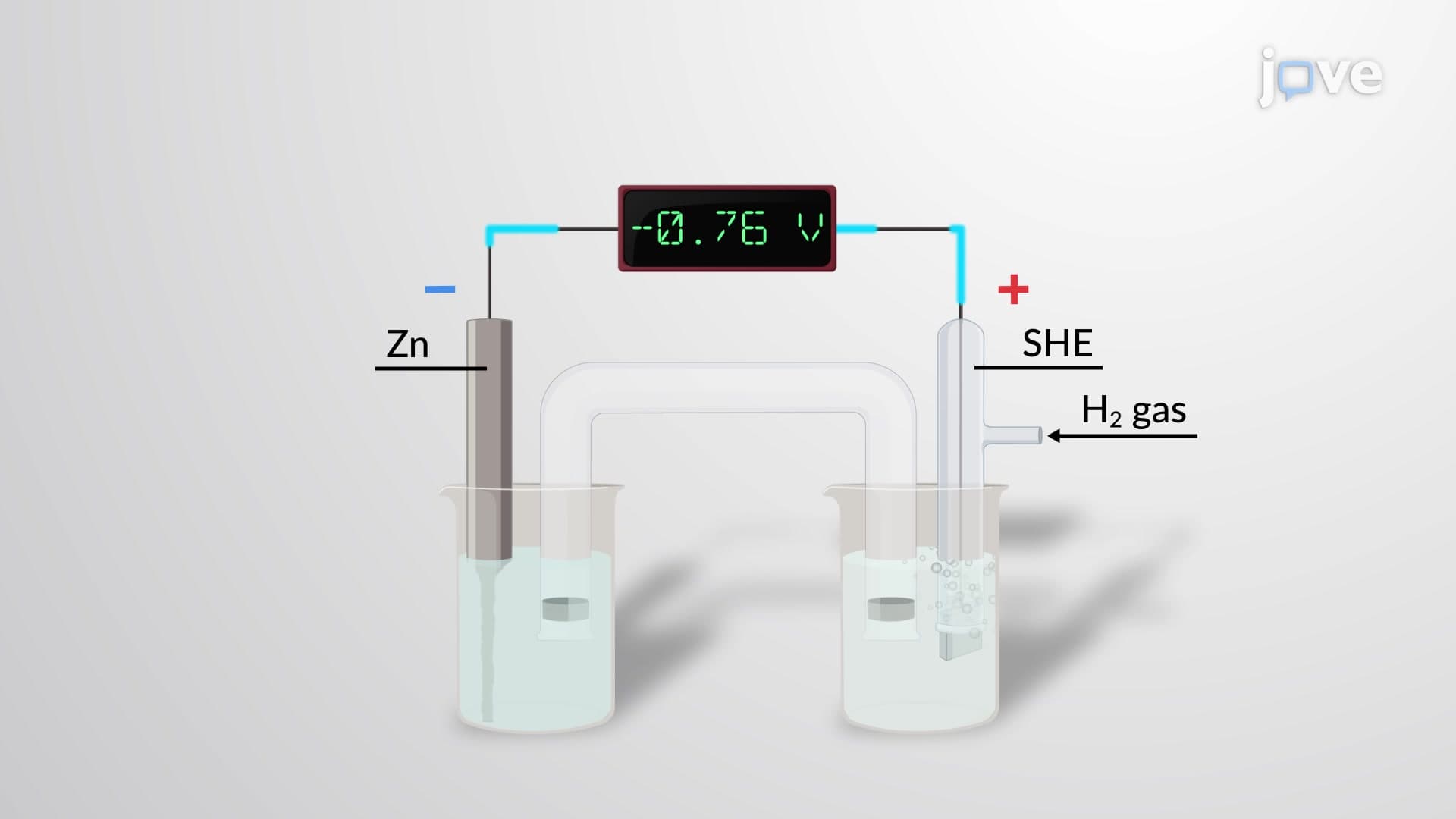
3. Standard Electrode Potentials and Reaction Prediction Learn to predict reaction spontaneity and direction using standard reduction potentials referenced to the standard hydrogen electrode. Master techniques for calculating cell potentials and determining which species will be oxidized or reduced in electrochemical reactions. Students explore how these principles guide industrial processes like aluminum production at facilities across the American Northwest, where companies like Alcoa utilize electrochemical principles to extract metals from ores, developing quantitative problem-solving skills essential for chemistry exams.
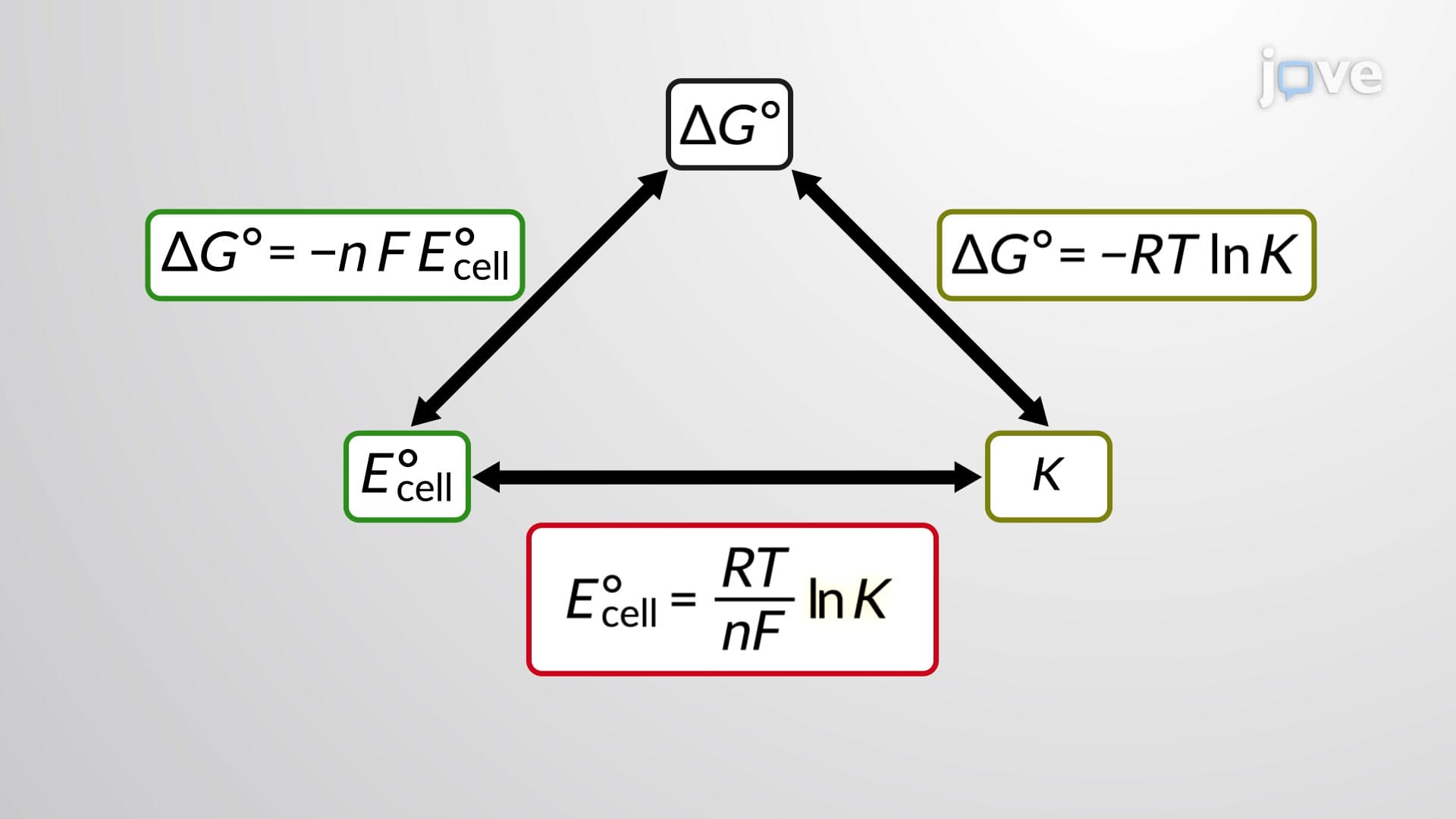
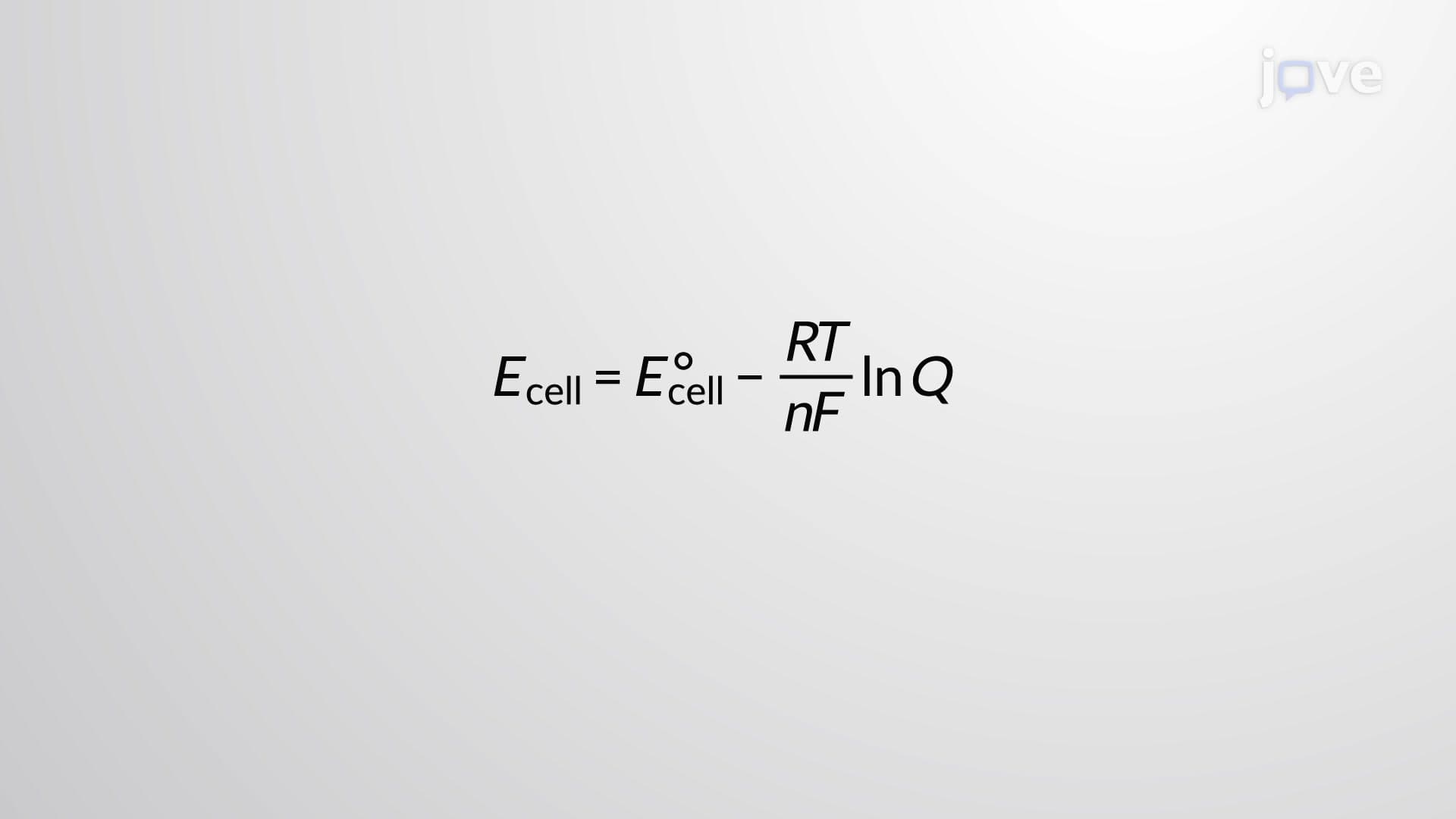
4. Thermodynamics and the Nernst Equation Connect electrochemistry to thermodynamics through relationships between cell potential, Gibbs free energy, and equilibrium constants. Master the Nernst equation for calculating cell potentials under non-standard conditions, crucial for understanding real-world electrochemical systems. Students analyze how concentration changes affect battery performance, from the gradual voltage decline in smartphone batteries to the precise control needed in medical devices like pacemakers used in American hospitals, developing analytical skills essential for advanced chemistry and medical school preparation.
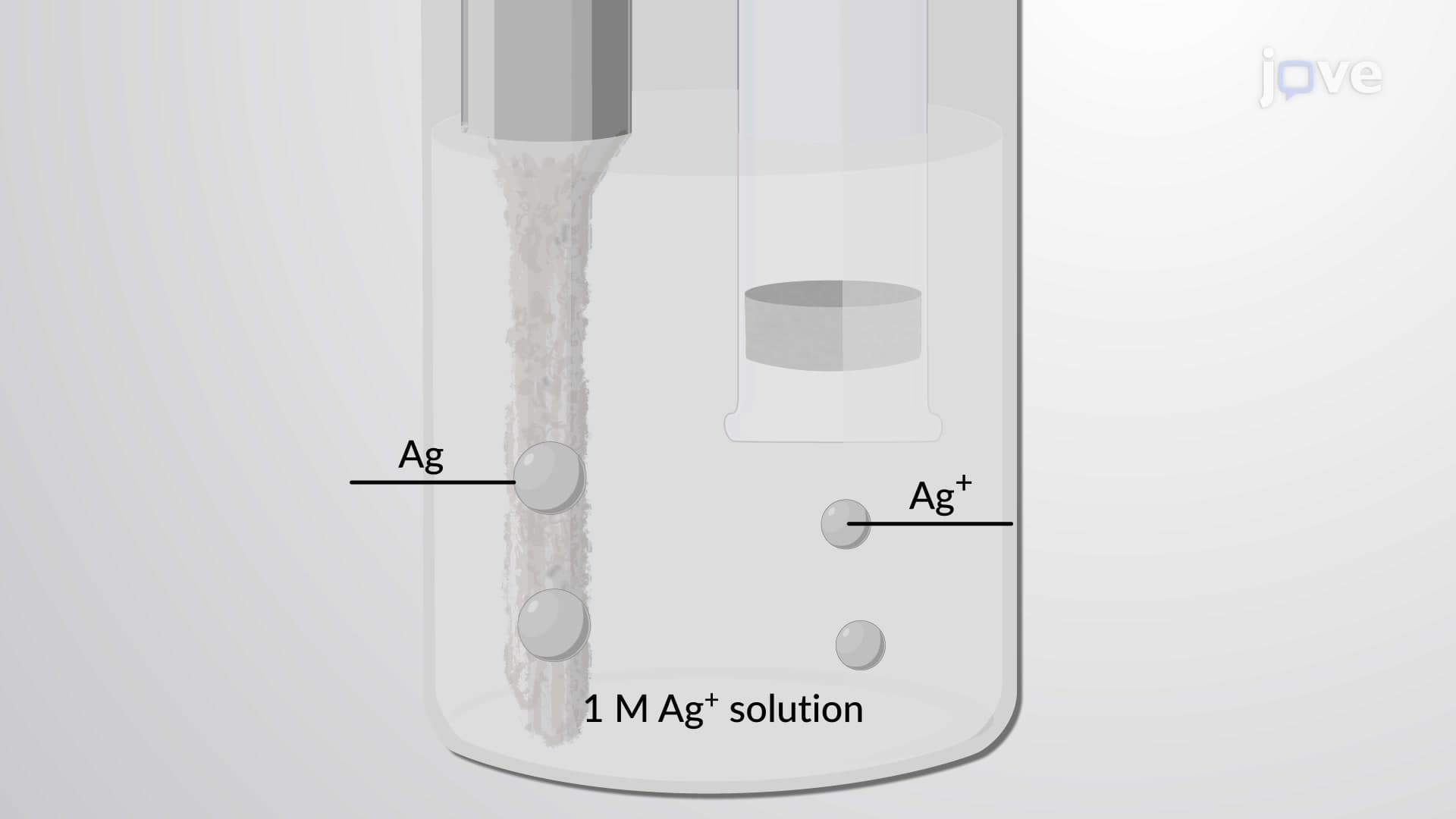
5. Concentration Cells and Practical Applications Explore how concentration gradients drive electrochemical reactions in concentration cells, fundamental to understanding biological processes and analytical instruments. Learn how pH meters utilize concentration cell principles and discover applications in nerve signal transmission and muscle contraction. Students examine real-world examples from environmental monitoring systems used by the EPA to measure water quality in American rivers and lakes, connecting theoretical concepts to practical applications essential for careers in environmental science, medicine, and chemical engineering.
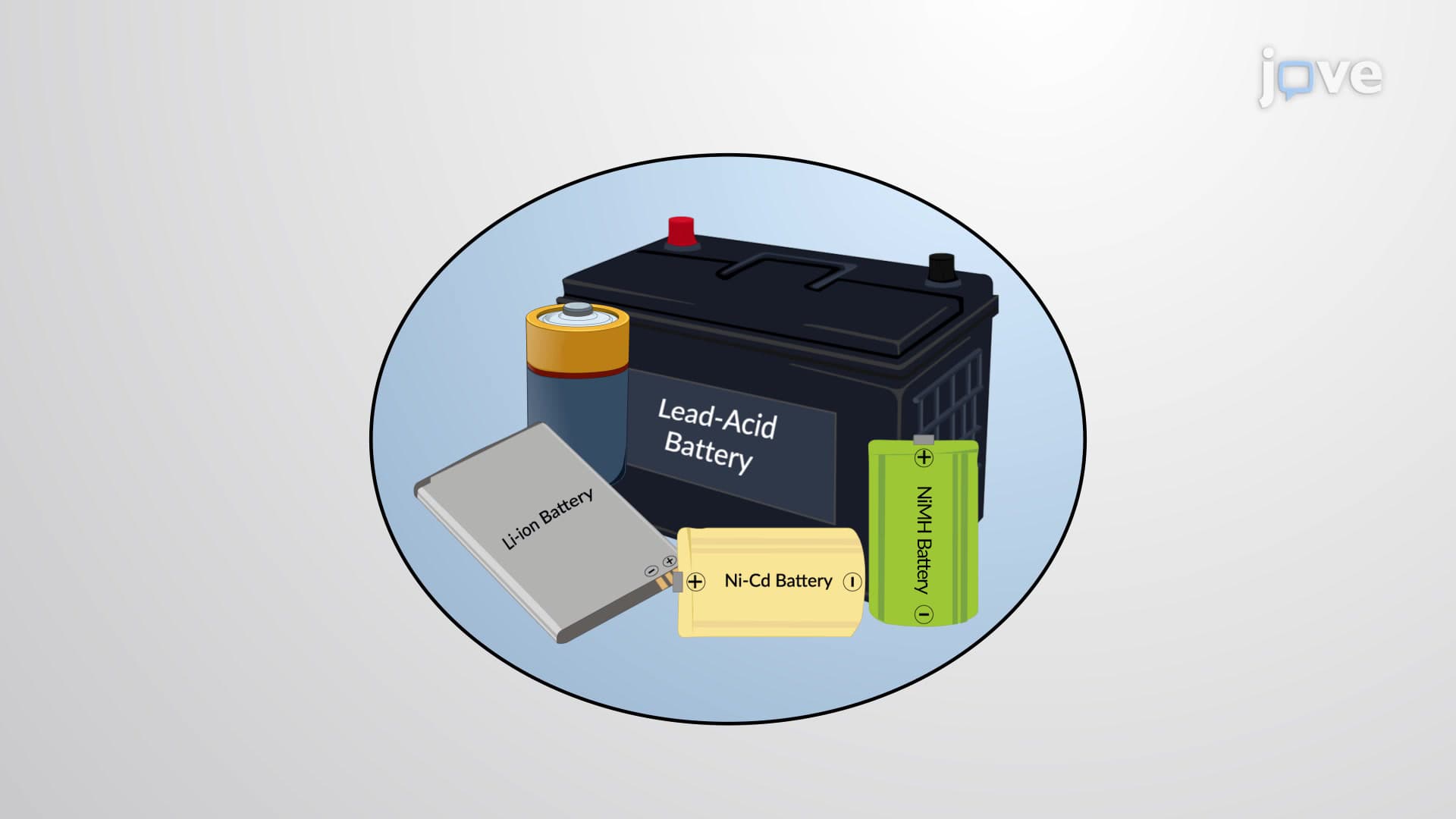
6. Battery Technology and Energy Storage Investigate the electrochemical principles behind primary and secondary batteries, from simple dry cells to advanced lithium-ion technology powering electric vehicles. Compare different battery chemistries including lead-acid batteries in American automobiles, nickel-metal hydride systems in hybrid cars like the Toyota Prius, and cutting-edge lithium-ion technology in smartphones and electric vehicles. Students analyze energy density, rechargeability, and environmental considerations crucial for understanding America's transition to renewable energy storage and electric transportation infrastructure.
7. Corrosion and Protection Strategies Understand corrosion as spontaneous electrochemical oxidation and explore protection methods essential for maintaining American infrastructure. Examine why the Statue of Liberty developed its distinctive green patina and learn prevention strategies from galvanization of highway guardrails to cathodic protection of underground pipelines. Students analyze real-world examples including the challenges facing aging bridges and buildings across America, developing understanding of material science principles essential for engineering careers and environmental chemistry applications.
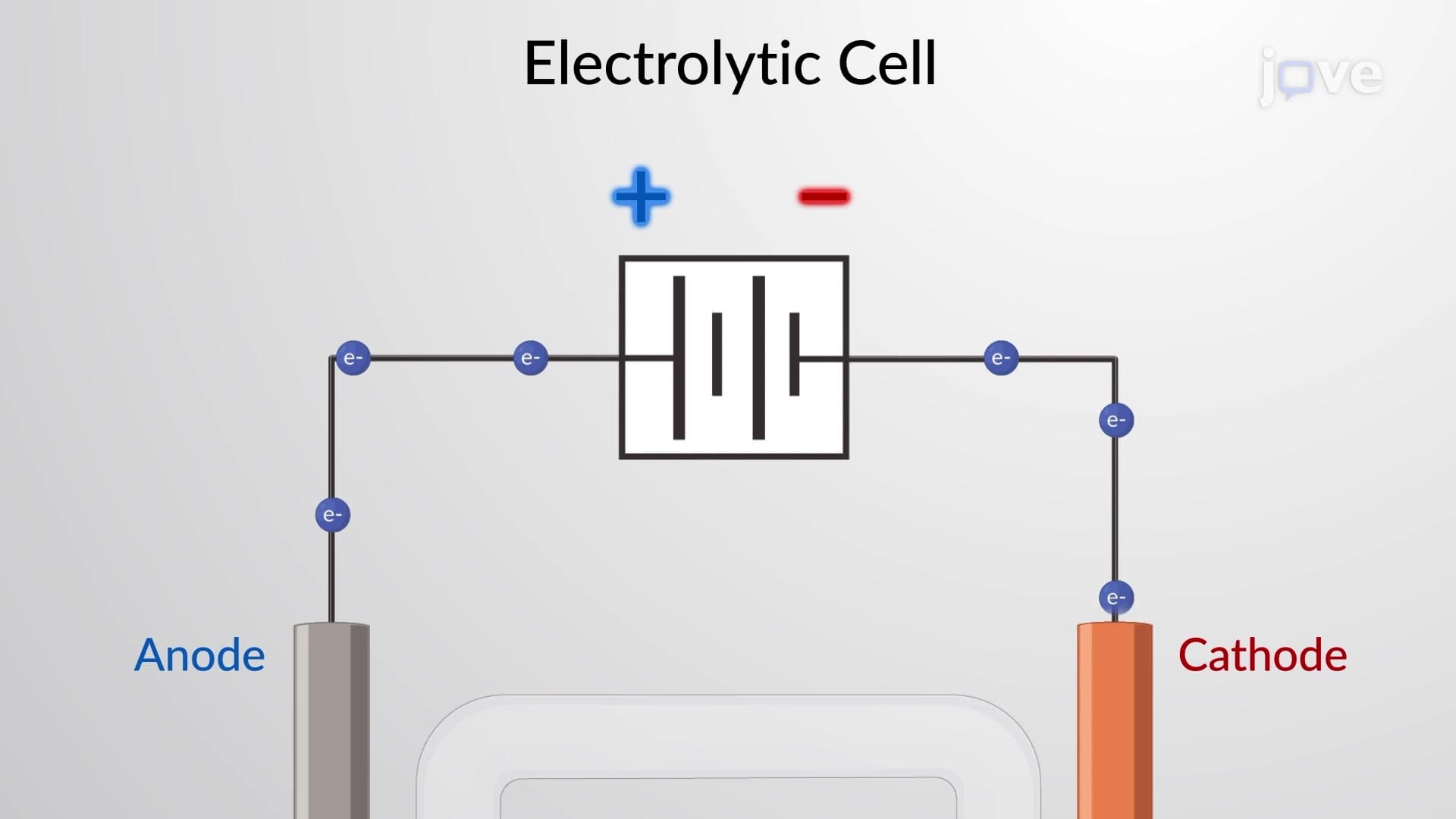
8. Electrolysis and Industrial Applications Master non-spontaneous electrochemical processes driven by external electrical energy, fundamental to modern industrial manufacturing. Explore electrolysis applications from aluminum production in American smelters to electroplating processes used in automotive manufacturing. Students examine quantitative relationships using Faraday's laws to calculate production yields, connecting theoretical principles to industrial processes like chlorine production for water treatment facilities and copper refining operations essential for America's electrical infrastructure and renewable energy systems.