Loading video…


 10 Concepts
 389K views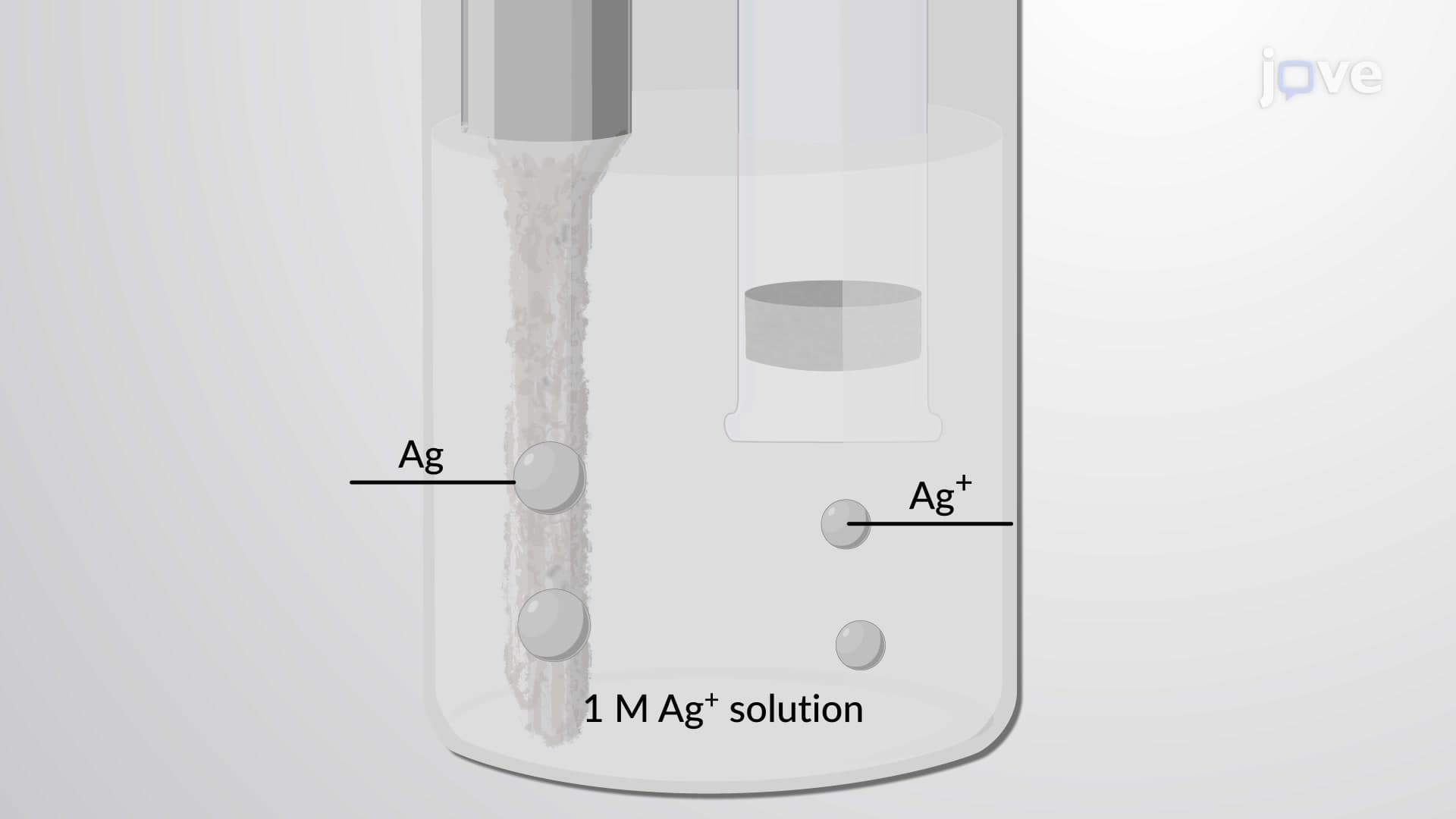

Video Summary: What are Concentration Cells
Ever wondered how your smartphone's pH meter app actually works? Concentration cells harness the power of different ion concentrations to generate electricity, just like the glass electrode in a digital pH meter that millions of Americans use to test pool water or soil acidity. These electrochemical devices demonstrate how concentration gradients can drive electron flow between identical electrodes, creating measurable voltage differences that power real-world applications from laboratory instruments to environmental monitoring equipment. Watch the full video on JoVE Coach to master this concept with expert-led visuals and step-by-step explanations.
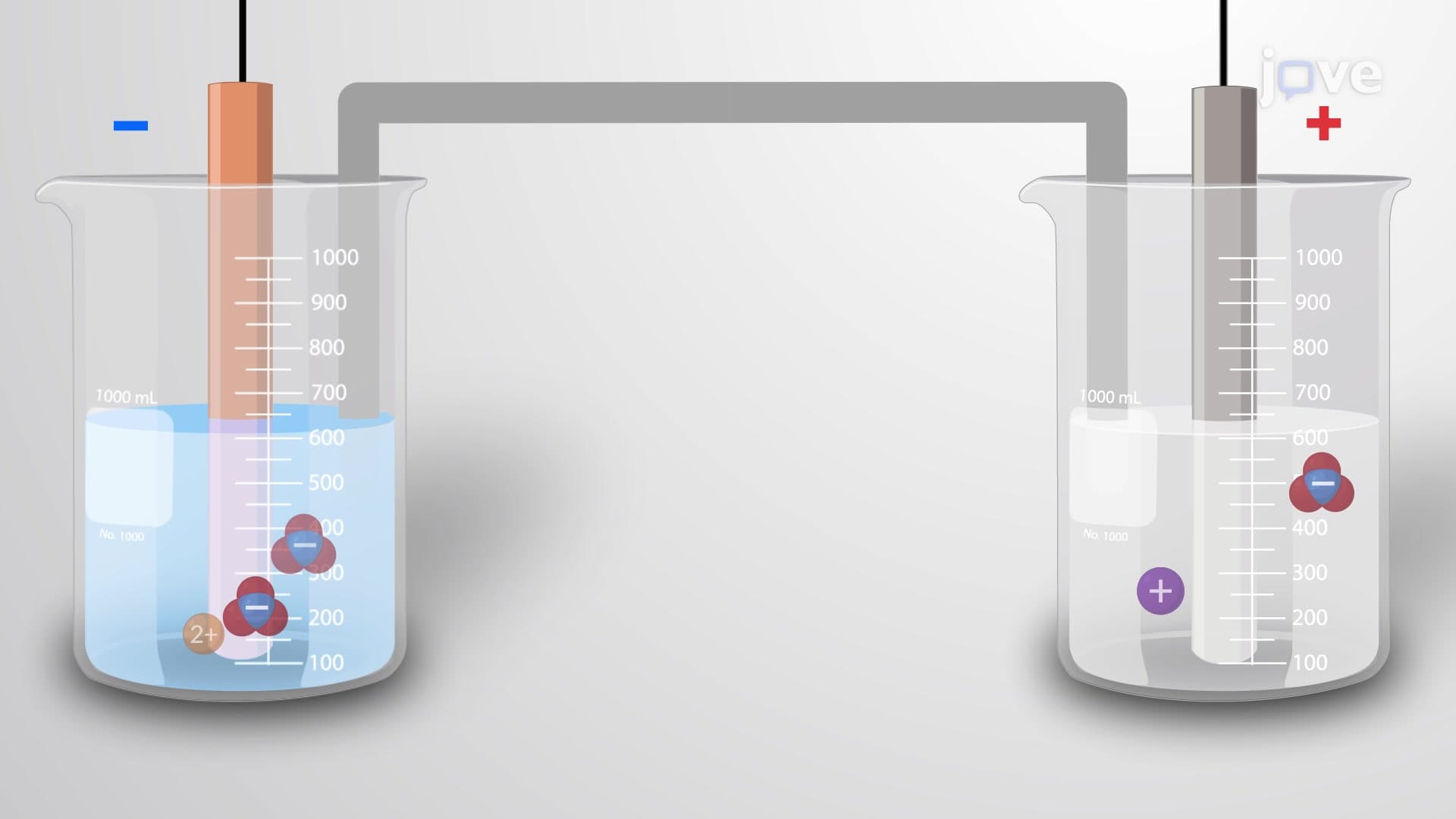
Concentration cells represent a fascinating subset of electrochemical cells that challenge our traditional understanding of galvanic systems. Unlike conventional batteries that rely on different metals or redox couples, concentration cells generate electricity using identical electrodes immersed in solutions of varying ion concentrations. This elegant design demonstrates how concentration gradients alone can drive spontaneous electron flow, making them invaluable tools in analytical chemistry and environmental science.
The driving force behind concentration cells stems from nature's tendency toward equilibrium. When identical electrodes contact solutions with different ion concentrations, Le Chatelier's principle governs the system's behavior. Electrons spontaneously flow from the dilute half-cell to the concentrated half-cell, creating a measurable potential difference. In a silver concentration cell, for example, the electrode in dilute silver nitrate solution undergoes oxidation (Ag → Ag+ + e-), while the electrode in concentrated solution experiences reduction (Ag+ + e- → Ag).
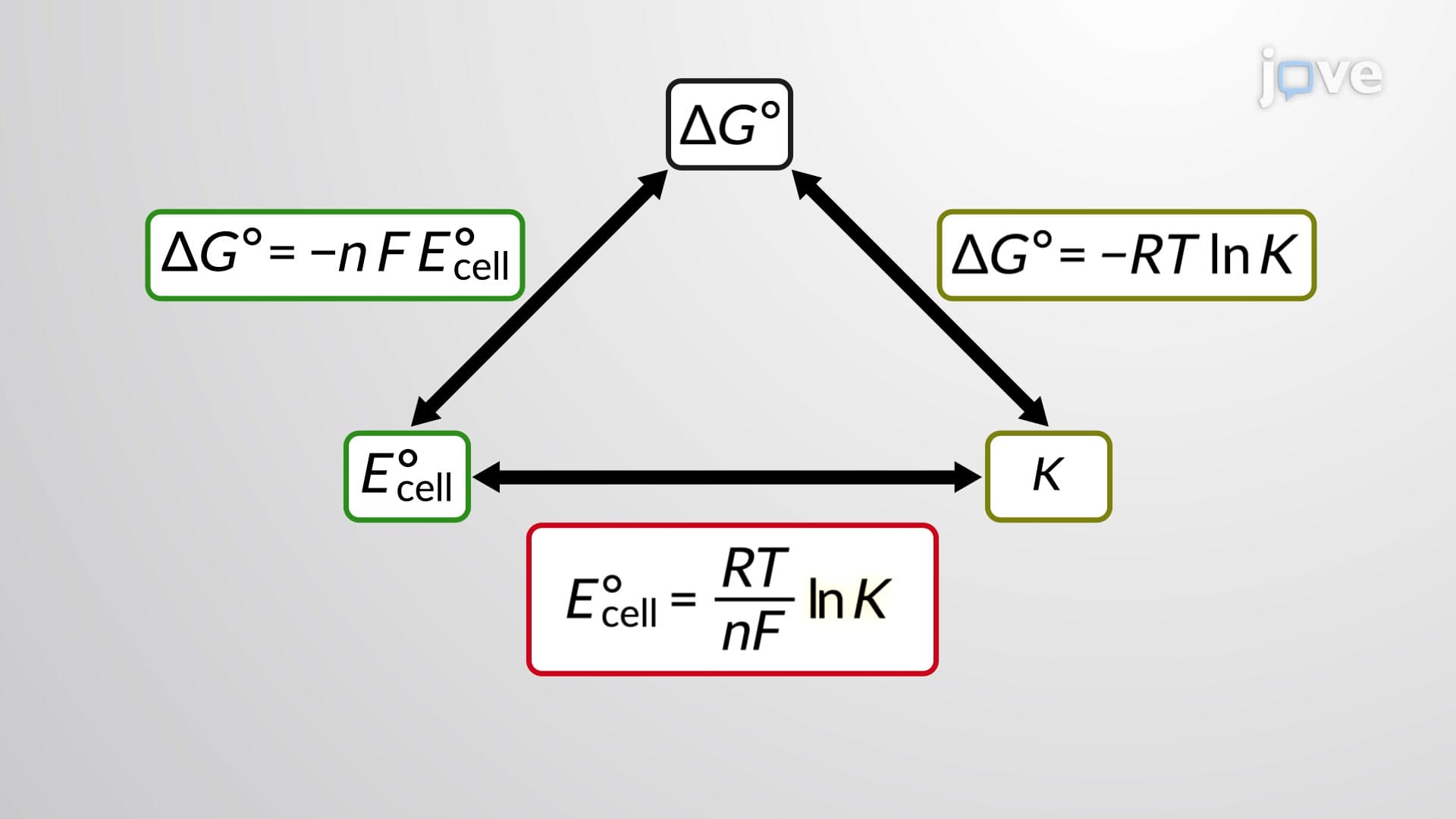
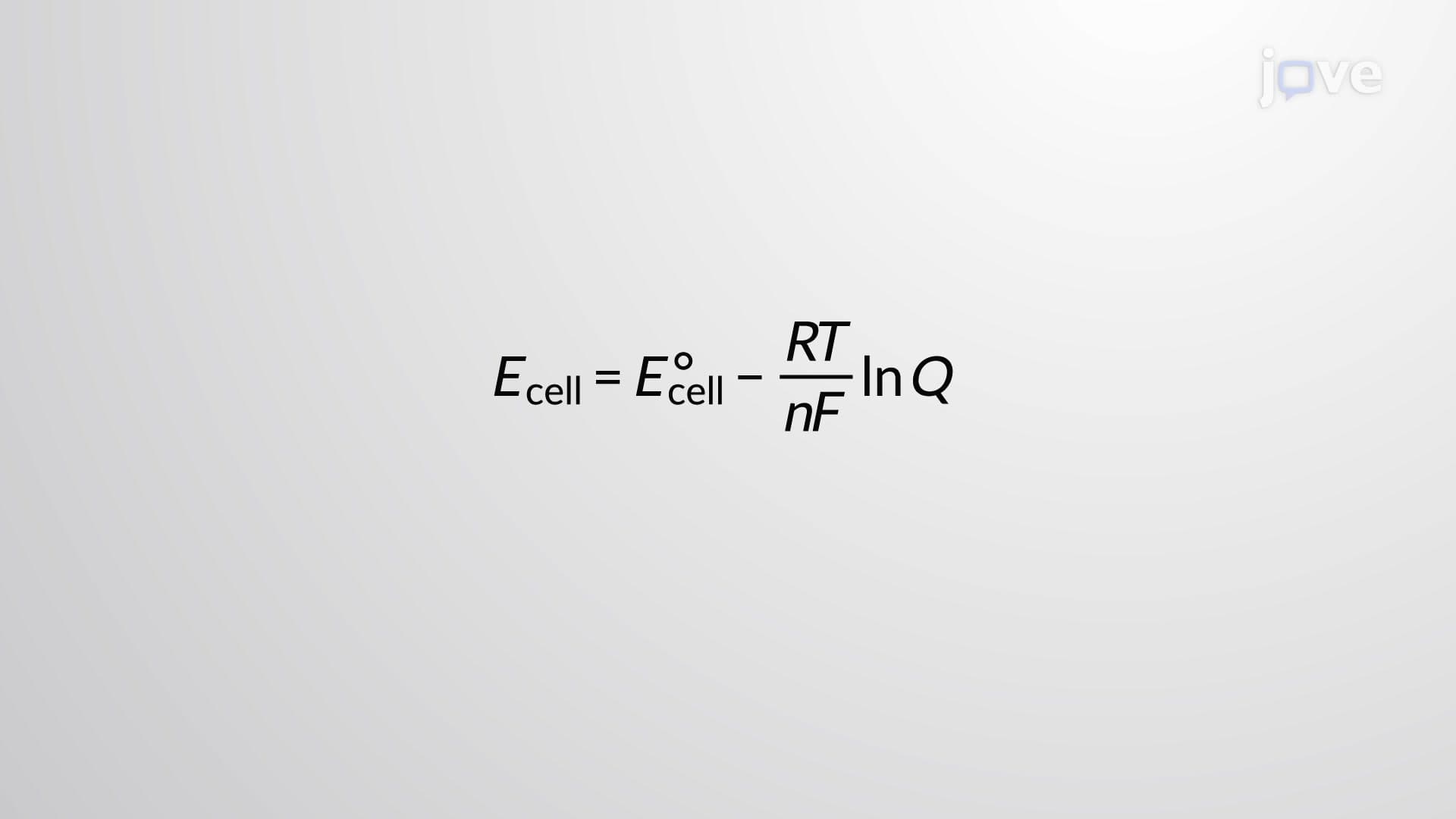
The cell potential calculation relies exclusively on the Nernst equation: E(cell) = (RT/nF) × ln(C2/C1), where C2 and C1 represent the concentrated and dilute ion concentrations, respectively. This mathematical relationship proves crucial for AP Chemistry students and appears frequently on college-level physical chemistry exams. Unlike standard cell potential calculations involving different half-reactions, concentration cells simplify to pure concentration ratio mathematics.
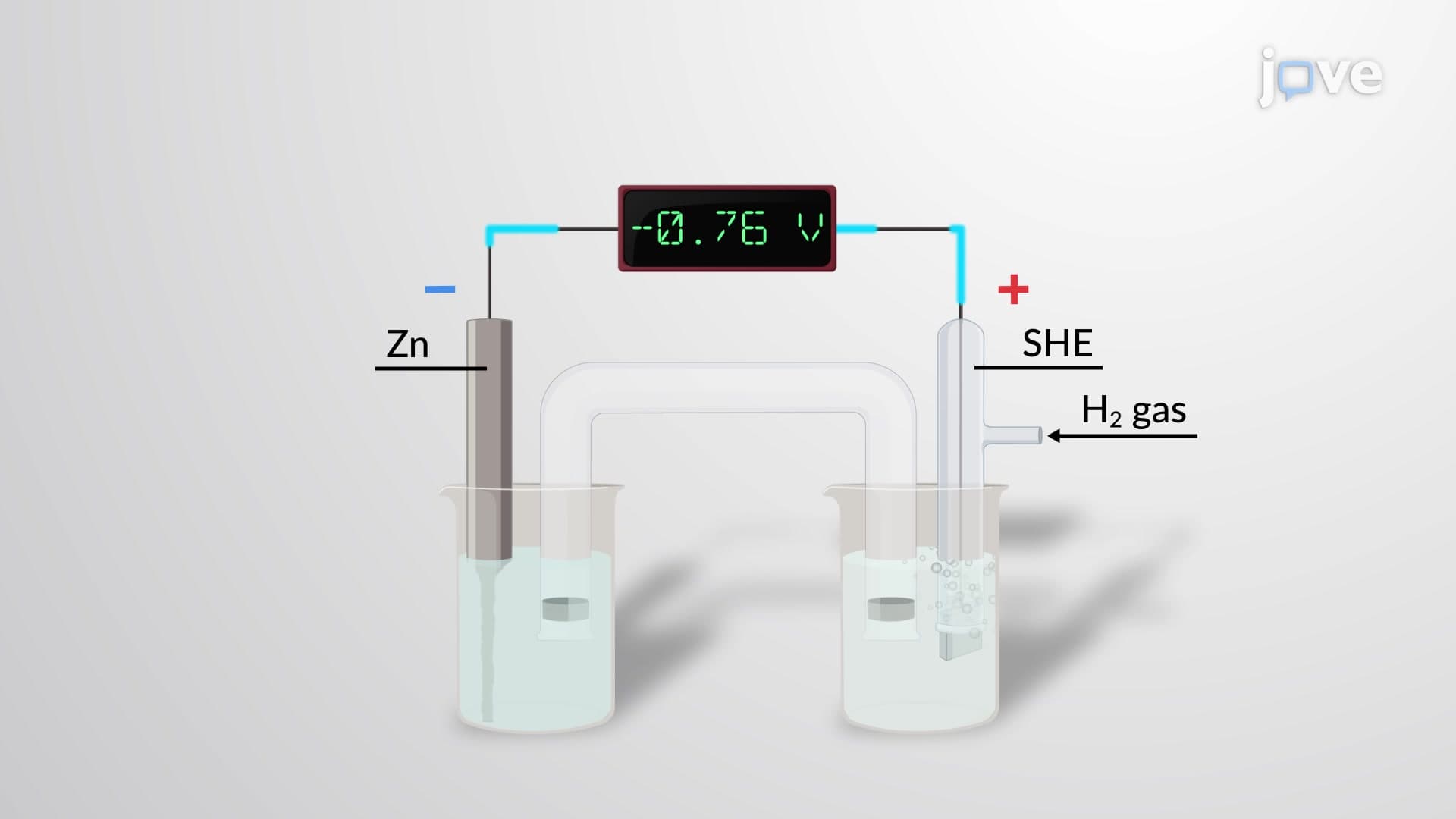
pH meters exemplify concentration cells' practical importance across American industries. Agricultural soil testing in Iowa cornfields, municipal water treatment in California, and pharmaceutical quality control in New Jersey all rely on concentration cell technology. The glass electrode contains a known hydrogen ion concentration, creating a reference against which unknown solutions are measured. When testing pool water in Florida or wine acidity in Napa Valley, the potential difference directly correlates to pH values, enabling precise acidity measurements essential for safety and quality standards.
Related Micro-courses