Loading video…


 10 Concepts
 389K views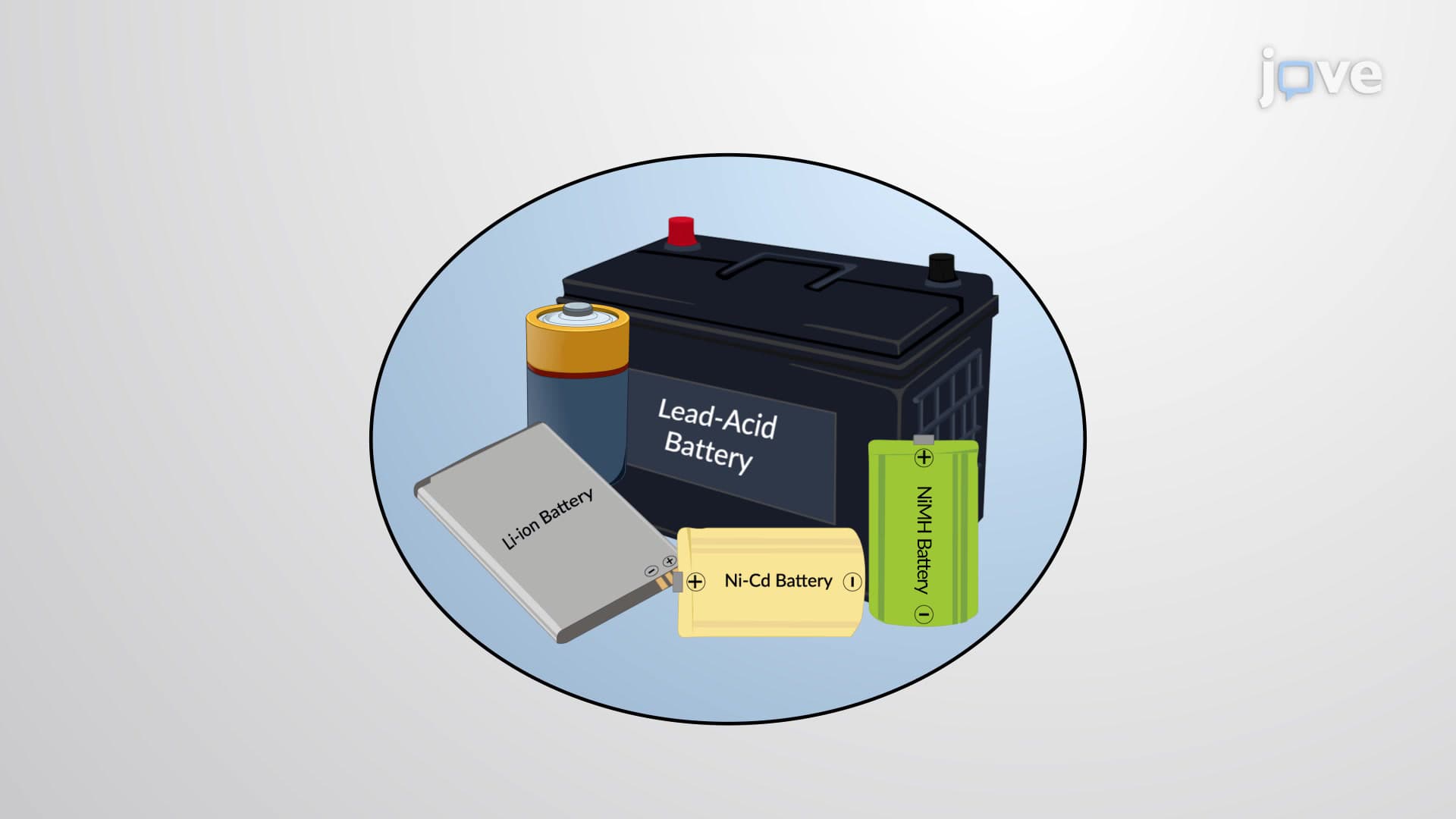

Video Summary: What are Batteries and Fuel Cells
Ever wondered how your smartphone stays powered for hours or how electric vehicles like Tesla can drive hundreds of miles? Batteries and fuel cells are electrochemical powerhouses that convert chemical energy into electrical energy through controlled redox reactions. From the simple AA batteries powering your TV remote to the sophisticated lithium-ion systems in Tesla Model S vehicles, these devices are essential to modern American life. What are batteries and fuel cells becomes clear when you understand they're portable energy storage and conversion systems that make our wireless world possible. Watch the full video on JoVE Coach to master this concept with expert-led visuals and step-by-step explanations.
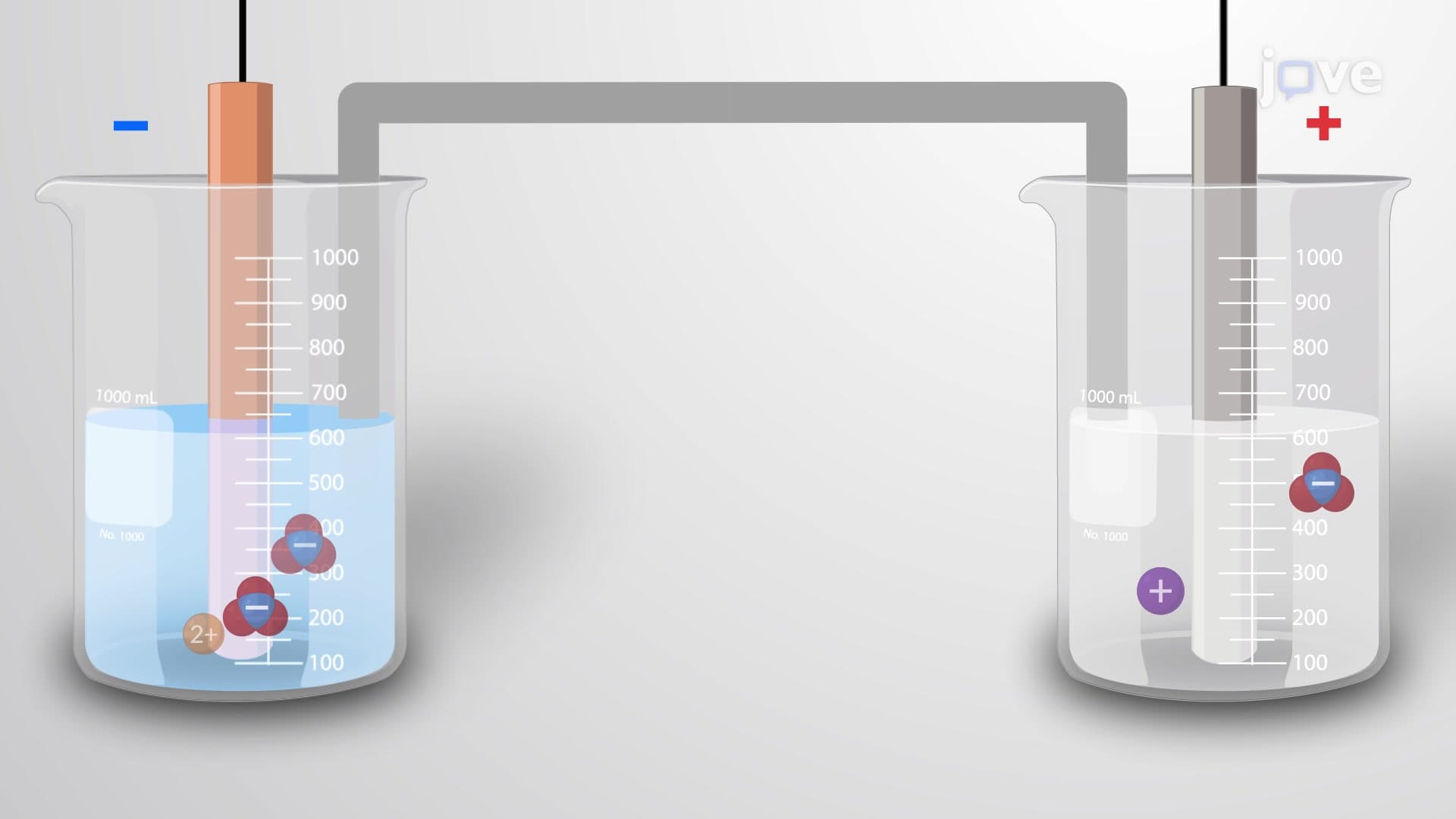
Batteries and fuel cells represent two distinct approaches to electrochemical energy conversion. While both generate electricity through redox reactions, batteries store chemical energy internally, whereas fuel cells require continuous external fuel supply. This fundamental difference shapes their applications-from powering your iPhone to potentially fueling hydrogen cars on American highways.
Primary batteries, exemplified by common dry cells, provide single-use power through irreversible chemical reactions. The classic zinc-carbon dry cell, still found in flashlights across America, generates 1.5 volts through zinc oxidation and manganese dioxide reduction. When zinc and electrolyte materials deplete, the battery becomes unusable.
Secondary batteries revolutionize portable power through reversible reactions. Lead-acid batteries, standard in every American automobile since the early 1900s, demonstrate this principle. Six cells connected in series produce 12 volts, with lead and lead dioxide electrodes cycling through lead sulfate formation during discharge and regeneration during charging. This rechargeability makes them ideal for starting engines and powering electrical systems.
Modern lithium-ion batteries represent the pinnacle of portable energy storage. Companies like Tesla use thousands of these cells, each producing 3.7 volts, to power electric vehicles capable of 400+ mile ranges. The lithium intercalation process-where lithium ions shuttle between graphite and metal oxide electrodes-provides exceptional energy density while maintaining rechargeability.
Environmental considerations drive battery evolution. Nickel-cadmium batteries, once popular in cordless phones, face phase-out due to cadmium's toxicity. EPA regulations encourage nickel-metal hydride alternatives, which offer similar performance without environmental hazards.
Fuel cells operate differently, continuously converting hydrogen and oxygen into electricity and water. NASA pioneered this technology for space missions, and companies like Ballard Power Systems now develop fuel cells for buses in cities like Los Angeles and Chicago. The platinum catalysts essential for efficient operation make these systems expensive but extremely clean.
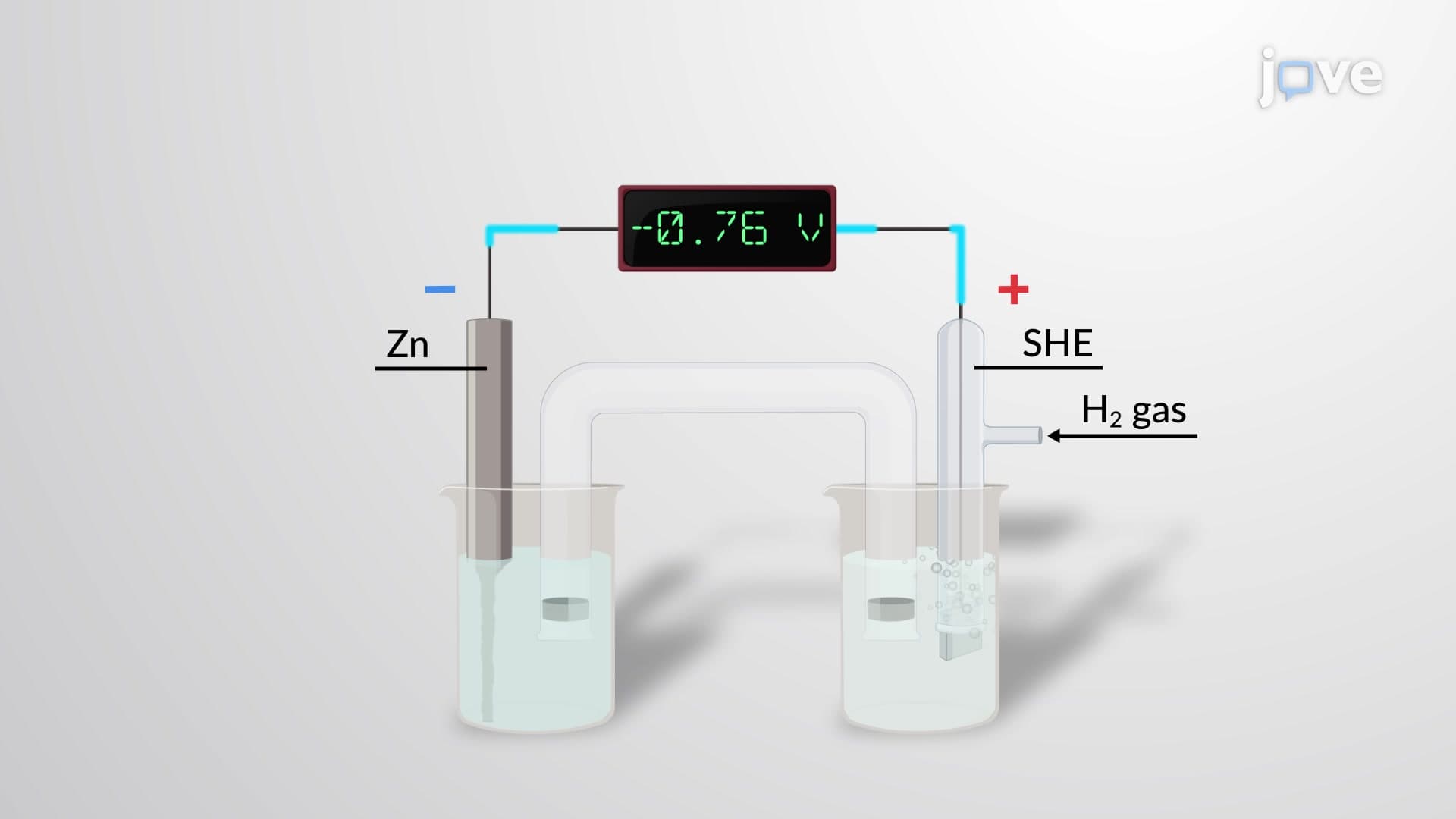
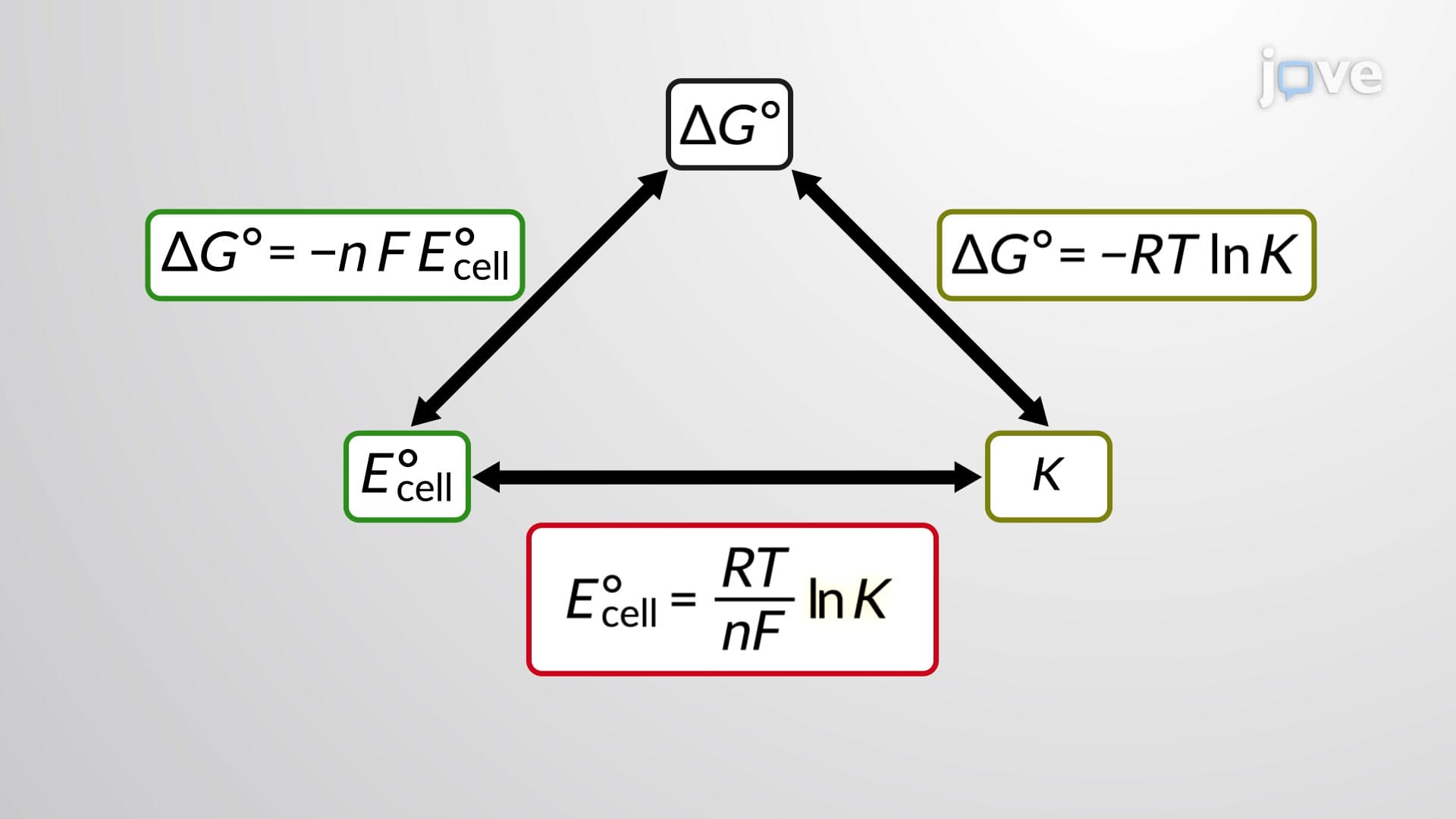
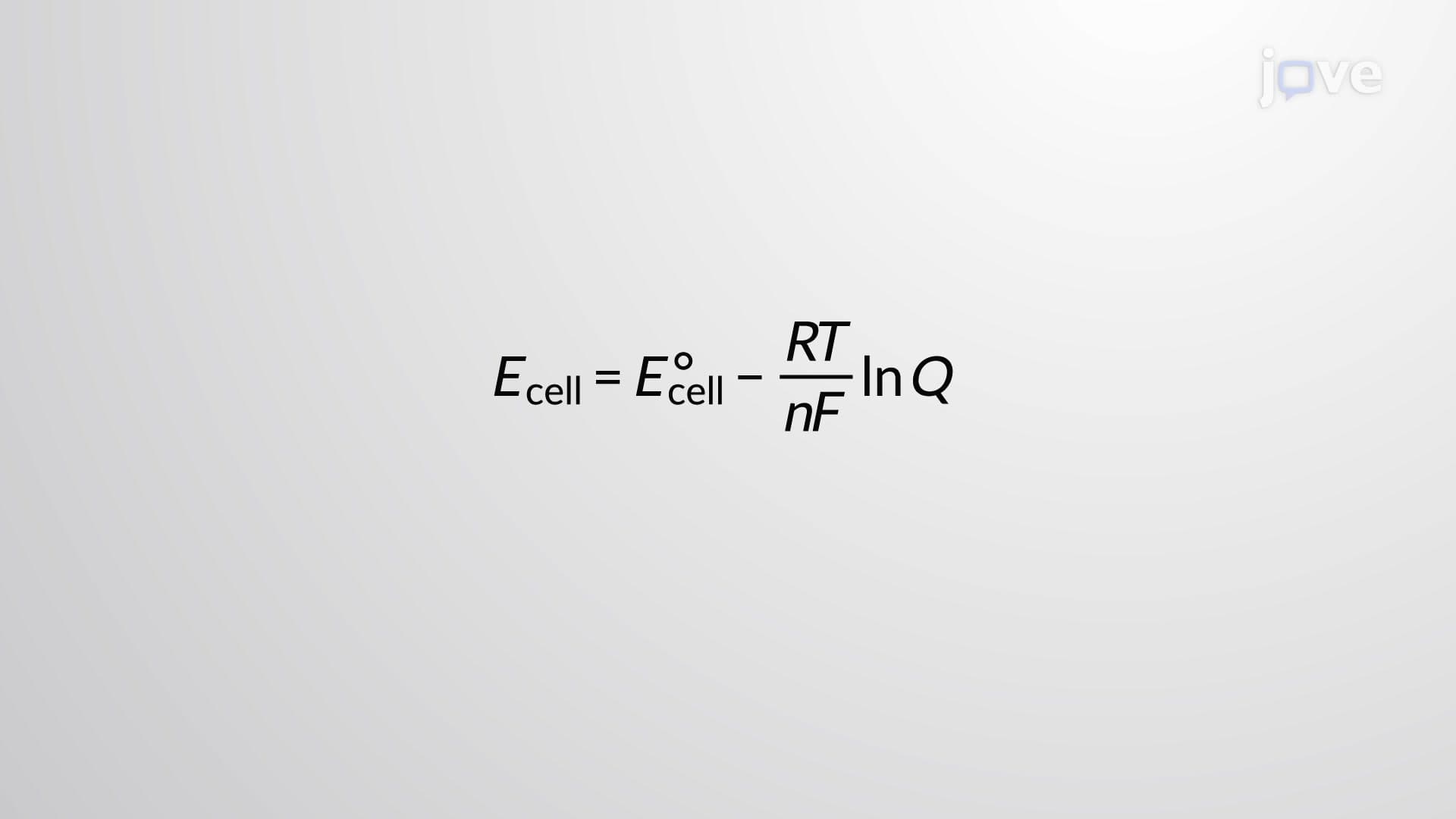
For students preparing for AP Chemistry or college-level physical chemistry courses, understanding electrode potentials and Nernst equation applications proves crucial for predicting battery behavior under various conditions.
Related Micro-courses