Loading video…


 10 Concepts
 389K views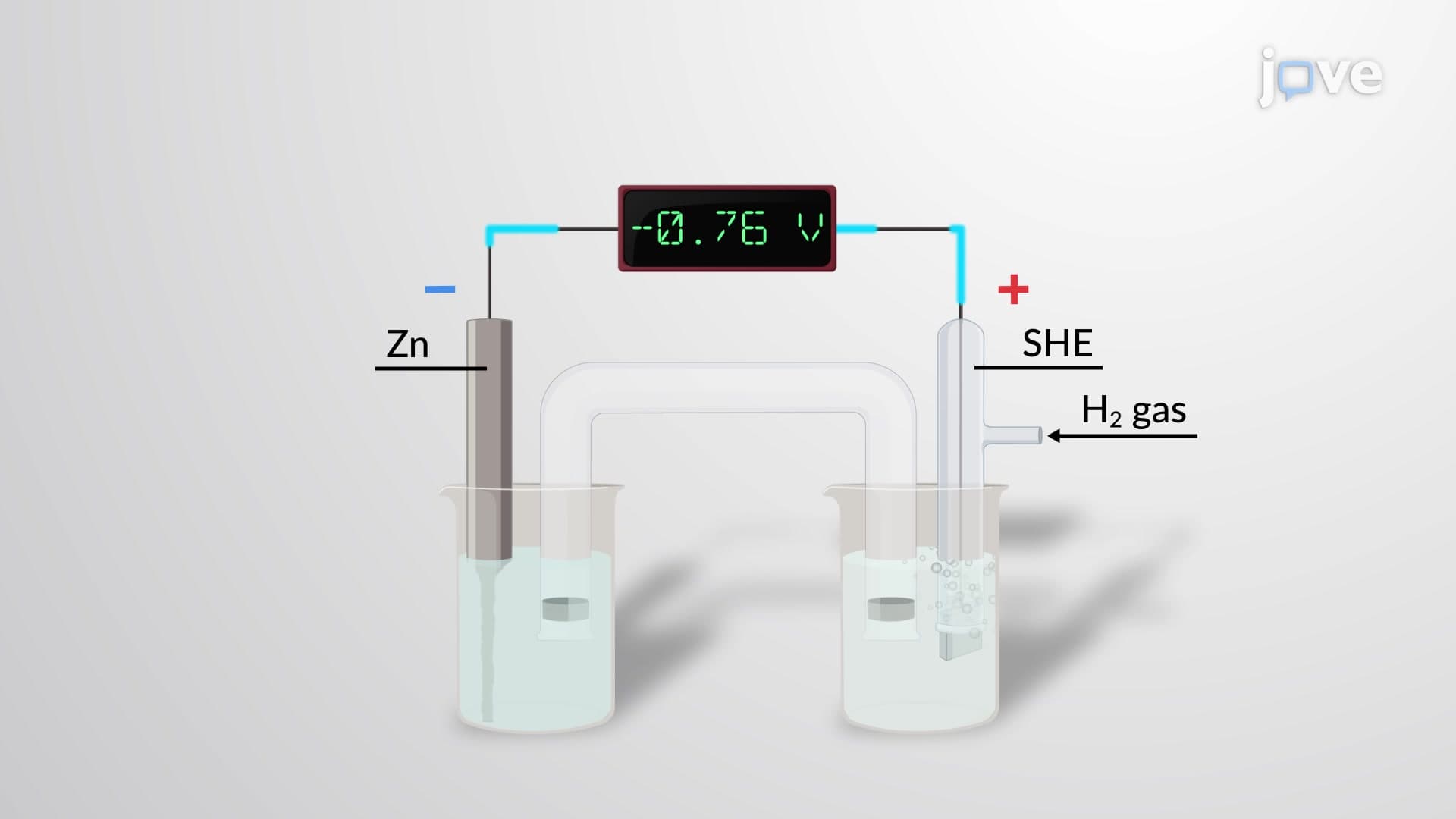

Video Summary: What Is Standard Electrode Potentials
Ever wonder why your car battery can jump-start another vehicle but not the other way around? Standard electrode potentials explain this electrical hierarchy in chemistry. Just like water flowing from high to low levels, electrons flow predictably between electrodes based on their standard electrode potentials. The Tesla Model S battery pack, for example, relies on precise electrode potential differences to deliver consistent power. Understanding what is standard electrode potentials helps predict which metals will corrode, which batteries work best, and how galvanic cells generate electricity. Watch the full video on JoVE Coach to master this concept with expert-led visuals and step-by-step explanations.
Standard electrode potentials serve as the fundamental measuring system for predicting how electrons behave in electrochemical reactions. Think of them as the "credit scores" of the chemical world-each element has a numerical rating that determines its electrochemical behavior under standard conditions (25°C, 1 M concentration, 1 atm pressure).
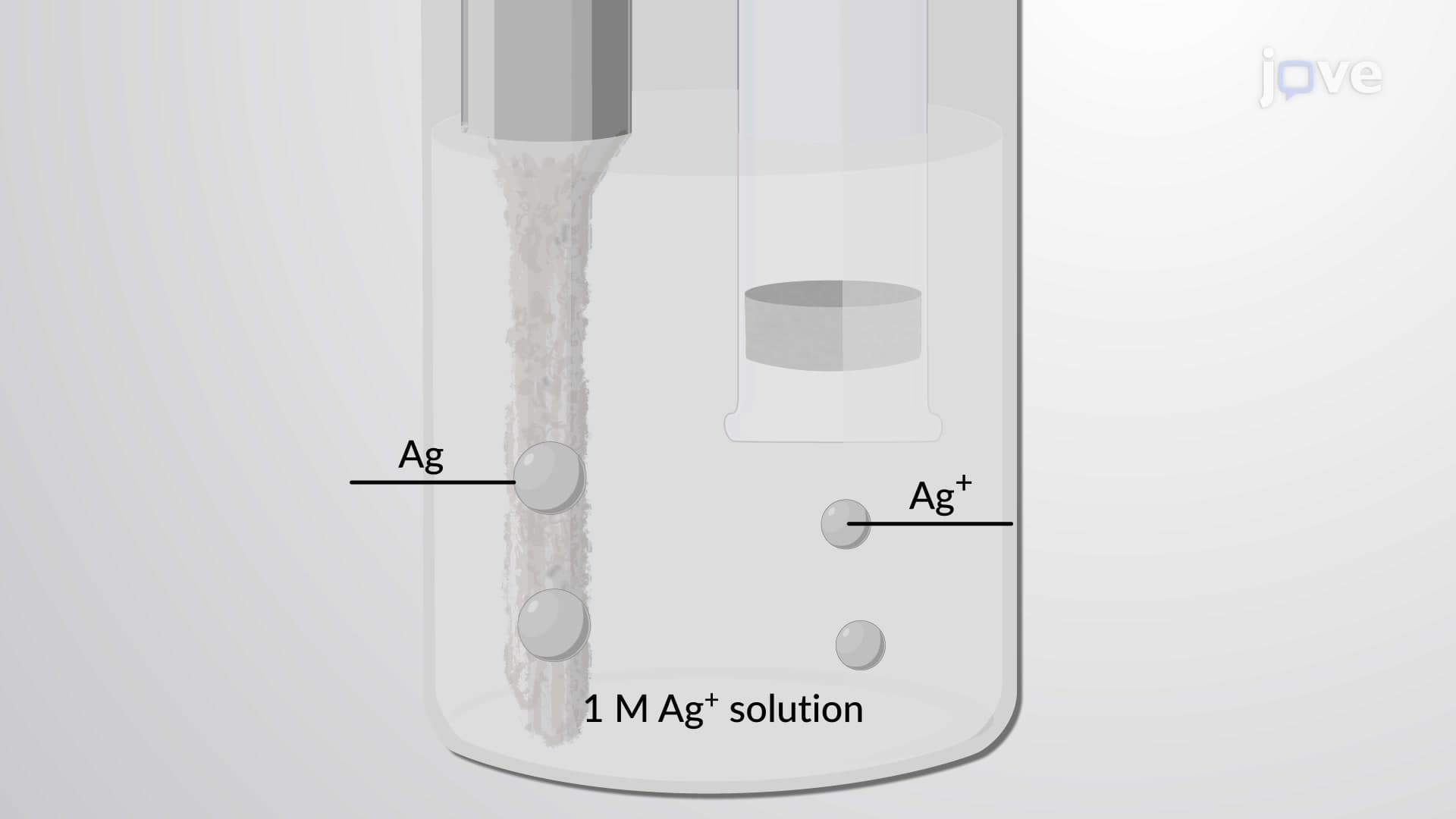
Since we cannot measure absolute electrode potentials, chemists established the standard hydrogen electrode (SHE) as the universal zero reference point. This ingenious solution involves a platinum electrode in 1 M HCl with hydrogen gas bubbling at 1 atmosphere pressure. Every other element's potential gets measured relative to this hydrogen standard, creating a comprehensive ranking system that appears on AP Chemistry reference sheets and college exam formula sheets.
The beauty of standard electrode potentials lies in their predictive power. Elements with more positive potentials have stronger tendencies to gain electrons (reduction), while those with negative potentials prefer losing electrons (oxidation). For instance, copper (+0.34 V) readily accepts electrons from zinc (-0.76 V), making zinc-copper batteries naturally spontaneous with a cell potential of +1.10 V.
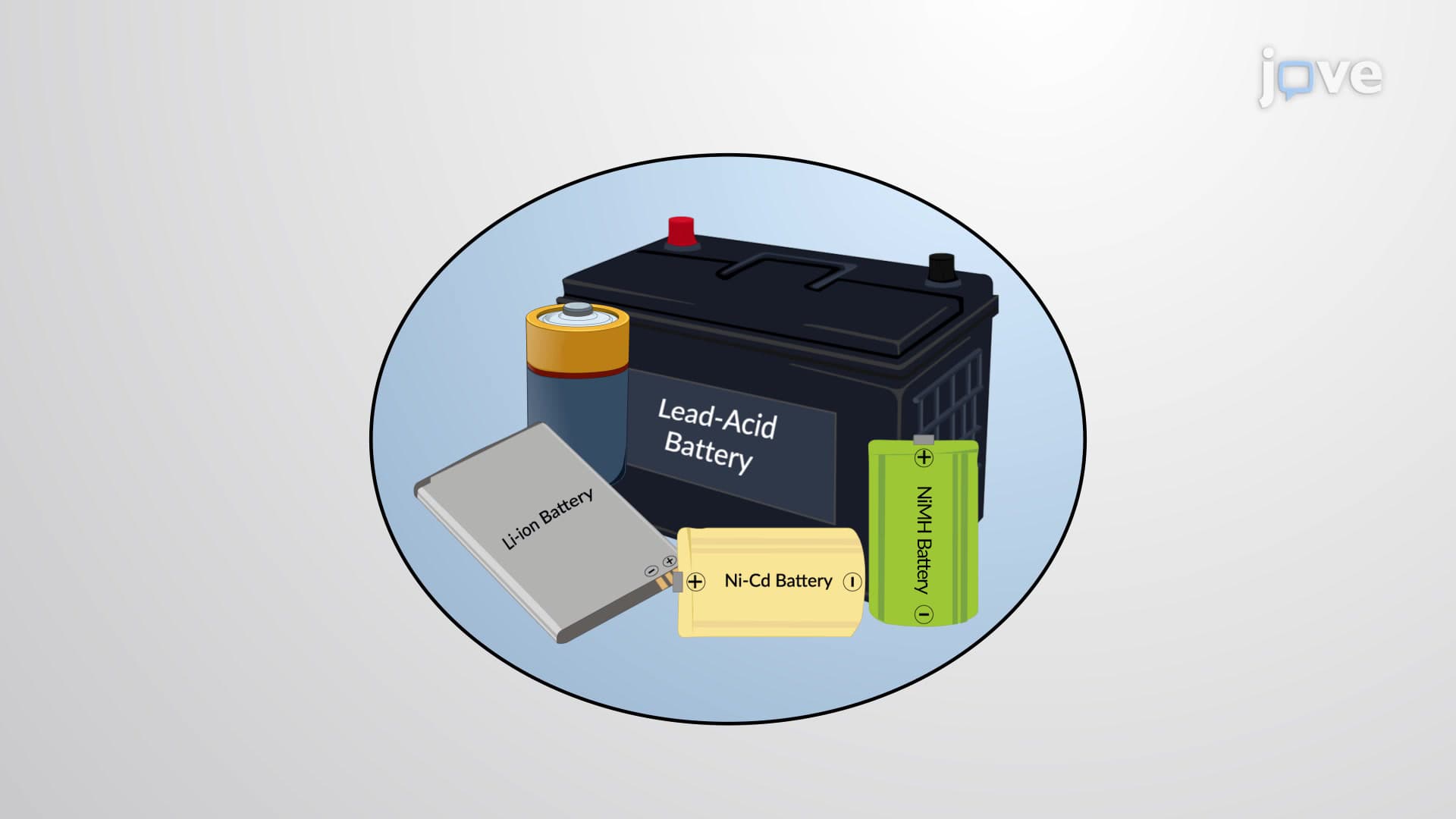
This principle governs everything from the lithium-ion batteries in smartphones to the galvanized steel coating that prevents rust on bridges. Students preparing for the MCAT or AP Chemistry exam frequently encounter these calculations, as they demonstrate both thermodynamic principles and practical electrochemistry applications.
Understanding standard electrode potentials proves essential across multiple industries. Tesla's Gigafactory engineers use these principles to optimize battery chemistry, while aerospace companies like Boeing apply them in corrosion-resistant alloy selection. The Statue of Liberty's green patina formation exemplifies these concepts-copper's electrode potential determines its oxidation rate when exposed to environmental conditions.
Medical device manufacturers also rely heavily on electrode potential knowledge when designing pacemaker batteries and surgical instruments. The FDA requires extensive electrochemical testing based on these principles for any implantable device approval.
Related Micro-courses