Loading video…


 10 Concepts
 389K views

Video Summary: What Is Corrosion
Ever wondered why the Statue of Liberty turned green or why your bike chain develops rust spots? Corrosion is the spontaneous oxidation process that transforms metals when exposed to environmental factors like oxygen and moisture. From the protective patina on New York's iconic statue to the destructive rust eating away at infrastructure across America, this fundamental chemical process affects billions of dollars in materials annually. Understanding what is corrosion reveals the fascinating electrochemistry behind everyday metal deterioration and protection strategies. Watch the full video on JoVE Coach to master this concept with expert-led visuals and step-by-step explanations.
Corrosion represents one of the most significant challenges in materials science and engineering, costing the US economy over $276 billion annually according to NACE International studies. At its core, corrosion is the spontaneous oxidation of metals when they react with environmental oxidizing agents, primarily oxygen. This electrochemical process transforms refined metals back toward their more thermodynamically stable oxidized states, essentially reversing the energy-intensive refining processes used in metallurgy.
The corrosion definition encompasses both beneficial and harmful processes. Protective corrosion creates stable oxide layers that prevent further degradation. The Statue of Liberty exemplifies this phenomenon-its copper surface oxidized over decades to form basic copper carbonate (Cu₂(CO₃)(OH)₂), creating the distinctive blue-green patina that actually protects the underlying copper from further corrosion.
Conversely, destructive corrosion continuously compromises structural integrity. Iron rusting represents the most economically significant example, where iron oxidizes to form structurally unstable iron oxides that flake away, exposing fresh metal to continued attack. This process affects everything from automotive bodies to the steel reinforcement in concrete structures across American infrastructure.
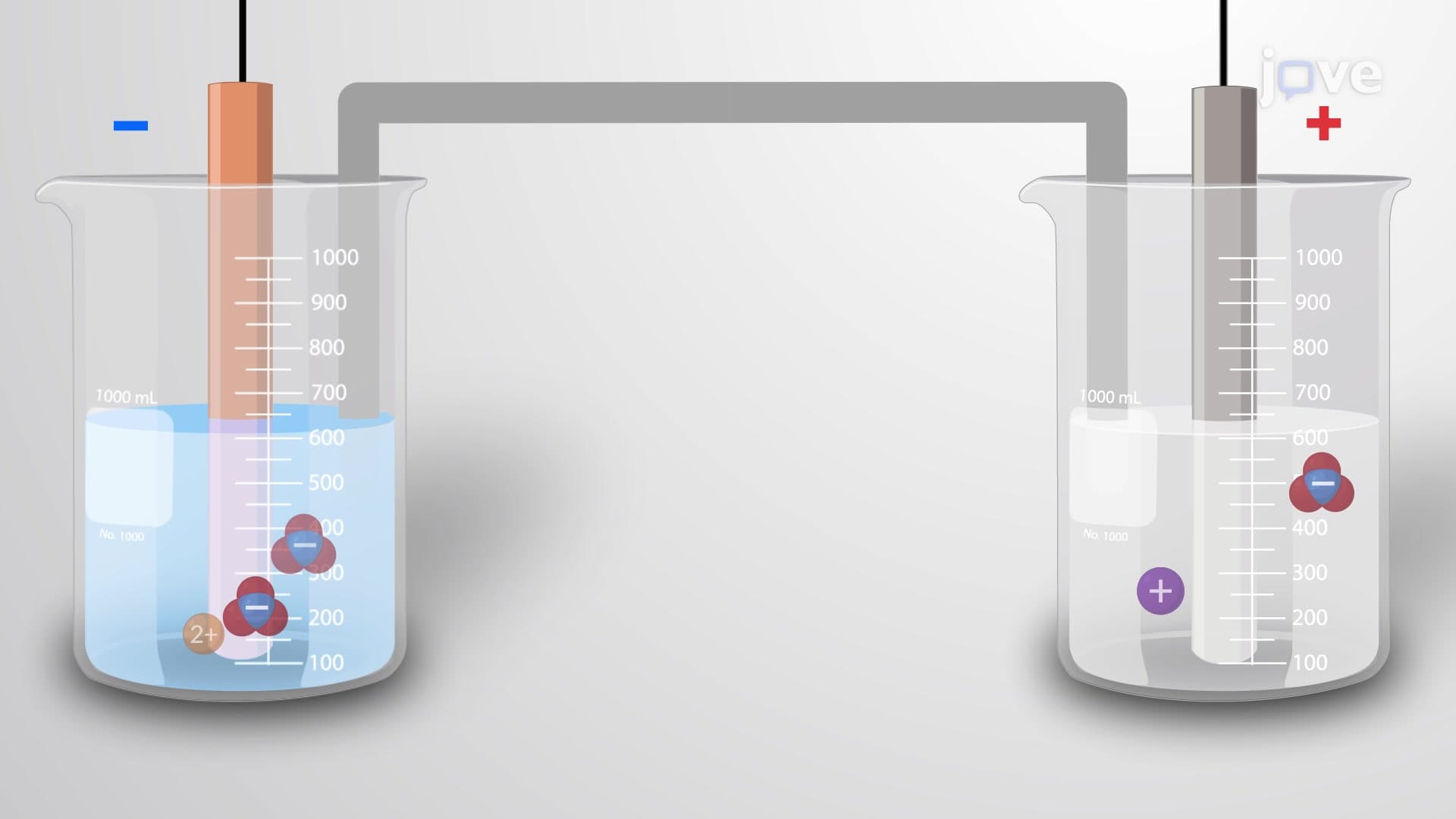
Understanding corrosion requires grasping its electrochemical nature. Rusting occurs through simultaneous oxidation and reduction reactions at different surface locations. At anodic sites (often surface defects), iron oxidizes according to: Fe → Fe²⁺ + 2e⁻ (E° = -0.44V). The liberated electrons migrate through the metal to cathodic regions, where oxygen reduction occurs: O₂ + 4H⁺ + 4e⁻ → 2H₂O (E° = +1.23V).
The hydrogen ions originate from atmospheric carbonic acid formation (CO₂ + H₂O → H₂CO₃), creating the acidic conditions necessary for oxygen reduction. Subsequently, Fe²⁺ ions migrate through surface moisture to cathodic regions, where they oxidize further to form various iron(III) oxide hydrates-the reddish-brown rust we observe.
Modern corrosion prevention employs multiple strategies. Barrier methods like painting physically separate metals from corrosive environments-evident in the periodic repainting of bridges like San Francisco's Golden Gate Bridge. Alloying creates materials with enhanced corrosion resistance; stainless steel contains chromium that forms a passive chromium oxide layer protecting the underlying iron.
Galvanization coats iron with more reactive zinc, which preferentially corrodes to form protective zinc oxide. This sacrificial protection extends the life of everything from highway guardrails to outdoor electrical equipment. Cathodic protection systems, used extensively for underground pipelines and ship hulls, connect the protected metal to more reactive sacrificial anodes, ensuring the protected structure remains cathodic and corrosion-free.
For students preparing for AP Chemistry or college-level materials science courses, mastering corrosion basics provides essential foundation knowledge connecting thermodynamics, kinetics, and electrochemistry to real-world engineering applications.
Related Micro-courses