Loading video…


 10 Concepts
 389K views

Video Summary: What Is Electromotive Force
Ever wonder why your smartphone battery eventually dies, or how electric cars generate power? Electromotive force is the driving energy that pushes electrons through circuits, creating the electricity that powers everything from Tesla vehicles to medical devices in US hospitals. This fundamental concept explains how batteries, fuel cells, and generators convert chemical or mechanical energy into electrical energy. Understanding what is electromotive force reveals the science behind everyday technologies we rely on. Watch the full video on JoVE Coach to master this concept with expert-led visuals and step-by-step explanations.
Electromotive force (EMF) represents the electrical potential energy difference that drives electrons through a circuit. Despite its name, EMF isn't actually a "force" in the mechanical sense-it's a measure of energy per unit charge, expressed in volts. This concept is fundamental to understanding how batteries, generators, and fuel cells operate in everything from smartphones to electric vehicles manufactured by companies like General Motors and Ford.
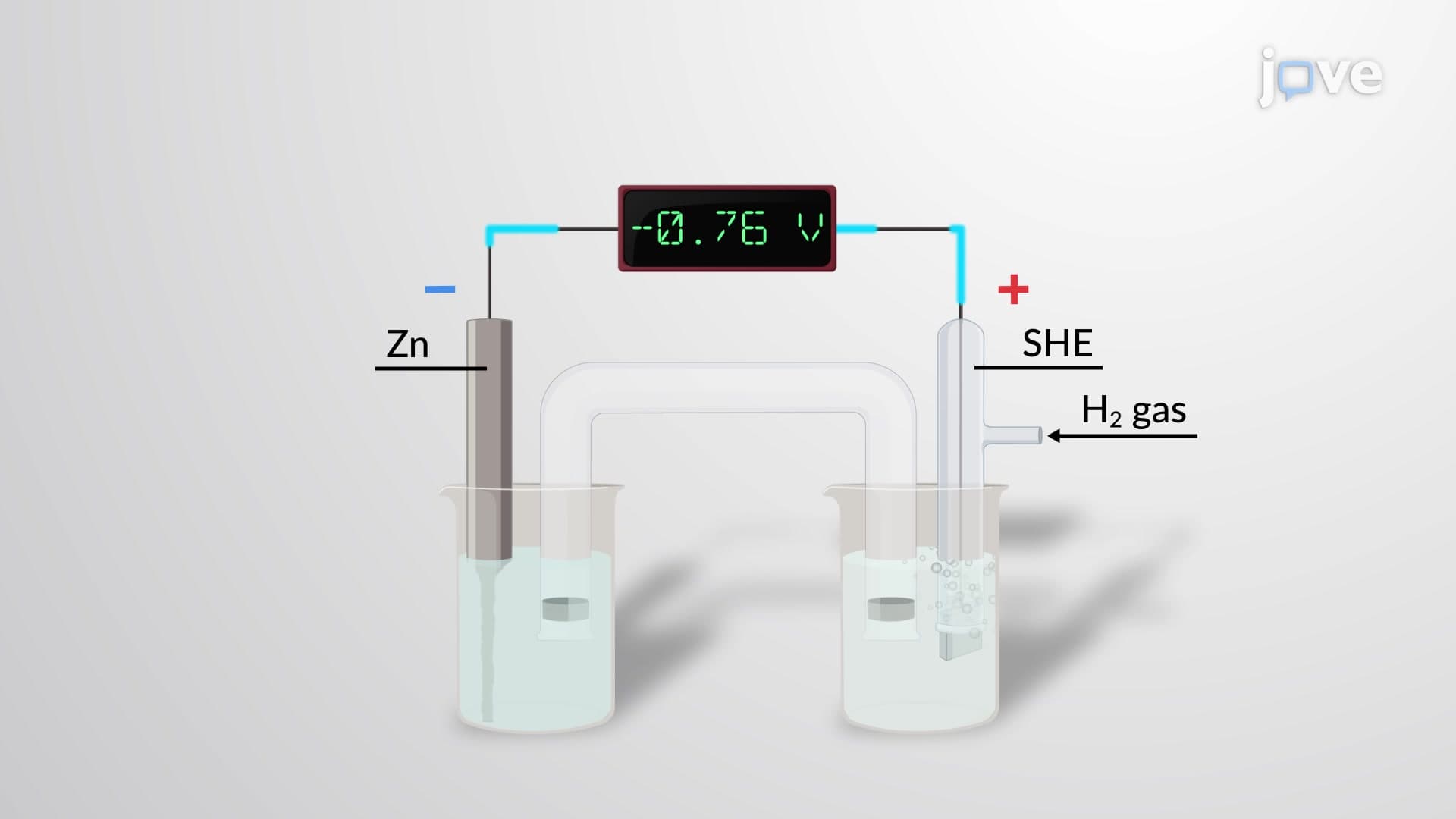
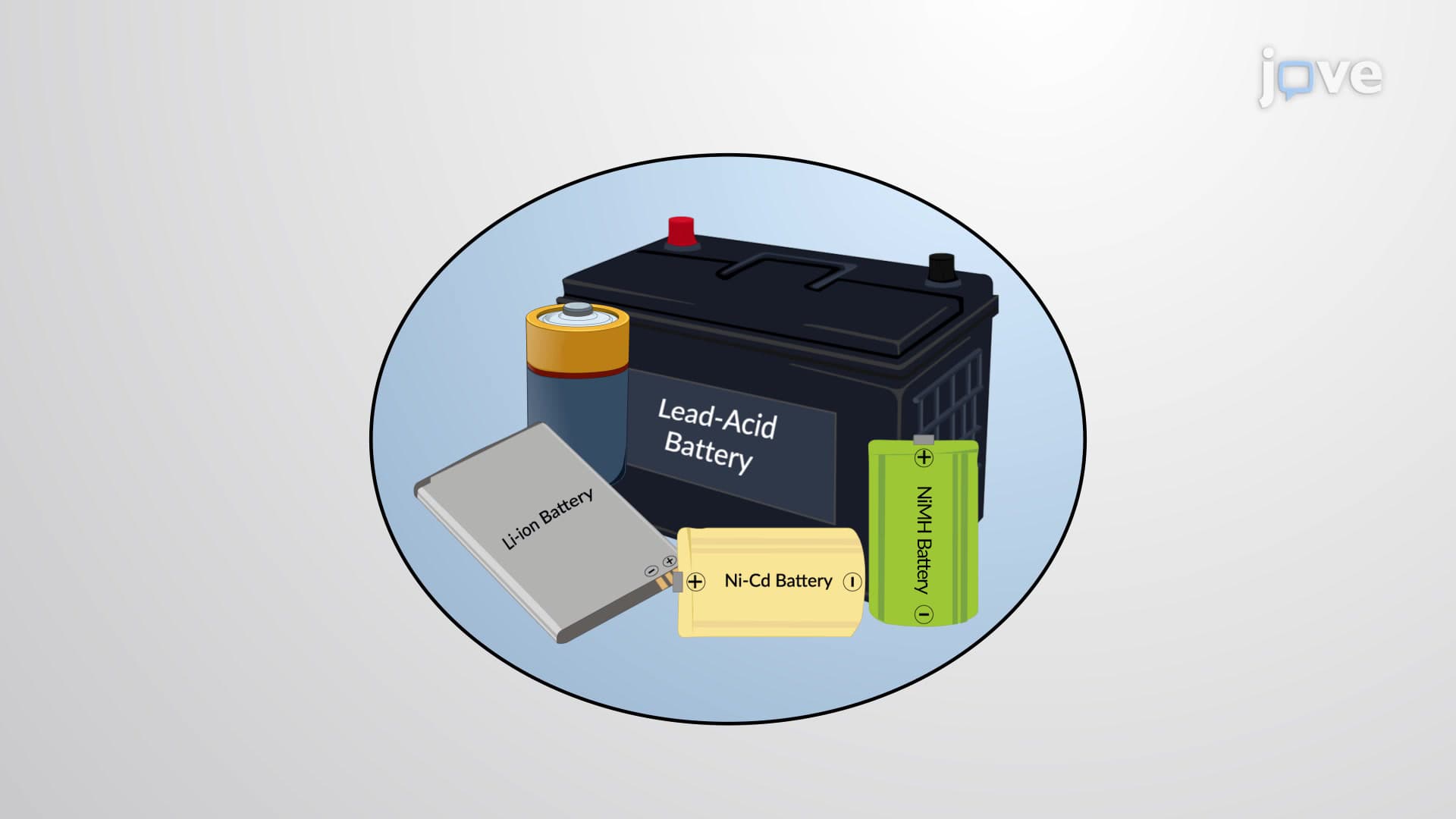
EMF originates from redox reactions where electrons transfer between substances with different tendencies to gain or lose electrons. Consider a zinc-copper electrochemical cell: zinc readily loses electrons (oxidation) while copper ions readily gain them (reduction). When these half-reactions are physically separated but connected by a wire, the potential energy difference creates EMF, driving electrons through the external circuit. This principle powers lithium-ion batteries in Tesla vehicles and lead-acid batteries in traditional American automobiles.
EMF is measured in volts using a voltmeter, where one volt equals one joule of potential energy per coulomb of charge. Current flow, measured in amperes, results from this potential difference-one ampere represents 6.24 × 10^18 electrons flowing per second. Understanding these relationships is crucial for AP Chemistry and college-level electrochemistry courses, where students calculate cell potentials and predict spontaneous reactions.
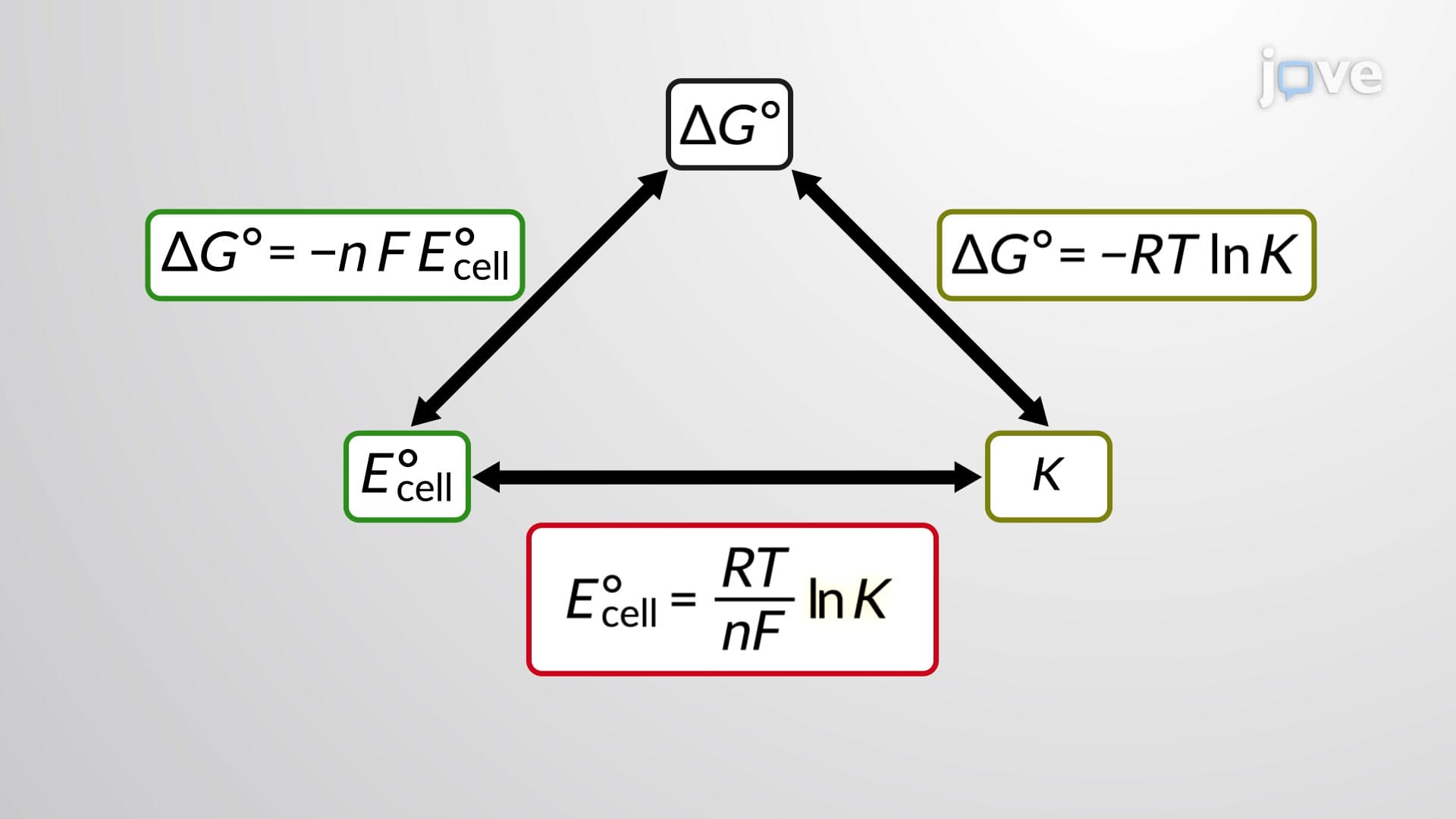
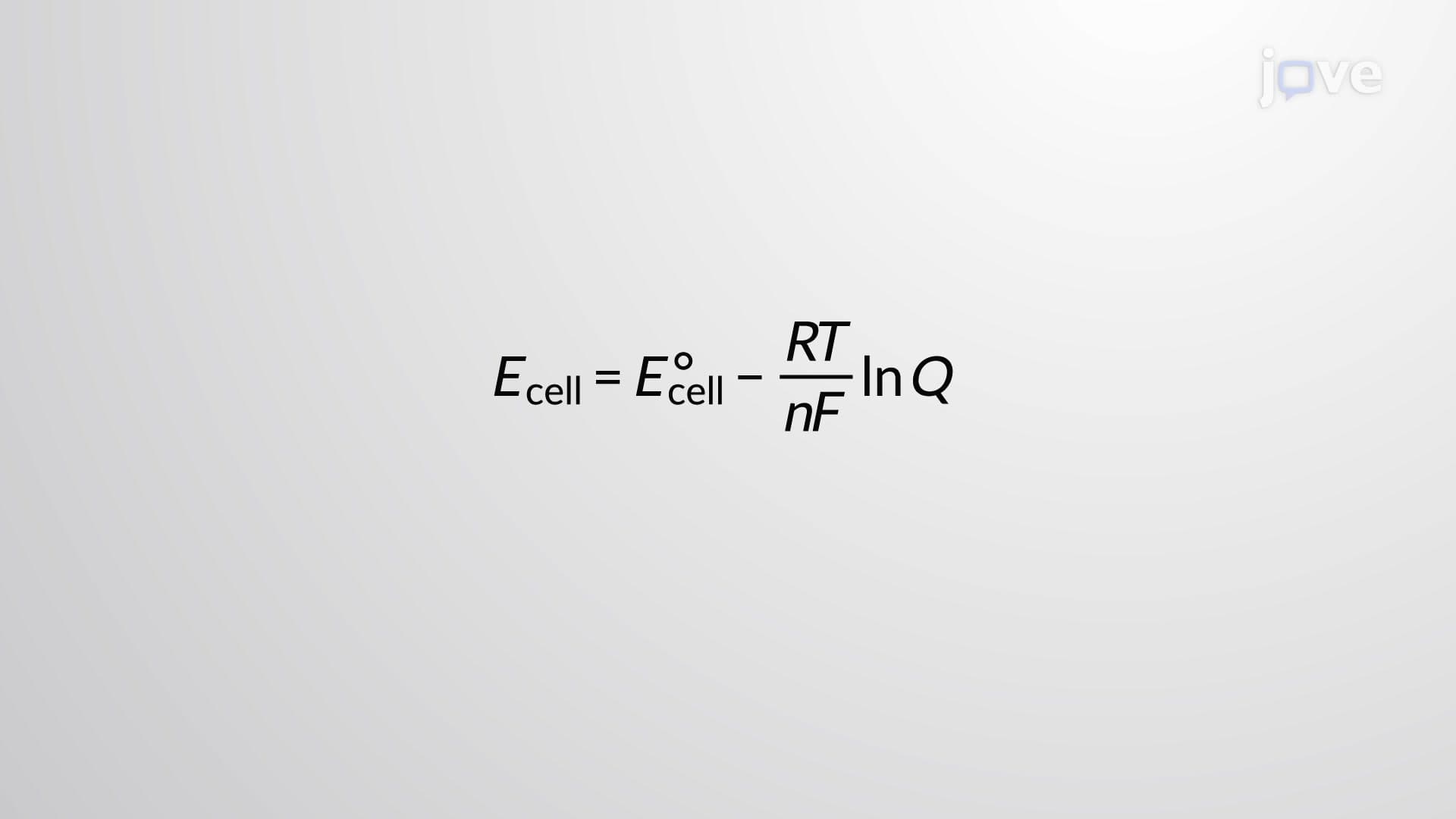
Several variables influence EMF magnitude: reactant identity (some metals like lithium have higher reduction potentials), temperature (higher temperatures generally increase EMF), and ion concentrations (following the Nernst equation). These principles explain why smartphone batteries perform poorly in cold weather and why industrial batteries used in US manufacturing facilities require temperature control systems. For students preparing for the MCAT or advanced chemistry courses, mastering these relationships is essential for predicting electrochemical cell behavior and optimizing battery performance in real-world applications.
Related Micro-courses