Loading concepts…


12 Concepts
7 Concepts
10 Concepts
13 Concepts
10 Concepts
12 Concepts
15 Concepts
8 Concepts
14 Concepts
9 Concepts
21 Concepts
13 Concepts
12 Concepts
10 Concepts
14 Concepts
15 Concepts
10 Concepts
10 Concepts
10 Concepts
10 Concepts
12 Concepts
 12 Concepts
 767K Views
 Popular topics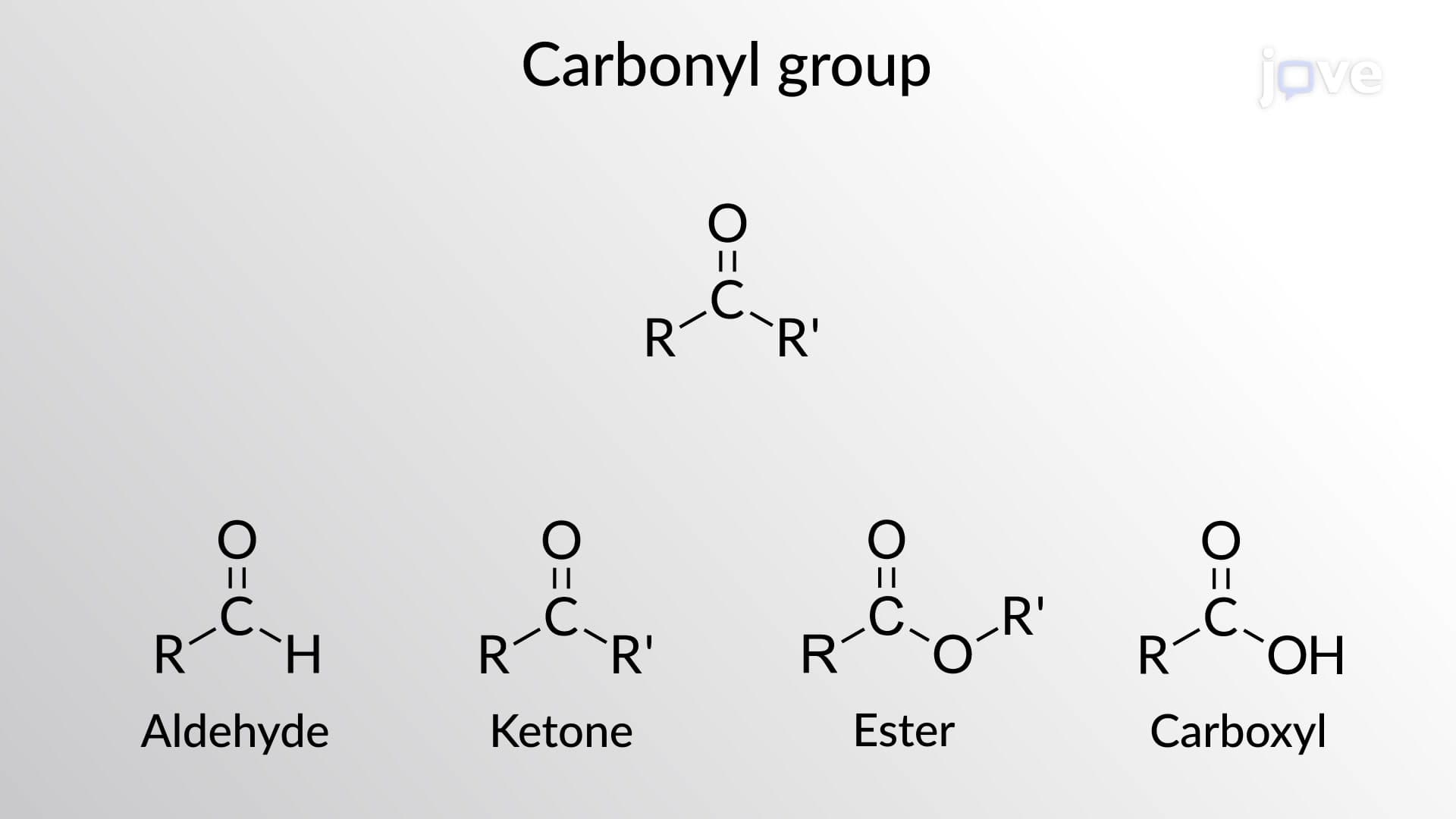

Biochemistry forms the foundation of all life sciences, exploring how biochemical molecules processes drive cellular function. This comprehensive course examines the structure and function of biomolecules-from simple functional groups to complex proteins and nucleic acids. Students will master key molecules and reactions in biochemistry essential for success in pre-med programs, AP Biology, and health sciences. JoVE Coach delivers complex molecular concepts through clear, visual explanations.
1. Functional Groups and Molecular Recognition Master the six essential functional groups-hydroxyl, carboxyl, amino, phosphate, methyl, and sulfhydryl-that determine biomolecular properties. Understanding these chemical groups explains how aspirin inhibits inflammation through acetylation, why diabetes affects glucose metabolism, and how neurotransmitters like dopamine bind to specific receptors. These reactive sites drive all biochemical reactions from protein folding to DNA replication, making them fundamental to pharmaceutical development and medical diagnostics used throughout American healthcare systems.
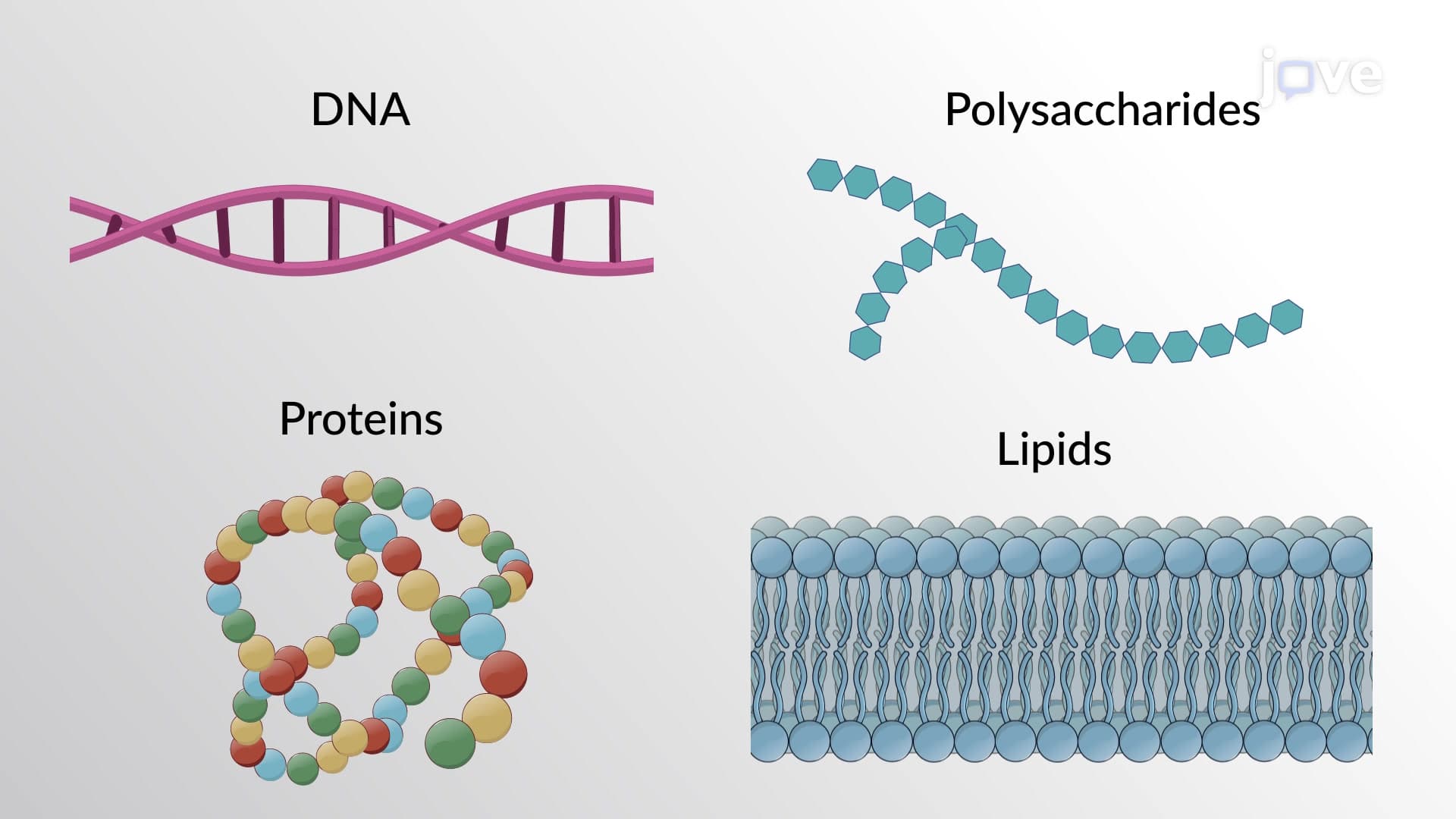
2. Biological Polymers and Macromolecule Assembly Explore how monomers link through dehydration synthesis to create life's essential macromolecules. This process builds proteins from amino acids, DNA from nucleotides, and starch from glucose units. Real-world applications include understanding how insulin (a protein hormone) treats diabetes, how dietary fiber (cellulose) affects digestion, and how PCR amplifies DNA for COVID-19 testing. American biotechnology companies like Genentech and Amgen rely on these polymerization principles for drug manufacturing and genetic engineering applications.
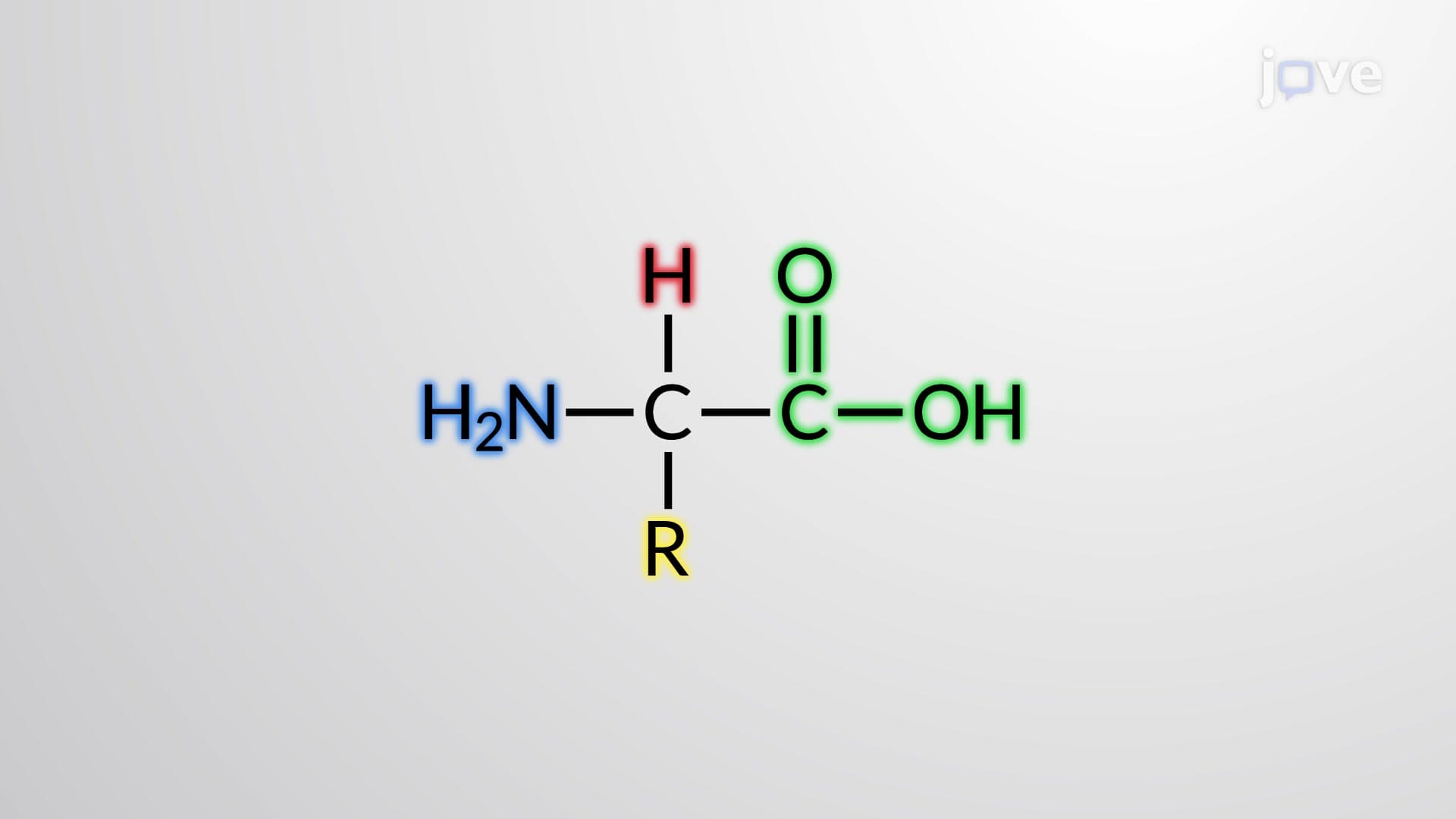
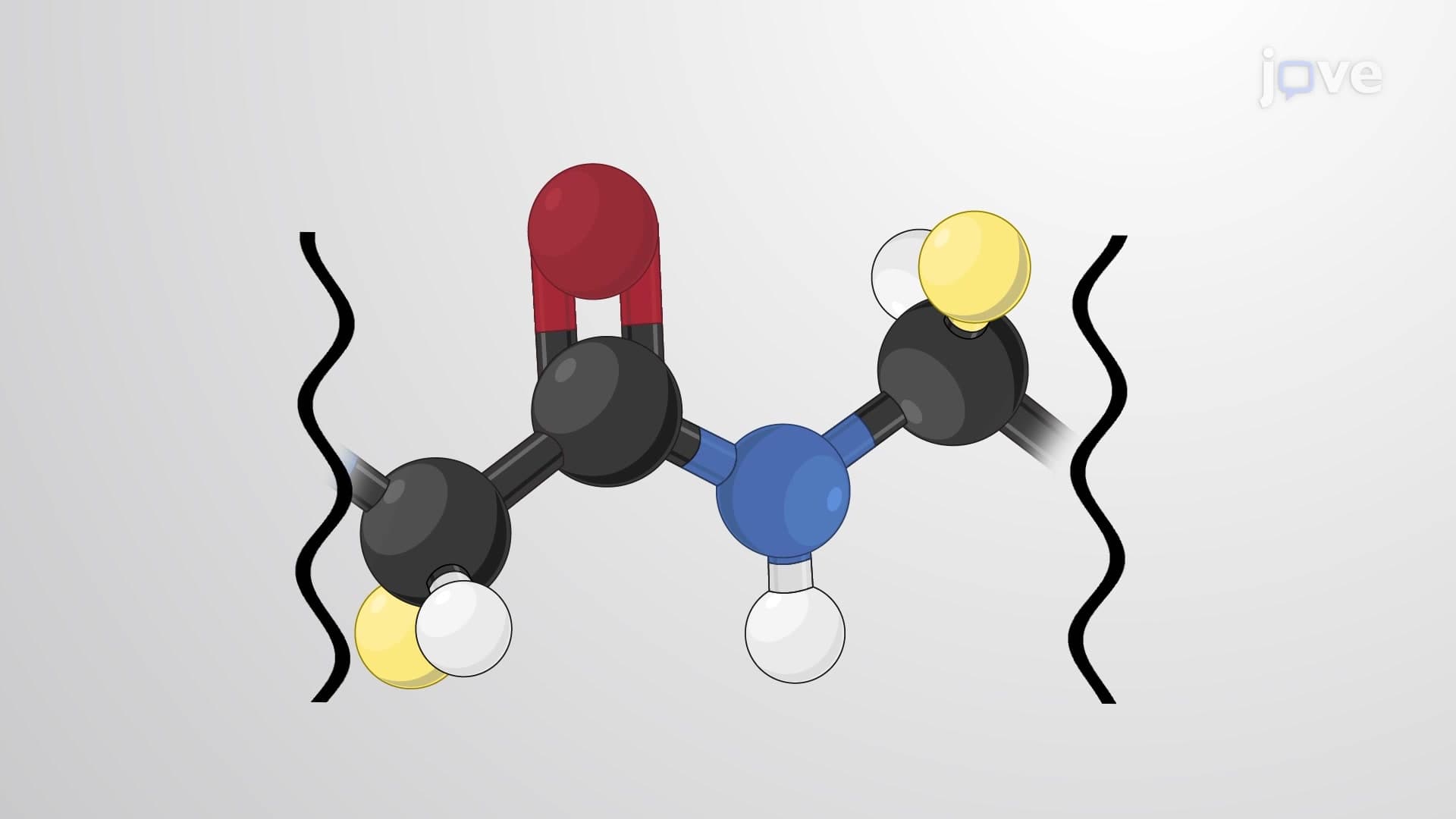
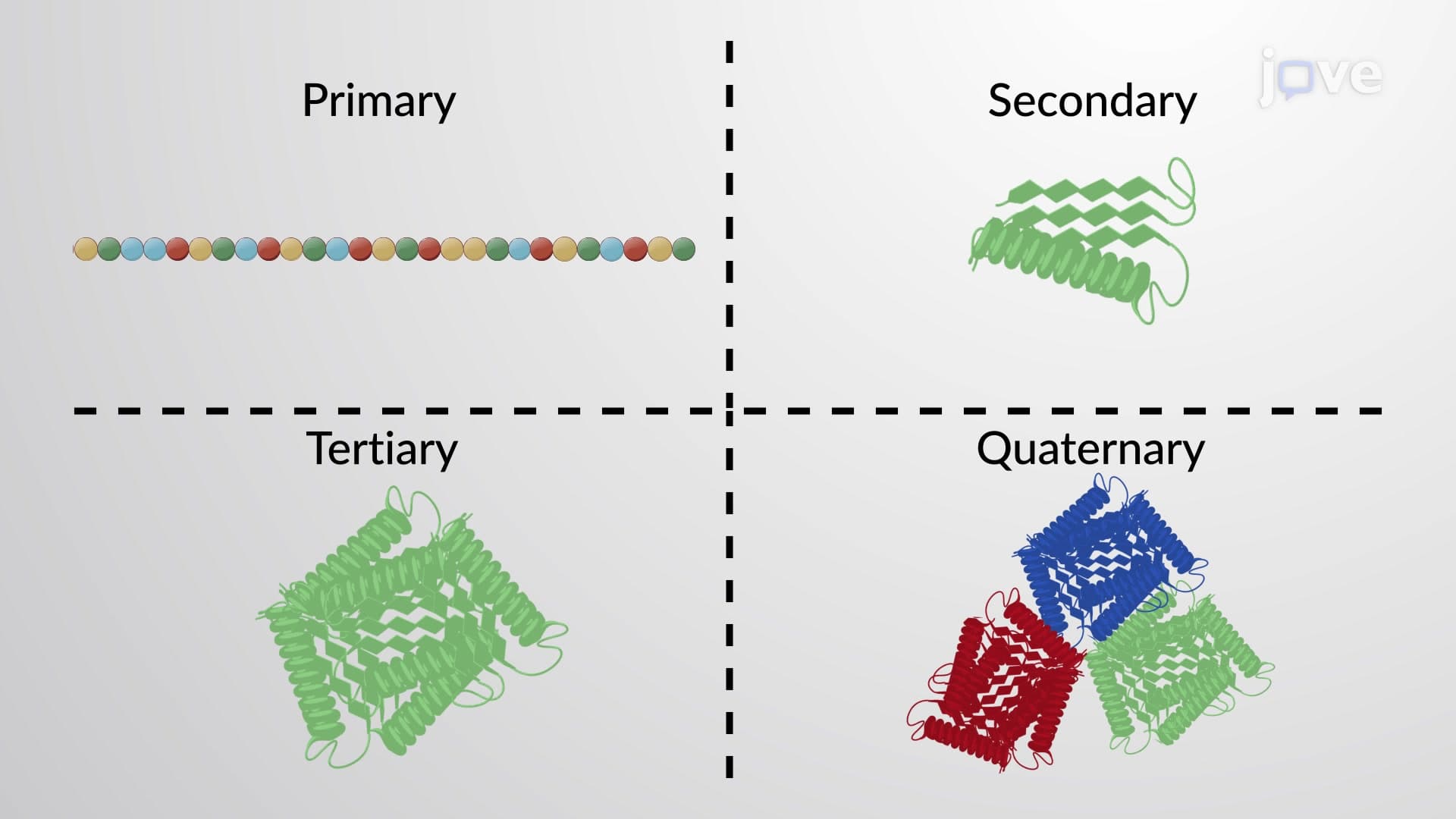
3. Amino Acids, Peptide Bonds, and Protein Architecture Study the 20 standard amino acids and their classification into nonpolar, polar, acidic, and basic groups. Learn how peptide bond formation creates protein chains and how four levels of structure-primary through quaternary-determine function. Clinical relevance includes sickle cell anemia (single amino acid change), protein denaturation in cooking, and how medications like ACE inhibitors treat hypertension by blocking specific protein interactions. Understanding protein structure guides American pharmaceutical research and personalized medicine approaches.
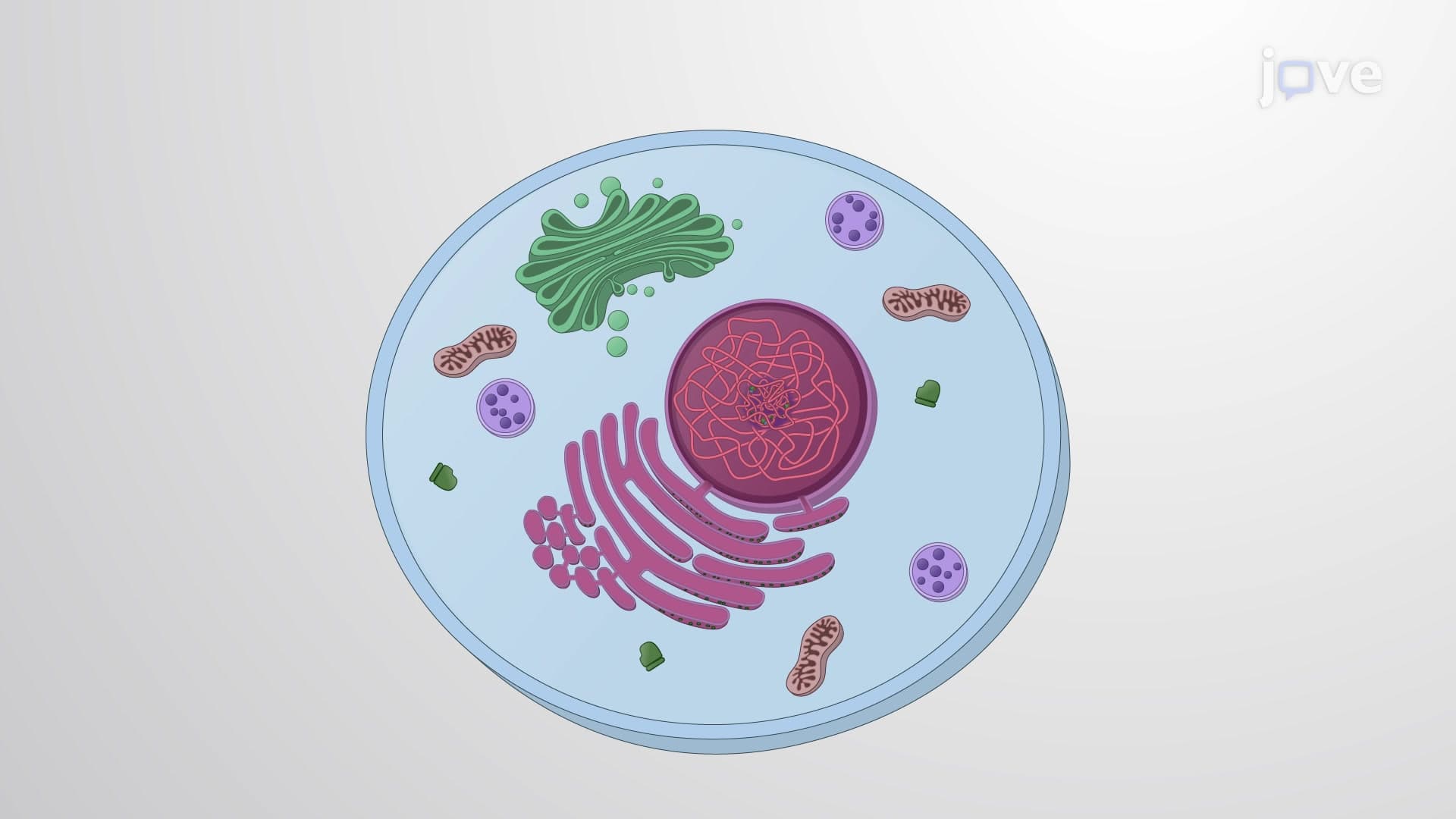
4. Cellular Chemistry and Metabolic Environment Examine how water's polar nature creates the cellular environment supporting life processes. Understand pH buffering systems maintaining cytoplasmic conditions around 7.2 while lysosomes operate at pH 5.0. This knowledge explains how antacids neutralize stomach acid, why IV fluids must match blood pH, and how kidney disease affects acid-base balance. American medical practice relies on these principles for patient care, from managing diabetic ketoacidosis to understanding drug distribution in body compartments.
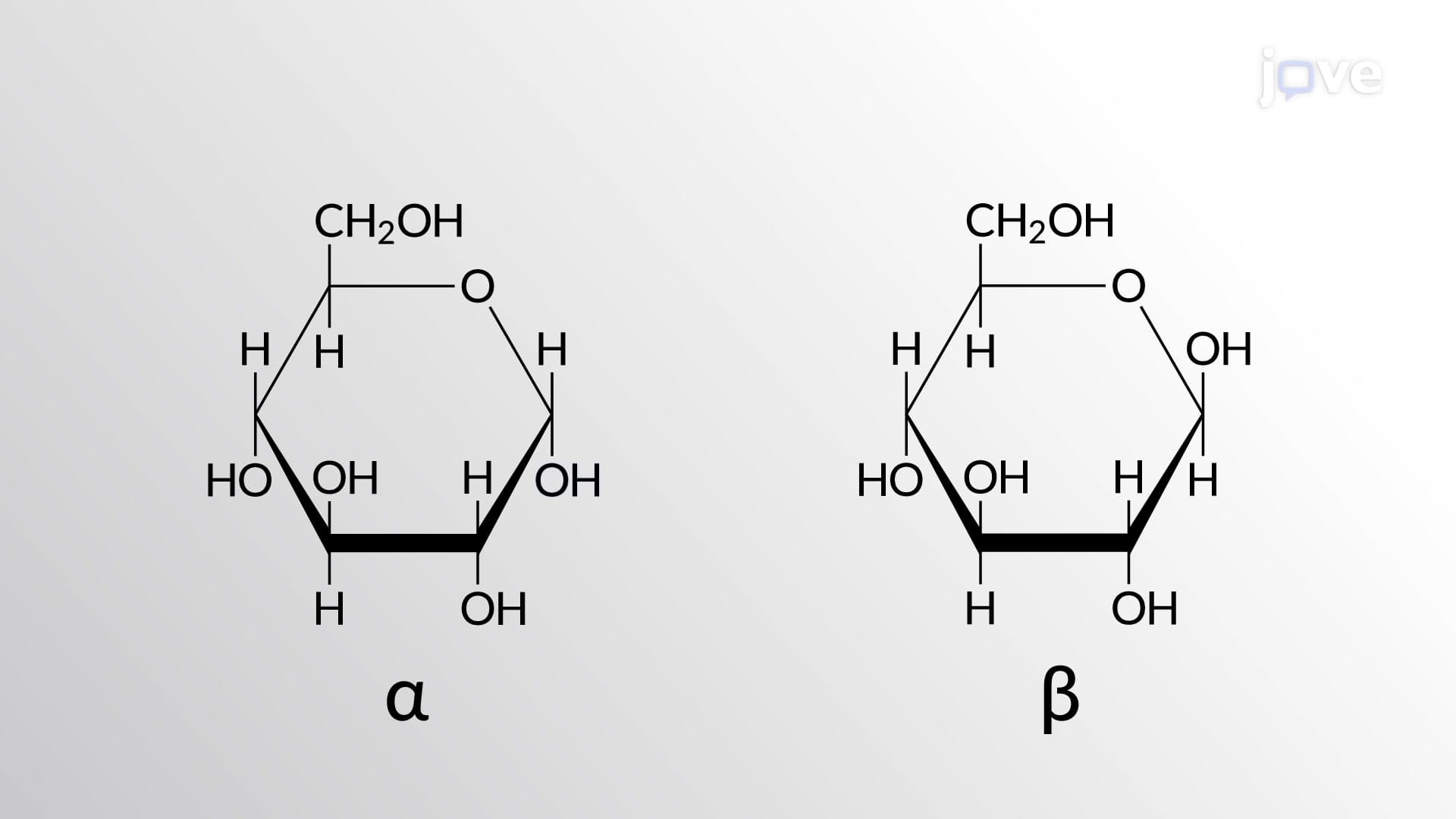
5. Carbohydrate Structure and Energy Metabolism Analyze monosaccharides, disaccharides, and polysaccharides from glucose rings to glycogen branching. Understanding stereochemistry explains why humans can't digest cellulose but can metabolize starch, how lactose intolerance affects dairy consumption, and why diabetics monitor blood glucose levels. American nutritional guidelines and food labeling requirements reflect carbohydrate biochemistry, while sports medicine utilizes glycogen metabolism for athletic performance optimization and recovery strategies.
6. Lipid Architecture and Membrane Biology Master lipid diversity from triglyceride energy storage to phospholipid membrane bilayers and steroid hormone structures. This foundation explains cholesterol's role in atherosclerosis, how soap disrupts bacterial membranes, and why certain vitamins require fat for absorption. American healthcare addresses lipid-related conditions through statin medications, dietary recommendations, and membrane-based drug delivery systems. Understanding saturated versus unsaturated fats guides public health policy and cardiovascular disease prevention.
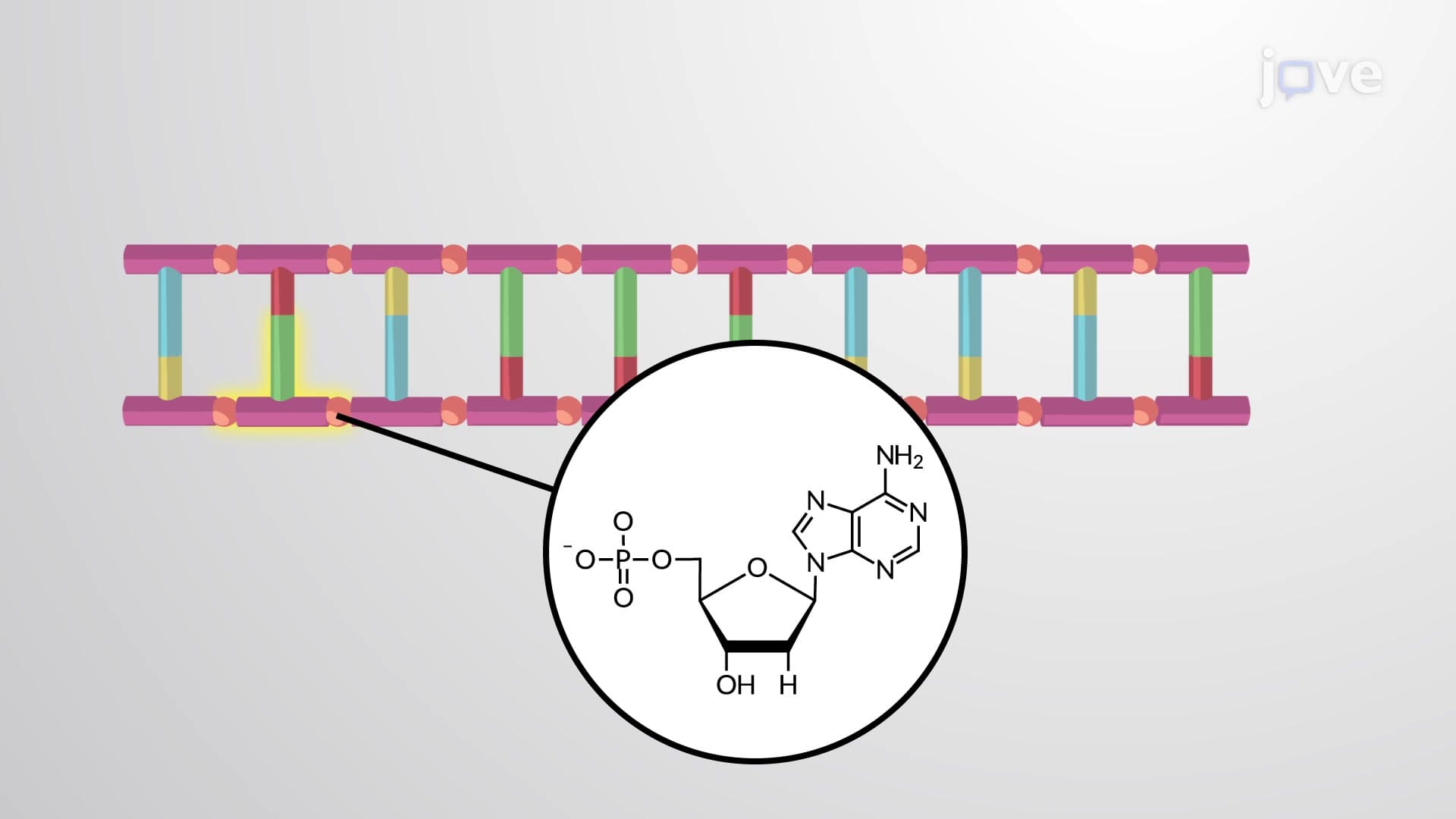
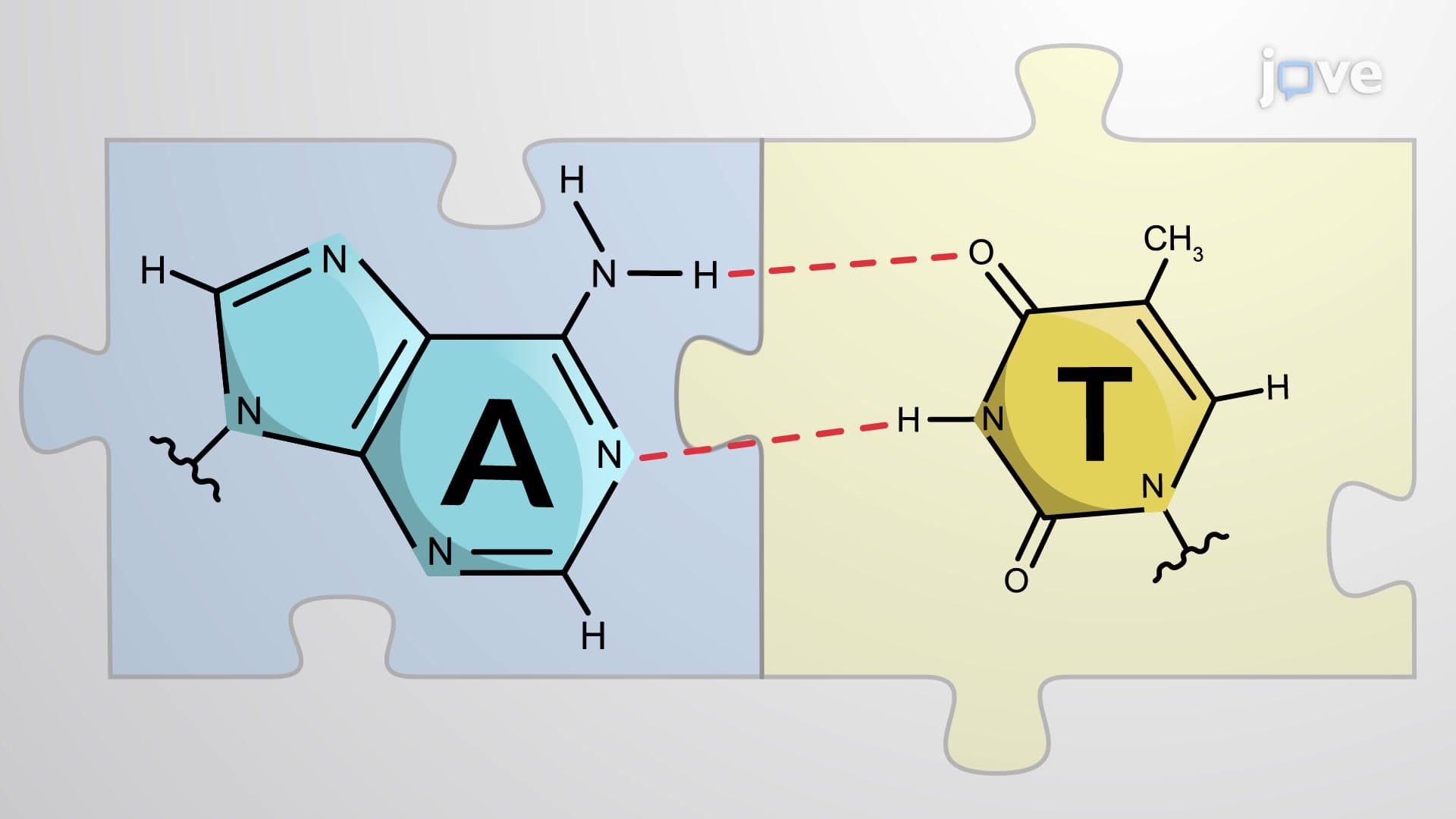
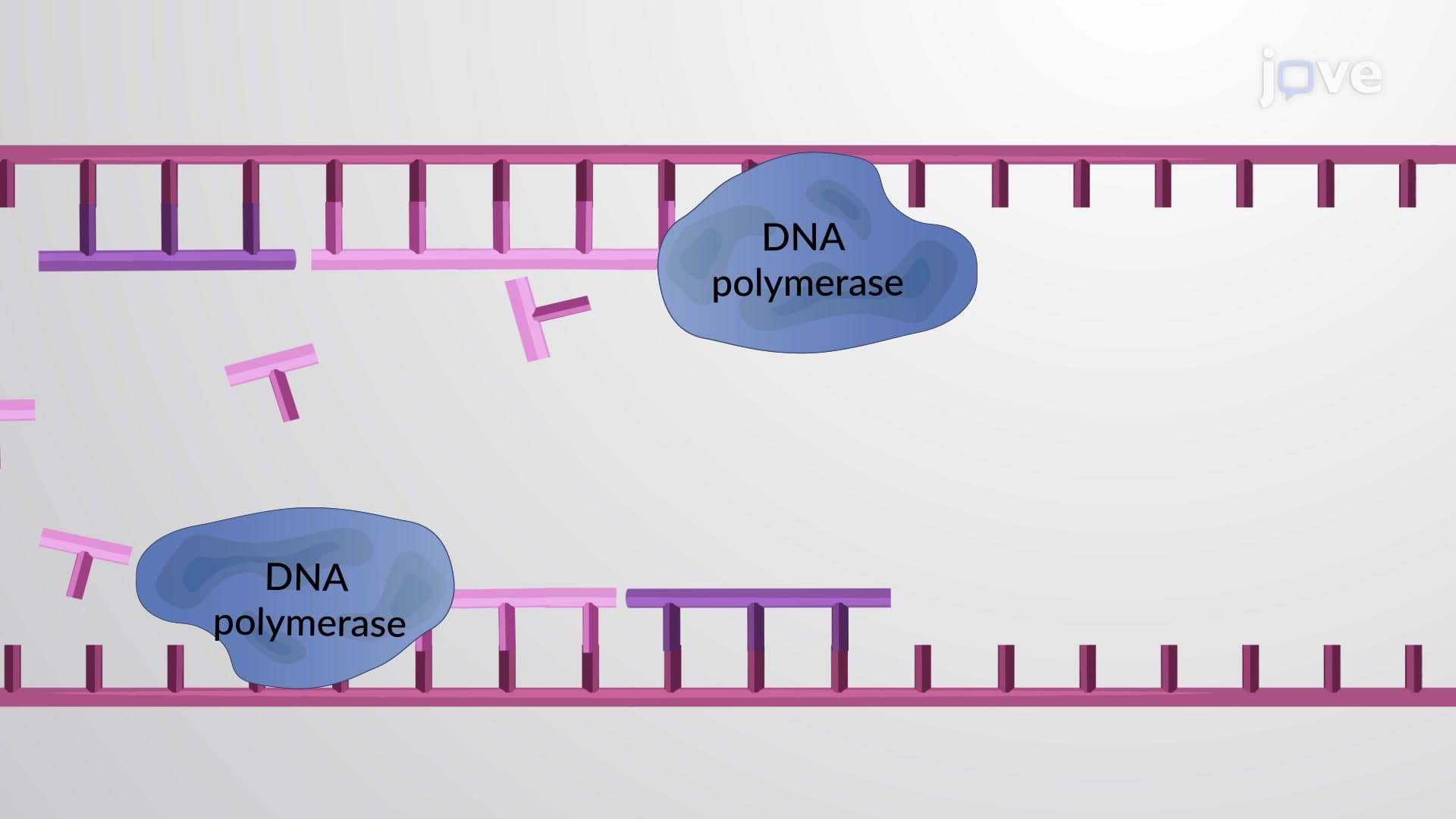
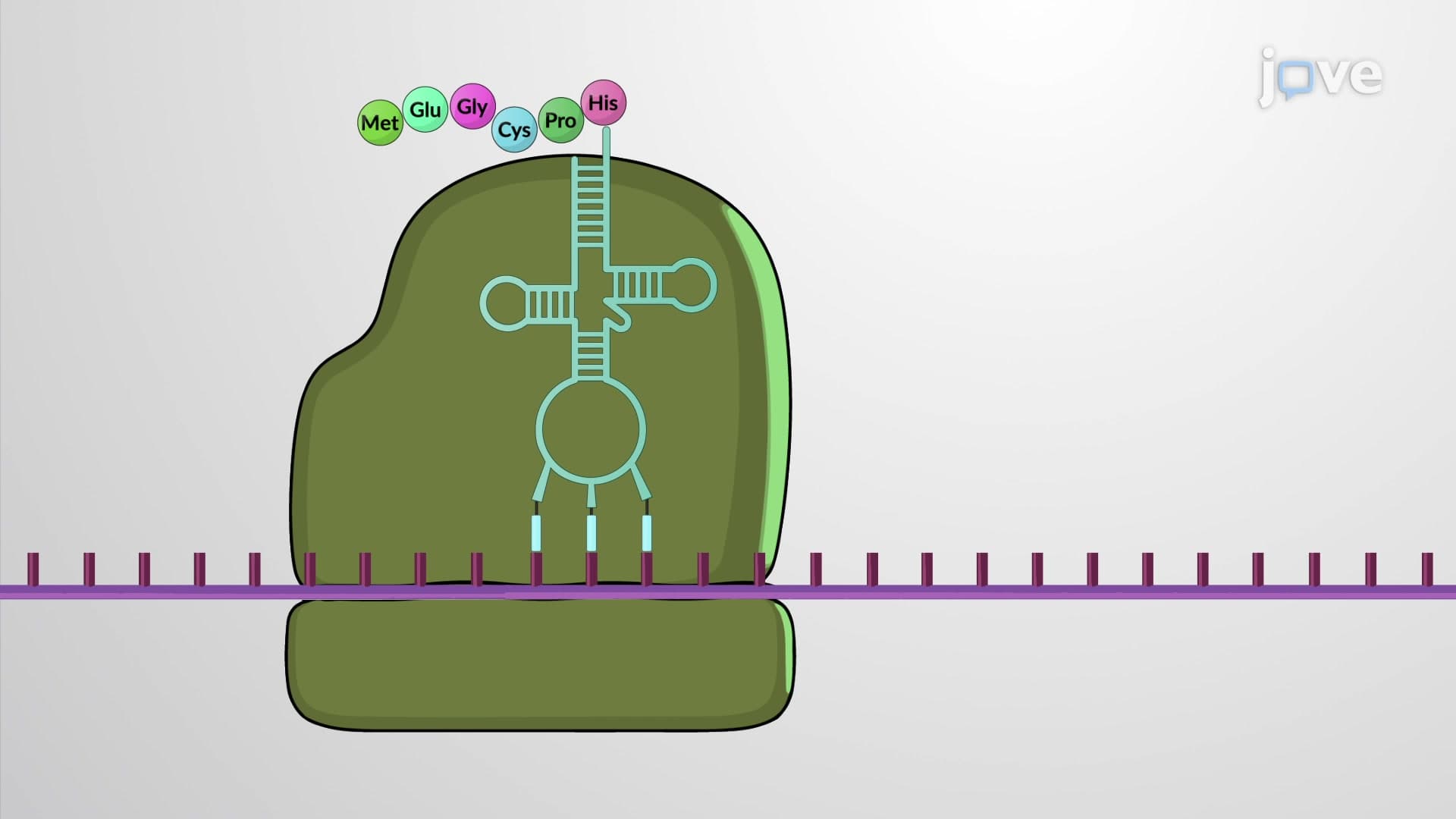
7. Nucleic Acid Structure and Information Flow Explore DNA and RNA structure, base pairing rules, and the central dogma pathway from genes to proteins. Master DNA replication's semiconservative mechanism and transcription-translation processes. These concepts underpin genetic testing for inherited diseases, mRNA vaccine technology used for COVID-19 prevention, and gene therapy approaches for conditions like sickle cell disease. American biotechnology and pharmaceutical industries depend on nucleic acid biochemistry for developing treatments and diagnostic tools revolutionizing modern medicine.