Loading subject page…


767,002 views
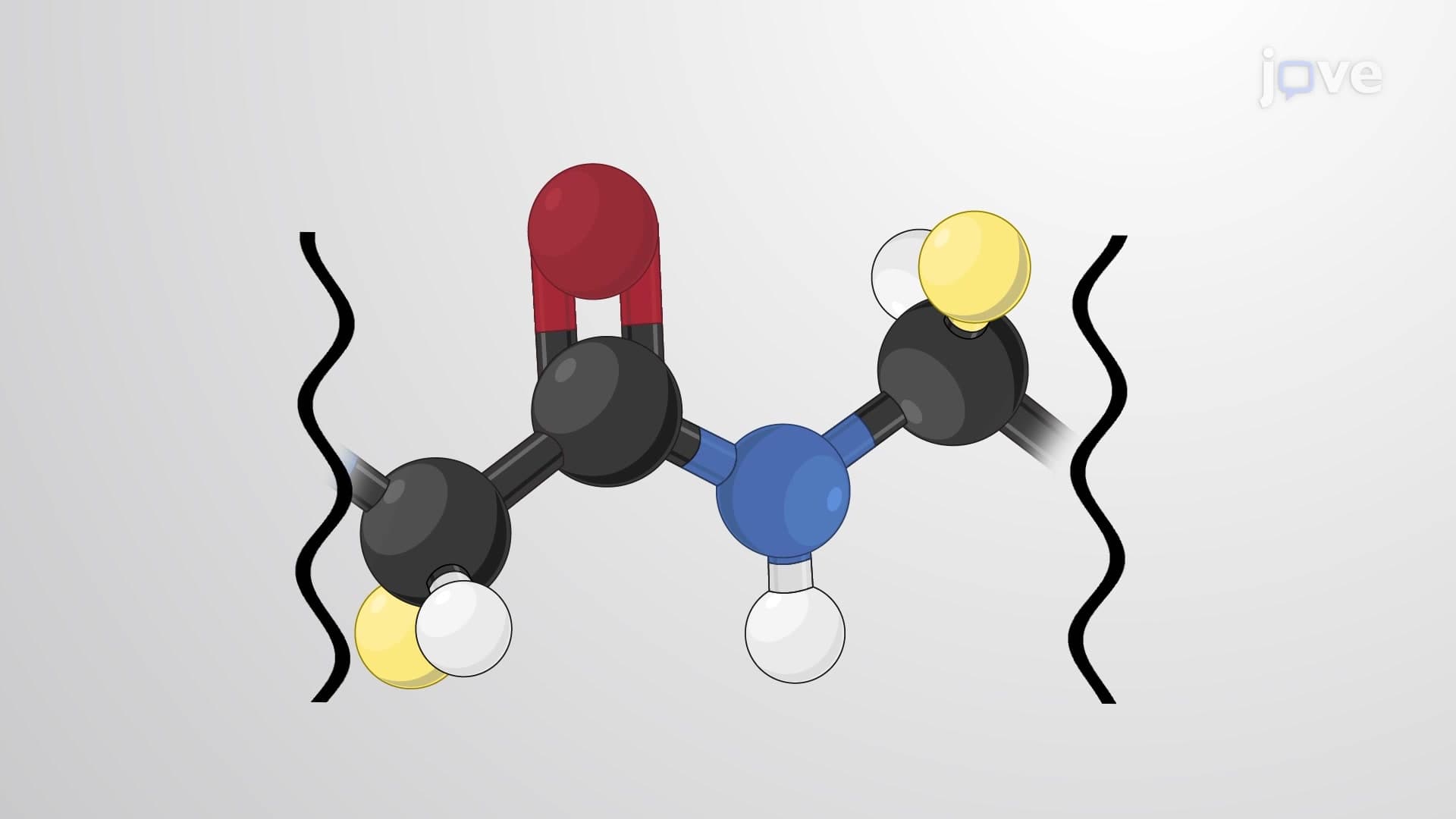

Video Summary: What are Peptide Bonds
Ever wonder how insulin, the life-saving hormone used by millions of Americans with diabetes, maintains its structure? Peptide bonds are the crucial chemical links that hold amino acids together, forming the backbone of all proteins in our bodies. These covalent connections create everything from enzymes that digest our food to antibodies that fight infections. Understanding what are peptide bonds reveals the fundamental chemistry behind life itself. Watch the full video on JoVE Coach to master this concept with expert-led visuals and step-by-step explanations.
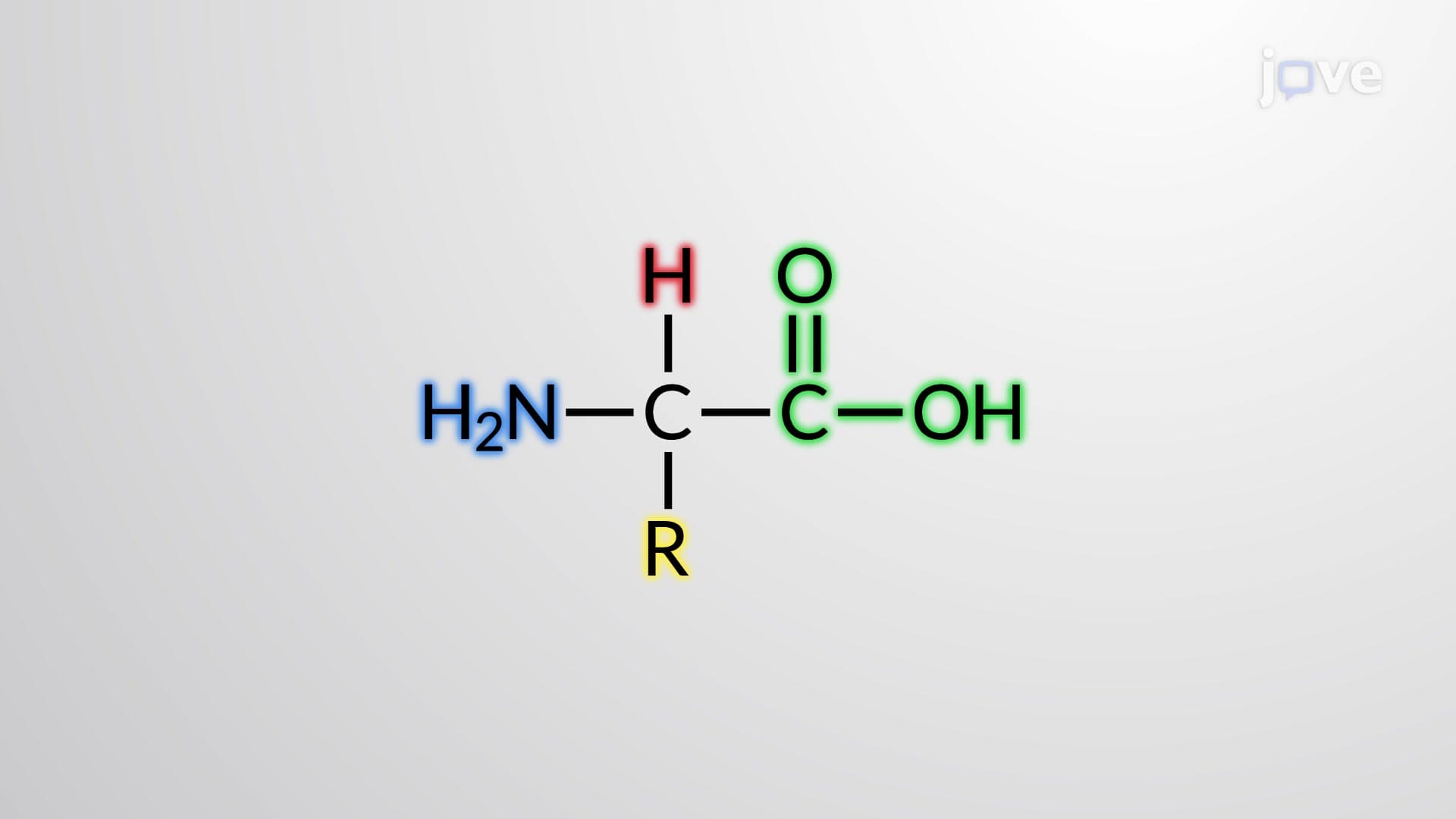
Peptide bonds represent one of the most fundamental chemical connections in biochemistry, serving as the backbone that holds proteins together. These covalent bonds form when the carboxyl group (-COOH) of one amino acid links with the amino group (-NH₂) of another amino acid, creating an amide linkage that defines protein structure.
The formation of peptide bonds occurs through a dehydration synthesis reaction, also called a condensation reaction. During this process, the hydroxyl group (OH) from the carboxyl group combines with a hydrogen atom (H) from the amino group, releasing a water molecule (H₂O). This reaction requires energy input, which cells provide through ATP hydrolysis in living systems.
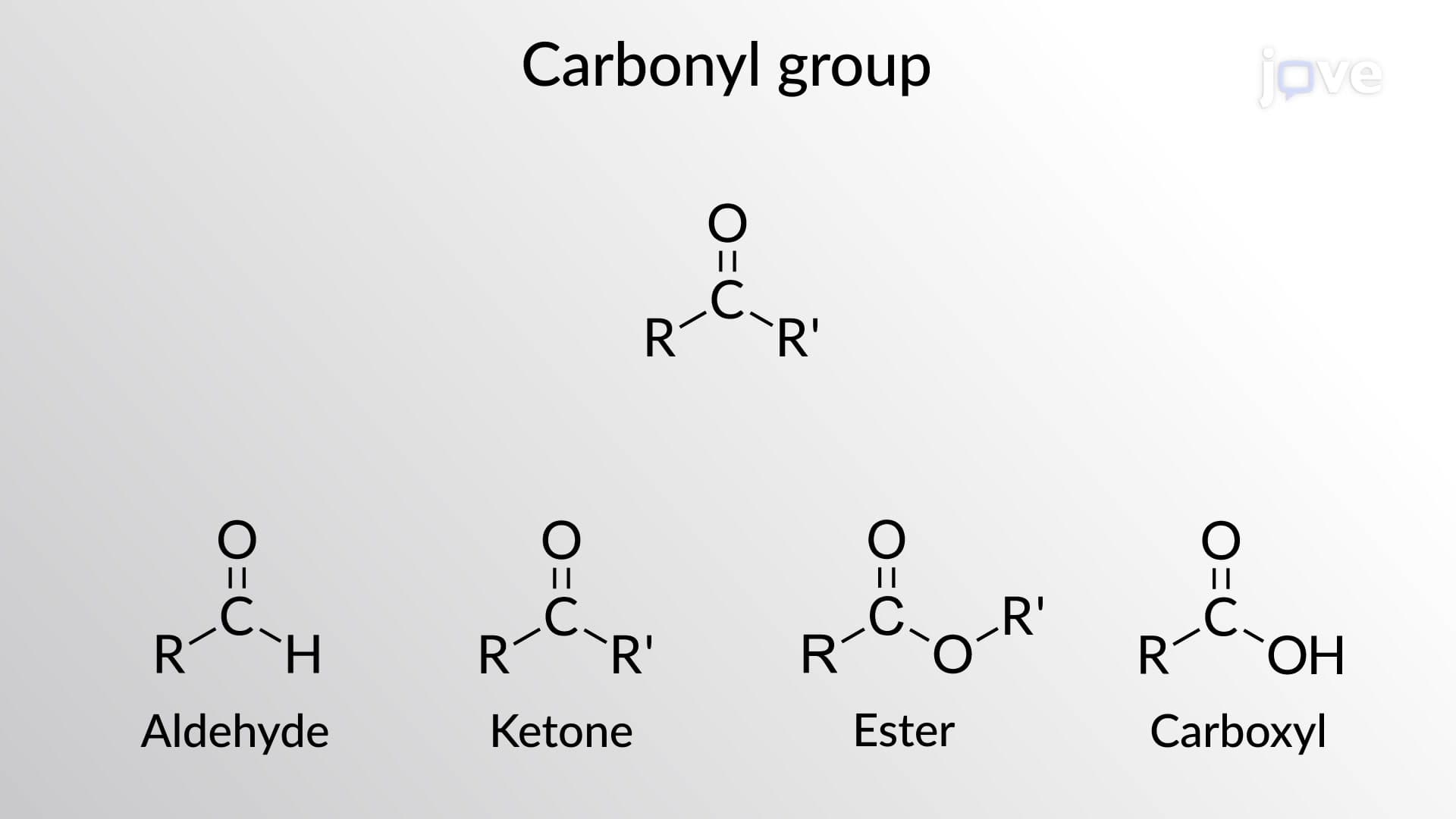
What makes peptide bonds particularly interesting is their partial double-bond character. The carbonyl carbon-oxygen double bond can form resonance structures with the carbon-nitrogen single bond, creating what biochemists call "resonance stabilization." This phenomenon gives peptide bonds their characteristic rigidity and planar structure, restricting rotation around the bond and contributing to protein stability.
Peptide bonds exist primarily in two conformations: trans and cis. In the trans conformation, the alpha carbons of adjacent amino acids lie on opposite sides of the peptide bond, while in the cis conformation, they appear on the same side. The trans form predominates in nature due to reduced steric hindrance, except when proline participates in bond formation. Proline's unique cyclic structure creates less steric clash in the cis position, making cis-proline bonds more common than other cis peptide bonds.
Understanding peptide bonds proves essential for students pursuing healthcare careers in the United States. Medical students preparing for the MCAT encounter peptide bond questions in the biochemistry section, while nursing students studying for the NCLEX must understand protein structure for medication metabolism concepts. In clinical practice, American hospitals use proteolytic enzymes like pepsin and trypsin to break down dietary proteins through peptide bond hydrolysis, converting complex proteins into absorbable amino acids.
Students in AP Biology courses frequently encounter peptide bond questions when studying protein structure and enzyme function. College biochemistry midterms typically include peptide bond mechanisms, making this concept crucial for pre-med students at universities like Harvard Medical School or Johns Hopkins University.
Related Micro-courses