Loading video…


 12 Concepts
 767K views

Video Summary: What Is Structure of Lipids
Ever wondered why oil and water don't mix, yet your cell membranes depend on this very property? The structure of lipids holds the key to understanding everything from energy storage in adipose tissue to the selective permeability that keeps your neurons functioning. These hydrophobic molecules, including triglycerides found in foods like avocados and phospholipids that form every cell membrane in your body, share common structural features that determine their biological roles. Watch the full video on JoVE Coach to master this concept with expert-led visuals and step-by-step explanations.
The structure of lipids represents one of biology's most elegant examples of form following function. These predominantly hydrophobic biomolecules share common structural themes while exhibiting remarkable diversity in their specific arrangements. At their core, most lipids contain fatty acid chains-hydrocarbon sequences that provide the hydrophobic character essential for their biological roles.
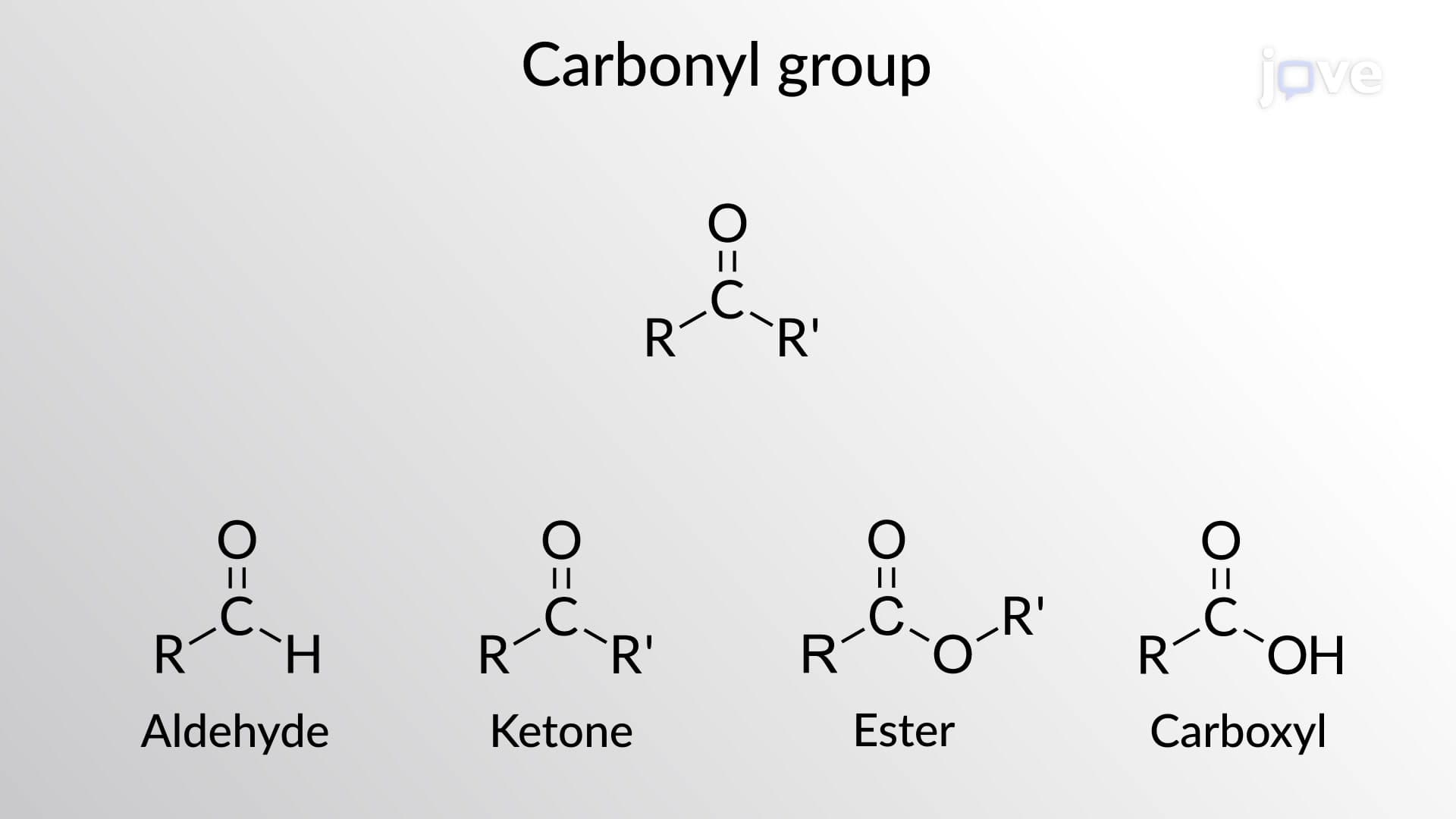
Fatty acids serve as the fundamental building blocks, featuring a distinctive architecture: a methyl group (CH3) at one terminus called the omega carbon, and a carboxyl group (COOH) at the opposite end attached to the alpha carbon. This bipolar structure creates molecules that can interact with both hydrophobic and hydrophilic environments, making them ideal for biological membrane construction and energy storage applications.
The structural diversity of fatty acids directly influences lipid properties and biological function. Saturated fatty acids contain only single bonds between carbon atoms, allowing maximum hydrogen saturation and creating straight, rigid molecular chains. In contrast, unsaturated fatty acids incorporate one or more double bonds, introducing kinks that prevent tight packing and maintain fluidity at physiological temperatures.
The geometric configuration around double bonds further impacts structure. Cis-unsaturated fatty acids, where hydrogen atoms occupy the same side of the double bond, create pronounced molecular bends. Trans-unsaturated fatty acids, with hydrogens on opposite sides, maintain relatively straight conformations. This structural difference has profound health implications-trans fats increase cardiovascular disease risk and are banned from US food products as of 2018, while cis fats like omega-3 fatty acids provide cardioprotective benefits.
Triglycerides exemplify how lipid structure enables function. Three fatty acid chains attach to a glycerol backbone through ester linkages, creating highly nonpolar molecules perfect for efficient energy storage. This structural arrangement allows triglycerides to pack densely in adipocytes, storing more than twice the energy per gram compared to carbohydrates-a crucial advantage for organisms requiring portable energy reserves.
The specific fatty acid composition determines triglyceride properties. Simple triglycerides contain identical fatty acids, while mixed triglycerides incorporate different chains, creating varied melting points and storage characteristics. This structural flexibility allows organisms to optimize energy storage for their environmental conditions.
Phospholipids demonstrate the ultimate structure-function relationship in biological systems. Their amphipathic nature-featuring hydrophilic phosphate-containing heads and hydrophobic fatty acid tails-enables spontaneous bilayer formation in aqueous environments. Glycerophospholipids, the most common membrane lipids, attach two fatty acids and a polar phosphate group to glycerol through ester and phosphodiester linkages, respectively.
This structural organization creates the fundamental architecture of all biological membranes, from the plasma membrane surrounding every cell to the specialized membranes of organelles like mitochondria and chloroplasts. Understanding phospholipid structure is essential for success in advanced biology courses and standardized exams like the AP Biology exam and MCAT, where membrane biology concepts frequently appear.
Related Micro-courses