Loading video…


 12 Concepts
 767K views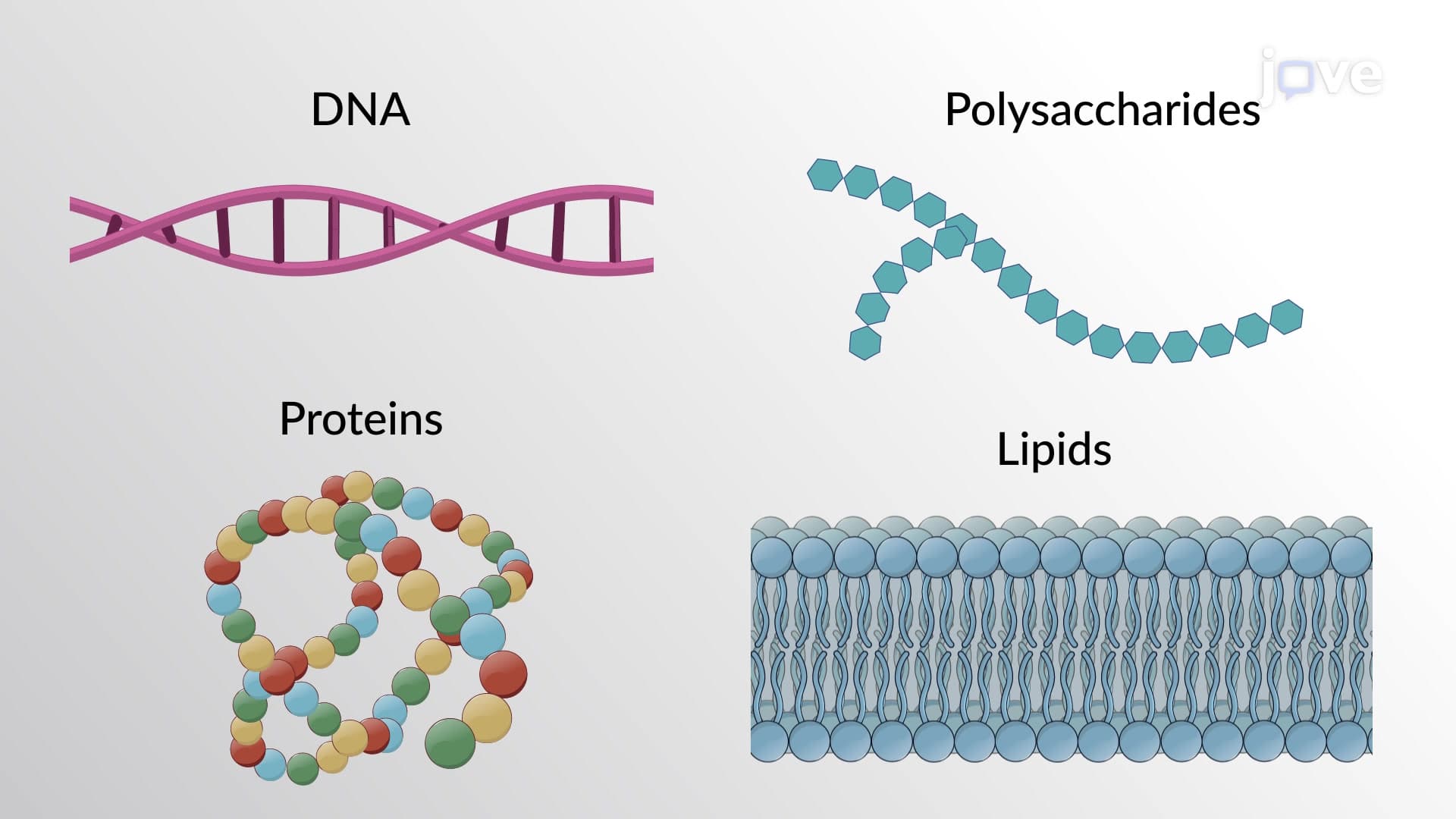

Video Summary: What are Polymers
Did you know that your DNA, the plastic water bottle in your backpack, and the starch in your morning toast are all polymers? Polymers are large molecules made of repeating units called monomers, connected like links in a chain. From the nylon in athletic gear worn by NCAA athletes to the proteins building muscle tissue, these versatile molecules shape our biological and synthetic world. Watch the full video on JoVE Coach to master this concept with expert-led visuals and step-by-step explanations.
Polymers represent one of chemistry's most fundamental concepts, appearing everywhere from the genetic code in our cells to the materials engineering modern technology. These macromolecules consist of repeating structural units called monomers, connected through covalent bonds to form chains that can contain hundreds or thousands of individual units.
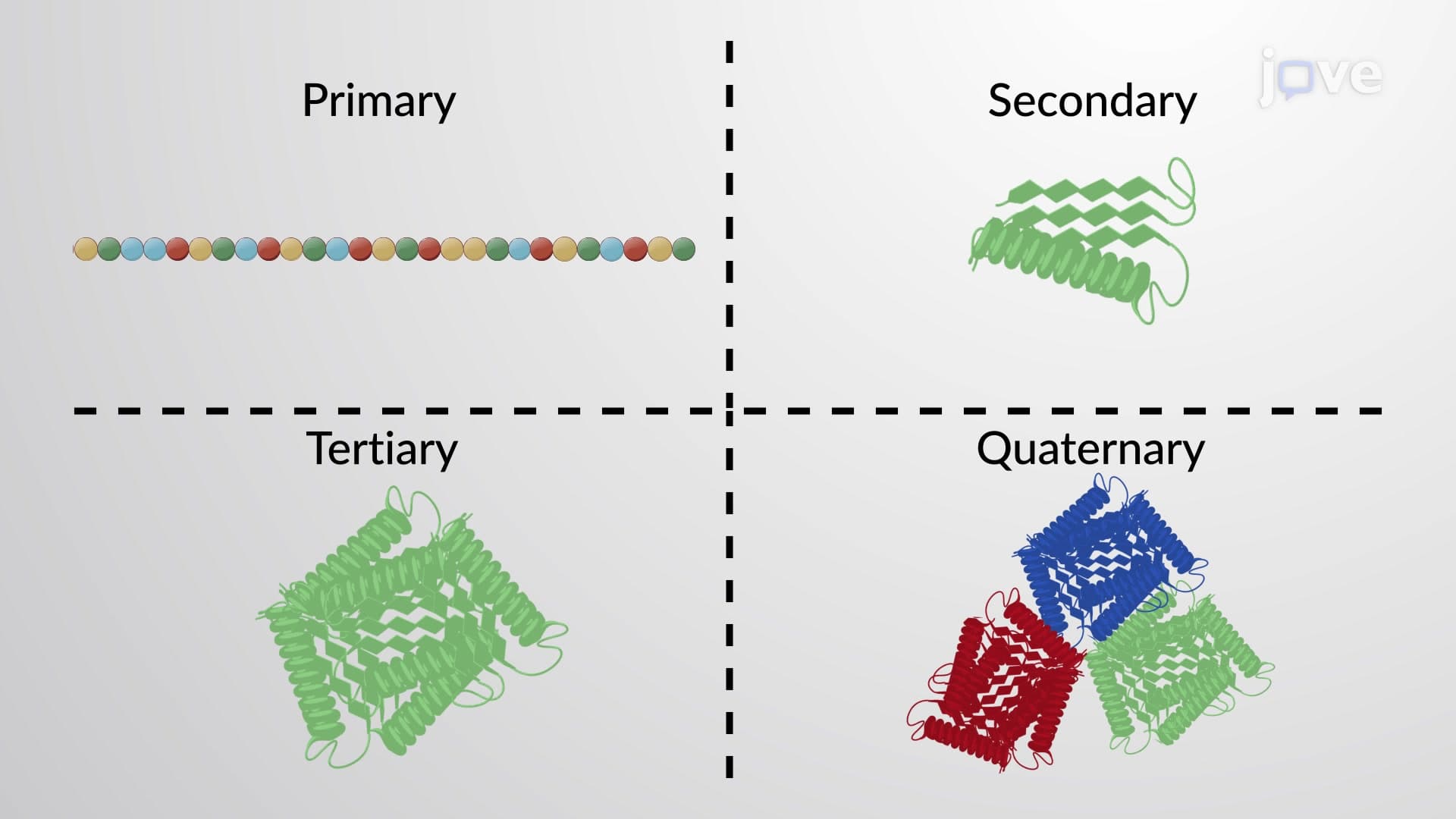
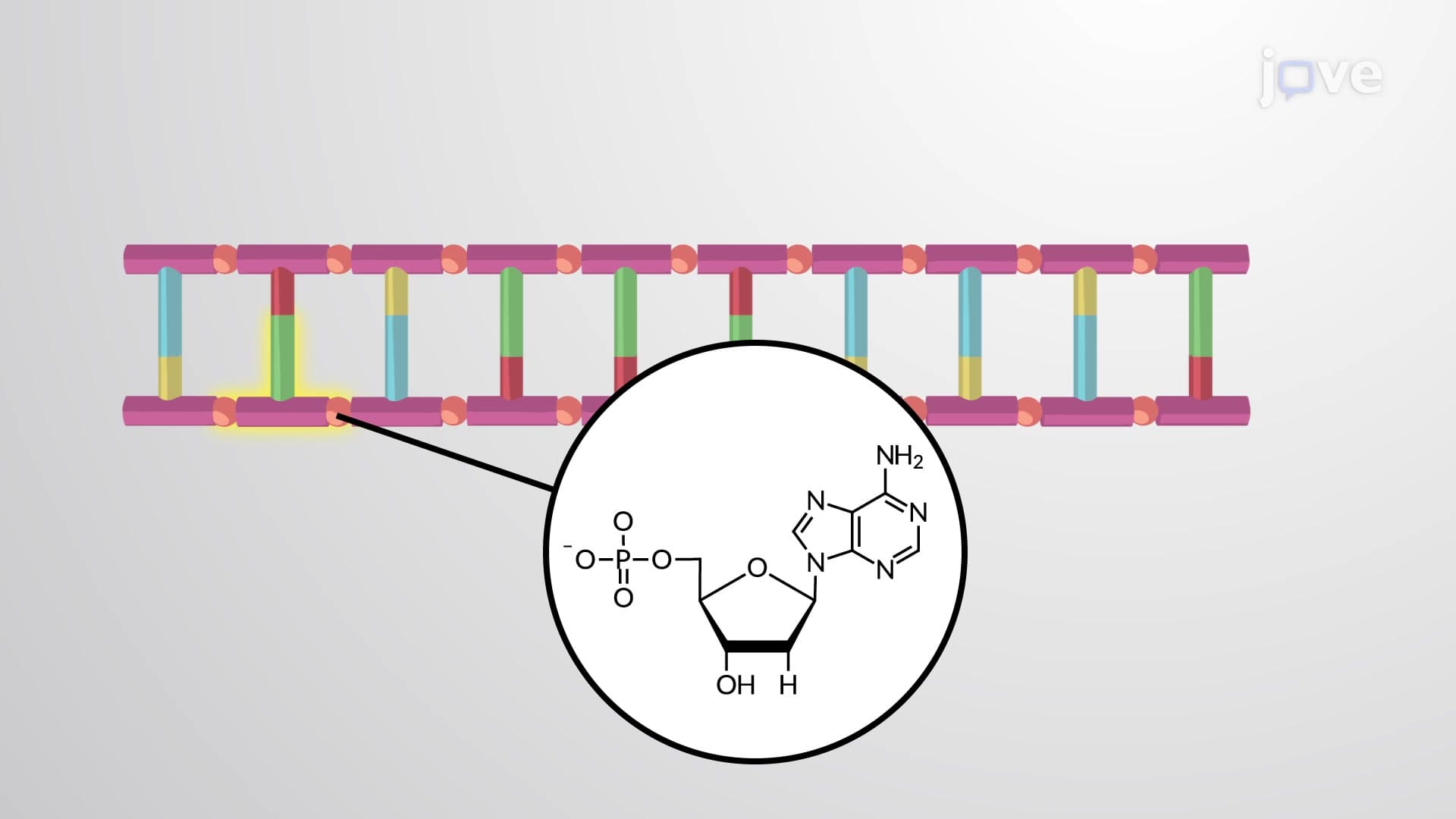
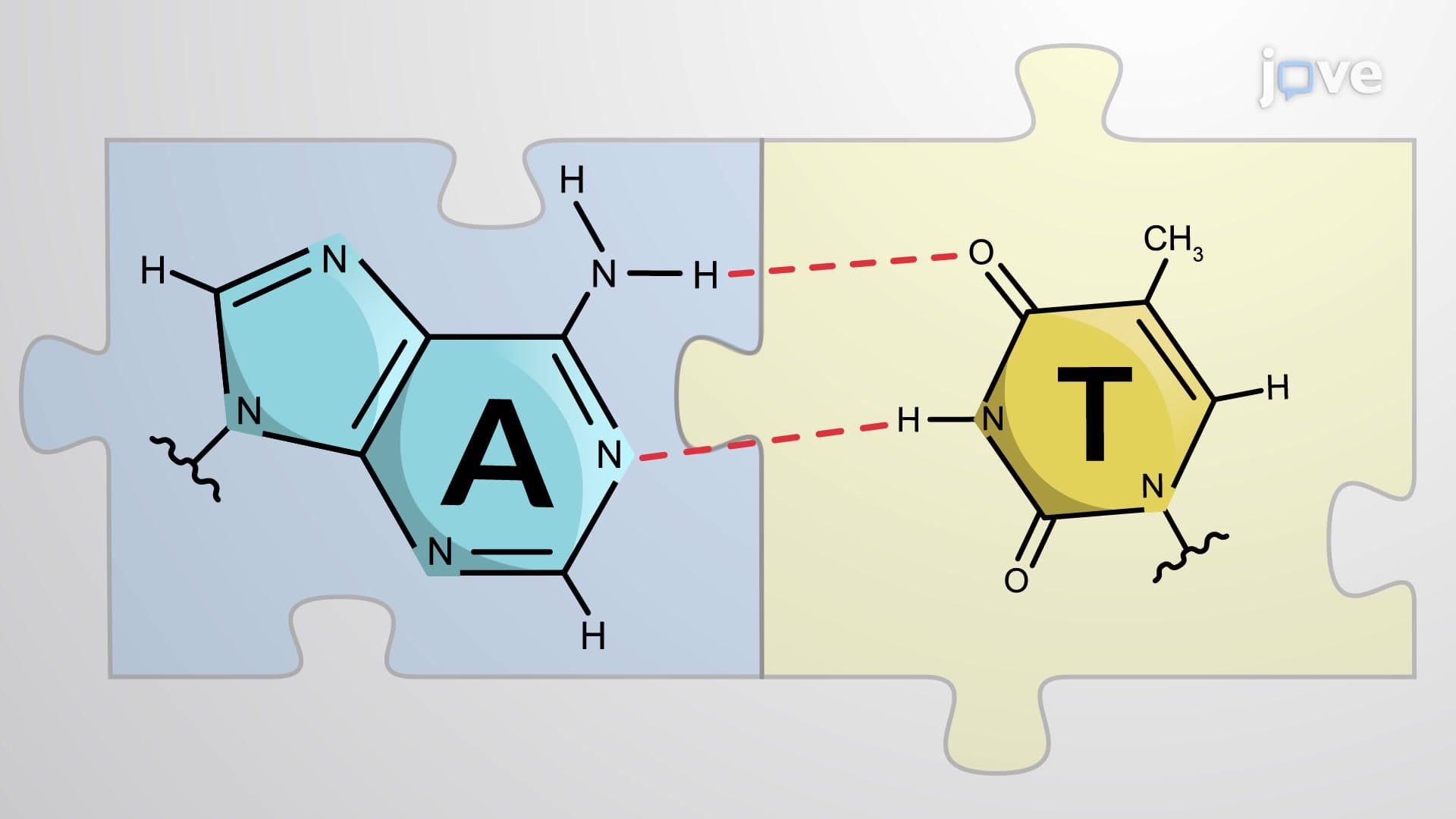
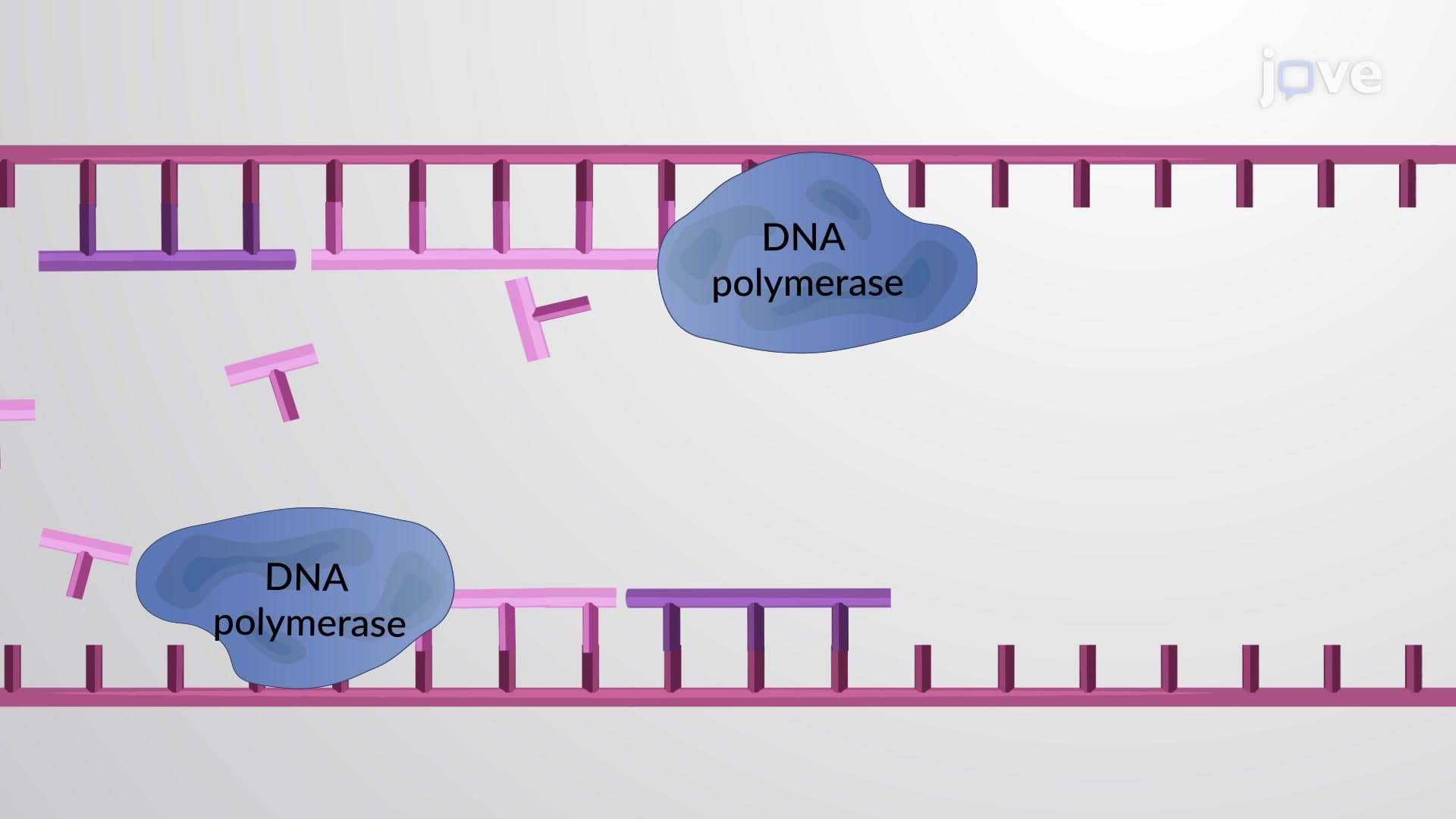
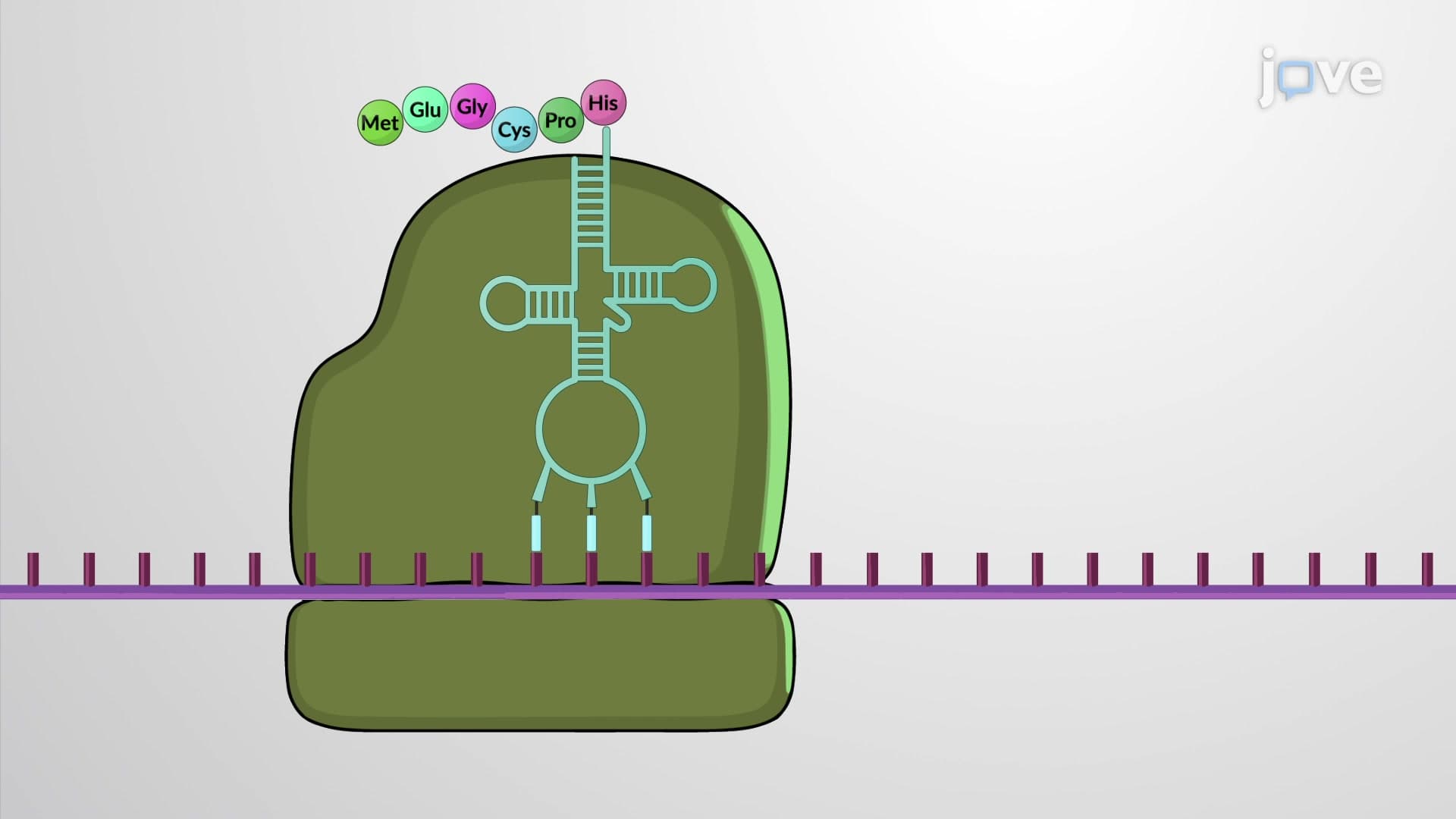
Natural polymers dominate biological systems and include essential molecules like DNA, which stores genetic information in all living organisms. Proteins serve as enzymes, structural components, and signaling molecules, while polysaccharides like cellulose provide structural support in plants. These biological polymers evolved over millions of years to perform specific functions with remarkable efficiency.
Synthetic polymers, developed through industrial chemistry, include everyday materials like polyethylene (plastic bags), nylon (clothing and rope), and Teflon (non-stick cookware). The U.S. plastics industry produces over 75 billion pounds of synthetic polymers annually, demonstrating their economic importance. Students preparing for AP Chemistry or college organic chemistry courses frequently encounter questions comparing natural and synthetic polymer properties.
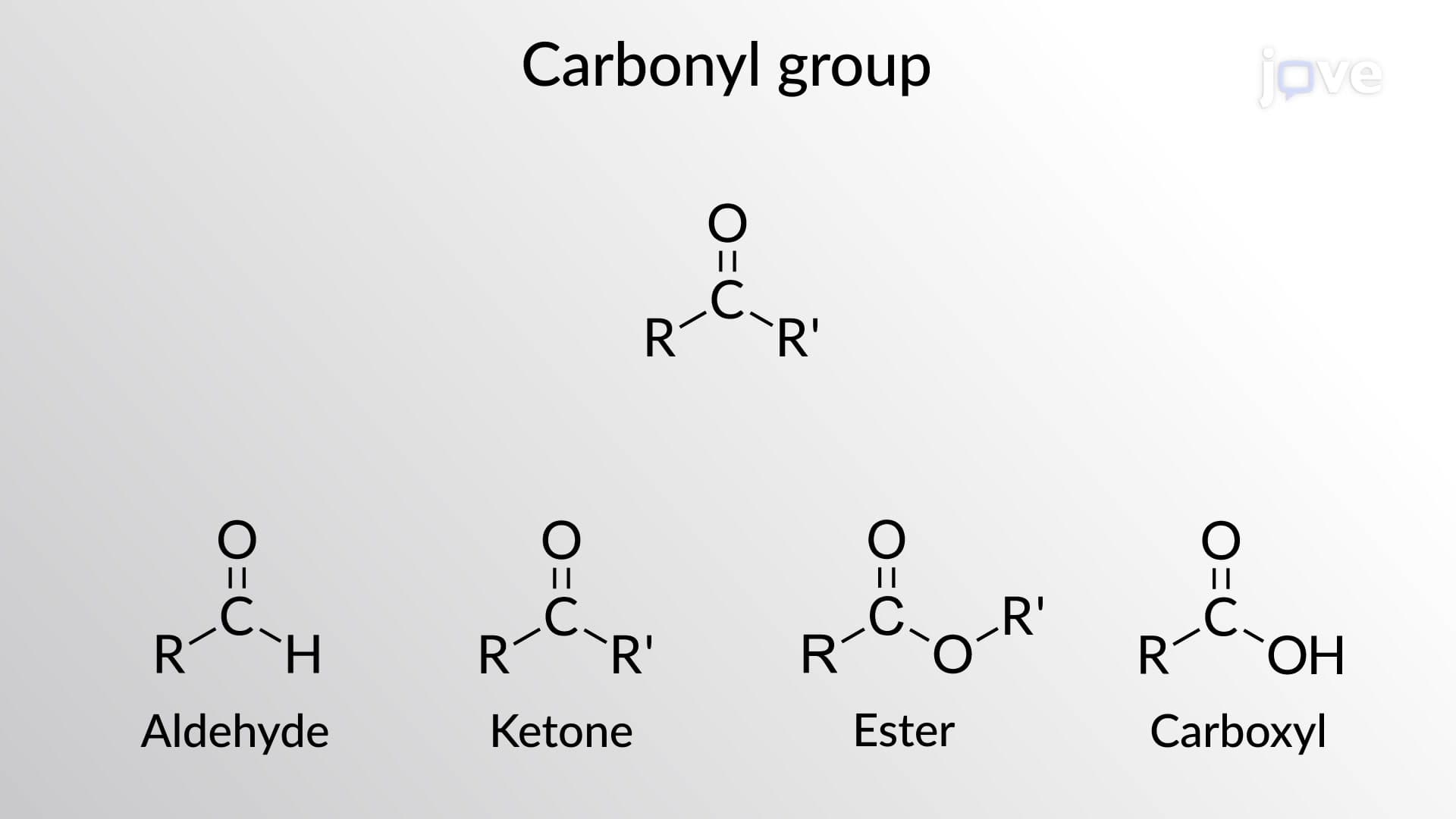
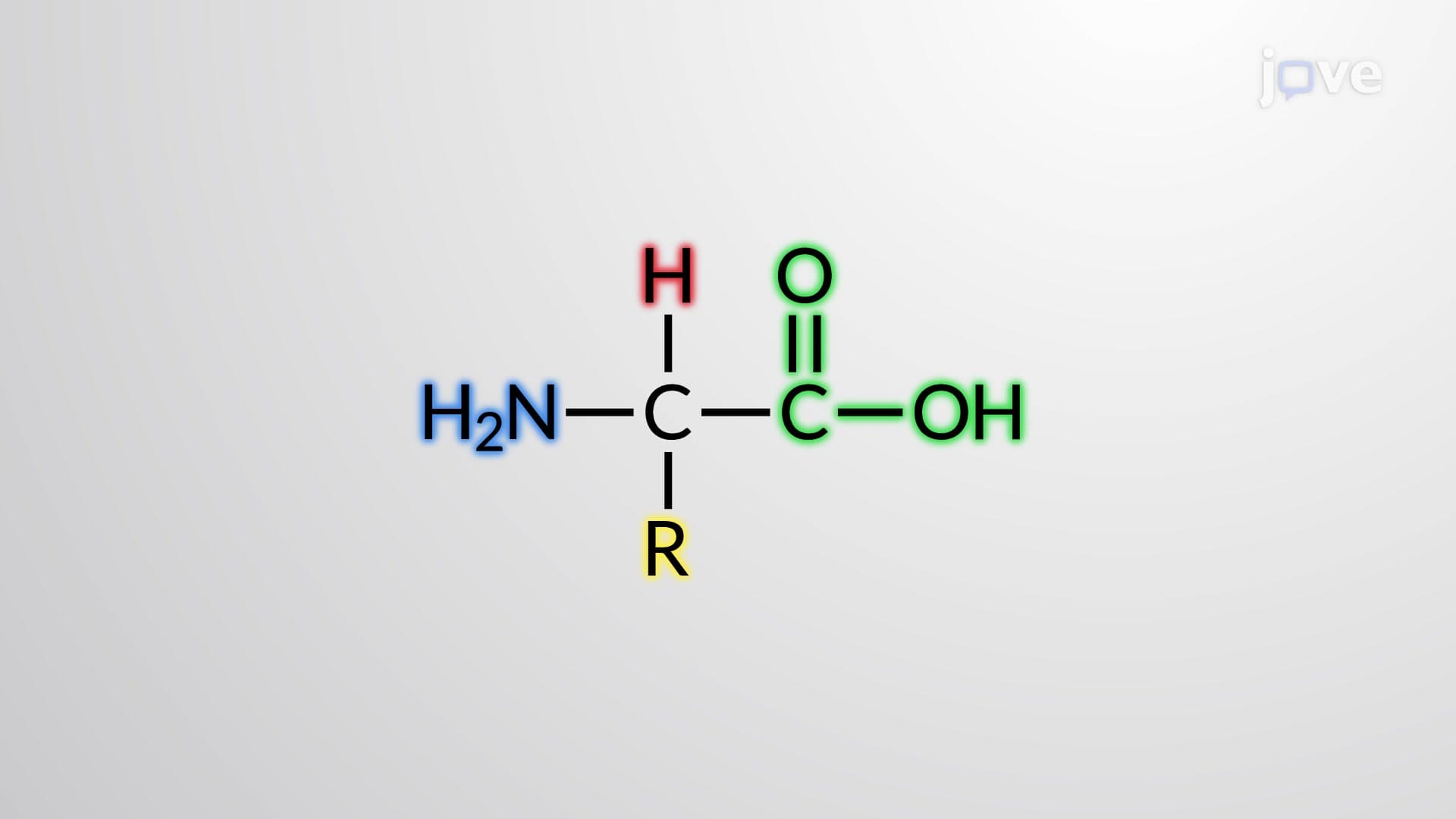
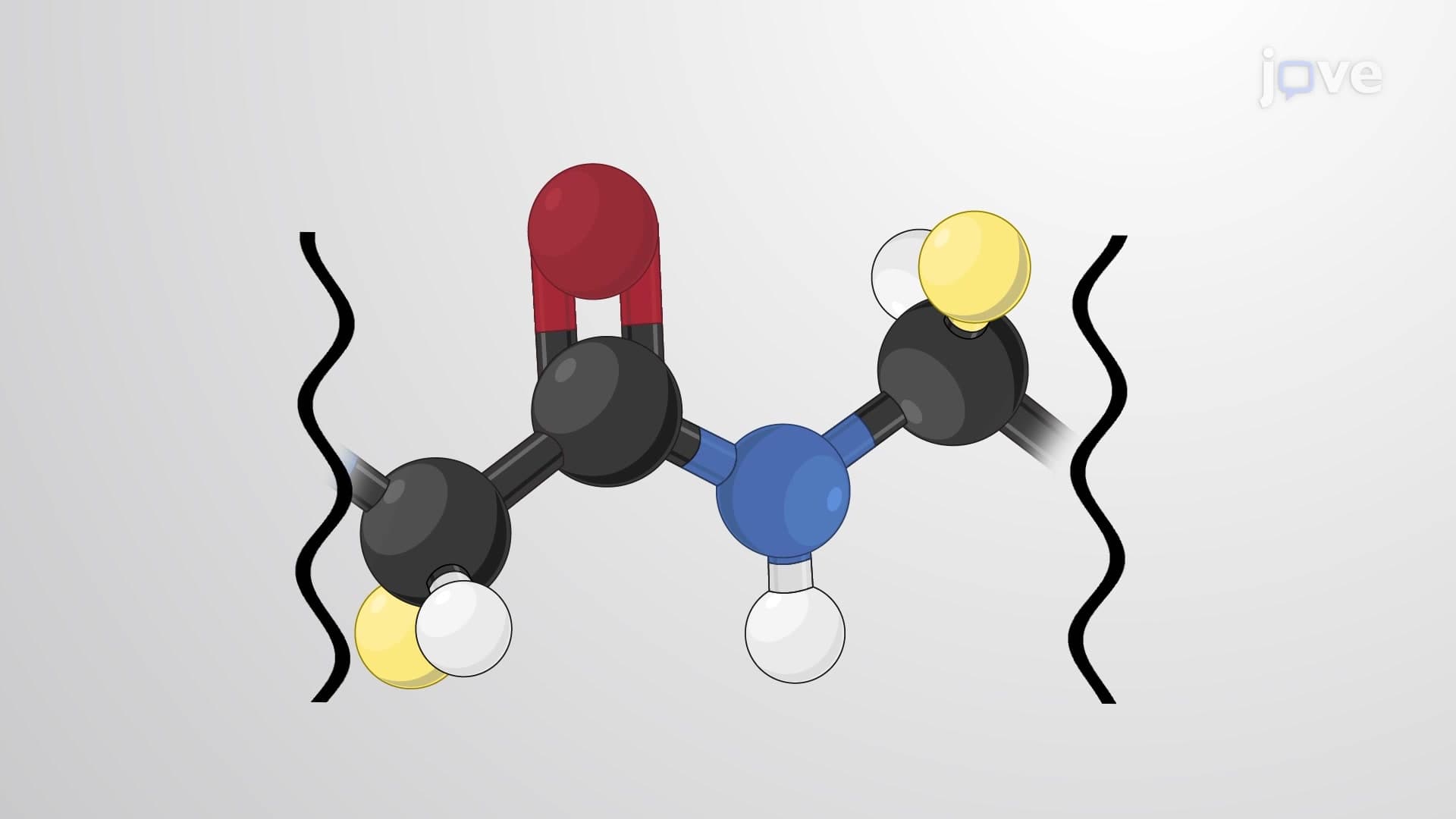
Two primary mechanisms drive polymer formation: condensation and addition polymerization. Condensation polymerization involves monomers with reactive functional groups (like hydroxyl and carboxyl groups) linking together while eliminating small molecules, typically water. This process creates most natural polymers, including proteins through peptide bond formation.
Addition polymerization occurs when monomers containing carbon-carbon double bonds join without eliminating byproducts. Vinyl chloride monomers polymerize through this mechanism to create PVC pipe, commonly used in U.S. plumbing systems. Understanding these mechanisms helps students predict polymer properties and appears frequently on MCAT organic chemistry sections.
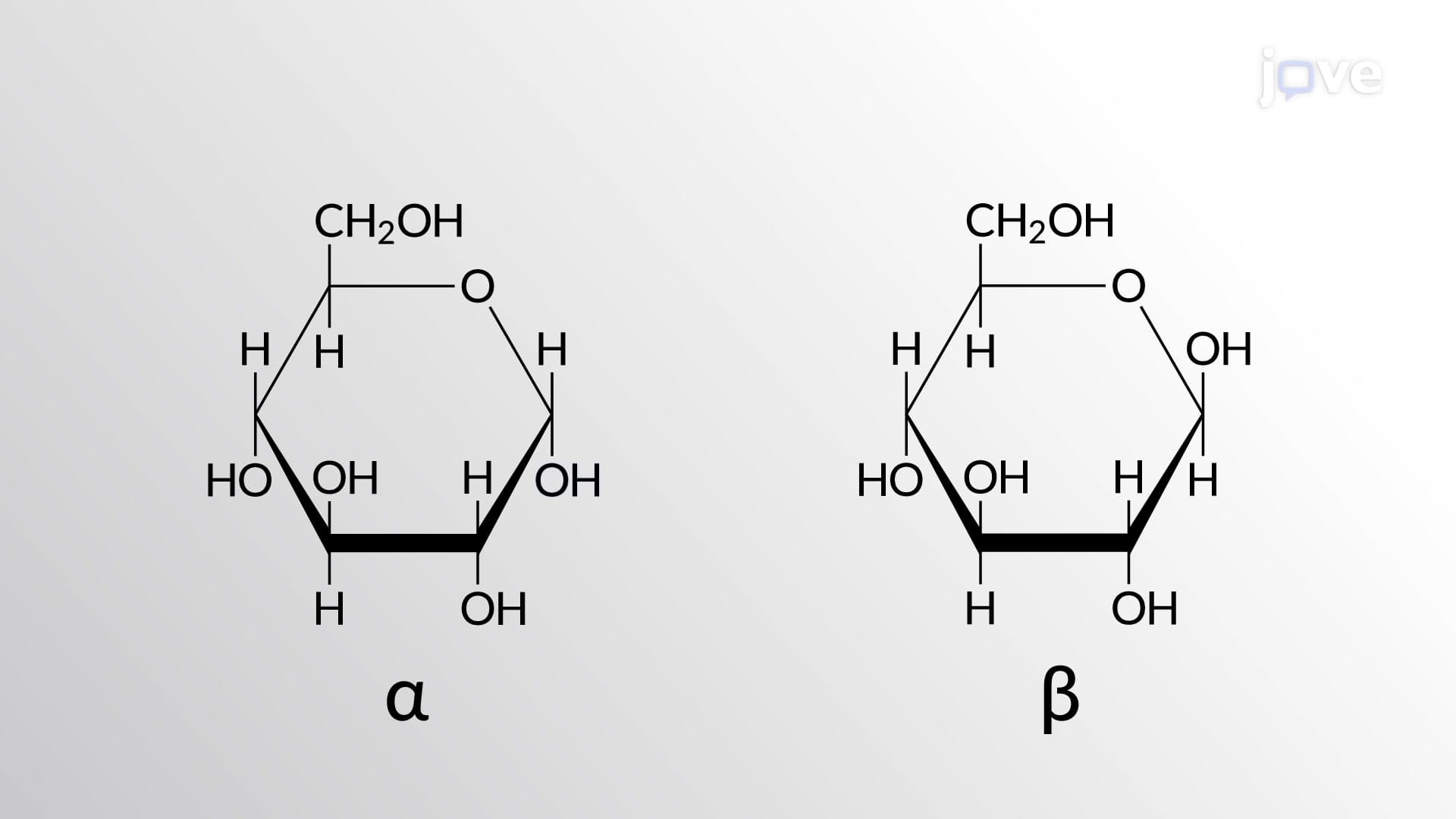
Polymer architecture significantly impacts material properties. Linear polymers form straight chains, like cellulose in cotton fibers used throughout the American textile industry. Branched polymers, such as amylopectin in corn starch, contain side chains that affect solubility and processing characteristics. Crosslinked polymers create three-dimensional networks, exemplified by the pectin networks in fruit preserves produced by companies like Welch's and Smucker's.
The distinction between homopolymers (single monomer type) and heteropolymers (multiple monomer types) also influences material behavior. Students studying for standardized tests should recognize that cellulose represents a homopolymer of glucose, while proteins are heteropolymers of amino acids.
Related Micro-courses