Loading video…


 12 Concepts
 767K views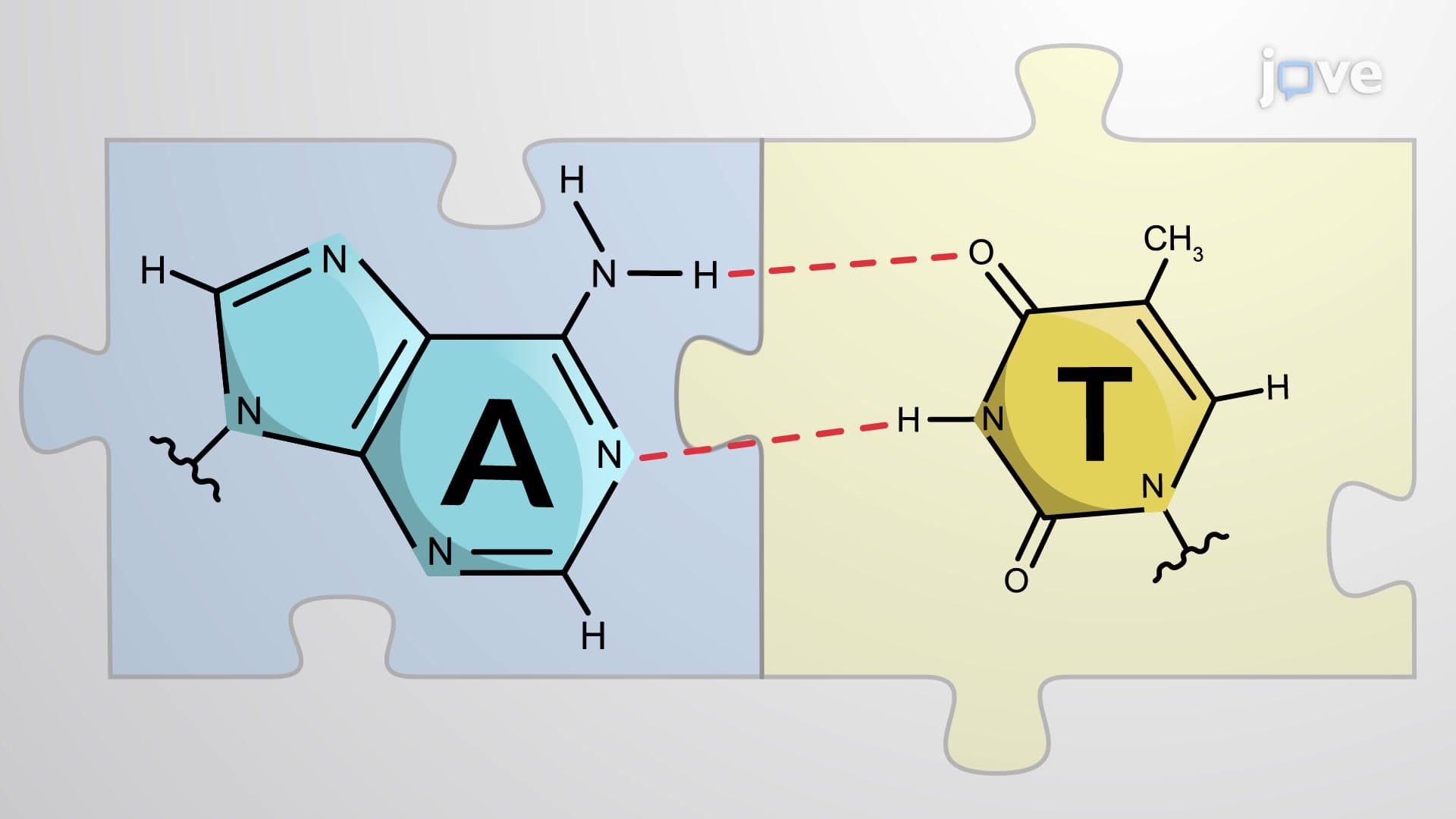

Video Summary: What Is DNA Base Pairing
Ever wondered why your DNA doesn't unravel like a broken zipper? DNA base pairing is the molecular "lock-and-key" system that holds the double helix together through precise chemical partnerships. In forensic labs across the US, investigators rely on these specific adenine-thymine and guanine-cytosine bonds to match DNA evidence with suspects. What is DNA base pairing reveals how purines and pyrimidines create the perfect molecular fit within the narrow constraints of the DNA backbone, forming hydrogen bonds that maintain genetic stability. Watch the full video on JoVE Coach to master this concept with expert-led visuals and step-by-step explanations.
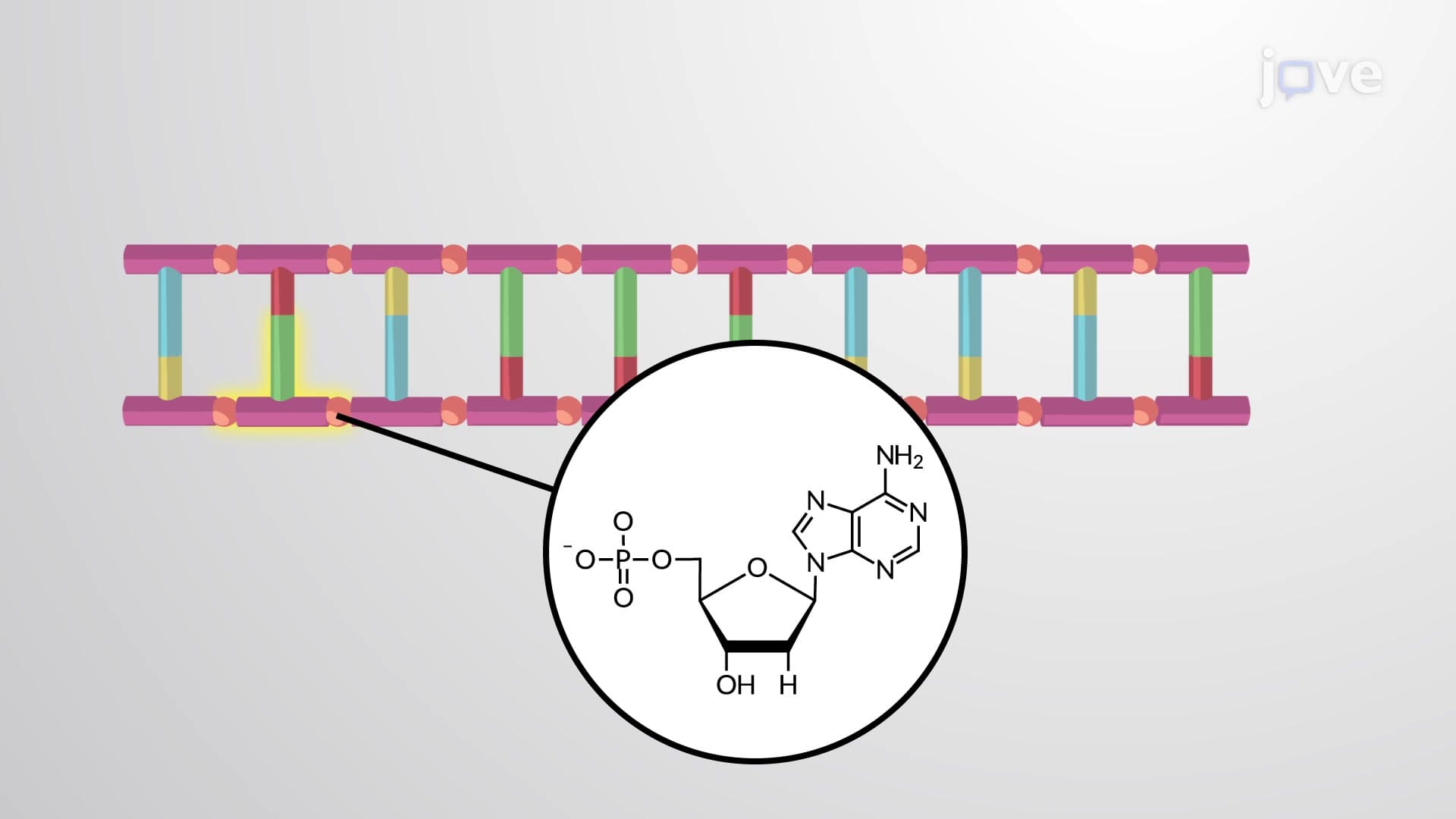
DNA base pairing represents one of biology's most elegant molecular solutions-how to store massive amounts of genetic information in a stable, yet accessible format. The DNA base pairing definition centers on the specific hydrogen bonding between complementary nitrogenous bases that form the interior "rungs" of the DNA double helix ladder. This precise molecular recognition system ensures genetic fidelity during DNA replication and transcription.
What is DNA base pairing in detail involves understanding the intricate molecular interactions between purines and pyrimidines. Adenine and guanine are purines, featuring a double-ring structure with nine atoms. Thymine and cytosine are pyrimidines, containing a single six-atom ring. The genius of this system lies in the spatial requirements: the DNA backbone provides exactly 10.85 angstroms of space between the sugar-phosphate chains. Two purines would exceed this space, creating a bulge, while two pyrimidines would leave a gap too wide for hydrogen bonding.
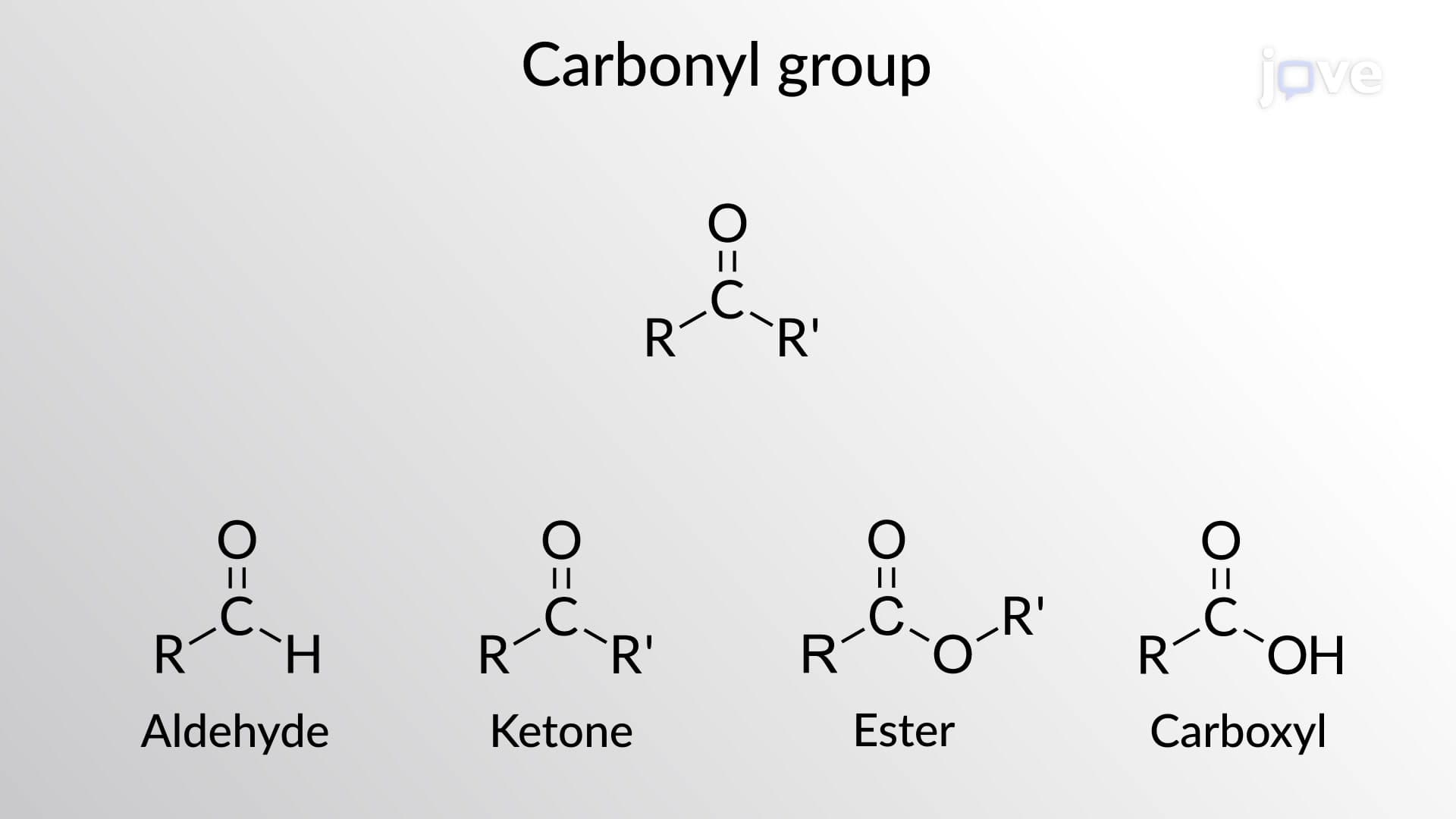
The hydrogen bonding patterns are highly specific. Adenine's amino group (-NH2) and thymine's carbonyl oxygen (C=O) align perfectly to form two hydrogen bonds at approximately 2-angstrom distances. Guanine and cytosine create an even stronger connection with three hydrogen bonds, involving guanine's amino and carbonyl groups with cytosine's corresponding complementary regions. This specificity explains why A-T and G-C are the only stable base pairs in DNA.
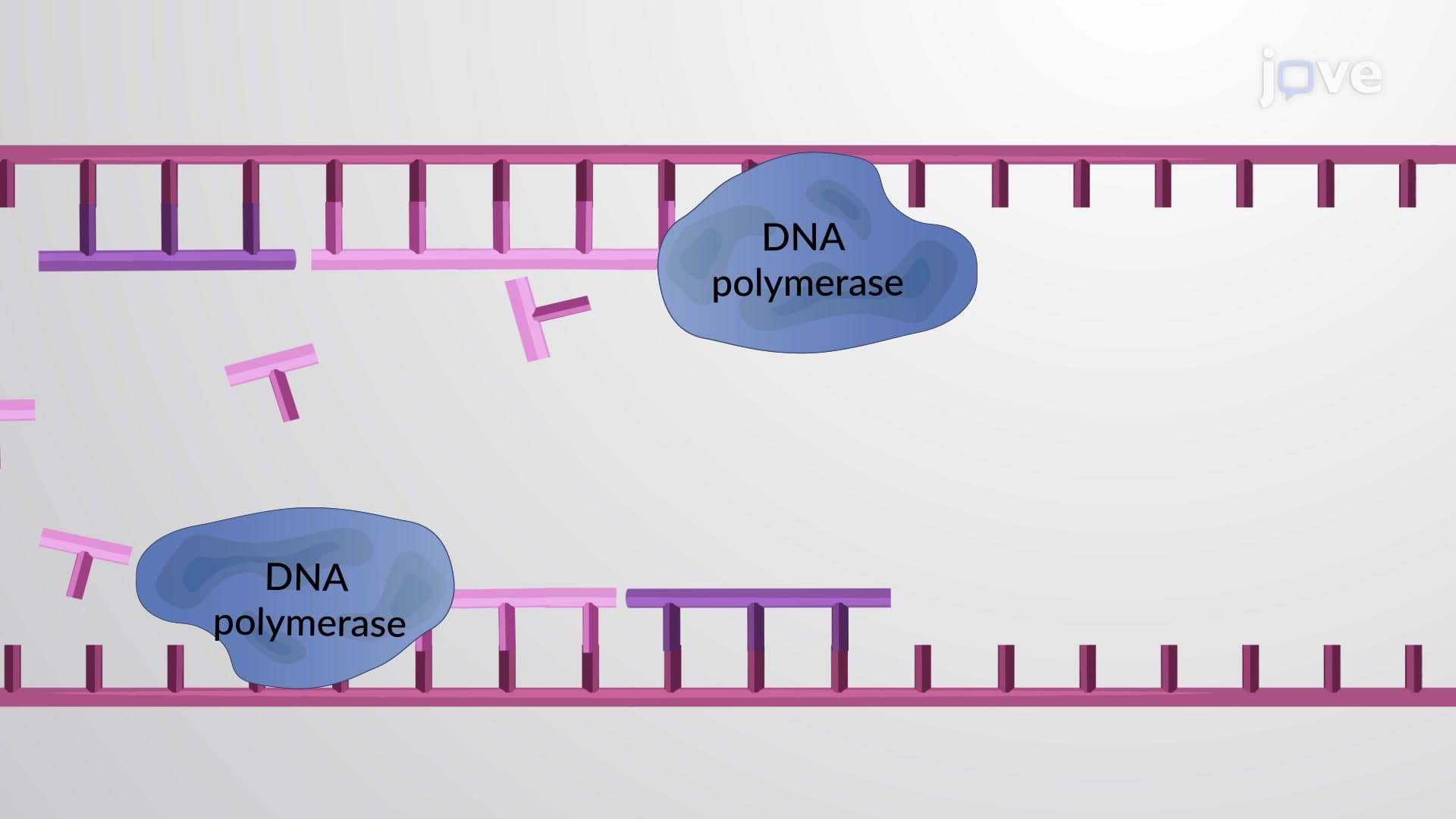
DNA base pairing principles are fundamental to numerous medical and research applications across the United States. In genetic testing companies like 23andMe and AncestryDNA, technicians use base pairing rules to analyze millions of SNPs (single nucleotide polymorphisms) in customer samples. PCR (polymerase chain reaction) amplification, used in COVID-19 testing nationwide, relies entirely on complementary base pairing for primer binding and DNA synthesis.
Medical schools teaching genetics emphasize how base pairing errors can lead to mutations. For instance, if adenine incorrectly pairs with cytosine during replication, it can result in transition mutations linked to genetic disorders like sickle cell anemia, which affects approximately 100,000 Americans. Understanding these pairing rules is crucial for MCAT preparation, where students must predict mutation consequences and analyze DNA sequences.
For high school AP Biology students, DNA base pairing appears in multiple exam contexts, from molecular genetics free-response questions to multiple-choice items about replication mechanisms. College biochemistry courses at institutions like Harvard and Stanford delve deeper into the thermodynamics of base pairing, teaching students to calculate binding energies and predict DNA melting temperatures based on G-C content (higher G-C content means stronger bonds due to the third hydrogen bond).
The concept becomes particularly relevant in medical training, where future physicians learn how chemotherapy drugs like 5-fluorouracil disrupt base pairing to prevent cancer cell division. Nursing students studying for the NCLEX must understand how genetic counseling relies on base pairing principles to explain inheritance patterns to patients.
Related Micro-courses