Loading video…


 12 Concepts
 767K views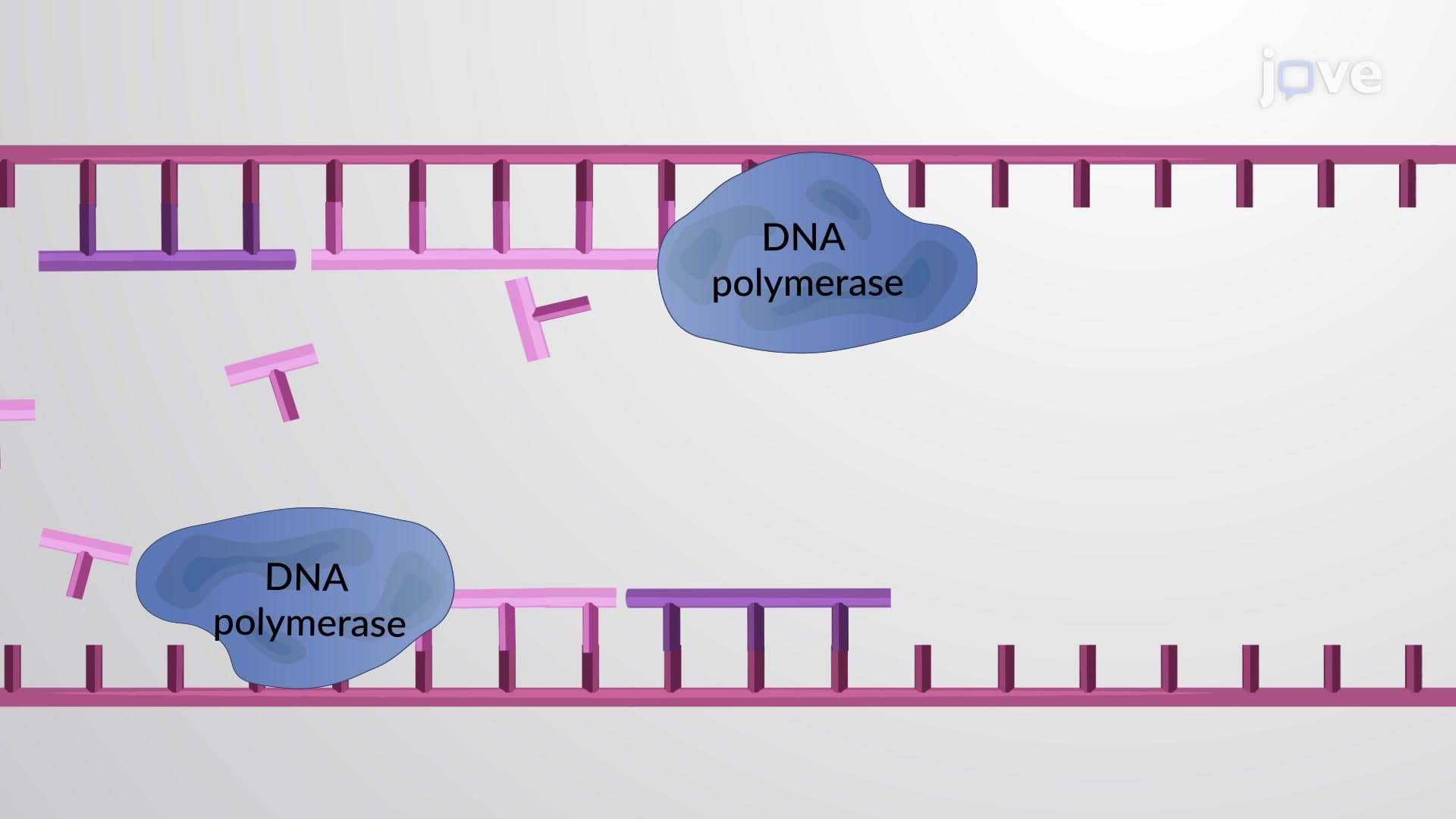

Video Summary: What Is DNA Replication
Every 24 hours, your body creates approximately 25 billion new cells, each requiring a perfect copy of your DNA's 3.2 billion base pairs. DNA replication is the fundamental biological process that duplicates genetic material before cell division, ensuring each new cell receives identical genetic instructions. During this semiconservative process, specialized enzymes like helicase, primase, and DNA polymerase work together to unwind the double helix and synthesize new complementary strands. Watch the full video on JoVE Coach to master this concept with expert-led visuals and step-by-step explanations.
DNA replication represents one of biology's most precise molecular processes, where cells duplicate their entire genetic blueprint with extraordinary accuracy. This semiconservative mechanism ensures that each daughter cell receives an exact copy of parental DNA, maintaining genetic continuity across generations. The process occurs during S phase of the cell cycle, typically lasting 6-8 hours in human cells.
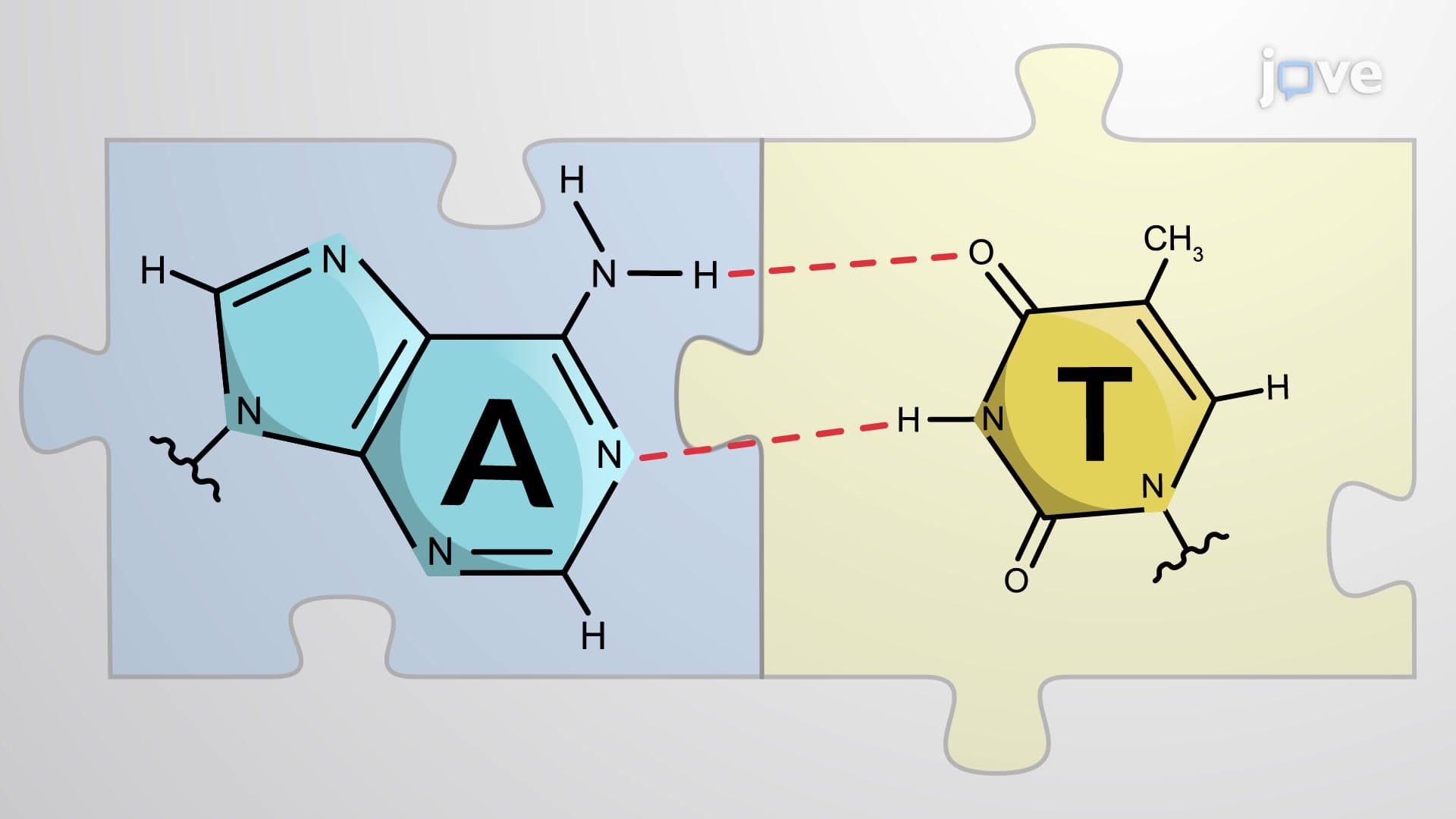
The replication process begins when helicase enzymes unwind the DNA double helix, breaking hydrogen bonds between complementary bases. This creates replication forks-Y-shaped structures that serve as the active sites for DNA synthesis. Primase then synthesizes short RNA primers, providing the essential 3'-hydroxyl groups that DNA polymerase requires to begin nucleotide addition.
DNA polymerase III, the primary replicative enzyme in prokaryotes (with DNA polymerase δ and ε serving similar roles in eukaryotes), can only synthesize DNA in the 5' to 3' direction. This directional constraint creates the fundamental asymmetry of replication: the leading strand synthesizes continuously toward the replication fork, while the lagging strand must be synthesized discontinuously as 1,000-2,000 nucleotide Okazaki fragments.
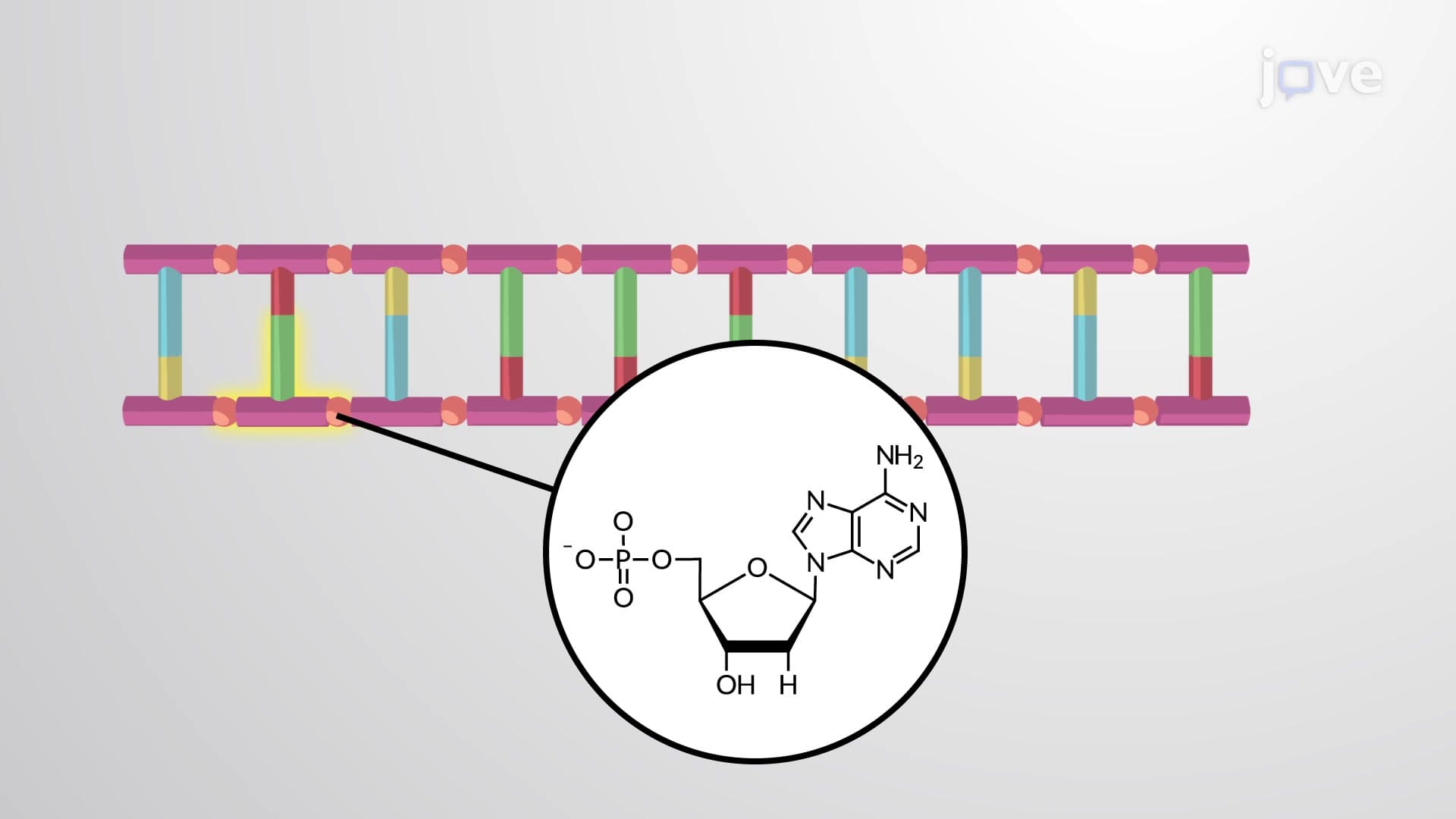
Each incoming nucleotide exists as a deoxyribonucleoside triphosphate (dNTP) with high-energy phosphate bonds. When DNA polymerase catalyzes phosphodiester bond formation, it releases pyrophosphate, providing the energy needed for synthesis. The enzyme's 3' to 5' exonuclease activity provides proofreading capability, removing incorrectly incorporated nucleotides with 99.9% accuracy.
After synthesis completion, RNase H removes RNA primers, and DNA ligase seals the gaps between Okazaki fragments, creating continuous daughter strands. This process is crucial for students preparing for advanced coursework-AP Biology extensively covers DNA replication mechanisms, while pre-med students encounter detailed replication biochemistry on the MCAT.
Understanding DNA replication proves essential in medical fields, from cancer research (where replication errors contribute to tumor formation) to pharmaceutical development of DNA polymerase inhibitors like those used in antiviral treatments. Forensic scientists rely on DNA replication principles when using PCR amplification to analyze trace evidence samples.
Related Micro-courses