Loading video…


 12 Concepts
 767K views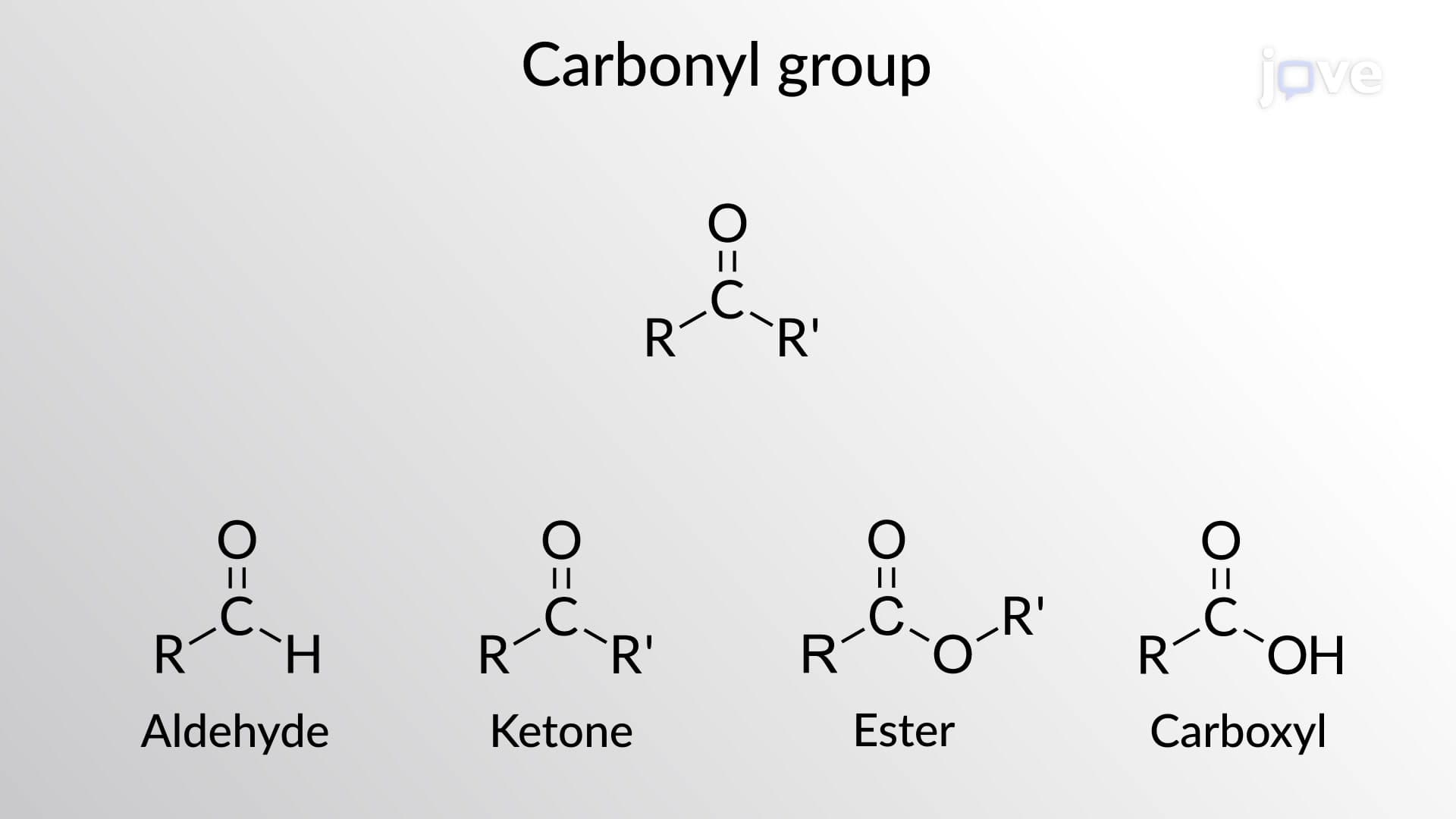

Video Summary: What are Functional Groups
Ever wonder why aspirin relieves pain while sugar gives you energy, despite both being organic molecules? The secret lies in functional groups, specific atom arrangements that determine molecular behavior and chemical properties. These structural units act like molecular "personality traits," dictating how compounds like the caffeine in your morning coffee interact with your body's receptors. Understanding what are functional groups is fundamental to mastering organic chemistry and biochemistry concepts. Watch the full video on JoVE Coach to master this concept with expert-led visuals and step-by-step explanations.
Functional groups represent the cornerstone of organic chemistry, serving as identifiable clusters of atoms that impart specific chemical properties to molecules. These covalently bonded atomic arrangements function like molecular fingerprints, allowing chemists and biochemists to predict how compounds will behave in reactions and biological systems. For students preparing for the AP Chemistry exam or college organic chemistry courses, mastering functional group identification becomes crucial for success in both multiple-choice and free-response sections.
The simplest functional groups begin with hydrocarbons, molecules containing only carbon and hydrogen atoms. Alkanes feature single C-C bonds (like methane in natural gas), while alkenes contain double bonds (like ethylene used in plastic production), and alkynes possess triple bonds (like acetylene in welding torches). These can form cyclic structures: cycloalkanes with single bonds create saturated rings, while aromatic rings with alternating single-double bonds form the backbone of compounds like benzene-based pharmaceuticals manufactured by major US drug companies.
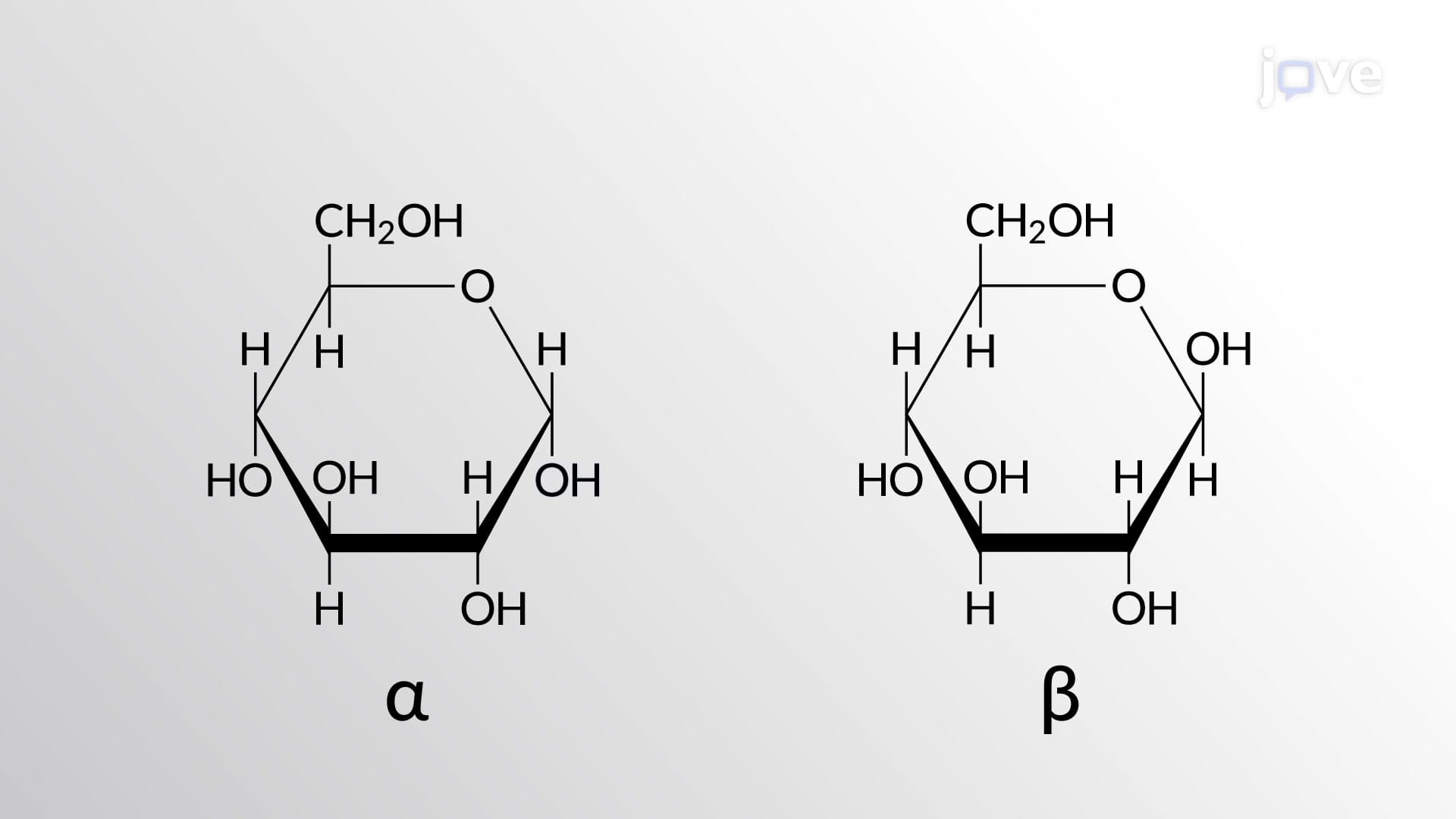
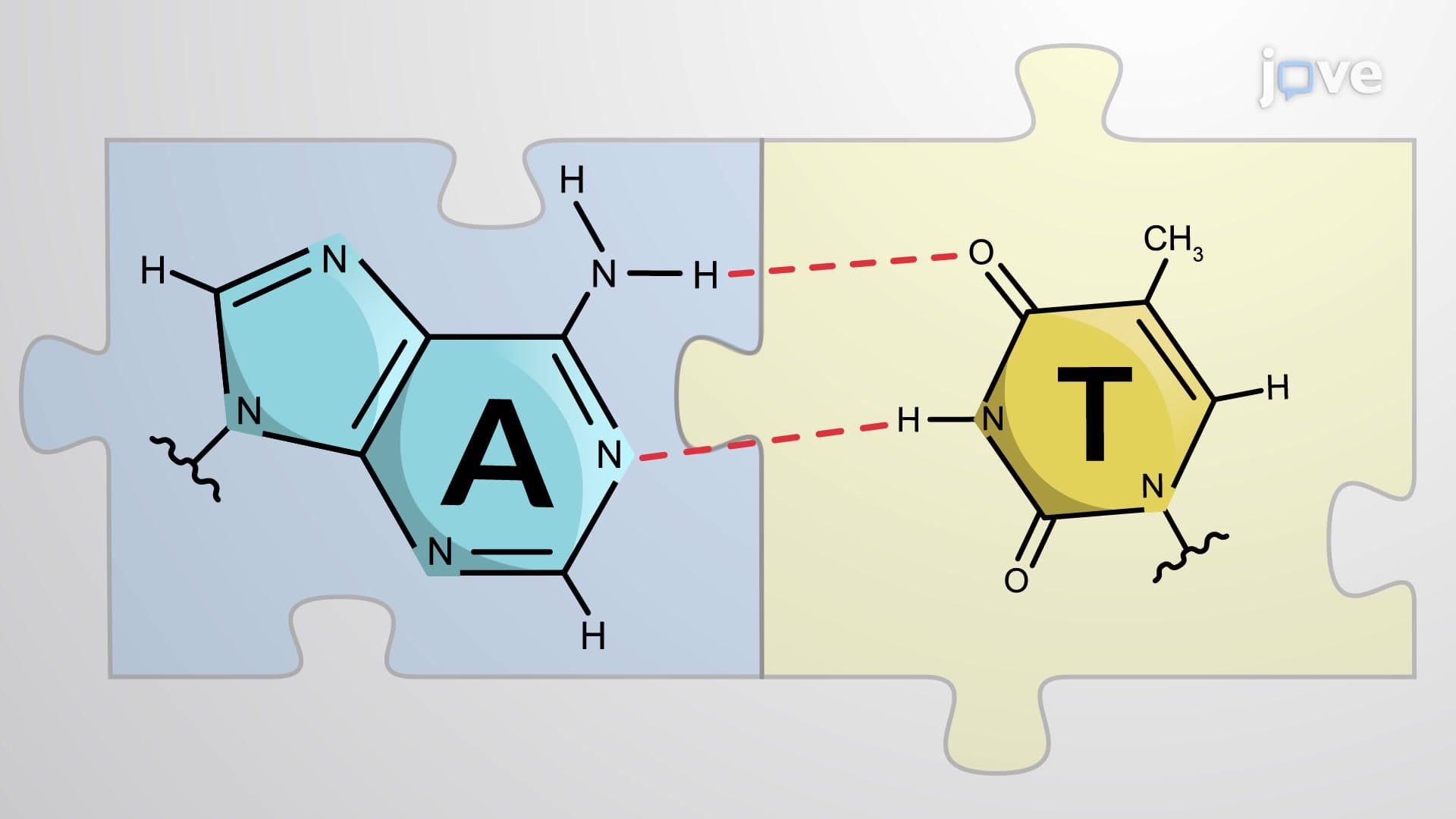
The hydroxyl group (-OH) transforms hydrocarbons into alcohols, appearing in everything from hand sanitizer (ethanol) to table sugar (glucose). Carbonyl groups (C=O) create a diverse family including aldehydes (found in vanilla extract), ketones (like acetone in nail polish remover), esters (giving fruits their aromas), and carboxylic acids (like acetic acid in vinegar). These distinctions become critical when analyzing organic synthesis pathways on the MCAT or identifying unknown compounds in college laboratory courses.
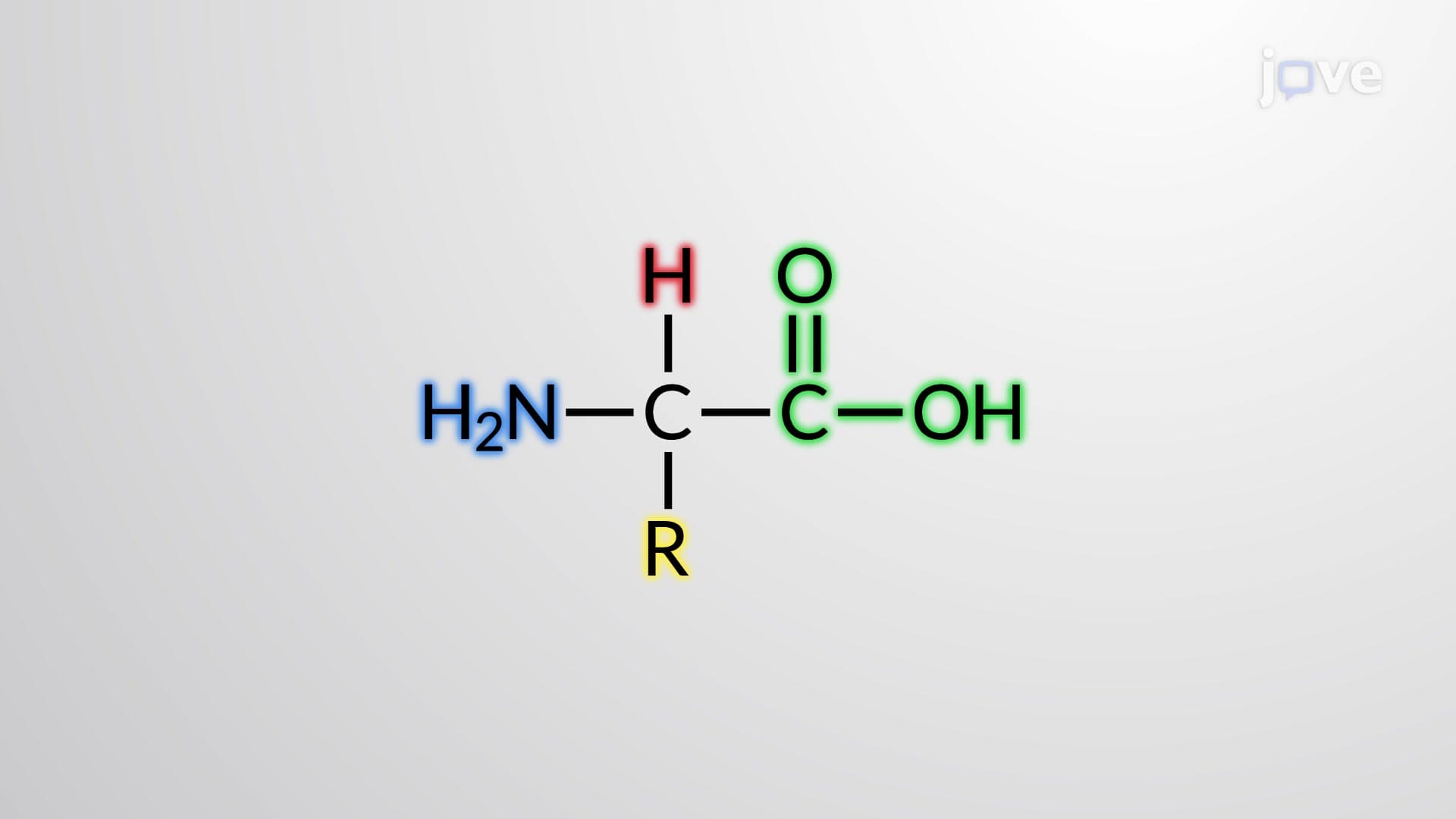
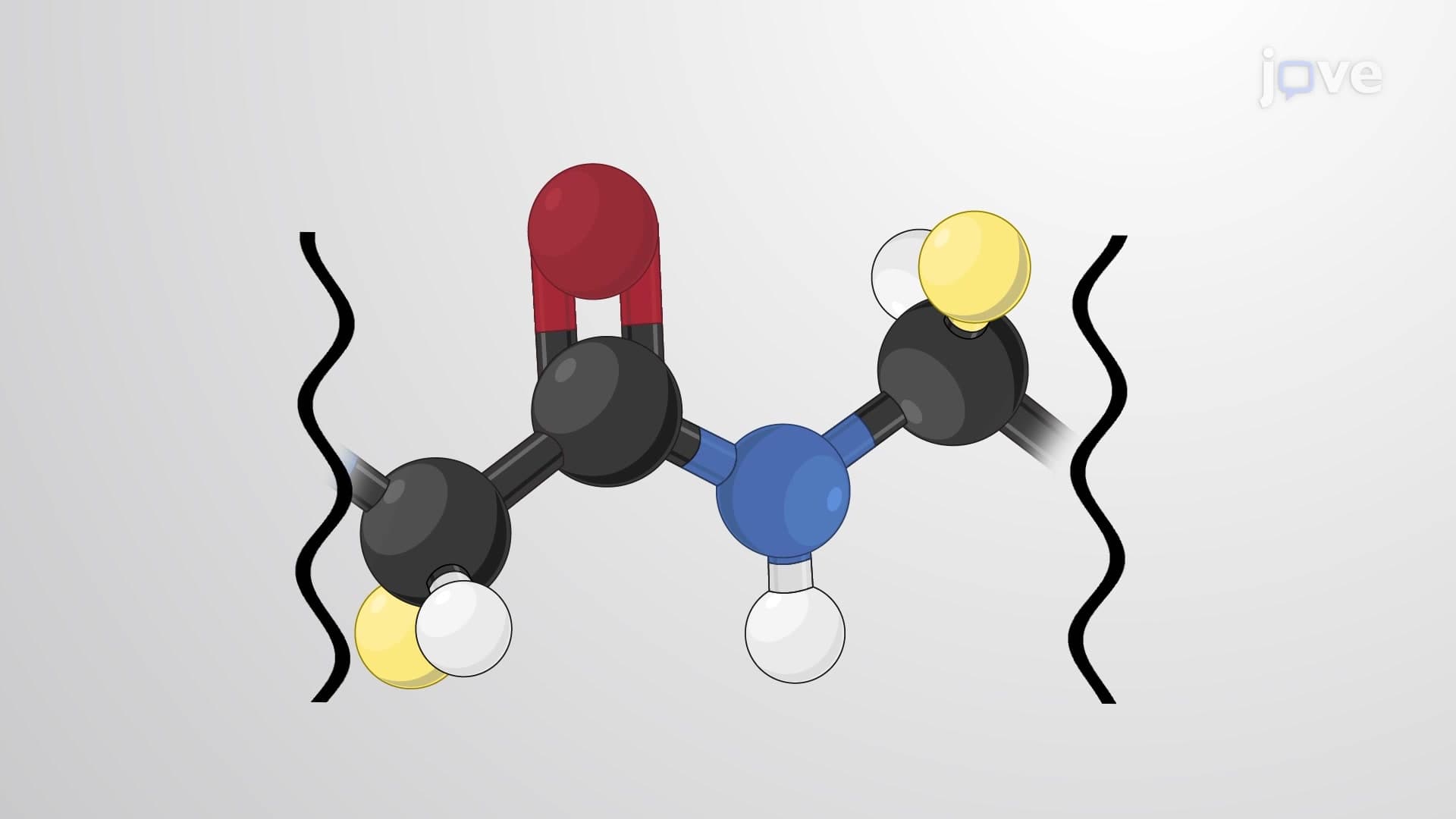
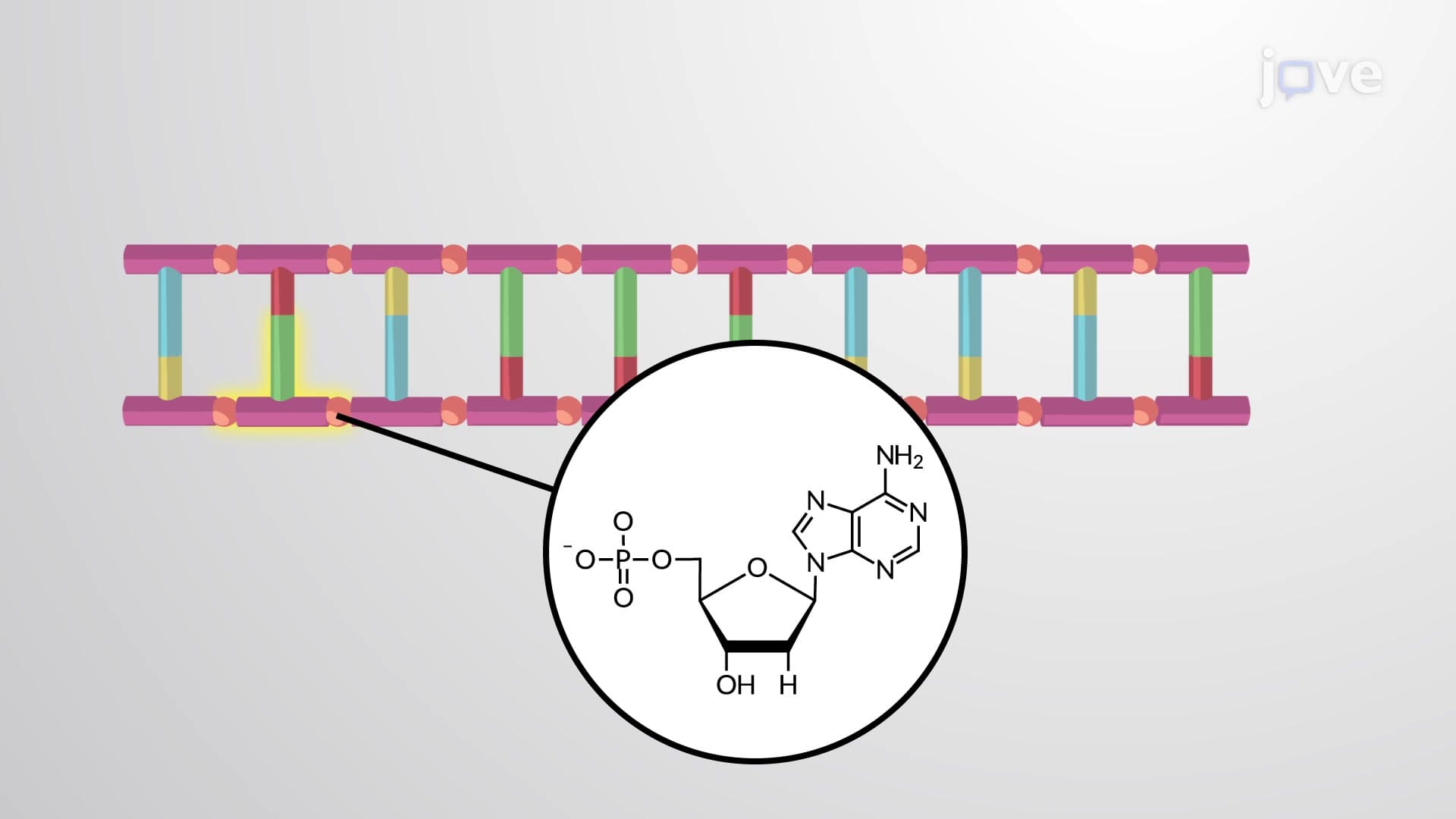
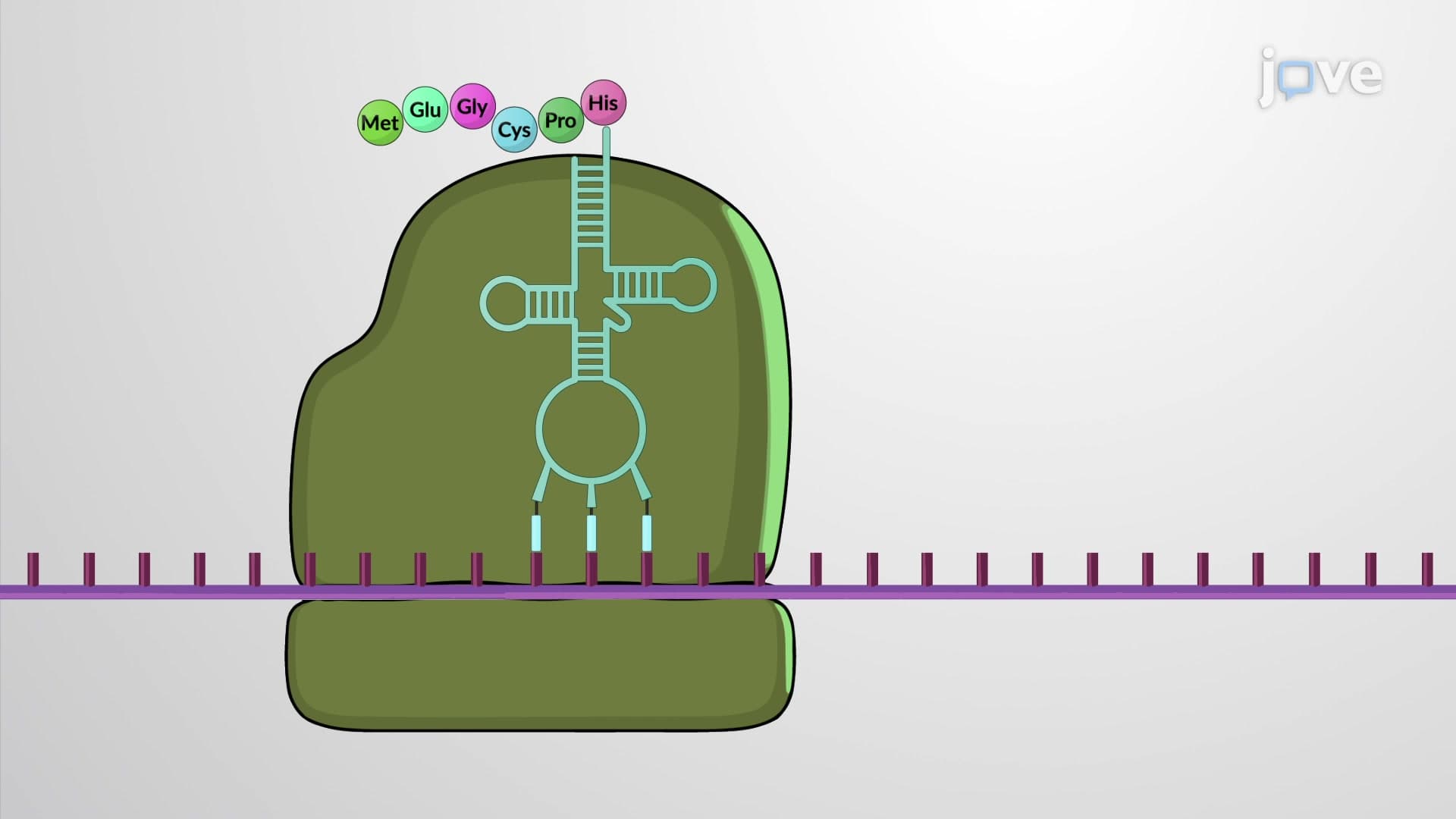
Amino groups (-NH2) define the building blocks of proteins, making them essential for understanding biochemistry concepts tested on pre-med exams like the MCAT. Every amino acid contains both an amino group and a carboxylic acid group, explaining their amphoteric behavior. Phosphate groups appear prominently in ATP (cellular energy currency) and DNA's sugar-phosphate backbone, making them fundamental to both biochemistry and molecular biology coursework. US medical schools heavily emphasize these concepts in pharmacology and physiology courses.
Understanding functional groups provides the foundation for predicting molecular behavior, explaining drug mechanisms, and succeeding in advanced chemistry courses throughout undergraduate and professional education.
Related Micro-courses