Loading video…


 12 Concepts
 767K views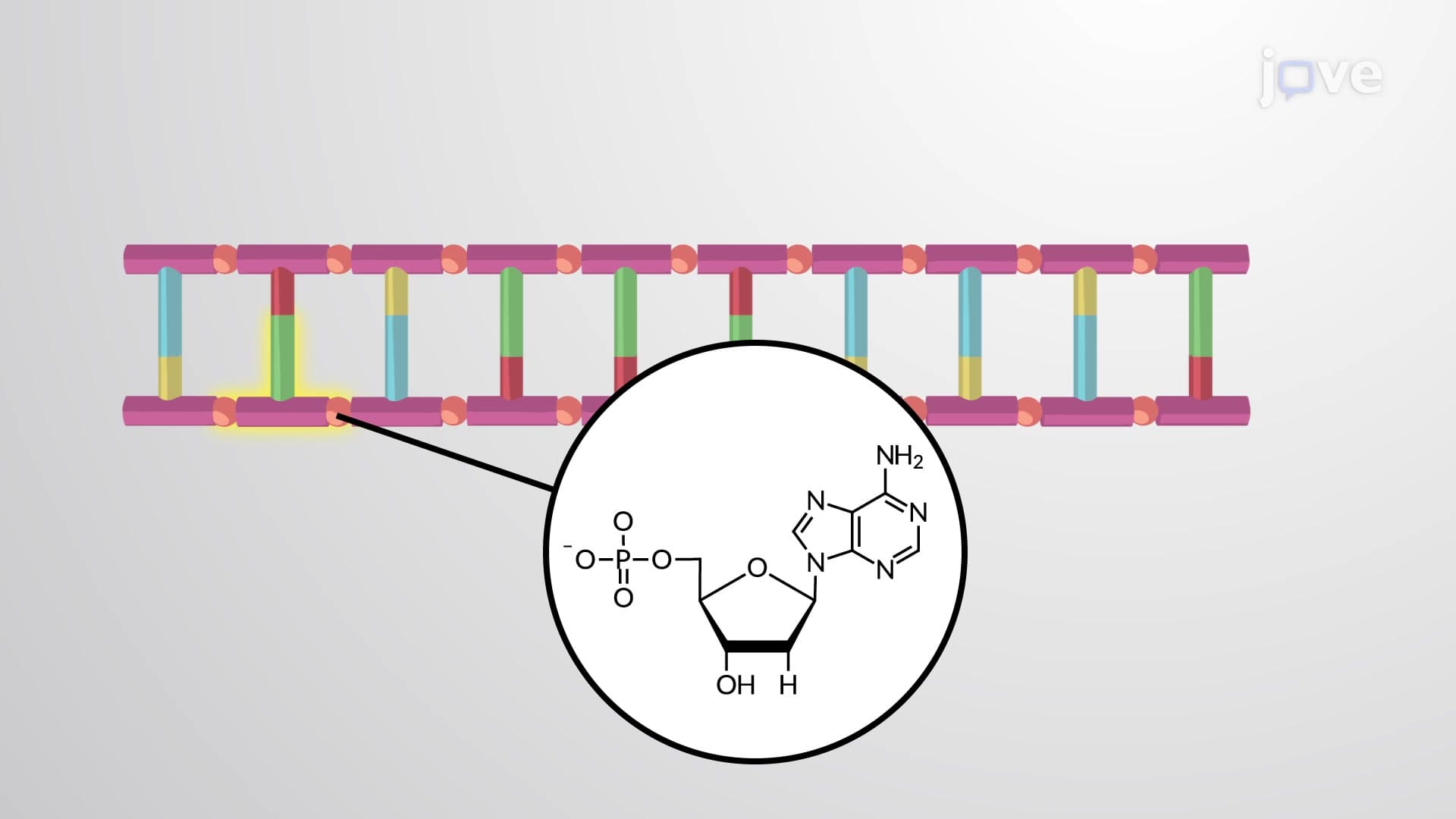

Video Summary: What are Nucleic Acids
Did you know that every cell in your body contains about 6 billion base pairs of DNA, enough to stretch from Earth to the moon and back 4,000 times? Nucleic acids biology explained reveals how these remarkable molecules store and transmit genetic information in all living organisms. From the DNA in your chromosomes to the RNA that helps make proteins, what are nucleic acids becomes clear when examining their structure and function. Consider how forensic scientists at the FBI use DNA analysis to solve crimes across America. Watch the full video on JoVE Coach to master this concept with expert-led visuals and step-by-step explanations.
Nucleic acids biology explained begins with recognizing these molecules as the fundamental blueprints of life. Every organism on Earth, from bacteria to humans, relies on nucleic acids to store, transmit, and express genetic information. In the United States, students first encounter these concepts in high school AP Biology courses, where understanding nucleic acid structure becomes essential for success on standardized tests and college preparation.
The DNA RNA nucleic acid overview reveals critical differences that determine each molecule's cellular role. DNA contains deoxyribose sugar, creating a more stable structure perfect for long-term information storage in cell nuclei. RNA's ribose sugar, with its additional hydroxyl group, makes it less stable but more versatile for protein synthesis and gene regulation. These structural differences explain why DNA serves as the master copy in your chromosomes while RNA acts as the working copy that carries instructions throughout the cell.
American medical students preparing for the MCAT must master these distinctions, as questions frequently test understanding of how sugar composition affects molecular stability and function.
Nucleotide building block nucleic acids consist of three components: a pentose sugar, a phosphate group, and a nitrogenous base. The purine pyrimidine nucleic acid classification divides bases into two categories. Purines (adenine and guanine) are larger, double-ring structures, while pyrimidines (cytosine, thymine, and uracil) are smaller, single-ring molecules. This size difference ensures proper base pairing and maintains the DNA double helix's uniform width.
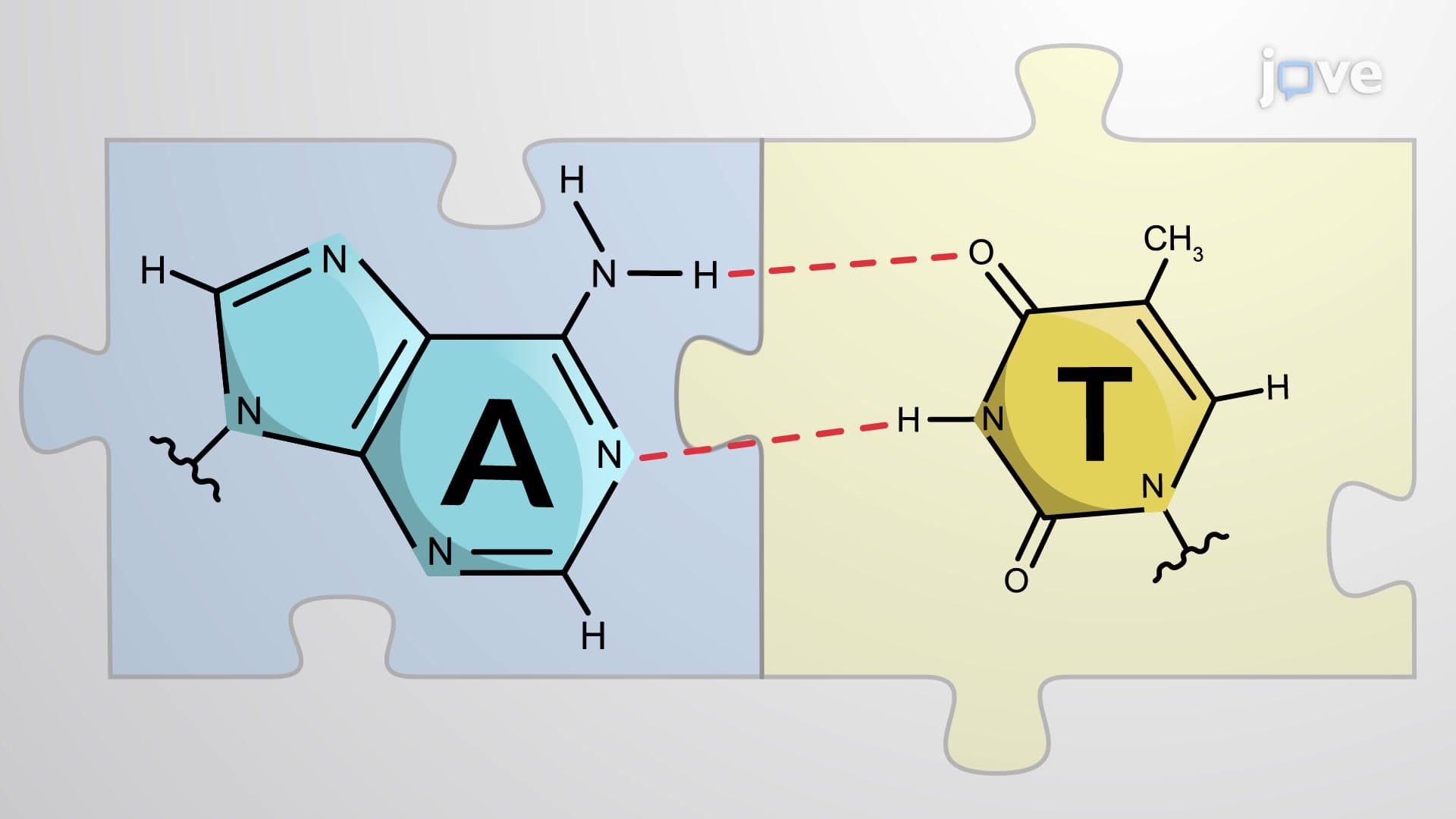
College biochemistry students often struggle with base pairing rules until they understand the hydrogen bonding patterns: A-T pairs form two hydrogen bonds, while G-C pairs form three, making G-C base pairs more stable and contributing to DNA's melting temperature.
Nucleic acid information storage operates through precise base sequences that encode genetic instructions. Genetic nucleic acid function extends beyond simple storage to include gene expression regulation, protein synthesis, and cellular metabolism control. RNA's ability to form complex secondary structures enables diverse functions, from catalyzing reactions (ribozymes) to regulating gene expression (microRNA).
Students preparing for college entrance exams like the SAT Subject Test in Biology benefit from understanding these practical applications, as questions often connect molecular structure to cellular function in real-world scenarios.
Related Micro-courses