Loading video…


 12 Concepts
 767K views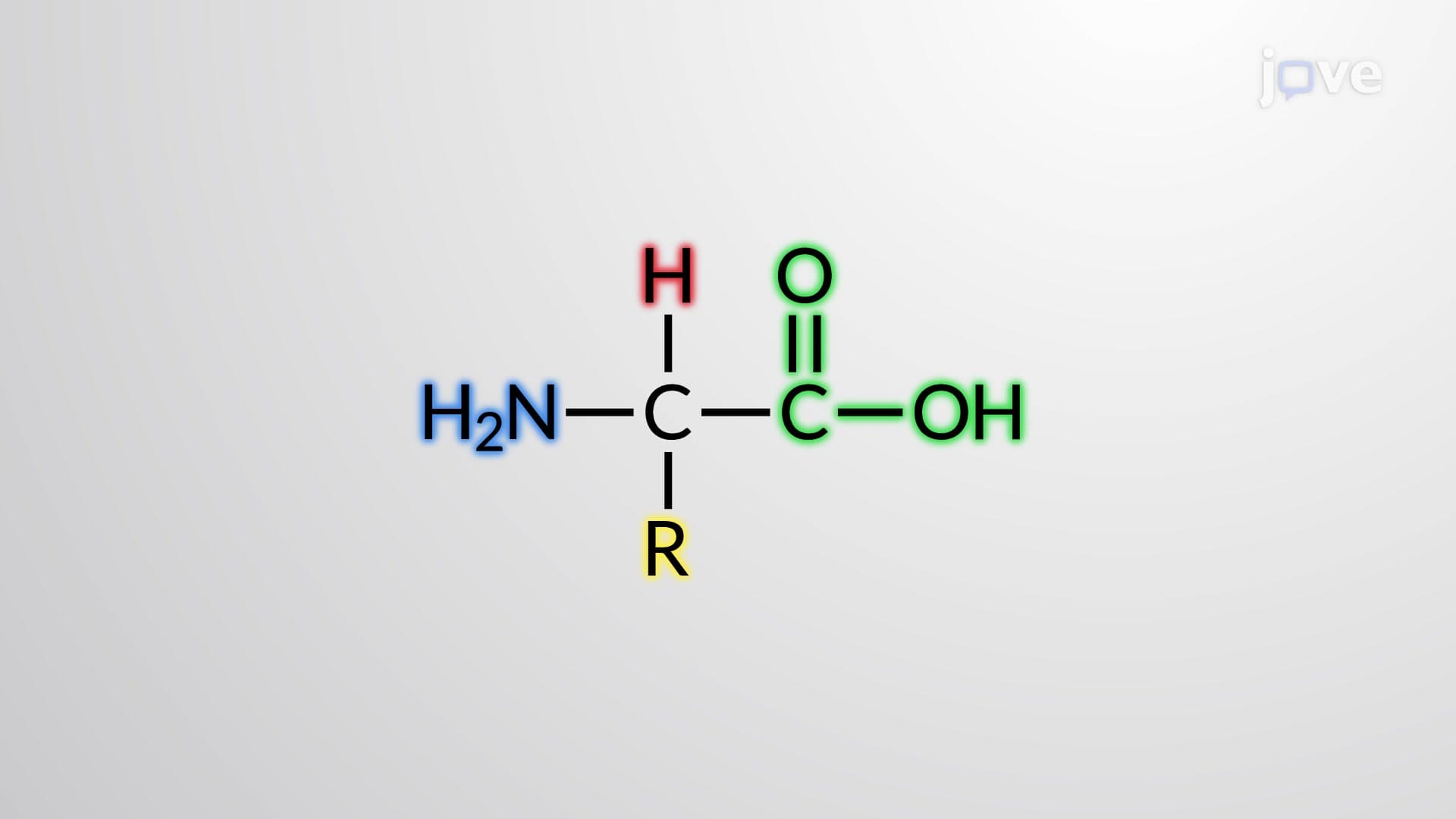

Video Summary: What are Amino Acids
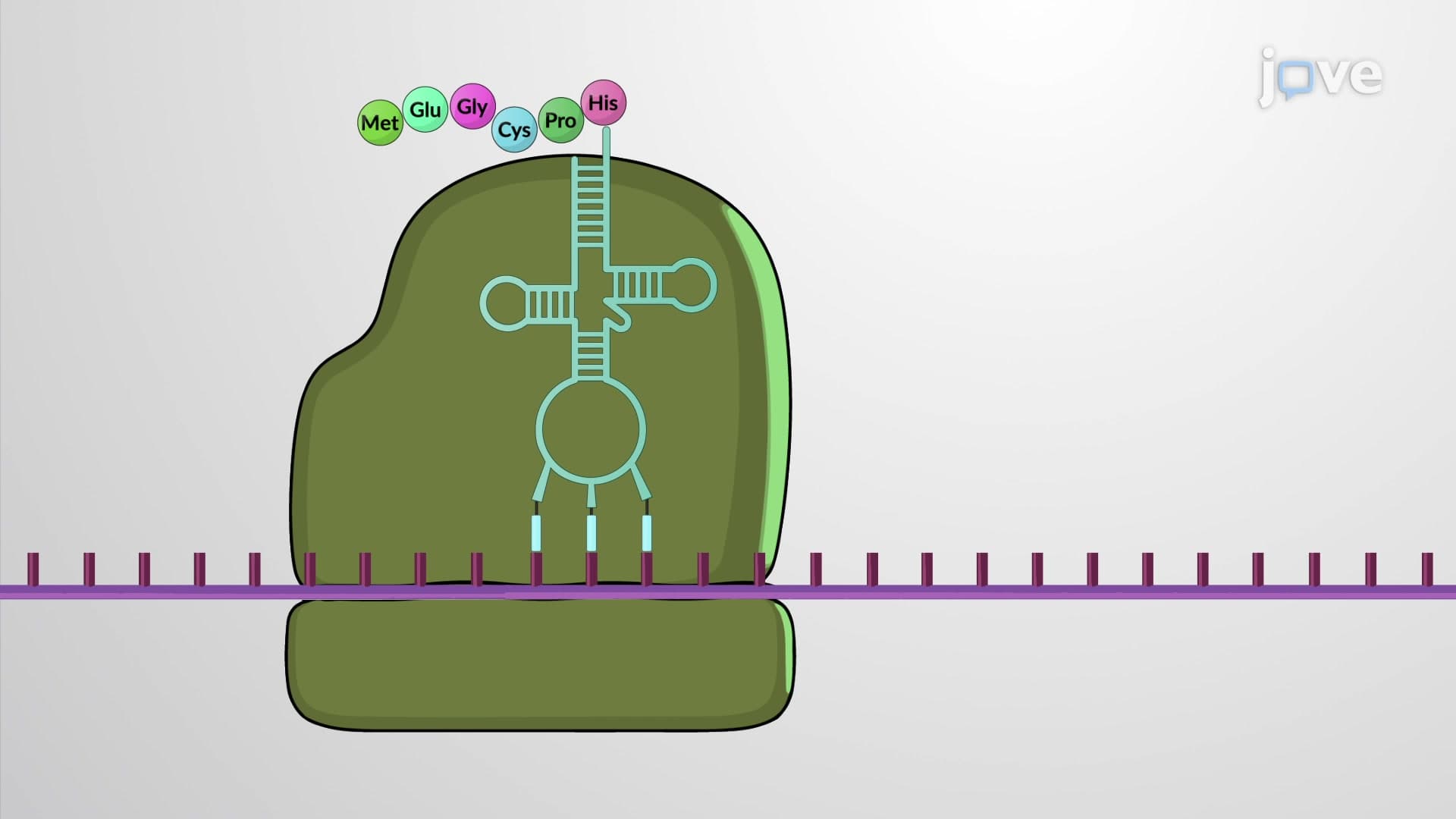
Did you know that every protein in your body-from the insulin regulating your blood sugar to the hemoglobin carrying oxygen-is built from just 20 different amino acids? These fundamental organic compounds serve as the essential building blocks of all proteins in living organisms. Think of how the Mayo Clinic uses amino acid analysis to diagnose certain metabolic disorders in patients. Understanding what are amino acids and their unique properties is crucial for grasping how life functions at the molecular level. Watch the full video on JoVE Coach to master this concept with expert-led visuals and step-by-step explanations.
Amino acids represent one of the most fundamental concepts in biochemistry, serving as the molecular building blocks that construct every protein in your body. These organic compounds contain carbon, hydrogen, oxygen, and nitrogen atoms arranged in a specific pattern that makes protein synthesis possible. While scientists have identified hundreds of amino acids in nature, only 20 serve as the standard building blocks for human proteins-a remarkable feat of biological efficiency that has evolved over millions of years.
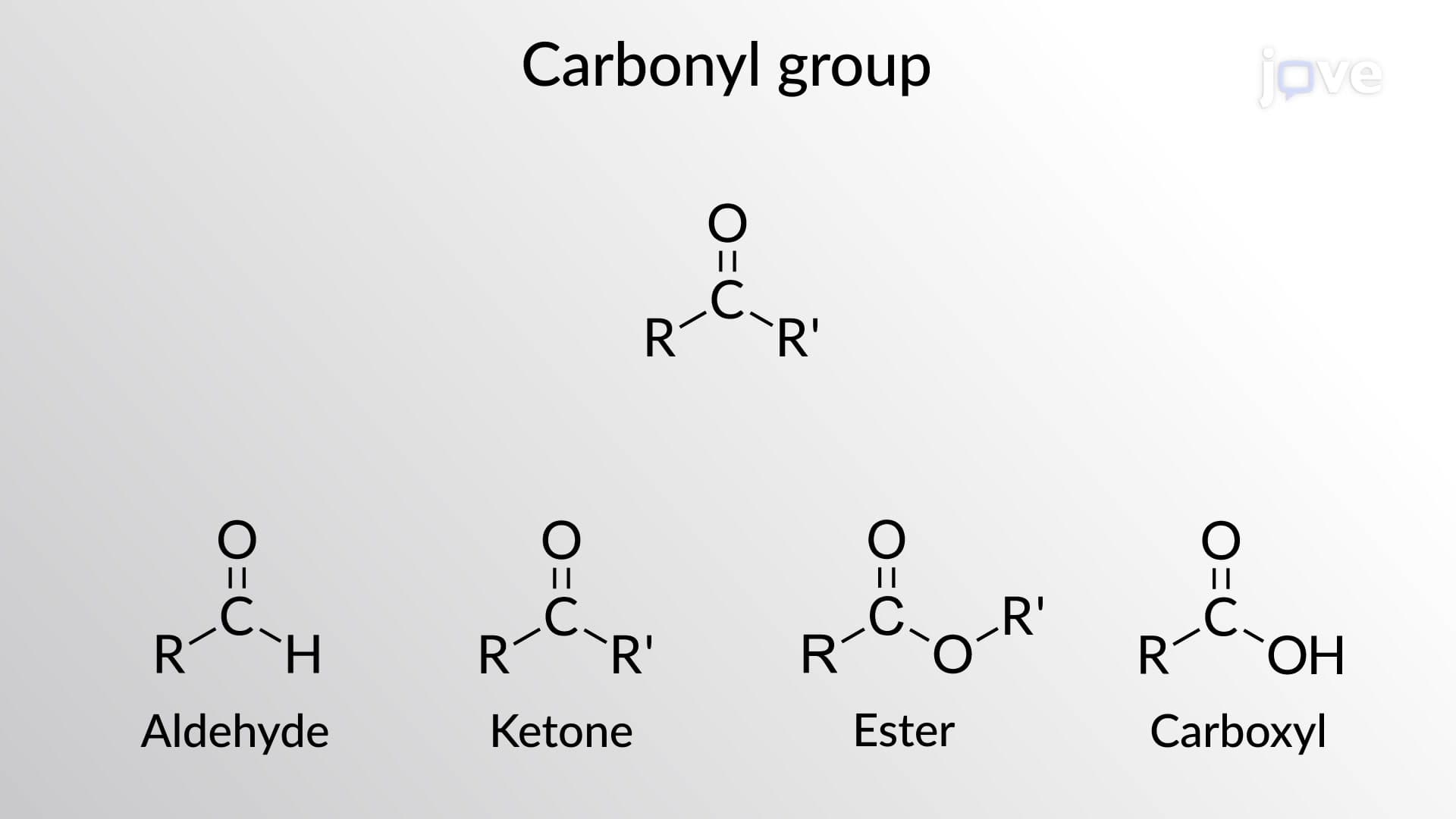
Every amino acid shares a common structural framework centered around an alpha carbon atom. This carbon serves as a chiral center for 19 of the 20 amino acids, creating the potential for stereoisomerism. The alpha carbon bonds to four distinct groups: an amino group (-NH2), a carboxyl group (-COOH), a hydrogen atom, and a variable R group (side chain). This R group determines each amino acid's unique properties and behavior in biological systems.
The chirality of amino acids has profound biological implications. L and D isomers are mirror images that cannot be superimposed, much like your left and right hands. Remarkably, all amino acids used in human protein synthesis are L-isomers, a universal characteristic known as homochirality. This specificity is crucial for proper protein folding and function-using D-isomers would result in non-functional proteins.
Understanding the types of amino acids requires examining their R groups, which determine solubility, charge, and interactions. Non-polar amino acids include aliphatic types like glycine (the simplest), alanine, valine, leucine, isoleucine, methionine, and proline. These hydrophobic amino acids tend to cluster together in protein cores, away from water. Aromatic amino acids-phenylalanine, tyrosine, and tryptophan-also exhibit hydrophobic properties while adding structural stability through ring interactions.
Polar amino acids interact favorably with water and other polar molecules. Acidic amino acids (aspartate and glutamate) carry negative charges at physiological pH, while basic amino acids (lysine, arginine, and histidine) carry positive charges. Polar uncharged amino acids like serine, threonine, cysteine, asparagine, and glutamine contain hydroxyl, sulfhydryl, or amide groups that form hydrogen bonds without carrying net charges.
For students preparing for the MCAT or AP Biology exams, understanding amino acids is essential for success. These concepts frequently appear in questions about protein structure, enzyme function, and metabolic pathways. In clinical settings, amino acid analysis helps diagnose conditions like phenylketonuria (PKU), where patients cannot properly metabolize phenylalanine. The FDA requires newborn screening for PKU in all 50 states, demonstrating the practical importance of amino acid biochemistry in healthcare.
Related Micro-courses