12 Concepts
7 Concepts
10 Concepts
13 Concepts
10 Concepts
12 Concepts
15 Concepts
8 Concepts
14 Concepts
9 Concepts
21 Concepts
13 Concepts
12 Concepts
10 Concepts
14 Concepts
15 Concepts
10 Concepts
10 Concepts
10 Concepts
10 Concepts
12 Concepts
Molecules chemistry forms the foundation of understanding how atoms combine to create the diverse compounds around us. This comprehensive course explores chemical formulas equations, from simple molecular structures to complex ionic compounds, while teaching essential skills in compound naming and equation balancing. Through JoVE Coach's interactive approach, students master how molecules and compounds form and react, preparing them for advanced chemistry coursework and standardized exams.
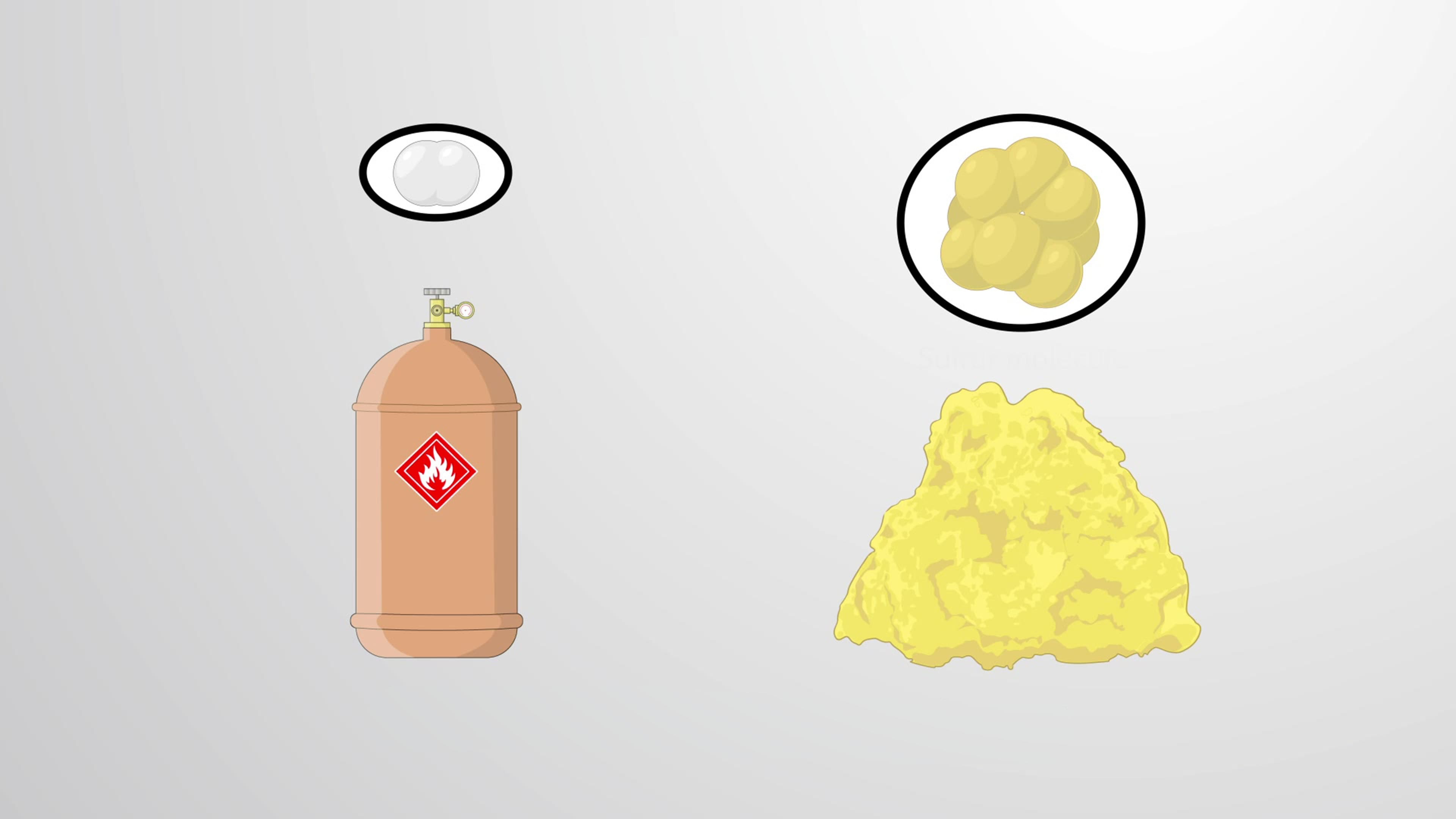
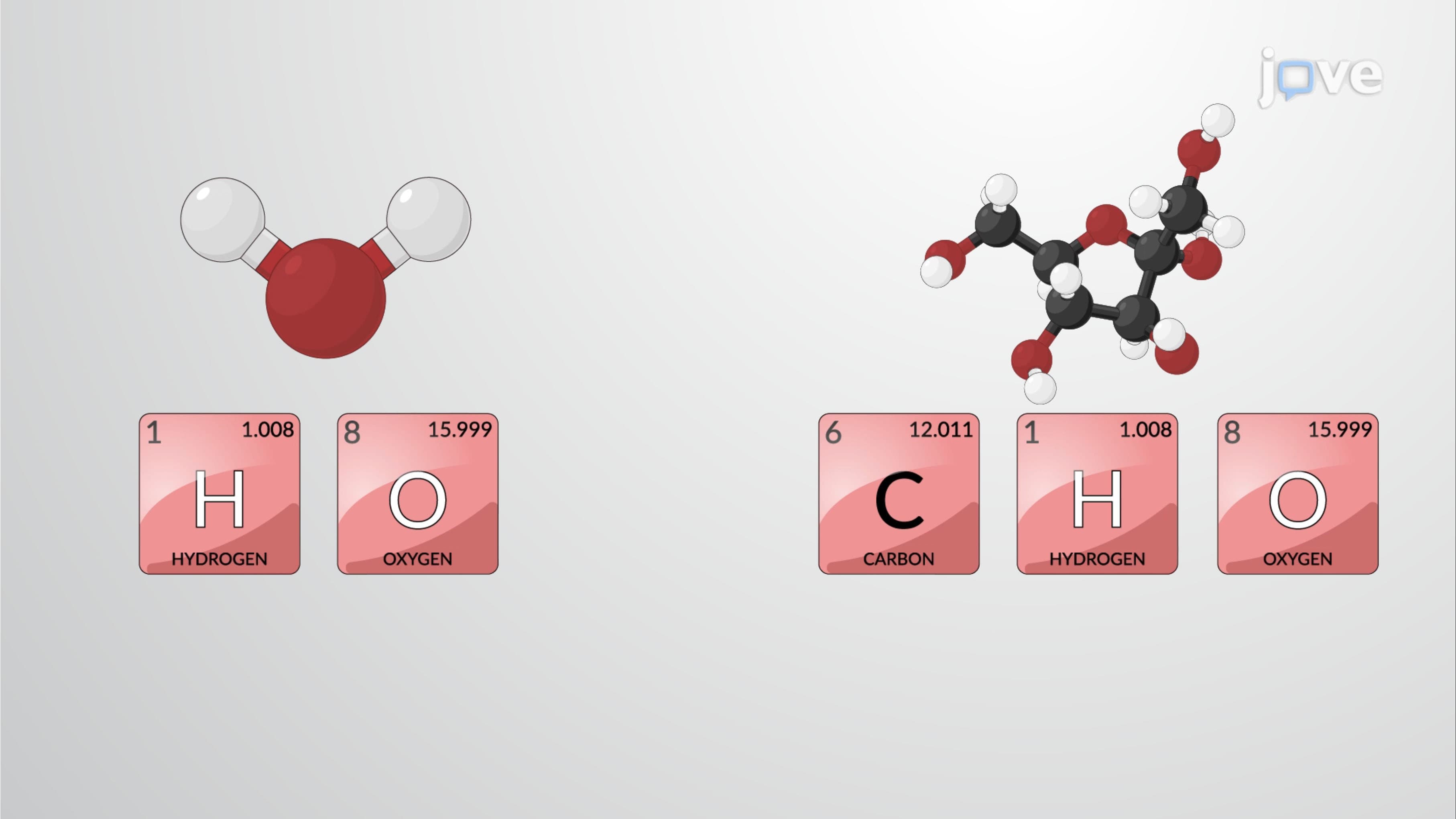
1. Molecular Structure and Chemical Bonding - Atoms combine through covalent and ionic bonds to form stable molecules and compounds, with covalent bonds involving electron sharing between nonmetals (like in water, H₂O) and ionic bonds forming through electron transfer between metals and nonmetals (like in table salt, NaCl). Understanding these bonding patterns explains why certain elements combine in specific ratios and determines the physical and chemical properties of resulting compounds.
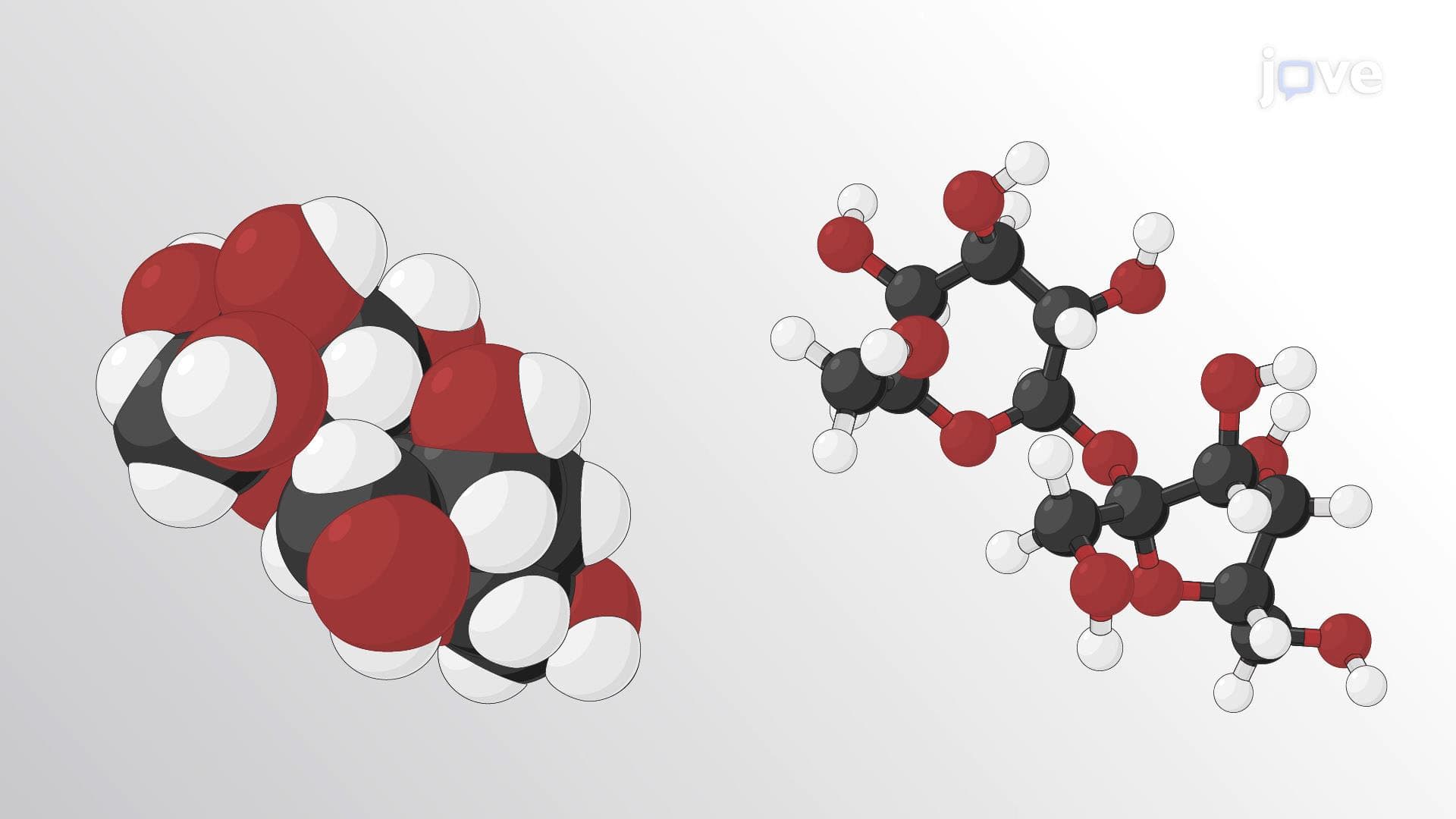
2. Chemical Formula Types and Representations - Molecular formulas show exact atom counts (glucose: C₆H₁₂O₆), empirical formulas display simplest whole-number ratios (glucose: CH₂O), and structural formulas reveal atomic connections through bond diagrams. Ball-and-stick and space-filling models provide three-dimensional visualization of molecular geometry, following CPK color conventions where hydrogen appears white, carbon black, and oxygen red for consistent scientific communication.
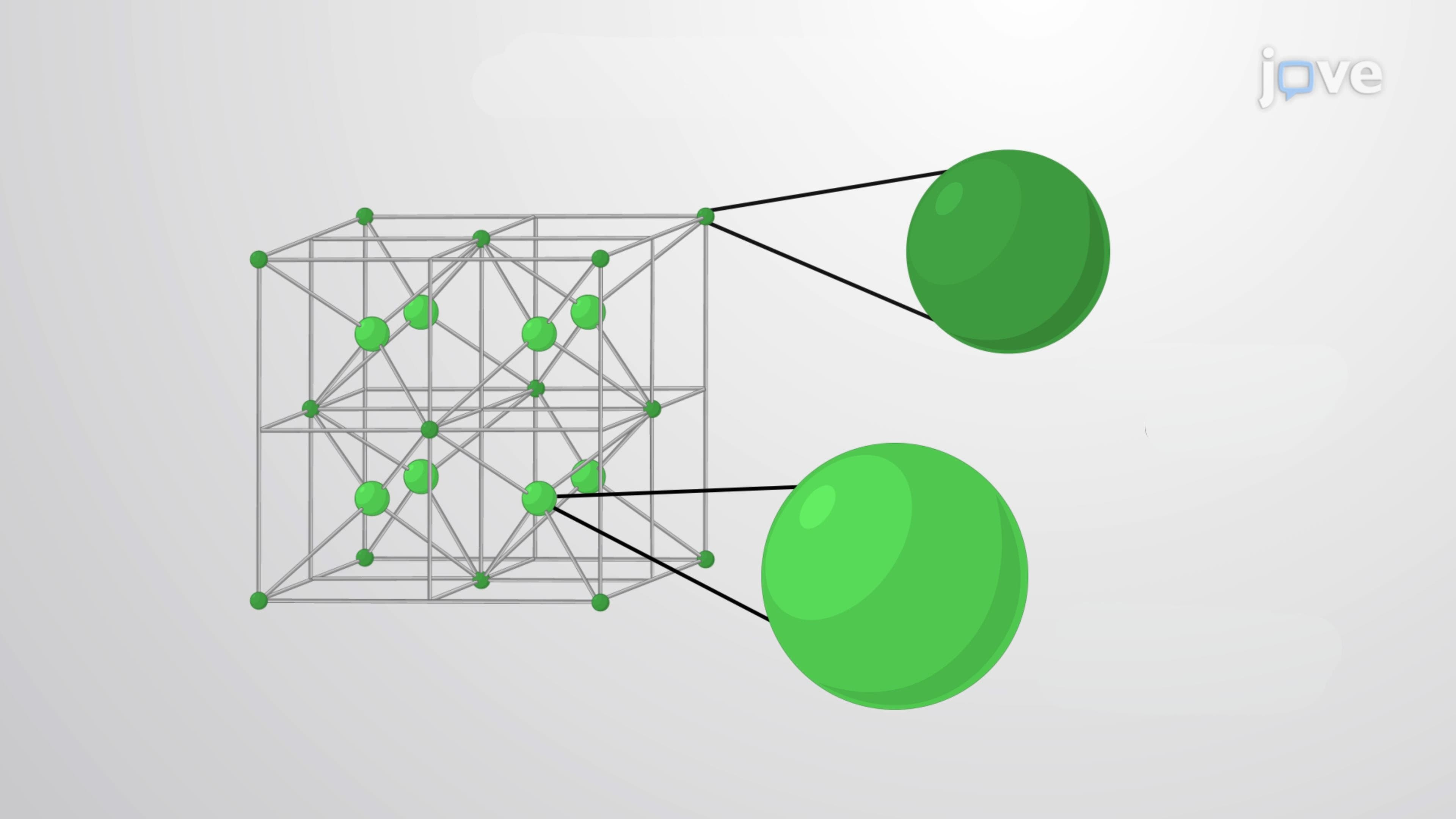
3. Ionic Compound Formation and Nomenclature - Metal atoms lose electrons to become positively charged cations while nonmetal atoms gain electrons to form negatively charged anions, creating electrically neutral compounds through electrostatic attraction. Systematic naming follows specific rules: metal name first, then nonmetal with "-ide" suffix (calcium fluoride), with Roman numerals indicating variable metal charges (iron(III) chloride) and Greek prefixes for polyatomic ions.
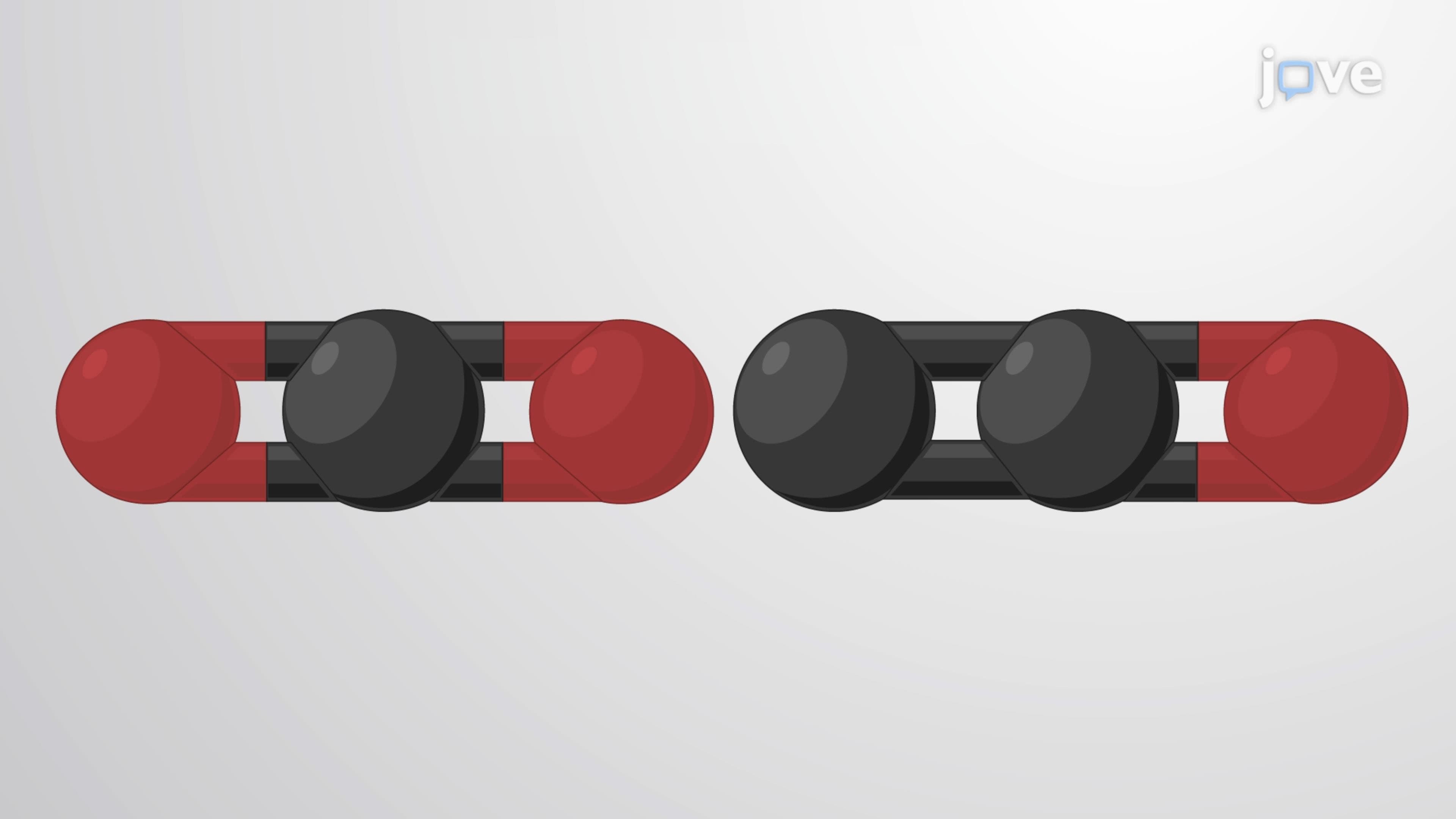
4. Molecular Compound Classification and Naming - Binary molecular compounds form between nonmetals using systematic Greek prefixes (mono-, di-, tri-) to indicate atom quantities, such as carbon dioxide (CO₂) and dinitrogen tetroxide (N₂O₄). Acids follow special naming conventions with "hydro-" prefix and "-ic acid" suffix for binary acids (hydrochloric acid) and base name modifications for oxyacids (sulfuric acid from sulfate, sulfurous acid from sulfite).
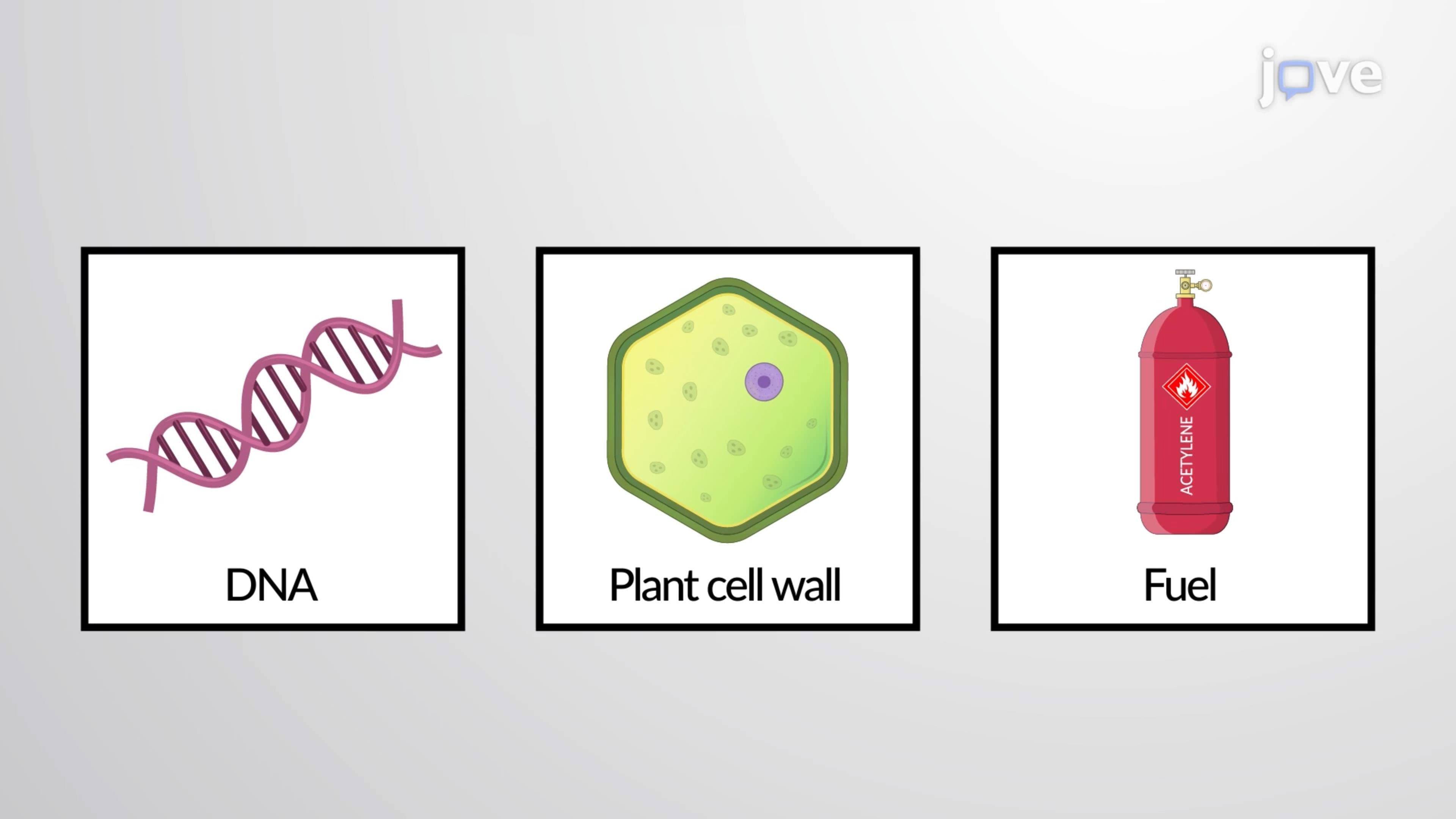
5. Organic Chemistry Fundamentals - Carbon-based organic compounds form the backbone of biological systems and fuels, with hydrocarbons containing only carbon and hydrogen (methane: CH₄, ethylene: C₂H₄) and functionalized hydrocarbons incorporating specific atomic groups. Alcohols contain hydroxyl groups (-OH), carboxylic acids have carboxyl groups (-COOH), and systematic naming reflects both carbon chain length and functional group identity following IUPAC conventions.
6. Quantitative Analysis and Mole Relationships - Molecular mass calculations involve summing atomic masses of all atoms in a formula, while molar mass represents the mass of one mole (6.022 × 10²³ particles) of a substance. Percentage composition reveals elemental ratios by mass, and experimental data from combustion analysis or decomposition reactions enables determination of empirical and molecular formulas through mole ratio calculations.
7. Chemical Equation Balancing and Mass Conservation - Chemical reactions follow the law of conservation of mass, requiring equal numbers of each atom type on both sides of the equation through coefficient adjustment. Systematic balancing approaches include addressing compounds before elements, handling polyatomic ions as units, and converting fractional coefficients to whole numbers by multiplying the entire equation by appropriate denominators while maintaining chemical identity.